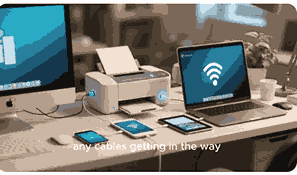
Printer sharing is a technology that allows multiple computers or devices to access and use a single printer over a local area network (LAN) or via the internet. It enables businesses, educational institutions, and households to save money by reducing the need for multiple printers while improving convenience. Printer sharing is essential in modern offices because it allows centralized management, reduces maintenance costs, and ensures consistent printing quality. Understanding how printer sharing works, the setup process, and troubleshooting methods is crucial for maximizing efficiency and productivity in both home and corporate environments.
What Is A Printer?
A printer is a peripheral device that produces a hard copy of digital documents, images, or graphics stored on computers, smartphones, or other electronic devices. Printers come in various types, including inkjet, laser, thermal, and multifunction printers that can print, scan, copy, and fax. Modern printers often support wireless connectivity, network printing, and cloud printing features. They rely on drivers and software to communicate with devices and interpret digital data into physical print. Printers are essential tools for businesses, schools, and homes, enabling the production of official documents, marketing materials, reports, and personal projects with high efficiency and quality.
Benefits Of Printer Sharing
Printer sharing provides numerous advantages, such as cost savings by reducing the number of printers needed in an office or home setup. It simplifies maintenance because fewer printers require servicing and fewer consumables like ink or toner. Shared printers improve workflow efficiency by allowing multiple users to send print jobs simultaneously from different devices without requiring physical transfers. It also supports remote printing, where users can print from different locations through network or cloud-based connections. Printer sharing enhances collaboration in team environments and ensures consistent output quality by standardizing the printer used across devices, making it an indispensable feature for modern networked environments.
How To Set Up Printer Sharing On Windows
Setting up printer sharing on a Windows system involves several steps. First, ensure the printer is installed on the host computer and functioning correctly. Then, access the Control Panel, navigate to “Devices and Printers,” right-click the printer, and select “Printer Properties.” In the “Sharing” tab, enable “Share this printer” and provide a share name recognizable to other network users. On client computers, open “Devices and Printers,” select “Add a printer,” and choose “Network printer” to connect. Ensure all computers are on the same network and have necessary permissions. This setup allows seamless printing from multiple Windows devices without additional hardware.
How To Share Printers On Mac
To share a printer on a Mac, first ensure the printer is installed and connected to your Mac device. Go to “System Preferences,” then select “Sharing,” and enable “Printer Sharing.” Choose the printer you want to share and specify which users or groups can access it. On other Mac devices, open “System Preferences” and “Printers & Scanners” to add the shared printer by locating it on the network. Mac printer sharing supports both wired and wireless network connections, making it ideal for offices or homes using Apple devices. It allows multiple users to print efficiently without connecting directly to the physical printer.
Wireless Printer Sharing
Wireless printer sharing allows devices to connect to a printer without physical cables, providing convenience and flexibility. It works over Wi-Fi networks and can be configured through the printer’s onboard menu or companion apps. Wireless sharing is particularly useful in large offices or homes where printers are centrally located, eliminating the need for long cables. Many modern printers support Wi-Fi Direct, allowing devices to connect directly without a router. Cloud printing services also enhance wireless printer sharing, enabling printing from smartphones, tablets, and remote locations. Security settings such as passwords and network encryption are crucial to prevent unauthorized access.
Printer Sharing Troubleshooting
Troubleshooting printer sharing issues typically involves checking network connections, verifying printer drivers, and ensuring proper permissions are granted. Common problems include the printer not appearing on the network, print jobs being stuck in the queue, or access denial due to incorrect user permissions. Restarting the printer and computers, updating drivers, and verifying firewall settings often resolve connectivity issues. Ensuring that all devices are on the same network and compatible with the shared printer is essential. Advanced troubleshooting may involve reconfiguring IP addresses, resetting the printer, or consulting the manufacturer’s support for network or driver issues to restore efficient shared printing operations.
Security Considerations For Printer Sharing
Printer sharing introduces potential security risks if not managed properly. Unauthorized access to shared printers can lead to data breaches, theft of sensitive documents, or malware infections. To mitigate risks, enable user authentication, set strong passwords, and restrict access to specific users or groups. Using encrypted networks and secure printing protocols ensures that print jobs remain confidential. Regularly updating printer firmware and software also helps prevent vulnerabilities. Businesses should implement monitoring systems to track printing activities and detect suspicious behavior. By applying proper security measures, printer sharing can remain safe and efficient without compromising sensitive information.
Printer Sharing Best Practices
Best practices for printer sharing include positioning the printer in a central location for easy access, maintaining a consistent network configuration, and updating drivers regularly. Limit access to essential users to improve security, and monitor usage to manage consumables effectively. Establish clear guidelines for print job priorities in busy environments. Consider using cloud-based or virtual printing solutions for remote access. Regularly back up printer settings and configurations to facilitate quick recovery in case of system failures. Adopting these practices ensures that printer sharing remains efficient, secure, and cost-effective, benefiting both small offices and large organizations.
Conclusion
Printer sharing is a vital technology for modern homes and businesses, enabling multiple devices to access a single printer efficiently. It saves costs, enhances workflow, and supports collaboration while providing flexible printing options through wired and wireless networks. Proper setup, troubleshooting, and security measures are critical to maximize the benefits of printer sharing. Understanding the principles, advantages, and best practices ensures smooth operation and long-term reliability. Whether using Windows, Mac, or cloud-based solutions, printer sharing is an indispensable tool for optimizing printing resources and maintaining productivity in a connected environment.
Frequently Asked Questions
1. What Is Printer Sharing?
Printer sharing is the process of allowing multiple computers or devices to use a single printer over a local area network (LAN) or internet connection. It enables cost savings by reducing the need for multiple printers and allows centralized management of print jobs. By sharing a printer, businesses and households can streamline printing workflows, improve accessibility, and increase productivity. Printer sharing can be achieved using wired or wireless connections, cloud services, or network-attached printers. It requires proper setup, including installing printer drivers, enabling sharing options, and managing user permissions. Security considerations like authentication and encryption are crucial to prevent unauthorized access and maintain document confidentiality.
2. How Do I Set Up Printer Sharing On Windows?
Setting up printer sharing on Windows involves installing the printer on the host computer, enabling the “Share this printer” option in printer properties, and giving the printer a share name recognizable by other users. On client computers, users can add the shared printer through “Devices and Printers” and select “Network Printer.” Ensuring all devices are on the same network and have proper permissions is essential. This method allows multiple Windows devices to print to a single printer without additional hardware. Proper driver installation and network configuration are necessary to avoid connectivity issues. Troubleshooting may involve restarting devices, checking firewall settings, and updating drivers for seamless printer sharing.
3. How Can I Share A Printer On Mac?
To share a printer on Mac, install and connect the printer to the Mac device, then navigate to “System Preferences,” select “Sharing,” and enable “Printer Sharing.” Choose the printer to share and assign user access permissions. Other Mac devices can connect via “Printers & Scanners” by selecting the network-shared printer. Mac printer sharing works over wired and wireless networks, providing efficient printing for multiple users. It also supports AirPrint for iOS devices, enabling seamless integration across Apple ecosystems. Proper network configuration and user permissions are critical to avoid access issues, ensuring a smooth printer-sharing experience.
4. What Are The Benefits Of Printer Sharing?
Printer sharing offers cost savings by reducing the number of printers needed, simplifying maintenance, and improving workflow efficiency. Multiple users can print simultaneously without needing individual printers, saving space and consumables like ink and paper. Shared printers enhance collaboration in offices, ensuring consistent print quality and centralized management. Remote and wireless printing options further increase convenience. Printer sharing also helps track printing usage, manage resources, and reduce environmental impact. By implementing printer sharing, organizations and households can optimize printing processes, save money, and maintain a productive work environment.
5. What Types Of Printers Support Sharing?
Most modern printers support sharing, including inkjet, laser, all-in-one, and network printers. Network-attached printers have built-in sharing capabilities, allowing multiple users to connect directly over LAN or Wi-Fi. Wireless printers support Wi-Fi or cloud printing, enabling remote access. Multifunction printers also support shared use for printing, scanning, and copying. Compatibility with operating systems like Windows, Mac, and mobile devices is essential for seamless sharing. Selecting a printer with robust sharing features ensures efficient utilization, easy management, and reduced costs. Ensuring the printer supports necessary protocols like IPP, AirPrint, or Google Cloud Print enhances accessibility for all users.
6. How Does Wireless Printer Sharing Work?
Wireless printer sharing works by connecting the printer and devices to the same Wi-Fi network or using Wi-Fi Direct for direct connections. Devices communicate with the printer over the network using protocols like IPP or AirPrint. Cloud printing services allow printing from remote locations by sending print jobs over the internet. Wireless sharing eliminates the need for physical cables, improving flexibility and convenience. Security measures such as passwords, network encryption, and user authentication protect sensitive documents. Proper configuration of network settings ensures reliable connectivity, while updated drivers and firmware maintain performance. Wireless printer sharing is ideal for homes, offices, and educational environments.
7. How Do I Troubleshoot Printer Sharing Issues?
Troubleshooting printer sharing issues involves checking network connections, verifying printer drivers, and ensuring user permissions. Common problems include the printer not appearing on the network, print jobs stuck in the queue, or access denial. Restarting the printer and devices, updating drivers, and reviewing firewall settings often resolve issues. Ensuring devices are on the same network and compatible with the shared printer is essential. Advanced troubleshooting may require reconfiguring IP addresses, reinstalling the printer, or consulting manufacturer support. Regular maintenance and monitoring help prevent future issues, ensuring uninterrupted shared printing.
8. Can I Share A Printer Over The Internet?
Yes, printers can be shared over the internet using cloud printing services, VPNs, or network-attached printers with remote access features. Cloud platforms like Google Cloud Print (legacy) or manufacturer apps allow users to send print jobs from any location. Internet printer sharing is ideal for remote employees, multiple office branches, or home offices. Security measures such as encryption, authentication, and access restrictions are crucial to prevent unauthorized access. Proper setup involves linking the printer to the cloud service, installing necessary software on client devices, and ensuring stable internet connectivity. Internet sharing enhances flexibility and accessibility.
9. What Security Measures Are Needed For Printer Sharing?
Security in printer sharing is vital to prevent unauthorized access and protect sensitive data. Use strong passwords, restrict access to specific users, and enable user authentication. Encrypt network connections and update printer firmware regularly to prevent vulnerabilities. Monitoring printing activities can detect unusual behavior and potential breaches. For cloud or internet sharing, secure accounts and encrypted communication protocols are essential. Implementing these security measures ensures shared printing remains safe, protecting confidential documents while maintaining workflow efficiency. Neglecting security can lead to data theft, malware infections, or misuse of printing resources.
10. How Do I Manage Print Jobs On A Shared Printer?
Managing print jobs on a shared printer involves using print queues, prioritization settings, and administrative tools. Users can view, pause, or cancel print jobs from their devices. Administrators can configure rules for job order, quotas, and usage tracking. Software tools allow monitoring print volumes, generating reports, and optimizing printer performance. Effective management prevents congestion, reduces wasted paper, and ensures critical documents are printed promptly. For large offices, implementing print server solutions or centralized management software streamlines shared printing, providing control and accountability while enhancing efficiency and user satisfaction.
11. What Is The Difference Between Wired And Wireless Printer Sharing?
Wired printer sharing uses physical connections like USB or Ethernet cables to connect devices to the printer or print server. Wireless sharing relies on Wi-Fi or Bluetooth networks for device communication. Wired sharing provides stable connections but limits flexibility and requires physical proximity. Wireless sharing offers convenience, mobility, and remote printing capabilities. Both methods require proper configuration and driver installation. Choosing the appropriate method depends on the environment, user needs, and network setup. Many modern printers support both wired and wireless sharing, providing versatility and efficient access for multiple users.
12. Can Multiple Users Print Simultaneously On A Shared Printer?
Yes, multiple users can print simultaneously on a shared printer. Print jobs are queued in the printer’s memory or print server software. The printer processes each job sequentially or in parallel, depending on capabilities. Proper network configuration ensures jobs are received and managed efficiently. Print servers or advanced printer software can handle large volumes, prioritize urgent jobs, and prevent conflicts. Shared printers improve workflow efficiency, reduce delays, and minimize the need for multiple devices. Administrators can monitor job queues to ensure fair access and optimize resource usage, especially in busy office environments.
13. How Do I Enable Printer Sharing On Network Printers?
To enable printer sharing on network printers, access the printer’s web interface or onboard menu. Locate network or sharing settings and enable sharing or remote access options. Assign IP addresses, configure user permissions, and ensure devices on the network can detect the printer. For advanced setups, configure firewall rules and security protocols. Installing drivers on client devices allows seamless access. Network printer sharing improves accessibility, reduces hardware costs, and supports multiple users efficiently. Following manufacturer guidelines ensures proper setup and prevents connectivity issues, providing reliable shared printing services.
14. What Are Common Printer Sharing Problems?
Common printer sharing problems include network connectivity issues, driver incompatibility, incorrect permissions, and print job congestion. Users may experience the printer not appearing on the network, delayed printing, or incomplete jobs. Firewall or antivirus settings can block shared access. Outdated firmware or drivers can cause errors. Resolving these issues involves verifying network connections, updating drivers, adjusting permissions, and restarting devices. For persistent problems, consulting printer manuals or technical support helps restore functionality. Proper setup and regular maintenance reduce these common challenges and ensure smooth, reliable shared printing in both home and office environments.
15. How Do I Share A Printer Between Windows And Mac?
Sharing a printer between Windows and Mac requires ensuring the printer is compatible with both systems. Install the printer on the host device and enable sharing. On Mac, configure “Printer Sharing” and add the printer on Windows via “Add a Printer” and network selection, or vice versa. Drivers must be installed on both systems. For cross-platform wireless sharing, use IPP, AirPrint, or manufacturer-provided software. Network configuration should allow both operating systems to detect the shared printer. Proper setup enables seamless printing across different platforms, improving productivity in mixed-device environments.
16. What Role Do Printer Drivers Play In Sharing?
Printer drivers are software that allows devices to communicate with printers. In sharing setups, drivers ensure that print jobs are correctly interpreted and formatted, enabling smooth printing from multiple computers. Incompatible or outdated drivers can prevent shared printing, cause errors, or produce poor print quality. Each device accessing a shared printer must have the appropriate driver installed. Drivers also provide access to printer settings, security options, and advanced features. Regular updates and correct driver installation are crucial for maintaining efficient, reliable, and secure printer sharing across networks.
17. Can I Share A Printer On A Mobile Device?
Yes, many printers support mobile sharing through Wi-Fi, Bluetooth, or cloud-based apps. Smartphones and tablets can print directly using AirPrint, Google Cloud Print alternatives, or manufacturer apps. Mobile sharing allows remote and on-the-go printing, ideal for home and office users. Proper network configuration, driver installation, and app setup ensure compatibility. Security settings like authentication and encryption protect documents. Mobile printer sharing enhances flexibility, enabling users to print without traditional computers, supporting efficient workflows for modern digital environments.
18. How Do I Optimize Printer Sharing Performance?
Optimizing printer sharing performance involves proper network setup, using updated drivers, and prioritizing print jobs. Positioning printers centrally improves accessibility, while high-speed connections reduce delays. Implementing print servers or management software enhances queue handling. Monitoring usage and maintaining consumables prevent interruptions. Security configurations ensure uninterrupted access. For large environments, load balancing and job scheduling prevent congestion. Optimizing settings like print quality, duplex printing, and paper selection can improve speed and efficiency. Regular maintenance, firmware updates, and monitoring ensure long-term performance for shared printers.
19. Is Printer Sharing Cost-Effective For Businesses?
Yes, printer sharing significantly reduces hardware, maintenance, and consumable costs. By centralizing printing, businesses require fewer devices, saving on energy, space, and supplies. Shared printers streamline workflows, improve accessibility, and enhance collaboration among employees. Remote or cloud printing extends accessibility without additional hardware. Monitoring usage allows better resource management and budgeting. Investing in reliable shared printers ensures high-quality output and long-term cost savings. For organizations of any size, printer sharing is a practical and efficient approach to manage printing operations while reducing expenses.
20. What Are The Best Practices For Printer Sharing?
Best practices for printer sharing include positioning printers centrally, limiting access to authorized users, and updating drivers regularly. Use strong passwords, authentication, and network encryption for security. Monitor usage to optimize resources and prevent congestion. Establish clear guidelines for print priorities and maintenance schedules. Implement cloud or virtual printing for remote access. Regularly back up settings and configurations for quick recovery in case of failures. Following these practices ensures printer sharing remains efficient, secure, and reliable, benefiting both small offices and large organizations while maximizing productivity and minimizing costs.
FURTHER READING
- How To Fix A Printer That Won’t Print Colour | A Complete Guide To Troubleshooting Color Printing Issues
- What Is Printer Calibration? | Comprehensive Guide To Optimize Print Accuracy And Color Consistency
- Can I Use Third-Party Ink In My Printer? | A Comprehensive Guide to Printer Ink Compatibility
- Can I Connect A Printer To Multiple Computers? | A Step-By-Step Guide To Shared Printing Solutions
- How To Replace A Printer Toner | A Step-By-Step Guide To Printer Toner Replacement For Smooth Printing Performance
- How To Replace Ink Cartridges In A Printer | A Step-By-Step Guide To Replace Printer Ink Cartridges Easily
- How To Check Ink Levels On Your Printer | Easy Methods To Monitor Printer Ink And Avoid Printing Issues
- Why Is My Printer Printing Faded Text? | Common Causes, Solutions, And Maintenance Tips For Clear Printing
- What Is A Thermal Printer? | A Complete Guide On Thermal Printers, Uses, Types, And Benefits
- What Is A Multifunction Printer? | A Comprehensive Guide To Multifunction Printers, Features, And Benefits