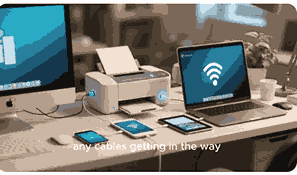
Setting a default printer is an essential step for anyone who regularly prints documents, photos, or labels, whether at home, in the office, or in a professional printing environment. Configuring a default printer ensures that your device automatically sends print jobs to the printer you use most, saving time and avoiding confusion with multiple connected devices. From Windows PCs to Mac computers, and even network printers, understanding how to set a default printer correctly improves workflow efficiency and guarantees a seamless printing experience. This comprehensive guide will cover everything you need to know about setting up and managing your default printer.
What Is A Printer?
A printer is a peripheral device that converts digital documents, images, and text from computers, smartphones, or tablets into physical copies on paper or other printable media. Printers vary in types, including inkjet, laser, dot matrix, and thermal printers, each designed for specific printing needs. Inkjet printers are popular for home use due to their high-quality color output and affordability, while laser printers are preferred in offices for faster printing speeds and lower cost per page. Printers can connect via USB, Wi-Fi, or Ethernet, and many modern printers also support cloud printing. A properly configured printer enhances productivity, ensures consistent print quality, and supports various paper types and sizes for versatile use.
How To Set A Default Printer On Windows 10 And Windows 11
Setting a default printer on Windows is straightforward. Start by opening the “Settings” menu, then navigate to “Devices” and select “Printers & Scanners.” You will see a list of installed printers. Click the printer you want to set as default, then select “Manage” and choose “Set as Default.” In Windows 10 and 11, there is an option called “Let Windows manage my default printer.” Turning this off allows you to manually select your preferred default printer. Once selected, all print jobs will automatically route to this printer unless otherwise specified. Regularly updating drivers ensures compatibility and optimal performance.
How To Set A Default Printer On MacOS
For Mac users, setting a default printer is done via “System Preferences.” Open “Printers & Scanners” and select your preferred printer from the list. At the bottom of the printer list, find the “Default Printer” dropdown menu and choose the printer you want to set. macOS allows you to choose “Last Printer Used” as the default, which automatically selects the most recently used printer. This is ideal for users who switch between printers regularly. For office setups with multiple network printers, configuring a default printer ensures that print jobs are sent to the right device without manually selecting it each time.
Setting A Default Printer On Network Printers
Network printers are shared devices connected via a local network or Wi-Fi. To set a default network printer, access your device’s “Printers & Scanners” settings, locate the network printer, and set it as default. On Windows, you may need administrative rights to manage network printers. On Mac, network printers appear automatically in the “Printers & Scanners” section, where you can select one as default. Network printer configuration ensures seamless printing across multiple devices, reduces errors, and avoids sending print jobs to the wrong printer. Always ensure network connectivity and correct driver installation for consistent performance.
Benefits Of Setting A Default Printer
Setting a default printer provides numerous benefits. It reduces the time spent selecting printers for each print job, avoids accidental prints to the wrong device, and ensures that your preferred printer settings are applied automatically. Businesses benefit from improved workflow efficiency, fewer errors, and consistent print quality. Home users enjoy the convenience of automatically printing documents without repeatedly navigating print menus. A default printer also helps when managing multiple printers, especially in environments with shared or specialized printers, such as photo printers or label printers. It creates a smoother, more organized printing experience across all devices.
Troubleshooting Default Printer Issues
Sometimes, even after setting a default printer, print jobs may not send correctly. Common issues include outdated drivers, connectivity problems, and system updates that reset printer preferences. Start by checking printer status, ensuring it is online and connected. Update drivers from the manufacturer’s website or use built-in OS update tools. Restart your computer and printer to refresh the connection. If the printer disappears from the list, reconnect it manually. For network printers, verify IP addresses and network settings. Regular maintenance and troubleshooting prevent disruptions and maintain consistent print quality, ensuring your default printer always functions reliably.
Tips For Managing Multiple Printers
In environments with multiple printers, managing default printers efficiently is critical. Assign a default printer based on your most frequently used device or location, and adjust settings for others as needed. Utilize printer profiles to save settings for different tasks, like high-quality photo printing or fast draft mode. Periodically review printer lists to remove outdated or unused devices. On corporate networks, IT departments can configure group policies to assign default printers for departments, optimizing workflow. By managing printers effectively, you save time, prevent errors, and maintain high productivity across all devices.
Conclusion
Setting a default printer is a small but impactful step toward efficient and hassle-free printing. Whether on Windows, macOS, or a networked environment, choosing the right default printer streamlines workflow, reduces mistakes, and ensures reliable print quality. With proper configuration, maintenance, and troubleshooting, your default printer becomes a dependable tool for both personal and professional use. Taking a few minutes to configure this setting can save hours over time and create a smoother printing experience across all devices.
Frequently Asked Questions
1. How Do I Set A Default Printer?
Setting a default printer ensures your computer automatically sends all print jobs to your preferred printer without manually selecting it each time. On Windows, navigate to Settings > Devices > Printers & Scanners, select your printer, click Manage, and choose “Set as Default.” On macOS, go to System Preferences > Printers & Scanners, select your printer, and choose it as Default Printer. For network printers, ensure proper connectivity and administrative permissions. Regularly updating printer drivers is crucial to maintain compatibility and functionality. Setting a default printer simplifies your workflow, reduces errors, and saves time when managing multiple print devices.
2. Can I Set A Default Printer On Windows 10 And 11?
Yes, Windows 10 and 11 allow you to set a default printer easily. Open Settings > Devices > Printers & Scanners, select the printer, and choose “Set as Default.” Disable “Let Windows manage my default printer” if you want manual control. This ensures that the selected printer receives all print jobs automatically, improving workflow efficiency.
3. How Do I Set A Default Printer On MacOS?
MacOS users can open System Preferences > Printers & Scanners, select the printer, and choose it from the “Default Printer” dropdown. You can also set “Last Printer Used” as default. This process ensures your preferred printer handles all print jobs without manual selection each time.
4. Can I Set A Default Network Printer?
Yes, network printers can be set as default through your device’s printer settings. Ensure the printer is properly connected to the network, then select it as default on Windows or Mac. This is especially useful for shared office printers to avoid print errors.
5. Why Is My Default Printer Not Printing?
Common causes include outdated drivers, connectivity issues, and system updates. Check printer status, update drivers, ensure proper network connection, and restart devices. Regular troubleshooting maintains reliable printing from your default printer.
6. Can I Have Multiple Default Printers?
No, only one printer can be the default at a time on a single device. However, you can switch default printers as needed, and set different defaults on separate devices to manage multiple printers efficiently.
7. Does Setting A Default Printer Improve Printing Speed?
Indirectly, yes. It reduces the time spent manually selecting printers for each print job and ensures the chosen printer is ready, streamlining workflow and minimizing delays caused by errors or wrong printer selection.
8. How Do I Change My Default Printer?
On Windows, go to Settings > Devices > Printers & Scanners, select the new printer, and click “Set as Default.” On Mac, navigate to System Preferences > Printers & Scanners, choose your printer, and set it as default. Changing default printers is quick and maintains workflow efficiency.
9. Can I Set A Default Printer On A Mobile Device?
Yes, many mobile devices allow default printer settings via their operating system or print apps. iOS uses AirPrint to select default printers, while Android devices may use manufacturer-specific printing services or Google Cloud Print alternatives for seamless printing.
10. How Do I Ensure My Default Printer Stays Default?
Disable automatic management options like “Let Windows manage my default printer,” keep drivers updated, and avoid uninstalling the printer. Regularly verify settings to maintain consistency and avoid disruptions in printing.
11. Can I Set A Default Printer For All Users On A Computer?
Yes, administrative privileges on Windows allow setting a default printer for all users via Group Policy. On Mac, system-level printer configuration can ensure a default printer is accessible to all user accounts.
12. How Do I Set A Default Printer For Specific Tasks?
Use printer profiles or presets to manage settings for different tasks, like high-quality photos or draft documents. Set your default printer for general use and manually select profiles for specialized printing tasks.
13. Can I Set A Default Printer Wirelessly?
Yes, both Windows and Mac support wireless default printer setup. Connect the printer via Wi-Fi, add it to your device, and set it as default in your printer settings. Ensure a stable network connection for reliable printing.
14. How Do I Fix Default Printer Errors On Windows?
Update printer drivers, check USB or network connections, restart the computer, and verify printer settings in Control Panel. Troubleshooting these common issues restores default printer functionality efficiently.
15. How Do I Fix Default Printer Errors On Mac?
Restart your printer and Mac, update printer drivers, remove and re-add the printer, and check network connections. This resolves most default printer errors and maintains consistent printing performance.
16. Can Printer Drivers Affect Default Printer Settings?
Yes, outdated or incompatible drivers can prevent a printer from being set as default or cause printing errors. Regularly update drivers to ensure smooth operation and compatibility with your device’s operating system.
17. Does Default Printer Affect Printing Quality?
Indirectly, yes. While the printer hardware determines quality, setting the correct default printer ensures the intended printer receives the job, applying the proper print settings for optimal output.
18. How Do I Remove A Default Printer?
On Windows, go to Settings > Devices > Printers & Scanners, select the printer, and click Remove Device. On Mac, open Printers & Scanners, select the printer, and click the minus (-) button. Removing unused printers prevents confusion.
19. Can I Set A Default Printer In A Shared Office?
Yes, select the most commonly used printer as default for your device. For shared offices, IT departments may assign default printers via network policies to streamline workflow and prevent print errors.
20. Are There Tools To Manage Default Printers Automatically?
Yes, third-party tools and printer management software can automate switching default printers based on location, tasks, or network settings. These tools are ideal for offices with multiple printers and complex printing needs.
FURTHER READING
- How To Connect Your Printer To A Router | A Step-By-Step Guide To Wireless And Wired Printer Setup
- How To Cancel A Printer Job | A Complete Guide To Stopping Printing Tasks On Windows, Mac, And Network Printers
- What Is A Printer Queue? | Understanding Printer Queue Management And Troubleshooting Tips
- How To Add A Printer Using An IP Address | A Step-By-Step Guide To Connect Network Printers Efficiently
- What Is The Fastest Printer? | High-Speed Printing Solutions For Home And Office
- What Is Printer Sharing? | How To Share Printers Over A Network For Efficient Printing
- How To Fix A Printer That Won’t Print Colour | A Complete Guide To Troubleshooting Color Printing Issues
- What Is Printer Calibration? | Comprehensive Guide To Optimize Print Accuracy And Color Consistency
- Can I Use Third-Party Ink In My Printer? | A Comprehensive Guide to Printer Ink Compatibility
- Can I Connect A Printer To Multiple Computers? | A Step-By-Step Guide To Shared Printing Solutions