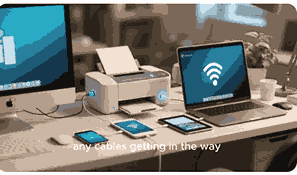
Printers are essential tools in both home and office environments, allowing seamless printing of documents, photos, and other materials. However, one common frustration many users face is when a printer is not detected by a computer or device. This issue can occur due to hardware, software, or network problems, affecting productivity and workflow. Understanding the potential causes and solutions for a printer not being detected is crucial for resolving these problems quickly and efficiently. This guide will provide a comprehensive overview of troubleshooting steps, common reasons for detection issues, and best practices for maintaining printer connectivity.
What Is A Printer?
A printer is an output device that transfers digital data from a computer, smartphone, or other electronic device onto physical media, usually paper. Modern printers can be classified as inkjet, laser, or thermal printers, each with unique mechanisms and technologies for producing high-quality prints. Printers may connect to devices through USB cables, Wi-Fi, Bluetooth, or network servers, and some advanced models offer cloud printing capabilities. While printers provide convenience and efficiency, their performance depends on proper hardware functioning, up-to-date drivers, and correct network settings. Issues like “printer not detected” typically arise from connectivity, driver, or system configuration problems.
Common Reasons Why Printers Are Not Detected
Several factors can prevent a printer from being detected by a computer or network. Hardware-related issues include loose or damaged cables, power supply problems, or malfunctioning USB ports. Software problems, such as outdated, missing, or corrupt drivers, can also prevent the system from recognizing the printer. Network printers may not be detected due to Wi-Fi issues, incorrect IP addresses, firewall restrictions, or router configuration problems. Additionally, operating system updates can occasionally cause compatibility conflicts. Identifying whether the problem is hardware, software, or network-related is the first step in resolving detection issues efficiently.
How To Troubleshoot Printer Detection Issues On Windows
Windows users can perform several steps to resolve printer detection problems. First, ensure the printer is powered on and connected to the computer via USB or network. Restart both the printer and the computer to refresh connections. Next, check the Device Manager to see if the printer appears under “Printers” or “Other Devices.” Update or reinstall printer drivers by downloading the latest version from the manufacturer’s website. For network printers, confirm the device is connected to the same Wi-Fi network and verify the IP address settings. Running the built-in Windows Printer Troubleshooter can also help detect and fix configuration errors automatically.
How To Troubleshoot Printer Detection Issues On Mac
Mac users experiencing printer detection problems should first check physical connections and ensure the printer is powered on. For network printers, confirm that the printer and Mac are on the same Wi-Fi network. Open “System Settings” > “Printers & Scanners” and see if the printer is listed. If not, remove any old printer entries and click “Add Printer” to reinstall the device. Updating macOS ensures compatibility with the latest drivers, and downloading official printer software from the manufacturer’s website can fix driver-related issues. Resetting the printing system may also help eliminate corrupted settings and restore proper printer detection.
Printer Connectivity Troubleshooting For Network Printers
Network printers may fail to be detected due to Wi-Fi signal issues, IP conflicts, or firewall settings. Verify that the printer is connected to the correct network and has a valid IP address. Restart the router and printer to refresh the connection. Ensure that firewalls or antivirus programs are not blocking printer communication. For office environments, check network policies or VPN restrictions that may prevent detection. Using the printer’s control panel, print a network configuration page to confirm connectivity status. Many modern printers also offer app-based diagnostics to identify network-related problems and guide users through troubleshooting steps.
Checking Drivers And Software For Printer Detection
Outdated or missing drivers are among the most common reasons a printer is not detected. Always download the latest drivers from the printer manufacturer’s official website, selecting the correct model and operating system. Remove old drivers before installing new ones to avoid conflicts. Ensure that any printer software or utility programs are compatible with the current OS version. Some printers require additional firmware updates, which can be performed via the manufacturer’s software or website. Keeping drivers and software up to date is essential for preventing future detection issues and ensuring full functionality of advanced printer features.
USB And Cable Issues That Prevent Printer Detection
For printers connected via USB, cable and port issues are often the culprit. Inspect the USB cable for physical damage or wear, and try using a different port on the computer. Avoid USB hubs if possible, as they may cause intermittent connections. For long USB cables, signal degradation can affect detection, so consider using shorter, high-quality cables. Restarting the printer after connecting it to a different port can prompt the computer to detect it automatically. Regularly inspecting hardware connections and replacing worn cables can prevent recurring printer detection problems.
Printer Firmware And Hardware Malfunctions
Sometimes, a printer may not be detected due to internal hardware malfunctions or outdated firmware. Check the printer manufacturer’s website for firmware updates, which can fix bugs and improve device compatibility. If the printer displays error messages or warning lights, consult the user manual or manufacturer support to diagnose the problem. In severe cases, hardware components like the motherboard, USB interface, or network card may fail, requiring professional repair or replacement. Regular maintenance, including cleaning printer heads and ensuring proper ventilation, can reduce the risk of hardware-related detection issues.
Conclusion
A printer not being detected can stem from various causes, including hardware failures, outdated drivers, network issues, or firmware problems. Systematic troubleshooting that addresses connectivity, driver installation, and network configuration can usually resolve these problems efficiently. Maintaining updated software, checking cables, and monitoring network connections are essential best practices to prevent future detection issues. By understanding the common causes and implementing proactive measures, users can ensure smooth and reliable printer functionality across all devices and operating systems.
Frequently Asked Questions
1. Why Is My Printer Not Detected?
A printer not being detected can result from hardware problems such as faulty USB cables, loose connections, or power issues. Software issues, including outdated, missing, or incompatible drivers, can also prevent detection. Network printers may not be detected due to Wi-Fi connectivity problems, incorrect IP addresses, firewall restrictions, or router settings. Operating system updates sometimes cause conflicts with existing printer configurations. Resolving detection issues typically involves restarting devices, updating drivers, checking network settings, and ensuring all cables and ports are functioning correctly. Using built-in troubleshooting tools for Windows, Mac, or printer manufacturer software often identifies and fixes the problem efficiently, restoring printer functionality quickly.
2. How Can I Fix A Printer Not Detected On Windows?
Resolving printer detection issues on Windows begins by checking physical connections and ensuring the printer is powered on. Open Device Manager to see if the printer appears and update drivers from the manufacturer’s website. For network printers, verify Wi-Fi connectivity, confirm IP addresses, and ensure firewalls are not blocking communication. Running the Windows Printer Troubleshooter can automatically detect and fix configuration errors. Restart both the printer and computer to refresh connections. If issues persist, uninstall the printer, reconnect it, and reinstall drivers, ensuring compatibility with your Windows version. Maintaining updated drivers and software prevents recurring detection problems.
3. How Can I Fix A Printer Not Detected On Mac?
Mac users should check physical and network connections and ensure the printer is powered on. Open System Settings > Printers & Scanners to see if the printer is listed. If not, remove old printer entries and add the printer manually. Update macOS to ensure compatibility with the latest drivers and download official printer software from the manufacturer’s website. Resetting the printing system can resolve corrupted settings that prevent detection. For network printers, confirm that the printer and Mac are on the same Wi-Fi network and that firewall settings allow communication. Following these steps restores printer detection and functionality.
4. Can Network Issues Cause My Printer Not To Be Detected?
Yes, network problems often prevent printers from being detected. Common issues include weak Wi-Fi signals, incorrect IP addresses, firewall restrictions, router misconfigurations, or VPN interference. Restarting the router and printer can refresh the connection. Ensure the printer is connected to the same network as your computer or device. Check firewall and antivirus settings to ensure they are not blocking printer communication. Printing a network configuration page or using the manufacturer’s app-based diagnostics can help identify connectivity issues. Resolving network problems typically restores printer detection for both wired and wireless printers.
5. Do Outdated Drivers Affect Printer Detection?
Outdated or missing drivers are a primary reason printers are not detected. Drivers serve as the interface between your operating system and the printer, so incompatibility can prevent detection. Download the latest drivers from the manufacturer’s website, ensuring the correct model and OS version. Remove old drivers before installing new ones to prevent conflicts. Firmware updates may also be required. Keeping drivers and software updated improves compatibility, enables new features, and reduces the likelihood of detection problems, ensuring smooth printer performance across all devices.
6. How Do I Check USB Connections For Printer Detection?
Inspect USB cables for damage and ensure they are securely connected to both the printer and computer. Try using a different USB port or cable to rule out port or cable issues. Avoid using USB hubs if possible, as they can interfere with detection. For long USB cables, signal degradation may occur, so opt for shorter, high-quality cables. Restart the printer after changing connections to prompt detection. Regular inspection and replacement of worn cables and ports prevent recurring printer detection problems and maintain reliable connectivity.
7. Can Firewall Or Antivirus Settings Prevent Printer Detection?
Yes, firewalls and antivirus software can block communication between your computer and printer. Security programs may flag printer connections as unauthorized, preventing detection. To resolve this, temporarily disable firewall or antivirus settings and attempt to connect the printer. If detection succeeds, configure firewall or antivirus rules to allow printer traffic. Ensure the printer’s IP address is whitelisted in network security settings. Correct configuration ensures both security and reliable printer connectivity, preventing software from inadvertently blocking device detection.
8. How Can I Fix Firmware Issues That Affect Printer Detection?
Printer firmware updates resolve bugs and enhance compatibility with operating systems. Check the manufacturer’s website for firmware updates and follow instructions for installation. Some printers allow firmware updates through control panels or official apps. Outdated firmware can prevent detection, cause errors, or limit functionality. Regular updates ensure the printer communicates correctly with devices, improving performance, and preventing connectivity issues. Firmware maintenance is an essential step in comprehensive printer troubleshooting and long-term reliability.
9. Why Does Restarting Devices Help With Printer Detection?
Restarting both the printer and the computer refreshes hardware and software connections. Temporary glitches in communication, driver initialization, or network settings can prevent detection, which a restart often resolves. For network printers, restarting the router along with devices can reset IP configurations and restore connectivity. This simple step can solve many detection problems quickly without requiring complex troubleshooting. Regular restarting during troubleshooting ensures that both hardware and software start in a clean state, facilitating proper printer detection.
10. How Do I Reset The Printing System On Mac?
Resetting the printing system on Mac removes all printers, queues, and settings, allowing a fresh setup. Navigate to System Settings > Printers & Scanners, right-click, and select “Reset Printing System.” Confirm the reset and add printers manually afterward. This process clears corrupted settings or stalled jobs that may prevent detection. Updating drivers and software before or after the reset ensures full functionality. Resetting the printing system is particularly effective for resolving persistent detection issues and restoring reliable printer communication on macOS.
11. Can Operating System Updates Cause Printer Detection Issues?
Yes, OS updates can introduce compatibility conflicts with existing printer drivers or software. Some older drivers may not function correctly with new updates, causing the printer to remain undetected. After updating the OS, it is recommended to download and install the latest drivers and software from the printer manufacturer. Reconnecting or reinstalling the printer may also be necessary. Keeping both the OS and printer drivers updated ensures smooth communication and reduces the likelihood of detection problems after system upgrades.
12. How Do I Verify Network Printer IP Address?
Printing a network configuration page from the printer provides the current IP address. Alternatively, access the printer’s control panel or use manufacturer software to check network settings. Ensure the IP address matches the one configured on your computer or device. If necessary, assign a static IP to prevent conflicts. Correct IP configuration ensures the device is detectable over the network and communicates properly with connected computers, resolving common detection issues for Wi-Fi or Ethernet-connected printers.
13. Can VPNs Interfere With Printer Detection?
VPNs can block local network access, preventing devices from detecting network printers. Disconnecting the VPN often resolves detection issues. If a VPN is necessary, configure split tunneling or network exceptions to allow local printer communication. Ensuring that your printer and computer are on the same local network is crucial. Proper VPN configuration enables secure remote access without affecting printer detection or connectivity.
14. How Do I Update Printer Drivers On Windows?
Open Device Manager, locate the printer, right-click, and select “Update Driver.” Alternatively, download the latest drivers from the manufacturer’s website. Uninstall old drivers before installing new ones to prevent conflicts. Restart the computer after installation. Regular driver updates ensure compatibility with operating system updates, enhance printer functionality, and prevent detection problems caused by outdated or corrupt software.
15. How Do I Add A Printer Manually On Mac?
Open System Settings > Printers & Scanners, click “Add Printer,” and select the device from the list. For network printers, enter the IP address if the printer is not automatically detected. Install any required drivers or software from the manufacturer. Manual addition ensures the Mac recognizes the printer even when automatic detection fails, resolving persistent connectivity or detection issues.
16. What Is The Role Of Printer Troubleshooters In Detection Issues?
Printer troubleshooters scan for common hardware, software, and network problems preventing detection. They automatically detect errors, suggest fixes, and apply solutions, saving time and effort. Built-in troubleshooters on Windows and manufacturer-specific tools for both Windows and Mac can resolve driver issues, connectivity problems, and configuration errors. Using troubleshooters is an efficient first step in diagnosing why a printer is not detected and often restores functionality without manual intervention.
17. Can Damaged Printer Ports Cause Detection Problems?
Yes, damaged USB or network ports can prevent proper communication between the printer and computer. Inspect ports for debris or physical damage. Testing with alternative ports or cables can confirm port integrity. Repair or replacement may be necessary for persistently damaged ports. Proper port maintenance is essential to ensure reliable printer detection and avoid recurring connectivity issues.
18. How Do I Ensure My Printer Is Properly Powered On?
Check the power cable and ensure it is securely connected. Verify that the printer’s power switch is on and that indicator lights show normal status. Some printers have sleep or standby modes that may affect detection; fully powering off and on can resolve these issues. Consistent power supply is critical for printer functionality and proper detection by computers and network devices.
19. How Can I Check Printer Compatibility With My Device?
Review the printer specifications and ensure it supports your operating system, connection type (USB, Wi-Fi, Bluetooth), and driver availability. Manufacturer websites provide detailed compatibility information. Using compatible printers avoids detection problems and ensures access to all features and functions. Compatibility verification is a key preventive measure before purchasing or connecting a printer.
20. How Do I Prevent Future Printer Detection Problems?
Maintain updated drivers and firmware, regularly inspect cables and ports, and ensure consistent network connectivity. Avoid using outdated software or incompatible operating system versions. Perform routine printer maintenance, including cleaning print heads and checking hardware for wear. Configuring static IP addresses for network printers and managing firewall or antivirus exceptions improves detection reliability. Following these best practices reduces the likelihood of recurring issues and ensures smooth printer operation over time.
FURTHER READING
- How To Set A Default Printer | A Step-By-Step Guide To Easily Configure Your Printer On Any Device
- How To Connect Your Printer To A Router | A Step-By-Step Guide To Wireless And Wired Printer Setup
- How To Cancel A Printer Job | A Complete Guide To Stopping Printing Tasks On Windows, Mac, And Network Printers
- What Is A Printer Queue? | Understanding Printer Queue Management And Troubleshooting Tips
- How To Add A Printer Using An IP Address | A Step-By-Step Guide To Connect Network Printers Efficiently
- What Is The Fastest Printer? | High-Speed Printing Solutions For Home And Office
- What Is Printer Sharing? | How To Share Printers Over A Network For Efficient Printing
- How To Fix A Printer That Won’t Print Colour | A Complete Guide To Troubleshooting Color Printing Issues
- What Is Printer Calibration? | Comprehensive Guide To Optimize Print Accuracy And Color Consistency
- Can I Use Third-Party Ink In My Printer? | A Comprehensive Guide to Printer Ink Compatibility