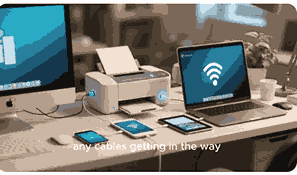
Installing a printer driver is essential to ensure that your printer communicates efficiently with your computer. Printer drivers serve as the bridge between your operating system and your printing device, allowing you to send documents, photos, and other files for accurate printing. Without the correct driver, your printer may malfunction, fail to recognize your device, or produce low-quality prints. Whether you are using a Windows PC, Mac, or a network printer, understanding how to install printer drivers properly can save time, prevent errors, and optimize performance. This guide will walk you through the necessary steps and tips to ensure seamless printer functionality.
What Is A Printer?
A printer is an electronic device that converts digital documents, images, or files into physical copies on paper. Printers can vary in type, including inkjet, laser, and multifunction printers, each offering unique features like color printing, scanning, and wireless connectivity. Modern printers often require software drivers to communicate with computers or mobile devices effectively. These drivers interpret data from the device and format it into a language the printer can understand, ensuring accurate reproduction of the digital file. Additionally, some printers offer network connectivity, allowing multiple users to print from different devices, making them indispensable for both home and office environments.
Understanding Printer Drivers
Printer drivers are specialized programs that enable your operating system to recognize and communicate with a printer. They translate computer commands into a format that your printer understands. Without the proper driver, the printer may appear unresponsive, fail to print correctly, or be limited to basic functionality. Drivers are typically provided by the printer manufacturer and can be downloaded from their official website. Some operating systems, like Windows and macOS, offer built-in drivers for many popular printers, simplifying installation. Regularly updating drivers ensures optimal performance, improved print quality, and compatibility with the latest operating system updates.
Steps To Install A Printer Driver On Windows
Installing a printer driver on Windows involves several straightforward steps. First, connect your printer to your computer using a USB cable or ensure it is connected to the same network if it is a wireless printer. Next, access the Control Panel or Settings and select “Devices and Printers” or “Printers & Scanners.” Click “Add a Printer” and allow Windows to search for connected printers. If Windows recognizes your device, it may automatically install the driver. For printers not automatically detected, download the latest driver from the manufacturer’s website, run the installation file, and follow the on-screen prompts. Restarting your computer may finalize the installation.
Installing A Printer Driver On Mac
Mac users can install printer drivers using the built-in system preferences. Connect your printer to your Mac via USB or ensure it is connected to the same Wi-Fi network. Open “System Preferences” and select “Printers & Scanners.” Click the plus (+) button to add a new printer. macOS will often detect the printer and automatically download the correct driver. If the driver is not automatically installed, visit the printer manufacturer’s website, download the macOS-compatible driver, and run the installation. Once installed, your printer should appear in the list, and you can select it as the default printer. Regular updates help maintain compatibility with the latest macOS version.
Network Printer Driver Installation
Network printers require specific steps for driver installation. Ensure your printer is connected to your Wi-Fi or Ethernet network. On Windows or Mac, navigate to the printer settings and choose “Add a Network Printer” or “Add a Printer Using TCP/IP Address.” Enter the printer’s IP address, and your computer should detect the device. Download the latest driver from the manufacturer’s website to ensure compatibility. Proper installation is crucial for multiple users sharing the printer over a network. Always test the printer with a sample document to confirm connectivity and driver functionality. Using updated drivers reduces network errors and ensures smooth operation across devices.
Troubleshooting Printer Driver Installation
Sometimes, installing a printer driver may encounter issues. Common problems include the printer not being detected, driver compatibility issues, or incomplete installation. To troubleshoot, first ensure your printer is powered on and connected correctly. Restart your computer and printer. Check for updated drivers from the manufacturer’s website, especially if your operating system has recently been updated. Disable any firewall or antivirus temporarily if they are blocking installation. If the problem persists, uninstall any previous drivers and reinstall them. Consulting the printer’s manual or the manufacturer’s support site often provides specific troubleshooting steps tailored to your printer model.
Benefits Of Keeping Printer Drivers Updated
Updating printer drivers regularly ensures compatibility with your operating system and applications. Updated drivers often include bug fixes, improved print quality, enhanced security, and additional features that improve the overall user experience. Neglecting driver updates can lead to printing errors, slow performance, and potential security vulnerabilities. Many printer manufacturers provide automated tools or notifications to alert users about new updates. Regularly checking for and installing these updates guarantees optimal printer performance, reliable connectivity, and support for the latest file formats and printing technologies, making your printing experience seamless and efficient.
Conclusion
Installing the correct printer driver is critical for efficient printing, accurate document reproduction, and seamless device communication. Whether using Windows, macOS, or network printers, following proper installation steps ensures optimal performance and reduces troubleshooting issues. Regular updates and understanding driver functionality can significantly enhance your printing experience. By following this comprehensive guide, users can confidently install printer drivers and maintain reliable printing performance.
Frequently Asked Questions
1. How Do I Install A Printer Driver?
Installing a printer driver begins by connecting your printer to your computer via USB or network connection. On Windows, access “Devices and Printers,” select “Add a Printer,” and allow the system to detect the device. For undetected printers, download the latest driver from the manufacturer’s website and follow the installation instructions. On macOS, go to “Printers & Scanners” in System Preferences, click the plus (+) sign, and select your printer. If the driver does not automatically install, download it from the official site. Completing the installation often requires restarting your computer, ensuring your printer is recognized and fully functional.
2. Can I Install A Printer Driver Without The Installation CD?
Yes, you can install a printer driver without the installation CD by downloading the latest driver from the printer manufacturer’s website. Most manufacturers provide up-to-date drivers compatible with Windows and macOS. Navigate to the support or downloads section of the site, select your printer model, and download the appropriate driver. After downloading, run the installer and follow the prompts. Connecting your printer via USB or network ensures the driver correctly detects the device. This method is often preferable to using an outdated CD, as it ensures compatibility with current operating systems and offers access to the latest features and bug fixes.
3. How Do I Update My Printer Driver?
Updating a printer driver involves downloading the latest version from the manufacturer’s website or using built-in update tools. On Windows, go to “Device Manager,” find your printer, right-click, and select “Update Driver.” On macOS, use “Software Update” in System Preferences. Many manufacturers provide dedicated software that automatically checks for driver updates. Updating drivers enhances printer performance, fixes bugs, and ensures compatibility with new operating system updates. After downloading, follow the installation prompts and restart your computer if necessary. Regular updates prevent errors, improve print quality, and ensure your printer supports the latest applications and file formats.
4. Why Is My Printer Not Recognized After Installing The Driver?
A printer may not be recognized due to connection issues, outdated drivers, or conflicts with previous installations. Ensure the printer is properly connected via USB or network. Restart both the printer and computer. Uninstall any previous drivers and reinstall the latest version from the manufacturer’s website. Check for firewall or antivirus interference that may block the connection. Ensuring the correct driver for your operating system is used is essential. Testing with another USB port or network cable can also help. Following these steps usually resolves recognition issues, allowing your computer to communicate effectively with your printer.
5. Can I Install A Printer Driver On Multiple Computers?
Yes, printer drivers can typically be installed on multiple computers, depending on the manufacturer’s licensing. For network printers, installing the driver on multiple devices allows all users on the network to print efficiently. Each computer must have the appropriate driver version installed for compatibility with its operating system. Downloading the latest driver from the manufacturer’s website ensures optimal performance. Wireless and network printers may require IP address configuration or software setup on each device. Proper installation across multiple computers reduces connectivity issues, improves printing speed, and ensures consistent print quality for all users sharing the printer.
6. What Is The Difference Between Generic And Manufacturer Drivers?
Generic drivers are built-in drivers provided by operating systems that allow basic printing functionality. Manufacturer drivers are provided by the printer company and include full features, settings, and optimal print quality. Generic drivers can print documents but may lack advanced options like duplex printing, color calibration, or scanning. Manufacturer drivers ensure your printer operates at its full potential, offering software utilities and better compatibility with your operating system. For best performance, it is recommended to use the manufacturer driver. Generic drivers can serve as a temporary solution but may not support all printer features or deliver high-quality results consistently.
7. How Do I Install A Wireless Printer Driver?
Installing a wireless printer driver requires connecting your printer to your Wi-Fi network. On Windows, open “Devices and Printers,” select “Add a Printer,” and choose the wireless option. On Mac, go to “Printers & Scanners,” click the plus (+) button, and select your network printer. If the driver is not automatically installed, download it from the manufacturer’s website. Enter the printer’s network details, such as SSID and password, if required. Complete the installation by following the prompts and printing a test page to verify connectivity. Ensuring proper network configuration reduces errors and ensures smooth wireless printing.
8. Do I Need Administrator Rights To Install A Printer Driver?
Yes, installing a printer driver usually requires administrator rights on your computer. Administrative privileges allow the installation of software and system-level changes required for proper driver functionality. On Windows, running the installer as an administrator ensures the driver installs correctly without permission errors. On macOS, you may need to enter an administrator password during installation. Without these rights, the driver may fail to install, the printer may not be detected, or some features may be restricted. Ensuring you have administrator access simplifies the installation process and prevents common errors during setup.
9. How Do I Reinstall A Printer Driver?
Reinstalling a printer driver involves uninstalling the current driver and then installing the latest version. On Windows, go to “Device Manager,” select your printer, right-click, and choose “Uninstall Device.” On Mac, remove the printer from “Printers & Scanners.” Download the latest driver from the manufacturer’s website and follow the installation prompts. Reinstalling can resolve printing errors, recognition issues, or corrupted drivers. Restart your computer after installation to ensure proper configuration. Testing the printer with a sample print verifies successful reinstallation and restores full functionality, including advanced features provided by the manufacturer.
10. How Can I Install A Printer Driver Offline?
Offline installation involves downloading the printer driver on a device with internet access and transferring it to the target computer via USB, external drive, or network. Obtain the correct driver from the manufacturer’s website, ensuring it matches your operating system. Copy the installer to the offline computer, run the file, and follow the on-screen instructions. Offline installation is useful in environments without internet connectivity or restricted networks. After installation, you may need to configure the printer manually using its IP address or network settings. Testing the printer ensures proper offline functionality, confirming successful driver installation.
11. What Are Common Errors During Printer Driver Installation?
Common errors include driver incompatibility, missing files, printer not detected, and permission issues. These often occur if the wrong driver version is downloaded, the printer is not properly connected, or firewall/antivirus software interferes. Restarting the computer and printer, using administrator privileges, and downloading the latest driver from the manufacturer’s website often resolve these issues. Some errors may require uninstalling previous drivers to prevent conflicts. Ensuring correct operating system selection, proper network configuration, and following the installation steps closely minimizes the chances of encountering installation errors and ensures smooth printer functionality.
12. Can I Install A Printer Driver On A Chromebook?
Yes, Chromebooks support printer installation, though the process differs from Windows and Mac. Most modern printers are compatible via Google Cloud Print or manufacturer-provided Chrome OS drivers. Add the printer through Chromebook settings under “Printers,” or use the manufacturer’s web-based installation guide. Network printers are usually detected automatically, while USB printers may require a driver installation from the Chrome Web Store or manufacturer site. Chromebooks prioritize cloud printing, so connecting to a Wi-Fi network with the printer simplifies installation. Following the provided instructions ensures your printer functions correctly with printing tasks from a Chromebook.
13. How Do I Check If My Printer Driver Is Installed Correctly?
To check installation, print a test page or open printer settings on your computer. On Windows, navigate to “Devices and Printers,” select your printer, right-click, and choose “Printer Properties,” then click “Print Test Page.” On Mac, go to “Printers & Scanners,” select your printer, and click “Open Print Queue,” then print a test document. If the printer responds and prints correctly, the driver is installed properly. Additionally, checking the driver version in device settings ensures it matches the latest release. Proper installation guarantees full functionality and prevents errors during daily printing tasks.
14. Are There Risks To Installing The Wrong Printer Driver?
Installing the wrong printer driver can lead to device malfunction, print errors, reduced print quality, and unrecognized printers. Incorrect drivers may conflict with the operating system, cause system instability, or disable advanced printer features. Using the wrong driver can also prevent the printer from connecting to networks or computers correctly. Always download drivers directly from the manufacturer’s official website and match them to your printer model and operating system. Verifying compatibility before installation ensures safe and effective printing without risking hardware or software issues.
15. How Long Does It Take To Install A Printer Driver?
The installation duration varies depending on the printer type, driver size, and system performance. Basic drivers may take just a few minutes, while full-featured drivers with utilities and software suites may take 10–20 minutes. Network printers may require additional configuration time. The installation process usually involves running the installer, following on-screen prompts, and restarting the computer if needed. Slow downloads or older systems may increase the time. Performing installation systematically and ensuring the correct driver version helps complete the process efficiently and minimizes errors.
16. Can I Install A Printer Driver On A Virtual Machine?
Yes, printer drivers can be installed on virtual machines (VMs) like VMware or VirtualBox. The VM must recognize the virtualized USB or network printer. Install the driver within the VM’s operating system, similar to a physical machine. Ensure the VM has proper permissions to access host hardware or network resources. Virtual machine tools and integration features can improve printer compatibility. Installing drivers on a VM allows printing directly from virtualized environments, useful for testing or remote work scenarios. Following manufacturer instructions and using compatible drivers ensures full functionality within the virtualized system.
17. How Do I Remove Old Printer Drivers Before Installing A New One?
Removing old drivers helps prevent conflicts and installation errors. On Windows, go to “Device Manager,” select your printer, right-click, and choose “Uninstall Device.” Remove residual drivers using “Print Management” if available. On Mac, delete the printer from “Printers & Scanners” and remove associated software from Applications. Restart the computer before installing the new driver. Clearing old drivers ensures the latest version installs correctly, avoids system conflicts, and restores full printer functionality, including advanced features like duplex printing, scanning, and wireless configuration.
18. What Is The Best Way To Download Printer Drivers Safely?
Download drivers only from the official printer manufacturer’s website to avoid malware or outdated software. Navigate to the support or download section, select your printer model and operating system, and download the appropriate driver. Avoid third-party sites, as they may provide incorrect or unsafe files. Using official sources ensures compatibility, access to the latest updates, and proper functioning of your printer. Some manufacturers offer automatic update tools that detect your printer model and download the correct driver. Following this method guarantees safe, reliable, and optimized printer performance.
19. Can I Install Multiple Printer Drivers On One Computer?
Yes, multiple printer drivers can coexist on a single computer. This allows users to print to different printers, such as inkjet, laser, or network devices, without conflicts. Each printer must have its correct driver installed to ensure functionality. Using “Devices and Printers” on Windows or “Printers & Scanners” on Mac, you can add multiple devices and configure default settings. Regularly updating each driver ensures compatibility and maintains optimal print quality. Proper organization and naming prevent confusion when selecting the correct printer for different printing tasks.
20. How Do I Troubleshoot Printer Driver Conflicts?
Printer driver conflicts often arise from outdated drivers, multiple driver installations, or incompatible versions. Resolve conflicts by uninstalling all existing drivers, restarting the computer, and installing the latest driver from the manufacturer’s website. Ensure the correct driver version matches your operating system. Disable antivirus or firewall temporarily if they interfere. Checking device settings and testing with a sample print can confirm resolution. Regularly updating drivers and avoiding unnecessary installations reduces conflicts, ensuring stable printing performance and smooth communication between your computer and printer.
FURTHER READING
- How To Fix Printer Connectivity Issues | Troubleshooting Printer Connection Problems For Seamless Printing
- What Is A Printer Driver? | Understanding Printer Software, Installation, And Compatibility
- How To Print To A Cloud Printer | A Step-By-Step Guide To Cloud Printing From Any Device
- Why Is My Printer Not Detected? | Troubleshooting Printer Connection Issues For Windows, Mac, And Network Printers
- How To Set A Default Printer | A Step-By-Step Guide To Easily Configure Your Printer On Any Device
- How To Connect Your Printer To A Router | A Step-By-Step Guide To Wireless And Wired Printer Setup
- How To Cancel A Printer Job | A Complete Guide To Stopping Printing Tasks On Windows, Mac, And Network Printers
- What Is A Printer Queue? | Understanding Printer Queue Management And Troubleshooting Tips
- How To Add A Printer Using An IP Address | A Step-By-Step Guide To Connect Network Printers Efficiently
- What Is The Fastest Printer? | High-Speed Printing Solutions For Home And Office