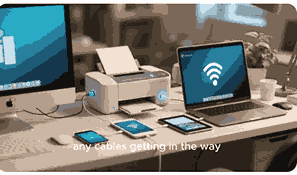
A printer driver is essential software that allows your computer to communicate effectively with your printer, ensuring that every print job is executed correctly. Without the proper printer driver, your computer cannot send print instructions accurately, leading to errors, poor-quality prints, or complete failure to print. Printer drivers are designed specifically for each printer model and operating system, bridging the gap between software and hardware. Modern printers often rely on updated drivers for optimal performance, including color management, resolution settings, and paper handling. Understanding printer drivers is crucial for both personal and business printing needs, as it ensures compatibility, reliability, and efficiency in daily printing tasks.
What Is A Printer?
A printer is an output device that transforms digital documents, images, and files from a computer or mobile device into physical, printed copies on paper or other printable media. Printers vary widely in technology, including inkjet, laser, thermal, and 3D printing types, each offering distinct advantages depending on the use case. Modern printers often feature wireless connectivity, cloud printing options, and multifunction capabilities such as scanning, copying, and faxing. By installing the correct printer driver, users can control print quality, paper size, and orientation, as well as manage advanced features like duplex printing and color calibration. Selecting the right printer and driver combination ensures smooth operation and high-quality output for home, office, and professional environments.
How Printer Drivers Work
Printer drivers act as translators between your computer’s software and the printer hardware. When you hit “print,” the driver converts the digital file into a language the printer understands, such as PCL (Printer Command Language) or PostScript. It also interprets commands related to paper size, print quality, color management, and duplex printing. By using the correct driver, you prevent errors, mismatched print formats, and incomplete print jobs. Many drivers also include utility software for printer maintenance, firmware updates, and troubleshooting. Without an updated printer driver, users might experience lag, incomplete prints, or compatibility issues with newer operating systems.
Types Of Printer Drivers
Printer drivers come in several types, including manufacturer-specific drivers, universal drivers, and network or cloud-based drivers. Manufacturer-specific drivers are designed for a particular printer model and ensure full access to all features. Universal printer drivers, such as those offered by HP, Canon, and Epson, support multiple models from the same manufacturer, simplifying deployment across organizations. Network or cloud drivers allow remote printing over Wi-Fi, Ethernet, or cloud services, eliminating the need for direct connections. Choosing the right type of driver ensures compatibility, optimal print quality, and access to advanced printing functions, which is critical for both home users and large enterprises managing multiple devices.
Installing Printer Drivers
Installing a printer driver typically involves downloading the latest version from the manufacturer’s website or using the installation CD provided with the printer. For Windows systems, driver installation often includes an automatic setup wizard that detects the printer and configures necessary settings. Mac users may rely on Apple’s built-in printer support or downloadable driver packages. Many modern printers also support plug-and-play functionality, where the operating system automatically identifies the printer and installs a compatible driver. Proper installation ensures all printer features work as intended, prevents errors, and optimizes print speed and quality. Keeping drivers updated is critical to maintain compatibility with operating system updates and new software applications.
Updating Printer Drivers
Regularly updating your printer driver is essential for maintaining optimal performance. Updates often include bug fixes, improved compatibility with newer operating systems, and access to new printing features. Users can check for updates through the printer manufacturer’s website, automatic update software, or the operating system’s update utility. Installing the latest driver can resolve common printing issues, enhance print quality, and even increase the printer’s lifespan by ensuring the device runs efficiently. Neglecting updates can result in printer malfunctions, reduced functionality, and frustration, especially in environments that rely heavily on reliable printing capabilities.
Common Printer Driver Issues
Printer driver issues are among the most common printing problems encountered by users. These may include error messages, missing printer options, slow printing, incomplete documents, or the printer not being recognized at all. Conflicts often arise when multiple printer drivers are installed on the same computer or when the driver is incompatible with the operating system version. In some cases, corrupted driver files can prevent printing entirely. Resolving these issues typically requires reinstalling the driver, updating the driver software, or removing conflicting drivers. Understanding how drivers interact with both hardware and software helps prevent recurring printing problems.
Choosing The Right Printer Driver
Selecting the correct printer driver depends on your printer model, operating system, and intended use. Manufacturer-specific drivers are ideal for accessing advanced printer features, while universal drivers offer convenience for environments with multiple printer models. Additionally, consider whether you need network or cloud printing capabilities, as this may influence driver selection. Checking for regular driver updates and support ensures long-term compatibility and reliability. Choosing the right driver reduces troubleshooting time, improves print quality, and maximizes the printer’s functionality for both personal and professional printing tasks.
Printer Driver Security Considerations
Printer drivers can be vulnerable to security risks if downloaded from unofficial sources or outdated software repositories. Malicious drivers may introduce malware, compromise sensitive data, or allow unauthorized access to the printer and connected network. It is essential to download drivers only from trusted manufacturer websites or verified platforms. Enabling automatic updates and regularly checking for driver security patches can prevent vulnerabilities and protect confidential information. For organizations, managing printer drivers centrally ensures compliance with IT security policies and mitigates risks associated with outdated or unverified software.
Printer Drivers And Cloud Printing
Cloud printing relies heavily on compatible printer drivers to transmit documents securely over the internet. Modern cloud printing services, such as Google Cloud Print (now deprecated) or proprietary solutions from printer manufacturers, allow users to print from any device connected to the internet. Proper driver configuration ensures the printer accurately interprets commands and maintains print quality across devices. Cloud-compatible drivers may include features like mobile printing, remote monitoring, and secure job management. Understanding cloud driver functionality is crucial for businesses and individuals who require flexible, remote printing options without compromising on efficiency or output quality.
Conclusion
Printer drivers are the cornerstone of effective printing, ensuring seamless communication between your computer and printer. By understanding how drivers work, installing the correct type, and keeping them updated, users can prevent errors, enhance print quality, and access advanced printer features. From troubleshooting common issues to leveraging cloud printing, the printer driver plays a vital role in both personal and professional printing environments. Prioritizing proper driver management improves efficiency, reliability, and overall printing satisfaction.
Frequently Asked Questions
1. What Is A Printer Driver?
A printer driver is a software program that enables a computer to communicate with a printer effectively, translating digital data into commands the printer understands. It ensures proper formatting, color accuracy, print quality, and access to advanced features like duplex printing, paper selection, and resolution settings. Without the correct driver, print jobs may fail, appear corrupted, or display errors. Printer drivers are specific to both the printer model and the operating system, and modern printers often require updated drivers for optimal performance. Installing and maintaining the proper driver is crucial for reliable, high-quality printing on home or office devices.
2. How Do I Install A Printer Driver?
Installing a printer driver involves downloading the correct driver for your printer model and operating system, either from the manufacturer’s website or installation CD. Windows users typically use a setup wizard that detects the printer and configures settings automatically. Mac users can rely on Apple’s built-in printer support or download specific driver packages. Many modern printers support plug-and-play functionality, enabling automatic detection and installation. Proper installation ensures full access to all printer features, optimized print quality, and minimal errors. Regular updates are necessary to maintain compatibility with operating system upgrades and new software applications.
3. Why Is My Printer Not Recognized By My Computer?
A printer may not be recognized due to missing, outdated, or incompatible printer drivers, conflicts with multiple drivers installed on the same computer, or corrupted driver files. Network connectivity issues, incorrect USB or wireless connections, and outdated operating systems can also prevent recognition. Resolving this typically involves reinstalling the printer driver, updating it to the latest version, or removing conflicting drivers. Checking connections and ensuring proper network or USB configuration is crucial. Regular driver maintenance and updates help prevent recognition problems and ensure smooth, error-free printing across devices.
4. What Are The Different Types Of Printer Drivers?
Printer drivers include manufacturer-specific drivers, universal drivers, and network or cloud-based drivers. Manufacturer-specific drivers provide full access to all printer features and are tailored to a particular model. Universal drivers support multiple models from the same manufacturer, simplifying deployment in organizations with diverse printer setups. Network or cloud-based drivers enable remote printing over Wi-Fi, Ethernet, or cloud services, eliminating the need for direct connections. Selecting the appropriate driver type ensures compatibility, optimal print quality, and access to advanced features, making it essential for both home users and businesses managing multiple printing devices.
5. How Do I Update My Printer Driver?
Updating a printer driver is done by downloading the latest version from the manufacturer’s website or using the operating system’s update utility. Automatic update software provided by manufacturers can also notify users of new versions. Updates often include bug fixes, enhanced compatibility with new operating systems, and additional features that improve print quality and efficiency. Installing updates resolves common printing issues, prevents errors, and ensures that all printer functions operate correctly. Neglecting updates may lead to malfunctions, slower printing, or limited functionality, particularly in environments relying on the latest software and hardware configurations.
6. Can I Use A Universal Printer Driver?
Yes, universal printer drivers are designed to support multiple printer models from the same manufacturer, offering a convenient solution for businesses or users with various printers. They simplify installation, reduce driver conflicts, and provide access to essential printing functions such as paper size, print quality, and duplex printing. However, universal drivers may not offer full access to advanced features unique to specific printer models, such as specialized color management or firmware updates. Choosing between a universal driver and a model-specific driver depends on your printing needs, required features, and the level of control necessary for optimal output quality.
7. What Are Common Printer Driver Problems?
Common printer driver problems include error messages, incomplete print jobs, slow printing, missing options, or the printer not being recognized. These issues often arise from outdated, incompatible, or corrupted drivers, conflicts between multiple installed drivers, or operating system upgrades that affect driver functionality. Network or wireless printing can also introduce connection-related driver issues. Resolving problems usually involves updating the driver, reinstalling it, or removing conflicting drivers. Understanding the role of drivers in printing ensures proper troubleshooting and prevents recurring issues, maintaining consistent print quality and device reliability in both home and professional environments.
8. How Do Printer Drivers Affect Print Quality?
Printer drivers directly influence print quality by controlling resolution, color calibration, and paper handling. The driver translates digital files into printer-specific commands that determine how each pixel or color is printed. Advanced drivers allow users to adjust settings like print density, color balance, and duplex printing. Using an incorrect or outdated driver can result in poor color accuracy, streaks, misalignment, or incomplete prints. Keeping drivers updated and using the correct model-specific or universal driver ensures the printer operates at its full potential, producing professional-quality prints consistently while maximizing efficiency and minimizing errors.
9. Are Printer Drivers Necessary For All Printers?
Yes, all printers require some form of driver software to communicate with computers or devices effectively. Without the appropriate driver, a printer cannot interpret print commands correctly, leading to errors, incomplete jobs, or device malfunction. Even modern plug-and-play printers rely on built-in or downloadable drivers for proper functionality. While basic printing may work with generic drivers, accessing advanced features like duplex printing, resolution adjustments, and color management requires the correct driver. Ensuring proper installation and regular updates is essential for optimal performance, reliability, and longevity of the printer hardware.
10. Can I Print Without A Driver?
Printing without a driver is possible in limited cases using generic or built-in drivers provided by the operating system, such as Windows or macOS. These drivers offer basic functionality but may not support advanced features like duplex printing, high-resolution output, or color calibration. Network and cloud printing can sometimes bypass local drivers using service-specific protocols, but this requires compatible software and connections. For full printer capabilities, including reliability, optimized quality, and access to all features, installing the correct printer driver is essential. Skipping proper driver installation can lead to errors, incomplete prints, and limited printer performance.
11. How Do I Uninstall A Printer Driver?
Uninstalling a printer driver involves removing the software through the operating system’s control panel or settings menu. On Windows, this is typically done via “Devices and Printers” or “Add or Remove Programs.” Mac users can delete printer drivers from “System Preferences” under the “Printers & Scanners” section. After uninstalling, it may be necessary to delete leftover driver files manually or restart the computer. Proper uninstallation ensures that outdated or conflicting drivers do not interfere with new installations, resolving recognition issues and maintaining optimal printer functionality. It is also a precautionary step before updating to a newer version of the driver.
12. What Is A Network Printer Driver?
A network printer driver enables a computer to communicate with a printer connected via a network, whether through Ethernet, Wi-Fi, or cloud services. Unlike local drivers, which connect directly to the printer via USB, network drivers manage print jobs remotely, often supporting multiple users simultaneously. They ensure proper formatting, job prioritization, and secure transmission over the network. Network drivers are essential in office environments where printers serve multiple workstations and remote printing is required. Keeping network printer drivers updated prevents connection issues, ensures compatibility with various operating systems, and maintains print quality across all connected devices.
13. Do I Need Different Drivers For Windows And Mac?
Yes, Windows and Mac operating systems use different printer driver architectures, so the same printer often requires separate drivers for each OS. Manufacturer-specific drivers are tailored to the OS environment, ensuring full functionality and access to advanced features. While some universal drivers work across multiple platforms, they may not support all printer-specific settings or advanced printing options. Downloading the correct driver version for your OS ensures compatibility, reduces errors, and maintains optimal print performance. Checking manufacturer websites for OS-specific drivers is recommended, especially after major operating system updates that may affect driver functionality.
14. How Do I Troubleshoot Printer Driver Issues?
Troubleshooting printer driver issues starts with identifying symptoms such as error messages, incomplete prints, or unrecognized devices. Common solutions include reinstalling the driver, updating it to the latest version, removing conflicting drivers, and checking connections. For network or cloud printers, verifying connectivity and configuration is essential. Operating system updates or printer firmware updates may also resolve compatibility problems. Many manufacturers provide diagnostic tools or software utilities to detect and fix driver issues automatically. Regular maintenance, including driver updates and system checks, helps prevent recurring problems and ensures smooth printing performance.
15. Can Printer Drivers Be Hacked?
Yes, printer drivers can pose security risks if downloaded from untrusted sources or left outdated. Malicious drivers may introduce malware, compromise sensitive data, or provide unauthorized network access. Ensuring drivers are obtained from verified manufacturer websites, keeping them updated, and following security best practices mitigates these risks. Organizations often manage printer drivers centrally to maintain compliance with IT security policies. Secure printer driver management protects confidential information, prevents exploitation through networked printers, and safeguards both personal and business printing environments against cyber threats.
16. Are Cloud Printing Drivers Different From Regular Drivers?
Cloud printing drivers differ from regular drivers by enabling remote printing over the internet, often without a direct USB connection. These drivers allow devices to send print jobs securely to compatible printers via cloud platforms. While they share basic functions with regular drivers, cloud drivers often include features like mobile printing, remote job management, and monitoring capabilities. Proper configuration is crucial to maintain print quality, security, and device compatibility. Understanding the differences between cloud and traditional drivers helps users select the right solution for remote printing needs while ensuring reliable performance and optimal output.
17. How Do I Know If My Printer Driver Is Outdated?
Signs of an outdated printer driver include frequent print errors, incomplete print jobs, slow performance, missing features, and compatibility issues after operating system updates. Users can check the driver version through the printer properties or control panel, then compare it with the latest version on the manufacturer’s website. Many printers also provide automatic update notifications or utility software that alerts users when updates are available. Keeping drivers up-to-date ensures proper functionality, access to new features, improved print quality, and compatibility with modern operating systems and applications.
18. Can A Wrong Printer Driver Damage My Printer?
Using the wrong printer driver typically does not physically damage the printer, but it can cause poor print quality, incomplete documents, or frequent errors that affect workflow efficiency. In rare cases, continuous incorrect commands might strain printer mechanisms, particularly in high-volume printing environments. The main risk is operational disruption rather than hardware damage. Installing the correct, manufacturer-recommended driver ensures all printer functions work correctly, maintains print quality, and reduces the likelihood of technical issues. Regular driver updates and verification of compatibility are essential for optimal printer performance and longevity.
19. Do Printer Drivers Affect Printing Speed?
Yes, printer drivers can influence printing speed. Drivers manage data processing and send commands to the printer, and optimized drivers efficiently handle complex documents, large files, and high-resolution images. Outdated or incompatible drivers may slow down the print process, cause delays, or create errors that require resending jobs. High-performance drivers often include features like print job prioritization and resource management to enhance speed without compromising quality. Keeping drivers updated and selecting the correct type for your printer model ensures fast, reliable printing and efficient handling of all document types.
20. Where Can I Download Printer Drivers Safely?
The safest place to download printer drivers is the official manufacturer’s website or verified distribution platforms. These sources provide the latest, virus-free drivers compatible with your printer model and operating system. Avoid third-party websites or unverified downloads, as they may contain malware or incorrect drivers. Many manufacturers also provide automatic update utilities that detect and install the latest driver versions. Ensuring drivers are downloaded from trusted sources guarantees proper printer functionality, maintains print quality, and protects both the computer and network from potential security threats.
FURTHER READING
- How To Print To A Cloud Printer | A Step-By-Step Guide To Cloud Printing From Any Device
- Why Is My Printer Not Detected? | Troubleshooting Printer Connection Issues For Windows, Mac, And Network Printers
- How To Set A Default Printer | A Step-By-Step Guide To Easily Configure Your Printer On Any Device
- How To Connect Your Printer To A Router | A Step-By-Step Guide To Wireless And Wired Printer Setup
- How To Cancel A Printer Job | A Complete Guide To Stopping Printing Tasks On Windows, Mac, And Network Printers
- What Is A Printer Queue? | Understanding Printer Queue Management And Troubleshooting Tips
- How To Add A Printer Using An IP Address | A Step-By-Step Guide To Connect Network Printers Efficiently
- What Is The Fastest Printer? | High-Speed Printing Solutions For Home And Office
- What Is Printer Sharing? | How To Share Printers Over A Network For Efficient Printing
- How To Fix A Printer That Won’t Print Colour | A Complete Guide To Troubleshooting Color Printing Issues