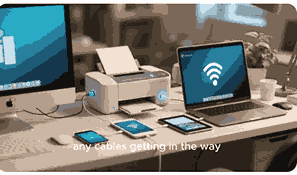
Printer connectivity issues can be one of the most frustrating experiences for home and office users alike. Whether your printer suddenly stops responding, refuses to connect over Wi-Fi, or gives error messages, resolving connectivity problems requires a clear understanding of the underlying causes and step-by-step troubleshooting. Connectivity issues can stem from hardware faults, network configurations, outdated drivers, or software conflicts. In this comprehensive guide, we’ll cover practical solutions to fix printer connectivity problems, ensuring smooth and uninterrupted printing. From checking physical connections to updating software and adjusting network settings, you will gain a full understanding of the methods required to restore your printer’s functionality.
What Is A Printer?
A printer is an electronic device that converts digital documents and images into physical copies on paper. Printers vary in type, including inkjet, laser, and thermal models, each designed for specific printing needs. Modern printers often offer wireless connectivity options like Wi-Fi and Bluetooth, allowing multiple devices to connect without physical cables. Understanding the basic functions of a printer, such as processing print commands, interpreting data, and producing output, is crucial for troubleshooting connectivity issues. A printer also relies on drivers and network protocols to communicate with computers and other devices, which is why most connectivity problems can often be traced back to either software, configuration settings, or physical connection faults.
Common Causes Of Printer Connectivity Issues
Printer connectivity issues often occur due to network problems, outdated drivers, incorrect printer settings, or hardware failures. Wireless printers may lose connection if the Wi-Fi network is unstable or if the printer is out of range. Wired printers may face cable issues or port misconfigurations. Another common cause is outdated or corrupted printer drivers, which prevent proper communication between the printer and your computer. Conflicts with antivirus software, firewall restrictions, or operating system updates can also interfere with printer connectivity. Understanding these root causes helps in systematically resolving problems without unnecessary trial and error.
How To Check Physical Connections
Before troubleshooting network settings or drivers, it’s essential to verify that all physical connections are secure. For wired printers, ensure USB or Ethernet cables are correctly plugged in and not damaged. For network printers, check the power supply and network connectivity lights to confirm they are active. Resetting the printer by turning it off for a few seconds and then back on can resolve minor hardware glitches. Sometimes, simply reconnecting cables or moving the printer closer to the Wi-Fi router can restore connectivity. This basic step often eliminates simple issues before moving to more complex troubleshooting procedures.
Updating Printer Drivers
Outdated or corrupted printer drivers are a leading cause of connectivity problems. Manufacturers regularly release updated drivers to fix bugs and improve compatibility with the latest operating systems. To update drivers, visit the printer manufacturer’s official website, download the correct driver for your operating system, and follow installation instructions. Many modern printers also offer automatic driver updates through their software utilities. Once updated, restart your computer and printer to ensure the new drivers are applied correctly. This step often resolves communication issues between the printer and computer.
Configuring Network Settings
For wireless printers, correct network configuration is essential. Verify that the printer is connected to the same network as your computer or device. Check the printer’s IP address and ensure it is within your router’s range. Re-enter Wi-Fi credentials if necessary, and consider restarting your router to refresh network connections. For advanced users, manually assigning a static IP address to the printer can prevent future connectivity drops. Additionally, ensure that your network allows printer communication by checking firewall settings and enabling any necessary permissions. Proper configuration ensures uninterrupted wireless printing.
Restarting Devices And Troubleshooting Software
Sometimes, connectivity issues are temporary glitches caused by software conflicts or system errors. Restarting your printer, computer, and network devices can clear these temporary issues. Use the built-in troubleshooting tools in your operating system, such as the Windows Printer Troubleshooter or macOS Print & Scan diagnostics, to automatically detect and fix problems. Clearing the print queue and removing old printer entries can also resolve conflicts. Keeping your system updated with the latest operating system patches ensures compatibility and stability with your printer.
Advanced Troubleshooting Tips
If basic steps fail, advanced troubleshooting may be necessary. This includes checking for IP conflicts, resetting the printer to factory settings, updating router firmware, or reinstalling the printer entirely. For network printers, ensuring correct router settings, such as enabling DHCP or opening specific ports, may be required. In some cases, antivirus or firewall software may need temporary disabling to allow printer connectivity. Advanced troubleshooting requires careful observation and testing different configurations until the printer communicates correctly with your devices.
Preventing Future Connectivity Issues
Once printer connectivity is restored, taking preventive measures helps avoid future issues. Regularly update drivers, firmware, and operating system software. Maintain a stable network environment and avoid overloading the Wi-Fi with too many devices. Periodically check cables and connections for wear and tear. For wireless printers, placing them closer to the router ensures stronger signal strength. Finally, using official manufacturer software for printing tasks reduces compatibility problems and ensures seamless performance.
Conclusion
Fixing printer connectivity issues involves a combination of physical checks, software updates, network configuration, and systematic troubleshooting. By following the steps outlined above, users can identify the root causes of problems and apply effective solutions. Staying proactive with driver updates, network maintenance, and proper printer care ensures a reliable printing experience, minimizing disruptions in personal and professional tasks.
Frequently Asked Questions
1. How Do I Fix Printer Connectivity Issues?
Fixing printer connectivity issues involves several steps, starting with checking all physical connections, including power cables and USB or Ethernet connections for wired printers. For wireless printers, ensure the printer is connected to the same network as your computer or device, and re-enter Wi-Fi credentials if needed. Updating or reinstalling printer drivers from the manufacturer’s website often resolves communication problems. Restarting both the printer and the computer, clearing the print queue, and using built-in operating system troubleshooting tools can also fix issues. Additionally, checking firewall and antivirus settings, resetting the printer, or manually assigning a static IP address may be necessary for persistent connectivity problems.
2. Why Is My Printer Not Connecting To Wi-Fi?
A printer may fail to connect to Wi-Fi due to incorrect network credentials, an unstable Wi-Fi signal, or interference from other devices. Ensure the printer is within range of your router and connected to the same network as your computer. Restarting the printer and router can resolve temporary glitches. Updating printer firmware and drivers ensures compatibility with network protocols. Additionally, check your router settings, including DHCP, firewall, and MAC address filtering, which may block printer connections. If the issue persists, consider manually entering the printer’s IP address or using WPS setup if supported.
3. How Can I Troubleshoot Printer Connection Problems On Windows?
Windows users can troubleshoot printer connection problems by first checking physical connections and network status. Running the built-in Printer Troubleshooter detects and resolves common issues automatically. Ensure printer drivers are up to date and reinstall them if necessary. Clear the print queue and remove old printer entries from the system. Check firewall and antivirus settings to ensure they are not blocking communication. Restart both the printer and computer. For network printers, verify that the IP address is correct and accessible. Following these steps typically resolves most Windows printer connectivity problems efficiently.
4. How Do I Troubleshoot Printer Connection Problems On Mac?
Mac users should first ensure that the printer is properly connected via USB or Wi-Fi and that it shares the same network as the Mac. Open System Preferences > Printers & Scanners, remove any existing printer entries, and re-add the printer. Update printer drivers and macOS to the latest versions. Use the built-in “Reset Printing System” option to clear errors and refresh connections. Restart both the printer and Mac, and check network and firewall settings to allow printer communication. Ensuring firmware compatibility and proper network setup often resolves Mac printer connectivity issues effectively.
5. What Should I Do If My Printer Shows Offline?
If your printer shows offline, start by checking its power status and connectivity to the network or computer. For wired printers, confirm USB or Ethernet connections. For wireless printers, ensure Wi-Fi is enabled and the printer is on the same network as your device. Clear the print queue and restart both printer and computer. Updating printer drivers and firmware can restore proper communication. On Windows, set the printer as default and disable “Use Printer Offline” mode. These steps typically bring the printer back online and restore normal printing operations.
6. How Do I Reset My Printer To Fix Connectivity Issues?
Resetting your printer often resolves persistent connectivity problems. Most printers have a factory reset option in their menu settings. For wireless printers, resetting network settings and reconnecting to Wi-Fi can resolve IP conflicts. After resetting, reinstall printer drivers on your computer and reconfigure any custom settings. Power cycling the printer and router after reset ensures proper network reconnection. Always consult the manufacturer’s manual to follow the correct reset procedure to avoid accidental loss of essential configurations.
7. Can Updating Printer Drivers Solve Connectivity Problems?
Yes, updating printer drivers often resolves connectivity problems, especially when using newer operating systems. Outdated drivers can cause communication errors, misinterpret print commands, or prevent printers from appearing online. Download the latest driver directly from the manufacturer’s website or use the printer’s automatic update utility. After installation, restart your computer and printer to ensure the new drivers are applied. Regular driver updates not only fix connectivity issues but also improve printer performance, compatibility, and security, making it a crucial step in troubleshooting.
8. How Do I Assign A Static IP To My Printer?
Assigning a static IP to a printer can prevent network connectivity drops caused by changing IP addresses. Access the printer’s network settings via its control panel or web interface. Choose a fixed IP within your router’s subnet range and enter the corresponding subnet mask and gateway. Save the settings and restart the printer. Update your computer’s printer settings to match the new IP address. A static IP ensures consistent communication between the printer and connected devices, particularly in network environments with multiple users or complex configurations, reducing the likelihood of connectivity issues.
9. Why Does My Printer Lose Connection Randomly?
Random printer disconnections are often caused by unstable network signals, IP conflicts, outdated drivers, or interference from other devices. Wireless printers can lose Wi-Fi connectivity if placed too far from the router. Firmware bugs or system updates may also interrupt printer communication. Checking network stability, updating drivers and firmware, and assigning a static IP address can prevent intermittent disconnects. Avoiding crowded Wi-Fi channels, minimizing interference, and maintaining network hardware properly ensures more reliable and consistent printer connectivity.
10. How Can Firewall Or Antivirus Software Affect Printer Connectivity?
Firewall or antivirus software may block printer communication by restricting network ports or device access. Some security settings treat printers as untrusted devices, preventing proper connection. Temporarily disabling the firewall or adding printer exceptions can restore connectivity. Ensure both the printer and computer are on the same network and trusted by security software. Updating firewall or antivirus definitions can also prevent future conflicts. Configuring security software correctly is essential for seamless printer operation without compromising system safety.
11. How Do I Fix Network Printer Connection Issues?
Network printer connection issues often involve IP conflicts, incorrect Wi-Fi setup, or router configuration problems. Verify that the printer and computer are on the same network. Restart the router, printer, and computer to refresh connections. Update drivers and firmware to ensure compatibility. Assigning a static IP to the printer and checking firewall or security settings often resolves persistent network connectivity problems. Using built-in operating system troubleshooting tools can also detect and fix common network printer errors efficiently.
12. How Do I Clear A Stuck Print Queue To Fix Connectivity?
A stuck print queue can prevent a printer from responding and appearing connected. On Windows, open the “Printers & Scanners” menu, select the printer, and clear the queue. On Mac, open “System Preferences > Printers & Scanners” and delete pending jobs. Restart both printer and computer after clearing the queue. Ensuring drivers are up to date and that there are no software conflicts prevents future queue issues. Clearing a stuck print queue often restores connectivity and allows pending jobs to process correctly.
13. Can Router Settings Cause Printer Connectivity Problems?
Yes, router settings can affect printer connectivity. Settings like DHCP, IP filtering, MAC address restrictions, or firewall rules can block printer access. Ensuring the printer is on the correct network, assigning a static IP if necessary, and enabling required ports can prevent connectivity issues. Restarting the router after making changes helps apply new settings. Properly configuring router options ensures seamless communication between the printer and all connected devices.
14. How Do I Use Printer Troubleshooter Tools Effectively?
Printer troubleshooter tools, available on Windows and Mac, automatically detect and fix common connectivity problems. Run the tool from the system settings menu, select the printer, and follow the on-screen instructions. The tool checks drivers, network connections, printer status, and print queues. After completing the troubleshooting process, restart your computer and printer to apply the recommended fixes. Using these built-in tools often resolves issues without needing advanced technical knowledge.
15. How Do I Check Printer Firmware Updates?
Checking and updating printer firmware ensures compatibility with operating systems and network protocols. Visit the manufacturer’s website or use the printer software utility to check for updates. Follow installation instructions carefully and restart the printer after updating. Firmware updates can fix bugs, improve performance, and resolve connectivity issues caused by outdated software, ensuring smooth operation and reliable communication with computers and devices.
16. How Can I Prevent Printer Connectivity Issues In The Future?
Prevent future printer connectivity issues by maintaining updated drivers, firmware, and operating system software. Place wireless printers close to the router to improve signal strength. Use static IP addresses where possible to avoid network conflicts. Avoid overcrowding networks and periodically check cables for wear. Using official manufacturer software reduces compatibility problems. Regular maintenance and careful configuration of network and security settings ensure consistent and reliable printing performance.
17. How Do I Fix USB Printer Connectivity Problems?
For USB printers, connectivity problems often stem from faulty cables, incorrect ports, or driver issues. Ensure the cable is securely connected and try different USB ports. Update or reinstall printer drivers to fix communication errors. Restart the printer and computer to apply changes. Avoid using USB hubs if possible, as they can cause interruptions. Proper cable management, driver updates, and direct connections usually resolve most USB printer connectivity problems.
18. How Do I Diagnose Printer Connectivity Errors?
Diagnosing printer connectivity errors involves checking physical connections, driver status, network configurations, and error messages. Use built-in troubleshooting tools or manufacturer software to detect issues automatically. Observing error codes on the printer display or in software logs provides insight into the root cause. Testing different devices and connections can help isolate the problem. Systematic diagnostics prevent unnecessary replacements and ensure proper solutions.
19. How Do I Fix Wireless Printer Not Detected By Computer?
If a wireless printer is not detected, ensure it is powered on, connected to the correct Wi-Fi network, and within range. Restart the printer, computer, and router to refresh connections. Update drivers and firmware, and add the printer manually via system settings. Check firewall and security software to ensure the printer is not blocked. These steps typically restore detection and enable seamless printing.
20. How Do I Resolve Printer Connectivity Issues With Multiple Devices?
When multiple devices share a printer, connectivity issues can arise from IP conflicts, network congestion, or driver inconsistencies. Ensure all devices are on the same network and that the printer has a static IP. Update drivers on each device and use the printer’s official software for configuration. Restart devices to refresh connections and check firewall settings for each device. Proper setup ensures consistent access to the printer for all connected users.
FURTHER READING
- What Is A Printer Driver? | Understanding Printer Software, Installation, And Compatibility
- How To Print To A Cloud Printer | A Step-By-Step Guide To Cloud Printing From Any Device
- Why Is My Printer Not Detected? | Troubleshooting Printer Connection Issues For Windows, Mac, And Network Printers
- How To Set A Default Printer | A Step-By-Step Guide To Easily Configure Your Printer On Any Device
- How To Connect Your Printer To A Router | A Step-By-Step Guide To Wireless And Wired Printer Setup
- How To Cancel A Printer Job | A Complete Guide To Stopping Printing Tasks On Windows, Mac, And Network Printers
- What Is A Printer Queue? | Understanding Printer Queue Management And Troubleshooting Tips
- How To Add A Printer Using An IP Address | A Step-By-Step Guide To Connect Network Printers Efficiently
- What Is The Fastest Printer? | High-Speed Printing Solutions For Home And Office
- What Is Printer Sharing? | How To Share Printers Over A Network For Efficient Printing