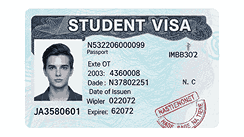
Posted on Leave a comment

Do I Need A United States (U.S.) Visa (American Visa) If I Have A Green Card?

What Is A United States (U.S.) Visa (American Visa)?

A United States (U.S.) Visa, also referred to as an American Visa, is an official document or endorsement placed within a passport by the U.S. Department of State that allows a foreign national to enter, travel, or stay in the United States for a specific purpose. Visas are generally classified into immigrant visas for those intending to live permanently in the U.S. and non-immigrant visas for temporary visits such as tourism, business, study, or work. The visa application process requires eligibility verification, supporting documentation, and sometimes an in-person interview at a U.S. embassy or consulate. Understanding the purpose and type of a U.S. Visa is critical for compliance with U.S. immigration laws and smooth entry into the country.

What Is A Green Card And Its Benefits?

A Green Card, officially known as a Permanent Resident Card, allows a foreign national to live and work permanently in the United States. Unlike a visa, a Green Card grants legal permanent residency and a broader set of rights, including the ability to sponsor certain relatives for immigration. Green Card holders can travel outside the U.S., provided they carry their card and maintain residency requirements. Benefits of holding a Green Card include employment opportunities without work visas, access to social services, and the potential to apply for U.S. citizenship after meeting residency criteria. It is important to understand the distinctions between a Green Card and a U.S. visa to avoid unnecessary travel complications or legal issues.

Differences Between A United States (U.S.) Visa And A Green Card

The primary difference between a United States (U.S.) Visa and a Green Card lies in the purpose and duration of stay. A U.S. Visa is typically temporary and allows entry for a specific reason, while a Green Card provides permanent residency and unrestricted work privileges. Visas are usually tied to specific activities, such as study, tourism, or employment, whereas Green Cards confer broader rights and stability. Visa holders may need to renew or reapply periodically, while Green Card holders have the option of renewing their status every ten years. Understanding these distinctions helps immigrants and travelers make informed decisions about long-term living arrangements and compliance with U.S. immigration regulations.

Travel Requirements For Green Card Holders

Green Card holders can travel internationally, but there are essential rules and limitations to keep in mind. Re-entry into the U.S. requires carrying a valid Green Card, and long absences may jeopardize permanent resident status. Trips exceeding one year typically require a re-entry permit to prevent the loss of residency rights. Additionally, Green Card holders may need to comply with foreign visa requirements depending on the country they plan to visit. Maintaining a permanent residence in the U.S. is crucial, as prolonged absences without proper documentation can lead to complications when attempting to return. Understanding these travel requirements ensures smooth international mobility while preserving permanent resident status.

Do Green Card Holders Ever Need A United States (U.S.) Visa?

In most cases, Green Card holders do not require a United States (U.S.) Visa to enter the U.S., as their permanent residency grants automatic entry rights. However, certain situations may require additional documentation or visas, such as travel to U.S. territories with specific restrictions or visa-exempt foreign countries for dual travel purposes. Additionally, Green Card holders planning temporary employment, study, or extended stays in a foreign country might need visas from that country even if they already hold a U.S. Green Card. It is essential to understand that while a Green Card provides permanent U.S. residency, it does not eliminate visa requirements for travel to other nations or special circumstances related to U.S. immigration compliance.

Maintaining Green Card Status While Traveling Abroad

Maintaining Green Card status while traveling abroad requires careful planning and understanding of residency obligations. Extended stays outside the U.S. may be considered abandonment of permanent residency, especially if the trip exceeds one year without a re-entry permit. Frequent travelers should retain documentation showing ties to the U.S., such as employment, property, or family, to prove continued intent to reside in the country. Reporting to the U.S. Customs and Border Protection (CBP) upon return and understanding potential tax obligations are also critical. Awareness of these regulations helps Green Card holders avoid losing their status and ensures uninterrupted rights and privileges as permanent residents during international travel.

Path From Green Card To U.S. Citizenship

Holding a Green Card is often a step toward U.S. citizenship. Permanent residents may apply for naturalization after meeting residency requirements, usually five years, or three years for spouses of U.S. citizens. The process involves demonstrating continuous residence, good moral character, English proficiency, and knowledge of U.S. history and government. While a Green Card allows many benefits, citizenship provides additional privileges, including voting rights, eligibility for federal jobs, and protection from deportation. Planning for citizenship requires careful adherence to immigration rules and timelines to ensure a successful transition from permanent residency to full U.S. citizenship, enhancing security and opportunities for Green Card holders.

Conclusion

Understanding whether a United States (U.S.) Visa (American Visa) is necessary if you have a Green Card is vital for travel planning and legal compliance. While Green Card holders typically do not need a visa to enter the U.S., awareness of travel restrictions, visa requirements for other countries, and maintaining permanent residency status is essential. The distinction between visas and Green Cards, their respective benefits, and potential pathways to citizenship can significantly impact an individual’s travel, employment, and long-term plans. Being informed ensures smooth travel experiences and protects the legal rights of permanent residents in the United States.

Frequently Asked Questions

1. Do I Need A United States (U.S.) Visa (American Visa) If I Have A Green Card?

Green Card holders generally do not need a United States (U.S.) Visa (American Visa) to re-enter the U.S., as the Green Card grants permanent resident status. This allows automatic entry into the country without obtaining a separate visa. However, there are exceptions for travel outside the U.S. to certain countries that may require visas for entry. Green Card holders must also ensure they maintain permanent residency requirements, avoiding absences longer than one year without a re-entry permit, which could be considered abandonment of status. While a visa is unnecessary for U.S. entry, Green Card holders may need additional documentation depending on the purpose of their international travel or special legal circumstances.

2. Can A Green Card Be Used Instead Of A United States (U.S.) Visa (American Visa)?

A Green Card functions as proof of permanent residency in the U.S. and can replace a United States (U.S.) Visa (American Visa) for re-entry into the country. Unlike visas, which are temporary and purpose-specific, a Green Card allows indefinite residency and employment without needing a visa. However, a Green Card does not grant entry privileges to foreign countries; Green Card holders may still need visas when traveling internationally. It is also essential to ensure the card remains valid and that residency requirements are met. In summary, while a Green Card can substitute for a visa for U.S. entry, it is not a universal replacement for visas in global travel.

3. How Long Can Green Card Holders Travel Abroad Without Losing Their Status?

Green Card holders can travel abroad temporarily, but prolonged absences can jeopardize residency. Trips shorter than six months typically do not pose a risk, while stays of six months to a year may trigger additional scrutiny at re-entry. Absences longer than one year require a re-entry permit to preserve permanent resident status. Maintaining U.S. ties, such as employment, property, or family, helps demonstrate intent to return. Failure to comply with these rules can result in questioning, denial of entry, or even loss of Green Card privileges. Careful planning ensures uninterrupted permanent residency while traveling internationally.

4. Do Green Card Holders Need A Visa To Visit U.S. Territories?

While Green Card holders can enter the mainland U.S. without a visa, certain U.S. territories, such as Guam or American Samoa, may have additional entry requirements. Some territories require Green Card holders to carry supporting documents, and certain temporary permits may be necessary depending on the purpose of travel. It is critical for Green Card holders to research the specific rules of the territory they plan to visit to avoid unexpected complications. In most cases, travel is permitted with a Green Card, but being informed ensures compliance with local regulations and smooth entry.

5. Can Green Card Holders Sponsor Family Members For U.S. Visas?

Yes, Green Card holders can sponsor certain family members for U.S. visas. Immediate relatives such as spouses and unmarried children under 21 can be sponsored for immigrant visas, allowing them to join the permanent resident in the U.S. Other family categories may have longer waiting periods. The sponsorship process involves filing Form I-130, supporting documents, and demonstrating financial ability to support the relative. While sponsorship does not guarantee immediate entry, it initiates the legal pathway for family reunification. Understanding these procedures is vital for Green Card holders planning to bring family members to the United States.

6. What Happens If A Green Card Expires While Traveling Abroad?

If a Green Card expires while traveling abroad, re-entry into the U.S. can become challenging. The holder may face questioning at ports of entry and may require additional documentation, such as a temporary travel permit from a U.S. consulate. It is recommended to renew the Green Card before international travel to avoid complications. Expired Green Cards can delay travel plans, create legal difficulties, or result in temporary denial of entry. Maintaining the validity of a Green Card is critical to ensure seamless international travel and compliance with U.S. immigration laws.

7. Can Green Card Holders Work Without A United States (U.S.) Visa (American Visa)?

Yes, Green Card holders are legally authorized to work in the U.S. without requiring a United States (U.S.) Visa (American Visa). Unlike visa holders who may be restricted to specific employers or job types, Green Card holders can seek employment in any lawful occupation. This unrestricted work authorization is one of the main advantages of permanent residency. Green Card holders must still comply with federal and state employment laws, including tax obligations, but they do not need additional work permits. The permanent residency status simplifies long-term career planning and employment opportunities in the United States.

8. How Can Green Card Holders Renew Their Status?

Green Card holders typically need to renew their card every ten years by filing Form I-90 with U.S. Citizenship and Immigration Services (USCIS). Renewal is essential to maintain a valid travel and identification document. The process involves providing personal information, proof of residency, and payment of fees. Failure to renew on time can complicate travel, employment verification, and legal compliance. While the residency status itself does not expire, a valid Green Card is necessary for practical purposes, including entering the U.S., accessing services, and proving lawful permanent residency.

9. Are There Any Situations Where Green Card Holders Might Need A U.S. Visa?

Green Card holders might need a U.S. Visa in specific circumstances, such as traveling to U.S. territories with unique entry rules or when applying for certain specialized programs requiring additional documentation. While permanent residency grants broad rights within the U.S., visas may still be required for international purposes or dual-status considerations. Additionally, certain legal or administrative situations, such as parole, extended absences, or changes in immigration status, could necessitate a temporary visa or permit. Understanding these exceptions helps Green Card holders navigate complex immigration rules and ensures compliance with all U.S. regulations.

10. Can Green Card Holders Travel To Other Countries Without A Visa?

Green Card holders’ ability to travel abroad without a visa depends on the destination country. Some countries allow visa-free entry or provide visa-on-arrival for U.S. permanent residents, while others require a visa regardless of U.S. status. Planning international travel requires checking the entry requirements for each country. A Green Card does not replace foreign visas; it only confirms U.S. permanent residency. Travel documents, passports, and adherence to foreign regulations are essential for avoiding entry denials. Proper research ensures smooth travel while protecting the individual’s permanent residency and international compliance.

11. What Is The Difference Between Conditional And Permanent Green Cards?

Conditional Green Cards are typically issued for two years to individuals in specific categories, such as marriage-based immigrants. Permanent Green Cards last ten years and are renewable. Conditional Green Card holders must file to remove conditions before the card expires to maintain permanent residency. The difference lies in validity, renewal requirements, and documentation. Understanding this distinction helps Green Card holders comply with legal obligations, avoid status lapses, and plan long-term residency or citizenship applications. Both types allow work and travel rights, but conditional status imposes additional procedural requirements.

12. Can Green Card Holders Study In The U.S. Without A Visa?

Yes, Green Card holders can study in the U.S. without needing a student visa, as permanent residency provides full access to educational opportunities. They can enroll in universities, colleges, or vocational programs without additional immigration authorization. Tuition fees for permanent residents may differ from those for international students, often qualifying them for in-state rates. Green Card holders have the same rights and obligations as U.S. citizens regarding educational access. This advantage allows long-term planning for career and academic development without the constraints associated with temporary visas.

13. Are There Travel Restrictions For Green Card Holders During A Pandemic?

During a pandemic, Green Card holders may face travel restrictions similar to other travelers, including entry bans, quarantine requirements, or testing mandates. U.S. authorities may impose temporary rules affecting international travel, while foreign countries may also enforce restrictions. Maintaining awareness of current guidelines from the U.S. Centers for Disease Control and Prevention (CDC) and U.S. Customs and Border Protection (CBP) is essential. Compliance ensures safe travel and protection of permanent residency status. Green Card holders must plan carefully, as unexpected regulations can affect re-entry into the U.S. and overall travel safety.

14. Can Green Card Holders Lose Their Status?

Yes, Green Card holders can lose their permanent residency if they violate U.S. laws, abandon residency by prolonged absence, or fail to meet conditional requirements. Extended stays outside the U.S. without a re-entry permit, criminal convictions, or fraudulent acquisition of the card may result in revocation. Maintaining ties to the U.S., including employment, residence, and family connections, is critical to preserving status. Awareness of legal obligations and immigration regulations ensures Green Card holders avoid situations that could lead to loss of residency. Losing a Green Card has significant consequences, including the need to reapply or face deportation.

15. How Does A Green Card Impact Tax Obligations?

Green Card holders are considered U.S. tax residents and must report worldwide income to the Internal Revenue Service (IRS). This includes income earned abroad, investments, and other financial assets. Failure to comply with tax obligations can result in penalties and may affect immigration status. Green Card holders are eligible for certain deductions and benefits similar to U.S. citizens. Proper planning and consultation with tax professionals ensure compliance while maximizing financial advantages. Understanding tax responsibilities is a crucial part of maintaining permanent residency and avoiding complications related to legal and financial obligations in the United States.

16. Can Green Card Holders Apply For U.S. Citizenship While Traveling Abroad?

Green Card holders can apply for U.S. citizenship, but extended travel abroad may affect eligibility. Continuous residency and physical presence requirements must be met, and prolonged absences can delay the naturalization timeline. Maintaining documentation of U.S. ties during travel is critical to demonstrate intent to reside in the country. Filing for naturalization requires submission of Form N-400, attendance at interviews, and completion of the citizenship test. Proper planning ensures Green Card holders meet all residency requirements, avoiding delays or denials during the citizenship application process while traveling internationally.

17. Can Green Card Holders Change Jobs Without Affecting Status?

Green Card holders have unrestricted work rights and can change jobs without affecting their status. Unlike visa holders tied to specific employers, permanent residents are free to pursue new employment opportunities. Career mobility allows professional growth, entrepreneurship, and flexible work arrangements without immigration concerns. Maintaining compliance with U.S. employment laws, including taxes and reporting, is essential, but changing jobs does not impact Green Card validity. This freedom provides stability and independence in career planning, highlighting one of the significant benefits of permanent residency in the United States.

18. Are There Limitations On Green Card Holders Participating In Government Programs?

Green Card holders may access many government programs, but some benefits are reserved for U.S. citizens, such as voting, certain federal jobs, or specific social security programs. Eligibility for public assistance programs varies by state and residency status. Green Card holders can apply for education, healthcare, and employment support programs, provided they meet other criteria. Awareness of eligibility requirements ensures that permanent residents make informed decisions and fully utilize available resources without violating regulations. Understanding limitations helps Green Card holders plan for financial and social support effectively.

19. How Do Travel Documents Affect Green Card Holders?

Travel documents, including passports and Green Cards, are critical for international travel. A valid Green Card is required for re-entry into the U.S., while passports are necessary for identification and travel abroad. Green Card holders may also need re-entry permits if traveling for extended periods. Proper handling and renewal of travel documents prevent delays, entry denial, or legal complications. Being informed about documentation requirements is essential for smooth travel, maintaining residency, and fulfilling obligations as a U.S. permanent resident.

20. Can Green Card Holders Bring Pets To The U.S. Without A Visa?

Green Card holders can bring pets to the U.S., but the process depends on federal and state regulations, vaccination requirements, and documentation. While no visa is required for the pet, compliance with U.S. Department of Agriculture (USDA) and Centers for Disease Control and Prevention (CDC) rules is essential. Health certificates, vaccinations, and import permits may be necessary depending on the species and country of origin. Proper planning ensures pets meet U.S. entry standards, allowing Green Card holders to travel or relocate with their animals safely and legally.

FURTHER READING

A Link To A Related External Article

What is a U.S. Visa?

Posted on Leave a comment

Do Refugees Need A United States (U.S.) Visa (American Visa)?

What Is A United States (U.S.) Visa (American Visa)?

A United States (U.S.) Visa, often called an American Visa, is an official document issued by the U.S. Department of State that allows foreign nationals to travel to the United States for a specific purpose and duration. There are multiple types of U.S. visas, including tourist, business, student, and work visas, each with unique eligibility requirements and application processes. Visas are generally categorized as either immigrant or non-immigrant. Immigrant visas are for those intending to reside permanently in the U.S., while non-immigrant visas are temporary and often tied to study, work, or travel. The visa process involves an application, submission of supporting documents, and often an interview at a U.S. consulate or embassy.

Understanding Refugee Status And U.S. Immigration Policies

Refugees are individuals who have fled their home countries due to persecution, conflict, or violence, often qualifying for protection under international law. The United States has specific programs to assist refugees seeking resettlement, which are distinct from traditional visa pathways. Refugees typically do not apply for standard U.S. visas; instead, they may enter through the U.S. Refugee Admissions Program (USRAP) after undergoing a rigorous vetting and approval process. The program prioritizes safety and humanitarian needs, with the U.S. government coordinating with the United Nations High Commissioner for Refugees (UNHCR) to identify eligible applicants. Understanding these distinctions is crucial for refugees and immigration advisors alike.

The United States Refugee Admissions Program (USRAP)

USRAP is a comprehensive program designed to provide legal entry and resettlement support to refugees who cannot safely return to their countries of origin. It includes a multi-stage process: referral, application, security screening, medical evaluation, and approval for resettlement. Refugees approved under USRAP receive assistance upon arrival in the U.S., including housing, employment support, and language training. This program functions outside the traditional visa application system, meaning refugees do not require a standard U.S. visa. Instead, their entry documentation is managed by U.S. Citizenship and Immigration Services (USCIS), which issues travel authorization facilitating their legal and safe arrival in the United States.

Difference Between Refugee Entry And Visa Application

It is important to differentiate between refugee entry and typical visa applications. Standard U.S. visas are available to applicants with predetermined travel purposes, like tourism, education, or employment. Refugees, however, are admitted primarily based on protection needs and humanitarian grounds rather than planned travel objectives. Refugee admissions require extensive vetting for eligibility and security purposes, bypassing the standard consular visa process. While both visas and refugee entry involve documentation and legal authorization, refugees often receive expedited processing to address urgent safety concerns. This distinction ensures that vulnerable populations can access protection without navigating the barriers of standard visa requirements.

Eligibility Criteria For Refugees Seeking U.S. Resettlement

Eligibility for U.S. refugee resettlement hinges on proving a well-founded fear of persecution based on race, religion, nationality, political opinion, or membership in a particular social group. Applicants must undergo a detailed screening process coordinated with the UNHCR and U.S. authorities. Additional criteria include background checks, health screenings, and interviews with USCIS officers. Refugees must demonstrate that they cannot safely remain in their country or seek protection elsewhere. Meeting these requirements allows refugees to bypass traditional U.S. visa processes while still ensuring legal entry. Understanding these criteria is critical for humanitarian agencies, legal representatives, and applicants themselves to navigate resettlement successfully.

Security And Health Screening For Refugees

Security and health screenings are central to the U.S. refugee resettlement process. Applicants undergo multiple layers of background checks, including checks against criminal databases, terrorism watchlists, and biometric verification. Health evaluations ensure that refugees do not pose public health risks upon arrival. These procedures are more comprehensive than those for many visa categories, reflecting the U.S. commitment to national security and public safety. The screening process, coordinated by multiple federal agencies, is rigorous and often time-consuming but ensures that only eligible and safe individuals gain entry. Refugees cleared through this process are authorized to travel to the U.S. and receive formal resettlement support.

Resettlement Assistance And Integration Programs

Once refugees arrive in the United States, resettlement assistance and integration programs help them transition into American society. Services include housing, job placement, English language courses, healthcare access, and cultural orientation. Nonprofit organizations and government agencies collaborate to provide ongoing support for education, employment, and community integration. This structured assistance differentiates refugee resettlement from traditional visa entry, where travelers often rely on personal arrangements. By providing comprehensive aid, the U.S. ensures that refugees can adapt successfully, achieve self-sufficiency, and contribute to local communities while maintaining their legal status and protections under U.S. law.

Common Misconceptions About Refugees And U.S. Visas

Many individuals mistakenly assume that refugees need a standard U.S. visa to enter the country. In reality, refugees enter the U.S. through specialized resettlement programs that operate outside traditional visa frameworks. Unlike tourist or student visa applicants, refugees are evaluated primarily on protection needs rather than travel plans or financial criteria. Another common misconception is that refugees bypass security checks; in fact, they often face more rigorous screening than visa applicants. Understanding these distinctions is critical to accurate public knowledge, legal guidance, and policy discussions about immigration, humanitarian aid, and refugee protection in the United States.

Challenges Faced By Refugees During The Resettlement Process

Despite structured programs, refugees face multiple challenges during resettlement. Delays in application processing, extensive documentation requirements, and uncertainty about eligibility can create stress and anxiety. Language barriers, cultural differences, and limited access to resources complicate integration efforts. Some refugees experience trauma from past persecution, requiring specialized mental health support. Furthermore, misinformation about U.S. entry requirements can lead to confusion about whether a visa is necessary. Addressing these challenges requires collaboration between government agencies, nonprofit organizations, and local communities to provide guidance, support, and advocacy for refugees navigating the complex resettlement process.

Conclusion

Refugees seeking protection in the United States follow a distinct legal pathway separate from standard visa applications. Through USRAP and associated programs, refugees receive comprehensive vetting, resettlement support, and legal authorization to enter the country without applying for a traditional U.S. visa. Understanding these distinctions clarifies common misconceptions and emphasizes the humanitarian objectives of U.S. immigration policy. By addressing security, eligibility, and integration needs, the United States provides a structured system for protecting vulnerable populations while maintaining national safety standards. Knowledge of these processes is essential for refugees, legal advisors, policymakers, and the general public alike.

Frequently Asked Questions

1. Do Refugees Need A United States (U.S.) Visa (American Visa)?

Refugees do not need a standard United States (U.S.) Visa or American Visa to enter the country. Instead, they are admitted through the U.S. Refugee Admissions Program (USRAP), which provides legal authorization for resettlement based on humanitarian needs rather than traditional visa requirements. The program includes rigorous screening, eligibility assessment, and coordination with international agencies like the UNHCR. Approved refugees receive travel documentation issued by U.S. authorities, allowing them to enter safely and legally. While typical visas require individual applications and consular interviews, refugee entry prioritizes protection, safety, and integration support, ensuring that vulnerable individuals gain lawful access without navigating the standard visa process.

2. What Is The Process For Refugees To Enter The United States?

Refugees enter the United States through a structured multi-step process. Initially, they must be referred by the United Nations High Commissioner for Refugees (UNHCR) or another designated organization. They then undergo comprehensive interviews, background checks, and security screenings coordinated with U.S. agencies. Medical examinations are conducted to ensure public health safety. Once approved, travel authorization is issued, and refugees are assigned resettlement agencies in the U.S. for orientation and support. Unlike traditional visa applicants, refugees do not apply through a consulate but rather follow this specialized resettlement pathway. This process ensures that only eligible individuals with verified protection needs are admitted to the United States.

3. How Is Refugee Entry Different From A Standard U.S. Visa?

Refugee entry differs from a standard U.S. visa in purpose, process, and criteria. Standard visas, like tourist or student visas, are temporary and require applicants to meet financial, educational, or employment-based criteria. Refugees are admitted based on urgent humanitarian needs and protection from persecution, not personal or professional qualifications. The entry process bypasses the typical consular application system and relies on specialized vetting, security screening, and UNHCR coordination. Refugees also receive resettlement assistance upon arrival, unlike most visa holders. This distinction emphasizes the humanitarian focus of refugee programs versus the conventional travel-oriented nature of U.S. visas.

4. Can Refugees Apply For A U.S. Visa Instead Of Refugee Resettlement?

While technically possible, it is generally impractical for refugees to apply for a standard U.S. visa because visas require proof of purpose, financial stability, and intent to return to the home country. Refugees fleeing persecution cannot reliably meet these criteria. U.S. immigration law provides specific pathways, like USRAP, that address protection needs. Applying for a conventional visa may delay or prevent lawful entry, whereas refugee resettlement ensures priority processing and safety. Therefore, most refugees are better served by following specialized resettlement programs, which provide legal authorization and access to support services upon arrival in the United States.

5. What Agencies Help Refugees With U.S. Entry?

Multiple agencies assist refugees seeking entry into the United States. The United Nations High Commissioner for Refugees (UNHCR) identifies eligible individuals and refers them to U.S. authorities. U.S. Citizenship and Immigration Services (USCIS) conducts interviews and approves resettlement applications. The U.S. Department of State manages security vetting and travel arrangements. Upon arrival, resettlement agencies such as the International Rescue Committee (IRC), Church World Service, and local nonprofit organizations provide housing, employment assistance, and cultural orientation. Coordination among these entities ensures a streamlined process that differs significantly from standard visa procedures, emphasizing protection, support, and successful integration.

6. Are Refugees Screened Differently Than Visa Applicants?

Yes, refugees undergo more extensive screening than most traditional visa applicants. Security checks include multiple databases, biometric verification, and interviews designed to ensure public safety. Medical screenings assess health risks and ensure that incoming refugees do not pose threats to the community. Unlike visa applicants who primarily provide documentation of travel plans and finances, refugees are evaluated based on humanitarian eligibility, past persecution, and urgent need for protection. This comprehensive approach reflects U.S. commitments to both national security and international humanitarian obligations, providing a safe and legal pathway for vulnerable populations.

7. Do Refugees Receive Any Legal Documentation Before Entering The U.S.?

Approved refugees receive formal legal documentation before traveling to the United States. Instead of a standard visa, they are issued travel authorization documents and refugee travel papers managed by USCIS and the Department of State. These documents allow safe and lawful entry, confirm approved status, and facilitate identification upon arrival. Refugees carry these papers to demonstrate eligibility for resettlement services and to comply with U.S. immigration laws. The documentation differs from a conventional visa but serves the same legal purpose, ensuring that refugees can enter, reside, and receive assistance without legal complications.

8. How Long Does The Refugee Admissions Process Take?

The refugee admissions process can vary significantly in duration, typically ranging from several months to over a year. Factors influencing timing include background checks, security screenings, medical evaluations, and the complexity of individual cases. Coordination with international agencies and U.S. authorities can also affect processing times. Unlike standard visa applications that often have predictable timelines, refugee cases require extensive verification due to safety and humanitarian considerations. While lengthy, this thorough process is critical to ensure eligibility, protect U.S. national security, and guarantee that refugees receive the legal and logistical support necessary for successful resettlement.

9. Can Refugees Travel To The U.S. Without UNHCR Referral?

No, most refugees cannot access U.S. resettlement programs without referral from UNHCR or a recognized agency. The referral system identifies individuals who meet protection criteria and prioritizes the most vulnerable cases. Unauthorized attempts to enter the United States without referral can result in denial of entry, legal complications, or unsafe conditions. UNHCR and partner agencies serve as the official conduit for refugee admission, ensuring applicants undergo proper screening, documentation, and coordination with U.S. authorities. Following the established referral system is essential for lawful and safe refugee entry.

10. Are Refugees Required To Attend Interviews Before U.S. Entry?

Yes, refugees must attend interviews conducted by USCIS officers as part of the resettlement process. These interviews assess eligibility, verify personal information, and confirm protection needs. Officers evaluate whether applicants meet the criteria for refugee status, including fear of persecution and inability to seek safety elsewhere. Interviews are critical for ensuring accurate identification and prioritizing the most vulnerable cases. Unlike standard visa interviews, which focus on travel intent or financial means, refugee interviews center on humanitarian needs and security checks. Successful completion is required for approval and subsequent travel authorization to the United States.

11. Do Refugees Have To Meet Health Requirements To Enter The U.S.?

Yes, refugees must meet specific health requirements before entering the United States. Medical evaluations screen for contagious diseases, chronic illnesses, and overall physical and mental health. These assessments ensure that refugees do not pose public health risks and that they are capable of integrating successfully into U.S. society. Vaccinations, diagnostic tests, and treatment plans may be required prior to travel. Meeting health requirements is mandatory for travel authorization and resettlement approval, distinguishing the refugee entry process from standard visa applications, which may have less extensive medical scrutiny depending on visa type.

12. Can Refugees Work In The United States Upon Arrival?

Yes, refugees are authorized to work in the United States immediately upon arrival. They receive documentation, such as an Employment Authorization Document (EAD), which allows legal employment while accessing resettlement support services. Employment is a key component of self-sufficiency and integration, enabling refugees to support themselves and contribute to local economies. Unlike many visa holders, who may have restrictions based on visa type, refugees enjoy full work authorization. Resettlement agencies assist in job placement, skills assessment, and career development, helping refugees navigate employment opportunities while adapting to American society.

13. Do Refugees Receive Financial Assistance When They Arrive In The U.S.?

Yes, refugees often receive financial assistance upon arrival in the United States. Government programs and resettlement agencies provide initial support for housing, food, transportation, and essential living expenses. This assistance helps refugees transition into society while seeking employment and establishing independence. Unlike standard visa holders, who generally rely on personal funds, refugees benefit from structured resettlement aid designed to promote stability and integration. Financial support is typically temporary but critical for addressing immediate needs and ensuring successful adaptation to life in the United States.

14. How Do Refugees Access Education In The U.S.?

Refugees have access to public education in the United States, including primary, secondary, and higher education opportunities. Children are enrolled in local schools, while adults may access language classes, vocational training, and higher education programs. Resettlement agencies often provide guidance on school registration, tutoring, and scholarship opportunities. Unlike many visa holders, refugees may receive additional support tailored to overcoming language barriers and past educational disruptions. Access to education is essential for integration, self-sufficiency, and long-term community participation, allowing refugees to build skills and adapt successfully to life in the United States.

15. Are Refugees Eligible For Healthcare Services In The U.S.?

Yes, refugees are generally eligible for healthcare services in the United States. Upon arrival, they may access public health programs, Medicaid in certain states, and assistance from resettlement agencies to obtain medical care. Initial medical screenings are conducted as part of the admission process, followed by ongoing healthcare support for chronic conditions, vaccinations, and mental health services. This access ensures that refugees can maintain their health, adapt to new environments, and participate in society. Healthcare eligibility is part of the broader resettlement framework that differs significantly from standard visa pathways, which often lack such structured support.

16. Can Refugees Travel Outside The U.S. After Resettlement?

Refugees can travel outside the United States after resettlement but must obtain appropriate documentation, such as a refugee travel document. This document allows re-entry into the U.S. and serves as proof of legal status abroad. Unlike standard visa holders, refugees may face restrictions or requirements depending on international travel destinations. Travel must comply with U.S. immigration regulations to avoid jeopardizing refugee status. Understanding these rules is essential for maintaining legal protections and ensuring the ability to return safely while pursuing personal, educational, or family-related travel abroad.

17. What Rights Do Refugees Have In The U.S.?

Refugees in the United States enjoy rights that include legal residence, work authorization, access to education, healthcare, and protection from deportation. They may also apply for permanent residency and eventually U.S. citizenship if eligible. These rights are granted as part of the refugee resettlement process and differ from those available to temporary visa holders. U.S. law ensures that refugees receive protection from persecution while integrating into society. Resettlement agencies and legal advisors provide guidance on rights and responsibilities, empowering refugees to participate fully in civic, economic, and social life within the United States.

18. How Long Can Refugees Stay In The United States?

Refugees can stay indefinitely in the United States once admitted, with the option to apply for permanent residency (Green Card) one year after arrival. Refugee status allows legal residence and work authorization, providing a pathway to naturalization and U.S. citizenship. Unlike temporary visa holders, whose stays are tied to specific time limits and conditions, refugees enjoy security and long-term stability. This legal framework enables them to rebuild their lives, integrate into communities, and pursue education and employment without concerns about deportation. The pathway from refugee status to permanent residency ensures a secure and predictable future in the United States.

19. Can Refugees Apply For U.S. Citizenship?

Yes, refugees can apply for U.S. citizenship after meeting eligibility requirements, including holding permanent residency for a specified period, demonstrating good moral character, and passing English language and civics tests. The naturalization process is similar to other immigrants who hold Green Cards. Refugee status provides an initial legal foothold in the U.S., facilitating eventual citizenship. Access to citizenship allows refugees to enjoy full civic rights, including voting, while reinforcing long-term integration. This pathway distinguishes refugee resettlement from temporary visa programs, which often do not lead directly to citizenship without additional legal steps and status changes.

20. What Support Systems Are Available To Refugees In The U.S.?

Refugees in the United States have access to comprehensive support systems including resettlement agencies, community organizations, language and vocational training programs, and healthcare services. Agencies like the IRC, HIAS, and local nonprofits provide guidance, housing, employment assistance, and cultural orientation. Government programs offer financial aid, education opportunities, and legal support for permanent residency applications. These systems ensure successful integration and long-term stability, addressing challenges like language barriers, trauma, and employment. Unlike standard visa holders, refugees benefit from coordinated, multi-layered support designed to promote self-sufficiency, community participation, and protection within the United States.

FURTHER READING

A Link To A Related External Article

What is a U.S. Visa?

Posted on Leave a comment

How To Cancel Your United States (U.S.) Visa (American Visa)

What Is A United States (U.S.) Visa (American Visa)?

A United States (U.S.) Visa, also known as an American Visa, is an official authorization issued by the U.S. government that allows foreign nationals to enter, stay, or transit through the United States for a specific purpose and duration. There are multiple types of U.S. visas, including nonimmigrant visas for temporary visits like tourism, business, work, and study, as well as immigrant visas for individuals seeking permanent residency. Obtaining a U.S. visa involves a detailed application process, which includes submitting forms, providing biometric data, attending interviews, and meeting eligibility criteria. The visa is linked to the traveler’s passport and indicates the legal right to seek entry at U.S. ports of entry.

Types Of United States (U.S.) Visas (American Visas)

United States visas are categorized into nonimmigrant and immigrant visas. Nonimmigrant visas cover temporary travel purposes, such as B-1/B-2 visas for business or tourism, F-1 visas for students, H-1B visas for specialized workers, and J-1 visas for exchange visitors. Immigrant visas, on the other hand, allow foreign nationals to live permanently in the U.S., including family-sponsored, employment-based, and diversity lottery visas. Each visa type has specific eligibility requirements, processing timelines, and documentation. Understanding the differences between these categories helps applicants choose the appropriate visa type and ensures compliance with U.S. immigration laws. Some visas also allow dual intent, enabling temporary stay with a potential path to permanent residency.

Reasons Why Someone Might Want To Cancel Their United States (U.S.) Visa (American Visa)

There are various reasons why an individual might consider canceling a U.S. visa. Common reasons include changes in personal circumstances, relocation to another country, obtaining permanent residency elsewhere, loss of eligibility, or security concerns. Some individuals may cancel a visa voluntarily to avoid penalties or complications if their visa no longer reflects their intentions. Employers may also request visa cancellation for employees leaving a job tied to a work visa. Understanding the implications of visa cancellation is crucial, as it can affect future U.S. visa applications and entry permissions. Proper procedures must be followed to ensure the cancellation is formally recognized by the U.S. authorities.

How To Cancel A United States (U.S.) Visa (American Visa)

Canceling a United States visa typically involves submitting a formal request to the nearest U.S. embassy or consulate. Applicants may be required to return their physical visa along with a written explanation for the cancellation. Some embassies allow email or online requests, especially if the visa is unused or expired. The U.S. Department of State updates the visa status in its system once the cancellation is processed. It is essential to confirm receipt of the cancellation acknowledgment, as it ensures that future travel or immigration issues are avoided. Professional advice from an immigration attorney can help navigate the process effectively and minimize risks.

Steps To Follow When Requesting United States (U.S.) Visa (American Visa) Cancellation

To cancel a U.S. visa efficiently, follow these steps: First, gather your passport containing the visa and any supporting documents. Second, draft a clear, formal letter explaining your reason for cancellation, including personal details and visa number. Third, submit the request to the U.S. embassy or consulate in the country where you reside, either in person, by mail, or through an official online platform. Fourth, retain a copy of the correspondence or submission receipt. Fifth, confirm with the embassy or consulate that the visa status has been officially updated. Following these steps reduces errors, ensures proper processing, and prevents future complications with U.S. travel.

Implications Of Canceling A United States (U.S.) Visa (American Visa)

Canceling a U.S. visa can have both immediate and long-term implications. Immediately, you lose the legal right to enter or stay in the United States under that visa type. In the long term, voluntary cancellation may impact future visa applications, as the U.S. consulate may inquire about the reason for prior cancellations. Canceling an active visa also affects plans tied to employment, education, or family arrangements in the U.S. Applicants should consider the timing of cancellation, especially if they intend to apply for a new visa later. Understanding potential consequences ensures that the decision is informed and does not inadvertently harm future travel or immigration opportunities.

Tips For Avoiding Mistakes During United States (U.S.) Visa (American Visa) Cancellation

When canceling a U.S. visa, it is crucial to avoid common mistakes. First, ensure that all personal information, visa details, and reasons for cancellation are accurately stated. Second, never destroy or alter the visa before official acknowledgment. Third, retain proof of submission and confirmation from the embassy or consulate. Fourth, avoid making informal or verbal cancellation requests, as these may not be documented. Finally, consider consulting an immigration professional if unsure about the procedures. Attention to detail during the cancellation process protects the applicant from future issues, ensuring that the visa is properly removed from official records.

Contacting The U.S. Embassy Or Consulate For Visa Cancellation

The U.S. embassy or consulate is the primary authority for processing visa cancellations. Applicants should locate their local embassy or consulate through the U.S. Department of State website and review the specific visa cancellation procedures provided online. Contact methods may include email, phone, or in-person appointments. Providing complete documentation, such as the visa, passport, and formal cancellation letter, is essential. Embassies may require additional information to verify identity or eligibility for cancellation. Keeping a clear record of all correspondence ensures transparency and helps resolve any discrepancies that may arise during the cancellation process.

Conclusion

Canceling a United States (U.S.) visa is a structured process that requires careful attention to detail, accurate documentation, and formal submission to the U.S. embassy or consulate. Understanding the different visa types, potential reasons for cancellation, and the implications for future travel is essential for making informed decisions. Following official procedures and maintaining proof of submission ensures that the cancellation is recognized, preventing future complications with U.S. entry or visa applications. By adhering to these steps and seeking professional guidance when necessary, applicants can cancel their visa efficiently and securely, safeguarding their international travel plans.

Frequently Asked Questions

1. How Do I Cancel My United States (U.S.) Visa (American Visa)?

Canceling a United States (U.S.) Visa requires submitting a formal cancellation request to the U.S. embassy or consulate where the visa was issued. Applicants must provide their passport containing the visa, a written letter explaining the reason for cancellation, and relevant identification details, including visa number and personal information. Some embassies allow online or email requests, while others require in-person submission. It is important to retain proof of submission and confirmation from the embassy, as this ensures the cancellation is officially recognized. Consulting with an immigration professional can help avoid errors and ensure that future visa applications or travel plans are not adversely affected by the cancellation process.

2. Can I Cancel My United States (U.S.) Visa (American Visa) Online?

Yes, some U.S. embassies and consulates provide an online process for visa cancellation. Applicants typically log into the official embassy portal, submit personal details, visa number, and a reason for cancellation. Supporting documents, such as a scanned copy of the passport and visa, may be required. Online requests should be followed by confirmation from the embassy to ensure the visa status is updated in the system. Not all embassies allow online submissions, so applicants must check the specific procedures for their location. Online cancellation can save time and provide a digital record, but it is essential to confirm receipt to avoid future complications with U.S. travel or visa applications.

3. What Documents Are Needed To Cancel A United States (U.S.) Visa (American Visa)?

The primary documents required include the passport containing the U.S. visa, a formal letter stating the reason for cancellation, and identification details such as the visa number and personal information. Some embassies may also request proof of residency or other supporting documents. It is recommended to include any previous correspondence related to the visa application to facilitate verification. Ensuring that all documents are accurate, complete, and organized prevents delays in processing. Retaining copies of all submitted materials is important for reference, especially if questions arise during future visa applications or travel arrangements to the United States.

4. Does Canceling A United States (U.S.) Visa Affect Future Visa Applications?

Canceling a U.S. visa voluntarily may impact future applications, as consular officers may inquire about the reason for cancellation. Proper documentation and explanation can mitigate negative perceptions. While a single cancellation does not automatically prevent future visas, applicants must be transparent in their next application, providing the circumstances of the previous cancellation. Being honest and proactive in addressing past visa history helps maintain credibility with U.S. authorities. Consulting with an immigration expert can guide applicants on how to present prior cancellations appropriately to minimize any potential adverse effects on future visa approvals or U.S. entry permissions.

5. How Long Does It Take To Cancel A United States (U.S.) Visa (American Visa)?

The processing time for U.S. visa cancellation varies depending on the embassy or consulate, method of submission, and workload. Some cancellations may be processed within a few days, while others take several weeks. Online or email requests might be faster, but physical submission can provide a more direct acknowledgment. Applicants should retain proof of submission and follow up if confirmation is delayed. Planning ahead ensures that the visa status is updated before any future travel or applications. Understanding the estimated timeline helps applicants avoid unintentional use of a canceled visa and ensures compliance with U.S. immigration regulations.

6. Can Employers Request United States (U.S.) Visa (American Visa) Cancellation?

Yes, employers can request the cancellation of work-related visas, such as H-1B or L-1 visas, when an employee leaves the organization or completes a sponsored project. The process typically involves submitting formal documentation to the U.S. Department of State and the sponsoring agency. Employees are often notified and may need to return the visa along with a formal cancellation acknowledgment. Employer-initiated cancellations protect compliance with U.S. immigration laws and prevent unauthorized employment. Both parties should retain documentation to ensure clarity in the visa record, particularly if the individual plans to apply for a new visa or enter the United States in a different capacity in the future.

7. Is There A Fee To Cancel A United States (U.S.) Visa (American Visa)?

In most cases, there is no fee required to cancel a U.S. visa. Cancellation is a formal administrative process initiated by the visa holder or, in some cases, an employer. While the act of cancellation itself is generally free, applicants should verify with the specific embassy or consulate for any exceptional requirements. Costs may arise if mailing services or courier fees are used to submit documents. Ensuring accurate submission and obtaining confirmation is more important than any potential nominal cost. It is advisable to retain records of all communications, receipts, and acknowledgments to maintain proof of the cancellation process for future reference or applications.

8. Can A United States (U.S.) Visa (American Visa) Be Revoked Instead Of Cancelled?

Yes, U.S. visas can be revoked by the U.S. Department of State or embassy for security, legal, or eligibility reasons. Revocation differs from voluntary cancellation as it is imposed by authorities rather than requested by the visa holder. When a visa is revoked, the individual is usually notified, and the visa is marked as invalid in the official system. Revocation can occur at any time, even if the visa has not yet been used. Understanding the distinction between revocation and cancellation helps applicants navigate legal and procedural requirements. Revoked visas may impact future applications, so individuals should carefully review the circumstances and seek professional guidance if necessary.

9. Can I Cancel My United States (U.S.) Visa If It Is Already Expired?

Yes, expired U.S. visas can be formally canceled if the applicant desires an official record of cancellation. While expiration naturally invalidates the visa for travel purposes, submitting a cancellation request to the embassy or consulate ensures that the visa is formally removed from records. This can be important for maintaining accurate immigration history, especially if planning to apply for a new visa in the future. The process typically involves submitting the expired visa, identification, and a formal letter explaining the request. Confirmation from the embassy serves as proof that the visa has been officially canceled, even if it is no longer valid for travel.

10. Do I Need To Return My Passport When Canceling A United States (U.S.) Visa (American Visa)?

Yes, returning the passport containing the visa is often required when submitting a cancellation request. The embassy or consulate needs the physical visa to mark it as canceled officially. Along with the passport, a formal letter explaining the reason for cancellation should be submitted. Some online or email procedures may allow digital copies initially, but most authorities will eventually require the original document for verification. Retaining a copy of the passport and visa before submission is recommended for records. Ensuring the safe return and acknowledgment of the passport prevents future complications and confirms that the visa has been formally removed from U.S. immigration records.

11. Can I Cancel A United States (U.S.) Visa (American Visa) While In The United States?

No, U.S. visa cancellation typically must be requested from the U.S. embassy or consulate abroad, not while physically in the United States. Individuals inside the U.S. may contact U.S. Citizenship and Immigration Services (USCIS) for advice on status changes or adjustments, but formal cancellation is processed through the consulate that issued the visa. It is important to follow the correct procedures to ensure the visa record is updated officially. Violating rules or assuming automatic cancellation can create complications for future travel or legal status in the U.S. Consulting an immigration attorney can clarify the appropriate steps for individuals inside the country.

12. How Do I Write A Letter To Cancel My United States (U.S.) Visa (American Visa)?

A visa cancellation letter should be formal, concise, and include the applicant’s full name, date of birth, passport number, visa type, visa number, and reason for cancellation. The letter should be addressed to the U.S. embassy or consulate responsible for the visa. It should clearly request the cancellation and mention the applicant’s willingness to provide any additional documents if required. The letter should be signed and dated, and a copy retained for records. Proper formatting and clarity ensure that the embassy processes the request efficiently. This formal documentation is key to avoiding misunderstandings or delays during the cancellation process.

13. Can Family Members Cancel A United States (U.S.) Visa (American Visa) On My Behalf?

Family members cannot typically cancel a U.S. visa on behalf of the visa holder unless legally authorized, such as through a power of attorney. The visa holder’s direct request is preferred to ensure authenticity and prevent fraud. If acting on behalf of the applicant, the authorized person must provide documentation proving their legal authority and the visa holder’s consent. Embassies may have strict requirements for third-party submissions, including notarized letters and identification verification. Following these rules ensures that the cancellation is processed correctly and officially recognized, maintaining accuracy in U.S. immigration records.

14. What Happens If I Lose My United States (U.S.) Visa (American Visa) Before Canceling?

If a visa is lost before cancellation, the applicant must report the loss immediately to the issuing U.S. embassy or consulate. A formal letter explaining the loss, along with identification and passport information, should be submitted. The embassy may issue an official acknowledgment or advise additional steps to document the lost visa. Losing a visa without notifying authorities can complicate future applications, as the record may show an active visa that cannot be verified. Prompt reporting ensures that the visa is properly noted as lost and helps prevent unauthorized use, maintaining accurate records for future travel or immigration purposes.

15. Can A United States (U.S.) Visa (American Visa) Be Cancelled By Mistake?

Yes, administrative errors or miscommunication can lead to accidental visa cancellation. If a cancellation occurs by mistake, the visa holder should immediately contact the issuing embassy or consulate to rectify the situation. Providing proof of intent to maintain the visa and submitting supporting documents can help reverse the cancellation if feasible. Prompt action is essential, as delayed notification may affect travel plans, legal status, and future visa applications. Maintaining records of communications and official confirmations minimizes the risk of prolonged complications and ensures that the visa status is accurately reflected in the U.S. immigration system.

16. How Do I Confirm That My United States (U.S.) Visa (American Visa) Has Been Cancelled?

Confirmation usually comes in the form of an official acknowledgment from the U.S. embassy or consulate, either through email, letter, or receipt of submitted documents. Applicants should retain this confirmation for their records, as it proves that the visa is officially canceled. Follow-up may be necessary if no acknowledgment is received within the expected processing time. Online portals may also provide status updates for cancellation requests. Confirming the cancellation ensures that the applicant does not inadvertently attempt to use an invalid visa and provides documentation for future travel or visa applications to the United States.

17. Can Canceling A United States (U.S.) Visa (American Visa) Affect My Immigration Status?

Canceling a U.S. visa does not directly affect current immigration status if the individual is already in the U.S. legally under another status. However, it does prevent future entry under that specific visa type. For those applying for changes of status, extensions, or new visas, prior cancellations may be reviewed by consular officers. Understanding the distinction between visa cancellation and immigration status is crucial, as one affects travel rights while the other governs legal stay. Proper documentation and consultation with an immigration expert can prevent unintended consequences and help maintain clarity regarding legal status in the United States.

18. Can I Reapply For A United States (U.S.) Visa (American Visa) After Cancelling?

Yes, individuals can reapply for a U.S. visa after cancellation, but they must disclose the previous cancellation during the new application. Providing a valid reason for the earlier cancellation and demonstrating eligibility for the new visa type is essential. Past cancellations do not automatically disqualify applicants, but transparency is key. Preparing thorough documentation and explaining changes in circumstances or intent can increase the likelihood of approval. Reapplication processes follow the standard procedures, including forms, fees, biometric data, and interviews, and should be approached with attention to detail to ensure a successful outcome.

19. Are There Alternatives To Cancelling A United States (U.S.) Visa (American Visa)?

Alternatives may include allowing the visa to expire naturally if it is no longer needed, requesting a change of status within the U.S., or surrendering it at the time of a new visa issuance. For employment-based visas, transferring sponsorship to another employer may be an option. Consulting with an immigration attorney can reveal suitable alternatives based on individual circumstances. Considering alternatives helps avoid unnecessary administrative steps and potential complications. These options may also preserve the applicant’s travel flexibility and reduce the impact on future visa applications or entry to the United States.

20. How Can I Ensure My United States (U.S.) Visa (American Visa) Cancellation Is Recognized Internationally?

To ensure international recognition, submit the cancellation request directly to the U.S. embassy or consulate that issued the visa, retain proof of submission, and obtain official acknowledgment. Updating the visa status in the U.S. Department of State system ensures that airlines, border authorities, and immigration agencies recognize the cancellation. Communicating clearly and following formal procedures prevents misunderstandings during international travel. Documentation should be kept for reference in future visa applications, travel, or immigration processes. Properly executed cancellations create an official record that is respected globally, reducing the risk of complications when entering or interacting with U.S. authorities abroad.

FURTHER READING

A Link To A Related External Article

What is a U.S. Visa?

Posted on Leave a comment

Reasons For The Cancellation Or Revocation Of A United States (U.S.) Visa (American Visa)?

What Is A United States (U.S.) Visa (American Visa)?

A United States (U.S.) Visa, commonly referred to as an American Visa, is an official travel document issued by the U.S. government that allows foreign nationals to travel to a U.S. port of entry for temporary or permanent purposes. There are two main types of U.S. visas: nonimmigrant visas for temporary visits such as tourism, business, work, or study, and immigrant visas for those who plan to live permanently in the country. A visa does not guarantee entry; instead, it permits an individual to present themselves at a border or airport for inspection by Customs and Border Protection (CBP). Because it is a privilege and not a right, a visa can be revoked or canceled if certain legal, security, or compliance conditions are violated.

Understanding Visa Cancellation And Revocation

Visa cancellation and revocation are distinct legal actions taken by U.S. immigration authorities when a foreign national no longer meets the requirements for a valid visa. Cancellation generally means that the visa was declared invalid due to errors, ineligibility, or procedural mistakes at the time of issuance. Revocation, on the other hand, occurs after a visa has been issued and the traveler has engaged in conduct or faced circumstances that make them inadmissible or in violation of U.S. laws. Both actions immediately affect an individual’s ability to travel to the United States, remain legally within its borders, or apply for future visas.

Common Grounds For U.S. Visa Cancellation

The cancellation of a United States visa often occurs when there are clerical mistakes, incomplete applications, or fraudulent information provided during the application process. For example, if a traveler submits false documents, conceals prior visa denials, or fails to disclose criminal history, the visa may be canceled even before travel. Additionally, if an applicant fails to pay visa fees or violates conditions of their visa interview, the visa may be declared invalid. In some cases, U.S. consulates may cancel visas administratively for technical reasons, such as passport expiration or discrepancies in biometric data. Cancellations typically prevent travel until a new, valid visa is obtained.

Major Reasons For U.S. Visa Revocation

Visa revocation occurs when the U.S. government decides that the holder no longer qualifies for entry. Reasons include violations of visa conditions, such as overstaying the permitted duration, working without authorization, or engaging in unlawful activity. A visa may also be revoked if the individual poses security or health risks, is involved in terrorism, or is subject to criminal investigation. The Department of State, in coordination with the Department of Homeland Security, may revoke visas proactively if new evidence surfaces regarding fraud, misrepresentation, or ineligibility. Revocation can be immediate, and in many cases, the visa holder is required to leave the United States promptly.

Immigration Law Violations

Violating immigration laws is one of the primary reasons for visa cancellation or revocation. Examples include overstaying beyond the authorized date on an I-94 form, working without proper authorization, or changing status without notifying immigration authorities. These violations are taken seriously because they undermine the integrity of U.S. immigration policies. Even minor violations, such as failing to update an address with U.S. Citizenship and Immigration Services (USCIS), can sometimes lead to complications with a visa. Repeat or deliberate violations significantly increase the chances of revocation and may carry bans on reentry.

Security And Public Safety Concerns

U.S. immigration officials prioritize national security, and visas are often revoked if an individual is suspected of posing a threat. This includes involvement in terrorist organizations, espionage, organized crime, or any activities that jeopardize public safety. If credible intelligence or new information emerges after a visa is issued, authorities have the discretion to revoke it immediately. Public safety concerns can also include communicable diseases or medical conditions deemed harmful to public health. The United States takes a strict stance on these issues to ensure that foreign visitors do not endanger its citizens or compromise national security.

Misrepresentation Or Fraud

Providing false or misleading information during the visa application process is grounds for immediate cancellation or revocation. Fraudulent acts include presenting fake passports, falsified employment letters, or incorrect financial records. Misrepresentation may also involve withholding critical facts, such as past immigration violations, prior deportations, or criminal charges. If discovered, fraud not only leads to visa denial or revocation but may also result in permanent ineligibility for future visas. The U.S. consulates and immigration agencies use extensive background checks and data-sharing systems to detect fraud, meaning even minor misstatements can have severe consequences.

Overstaying A Visa

One of the most common reasons for visa revocation is overstaying the authorized period granted by the visa. Visitors who remain in the U.S. beyond their permitted time are in violation of immigration law, even if overstays occur unintentionally. Overstays often result in automatic visa cancellation, penalties, and bars from reapplying for new visas for years. The U.S. government closely monitors entry and exit records, making overstays detectable through biometric and digital tracking systems. Repeated violations significantly harm future travel opportunities and can also lead to deportation or removal proceedings.

Criminal Activities And Legal Issues

Engaging in criminal conduct while in the United States is a major cause of visa revocation. Offenses such as theft, drug trafficking, assault, or fraud not only violate U.S. laws but also trigger immigration consequences. Even charges without conviction can sometimes lead to visa revocation if authorities determine the individual poses a risk. Additionally, involvement in organized crime, money laundering, or human trafficking can result in permanent bans. Criminal records from other countries can also affect U.S. visas, especially if the crimes are considered serious under American law.

Administrative Errors And Technical Grounds

In some cases, visas are canceled or revoked due to administrative mistakes or technical issues. For example, if the visa holder’s passport is lost, stolen, or damaged, the visa may be declared invalid. Similarly, inconsistencies in biometric information, name spellings, or duplicate visa issuance can lead to cancellations. These cases often require reapplication or corrections through the issuing consulate. While administrative reasons are not related to misconduct, they still prevent travel until resolved, highlighting the importance of maintaining valid documents and updated records.

Political And Policy Reasons

Visa revocations sometimes occur due to shifting U.S. foreign policy or political considerations. For instance, during international conflicts, sanctions, or diplomatic disputes, visas of individuals from specific countries may be restricted or canceled. Policy-based revocations can affect students, workers, and tourists alike, regardless of personal conduct. These decisions are usually made at the highest levels of government and are not subject to appeal. Political visa actions demonstrate the role of immigration as a tool in U.S. foreign relations.

Consequences Of Visa Revocation

The cancellation or revocation of a U.S. visa has serious consequences for travelers. Individuals may be denied entry at the border, required to leave the United States immediately, or barred from reapplying for years. Revocation can also affect immigration records permanently, complicating future applications. Employers, schools, and family members may also be impacted if the visa holder is forced to leave abruptly. Because visa status directly influences legal presence in the U.S., revocation often results in removal proceedings or deportation in severe cases.

How To Avoid Visa Cancellation Or Revocation

To avoid cancellation or revocation, applicants should provide truthful information, comply with all immigration rules, and adhere strictly to visa conditions. Maintaining legal status by renewing documents, avoiding overstays, and reporting required changes is critical. Individuals should also avoid engaging in activities that raise security, health, or legal concerns. Seeking guidance from immigration lawyers and staying informed about visa policies help ensure compliance. Honesty, transparency, and adherence to regulations are the most effective ways to protect visa validity.

What To Do If Your U.S. Visa Is Revoked

If a U.S. visa is revoked, the individual should first contact the issuing consulate or embassy to understand the reason. In some cases, reapplication may be possible after resolving the issues, such as submitting corrected documents or waiting until an overstay penalty expires. Legal assistance may be necessary for complex cases involving criminal charges or immigration violations. Remaining in the U.S. after revocation without legal status can worsen the situation, so timely departure is often required. While visa revocation is serious, proper legal and procedural steps may help regain eligibility.

Conclusion

The cancellation or revocation of a United States (U.S.) Visa (American Visa) can occur for multiple reasons, ranging from fraud, overstays, and immigration violations to criminal activity and national security risks. These actions demonstrate the seriousness with which the United States manages its immigration system. Travelers must understand their visa responsibilities, follow U.S. immigration laws, and maintain compliance at all times. While revocation carries lasting consequences, proactive compliance, truthful applications, and legal awareness can significantly reduce the risk. Responsible visa use not only protects individual travelers but also upholds the integrity of the American immigration system.

Frequently Asked Questions

1. What Are The Reasons For The Cancellation Or Revocation Of A United States (U.S.) Visa (American Visa)?

The cancellation or revocation of a United States (U.S.) Visa, also known as an American Visa, can occur due to several reasons including immigration violations, overstaying the permitted time, providing fraudulent documents, misrepresentation of facts, or involvement in criminal activity. National security concerns, such as connections to terrorism or organized crime, are also common grounds for revocation. Administrative errors, passport expiration, or inconsistencies in biometric information may also lead to cancellation. Additionally, U.S. immigration policies may change, leading to revocations based on foreign policy decisions. Visa holders are expected to comply fully with U.S. immigration laws, and failure to do so can lead to immediate cancellation or revocation with serious legal consequences.

2. Can A United States Visa Be Revoked For Overstaying?

Yes, overstaying is one of the most frequent reasons for visa revocation. When a traveler stays in the United States beyond the date authorized on their I-94 form, they are in violation of immigration law. This violation typically results in the automatic cancellation of the visa, even if the overstay is by only a few days. Longer overstays can lead to reentry bans of three years, ten years, or more, depending on the duration. The U.S. immigration system uses electronic entry and exit records, making it easy to detect overstays. Even unintentional overstays are taken seriously, and repeat violations can permanently damage a person’s chances of securing future visas.

3. What Happens If A United States Visa Is Revoked While In The U.S.?

If a United States visa is revoked while an individual is already inside the country, they may be required to leave immediately. In some cases, the Department of Homeland Security may issue a notice to appear in immigration court, initiating removal proceedings. Remaining in the country after revocation can result in being classified as out of status, which carries severe legal penalties. The individual should consult with an immigration attorney immediately to understand possible options. In rare cases, a change of status application may provide temporary relief, but most individuals are expected to depart as soon as possible to avoid worsening their immigration record.

4. Can Providing False Information Lead To United States Visa Cancellation?

Yes, providing false information or fraudulent documents during the visa application process is a direct reason for cancellation. This includes using fake passports, fabricated employment letters, falsified financial records, or concealing past criminal or immigration history. If detected, the visa will be canceled immediately, and the applicant may face permanent ineligibility for future visas. U.S. consulates and immigration agencies employ advanced verification systems, cross-checking records with multiple databases worldwide. Even minor misstatements can be classified as misrepresentation, which immigration law treats very seriously. Honesty and accuracy are essential when completing visa applications to avoid immediate cancellation and long-term travel restrictions.

5. Can A United States Visa Be Revoked For Criminal Activity?

Yes, involvement in criminal activity is a significant reason for visa revocation. Crimes such as theft, drug offenses, fraud, assault, or money laundering can all result in the loss of a U.S. visa. Even without a formal conviction, immigration authorities may revoke a visa if credible evidence suggests the individual poses a threat to public safety. Additionally, prior criminal records from the applicant’s home country may affect visa eligibility. U.S. immigration law considers moral turpitude, violent crimes, and drug-related offenses particularly serious. Once revoked for criminal activity, reapplying for a U.S. visa becomes extremely difficult and may involve permanent ineligibility.

6. Can A United States Visa Be Revoked For Health Reasons?

Yes, certain health concerns can lead to visa revocation. If a traveler is found to have a communicable disease that poses a risk to public safety, their visa may be canceled or revoked. Conditions such as tuberculosis or other contagious illnesses fall under this category. Additionally, if a person is determined to have mental health issues that could lead to harmful behavior, immigration authorities may revoke the visa for safety reasons. Applicants are required to undergo medical examinations as part of the visa process, and new diagnoses after issuance may also lead to revocation. Health-related revocations prioritize protecting U.S. citizens and public health.

7. Can A United States Visa Be Revoked For Security Concerns?

Yes, national security is a top priority for U.S. immigration authorities. A visa may be revoked if the holder is suspected of involvement in terrorism, espionage, or organized crime. Intelligence information shared between agencies can trigger revocation even without a criminal conviction. Associations with extremist groups or evidence of intent to harm U.S. interests are taken seriously and lead to immediate action. Security-based revocations often occur without prior notice and cannot be appealed. These decisions reflect the U.S. government’s responsibility to protect its citizens and safeguard national interests from potential foreign threats.

8. Can An Administrative Error Cause A United States Visa Cancellation?

Yes, administrative or technical errors can result in visa cancellation. Mistakes such as incorrect spelling of names, mismatched biometric data, expired passports, or duplicate visa issuance may cause authorities to cancel a visa. In most cases, these cancellations are not due to applicant misconduct but rather clerical or system errors. The applicant will often need to reapply or request corrections through the consulate or embassy. While inconvenient, administrative cancellations are usually temporary and can be resolved with proper documentation. Ensuring that all personal details are accurate and documents are valid can help minimize the risk of such cancellations.

9. Can Overstaying Once Affect Future United States Visa Applications?

Yes, even a single instance of overstaying can have lasting effects on future visa applications. U.S. immigration authorities carefully track travel history, and overstays raise red flags during future reviews. Depending on the length of the overstay, applicants may face automatic visa cancellation, bars from reentry, or denial of new visa applications. A short overstay may be forgiven if explained adequately, but repeated violations damage credibility and trustworthiness. Demonstrating strong ties to one’s home country and compliance with U.S. laws in future applications can help mitigate the negative impact, but the record of an overstay remains significant.

10. What Is The Difference Between Visa Cancellation And Visa Revocation?

Visa cancellation and revocation are related but distinct actions. Cancellation generally occurs when a visa is declared invalid due to mistakes, incomplete information, or misrepresentation during the application process. Revocation, on the other hand, happens after a visa has already been issued, and the holder becomes ineligible due to immigration violations, overstays, criminal activity, or security concerns. Both actions prevent travel to the United States, but cancellation is often administrative or procedural, while revocation is punitive and based on misconduct or ineligibility. Understanding the distinction helps travelers take preventive measures to maintain valid visa status.

11. Can A United States Visa Be Revoked Without Notice?

Yes, a United States visa can be revoked without prior notice. Immigration authorities have broad discretion to cancel or revoke visas based on new information, security concerns, or immigration violations. Travelers may only learn about the revocation when attempting to enter the country or during travel checks. While frustrating, this practice ensures quick action against potential risks. Visa holders should always comply with immigration rules, maintain valid documents, and avoid risky activities to reduce the chances of sudden revocation. If revoked without notice, the individual should contact the U.S. embassy or seek legal assistance immediately.

12. Can Political Reasons Lead To U.S. Visa Revocation?

Yes, political or policy considerations can result in visa revocations. During periods of diplomatic tension, sanctions, or conflicts, the U.S. government may revoke or restrict visas from specific countries. These decisions are not based on individual misconduct but are often part of broader foreign policy strategies. Political revocations may affect students, workers, businesspeople, and tourists alike. Unfortunately, these actions are rarely subject to appeal, as they are made at high levels of government. Visa holders should stay informed about current U.S. policies toward their country and prepare for possible disruptions in travel plans.

13. How Can A Traveler Avoid United States Visa Revocation?

Avoiding U.S. visa revocation requires careful compliance with immigration laws and visa conditions. Travelers should avoid overstays, work only if authorized, and maintain accurate records with immigration authorities. Providing honest information during the application process is crucial to avoid misrepresentation. It is also important to obey all U.S. laws, including traffic, criminal, and civil regulations. Travelers should monitor the expiration dates of their visas and passports and renew them promptly. Seeking professional legal advice in case of uncertainty can also help. Ultimately, respecting U.S. laws and policies is the best way to maintain valid visa status.

14. What Should You Do If Your United States Visa Is Canceled?

If your United States visa is canceled, the first step is to determine the reason. Contacting the U.S. embassy or consulate can provide clarity. If the cancellation was due to an administrative error, reapplying or correcting the mistake may resolve the issue. However, if the cancellation was due to misrepresentation, immigration violations, or other serious grounds, it may be necessary to wait or consult an immigration attorney before reapplying. Continuing to travel with a canceled visa is not possible, as it is no longer valid for entry. Understanding the reason and following the correct procedure is essential.

15. Can Working Without Authorization Lead To United States Visa Revocation?

Yes, working without proper authorization is a direct violation of U.S. immigration law and often results in visa revocation. Nonimmigrant visas, such as tourist visas, do not permit employment. If a traveler is discovered working without the appropriate work visa, their current visa will likely be revoked, and they may face removal from the country. Unauthorized employment also damages future visa applications, as it demonstrates noncompliance with visa conditions. For those seeking employment in the U.S., applying for the correct work visa is necessary to avoid violating immigration laws and risking revocation.

16. Can A Student Visa Be Revoked For Dropping Out Of School?

Yes, student visas, such as the F-1 visa, are contingent upon maintaining full-time enrollment in an accredited academic institution. If a student drops out of school or fails to maintain the required course load, their visa may be revoked. Immigration authorities closely monitor student records through the SEVIS system, and schools are required to report changes in enrollment status. Failure to comply can lead to immediate loss of status and possible deportation. Students experiencing difficulties should consult with their school’s international office before withdrawing to explore legal options or consider transferring to another accredited institution to maintain lawful status. Maintaining full compliance with academic and immigration requirements is essential to prevent visa revocation and protect future eligibility for U.S. visas.

17. Can Criminal Charges Abroad Affect A United States Visa?

Yes, criminal charges or convictions in a foreign country can affect a U.S. visa. U.S. immigration law considers crimes involving moral turpitude, drug offenses, violent acts, or fraud as grounds for visa revocation. Even if the offense occurred abroad, authorities may deny entry or cancel an existing visa upon discovering such records. Visa holders are required to disclose past criminal history truthfully during application or reapplication processes. Failure to disclose can also be considered misrepresentation, compounding the issue. Criminal activity abroad is taken seriously, as it may indicate potential risk to public safety or security within the United States.

18. Can A Visa Be Revoked Due To Terrorism Suspicions?

Yes, visas can be revoked if the holder is suspected of involvement in terrorist activities. The U.S. government maintains a robust screening process, and information from intelligence agencies can trigger immediate revocation. Individuals may not be aware of the suspicion until they attempt travel or are flagged by authorities. This measure is taken to protect national security and citizens. Such revocations are typically non-negotiable, and the affected person may face permanent ineligibility depending on the severity of the threat or association. Compliance with the law and avoiding suspicious activities are key to preventing this type of revocation.

19. Can Visa Revocation Impact Family Members Or Employers?

Yes, the revocation of a U.S. visa can have consequences for associated family members or employers. For example, if a primary visa holder’s status is canceled, dependent family members holding derivative visas may also lose their lawful status. Employers sponsoring work visas may face reporting obligations and potential complications in maintaining lawful employment for affected individuals. Additionally, educational institutions may need to report changes for student visa holders. The ripple effect underscores the importance of maintaining compliance with all visa conditions to protect both the visa holder and any connected parties.

20. Can U.S. Visa Revocation Be Appealed?

Appealing a U.S. visa revocation is generally limited, as most revocations are considered final administrative actions. In cases involving procedural errors or administrative mistakes, it may be possible to contact the consulate or embassy to request reconsideration. Legal advice from an immigration attorney is often necessary for complex cases, particularly those involving criminal charges, fraud, or national security concerns. While some avenues exist for clarification or reapplication, most revocations due to misrepresentation, immigration violations, or security concerns cannot be successfully appealed. Understanding the reason for revocation is the first step to determining any possible recourse.

FURTHER READING

A Link To A Related External Article

What is a U.S. Visa?

Posted on Leave a comment

Can A United States (U.S.) Visa (American Visa) Be Cancelled Or Revoked?

What Is A United States (U.S.) Visa (American Visa)?

A United States (U.S.) visa, also known as an American visa, is an official travel document issued by the U.S. government that allows foreign nationals to enter the United States for specific purposes. These purposes may include tourism, education, business, work, or permanent residence. The visa is usually placed inside a traveler’s passport and serves as an endorsement that the holder has been granted permission to travel to a U.S. port of entry. However, a visa does not guarantee entry; it only allows the traveler to seek permission from U.S. Customs and Border Protection officials. Depending on the type, visas may be temporary (nonimmigrant) or permanent (immigrant).

Reasons Why A United States (U.S.) Visa (American Visa) May Be Cancelled

A U.S. visa may be cancelled for several reasons, often tied to violations of immigration law or security risks. Overstaying the permitted duration of stay, providing false information on a visa application, or engaging in unauthorized employment are common grounds for cancellation. Additionally, if an individual is found to pose a threat to national security or public safety, their visa may be revoked. Administrative errors, such as a clerical mistake or an applicant no longer meeting eligibility criteria, can also trigger cancellation. U.S. immigration authorities hold the right to cancel a visa at any time, even if it has not yet expired.

Difference Between Visa Cancellation And Visa Revocation

Visa cancellation and visa revocation are related but not identical. Cancellation usually occurs before or at the time of travel, often due to errors in documentation, changes in eligibility, or voluntary withdrawal by the applicant. Revocation, on the other hand, typically happens after a visa has already been issued and granted validity. Revocation may be triggered by unlawful conduct, visa misuse, fraud, or a change in circumstances, such as a new criminal conviction. While cancellation prevents travel before entry, revocation may impact an individual already inside the United States, often leading to removal proceedings.

Common Situations That Lead To Visa Problems

Several real-life situations can cause visa issues for travelers to the United States. A common example is when a student visa holder fails to remain enrolled in their academic program. Employment-based visa holders who stop working for their sponsoring employer may also face visa termination. Tourists who extend their stay beyond the authorized period risk immediate visa cancellation. Additionally, providing incomplete or false information during visa interviews or in application forms can result in permanent ineligibility. Engaging in criminal activity, even minor offenses, often triggers visa revocation. Travelers must strictly follow visa terms to avoid such problems.

How U.S. Authorities Cancel Or Revoke A Visa

The U.S. Department of State, in collaboration with U.S. Citizenship and Immigration Services (USCIS) and Customs and Border Protection (CBP), has the authority to cancel or revoke visas. This process can be initiated administratively through official notification letters, electronic updates, or direct communication at U.S. embassies and consulates abroad. In some cases, revocation is immediate, especially for national security or fraud-related issues. Individuals may be notified via email or mail that their visa has been revoked. In more serious circumstances, such as when already inside the United States, authorities may conduct interviews, review records, or initiate removal proceedings.

Consequences Of A Cancelled Or Revoked Visa

The consequences of a visa cancellation or revocation can be significant. Travelers with cancelled visas are usually denied boarding by airlines or refused entry at U.S. ports of entry. Those inside the United States with a revoked visa may be considered “out of status,” leading to possible detention or deportation. A cancelled visa may also affect future applications, as prior violations can result in ineligibility or stricter screening. Additionally, travelers may face bans ranging from three to ten years, depending on the severity of the violation. The impact can also extend to dependents and family members on linked visas.

How To Avoid Visa Cancellation Or Revocation

To minimize the risk of visa cancellation or revocation, travelers must comply with U.S. immigration laws and visa conditions. This includes maintaining accurate records, not overstaying the authorized period, and avoiding unauthorized employment. Applicants should always provide truthful information during the visa application and interview process, as misrepresentation often leads to long-term consequences. Students must remain enrolled full-time, and employees must continue working with their sponsoring employers. Maintaining good legal and personal conduct also plays a key role. Consulting an immigration attorney before making major changes, such as switching schools or jobs, is highly recommended.

Appeal And Reapplication Options After Visa Revocation

When a visa is revoked or cancelled, the affected individual may have limited options to appeal the decision. The U.S. Department of State does not usually provide formal appeal procedures, but applicants may request reconsideration in writing, depending on the case. In most situations, the individual must reapply for a new visa, providing updated information and correcting past issues. If the revocation was due to misrepresentation or overstaying, applicants may need to apply for a waiver of ineligibility. Legal counsel can assist in preparing documents, strengthening reapplication cases, and addressing grounds of inadmissibility before reapplying.

Impact Of Visa Revocation On Future Travel To The United States

Visa revocation can significantly affect an individual’s future ability to travel to the United States. Travelers who had their visas cancelled may face heightened scrutiny, additional interview requirements, and mandatory background checks. In severe cases, they may be permanently ineligible for U.S. visas, particularly if fraud or criminal activity was involved. Even if allowed to reapply, consular officers may impose stricter standards before granting approval. Additionally, visa revocation records remain in the U.S. immigration system, visible to all future consular and border officers. Therefore, individuals with revoked visas must demonstrate stronger compliance when reapplying.

Legal Assistance For Visa Cancellation And Revocation Cases

Individuals facing visa cancellation or revocation often require professional legal assistance. Immigration attorneys provide guidance on complex U.S. immigration regulations, assess eligibility for waivers, and prepare detailed reapplication packages. Legal experts can also represent clients in removal proceedings or appeals before immigration courts. In some cases, attorneys may negotiate directly with consular officers or U.S. authorities to resolve issues. They also help applicants understand long-term consequences and prepare stronger evidence of compliance. Seeking legal assistance early increases the chances of overcoming the cancellation or revocation and ensuring smoother future travel opportunities to the United States.

Conclusion

Visa cancellation and revocation are serious issues that can disrupt travel plans, careers, and educational opportunities in the United States. Understanding the difference between cancellation and revocation, their causes, and consequences is essential for all visa holders. By complying with U.S. immigration laws, avoiding overstays, and maintaining honesty in applications, travelers can minimize risks. For those who experience revocation, reapplication is often possible, but legal guidance is strongly advised. Staying informed and careful ensures a safer, more reliable pathway to visiting or residing in the United States without unnecessary complications.

Frequently Asked Questions

1. Can A United States (U.S.) Visa (American Visa) Be Cancelled Or Revoked?

Yes, a United States (U.S.) visa, also known as an American visa, can be cancelled or revoked under several circumstances. U.S. immigration authorities hold the legal authority to withdraw a visa if the holder violates immigration laws, overstays their permitted duration, or engages in fraudulent activity. Visa revocation can also occur due to security concerns, criminal charges, or misrepresentation during the application process. Sometimes, cancellation happens due to administrative reasons, such as errors or updated eligibility requirements. Whether a visa is cancelled before travel or revoked after issuance, the individual is no longer legally authorized to enter or remain in the United States, and future applications may become more difficult.

2. What Does It Mean When A United States (U.S.) Visa (American Visa) Is Cancelled?

When a U.S. visa is cancelled, it means the visa is no longer valid for entry into the United States. Cancellation often occurs due to clerical errors, incorrect information, or voluntary withdrawal by the applicant. Unlike revocation, which usually involves violations after issuance, cancellation can happen before or during travel. Once cancelled, the visa cannot be used to seek entry at a U.S. port of entry, and the traveler must reapply for a new visa if eligible. Although cancellation may sometimes have fewer long-term consequences compared to revocation, it still creates delays and possible complications for future U.S. visa applications.

3. What Does It Mean When A United States (U.S.) Visa (American Visa) Is Revoked?

When a U.S. visa is revoked, it means the U.S. government has officially withdrawn the travel authorization after it was already granted. Revocation usually occurs when a visa holder violates U.S. immigration rules, provides false information, or becomes ineligible due to criminal or security concerns. Revocation can affect those already inside the United States, potentially leading to deportation or removal proceedings. Unlike cancellation, revocation often carries more severe long-term consequences, including difficulty obtaining future visas. It also becomes part of the individual’s immigration record, visible to all future U.S. immigration and consular officers.

4. What Are The Main Reasons A United States (U.S.) Visa (American Visa) May Be Cancelled?

Several reasons may lead to a U.S. visa being cancelled. Administrative errors, such as incorrect personal details or mistakes in visa type, often cause cancellations before travel. Additionally, a visa may be cancelled if an applicant voluntarily withdraws their request or no longer meets the eligibility requirements. Cancellations can also happen at U.S. ports of entry if Customs and Border Protection officers find inconsistencies between the visa and the traveler’s intentions. Unlike revocation, cancellations often happen before entry, but the individual still needs to reapply to obtain a new, valid U.S. visa for future travel.

5. What Are The Main Reasons A United States (U.S.) Visa (American Visa) May Be Revoked?

The U.S. government may revoke a visa if the holder violates immigration laws, overstays their permitted stay, or misuses the visa for unauthorized purposes, such as working without permission. Other reasons include providing false information during the application process, criminal activities, and national security risks. Revocation can also occur if the sponsoring institution or employer withdraws support, such as when a student drops out of school or an employee leaves their job. Once revoked, the visa holder must leave the United States immediately, and future visa applications may face greater scrutiny from U.S. immigration authorities.

6. Can A United States (U.S.) Visa (American Visa) Be Cancelled At The Airport?

Yes, a United States (U.S.) visa can be cancelled at the airport by U.S. Customs and Border Protection officers. Having a valid visa does not guarantee entry into the United States; it only permits a traveler to request entry. At the port of entry, officers review travel documents, ask questions, and evaluate whether the traveler meets eligibility requirements. If discrepancies, false statements, or suspicious activities are detected, the visa can be cancelled on the spot. In such cases, the traveler may be denied entry and returned to their country of origin. This immediate cancellation carries serious consequences for future travel.

7. Can A United States (U.S.) Visa (American Visa) Be Revoked After It Has Been Issued?

Yes, a United States visa can be revoked even after it has been issued and stamped in the passport. This can happen if new information comes to light regarding fraud, criminal activity, or violations of U.S. immigration laws. For example, if a student visa holder stops attending school or an employment visa holder no longer works for the sponsoring employer, the visa may be revoked. The Department of State or Department of Homeland Security can issue revocation notices at any time, and the individual must either leave the United States or reapply with corrected eligibility documentation.

8. What Happens If My United States (U.S.) Visa (American Visa) Is Cancelled?

If your U.S. visa is cancelled, you are no longer permitted to travel to the United States using that visa. Airlines may deny boarding if the cancellation is detected, and U.S. Customs and Border Protection officers will not allow entry. You will likely need to reapply for a new visa, correcting any errors or issues that led to the cancellation. While visa cancellations typically carry fewer penalties than revocations, repeated cancellations may affect your credibility with U.S. immigration officials. To avoid complications, it is important to ensure accuracy and honesty in all applications and travel-related documentation.

9. What Happens If My United States (U.S.) Visa (American Visa) Is Revoked?

If your U.S. visa is revoked, you must stop using it immediately. If you are outside the United States, you cannot travel to America with that visa. If you are already inside the country, you may be considered “out of status,” meaning you are no longer legally authorized to remain. This situation could lead to deportation or removal proceedings. Additionally, revocation affects future visa applications, as you may be subject to bans, stricter reviews, or even permanent ineligibility. Immigration authorities treat revocations seriously, especially when they involve fraud, overstays, or criminal activity, making legal assistance essential.

10. Can A United States (U.S.) Visa (American Visa) Be Cancelled Due To Overstaying?

Yes, overstaying is one of the most common reasons a U.S. visa may be cancelled or revoked. When a traveler remains in the United States beyond the period authorized by Customs and Border Protection, they are considered to have overstayed. Even a single day beyond the authorized stay can lead to cancellation. Longer overstays can result in bans of three to ten years, depending on the duration. Overstaying not only invalidates the current visa but also makes future applications more difficult. Travelers must always check their I-94 records to confirm their authorized period of stay and comply accordingly.

11. Can A United States (U.S.) Visa (American Visa) Be Revoked Due To Criminal Activity?

Yes, U.S. visas can be revoked if the holder engages in criminal activity, either in the United States or abroad. Offenses such as drug-related crimes, fraud, or violence are taken seriously by immigration authorities. Even minor legal violations can trigger revocation if they demonstrate disregard for U.S. laws. Once criminal activity is detected, the Department of State may revoke the visa immediately, requiring the individual to leave the country. This revocation is usually permanent and significantly impacts future visa eligibility. Criminal-related revocations are among the most severe, as they often include permanent ineligibility for U.S. entry.

12. Can A United States (U.S.) Visa (American Visa) Be Cancelled For Misrepresentation?

Yes, providing false or misleading information during the U.S. visa application process is grounds for cancellation or revocation. Misrepresentation can include lying about employment, educational background, financial status, or travel history. If discovered, authorities may cancel the visa before travel or revoke it afterward. In addition to visa invalidation, misrepresentation may result in a permanent ban from entering the United States. Honesty and accuracy are critical when applying for a U.S. visa, as even small inconsistencies may raise red flags. Applicants should always provide truthful information and supporting documents to avoid misrepresentation penalties.

13. Can A United States (U.S.) Visa (American Visa) Be Revoked For National Security Reasons?

Yes, the U.S. government may revoke visas on national security grounds if an individual is suspected of posing a threat to the safety of the country. This may include links to terrorism, espionage, or other activities harmful to U.S. security interests. Revocations for security reasons are typically immediate and may be carried out without prior notice to the visa holder. Travelers facing such revocations are often barred from reapplying in the future. These cases are rare but carry the most severe consequences, as they directly relate to safeguarding national security and public safety in the United States.

14. Can A United States (U.S.) Visa (American Visa) Be Cancelled For Unauthorized Employment?

Yes, unauthorized employment is a common reason for visa cancellation or revocation. Many visas, such as student or tourist visas, do not permit employment in the United States. If authorities discover that a visa holder has taken up work without authorization, the visa can be revoked immediately. Even employment in casual or temporary roles without proper approval may result in serious consequences. Unauthorized employment not only invalidates the current visa but can also create long-term difficulties for future applications. Visa holders must carefully review the terms of their visas and only engage in authorized employment to avoid revocation.

15. Can A United States (U.S.) Visa (American Visa) Be Revoked If My Sponsorship Ends?

Yes, many visas are tied to sponsorship from employers, schools, or other institutions. If the sponsorship ends, the visa may no longer be valid. For example, if a student withdraws from their educational institution or an employee resigns from their sponsoring company, the visa can be revoked. In such cases, the visa holder must either leave the United States or apply to transfer to a new sponsor if eligible. Failure to take immediate action may result in unlawful presence and further immigration consequences. Sponsorship-based revocations highlight the importance of maintaining eligibility throughout the visa period.

16. How Can I Prevent My United States (U.S.) Visa (American Visa) From Being Cancelled?

Preventing visa cancellation requires strict compliance with all immigration regulations. Visa holders should keep accurate records, avoid overstays, and ensure their activities align with visa conditions. Students must remain enrolled full-time, while employees should continue working with their sponsors. Travelers must not engage in unauthorized employment, criminal activities, or provide false information. Keeping all documents updated, including passports and financial records, also reduces risks. It is advisable to consult an immigration attorney when planning significant changes, such as switching jobs or institutions. Proactive compliance and honesty are the most effective ways to protect against visa cancellation.

17. How Can I Prevent My United States (U.S.) Visa (American Visa) From Being Revoked?

The best way to prevent visa revocation is by maintaining lawful status and following all visa requirements. Visa holders should monitor their authorized stay periods carefully and avoid overstaying. Engaging in any criminal activity or misrepresentation should be avoided at all costs. Students should continue full-time enrollment, and workers should remain employed with their sponsors. It is also wise to remain in good standing with U.S. immigration authorities by attending interviews and responding to official requests promptly. Consulting legal professionals before making changes ensures compliance. Preventing revocation depends on consistent adherence to the rules governing each visa type.

18. What Can I Do If My United States (U.S.) Visa (American Visa) Is Cancelled?

If your visa is cancelled, the first step is to determine the reason for the cancellation. If it was due to clerical errors or incorrect documentation, you can reapply with the correct information. If cancellation occurred due to ineligibility, such as a change in status, you must address the issue before reapplying. It is important to gather supporting documents and prepare for possible additional scrutiny during the new application. In some cases, seeking legal advice may help. While cancellations can cause delays, they are not always permanent, and applicants often succeed in obtaining new visas.

19. What Can I Do If My United States (U.S.) Visa (American Visa) Is Revoked?

If your visa is revoked, you must first stop using it for travel or stay in the United States. The next step is to consult with an immigration attorney to evaluate your options. In most cases, reapplying for a new visa is necessary, but you may need to request a waiver of ineligibility if the revocation was due to overstaying or misrepresentation. You should gather strong supporting evidence to demonstrate compliance and honesty in future applications. While revocation carries serious consequences, many individuals succeed in reapplying if they address the issues that led to the original revocation.

20. How Does Visa Cancellation Or Revocation Affect Future Applications?

Visa cancellation or revocation can have a long-lasting impact on future applications. Consular officers often scrutinize applicants with prior cancellations or revocations more closely, requiring stronger evidence of eligibility and compliance. Past violations, such as overstaying or unauthorized employment, may lead to temporary or permanent ineligibility. However, applicants can improve their chances by correcting mistakes, providing full disclosure, and demonstrating compliance with immigration laws. Legal advice may help strengthen reapplication cases. While cancellations may carry lighter consequences than revocations, both affect credibility and can make obtaining a new United States visa more challenging in the future.

Further Reading

A Link To A Related External Article

What is a U.S. Visa?

Posted on Leave a comment

Can I Bring My Parents On A United States (U.S.) Visa (American Visa)?

What Is A United States (U.S.) Visa (American Visa)?

A United States (U.S.) visa, often called an American visa, is an official document issued by the U.S. government that allows a foreign national to travel to a U.S. port of entry and request permission to enter the country. A visa is typically placed inside the traveler’s passport and specifies the purpose of entry, such as tourism, business, study, work, or family reunification. There are two main categories of U.S. visas: immigrant visas, which allow permanent residence, and non-immigrant visas, which permit temporary stays. Understanding the differences between these categories is crucial, especially for individuals looking to bring parents to the U.S. under specific visa options that align with family-based immigration policies.

Types Of United States (U.S.) Visas (American Visas)

The American visa system is broadly divided into immigrant visas and non-immigrant visas. Immigrant visas are issued to individuals who intend to live permanently in the United States, often through family or employment sponsorship. Non-immigrant visas allow for temporary stays such as tourism (B-2 visa), business (B-1 visa), student programs (F-1 visa), or temporary work (H-1B visa). Each visa type has unique eligibility criteria, application procedures, and duration limits. For those considering bringing parents to the U.S., family-based immigrant visas are the most relevant, as U.S. citizens can petition for parents to receive green cards, granting them permanent residence. Non-immigrant visas, like the B-2 visitor visa, may also allow parents to visit temporarily.

Family Immigration And Sponsorship Options

Family reunification is a core principle of U.S. immigration policy. U.S. citizens aged 21 and older may file a petition for their parents to immigrate as permanent residents. This process involves submitting Form I-130 (Petition for Alien Relative) and, upon approval, moving forward with immigrant visa processing through the National Visa Center and U.S. consulates abroad. Permanent residents (green card holders), however, cannot directly petition for their parents; only U.S. citizens have this privilege. For temporary visits, parents can apply for a B-2 tourist visa to enter the U.S. for a short stay. Sponsorship requires demonstrating financial capability, meaning the sponsoring child must show sufficient income or assets to support their parents and prevent them from becoming public charges.

The Role Of A B-2 Tourist Visa For Parents

If a U.S. citizen or permanent resident wants their parents to visit for a short-term stay rather than permanent relocation, the B-2 tourist visa is the most suitable option. This non-immigrant visa allows parents to enter the United States for purposes such as visiting family, receiving medical treatment, or engaging in tourism. Typically, the visa permits stays of up to six months, with the possibility of requesting an extension. To qualify, parents must demonstrate ties to their home country, financial stability, and an intention to return after their visit. While this option does not provide a pathway to permanent residency, it is the most practical choice for parents who only wish to visit temporarily.

Permanent Residency Options For Parents

For long-term reunification, U.S. citizens may sponsor their parents for permanent residency through an immediate relative immigrant visa. Unlike other family-based categories that face annual quotas, parents of U.S. citizens are considered “immediate relatives,” meaning there is no numerical cap on visas issued each year. The process involves submitting an I-130 petition, followed by consular processing abroad or adjustment of status if the parents are already in the U.S. with a valid visa. Successful applicants receive green cards, granting them the right to live, work, and access certain benefits in the U.S. Sponsoring parents also requires the citizen child to commit to financial responsibility through an affidavit of support, ensuring the parents will not become dependent on government assistance.

Eligibility Requirements For Sponsoring Parents

To sponsor parents for U.S. immigration, the petitioner must be a U.S. citizen at least 21 years of age. Permanent residents are not eligible to petition for parents. The citizen must file Form I-130 for each parent, proving the biological or adoptive relationship with official documents such as birth certificates or adoption papers. Additionally, the sponsor must provide evidence of financial stability by meeting income requirements based on the U.S. government’s poverty guidelines. If income is insufficient, assets or joint sponsorship may be used. Parents must also undergo medical examinations and background checks to ensure admissibility. Common grounds of inadmissibility include health issues, criminal history, or previous immigration violations.

Step-By-Step Process Of Bringing Parents To The United States

The process begins when a U.S. citizen files Form I-130 with U.S. Citizenship and Immigration Services (USCIS). Once approved, the case moves to the National Visa Center, which collects fees and supporting documentation, including financial evidence. If the parents are outside the U.S., they undergo consular processing at a U.S. embassy or consulate in their home country, where they attend an interview. If they are already in the U.S. on another visa, they may be eligible to adjust their status to permanent residents without leaving the country. After approval, they receive green cards granting permanent residency. Throughout the process, accuracy, patience, and preparation are essential to avoid delays or denials.

Financial Responsibilities Of Sponsoring Parents

Sponsoring parents comes with financial obligations. The U.S. citizen must sign Form I-864, Affidavit of Support, which is a legally binding document affirming they will financially support their parents if necessary. This commitment ensures parents will not become a financial burden on the U.S. government. The sponsor must demonstrate income of at least 125% of the federal poverty level for their household size, including the parents. Assets or joint sponsors can be used if income alone is insufficient. This obligation typically lasts until the parent becomes a U.S. citizen, works for ten years, or permanently leaves the United States. It is crucial to understand these responsibilities before beginning the sponsorship process.

Common Challenges And Delays

Applying for a U.S. visa for parents can involve challenges, including long processing times, strict documentation requirements, and possible denials. For immigrant visas, incomplete forms or lack of supporting evidence often cause delays. For tourist visas, consular officers may deny applications if they believe the parent intends to overstay or immigrate permanently. Financial shortcomings or inadmissibility grounds, such as health issues or prior immigration violations, can also pose obstacles. Working with an immigration attorney or carefully following USCIS and consular instructions can reduce these risks. Patience is essential, as even properly filed cases may take months or longer to process, depending on caseloads and circumstances.

Conclusion

Bringing parents to the United States on a U.S. visa depends on the applicant’s status and the parents’ intentions. U.S. citizens have the option to sponsor parents for permanent residency through immediate relative immigrant visas, while non-immigrant B-2 tourist visas allow temporary visits. The process involves strict eligibility requirements, financial obligations, and careful documentation. Understanding the available options helps families choose the right pathway for reunification. While challenges may arise, preparation and proper guidance increase the chances of success, ensuring that families can spend meaningful time together in the United States under the appropriate visa category.

Frequently Asked Questions

1. Can I Bring My Parents On A United States (U.S.) Visa (American Visa)?

Yes, you can bring your parents to the United States on an American visa, but the type of visa depends on your immigration status and their intended stay. If you are a U.S. citizen aged 21 or older, you can sponsor your parents for permanent residency through the immediate relative immigrant visa process. This allows them to receive a green card and live permanently in the United States. If your parents only wish to visit for a temporary period, they can apply for a B-2 tourist visa, which usually allows stays of up to six months. Permanent residents, however, cannot sponsor parents for immigrant visas but can invite them for temporary visits on tourist visas.

2. What Is The Difference Between A Tourist Visa And An Immigrant Visa For Parents?

The main difference lies in the purpose and duration of stay. A tourist visa, such as the B-2, is a non-immigrant visa allowing parents to visit the U.S. for temporary reasons like tourism, family visits, or medical treatment. These visas usually allow stays of up to six months and may be extended. An immigrant visa, on the other hand, grants permanent residency. U.S. citizens can petition for their parents under the immediate relative category, allowing them to receive green cards and live in the U.S. indefinitely. The choice between the two depends on whether the parents plan to stay temporarily or permanently.

3. Can Permanent Residents Bring Parents To The United States On An American Visa?

No, permanent residents (green card holders) cannot directly sponsor their parents for U.S. immigration. Only U.S. citizens aged 21 or older are eligible to petition for parents to obtain immigrant visas and permanent residency. However, permanent residents can invite their parents to visit temporarily by applying for a B-2 tourist visa. In such cases, the parents must prove strong ties to their home country and an intention to return after the visit. While green card holders cannot pursue long-term immigration for their parents, they can still help them apply for temporary travel visas to visit for family gatherings or special occasions.

4. How Can A U.S. Citizen Sponsor Parents For Immigration?

A U.S. citizen can sponsor parents for immigration by filing Form I-130, Petition for Alien Relative, with U.S. Citizenship and Immigration Services (USCIS). This petition establishes the family relationship. Once approved, the case proceeds to the National Visa Center, which manages documentation, fees, and consular processing. If the parents are outside the U.S., they attend an interview at a U.S. embassy or consulate. If already in the U.S. on a valid visa, they may apply for adjustment of status. The process culminates in receiving green cards, granting them permanent residency. The U.S. citizen must also provide financial support through Form I-864, Affidavit of Support.

5. What Documents Are Required To Bring Parents To The United States?

Documents needed to bring parents include proof of U.S. citizenship, such as a birth certificate, passport, or naturalization certificate. Form I-130 must be filed for each parent, along with supporting evidence of the parent-child relationship, such as a birth certificate or adoption decree. Financial documentation, including tax returns and pay stubs, is required to demonstrate sufficient income for sponsorship. Parents also need valid passports, civil records like marriage certificates if applicable, and police clearance certificates. Medical examinations conducted by authorized physicians are also mandatory. Preparing and organizing these documents carefully ensures the application process runs smoothly and reduces the risk of delays or denials.

6. How Long Does It Take To Bring Parents On An American Visa?

The processing time varies depending on the type of visa and circumstances. For immigrant visas sponsored by U.S. citizens, the process can take 12 months or longer due to petition approvals, documentation review, and consular interviews. Since parents of U.S. citizens are considered immediate relatives, they are not subject to visa quotas, which can shorten wait times compared to other categories. For B-2 tourist visas, the timeline is generally shorter, often a few weeks to a couple of months, depending on appointment availability at U.S. consulates. Delays may occur if documents are incomplete, background checks take longer, or additional evidence is requested.

7. Can Parents Apply For A Green Card While Inside The United States?

Yes, parents can apply for a green card while inside the U.S. if they entered legally on a valid visa and their U.S. citizen child files a petition for them. This process is called adjustment of status. It allows parents to transition from their current visa status to permanent residency without leaving the country. They must submit Form I-485, along with supporting documents such as proof of lawful entry and the approved I-130 petition. Adjustment of status is often convenient because it avoids the need for consular processing abroad, but it still requires meeting strict eligibility criteria and financial support obligations.

8. What Are The Income Requirements For Sponsoring Parents On A U.S. Visa?

To sponsor parents for immigration, a U.S. citizen must demonstrate financial ability to support them. The sponsor must meet income requirements set at 125% of the federal poverty guidelines for their household size, including the parents. For example, a larger household requires higher income to qualify. If the petitioner’s income does not meet the requirement, assets such as savings, property, or investments may be used. Alternatively, a joint sponsor can provide financial backing. The affidavit of support is a legally binding contract, ensuring the parents will not become dependent on public benefits. Meeting these requirements is essential for visa approval.

9. Can Parents Be Denied A United States (U.S.) Visa (American Visa)?

Yes, parents can be denied a U.S. visa for several reasons. For tourist visas, common grounds for denial include lack of strong ties to the home country, insufficient financial proof, or suspicions of intending to overstay. For immigrant visas, denials may occur due to incomplete documentation, inadmissibility issues such as medical conditions, criminal records, or prior immigration violations. Financial shortcomings on the part of the sponsor may also cause rejections. While denials can be discouraging, applicants can often reapply with stronger evidence or address specific issues highlighted by consular officers. Legal advice may also help strengthen future applications.

10. Can Parents Enter The United States While Their Immigrant Visa Petition Is Pending?

Yes, parents may still apply for a temporary B-2 tourist visa while their immigrant visa petition is pending. However, approval is not guaranteed because consular officers may suspect they intend to remain permanently, making them less likely to grant temporary entry. Parents must convincingly show ties to their home country, financial stability, and plans to return after the visit. If approved, they may visit while waiting for their immigrant visa to be processed. It is important to maintain transparency with U.S. officials and avoid overstaying, as violations could negatively impact the ongoing immigrant visa process and future applications.

11. What Is The Role Of Form I-130 In Sponsoring Parents?

Form I-130, Petition for Alien Relative, is the first step in sponsoring parents for immigration to the United States. Filed by a U.S. citizen child, it establishes the legal parent-child relationship and initiates the immigration process. Once USCIS approves the petition, the case moves to the National Visa Center, which handles fees, additional forms, and supporting documents. Approval of the I-130 does not grant immediate immigration benefits but serves as a foundation for further steps, such as consular processing or adjustment of status. Filing this form accurately and with complete evidence is critical for successfully bringing parents to the U.S.

12. How Long Can Parents Stay In The United States On A Tourist Visa?

Parents visiting on a B-2 tourist visa can usually stay in the United States for up to six months. The specific duration is determined by U.S. Customs and Border Protection officers at the port of entry, who stamp the passport with the allowed stay period. If more time is needed, parents may file Form I-539 to request an extension, which can grant additional months of lawful stay. It is crucial not to overstay, as doing so can jeopardize future visa approvals and affect eligibility for other immigration benefits. Maintaining compliance with visa terms ensures smoother travel experiences in the future.

13. What Happens If Parents Overstay Their United States (U.S.) Visa (American Visa)?

If parents overstay their U.S. visa, it can lead to serious immigration consequences. For tourist visas, overstaying even by a few days may result in difficulties with future applications. Longer overstays of more than 180 days can trigger bars on reentry, ranging from three to ten years depending on the duration. Overstaying also negatively affects credibility in future visa interviews. For immigrant visas, overstaying may complicate adjustment of status applications, especially if the original entry was unlawful. It is important for parents to track their authorized stay and apply for extensions when needed. Legal advice may help resolve overstays.

14. Are Parents Required To Take A Medical Examination For A Green Card?

Yes, parents applying for a green card through sponsorship must undergo a medical examination conducted by a U.S. government-approved physician. The exam ensures that applicants do not have communicable diseases, mental health concerns, or conditions that could pose a threat to public safety. It also verifies vaccination history and may require additional immunizations to meet U.S. health standards. The medical report is submitted directly to immigration authorities as part of the green card process. Failing the medical examination may result in inadmissibility, though waivers may sometimes be available. Completing this requirement is an essential step in obtaining permanent residency.

15. Can Parents Work In The United States On A Green Card?

Yes, once parents receive a green card through sponsorship by their U.S. citizen child, they are authorized to work in the United States without restrictions. Permanent residents can seek employment in any industry or occupation, apply for Social Security numbers, and enjoy labor rights similar to U.S. citizens. Employers may require documentation such as the green card itself and the Social Security card for verification. Having a green card also provides parents with access to certain public benefits and a pathway to eventual U.S. citizenship, if desired. Until the green card is approved, parents on temporary visas cannot work legally.

16. What Are The Costs Of Sponsoring Parents On An American Visa?

The costs of sponsoring parents for a U.S. visa include several government fees and related expenses. Filing Form I-130 costs a set fee, and additional costs include visa processing fees at the National Visa Center, medical examination fees, and possible translation or document preparation expenses. Adjustment of status applicants inside the U.S. must also pay for Form I-485 and related biometric services. Beyond government fees, petitioners may face legal costs if hiring an immigration attorney. Sponsors should also consider financial obligations under the affidavit of support, as they must prove sufficient income or assets to support their parents financially.

17. Can Parents Travel In And Out Of The United States With A Green Card?

Yes, parents with a green card can freely travel in and out of the United States, but there are important rules to follow. Short trips abroad usually do not cause issues, but extended absences may be viewed as abandoning permanent residency. If parents plan to stay outside the U.S. for more than six months, they should apply for a reentry permit before leaving. Green card holders must also maintain ties to the U.S., such as a residence, taxes, and financial accounts. Failure to do so can risk losing permanent resident status. Proper planning ensures that international travel does not affect residency.

18. What Is Consular Processing For Parents Applying From Abroad?

Consular processing is the procedure parents follow if they are outside the United States while applying for immigrant visas. After the U.S. citizen child files and gets approval for Form I-130, the case is transferred to the National Visa Center. Parents then complete required forms, submit civil and financial documents, and pay fees. Finally, they attend an interview at a U.S. embassy or consulate in their home country. If approved, they receive an immigrant visa to enter the U.S. as permanent residents. Consular processing is the standard method for parents abroad, and careful preparation is vital for success.

19. Can Parents Become U.S. Citizens After Receiving A Green Card?

Yes, parents can eventually become U.S. citizens after holding a green card for the required period. Generally, permanent residents must live in the U.S. for at least five years before applying for naturalization. During this period, they must maintain continuous residence, demonstrate good moral character, and pass tests on English proficiency and U.S. civics. Parents also need to file tax returns and avoid prolonged absences that could interrupt continuous residency. Once eligible, they can apply for naturalization and, if successful, receive U.S. citizenship. This process allows parents to fully integrate into American society with voting rights and other benefits.

20. What Are The Alternatives If Sponsoring Parents Is Not Possible?

If sponsoring parents for immigration is not possible, families may consider alternatives such as applying for long-term visitor visas or exploring humanitarian options like medical visas. In some cases, parents may qualify for other categories of immigration, such as employment-based or diversity visas, though these are less common. Another alternative is for parents to maintain frequent visits under tourist visas if permanent residency is not feasible. While these options do not provide the same benefits as sponsorship, they may allow families to spend meaningful time together. Exploring legal advice and government programs may help identify alternative pathways.

Further Reading

A Link To A Related External Article

What is a U.S. Visa?

Posted on Leave a comment

E1 vs. E2 United States (U.S.) Visa (American Visa): What Is The Difference?

What Is A United States (U.S.) Visa (American Visa)?

A United States (U.S.) Visa, also referred to as an American Visa, is an official document issued by the U.S. government that grants permission to foreign nationals to enter, reside, or work temporarily or permanently in the country. U.S. visas fall into two primary categories: immigrant visas and nonimmigrant visas. Nonimmigrant visas, such as E1 and E2, are temporary permits designed for specific purposes such as trade, investment, tourism, education, or employment. An American visa does not guarantee automatic entry into the United States but allows the holder to travel to a U.S. port of entry where immigration officers determine final admission. Understanding the distinctions between visa types is crucial for applicants seeking legal entry into the United States.

Understanding Treaty Trader (E1) Visa

The Treaty Trader (E1) Visa is a nonimmigrant visa designed for nationals of countries that have trade treaties with the United States. It allows individuals and business owners to enter and work in the U.S. to engage in substantial trade, primarily between their home country and the U.S. The E1 visa emphasizes trade in goods, services, and technology, and applicants must demonstrate ongoing and significant trade activities. Additionally, more than 50% of the trade must be between the United States and the applicant’s country of nationality. The E1 visa is often sought by entrepreneurs, executives, and employees of companies involved in international commerce who need to manage or conduct trade operations within the U.S.

Understanding Treaty Investor (E2) Visa

The Treaty Investor (E2) Visa is another type of nonimmigrant visa granted to nationals of countries with treaties of commerce and navigation with the United States. Unlike the E1 visa, which focuses on trade, the E2 visa is intended for investors who commit a substantial amount of capital into a U.S. business. The investment must be significant enough to ensure the success of the enterprise and create economic benefits such as job opportunities for American workers. Applicants must show they have operational control of the business or hold a key managerial role. The E2 visa provides opportunities for entrepreneurs, business owners, and investors looking to expand into the U.S. market through active investment.

Key Differences Between E1 And E2 Visa

The fundamental difference between the E1 and E2 visa lies in the purpose and scope of each category. The E1 visa focuses on facilitating international trade, making it ideal for individuals or companies already engaged in continuous trade between their treaty country and the U.S. In contrast, the E2 visa is specifically for investors who are placing significant capital into a U.S. business venture. Another difference is the requirement of evidence; E1 applicants must prove substantial and ongoing trade, while E2 applicants must demonstrate a real and viable investment. Although both visas are available only to nationals of treaty countries, their eligibility criteria, usage, and benefits differ, influencing the choice depending on individual goals.

Eligibility Requirements For E1 Visa

Applicants for the E1 visa must be nationals of a country with a valid treaty of commerce and navigation with the United States. To qualify, the principal trade must be substantial, meaning there must be a continuous flow of sizable international trade items involving numerous transactions over time. At least 50% of this trade must occur between the U.S. and the treaty country. Eligible applicants include the trader themselves or key employees such as managers and specialists. Additionally, the applicant must demonstrate the intent to depart the United States once their E1 status ends. The visa may be renewed indefinitely as long as trade activities continue and treaty obligations remain intact.

Eligibility Requirements For E2 Visa

Applicants for the E2 visa must also be nationals of a treaty country. Unlike the E1 visa, eligibility is based on making a substantial investment in a bona fide U.S. enterprise. While the law does not specify a fixed minimum investment amount, it must be sufficient to ensure the successful operation of the business. The investment must not be marginal, meaning it should generate more than enough income to provide for the investor and their family or contribute significantly to the U.S. economy. Additionally, the investor must maintain operational control or serve in a senior management position. Renewals are allowed as long as the enterprise remains active and profitable.

Benefits Of The E1 Visa

The E1 visa provides multiple benefits for international traders. It allows the visa holder and qualifying family members (spouse and children under 21) to live in the United States while managing or facilitating trade activities. Spouses of E1 visa holders are eligible for work authorization, and children can attend U.S. schools. Another significant benefit is that the visa can be renewed indefinitely, provided trade between the treaty country and the U.S. continues. The E1 visa is particularly attractive for entrepreneurs who frequently conduct international trade, as it offers flexibility and stability in carrying out business operations while legally residing in the United States.

Benefits Of The E2 Visa

The E2 visa offers valuable benefits for investors and entrepreneurs. It allows visa holders to live and work in the United States while managing their investment. Like the E1 visa, spouses can apply for work authorization, and children under 21 can pursue education in the U.S. The E2 visa can be renewed indefinitely as long as the investment enterprise remains operational and meets visa requirements. Another benefit is that there is no fixed minimum investment amount, giving applicants flexibility to align investments with the scale of the business. It is especially appealing for entrepreneurs seeking to expand business opportunities while establishing a presence in the U.S. market.

Duration And Renewal Of E1 Visa

The E1 visa is typically granted for a period of up to two years, although the exact duration may vary depending on the treaty country and U.S. consular discretion. Extensions are available in two-year increments, provided the applicant continues to meet eligibility requirements. Unlike some other visa categories, there is no maximum number of extensions, making the E1 visa renewable indefinitely. To maintain status, visa holders must avoid extended absences from the U.S. and continue active involvement in trade activities. Family members enjoy the same period of stay as the principal applicant and may extend their stay in line with the main visa holder.

Duration And Renewal Of E2 Visa

The E2 visa is also typically issued for up to two years, though the length may vary depending on the treaty agreement with the applicant’s home country. Renewals are available in increments of two years, and like the E1 visa, there is no maximum limit on extensions, as long as the business remains viable. The key requirement for renewal is that the investment enterprise must continue to operate actively and generate sufficient income. Visa holders must also maintain their intent to depart the U.S. once their E2 status ends. Dependents enjoy the same renewal privileges, making the E2 visa an attractive option for long-term business investment.

Application Process For E1 Visa

The E1 visa application process requires submitting Form DS-160 online and scheduling an interview at a U.S. consulate or embassy in the applicant’s home country. Applicants must provide evidence of treaty nationality, substantial trade, and proof that more than half of trade is between the U.S. and their home country. Key documents may include contracts, invoices, bills of lading, financial statements, and tax returns. During the interview, applicants must demonstrate their role in trade operations, whether as principal traders, executives, or specialized employees. Approval is contingent on proving eligibility and intent to depart after visa expiration. Preparation and thorough documentation are crucial to success.

Application Process For E2 Visa

The E2 visa application process begins with filing Form DS-160 and Form DS-156E for treaty investors. Applicants must schedule an interview at a U.S. consulate or embassy, bringing documentation proving treaty nationality, substantial investment, and ownership or control of the enterprise. Required documents may include business plans, bank statements, incorporation papers, leases, contracts, payroll records, and tax filings. During the interview, applicants must explain the business model, demonstrate the viability of the enterprise, and show how it benefits the U.S. economy. Approval depends on providing sufficient evidence of investment and business activity. Like the E1 visa, preparation and detailed documentation play an essential role in approval.

Similarities Between E1 And E2 Visa

Although E1 and E2 visas serve different purposes, they share notable similarities. Both are nonimmigrant visas granted only to nationals of countries with treaty agreements with the United States. Each allows the visa holder’s spouse and children under 21 to accompany them, with spouses eligible for work authorization. Both visas require maintaining intent to depart the U.S. after status ends, though they can be renewed indefinitely. They also require active participation in business operations, whether trade or investment. Additionally, both categories offer flexibility for entrepreneurs, investors, and businesses aiming to establish or expand their presence in the U.S. market legally.

Challenges Of E1 Visa Application

One of the challenges of the E1 visa is proving substantial and continuous trade between the U.S. and the treaty country. Applicants must document significant volumes of transactions over time, which can be complex for small businesses or startups. Another challenge lies in demonstrating that at least 50% of the trade occurs directly with the United States. Preparing extensive evidence, contracts, invoices, and financial records requires time, resources, and accuracy. Additionally, U.S. consular officers scrutinize applications carefully, and any lack of documentation or inconsistencies may result in denial. Applicants must also maintain compliance with visa requirements, which can present long-term challenges.

Challenges Of E2 Visa Application

The E2 visa presents unique challenges, particularly in proving the investment is substantial and not marginal. Applicants must show that the funds are committed and at risk, which often requires large upfront capital. Developing a comprehensive business plan that demonstrates profitability and job creation for U.S. workers is essential but can be challenging for new entrepreneurs. Furthermore, E2 applicants must prove ownership or control of the enterprise and maintain proper records. The discretionary nature of consular interviews means approval is not guaranteed. Continuous monitoring of the business’s performance is critical for renewals, adding pressure to maintain long-term compliance and operational success.

How To Choose Between E1 And E2 Visa

Choosing between an E1 and E2 visa depends largely on the applicant’s business model and goals. If the primary focus is international trade between a treaty country and the United States, the E1 visa is the better option. However, if the goal is to invest in and manage a U.S.-based enterprise, the E2 visa is more suitable. Factors such as the volume of trade, available capital, business structure, and long-term objectives should guide the decision. Consulting with an experienced immigration attorney can provide clarity and ensure applicants choose the correct visa category that aligns with their professional and business aspirations.

Conclusion

The E1 and E2 United States (U.S.) Visa categories offer valuable opportunities for entrepreneurs, traders, and investors seeking to expand their business operations in the American market. While the E1 visa focuses on facilitating trade between treaty countries and the U.S., the E2 visa emphasizes substantial investment into U.S. enterprises. Both visas have distinct eligibility criteria, benefits, challenges, and application processes. Understanding their differences is critical for applicants to select the best fit for their business goals. Whether engaging in international trade or investing capital into a U.S. venture, these visas open pathways to long-term professional opportunities in the United States.

Frequently Asked Questions

1. What Is The Difference Between E1 And E2 United States (U.S.) Visa (American Visa)?

The E1 visa is known as the Treaty Trader visa and is designed for nationals of treaty countries who are engaged in substantial trade between their home country and the United States. At least 50% of this trade must occur directly with the U.S. In contrast, the E2 visa, also known as the Treaty Investor visa, is for individuals who invest a significant amount of capital into a U.S. business enterprise. While the E1 visa centers on trade, the E2 visa focuses on investment. Both visas share similarities, such as being renewable indefinitely and allowing family members to join, but their purposes differ significantly.

2. What Is A United States (U.S.) Visa (American Visa) In General?

A United States (U.S.) Visa, also referred to as an American Visa, is an official document issued by the U.S. government that allows foreign nationals to legally enter the United States for temporary or permanent purposes. These visas fall under two main categories: immigrant visas, which lead to permanent residency, and nonimmigrant visas, which allow temporary stays. Examples of nonimmigrant visas include E1 and E2, designed specifically for business activities involving trade and investment. A visa does not guarantee automatic entry into the U.S. but permits the holder to travel to a port of entry, where U.S. Customs and Border Protection officers determine final admission.

3. Who Can Apply For An E1 United States (U.S.) Visa (American Visa)?

The E1 United States (U.S.) Visa, or Treaty Trader visa, is available to nationals of countries that have trade agreements with the U.S. Applicants must demonstrate that they are actively engaged in substantial trade between their home country and the United States. This includes goods, services, or technology. At least 50% of the trade must occur with the U.S. The applicant can be the principal trader or an essential employee with supervisory, executive, or specialized skills. Additionally, they must show intent to return to their home country after their E1 status expires. Family members are also eligible for dependent visas.

4. Who Can Apply For An E2 United States (U.S.) Visa (American Visa)?

The E2 United States (U.S.) Visa, or Treaty Investor visa, is open to nationals of countries with treaties of commerce and navigation with the U.S. Applicants must demonstrate that they are making a substantial investment into a legitimate U.S. business. While there is no fixed minimum investment amount, the capital must be sufficient to ensure the success of the enterprise. The applicant must have ownership or operational control of the business and intend to develop and direct it. Like the E1 visa, the E2 visa also extends benefits to spouses and children, making it attractive for entrepreneurial families seeking opportunities in the U.S.

5. What Types Of Businesses Qualify For An E1 United States (U.S.) Visa (American Visa)?

Businesses that qualify for an E1 United States (U.S.) Visa are those engaged in substantial trade between the applicant’s treaty country and the United States. The trade must involve goods, services, or technology, and it must be continuous and significant in volume. For example, import and export companies, technology firms, logistics providers, and service-based companies engaged in cross-border transactions often qualify. The critical factor is that more than 50% of the trade must be conducted with the United States. Sole proprietors, partnerships, and corporations can all qualify, provided they can prove the ongoing, regular, and substantial nature of their international trade activities.

6. What Types Of Investments Qualify For An E2 United States (U.S.) Visa (American Visa)?

Investments that qualify for an E2 United States (U.S.) Visa must be substantial and made into a bona fide enterprise in the U.S. A bona fide enterprise is a real, active, and operating business that produces goods or services for profit. The investment must not be marginal, meaning it cannot solely provide a living for the investor and family but should contribute significantly to the U.S. economy. Examples of qualifying investments include restaurants, retail stores, manufacturing companies, franchises, and technology startups. Applicants must demonstrate financial commitment, risk, and operational control over the enterprise, with clear evidence of job creation or economic impact.

7. How Long Can You Stay In The United States With An E1 Visa?

Holders of an E1 United States (U.S.) Visa are generally granted an initial stay of up to two years. However, the exact duration depends on the treaty between the U.S. and the applicant’s home country. Extensions are available in two-year increments and can be renewed indefinitely, provided the visa requirements continue to be met. The key condition is that the applicant must remain actively engaged in trade activities and maintain eligibility throughout their stay. Family members, including spouses and children under 21, are granted the same period of stay. This makes the E1 visa a flexible, renewable option for international traders.

8. How Long Can You Stay In The United States With An E2 Visa?

The E2 United States (U.S.) Visa typically allows an initial stay of up to two years, though this can vary depending on the treaty with the applicant’s country of nationality. Extensions are available in increments of two years, and there is no maximum limit to the number of times an E2 visa can be renewed. To qualify for renewal, the business must remain operational, active, and meet the requirements of the visa. Dependents, including spouses and unmarried children under 21, are granted the same period of stay. This long-term flexibility makes the E2 visa especially attractive for investors and their families.

9. Can Family Members Join An E1 United States (U.S.) Visa Holder?

Yes, family members can join an E1 United States (U.S.) Visa holder. The spouse and unmarried children under the age of 21 are eligible for dependent visas. Spouses of E1 visa holders can also apply for work authorization, which allows them to work legally in the U.S. Children may attend school but cannot work. The duration of their stay matches the validity of the principal visa holder’s E1 status. This family inclusion policy makes the E1 visa appealing for traders who wish to relocate with their families while continuing their international trade operations in the United States legally and securely.

10. Can Family Members Join An E2 United States (U.S.) Visa Holder?

Yes, family members can accompany an E2 United States (U.S.) Visa holder. The spouse and unmarried children under 21 are eligible for dependent visas, which grant them the same duration of stay as the principal applicant. Spouses may also apply for work authorization, giving them the opportunity to work in the U.S. without restrictions. Children can attend school or university but are not permitted to work. This family-friendly structure makes the E2 visa attractive for entrepreneurs and investors who want to establish their business in the U.S. while ensuring their families can live, work, and study alongside them comfortably.

11. What Documents Are Required For An E1 United States (U.S.) Visa Application?

An E1 United States (U.S.) Visa application requires a comprehensive set of documents to prove eligibility. Key documents include a valid passport, Form DS-160 confirmation page, a completed Form DS-156E, proof of treaty country nationality, and evidence of substantial trade between the U.S. and the applicant’s home country. This evidence may include contracts, invoices, shipping records, bills of lading, bank statements, and tax filings. Applicants should also prepare a detailed explanation of their role in the trade operations and intent to depart after the visa expires. Strong documentation and preparation are critical for a successful E1 visa application outcome.

12. What Documents Are Required For An E2 United States (U.S.) Visa Application?

An E2 United States (U.S.) Visa application also requires detailed documentation. The applicant must provide a valid passport, Form DS-160 confirmation, and Form DS-156E for treaty investors. Evidence of a substantial investment into a bona fide U.S. enterprise is required, such as bank records, business plans, leases, payroll records, incorporation papers, and contracts. Financial statements and tax documents help demonstrate viability. Applicants should show ownership or operational control over the business and a clear plan to develop and direct the enterprise. Comprehensive documentation improves approval chances, making preparation and accuracy essential when applying for the E2 United States (U.S.) Visa.

13. Can An E1 United States (U.S.) Visa Lead To A Green Card?

The E1 United States (U.S.) Visa is classified as a nonimmigrant visa, meaning it does not directly lead to a green card or permanent residency. However, holders may be able to change status through other available immigration pathways if eligible, such as family-based petitions, employment-based sponsorship, or the EB-5 Immigrant Investor Program. Some individuals may use the E1 visa as a temporary solution before transitioning to a green card. Nevertheless, the E1 visa itself requires maintaining nonimmigrant intent, which means applicants must show that they intend to leave the U.S. once their E1 status ends, unless another pathway is pursued.

14. Can An E2 United States (U.S.) Visa Lead To A Green Card?

The E2 United States (U.S.) Visa is also a nonimmigrant visa and does not directly provide a pathway to a green card or permanent residency. However, E2 visa holders may pursue permanent residence through other available categories, such as the EB-5 Immigrant Investor Program, which requires a larger investment, or through family or employment sponsorship. Some E2 holders eventually transition to green cards by expanding their businesses to meet EB-5 requirements. Nonetheless, applicants must maintain nonimmigrant intent during their E2 visa status. The visa itself is designed for temporary stays, though it can be renewed indefinitely as long as the business remains viable.

15. What Are The Advantages Of An E1 United States (U.S.) Visa Over An E2 Visa?

The main advantage of an E1 United States (U.S.) Visa over an E2 visa is that it requires proof of substantial trade instead of investment. This makes it more suitable for business owners and companies already engaged in consistent international trade with the U.S. Another advantage is the flexibility of not having to risk a large capital investment, which is mandatory under the E2 visa. The E1 visa is also renewable indefinitely, allowing traders to maintain long-term presence in the U.S. as long as treaty obligations and trade activities continue. It is ideal for entrepreneurs prioritizing trade over investment.

16. What Are The Advantages Of An E2 United States (U.S.) Visa Over An E1 Visa?

The E2 United States (U.S.) Visa offers advantages over the E1 visa for individuals who prefer to establish and operate a U.S. business rather than focusing on trade. The biggest benefit is flexibility in the type of business chosen since the visa is not tied to trade requirements. Entrepreneurs can invest in industries such as hospitality, retail, manufacturing, or technology. There is no strict minimum investment, giving applicants the opportunity to start businesses of varying sizes, provided the investment is substantial and not marginal. The E2 visa also allows indefinite renewals and is attractive for business-minded individuals wanting control of U.S. enterprises.

17. How Do E1 And E2 United States (U.S.) Visa Renewals Work?

Renewals for both E1 and E2 United States (U.S.) Visas operate similarly. Each visa is typically issued for two years and can be extended in two-year increments. There is no maximum number of renewals, meaning applicants can stay in the U.S. indefinitely as long as they continue to meet eligibility requirements. For the E1 visa, substantial trade must remain ongoing, while for the E2 visa, the investment enterprise must stay operational and profitable. Dependents of both visa categories are eligible for the same extensions. Renewals require submitting updated documentation, including evidence of continued compliance with the visa requirements.

18. What Are The Common Challenges Of An E1 United States (U.S.) Visa Application?

The challenges of an E1 United States (U.S.) Visa application often center on proving the volume and consistency of trade. Applicants must demonstrate ongoing, substantial transactions between their home country and the U.S., which can be difficult for smaller companies or startups. Gathering and presenting the correct documentation, such as invoices, shipping records, contracts, and financial statements, can be time-consuming and complex. Another challenge is meeting the requirement that more than half of trade occurs directly with the U.S. Consular officers evaluate applications carefully, and any inconsistencies or lack of sufficient evidence can result in visa denial, making thorough preparation essential.

19. What Are The Common Challenges Of An E2 United States (U.S.) Visa Application?

Applying for an E2 United States (U.S.) Visa comes with challenges, primarily around proving that the investment is substantial and not marginal. Applicants must demonstrate that funds are genuinely committed and at risk, which often requires large amounts of capital upfront. Developing a detailed business plan that demonstrates profitability and job creation for U.S. workers is also critical. Additionally, the application requires comprehensive documentation such as bank records, contracts, and tax returns, which can be difficult to gather. The discretionary nature of consular interviews adds another challenge, as officers assess the credibility and viability of the enterprise, impacting approval chances.

20. How Do You Decide Between An E1 And E2 United States (U.S.) Visa?

Deciding between an E1 and E2 United States (U.S.) Visa depends on the applicant’s goals and business model. If the applicant is already engaged in international trade and wishes to expand trade activities with the U.S., the E1 visa is the most suitable option. On the other hand, if the applicant is seeking to establish or invest in a U.S.-based enterprise, the E2 visa is the better fit. Factors such as available capital, industry, business plans, and long-term objectives should be considered carefully. Consulting with an experienced immigration attorney helps ensure the correct choice and maximizes the chances of approval.

Further Reading

A Link To A Related External Article

What is a U.S. Visa?

Posted on Leave a comment

Do Diplomats Need A United States (U.S.) Visa (American Visa)?

What Is A United States (U.S.) Visa (American Visa)?

A United States (U.S.) Visa, also known as an American Visa, is an official document issued by the U.S. government that allows foreign nationals to enter, stay, or travel through the United States legally for a specific purpose and duration. The visa acts as a permission slip granting entry at U.S. ports of entry, where customs and immigration officials assess the holder’s eligibility. There are several types of U.S. visas, including tourist visas, business visas, student visas, and diplomatic visas. Diplomatic visas are particularly designed for diplomats, foreign government officials, and their immediate family members to carry out official governmental duties, attend meetings, or represent their home country in the United States.

Types Of United States (U.S.) Visas

The United States (U.S.) visa system includes multiple categories to accommodate diverse purposes. Common categories include non-immigrant visas for temporary stays, such as tourism, study, or business, and immigrant visas for permanent relocation. Non-immigrant visas like the B1/B2, F1, and H1B are widely used by tourists, students, and professionals. For diplomats and government officials, the A-series visas, including A-1 and A-2, are specifically tailored. These diplomatic visas ensure officials can perform their governmental duties without the restrictions faced by ordinary travelers. Understanding the visa types helps applicants select the correct category and comply with U.S. immigration law efficiently.

Diplomatic Visas And Their Purpose

Diplomatic visas are a special class of United States (U.S.) visas issued to foreign government representatives, diplomats, and officials. The purpose of these visas is to facilitate official government work, international relations, and diplomatic missions without unnecessary legal or administrative obstacles. Holders of diplomatic visas often enjoy privileges such as immunity from certain local laws, expedited processing, and extended validity for long-term assignments. Diplomatic visas are critical for maintaining international cooperation, attending U.N. meetings, participating in negotiations, or representing their home country in various capacities. Without these visas, diplomats would face significant hurdles in executing their official responsibilities in the United States.

Who Qualifies For Diplomatic Visas

Eligibility for a diplomatic visa in the United States (U.S.) primarily depends on the applicant’s official government role. Diplomats, consular officers, and representatives of international organizations qualify for A-1 or A-2 visa categories. Immediate family members, including spouses and unmarried children under 21, can also accompany the principal visa holder. Other government officials traveling for official duties, as well as certain technical staff supporting diplomatic missions, may be eligible. Qualification is determined based on official documentation from the applicant’s home government, including letters of appointment and mission statements. Proper application ensures smooth entry into the United States without compromising diplomatic privileges.

Application Process For Diplomatic Visas

Applying for a diplomatic visa in the United States (U.S.) involves several steps to ensure proper documentation and verification. The process typically begins with the home government submitting a formal request to the U.S. Department of State. The applicant must complete the DS-160 or relevant diplomatic visa application form, submit supporting documents such as a passport, letters of appointment, and proof of official duties, and schedule an interview at a U.S. embassy or consulate. Security clearances and background checks are standard. Once approved, the visa is issued and allows the diplomat to travel to the U.S., carry out official duties, and enjoy privileges associated with diplomatic status while remaining compliant with immigration laws.

Visa Waivers And Diplomatic Privileges

While most travelers require a United States (U.S.) visa, diplomats may sometimes be eligible for certain waivers or exemptions. Visa waivers reduce bureaucratic barriers for official missions, allowing government representatives to enter without standard visa requirements under specific agreements. However, these waivers are not universal and often apply only to short-term or emergency official travel. Diplomatic privileges, including immunity from certain local laws, priority in customs processing, and special transportation allowances, complement these waivers. Understanding the combination of waivers and privileges helps diplomats navigate U.S. entry regulations efficiently while maintaining compliance with both home and host country requirements.

Duration And Validity Of Diplomatic Visas

Diplomatic visas are issued for durations that reflect the official assignment of the visa holder. Unlike standard tourist or business visas, diplomatic visas can range from several months to multiple years, depending on the nature of the mission. Renewal and extension processes are generally more streamlined, with the U.S. Department of State coordinating directly with the sending government. The visa’s validity typically includes multiple entries, allowing diplomats to travel between the United States and other countries for official work. Understanding these timelines ensures that diplomats maintain uninterrupted legal status while fulfilling their governmental obligations in the United States.

Responsibilities Of Diplomats Holding U.S. Visas

Diplomats holding a United States (U.S.) visa must comply with U.S. laws while performing their official duties, even though they may have certain immunities. They are expected to maintain official records, report changes in their status, and adhere to the purpose of their visa. Misuse of diplomatic visas, such as engaging in unauthorized employment or personal business ventures, can result in visa revocation and potential diplomatic consequences. Additionally, diplomats must respect local customs, maintain professional conduct, and coordinate with their home government for all official communications. Proper adherence to responsibilities ensures the diplomatic relationship between countries remains positive and legally compliant.

Common Challenges In Obtaining Diplomatic Visas

While diplomatic visas are designed to facilitate government work, applicants may still encounter challenges. Delays can arise from incomplete documentation, background verification procedures, or high-demand processing periods. Political tensions between countries may also affect visa approval timelines or result in stricter scrutiny. Other challenges include ensuring that accompanying family members meet eligibility requirements, understanding the correct visa category, and complying with administrative requirements for multiple entries. Proper preparation, timely submission of documents, and close communication with the U.S. embassy or consulate can significantly reduce these obstacles, ensuring diplomats receive the necessary authorization to perform their duties without disruption.

Conclusion

United States (U.S.) visas are essential for diplomats seeking to perform official duties in the United States. Diplomatic visas provide the legal framework, privileges, and flexibility necessary for government officials to represent their countries effectively. Understanding the types, application processes, eligibility requirements, and responsibilities associated with these visas ensures smooth and lawful diplomatic travel. While challenges may arise, proper preparation and adherence to U.S. immigration rules allow diplomats to fulfill their missions efficiently. Diplomatic visas remain a cornerstone of international relations, supporting collaboration, negotiations, and official representation between countries.

Frequently Asked Questions

1. Do Diplomats Need A United States (U.S.) Visa (American Visa)?

Yes, diplomats generally need a United States (U.S.) Visa, also known as an American Visa, unless a specific waiver or agreement applies. Diplomatic visas, categorized as A-1 or A-2, are designed to allow foreign government officials to conduct official duties in the U.S. These visas provide legal entry, multiple entry privileges, and certain diplomatic immunities. The application process requires formal requests from the diplomat’s home government, proper documentation, and sometimes background verification. Even though diplomats have privileges, the visa ensures compliance with U.S. immigration law, prevents misunderstandings at ports of entry, and facilitates uninterrupted official work, making it an essential requirement for nearly all diplomatic personnel entering the United States.

2. What Are The Types Of Diplomatic Visas For United States (U.S.) Entry?

Diplomatic visas for the United States (U.S.) are primarily categorized into A-1 and A-2 types. A-1 visas are issued to high-ranking government officials, ambassadors, and heads of state for official diplomatic work. A-2 visas are for other government employees, consular officers, and representatives attending official meetings or performing technical duties. Immediate family members of the principal visa holder can also obtain A-2 dependent visas. Each visa type specifies eligibility, duration, and privileges, such as immunity and multiple entry. Understanding the distinctions between these categories helps diplomats choose the correct visa, maintain compliance, and perform official duties in the U.S. without legal or administrative complications.

3. How Can Diplomats Apply For A United States (U.S.) Visa?

Diplomats apply for a United States (U.S.) Visa through a formal process involving their home government and the U.S. Department of State. The process begins with an official request, followed by the completion of the DS-160 or relevant diplomatic visa form. Supporting documents, such as passports, appointment letters, and mission details, must be submitted. Background checks and security clearances are standard. An interview at a U.S. embassy or consulate may be required, depending on the applicant’s role. Once approved, the visa allows entry into the U.S., granting diplomatic privileges and legal authorization to perform official duties. Close coordination with embassy staff ensures a smooth application process.

4. What Are The Privileges Of Holding A Diplomatic Visa In The United States?

Diplomatic visa holders enjoy privileges designed to facilitate official work in the United States. These privileges include immunity from certain local laws, expedited customs and immigration processing, extended visa validity, and multiple entries. Diplomats can carry out official duties without bureaucratic obstacles and receive protection under international diplomatic conventions. Family members accompanying the principal visa holder may also benefit from dependent visa privileges. These rights ensure that government officials can perform their duties efficiently while maintaining international relations. Understanding these privileges helps diplomats navigate U.S. regulations, avoid legal misunderstandings, and fulfill their responsibilities effectively during their stay.

5. Are Family Members Of Diplomats Eligible For United States (U.S.) Visas?

Yes, immediate family members of diplomats are generally eligible for United States (U.S.) visas. Spouses and unmarried children under 21 can accompany the principal visa holder using dependent visas, often categorized under the same A-1 or A-2 series. Family members enjoy certain privileges similar to the primary diplomat, including extended stays and access to specific services. Eligibility is determined through official documentation provided by the home government and verification by the U.S. embassy or consulate. Including family members in the visa application process ensures their legal status in the U.S., facilitates family unity, and supports the diplomat’s ability to perform official duties without personal disruptions.

6. Do Diplomats Need To Renew Their United States (U.S.) Visa Regularly?

Diplomats may need to renew their United States (U.S.) visa if the duration of their assignment extends beyond the visa’s validity. Diplomatic visas are generally issued for the length of the official assignment, but extensions or renewals are coordinated directly with the U.S. Department of State. Renewal requires updated documentation, continued official mission status, and verification of compliance with U.S. regulations. Timely renewal ensures uninterrupted legal status, allows continued performance of official duties, and maintains privileges associated with diplomatic immunity. Proper planning and communication with the embassy or consulate minimize administrative delays and ensure that diplomats remain authorized to conduct governmental responsibilities in the United States.

7. Can Diplomatic Visas Be Revoked By The United States Government?

Yes, diplomatic visas can be revoked by the United States government under certain circumstances. Revocation may occur if a diplomat violates visa conditions, engages in unauthorized work, or poses a security risk. Misuse of diplomatic privileges or involvement in illegal activities can also result in visa termination. The U.S. Department of State has the authority to revoke visas, and diplomatic channels are used to communicate such actions formally. Revocation impacts both the principal visa holder and dependent family members. Understanding the limitations and responsibilities associated with a diplomatic visa helps prevent violations and ensures continued lawful conduct while performing official duties in the United States.

8. Are There Any Visa Waivers For Diplomats Visiting The United States?

Certain diplomats may benefit from visa waivers under specific agreements, allowing temporary entry to the United States without a full visa application. These waivers are generally limited to short-term official travel, emergency missions, or pre-approved diplomatic visits. They complement diplomatic privileges, providing quicker access and reducing administrative burdens. However, not all diplomats qualify for waivers, and eligibility depends on bilateral agreements, mission purpose, and verification by U.S. authorities. Understanding available waivers and privileges ensures diplomats comply with U.S. entry regulations, avoid legal complications, and perform official duties efficiently without delays.

9. How Long Can Diplomats Stay In The United States On A Diplomatic Visa?

The length of stay for diplomats on a United States (U.S.) visa depends on the official assignment duration. Diplomatic visas are typically issued for months to several years, reflecting the nature of the mission. Multiple entries are allowed, facilitating travel between the U.S. and other countries for governmental work. Extensions are possible and coordinated with the U.S. Department of State if the assignment is prolonged. Accurate planning of visa duration ensures diplomats maintain lawful status, uphold diplomatic privileges, and avoid legal issues. Understanding the allowed stay prevents interruptions in official duties, supports family arrangements, and enables effective international relations during the diplomat’s mission.

10. What Documents Are Required For Diplomatic Visa Applications?

Diplomatic visa applications require several key documents to verify eligibility and official duties. Essential documents include a valid passport, letters of appointment or mission statement from the home government, DS-160 or relevant application form, and proof of the official purpose of travel. Security clearances and background checks may also be necessary. Supporting documents for accompanying family members, such as birth or marriage certificates, are required. Ensuring that all documents are complete, accurate, and submitted on time reduces processing delays and increases the likelihood of visa approval. Proper documentation supports compliance with U.S. immigration law while facilitating smooth diplomatic travel and official work.

11. Can Diplomats Work Outside Their Official Duties With A U.S. Visa?

Diplomats holding a United States (U.S.) visa are generally restricted to official governmental duties. Engaging in personal employment or private business is prohibited and may lead to visa revocation or legal consequences. The visa is specifically issued to facilitate diplomatic functions, and misuse can negatively impact the diplomat’s privileges and legal status. Family members are also expected to adhere to similar restrictions unless a separate work authorization is obtained. Understanding these limitations helps diplomats maintain compliance, avoid conflicts with U.S. law, and focus on official responsibilities while enjoying the benefits of diplomatic status during their stay in the United States.

12. How Do Political Relations Affect Diplomatic Visa Issuance?

Political relations between countries can influence the issuance of United States (U.S.) visas for diplomats. Strained diplomatic relations may result in stricter scrutiny, delays, or temporary suspension of visa processing. Conversely, strong bilateral relations may facilitate expedited approvals and smoother entry procedures. The U.S. Department of State considers both security and political factors when reviewing diplomatic visa applications. Understanding the potential impact of political dynamics allows diplomats to prepare necessary documentation, anticipate delays, and coordinate effectively with their home government to ensure uninterrupted official missions in the United States.

13. Are Diplomatic Visas Valid For Multiple Entries?

Yes, most diplomatic visas for the United States (U.S.) are valid for multiple entries. This allows diplomats to travel in and out of the United States for official missions without requiring repeated visa applications. Multiple entry visas support efficient international communication, attendance at conferences, and temporary reassignment or travel for governmental duties. The number of entries and duration are specified in the visa approval documentation. Utilizing multiple entry privileges effectively ensures uninterrupted diplomatic work, smooth family arrangements, and compliance with U.S. immigration law while maintaining international relations during the diplomat’s tenure in the United States.

14. Do Diplomatic Visas Provide Immunity From U.S. Laws?

Diplomatic visas provide certain immunities, but they do not grant absolute exemption from all U.S. laws. Diplomats enjoy protection under the Vienna Convention on Diplomatic Relations, which limits the jurisdiction of local authorities in specific official functions. However, immunity typically applies to official acts and does not extend to personal misconduct unrelated to government duties. Misuse of diplomatic privileges can lead to serious consequences, including visa revocation and diplomatic protest. Understanding the scope and limitations of immunity ensures that diplomats maintain lawful behavior, comply with regulations, and uphold the integrity of their diplomatic mission while operating in the United States.

15. What Happens If A Diplomat Violates Visa Conditions?

Violation of United States (U.S.) visa conditions by a diplomat can lead to serious consequences, including visa revocation, loss of diplomatic privileges, or formal diplomatic protest. Violations may include engaging in unauthorized work, exceeding the allowed stay, or misusing diplomatic immunities. The U.S. Department of State may communicate concerns to the diplomat’s home government, impacting future diplomatic relations. Family members may also be affected if accompanying dependents violate visa rules. Awareness of the conditions and responsibilities of a diplomatic visa helps diplomats comply with regulations, maintain lawful status, and avoid legal or diplomatic complications during their tenure in the United States.

16. Can Technical Staff Obtain Diplomatic Visas?

Yes, technical staff accompanying government officials may qualify for United States (U.S.) diplomatic visas. Their role must directly support official government duties, such as communication, security, or administrative functions within diplomatic missions. Eligibility requires verification from the sending government and submission of relevant documentation to the U.S. Department of State. Technical staff may receive A-2 visas or dependent visas depending on their specific role. Diplomatic privileges, including multiple entry and limited immunity, may extend to these staff members to facilitate official responsibilities. Ensuring proper classification and documentation supports smooth entry and legal compliance for technical personnel accompanying diplomats.

17. Are There Fees Associated With Diplomatic Visas?

Diplomatic visas for the United States (U.S.) often have reduced or waived fees compared to standard non-immigrant visas. The waiver is generally granted because the visa is issued for official government duties rather than personal purposes. Some processing or administrative fees may still apply, depending on the nature of the mission and the type of diplomatic visa. The home government usually handles these expenses. Understanding the fee structure and exemptions ensures proper planning, prevents misunderstandings, and facilitates timely processing of diplomatic visas while supporting official governmental travel to the United States without financial or bureaucratic obstacles.

18. How Do Security Checks Impact Diplomatic Visa Processing?

Security checks are a critical component of United States (U.S.) diplomatic visa processing. All applicants undergo background verification to ensure national security and compliance with immigration laws. Security checks may include fingerprinting, name checks against international watchlists, and review of prior diplomatic conduct. While the process is streamlined for diplomats, delays may occur due to additional verification requirements or political considerations. Completing all required documentation and coordinating with the U.S. Department of State minimizes potential delays. Understanding the role of security checks helps diplomats anticipate processing times, maintain legal compliance, and ensure smooth entry into the United States for official duties.

19. Can Diplomatic Visas Be Transferred To Another Country?

Diplomatic visas issued by the United States (U.S.) are specific to U.S. entry and cannot be transferred for use in another country. Each country has its own visa policies, even for diplomats. If a diplomat is reassigned to a different country, they must obtain the appropriate visa from that nation’s government. Diplomatic privileges granted in the U.S., such as immunity and multiple entry, are limited to the United States and do not extend abroad. Understanding these limitations ensures diplomats plan their international travel appropriately, comply with foreign immigration laws, and maintain legal status while performing official governmental duties across multiple jurisdictions.

20. How Important Is Coordination With Home Government For Diplomatic Visas?

Coordination with the home government is essential for obtaining and maintaining a United States (U.S.) diplomatic visa. The home government submits official requests, provides necessary documentation, and communicates the purpose of travel to the U.S. Department of State. Proper coordination ensures eligibility, timely processing, and compliance with visa conditions. Additionally, the home government supports the diplomat in maintaining privileges, renewing visas, and addressing any legal or administrative issues. Effective collaboration between the diplomat and their government promotes smooth travel, uninterrupted official duties, and adherence to U.S. immigration laws while safeguarding international diplomatic relations and maintaining professional responsibilities.

FURTHER READING

A Link To A Related External Article

What is a U.S. Visa?

Posted on Leave a comment

Can I Appeal A Denied United States (U.S.) Visa (American Visa)?

What Is A United States (U.S.) Visa (American Visa)?

A United States (U.S.) Visa, also known as an American Visa, is an official document issued by the U.S. government that allows foreign nationals to enter, stay, or travel through the United States for a specified purpose and period. There are several types of U.S. visas, including tourist visas (B1/B2), student visas (F1/M1), work visas (H1B, L1), and immigrant visas for permanent residency. Obtaining a U.S. visa involves submitting a formal application, attending an interview at a U.S. embassy or consulate, and meeting eligibility requirements. Each visa type has specific documentation and approval criteria, and the decision is made by the U.S. Department of State based on security, immigration law compliance, and applicant qualifications.

Common Reasons For Denied United States (U.S.) Visas (American Visas)

U.S. visas may be denied for multiple reasons, including incomplete documentation, failure to demonstrate strong ties to the home country, prior immigration violations, insufficient financial proof, or inability to meet the specific visa category requirements. Misrepresentations during the interview, missing supporting documents, or a lack of clear purpose for travel can also result in denial. Consular officers are guided by U.S. immigration law to assess whether applicants meet the eligibility requirements. Understanding the exact reason for denial, usually indicated in the refusal notice or form, is crucial for any potential appeal or reapplication process. Knowing these reasons helps applicants address issues effectively in future submissions.

Steps To Take After A United States (U.S.) Visa (American Visa) Denial

If a U.S. visa application is denied, applicants should first carefully review the refusal notice or Form 214(b) explanation provided by the consulate. This notice usually outlines why the visa was denied and which documentation or criteria were insufficient. After reviewing the denial, applicants can prepare to either reapply or submit additional evidence supporting their eligibility. Consulting an immigration lawyer or visa consultant can provide guidance on improving the application, addressing past deficiencies, and ensuring compliance with U.S. immigration regulations. Collecting financial, educational, and professional documentation, along with clear proof of intent to return to the home country, is essential for improving chances of approval.

Understanding The Appeal Process For A Denied United States (U.S.) Visa (American Visa)

Formally, the U.S. does not offer a structured appeal process for most non-immigrant visa denials. However, applicants can request a reconsideration or submit a new application with stronger documentation and clarification of issues that led to the denial. Some visa categories, especially immigrant visas, may have administrative review procedures or waivers available depending on the reason for denial. Applicants should contact the U.S. embassy or consulate where their visa was denied to inquire about possible administrative remedies. Properly addressing the reasons for denial, such as financial insufficiency, incomplete documentation, or previous immigration history, significantly increases the chances of eventual approval.

Preparing A Strong Reapplication After Denial

When reapplying for a U.S. visa after denial, it is critical to correct all deficiencies noted in the previous application. This includes submitting complete forms, updating financial statements, providing strong evidence of ties to the home country, and addressing any issues raised during the initial interview. Applicants may also include a personal statement explaining how previous issues have been resolved or clarified. Scheduling the interview well-prepared and demonstrating consistency in the purpose of travel enhances credibility. Legal counsel can assist in highlighting compliance with visa requirements and presenting supporting documents effectively, minimizing the risk of repeat denial.

Tips For Improving United States (U.S.) Visa (American Visa) Approval Chances

To maximize the chances of U.S. visa approval, applicants should ensure their documentation is complete, consistent, and clearly demonstrates the purpose of travel. Financial stability, strong family or professional ties to the home country, and prior travel history to other countries can strengthen the case. Preparing for the visa interview by understanding likely questions and practicing concise, honest answers is essential. Avoiding misrepresentations, addressing potential concerns proactively, and submitting supporting documents like employment letters, bank statements, or admission letters for study enhances credibility. Consistency, transparency, and organization are key factors that influence the consular officer’s decision.

Common Mistakes To Avoid During United States (U.S.) Visa (American Visa) Applications

Common mistakes leading to U.S. visa denial include submitting incomplete forms, providing inconsistent information, failing to demonstrate intent to return home, insufficient financial proof, and misunderstanding visa type requirements. Applicants may also provide inadequate supporting documents or fail to prepare for the interview. Avoiding misrepresentation, carefully reviewing all application materials, and seeking professional guidance when needed can prevent these errors. Understanding the specific requirements for the visa category and addressing potential issues proactively ensures a higher likelihood of approval. Thorough preparation and attention to detail are essential for a successful U.S. visa application process.

Conclusion

A denied United States (U.S.) visa does not always signify the end of travel plans. While the U.S. does not have a formal appeal process for most non-immigrant visa denials, applicants can reapply or request administrative review if applicable. Understanding the reason for denial, addressing deficiencies in documentation, demonstrating strong ties to the home country, and preparing thoroughly for the next application can improve chances of success. Consulting immigration professionals, ensuring consistent and complete documentation, and demonstrating transparency during the interview process are key strategies. By carefully addressing previous denial reasons, applicants can strengthen their case and improve the likelihood of obtaining a U.S. visa.

Frequently Asked Questions

1. Can I Appeal A Denied United States (U.S.) Visa (American Visa)?

Yes, while there is no formal appeal process for most U.S. non-immigrant visa denials, applicants can reapply with improved documentation, clarification of prior issues, and strong evidence of eligibility. Some visa categories, particularly immigrant visas, may offer administrative review procedures. It is essential to carefully review the denial notice, identify the reason for refusal, and address each deficiency. Consulting with an immigration lawyer can provide guidance on strengthening the application, demonstrating financial stability, proving strong ties to the home country, and preparing thoroughly for the interview. A well-prepared reapplication significantly increases the chances of visa approval.

2. What Are The Most Common Reasons For United States (U.S.) Visa Denials?

The most common reasons for U.S. visa denial include incomplete documentation, insufficient financial proof, lack of strong ties to the home country, prior immigration violations, and misrepresentation during the visa interview. Consular officers follow U.S. immigration law to ensure applicants meet all eligibility criteria. Failure to clearly demonstrate the purpose of travel or inability to provide adequate supporting documents can result in refusal. Understanding these reasons allows applicants to address deficiencies proactively, either for a reapplication or administrative review where applicable. Proper preparation can significantly reduce the likelihood of repeated denial.

3. How Long Should I Wait Before Reapplying For A United States (U.S.) Visa?

There is no mandatory waiting period before reapplying for a U.S. visa, but it is advisable to reapply only after correcting deficiencies from the previous application. Addressing the reasons for denial, gathering complete documentation, and ensuring eligibility compliance is crucial. Rushing to reapply without proper preparation may result in repeated denial. Consulting immigration experts and reviewing the denial notice carefully will help applicants identify areas to improve. A well-prepared application, submitted after sufficient time for correction and documentation, increases the chances of approval in the next visa attempt.

4. Can An Immigration Lawyer Help With A Denied United States (U.S.) Visa?

Yes, an immigration lawyer can provide guidance on understanding the reason for U.S. visa denial, preparing supporting documents, and advising on the best strategy for reapplication or administrative review. Lawyers are skilled at analyzing eligibility, addressing deficiencies, and preparing applicants for visa interviews. They can help clarify complex immigration regulations, highlight strong ties to the home country, and ensure that all documentation is complete and accurate. Professional assistance increases the likelihood of a successful reapplication and helps applicants avoid common mistakes that may lead to repeated denial.

5. Are There Administrative Reviews For Denied United States (U.S.) Visas?

Some denied U.S. visa applications, particularly certain immigrant visa categories, may allow for administrative review or reconsideration. This process usually involves submitting additional documentation or requesting re-evaluation by the consulate. The availability of administrative review depends on the reason for denial and the visa category. Non-immigrant visas generally do not have a formal appeal process, so applicants must focus on reapplying with improved documentation. Understanding whether administrative review is applicable requires careful review of the denial notice or consultation with immigration professionals who can provide guidance on the correct procedure.

6. What Documentation Should I Prepare When Reapplying For A U.S. Visa?

When reapplying for a U.S. visa, applicants should prepare complete forms, updated financial documents, proof of employment or study, strong ties to the home country, and any additional evidence addressing the previous denial. Supporting documents like bank statements, property ownership, family ties, and letters of invitation or admission can strengthen the case. Providing a personal statement explaining how prior issues were resolved can also help. Ensuring consistency in information across all documents and during the interview is essential. Proper preparation demonstrates credibility and significantly improves the likelihood of visa approval.

7. How Can I Demonstrate Strong Ties To My Home Country?

To demonstrate strong ties to the home country, applicants can provide evidence of stable employment, property ownership, family commitments, ongoing education, or business ownership. The goal is to show that the applicant has a compelling reason to return after visiting the United States. Financial stability, professional responsibilities, and social or community connections further strengthen the case. Consular officers assess ties to determine the likelihood of overstaying the visa. Presenting credible and verifiable evidence during the application and interview significantly improves the chances of U.S. visa approval, especially after a previous denial.

8. Can Previous Travel History Affect U.S. Visa Approval?

Yes, previous travel history can influence U.S. visa approval. Applicants with a history of international travel, especially to countries with strict visa policies, may demonstrate compliance with immigration regulations, making them appear lower-risk to consular officers. Conversely, a history of overstaying visas, deportation, or visa violations negatively impacts approval chances. Providing documentation of timely returns and responsible travel history helps support the application. Applicants should be honest about previous travel during the interview, as inconsistencies or misrepresentations can result in denial. Travel history is one factor among many in the evaluation process.

9. Is Financial Stability Important For U.S. Visa Reapplication?

Financial stability is crucial for U.S. visa reapplication. Applicants must demonstrate sufficient funds to cover travel expenses, living costs, and any other obligations during their stay in the United States. Bank statements, income proof, tax returns, and employer letters are common supporting documents. Showing stable finances reassures consular officers that applicants are self-sufficient and reduces the risk of visa denial. Insufficient financial evidence was a common reason for prior denial in many cases. Ensuring accurate, verifiable, and well-documented financial information is key to a successful visa application and interview outcome.

10. What Should I Say During My Visa Interview After A Denial?

During a visa interview after a prior denial, applicants should remain honest, concise, and clear. Address the reasons for the previous denial if asked, and provide supporting documentation to clarify issues. Avoid misrepresentation or over-explaining, as it may create doubt. Focus on demonstrating strong ties to the home country, purpose of travel, and compliance with U.S. immigration law. Practicing answers, organizing documents, and maintaining a professional demeanor increases credibility. Consular officers look for consistency between application forms, interview responses, and supporting documents. Proper preparation and confident presentation significantly enhance the chances of approval.

11. Can A Denial Affect Future Visa Applications?

Yes, a U.S. visa denial becomes part of the applicant’s record and can influence future applications. However, subsequent applications with corrected documentation, strong evidence, and addressed deficiencies can still be approved. Understanding the reason for denial, reapplying with improved information, and providing additional supporting documents helps overcome prior negative outcomes. Honesty and transparency are essential when addressing past denials. Consulting immigration professionals can guide applicants in avoiding repeated mistakes and presenting a stronger case. A single denial does not permanently bar entry, but proper preparation is crucial for future success.

12. Are Certain Visa Types More Likely To Be Denied?

Some visa types, especially tourist (B1/B2) visas, are more frequently denied due to difficulties in demonstrating strong ties to the home country. Work, student, and immigrant visas often require more specific documentation, but denial can occur if eligibility criteria are not met. Consular officers evaluate the applicant’s intent, documentation, financial stability, and compliance history. Understanding the specific requirements of the visa category and providing thorough supporting evidence improves approval chances. Each visa type has unique challenges, so tailoring the application to the visa category and addressing potential concerns reduces the risk of denial.

13. How Do I Know The Exact Reason For My Visa Denial?

The exact reason for U.S. visa denial is usually indicated in the refusal notice, often referred to as Form 214(b) for non-immigrant visas. This form specifies whether the denial was due to insufficient financial evidence, lack of strong ties, incomplete documentation, or other factors. Carefully reviewing this notice is essential to address deficiencies in any reapplication. If the reason is unclear, contacting the U.S. consulate or embassy for clarification may help. Understanding the specific grounds for refusal allows applicants to prepare better documentation, strengthen their case, and improve the likelihood of approval during subsequent applications or administrative review where applicable.

14. Can I Submit Additional Evidence After Denial?

Yes, in some cases, especially for immigrant visas, applicants can submit additional evidence through administrative review or reconsideration requests. For non-immigrant visas, reapplication with improved documentation is usually the path forward. Additional evidence should address the specific deficiencies noted in the denial notice, such as financial proof, employment letters, property ownership, or stronger proof of ties to the home country. Carefully compiling and submitting relevant documentation ensures that consular officers can reassess the application effectively. Clear, organized, and complete evidence demonstrates credibility and resolves prior concerns, increasing the likelihood of U.S. visa approval.

15. Is There A Fee To Reapply For A Denied U.S. Visa?

Yes, reapplying for a U.S. visa requires paying the visa application fee again. Each application is evaluated independently, and there is no fee transfer from the previous application. Applicants should ensure that all documentation and supporting evidence are complete before paying the fee to minimize the risk of repeated denial. Consulting with immigration professionals or reviewing the application thoroughly helps ensure compliance with all requirements and reduces wasted fees. Proper preparation prior to paying the reapplication fee is a critical step in improving chances of visa approval.

16. Can Misrepresentation Lead To Permanent Denial?

Yes, misrepresentation, falsifying documents, or providing misleading information during the visa application or interview process can result in permanent ineligibility for U.S. visas. Such actions violate U.S. immigration law and are taken very seriously. Applicants must provide accurate, truthful, and verifiable information at all times. Even small inconsistencies can raise concerns with consular officers. Correcting errors honestly and transparently is important if reapplying after a denial. Maintaining integrity throughout the visa application process is essential to avoid permanent consequences and ensure eligibility for future U.S. visa applications.

17. How Can I Appeal A Denial For An Immigrant U.S. Visa?

For certain immigrant visa categories, applicants can request administrative review, reconsideration, or waiver applications depending on the reason for denial. This process usually involves submitting additional documentation or formally requesting reconsideration from the U.S. consulate. Consulting with an immigration attorney is recommended to understand eligibility for appeal or administrative review. Carefully addressing deficiencies, demonstrating eligibility, and providing supporting evidence increases the likelihood of a favorable outcome. Following specific procedures and timelines outlined by the U.S. Department of State ensures that the appeal or review process is handled correctly and efficiently.

18. What Is The Role Of The U.S. Embassy In Visa Denial Appeals?

The U.S. embassy or consulate evaluates visa applications, conducts interviews, and issues denial notices. While they do not typically provide formal appeals for non-immigrant visas, they may guide applicants on administrative reviews or reapplications. The embassy provides details on the reason for denial, which applicants must address in any subsequent application. For immigrant visas, the embassy may review additional evidence submitted for reconsideration or waiver requests. Understanding the embassy’s role helps applicants follow the correct procedures, submit complete documentation, and seek appropriate guidance to improve the chances of approval after denial.

19. Can Family Or Employer Support Help With Reapplication?

Yes, letters from family members, employers, or educational institutions can strengthen a U.S. visa reapplication. These letters should confirm the purpose of travel, financial support, employment commitments, or study enrollment. They help demonstrate credibility, strong ties to the home country, and a legitimate reason for travel. Consular officers consider such evidence when assessing eligibility. Properly formatted and authentic letters from reliable sources increase confidence in the applicant’s intentions and financial stability, improving the chances of visa approval after a previous denial.

20. Are There Online Resources To Guide U.S. Visa Reapplications?

Yes, the U.S. Department of State provides online resources, including guidelines for visa applications, interview preparation, and information on common reasons for denial. The official website offers instructions for reapplication, administrative review, and required documentation. Numerous reputable immigration websites, forums, and legal advice portals also provide guidance and checklists for strengthening applications. Utilizing these resources helps applicants understand eligibility requirements, avoid mistakes, and prepare for interviews effectively. Researching official and credible resources is critical to improving U.S. visa approval chances after denial.

FURTHER READING

A Link To A Related External Article

What is a U.S. Visa?

Posted on Leave a comment

How To Extend A United States (U.S.) Visa (American Visa) Stay

What Is A United States (U.S.) Visa (American Visa)?

A United States (U.S.) Visa, also known as an American Visa, is an official authorization issued by the U.S. government that allows foreign nationals to enter, stay, and travel within the United States for a specified purpose and period. Visas vary depending on the purpose of travel, such as tourism, business, work, study, or diplomatic visits. Obtaining a U.S. Visa involves submitting an application, attending an interview at a U.S. embassy or consulate, and providing supporting documents. It is essential to understand the type of visa held, its validity period, and the conditions attached, as overstaying or violating visa terms can result in penalties, future travel restrictions, or denial of entry.

Types Of United States (U.S.) Visas (American Visas)

United States (U.S.) Visas can be broadly categorized into nonimmigrant visas and immigrant visas. Nonimmigrant visas are for temporary visits such as tourism (B-2), business (B-1), study (F-1), or work (H-1B). Immigrant visas allow permanent residency in the U.S., commonly referred to as green cards, which include family-sponsored, employment-based, and diversity lottery visas. Each visa type has specific requirements, application processes, and duration of stay. Understanding the category of visa you hold is critical when considering extensions, as the eligibility criteria, supporting documentation, and timing of the application differ depending on whether the visa is nonimmigrant or immigrant.

Eligibility Criteria For Extending A United States (U.S.) Visa (American Visa) Stay

To extend your United States (U.S.) Visa (American Visa) stay, you must meet certain eligibility criteria established by the U.S. Citizenship and Immigration Services (USCIS). Applicants must hold a valid visa, maintain lawful status, and demonstrate a compelling reason for the extension. Valid reasons often include continued study, ongoing medical treatment, employment needs, or unforeseen emergencies. Additionally, applicants must show they have sufficient funds to support themselves during the extended stay and provide a clear plan for leaving the U.S. once the visa expires. Failure to meet these criteria can lead to denial, potential fines, or future visa restrictions.

Application Process For Extending A United States (U.S.) Visa (American Visa) Stay

The application process for extending a United States (U.S.) Visa (American Visa) stay involves submitting Form I-539, Application to Extend/Change Nonimmigrant Status, to USCIS. The form requires detailed personal information, current visa details, intended duration of extension, and reasons for the extension. Applicants must attach supporting documents, such as passport copies, current visa, proof of financial resources, and evidence of ties to the home country. It is important to submit the application before the current visa expires to maintain lawful status. USCIS may request an interview or additional documents to verify the need for an extension before approval is granted.

Required Documents For United States (U.S.) Visa (American Visa) Extension

When applying for a United States (U.S.) Visa (American Visa) extension, certain documents are required to support your request. These typically include a valid passport, current U.S. visa, Form I-539, proof of financial means, and evidence explaining the reason for the extension. Additional documents might include school transcripts for students, employer letters for work visas, or medical reports for health-related extensions. It is important that all documents are complete, accurate, and translated into English if necessary. Submitting incomplete or inconsistent documentation can delay processing or result in denial of the extension application, potentially impacting your future ability to travel to the U.S.

Processing Time And Fees For United States (U.S.) Visa (American Visa) Extension

The processing time for a United States (U.S.) Visa (American Visa) extension varies depending on visa type, application completeness, and USCIS workload. Typically, nonimmigrant visa extensions take between 2 to 6 months for approval. Expedited processing may be available in specific cases with urgent circumstances, but it is not guaranteed. The fee for filing Form I-539 is required at the time of submission and may vary depending on the visa category and any biometric services needed. Applicants are advised to submit applications well before the visa expiration date to prevent unlawful status, while keeping copies of receipts and confirmations for tracking and future reference.

Maintaining Lawful Status While Waiting For Extension

Maintaining lawful status while awaiting a United States (U.S.) Visa (American Visa) extension is crucial to avoid violations that could affect future travel. Once the extension application is filed before the current visa expires, the applicant is generally considered to have “authorized stay” until USCIS makes a decision. During this period, it is important to continue complying with visa conditions, such as attending school, working only if authorized, or not overstaying beyond approved dates. Failure to maintain lawful status can lead to denial of the extension, potential removal proceedings, or difficulties in obtaining future visas. Monitoring USCIS updates and responding promptly to requests is essential.

Common Reasons For United States (U.S.) Visa (American Visa) Extension Denials

Common reasons for United States (U.S.) Visa (American Visa) extension denials include incomplete or inaccurate applications, failure to demonstrate sufficient financial support, inability to provide compelling reasons for extended stay, and lack of evidence of intent to return to the home country. Other factors may include prior immigration violations, criminal records, or inconsistencies in supporting documentation. To minimize the risk of denial, applicants should ensure the application is complete, evidence is clear, and eligibility criteria are strictly followed. Seeking guidance from an immigration attorney or accredited expert can also improve the likelihood of a successful extension.

Alternatives To Extending A United States (U.S.) Visa (American Visa) Stay

If extending a United States (U.S.) Visa (American Visa) stay is not feasible, alternatives may include changing visa status, applying for a different visa category, or leaving and re-entering the U.S. under a new visa. For example, a visitor may apply for a student visa if enrolling in a course, or an exchange visitor visa for academic programs. Another option is to return to the home country and reapply with stronger documentation. It is important to consult USCIS guidelines and ensure compliance to avoid overstaying, which can have serious long-term consequences, including bars to re-entry and visa ineligibility.

Tips For Successful United States (U.S.) Visa (American Visa) Extension Applications

Successful United States (U.S.) Visa (American Visa) extension applications require careful planning, accurate documentation, and timely submission. Applicants should provide detailed reasons for extension, complete all forms correctly, and include financial proof. Maintaining lawful status, staying informed about USCIS updates, and keeping copies of all submissions are critical. It is advisable to apply several months before visa expiration to accommodate processing delays. Consulting with immigration experts or legal professionals can provide guidance on strengthening the case and reducing risks. Transparency, accuracy, and thorough preparation significantly improve the likelihood of a successful extension outcome.

Conclusion

Extending your United States (U.S.) Visa (American Visa) stay requires careful adherence to USCIS requirements, timely filing of Form I-539, submission of supporting documentation, and a clear demonstration of reasons for extension. Understanding visa categories, eligibility criteria, and maintaining lawful status are essential steps in the process. By preparing applications thoroughly and consulting experts when necessary, applicants can increase their chances of approval and avoid complications that may impact future U.S. travel. Awareness of alternatives and common reasons for denial helps ensure that visitors navigate the process smoothly while complying with U.S. immigration regulations.

Frequently Asked Questions

1. How Do I Extend My United States (U.S.) Visa (American Visa) Stay?

Extending a United States (U.S.) Visa (American Visa) stay involves submitting Form I-539 to USCIS, providing supporting documents such as your passport, current visa, proof of financial resources, and a clear reason for the extension. Applications should be filed before your current visa expires to maintain lawful status. USCIS may request additional evidence or conduct an interview. Common valid reasons include ongoing study, medical treatment, or employment. Approval timelines vary, generally 2–6 months. While waiting, it is crucial to maintain visa conditions, such as attending school or working only if authorized. Consulting an immigration attorney may improve the likelihood of a successful extension.

2. What Is The Maximum Duration For A United States (U.S.) Visa (American Visa) Extension?

The maximum duration for a United States (U.S.) Visa (American Visa) extension depends on the visa category. Tourist (B-2) visas are generally extendable up to six months per application, while student or work visas may have longer or renewable extensions depending on program length or employment contracts. USCIS evaluates requests based on necessity, financial stability, and intent to return to the home country. Extensions beyond the maximum may require reapplication for a new visa. Overstaying without approval can result in penalties, affecting future U.S. travel. Timely submission of applications and adherence to regulations are essential to prevent complications and maintain lawful status.

3. Can I Extend My United States (U.S.) Visa (American Visa) After It Expires?

No, you generally cannot extend a United States (U.S.) Visa (American Visa) after it expires. Applications must be submitted before the current visa’s expiration to maintain lawful status. Filing late can result in denial and may trigger unlawful presence penalties, affecting future visa eligibility. If the visa has expired, the only legal option is to leave the U.S. and apply for a new visa from your home country. Exceptions are rare and typically involve extreme circumstances, supported by legal guidance. To prevent this, plan ahead, track visa expiration dates, and submit extension applications well in advance to avoid legal complications and preserve future U.S. travel privileges.

4. How Long Does It Take To Process A United States (U.S.) Visa (American Visa) Extension?

Processing a United States (U.S.) Visa (American Visa) extension typically takes 2–6 months, depending on the visa type, completeness of application, and USCIS workload. Expedited processing is available only in urgent cases and requires strong justification. While waiting, applicants who filed before visa expiration generally maintain lawful status, known as “authorized stay.” Delays may occur if additional evidence or interviews are requested. Timely submission and accurate documentation help minimize processing time. Applicants should regularly monitor USCIS updates, maintain copies of receipts, and respond promptly to any requests to ensure that the extension process is smooth and lawful, avoiding overstay complications.

5. What Documents Are Needed To Extend A United States (U.S.) Visa (American Visa)?

Required documents for extending a United States (U.S.) Visa (American Visa) include a valid passport, current visa, completed Form I-539, proof of financial support, and evidence supporting the reason for extension. Additional documents vary depending on visa type, such as school transcripts for students, employer letters for work visas, or medical records for health-related reasons. All documents must be accurate, complete, and translated into English if necessary. Submitting incomplete or inconsistent documents may result in denial or delays. It is advisable to organize documents clearly, double-check for errors, and maintain copies of all submissions for reference throughout the USCIS review process.

6. How Much Does It Cost To Extend A United States (U.S.) Visa (American Visa)?

The cost to extend a United States (U.S.) Visa (American Visa) involves the Form I-539 filing fee, which varies depending on the visa type and whether biometric services are required. As of 2025, standard fees range from $370 to $455 for most nonimmigrant visas, with an additional $85 biometric fee if applicable. Fees must be paid upon submission and are generally non-refundable, even if the extension is denied. It is essential to verify current USCIS fee schedules before applying. Paying the correct fee and including required documents reduces delays and ensures that the application proceeds efficiently, improving the likelihood of successful extension approval.

7. Can I Work While Waiting For My United States (U.S.) Visa (American Visa) Extension?

Working while waiting for a United States (U.S.) Visa (American Visa) extension depends on your visa category and authorization. Nonimmigrant visas without employment authorization, such as B-2 tourist visas, prohibit work. Students or certain work visa holders may continue employment if previously authorized. Filing an extension before the visa expires generally maintains lawful status, but does not automatically grant employment rights unless previously approved. Unauthorized work can result in penalties, denial of extension, or visa ineligibility. Always verify employment authorization based on visa type and consult USCIS guidelines or legal counsel to ensure compliance while awaiting extension decisions.

8. What Happens If My United States (U.S.) Visa (American Visa) Extension Is Denied?

If a United States (U.S.) Visa (American Visa) extension is denied, you may be required to leave the United States immediately. Denial reasons often include incomplete applications, insufficient financial proof, or failure to demonstrate ties to your home country. Overstaying after denial can lead to unlawful presence penalties, bars to re-entry, and future visa ineligibility. Applicants may appeal or reapply, but must address the reasons for denial and provide stronger documentation. Consulting an immigration attorney can help explore legal options and minimize long-term consequences. Maintaining lawful status and understanding USCIS regulations is essential to safeguard future U.S. travel privileges.

9. Can I Apply For Multiple Extensions Of My United States (U.S.) Visa (American Visa)?

Yes, multiple extensions of a United States (U.S.) Visa (American Visa) are possible, but USCIS evaluates each request individually. Approval depends on the continued necessity for stay, financial resources, lawful status, and intent to return home. Frequent or prolonged extensions without strong justification may be scrutinized and potentially denied. Applicants should provide detailed reasons, documentation, and demonstrate compliance with all previous visa terms. Consulting immigration experts ensures adherence to guidelines. Planning applications in advance, maintaining lawful status, and preparing accurate evidence improve the likelihood of repeated extension approvals while avoiding penalties or future travel restrictions.

10. Do I Need A Lawyer To Extend My United States (U.S.) Visa (American Visa) Stay?

While not mandatory, hiring an immigration lawyer can help navigate the United States (U.S.) Visa (American Visa) extension process, especially for complex cases. Lawyers provide guidance on eligibility, required documentation, and evidence preparation. They can help prevent common mistakes, respond to USCIS requests, and improve chances of approval. For straightforward cases, applicants can successfully file without legal assistance. However, consulting a lawyer is advisable if you have prior immigration violations, complicated financial circumstances, or need help with appeals. Professional guidance ensures compliance with U.S. immigration laws and reduces risks associated with delays or denials.

11. How Early Should I Apply For A United States (U.S.) Visa (American Visa) Extension?

You should apply for a United States (U.S.) Visa (American Visa) extension at least 45–60 days before your current visa expires. Timely submission helps maintain lawful status and accommodates USCIS processing times, which may range from 2–6 months. Early application allows for potential delays, requests for additional documents, or unforeseen issues. Submitting too close to expiration risks denial due to insufficient processing time. Planning ahead ensures continuity of lawful stay, prevents overstay penalties, and provides ample time to gather necessary documents. Being proactive is critical to a smooth extension process and safeguarding future U.S. travel opportunities.

12. Can I Travel Outside The U.S. While My Visa Extension Is Pending?

Traveling outside the U.S. while a United States (U.S.) Visa (American Visa) extension is pending is generally not recommended, as it can result in the abandonment of your application. Leaving the country typically terminates the pending extension request, and you would need to apply for a new visa at a U.S. embassy or consulate abroad. Travel during this time may also complicate re-entry, especially if the original visa expires. It is crucial to stay in the U.S. until the extension decision is received. Consulting USCIS guidelines or immigration experts before making any travel plans ensures compliance and avoids jeopardizing your pending visa extension.

13. Are There Any Special Considerations For Student United States (U.S.) Visa (American Visa) Extensions?

Yes, student United States (U.S.) Visa (American Visa) extensions require evidence of continued enrollment, academic progress, and financial support. Students must submit Form I-539 with supporting documents such as transcripts, school letters, and proof of funds for tuition and living expenses. Maintaining full-time enrollment and compliance with student visa rules is critical. Extensions are typically granted for the duration of academic programs, but USCIS reviews each case individually. Failure to demonstrate academic progress, financial stability, or adherence to visa conditions can result in denial. Seeking guidance from the school’s designated official or an immigration attorney helps ensure proper documentation and successful extension outcomes.

14. What Is The Difference Between Extending And Renewing A United States (U.S.) Visa (American Visa)?

Extending a United States (U.S.) Visa (American Visa) refers to prolonging your stay in the U.S. beyond the original visa period without leaving the country. Renewing a visa involves obtaining a new visa stamp, often from a U.S. embassy or consulate abroad, after the current visa has expired. Extension requires Form I-539 and supporting documents, while renewal usually requires a new application, interview, and fee payment. Understanding the difference is essential to avoid overstaying or legal violations. Extensions maintain lawful status without leaving the U.S., whereas renewal often necessitates travel abroad and reapplication, which may involve additional scrutiny and documentation.

15. How Does USCIS Determine Eligibility For United States (U.S.) Visa (American Visa) Extensions?

USCIS determines eligibility for United States (U.S.) Visa (American Visa) extensions by evaluating the applicant’s current visa status, reason for extension, financial stability, ties to the home country, and adherence to visa regulations. Applicants must demonstrate compelling reasons for the stay, provide complete documentation, and maintain lawful status. USCIS also reviews prior immigration history, compliance with prior extensions, and any potential security or legal concerns. Approval is discretionary, and failure to meet criteria can result in denial. Proper preparation, accurate documentation, and consulting immigration experts improve the likelihood of a favorable decision and help maintain lawful U.S. presence.

16. Can I Extend A United States (U.S.) Visa (American Visa) Online?

Certain aspects of the United States (U.S.) Visa (American Visa) extension process can be initiated online through the USCIS portal. Form I-539 and required documents may be submitted electronically, reducing paperwork and improving tracking. Applicants can pay fees online and receive updates via the portal. However, some documents may still need to be mailed, and additional evidence or interviews may require in-person submission. Online submission enhances convenience and ensures timely filing, but applicants must follow USCIS instructions precisely. Maintaining copies of all submissions, receipts, and correspondence is essential for tracking and future reference in case of queries or delays.

17. What Are The Common Mistakes To Avoid When Applying For A United States (U.S.) Visa (American Visa) Extension?

Common mistakes when applying for a United States (U.S.) Visa (American Visa) extension include submitting incomplete forms, missing deadlines, providing inaccurate information, failing to show financial stability, and not demonstrating intent to return home. Applicants often neglect to include required supporting documents or submit them in incorrect formats. Ignoring visa conditions or prior violations can also result in denial. Avoiding these errors involves careful planning, thorough review of USCIS instructions, timely application submission, and consulting immigration professionals if needed. Proper attention to detail significantly increases the chances of approval and helps maintain lawful status throughout the extension process.

18. How Can I Check The Status Of My United States (U.S.) Visa (American Visa) Extension?

You can check the status of your United States (U.S.) Visa (American Visa) extension through the USCIS online portal using your receipt number. The portal provides real-time updates, including whether additional documentation is requested or if a decision has been made. Alternatively, status inquiries can be made via phone or by mail. Monitoring the status regularly ensures you remain informed about any delays, requests for evidence, or changes in processing timelines. Staying proactive and responding promptly to USCIS requests is essential for a smooth extension process and maintaining lawful status while awaiting approval of your United States (U.S.) Visa (American Visa) extension.

19. Is It Possible To Expedite A United States (U.S.) Visa (American Visa) Extension?

Expedited processing for a United States (U.S.) Visa (American Visa) extension is possible in exceptional circumstances, such as urgent medical treatment, critical employment needs, or family emergencies. USCIS considers expedite requests on a case-by-case basis and requires strong documentation to justify urgency. Standard fees still apply, and approval is not guaranteed. Filing well in advance remains recommended to avoid overstay risks. Expedited requests must clearly demonstrate why regular processing timelines would cause undue hardship. Consulting with immigration professionals can improve the chances of approval and ensure proper documentation to support the request for an expedited United States (U.S.) Visa (American Visa) extension.

20. Can I Appeal If My United States (U.S.) Visa (American Visa) Extension Is Denied?

Yes, if your United States (U.S.) Visa (American Visa) extension is denied, you may appeal or file a motion to reopen or reconsider with USCIS. Appeals require addressing the specific reasons for denial and providing additional evidence supporting eligibility. Deadlines for filing appeals are strict, and failure to act promptly may forfeit rights. Consulting an immigration attorney is highly recommended to navigate the appeal process and increase the likelihood of success. In some cases, reapplication for a new visa may be a more practical option. Understanding your options and acting promptly is essential to protect future U.S. travel and maintain compliance with immigration regulations.

FURTHER READING

A Link To A Related External Article

What is a U.S. Visa?