
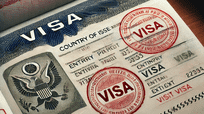
What Is An Asylum Visa?
An asylum visa is a legal authorization that allows individuals fleeing persecution, conflict, or serious human rights violations in their home countries to seek protection and reside in a safer nation. It is typically granted to people who can demonstrate a credible fear of persecution based on race, religion, nationality, political opinion, or membership in a particular social group. Unlike regular visas, asylum visas are humanitarian in nature and focus on safeguarding fundamental human rights. Applicants must provide substantial evidence, including personal statements, supporting documents, and sometimes witness testimonies, to prove the threat they face in their home country. Asylum visas provide temporary or permanent residence and often include access to work, education, and social services in the host country.

Eligibility Requirements For An Asylum Visa
To qualify for an asylum visa, applicants must meet specific eligibility requirements. These typically include proving a well-founded fear of persecution due to race, religion, nationality, political opinion, or social group membership. Many countries also require applicants to demonstrate that they have no alternative protection options in their home country. Some jurisdictions impose deadlines or restrictions, making early application crucial. Applicants often need supporting documentation, such as police reports, medical records, or affidavits, and may undergo interviews with immigration officers or adjudicators. While the process is rigorous, meeting these requirements significantly increases the likelihood of being granted asylum and obtaining long-term protection.
How To Apply For An Asylum Visa

Applying for an asylum visa involves several important steps, starting with identifying the proper immigration authority in the destination country. Applicants typically submit a formal application form along with detailed personal statements explaining the nature of the threats they face. Supporting evidence, such as legal records, medical reports, or media coverage of threats in the home country, is essential. Following submission, many countries conduct interviews or hearings to evaluate credibility. Legal representation is often recommended to ensure that applications meet procedural and evidentiary standards. Once approved, the applicant may receive temporary protection, followed by permanent residence options depending on the host country’s asylum laws and policies.
Processing Time For An Asylum Visa
The processing time for an asylum visa varies significantly based on the country, the complexity of the case, and the applicant’s documentation. In some countries, decisions may take a few months, while in others, the process can extend over several years. Factors influencing processing time include the applicant’s ability to provide clear evidence, backlog in immigration offices, and the need for additional interviews or background checks. Some jurisdictions provide expedited processes for urgent or vulnerable cases. Understanding the expected processing timeline is crucial for applicants, as it impacts legal rights, temporary residence, access to employment, and eligibility for social support while awaiting a final decision.
Required Documents For An Asylum Visa
Successful asylum applications require thorough documentation to substantiate claims of persecution. Commonly required documents include identity proof such as passports or birth certificates, personal statements describing persecution experiences, and supporting evidence like medical records, police reports, affidavits, or media articles. Additional materials may include country condition reports, legal documents, and witness statements to verify the credibility of claims. In some cases, proof of prior attempts to seek protection or evidence of imminent threats may also strengthen the application. Proper organization and translation of documents are critical, as incomplete or inaccurate documentation can lead to delays or denial of the asylum visa.
Rights And Benefits Of Holding An Asylum Visa
Holders of an asylum visa are entitled to various rights and benefits designed to protect and integrate them into society. These often include temporary or permanent residence, the right to work, access to healthcare and education, and social welfare support. Asylum visa holders may also be eligible to apply for family reunification to bring immediate family members to the host country. Many nations provide legal assistance and counseling to help integrate into local communities. While rights and benefits differ depending on the country, the primary aim is to ensure safety, stability, and an opportunity for self-sufficiency, allowing individuals to rebuild their lives free from fear of persecution.
Challenges Faced By Asylum Visa Applicants
Applying for an asylum visa can present numerous challenges. Complex legal procedures, strict deadlines, and extensive documentation requirements often create barriers for applicants. Language barriers, lack of legal representation, and difficulty accessing supporting evidence from home countries further complicate the process. Some applicants face extended periods of uncertainty due to slow processing times, which can impact employment, housing, and mental health. Additionally, proving eligibility can be challenging when persecution experiences are personal, undocumented, or politically sensitive. Despite these obstacles, many individuals successfully navigate the process with legal guidance, perseverance, and careful preparation, ultimately securing protection and a new start in a safe country.
Difference Between Asylum Visa And Refugee Status
While often used interchangeably, asylum visas and refugee status differ in procedural and legal contexts. Asylum is typically sought by individuals already present in the host country or at a border, allowing them to request protection without prior pre-approval. Refugee status, however, is generally granted through international or host country programs before entering the country. Both provide protection from persecution and access to similar rights, including residence, work, and social services. Understanding the distinction is important, as eligibility criteria, application procedures, and legal pathways vary. Both forms are grounded in humanitarian law but serve different contexts and timelines for seeking international protection.
Impact Of An Asylum Visa On Immigration Status
Obtaining an asylum visa significantly impacts an individual’s immigration status. It transitions applicants from temporary or uncertain residency to protected status with legal recognition. Depending on the country, asylum visa holders may eventually apply for permanent residence or citizenship. This legal status provides security against deportation, access to social services, and the ability to work legally. However, it also imposes responsibilities, such as complying with local laws and reporting requirements. For many applicants, the asylum visa represents a turning point, offering stability and the opportunity to rebuild their lives, while legally acknowledging their need for protection from persecution in their home countries.
Common Misconceptions About Asylum Visas
Several misconceptions surround asylum visas, often causing confusion among applicants. One common myth is that asylum guarantees immediate permanent residency or citizenship, whereas it initially provides temporary protection that may later lead to permanent status. Another misconception is that all applicants are automatically eligible, when eligibility requires proving persecution and fear of return. Some believe that asylum visas are only for extreme cases, ignoring that even subtle forms of persecution based on race, religion, or social group membership qualify. Understanding the legal framework, eligibility requirements, and procedural steps is crucial to navigate the asylum system effectively and avoid pitfalls that could lead to denial or delayed processing.
International Laws Governing Asylum Visas
Asylum visas are governed by a combination of international conventions, treaties, and national laws designed to protect individuals fleeing persecution. Key international instruments include the 1951 Refugee Convention and its 1967 Protocol, which define refugee status, rights, and obligations. Regional agreements, such as the European Union’s Common European Asylum System or the Organization of African Unity guidelines, also influence asylum policies. National legislation translates these international standards into local procedures, eligibility criteria, and administrative processes. Compliance with these legal frameworks ensures that asylum seekers receive protection and that host countries meet humanitarian obligations, balancing national security with international human rights commitments.
Conclusion
An asylum visa is a vital legal mechanism that protects individuals fleeing persecution, violence, or human rights violations. Understanding eligibility, application procedures, required documentation, and associated rights is essential for anyone seeking protection. Despite challenges in the process, an asylum visa offers a path to safety, stability, and integration into a host country, ultimately enabling individuals to rebuild their lives free from fear. By recognizing international standards and adhering to legal procedures, asylum applicants can navigate the system effectively and secure the protection they need.
Frequently Asked Questions
1. What Is An Asylum Visa?
An asylum visa is a special legal permit issued to individuals fleeing persecution or severe threats in their home countries due to race, religion, nationality, political opinion, or membership in a particular social group. It allows them to legally reside in a foreign country while seeking protection and ensures access to basic rights, such as healthcare, education, and employment. To obtain an asylum visa, applicants must demonstrate a credible fear of returning to their home country and provide supporting evidence, including personal statements, documentation of threats, or witness testimonies. The visa serves both humanitarian purposes and legal protection under international and national law, offering temporary or permanent residence depending on the host country’s policies.
2. How Do I Apply For An Asylum Visa?
Applying for an asylum visa involves submitting a formal application to the immigration authorities of the host country, either at the border or within the country. Applicants must complete required forms, provide personal statements detailing persecution, and attach supporting documents such as identity papers, affidavits, police reports, or medical records. Many countries require interviews to assess the credibility of claims, and legal representation is highly recommended to ensure procedural compliance. After review, applicants may receive temporary protection, with the possibility of long-term residency or permanent status depending on the country’s asylum policies. Careful preparation and documentation significantly increase the chances of approval.
3. What Are The Eligibility Requirements For Obtaining An Asylum Visa?
Eligibility for an asylum visa generally requires proving a well-founded fear of persecution based on race, religion, nationality, political opinion, or social group membership. Applicants must show that they cannot safely return to their home country and that they have exhausted or cannot access local protection mechanisms. Some countries impose additional criteria, such as being present in the host country or filing within specific timeframes. Supporting evidence, including legal documents, medical reports, affidavits, or media reports, is crucial. Meeting these requirements is essential to increase the likelihood of approval, as failure to demonstrate credible threats can result in denial or prolonged processing.
4. How Long Does It Take To Get An Asylum Visa?
The processing time for an asylum visa varies widely depending on the host country, case complexity, and the completeness of submitted documentation. In some countries, decisions may take several months, while in others, the process can extend to years due to backlogs, additional interviews, or required background checks. Expedited procedures may exist for vulnerable applicants or urgent cases, while others experience delays due to verification of country conditions or legal complications. Applicants should plan for potential waiting periods, as processing time affects temporary residence, work authorization, and access to social services while the asylum application is pending.
5. How Much Does An Asylum Visa Cost?
The cost of an asylum visa varies depending on the country and application process. In many nations, applying for asylum is free or involves minimal administrative fees to cover paperwork and processing. Some countries may charge nominal fees for document translation, legal assistance, or biometric data collection. It is important to verify official government sources to avoid fraudulent charges or unnecessary expenses. Applicants should also budget for legal representation, document preparation, and living costs during the waiting period, as processing times can be lengthy. Understanding the financial requirements ensures applicants can manage costs without compromising the quality of their application.
6. What Is The Validity Period Of An Asylum Visa?
The validity period of an asylum visa depends on national laws and individual circumstances. Typically, asylum visas are initially granted for temporary periods, ranging from six months to a few years, with the possibility of renewal. After a set period, holders may apply for permanent residence or citizenship if they meet eligibility requirements. Validity may also be contingent on continued compliance with reporting requirements, residency conditions, and maintaining eligibility. Temporary status allows asylum seekers to access essential services while awaiting final determination. Understanding the validity period helps applicants plan for renewals, long-term residency, or integration into the host country.
7. Can I Work With An Asylum Visa?
Yes, in most countries, asylum visa holders are permitted to work, either immediately or after a waiting period, depending on national regulations. Access to employment is a critical component of integration, enabling individuals to support themselves and contribute to the host country’s economy. Some jurisdictions require authorization letters or specific work permits linked to the asylum visa. Employment rights often include the ability to sign contracts, receive wages, and access labor protections. Understanding the legal framework is essential to avoid unauthorized work, which could jeopardize asylum status. Legal assistance can clarify rights and facilitate smooth integration into the job market.
8. Can Family Members Join Me With An Asylum Visa?
Many countries allow family reunification for asylum visa holders, enabling spouses, children, or dependent relatives to join the primary applicant. Procedures typically involve submitting proof of familial relationships, identity documents, and, in some cases, evidence of dependency. Timelines for family reunification vary, with some applications processed alongside the principal asylum request and others requiring separate applications. Successfully bringing family members ensures social stability and emotional support for asylum seekers. Legal advice is often necessary to navigate complex rules and deadlines, as errors or missing documentation can delay or prevent family members from joining the asylum recipient in the host country.
9. What Are The Legal Obligations Of Asylum Visa Holders?
Asylum visa holders must comply with the host country’s laws, including immigration reporting requirements, residency conditions, and criminal regulations. They may need to attend periodic interviews, renew visas within specified timeframes, and update authorities about changes in address or employment. Failing to meet these obligations can lead to visa revocation or loss of asylum protection. Asylum seekers are also expected to respect public safety, engage with social services as required, and provide truthful information during legal processes. Understanding legal obligations ensures continued protection and smooth integration into the host country, avoiding complications that could affect residency status or future citizenship applications.
10. How Can I Prove Persecution For An Asylum Visa?
Proving persecution requires providing credible, documented evidence showing that returning to the home country would expose the applicant to serious threats. Supporting materials may include personal statements detailing experiences, medical records, police or legal reports, witness affidavits, and media or country condition reports. Demonstrating a pattern of targeted threats or systemic discrimination strengthens credibility. Legal guidance is highly recommended to ensure proper presentation of evidence. Some cases may also rely on testimony from human rights organizations or expert reports on country conditions. Accurate, organized documentation is essential, as credibility assessment is a key determinant in asylum visa approvals.
11. Are Asylum Visas Permanent?
Asylum visas are initially temporary but may lead to permanent residence depending on the country’s immigration laws and individual circumstances. Temporary protection allows applicants to reside safely while awaiting adjudication. In many jurisdictions, after a specified period, holders may apply for permanent residency, which may eventually lead to citizenship. Permanent status provides stability, work authorization, and social benefits. Renewal processes or legal requirements must be carefully followed to maintain protection. Understanding the pathway from temporary asylum to permanent residency is critical for long-term planning and integration into the host country’s society.
12. Can I Travel Abroad With An Asylum Visa?
Traveling abroad on an asylum visa is generally restricted, as leaving the host country may impact the validity of the visa. Some nations require special travel documents or prior authorization to re-enter. Traveling without authorization can result in loss of asylum protection or complicate residency status. However, authorized travel may be possible for urgent family matters, medical treatment, or official purposes. It is crucial to consult immigration authorities or legal advisors before making travel plans. Understanding travel limitations ensures compliance with asylum regulations and preserves the holder’s legal status while enabling essential international travel when permitted.
13. How Do Authorities Verify Asylum Claims?
Authorities verify asylum claims through interviews, document review, background checks, and consultation with international organizations or local authorities. Interviews assess credibility and consistency in the applicant’s account of persecution. Documentation such as legal records, medical reports, affidavits, and media coverage supports claims. Authorities may also consult country condition reports or expert assessments to confirm risks. Verification aims to distinguish genuine claims from fraudulent applications while adhering to international humanitarian obligations. Thorough preparation, accurate documentation, and legal representation improve the likelihood of successful verification and approval of an asylum visa.
14. Can I Appeal If My Asylum Visa Is Denied?
Yes, most countries provide an appeal process for denied asylum visa applications. Applicants typically have a specified timeframe to submit an appeal, provide additional evidence, and request a review of the initial decision. Legal representation is highly recommended to navigate procedural requirements and present compelling arguments. Appeals may involve administrative review, judicial proceedings, or a combination, depending on national law. Successfully appealing a denial can reverse the decision and grant asylum protection. Understanding appeal rights and deadlines is crucial to ensure that applicants do not miss opportunities to challenge unfavorable decisions and secure legal protection.
15. What Happens After Receiving An Asylum Visa?
After receiving an asylum visa, individuals gain legal protection in the host country and may access work, healthcare, education, and social services. They are expected to comply with reporting and residency requirements, and may eventually apply for permanent residence or citizenship. Asylum holders can rebuild their lives, integrate into society, and, in many cases, reunite with family members. They may also receive counseling or support services to assist with adaptation. Legal and social guidance is important to navigate rights, responsibilities, and opportunities. Holding an asylum visa represents safety, stability, and a foundation for long-term personal and professional development in the host country.
16. How Does International Law Protect Asylum Seekers?
International law protects asylum seekers through conventions, treaties, and protocols, most notably the 1951 Refugee Convention and its 1967 Protocol. These instruments define refugee status, establish rights, and set obligations for host countries. Regional agreements, such as the European Union’s asylum framework, complement international standards. Protection ensures asylum seekers are not forcibly returned to countries where they face persecution and guarantees access to basic rights such as housing, employment, and legal aid. National laws incorporate these international norms into domestic procedures, balancing humanitarian protection with security concerns. Compliance with international law is critical to safeguard asylum seekers and uphold human rights standards globally.
17. Are Children Eligible For Asylum Visas?
Yes, children can be eligible for asylum visas if they face persecution, threats, or risk of harm due to race, religion, nationality, political opinion, or social group membership. Eligibility often includes minor dependents of adult applicants or unaccompanied minors. Special protections apply, including expedited processing, child welfare services, and education access. Documentation may include birth certificates, guardianship proof, and statements regarding the child’s experiences. Legal representation is crucial to ensure rights are protected and applications are properly submitted. Protecting children under asylum law ensures their safety, access to essential services, and long-term opportunities for education and development in a secure environment.
18. Can I Change My Status From Asylum Visa To Permanent Residency?
In many countries, asylum visa holders can transition to permanent residency after fulfilling residency requirements and maintaining good legal standing. This process typically involves submitting additional documentation, demonstrating integration, and sometimes passing background checks or interviews. The transition provides stability, work rights, and social benefits comparable to citizens, and may eventually lead to naturalization. Timely compliance with reporting, renewal, and residency conditions is crucial. Legal assistance helps ensure the transition is smooth and avoids errors that could jeopardize status. Successfully changing status from an asylum visa to permanent residency allows individuals to secure long-term protection and fully integrate into the host society.
19. What Are The Common Reasons For Asylum Visa Denial?
Common reasons for asylum visa denial include failure to demonstrate credible fear of persecution, lack of supporting evidence, incomplete or inaccurate documentation, missed deadlines, or prior criminal activity that disqualifies applicants. Other factors include misrepresentation of facts, inability to prove identity, or prior safe residence in another country. Legal errors in the application, inadequate legal representation, or failure to attend interviews may also contribute. Understanding the grounds for denial helps applicants prepare robust applications, gather compelling evidence, and address potential issues proactively. Awareness of these pitfalls is essential to improve the likelihood of approval and avoid unnecessary delays or rejections.
20. How Can I Find Legal Assistance For An Asylum Visa?
Finding legal assistance involves contacting immigration lawyers, legal aid organizations, or non-governmental organizations specializing in refugee and asylum cases. Many countries provide directories of accredited attorneys and free legal services for asylum seekers. Legal professionals can assist with completing forms, gathering evidence, preparing for interviews, and navigating appeals. Nonprofits and community organizations often provide workshops, counseling, and translation services. Accessing legal assistance early improves the chances of a successful application, helps avoid procedural errors, and ensures applicants understand their rights and obligations. Comprehensive legal support is a critical component of securing an asylum visa and achieving long-term protection.
FURTHER READING
- What Is The Validity Period Of A Refugee Visa?
- How Much Does A Refugee Visa Cost?
- How Long Does It Take To Get A Refugee Visa?
- What Are The Eligibility Requirements For Obtaining A Refugee Visa?
- How Do I Apply For And Get A Refugee Visa?
- What Is A Refugee Visa? | Definition, Eligibility Requirements, Validity Period, Cost, Documents, How To Apply For A Refugee Visa
- What Is The Validity Period Of A Diplomatic Visa?
- How Much Does A Diplomatic Visa Cost?
- How Long Does It Take To Get A Diplomatic Visa?
- What Are The Eligibility Requirements For Obtaining A Diplomatic Visa?
- How To Apply For And Get A Diplomatic Visa