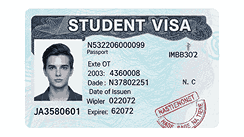
What Is A Student Visa?
A student visa is an official document issued by a country’s immigration authorities that allows a foreign national to enter and study at a recognized educational institution within that country. This visa type is typically granted for a specific period, coinciding with the duration of a program, such as a bachelor’s, master’s, or doctoral course. Student visas often require applicants to meet strict eligibility criteria, including proof of enrollment, financial stability, and sometimes language proficiency. The primary purpose of a student visa is to enable international students to pursue their education while ensuring that they comply with the immigration laws and regulations of the host country.
Common Reasons For Student Visa Revocation
Student visa revocation occurs when immigration authorities withdraw an already granted visa due to violations of legal, academic, or procedural requirements. Common reasons include providing false information during the application process, failing to maintain full-time student status, or engaging in unauthorized employment. Authorities may also revoke visas if students fail to attend classes regularly, violate criminal or immigration laws, or pose a security threat. Other reasons include failure to meet financial obligations or maintain adequate health insurance. Understanding these grounds is crucial for international students to ensure compliance and avoid disruptions to their education.
Academic Noncompliance And Its Consequences
Maintaining satisfactory academic performance is a key requirement for student visa holders. Falling below the institution’s academic standards, dropping out of courses, or failing to complete mandatory credits can result in visa revocation. Immigration authorities often monitor academic records, and consistent noncompliance can trigger formal warnings, probation, or immediate cancellation of the visa. Students must understand the specific academic obligations outlined in their visa conditions and consult with academic advisors to prevent unintentional breaches that could jeopardize their stay.
Immigration Violations That Lead To Revocation
Student visas are bound by strict immigration rules that regulate behavior, travel, and employment. Violating these rules, such as overstaying the visa period, entering restricted areas, or misusing the visa for non-educational purposes, can prompt authorities to revoke the visa. Unauthorized work beyond the permitted hours or engaging in illegal activities also constitutes a severe breach. Awareness of the legal framework and adherence to visa conditions is essential for students to prevent revocation and maintain lawful status in the host country.
Financial Issues And Visa Revocation
Financial stability is a core requirement for student visa holders. Inability to provide proof of sufficient funds to cover tuition, living expenses, and other fees can trigger visa cancellation. Additionally, relying on unapproved or fraudulent financial sources can lead to revocation. Institutions and immigration authorities require clear documentation of funds throughout the study period, and students must ensure their financial records remain transparent and up to date. Financial mismanagement, unpaid tuition fees, or sudden inability to support oneself are common reasons for authorities to withdraw a student visa.
Criminal Activities And Security Concerns
Engaging in criminal activities, including drug offenses, theft, or violent behavior, can result in immediate visa revocation. Security threats, including involvement in terrorism or political extremism, are considered critical grounds for withdrawal. Immigration authorities take these violations seriously to protect national safety and public order. Students must avoid criminal behavior and maintain compliance with both local laws and institutional regulations. Background checks, police reports, and ongoing monitoring can influence visa status, and any offense may result in revocation even after arrival.
Health And Insurance Noncompliance
Many countries require students to maintain valid health insurance and meet certain medical standards. Failing to provide proof of insurance coverage or not adhering to health regulations can lead to visa cancellation. In some cases, undisclosed communicable diseases or failure to report health conditions may also result in revocation. Ensuring continuous compliance with health requirements, attending mandatory medical check-ups, and reporting any significant changes in health status is essential for retaining visa validity.
Maintaining Legal Employment And Work Restrictions
Most student visas restrict employment to a limited number of hours or specific types of jobs. Working beyond these limits, engaging in illegal employment, or failing to report income can be grounds for visa revocation. Immigration authorities often conduct random audits and monitor work compliance. Understanding employment restrictions and adhering strictly to permitted work conditions is vital for students to maintain their visa status and avoid penalties or deportation.
Consequences Of Student Visa Revocation
Student visa revocation can have severe consequences, including immediate loss of legal status, deportation, and difficulty obtaining future visas. Academic programs may be terminated, and students may face financial losses or reputational damage. In some cases, revocation can lead to legal proceedings or blacklisting from entering the country again. Understanding the implications and proactively ensuring compliance with all visa conditions is crucial for maintaining uninterrupted education and lawful residency.
Preventive Measures To Avoid Visa Revocation
Students can prevent visa revocation by adhering to immigration rules, maintaining consistent academic performance, and ensuring financial stability. Regular communication with educational institutions, timely submission of required documents, and compliance with employment restrictions are essential. Additionally, students should avoid any illegal activities, maintain valid health insurance, and stay informed about visa regulations. Proactive engagement with authorities, understanding visa conditions, and seeking legal guidance when necessary can reduce the risk of revocation and protect the student’s legal status.
Conclusion
Student visa revocation is a serious issue that can disrupt education, affect future career prospects, and lead to legal consequences. The primary reasons include academic noncompliance, immigration violations, financial instability, criminal activities, health noncompliance, and unauthorized employment. By understanding these risks and following preventive measures, international students can ensure uninterrupted studies and maintain lawful status. Awareness, diligence, and proactive management of visa obligations are key to avoiding revocation and safeguarding the overall educational experience abroad.
Frequently Asked Questions
1. What Are The Reasons For A Student Visa Revocation?
Student visa revocation can occur for several reasons including academic noncompliance, failing to maintain full-time enrollment, providing false information during the application process, engaging in criminal activities, unauthorized employment, overstaying the visa, failure to maintain financial stability, or not adhering to health and insurance requirements. Immigration authorities closely monitor visa holders and may revoke a visa when any of these conditions are violated. Understanding these reasons allows students to comply with regulations, protect their legal status, and continue their studies without interruption, while preventing long-term consequences such as deportation or difficulty obtaining future visas.
2. How Can Academic Noncompliance Lead To Student Visa Revocation?
Academic noncompliance, such as failing courses, dropping below full-time enrollment, or consistently missing classes, can lead to student visa revocation. Immigration authorities monitor academic progress and may issue warnings before revoking a visa if a student fails to meet required standards. Maintaining good academic standing and seeking support from advisors can help prevent violations that risk visa cancellation. Understanding institutional expectations and proactively addressing academic challenges ensures continued compliance with visa conditions.
3. Can Providing False Information Result In Visa Revocation?
Yes, providing false or misleading information during the student visa application process is a serious violation. This includes falsifying documents, academic credentials, or financial statements. Authorities consider this fraudulent activity, and visa revocation is often immediate once discovered. Honesty and transparency in all applications are essential to maintain lawful status and prevent revocation or legal consequences.
4. What Role Do Financial Issues Play In Visa Revocation?
Financial issues are a major reason for student visa revocation. Inability to demonstrate sufficient funds for tuition, living expenses, or health insurance can lead authorities to cancel a visa. Mismanagement of finances, unpaid tuition fees, or reliance on fraudulent financial documents also pose risks. Students must maintain clear financial records and ensure ongoing compliance with monetary requirements to protect their visa status.
5. How Does Unauthorized Employment Affect Student Visas?
Unauthorized employment, such as working beyond allowed hours or in prohibited sectors, can result in student visa revocation. Immigration authorities monitor work compliance closely and violations can have severe consequences, including visa cancellation and deportation. Students should fully understand employment restrictions and adhere strictly to legal work conditions.
6. Can Criminal Activities Cause Visa Revocation?
Engaging in criminal activities, including theft, assault, drug offenses, or any illegal behavior, can lead to immediate visa revocation. Authorities prioritize public safety and security, and involvement in criminal acts is a serious violation of student visa conditions. Maintaining lawful behavior is critical to retaining legal residency and continuing education.
7. What Health Requirements Could Lead To Visa Revocation?
Student visas often require maintaining valid health insurance and meeting medical standards. Failure to provide proof of insurance, noncompliance with health regulations, or undisclosed medical conditions can result in revocation. Continuous adherence to health policies and reporting significant changes ensures visa compliance.
8. How Does Overstaying Affect Student Visa Status?
Overstaying a student visa beyond the permitted duration is a direct violation of immigration rules. Authorities may revoke the visa, initiate deportation, and impose restrictions on future travel. Students must monitor visa expiration dates and apply for timely extensions to maintain legal status.
9. Are Political Or Security Concerns A Reason For Revocation?
Yes, involvement in political extremism, terrorism, or activities that threaten national security can trigger immediate student visa revocation. Authorities take such matters seriously to protect the host country, and any association with security threats can have severe consequences.
10. Can Changing Academic Programs Affect Visa Validity?
Switching academic programs without notifying authorities or violating enrollment conditions can impact visa status. Immigration officials require updates about program changes, and failure to comply may lead to revocation. Proper communication ensures continued legal residency.
11. How Important Is Maintaining Full-Time Enrollment?
Full-time enrollment is a critical visa condition. Dropping below the required credit load or failing to meet program requirements can lead to revocation. Continuous adherence to enrollment standards is necessary to avoid legal and academic complications.
12. Can Visa Revocation Be Appealed?
In some countries, students may have the right to appeal a visa revocation. The appeal process involves providing evidence to counter the reasons for revocation, but success depends on the case and local laws. Timely legal assistance is crucial.
13. How Do Institutions Monitor Compliance?
Educational institutions monitor academic performance, attendance, financial records, and sometimes conduct periodic checks on student activities. These reports are often shared with immigration authorities, influencing decisions on visa status. Students must remain compliant to avoid triggering revocation.
14. Are There Specific Reporting Obligations For Students?
Yes, students must report changes in address, program, financial status, or health conditions. Failure to report such changes may be considered noncompliance, potentially resulting in visa revocation. Awareness and timely reporting are essential.
15. Can Engaging In Fraud Lead To Revocation?
Engaging in fraudulent activities, including falsifying documents, exams, or financial records, can result in immediate visa revocation. Authorities treat fraud as a severe violation that jeopardizes lawful residency and future applications.
16. What Happens If Tuition Fees Are Unpaid?
Unpaid tuition fees can trigger visa revocation if institutions report non-payment to immigration authorities. Financial responsibility is a condition of visa compliance, and students must ensure timely payment of all required fees.
17. How Does Academic Probation Affect Visa Status?
Being placed on academic probation due to poor performance may risk visa revocation. Authorities monitor probationary status closely, and continued failure to meet requirements can lead to cancellation. Students should address academic challenges promptly.
18. Can Visa Revocation Affect Future Applications?
Yes, a revoked student visa can create difficulties for future visa applications, including travel bans or denials. Maintaining compliance throughout the study period is essential to preserve eligibility for future visas.
19. Are There Legal Consequences Beyond Revocation?
Beyond revocation, students may face deportation, fines, or legal proceedings depending on the severity of violations. Some actions may lead to blacklisting, making re-entry into the country difficult. Awareness and adherence to laws prevent such outcomes.
20. How Can Students Protect Their Visa Status?
Students can protect their visa status by following all immigration rules, maintaining academic performance, reporting required changes, avoiding unauthorized work, complying with health regulations, and ensuring financial stability. Proactive communication with institutions and authorities reduces risks of revocation and ensures uninterrupted studies.
FURTHER READING
- Can I Travel During My Student Visa Application Process?
- Can I Apply For A Student Visa Without TOEFL
- Can A Student Visa Holder Start A Business?
- Can I Transfer My Student Visa To Another Program?
- What Is The Easiest Way To Get A Student Visa?
- Can A Student Visa Be Revoked? | Consequences Of Student Visa Revocation Explained
- Can I Work As A Freelancer On A Student Visa?
- Can I Apply For Jobs On A Student Visa?
- What Happens If I Overstay My Student Visa?
- Can A Student Visa Be Issued Without An Interview?
- Can I Apply For A Student Visa Without Passport?