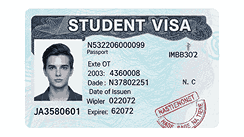
What Is A Student Visa?
A student visa is a temporary authorization granted by a country’s immigration authorities that allows foreign nationals to enter, study, and stay in that country for a designated period. Typically issued to individuals enrolled in accredited academic programs, student visas have strict conditions, including limits on employment, study duration, and residency. They differ from work or permanent residence visas, focusing primarily on education as the purpose of stay. The main objective is to enable international students to pursue higher education while maintaining legal compliance. Understanding a student visa is crucial for anyone considering long-term residency or future citizenship because it dictates eligibility, rights, and the pathways available for transitioning to permanent status.
Eligibility Criteria For Student Visas
Student visa eligibility generally requires acceptance by a recognized educational institution, proof of sufficient financial resources, and evidence of intent to return to one’s home country after studies. Applicants may also need to meet language proficiency standards, provide health insurance, and undergo background checks. Each country sets its own rules, so students must carefully review official immigration guidelines. Compliance with these criteria is essential to avoid visa denial or deportation, and it lays the groundwork for potential immigration pathways, including temporary work visas or eventual citizenship applications after completing education and gaining experience.
Rights And Limitations Of Student Visa Holders
Student visa holders enjoy rights such as enrollment in educational programs, limited on-campus or off-campus work, and access to certain social services. However, these rights come with strict limitations. Many countries restrict the number of working hours, types of employment, and travel outside the country. Violation of these rules can lead to visa revocation, fines, or deportation. Awareness of these boundaries is essential for students planning long-term residency or citizenship because overstaying or breaking visa conditions can negatively impact eligibility for permanent residence and naturalization.
Pathways From Student Visa To Permanent Residency
While student visas themselves do not grant permanent residency, many countries provide pathways for graduates to remain and work, eventually qualifying for permanent residence. Programs such as post-study work visas, skilled migration programs, or employer-sponsored visas allow students to transition into long-term residency. Completing higher education in high-demand fields can significantly improve chances of obtaining permanent residency, which is a critical step toward citizenship. Understanding these pathways early helps students plan their education and career choices strategically to maximize eligibility for long-term settlement.
How Long Does It Take To Apply For Citizenship After Studying?
The timeline for applying for citizenship varies by country and is often contingent on first securing permanent residency. After graduation, students may work on a temporary visa for several years before becoming eligible for citizenship applications. Most countries require continuous residence for a certain number of years, proficiency in the national language, and evidence of integration into society. Planning early, maintaining legal status, and fulfilling residency requirements are essential steps to ensure eligibility for citizenship. Knowledge of these timelines enables students to align their education, work experience, and long-term immigration goals effectively.
Citizenship Requirements For Former Student Visa Holders
Citizenship requirements typically include a combination of permanent residency, language proficiency, clean criminal record, and integration into society. Former student visa holders must ensure that they maintain legal status during their study and work periods, complete the required number of residency years, and demonstrate knowledge of the country’s culture, history, and laws. Some countries also require employment in specific sectors or economic contributions. Meeting these conditions successfully allows former international students to transition from temporary educational stays to full citizenship, granting them voting rights, government benefits, and long-term security.
Challenges In Transitioning From Student Visa To Citizenship
Transitioning from a student visa to citizenship can be complex, involving bureaucratic hurdles, financial costs, and legal requirements. Students may face competition for limited permanent residency slots, strict documentation rules, and changing immigration policies. Overstaying or violating visa conditions can result in permanent disqualification. Navigating these challenges requires careful planning, understanding of immigration law, and sometimes legal assistance. Awareness of potential obstacles helps student visa holders take proactive steps, maintain compliance, and increase their chances of successfully achieving citizenship over time.
Benefits Of Citizenship For Former Student Visa Holders
Acquiring citizenship offers numerous advantages, including unrestricted work opportunities, voting rights, and access to social services. Former student visa holders also gain the ability to sponsor family members, travel freely with a national passport, and enjoy long-term legal security. Citizenship consolidates the years spent studying and working in a country, transforming temporary residence into a permanent status that supports personal and professional growth. Recognizing these benefits motivates students to plan carefully and pursue the necessary steps from student visas through permanent residency to full citizenship.
Frequently Asked Questions
1. Can A Student Visa Holder Apply For Citizenship?
A student visa holder can apply for citizenship, but the process is indirect and typically requires first transitioning to permanent residency. Student visas are temporary and primarily educational, meaning that holders cannot apply for citizenship directly while on the student visa. After completing their studies, many countries offer post-study work permits or skilled migration pathways, allowing graduates to work legally and accumulate the required years of residency. Once permanent residency requirements are met—often including continuous residence, language proficiency, and integration into society—former student visa holders become eligible to apply for citizenship. Maintaining legal status, complying with visa conditions, and strategic planning are critical for successful applications.
2. How Long Must A Student Visa Holder Wait Before Applying For Citizenship?
The waiting period depends on the country and typically involves obtaining permanent residency first. Most countries require several years of continuous residence after gaining permanent residency, usually ranging from three to five years. During this time, applicants must maintain legal status, work, or study, and demonstrate integration into society. Keeping records of employment, education, and residence is essential. Understanding specific national requirements helps students plan effectively, ensuring that they meet eligibility criteria without violating visa conditions or immigration rules.
3. Can International Students Work While Preparing For Citizenship?
Yes, but with restrictions. Student visa holders often have limited work rights, such as on-campus employment or restricted hours off-campus. After graduation, post-study work visas typically allow full-time employment, which counts toward residency requirements for citizenship. Compliance with employment rules is critical, as illegal work or overstaying can jeopardize future applications. Working strategically in in-demand sectors may also enhance eligibility for permanent residency and citizenship.
4. Do All Countries Allow Student Visa Holders To Apply For Citizenship?
Not all countries allow direct transition from student visa to citizenship. Policies vary widely. Some countries require multiple steps: student visa, post-study work visa, permanent residency, and finally citizenship application. Others may impose strict quotas or additional eligibility criteria. It is essential for students to review official immigration regulations to understand the pathways available and plan their long-term residency and citizenship goals.
5. What Documents Are Needed To Apply For Citizenship After A Student Visa?
Key documents include proof of permanent residency, residence duration records, education credentials, employment history, language proficiency certificates, clean criminal record, and identity documents. Some countries also require evidence of financial stability, social integration, and knowledge of national culture and laws. Collecting these documents early ensures a smoother application process and avoids delays caused by missing or incomplete information.
6. Can Marriage Affect Citizenship Eligibility For Student Visa Holders?
Marriage can influence eligibility in certain countries. Marrying a citizen may provide faster pathways to permanent residency and citizenship, while remaining unmarried may necessitate standard residency requirements. However, authorities closely scrutinize applications to prevent fraudulent marriages. Genuine marital relationships often provide legal advantages, but applicants must meet all standard residency and integration criteria to qualify for citizenship.
7. Are There Age Limits For Student Visa Holders Seeking Citizenship?
Age itself is generally not a barrier to citizenship applications, but younger students may have more time to fulfill residency requirements. Some countries impose age-related restrictions on certain immigration pathways, such as skilled migration programs, which could impact the transition from student visa to permanent residency. Early planning and understanding age criteria are important for long-term eligibility.
8. Is Language Proficiency Required For Citizenship?
Yes, most countries require applicants to demonstrate proficiency in the national language. Language tests or educational qualifications completed in the host country may satisfy this requirement. Proficiency ensures integration into society, access to employment, and understanding of civic responsibilities. Student visa holders should prioritize language skills during their studies to meet future citizenship requirements efficiently.
9. Can Part-Time Study Affect Citizenship Eligibility?
Part-time study may impact visa conditions, as some student visas mandate full-time enrollment. Failure to maintain full-time status can jeopardize legal residency, which is critical for future citizenship applications. Students must comply with visa rules while balancing education and work commitments. Maintaining legal status throughout their study period ensures eligibility for permanent residency and eventual citizenship.
10. Does Criminal Record Affect Citizenship Applications?
Yes, criminal records can significantly impact eligibility. Authorities generally require applicants to demonstrate good character, with no major criminal offenses. Even minor violations may delay or prevent citizenship approval. Student visa holders must avoid legal issues during their stay and provide police clearance certificates when applying for citizenship. Maintaining clean conduct is crucial for successful applications.
11. Can Student Visa Holders Sponsor Family Members After Citizenship?
Once citizenship is granted, former student visa holders can usually sponsor family members for residence visas. This benefit allows families to reunite and live legally in the country. Eligibility often depends on income, housing, and residency requirements. Understanding sponsorship rules early helps applicants plan their long-term family and settlement goals.
12. Is Work Experience Required For Citizenship After Student Visa?
Many countries consider post-study work experience essential. Employment helps accumulate residency years, demonstrates economic contribution, and supports integration. Skilled work in high-demand sectors may expedite permanent residency eligibility, which is a prerequisite for citizenship. Strategic career planning during post-study periods is important for successful applications.
13. Can Students Apply For Citizenship While On Post-Study Work Visa?
Direct application is usually not allowed. Post-study work visas enable graduates to gain experience and meet residency requirements. Citizenship applications typically require permanent residency status, so students must transition from work visas to permanent residence before applying. Compliance with work and residency rules is critical during this period.
14. Are There Fees For Citizenship Applications?
Yes, citizenship applications involve fees, which vary by country. These may include application charges, processing fees, language tests, and document verification costs. Planning financially ensures that applicants can cover all costs without delays. Awareness of fees also helps students budget for the transition from student visa to citizenship effectively.
15. Can Visa Violations Affect Citizenship Eligibility?
Absolutely. Overstaying, unauthorized work, or breaching visa conditions can disqualify applicants from citizenship. Authorities require legal compliance throughout the study and post-study period. Maintaining proper documentation and following immigration rules is critical for eventual citizenship applications.
16. How Important Is Continuous Residence For Citizenship?
Continuous residence is a fundamental requirement. Authorities expect applicants to reside in the country without prolonged absences. Temporary travel may be allowed, but extended time abroad can reset residency calculations. Maintaining continuous presence ensures eligibility and strengthens the application for citizenship.
17. Are There Exams Required For Citizenship?
Many countries require citizenship tests assessing language proficiency, knowledge of history, government, and civic responsibilities. These exams ensure applicants are prepared to participate fully in society. Preparing during study periods can give student visa holders an advantage, enabling smoother transition from permanent residency to citizenship.
18. Can Refugee Status Affect Student Visa Citizenship Pathway?
Yes, refugee or humanitarian status may create separate immigration pathways with specific rules. Standard student visa pathways may not apply, and authorities may impose additional requirements or limitations. Applicants should seek legal guidance to understand how alternative statuses influence eligibility for citizenship.
19. Does Employment Sector Affect Citizenship Eligibility?
Employment in high-demand or strategic sectors can positively influence eligibility. Certain immigration programs prioritize skilled workers in areas like healthcare, technology, or education. Post-study work in these sectors may accelerate permanent residency approval, a prerequisite for citizenship. Strategic career planning enhances long-term residency and naturalization prospects.
20. Can Students Appeal Citizenship Denials?
Yes, most countries provide appeal mechanisms for denied applications. Grounds for appeal may include errors in documentation, misinterpretation of eligibility, or extenuating circumstances. Legal assistance often improves success rates. Understanding the appeal process ensures that student visa holders have a second chance to achieve citizenship if initial applications are unsuccessful.
FURTHER READING
- Do I Need A Medical Exam For A Student Visa?
- How Much Bank Balance Is Required For A Student Visa?
- Can I Apply For A Student Visa Without Admission?
- Can I Do An Internship On A Student Visa?
- What Is The Success Rate Of Student Visa Applications?
- How To Apply For A Student Visa Online: A Step-By-Step Guide To Online Student Visa Application
- What Are The Benefits Of A Student Visa?
- Can A Student Visa Be Converted To A Tourist Visa?
- What Is The Age Limit For A Student Visa?
- Can I Get A Loan For A Student Visa Application?
- How Do I Know If My Student Visa Is Approved?