
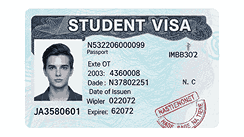
What Is A Student Visa?
A Student Visa is an official document or endorsement issued by a country that allows a foreign national to enter and study at a recognized educational institution within that country. It grants permission to pursue academic programs such as undergraduate, postgraduate, vocational, or language courses, and often comes with specific conditions, including restrictions on work hours and study duration. Student visas are essential for international students because they legally permit them to study abroad, ensuring compliance with immigration laws. The visa process usually requires proof of admission, financial stability, and a valid passport, among other documentation. Understanding its purpose is crucial for anyone planning to study overseas.

Requirements For A Student Visa
The requirements for obtaining a student visa vary depending on the destination country but generally include proof of acceptance from an accredited institution, sufficient funds to cover tuition and living expenses, a valid passport, medical and travel insurance, and sometimes a clean criminal record. Many countries also require evidence of language proficiency, such as IELTS or TOEFL scores, and a statement of purpose explaining the applicant’s academic goals. Some nations may ask for interviews or additional supporting documents, like letters of recommendation. Meeting all these requirements increases the chances of approval, while incomplete or inconsistent documentation can lead to delays or rejections.
Can I Apply For A Student Visa Without Admission?

Applying for a student visa without a confirmed admission is generally not possible in most countries because the visa process is designed to ensure that applicants have a valid place in a recognized educational program. Admission from a school or university acts as proof that the applicant has a genuine reason to study abroad. However, some countries offer conditional or pre-approval visas, sometimes called provisional student visas, allowing students to apply before securing full admission, provided they meet certain criteria, like demonstrating strong academic records, financial stability, and intention to enroll. Nonetheless, final approval usually depends on obtaining the official admission letter.
Conditional Or Pre-Admission Student Visas
Some countries provide pathways for students to begin the visa process before receiving formal admission. These conditional visas or pre-admission permits may require the student to submit acceptance from a list of pre-approved institutions, evidence of funds, and academic transcripts. Once the student secures final admission, the visa can be activated or converted to a full student visa. This approach is designed to help international students start preparations without losing valuable time, especially when admission cycles or processing times are long. Understanding each country’s specific rules regarding pre-admission visas is critical, as not all nations offer this option.
Importance Of Financial Proof
Even without admission, some visa authorities require applicants to demonstrate the ability to finance their studies and living expenses abroad. This includes bank statements, scholarship awards, or sponsorship letters. Financial proof reassures the immigration authorities that the applicant can support themselves during their stay and reduces the risk of overstaying. Additionally, some countries use financial documents as part of eligibility assessment for pre-admission applications, allowing students to begin the process with confidence that they meet monetary requirements, even if admission is pending.
Alternatives To Applying Without Admission
If admission is not yet secured, applicants can consider alternatives like enrolling in short-term preparatory programs, language courses, or foundation programs that offer guaranteed pathways into degree programs. These programs often come with their own student visa arrangements and allow students to demonstrate intent to study. Another approach is to gather conditional offers from multiple institutions before submitting the visa application, ensuring eligibility once formal admission is confirmed. Seeking advice from education consultants or university international offices can provide clarity on acceptable pathways and reduce the risk of visa rejection.
Tips For Successful Student Visa Applications
Successful student visa applications require careful planning and accurate documentation. Start by researching the requirements of the destination country thoroughly, including academic prerequisites, financial obligations, and processing times. Keep all documents organized, and double-check for authenticity. Writing a strong statement of purpose, highlighting academic achievements and clear intentions, can improve approval chances. Applicants should also maintain good communication with the educational institution to secure timely admission letters. Avoid providing incomplete or misleading information, as this can lead to denial. Using professional guidance when navigating complex visa requirements can save time and increase the likelihood of approval.
Conclusion
Applying for a student visa without admission is generally challenging, as most countries require proof of enrollment to confirm that the applicant’s intentions are genuine. While some conditional or pre-admission options exist, final approval is typically contingent upon securing a formal offer from an accredited institution. Alternative pathways, financial proof, and careful preparation can improve the chances of a successful application, but understanding and meeting each country’s specific visa requirements is essential. Students should plan ahead, maintain transparency, and consider professional guidance to navigate the application process effectively and secure the opportunity to study abroad.
Frequently Asked Questions
1. Can I Apply For A Student Visa Without Admission?
No, in most cases, you cannot apply for a student visa without admission because the visa process requires proof of enrollment in a recognized educational institution. The admission letter acts as evidence that the applicant has a genuine purpose for studying abroad. However, some countries offer conditional or pre-approval visas, where students can submit preliminary documentation such as academic records, financial statements, and statements of purpose before obtaining final admission. Even with these provisional options, the final approval of the student visa typically depends on receiving an official admission letter from the institution. Attempting to apply without any form of admission is likely to result in rejection or delays in processing.
2. What Documents Are Needed For A Student Visa Application?
Documents required for a student visa usually include a valid passport, proof of admission from an accredited institution, financial statements demonstrating the ability to cover tuition and living expenses, academic transcripts, and proof of language proficiency such as IELTS or TOEFL scores. Additional documents may include a statement of purpose, letters of recommendation, medical certificates, and travel insurance. Some countries may request background checks or interviews. Ensuring all documents are accurate, complete, and certified where necessary improves the likelihood of approval. Missing or inconsistent documentation can result in delays, additional scrutiny, or outright rejection of the visa application.
3. Is Financial Proof Mandatory For Student Visa Without Admission?
Financial proof is often mandatory even if admission is pending, particularly for conditional or pre-admission visas. Authorities want assurance that the applicant can fund tuition, accommodation, and living expenses during their stay. Documents may include bank statements, scholarship letters, or sponsor guarantees. Demonstrating financial stability reassures immigration officials that the applicant is capable of supporting themselves without illegal employment or overstaying. Some countries use this as part of pre-admission assessment, meaning students can start the visa process while awaiting formal enrollment if they meet financial requirements, although final visa approval usually requires confirmed admission.
4. Can Conditional Admission Help In Applying For A Student Visa?
Yes, conditional admission can assist in applying for a student visa. Some institutions provide conditional offers contingent upon meeting certain criteria like language proficiency or final academic results. Immigration authorities may accept these conditional offers as evidence of intent to study, allowing applicants to start the visa process. Once the conditions are met and full admission is granted, the visa can be finalized or activated. This approach is useful for students who want to expedite preparations or face long visa processing times. However, applicants should carefully follow instructions and maintain communication with both the institution and visa authorities to ensure compliance and avoid rejection.
5. Are Pre-Admission Student Visas Available In All Countries?
No, pre-admission or provisional student visas are not available in all countries. Some nations allow students to begin the visa process before securing formal admission, provided they meet specific conditions such as demonstrating financial stability and academic qualifications. Others strictly require an official acceptance letter before any visa application can be submitted. It is important to check the official immigration website or consult education counselors for country-specific information. Misunderstanding these rules can lead to delays, wasted fees, or denial. Researching in advance ensures students understand available options and choose pathways that comply with the destination country’s regulations.
6. How Long Does It Take To Get A Student Visa?
The processing time for a student visa varies depending on the country, type of program, completeness of documentation, and time of year. On average, it may take from a few weeks to several months. Some countries offer expedited services for additional fees. Conditional or pre-admission visas may also have different timelines compared to standard visas. To avoid delays, applicants should prepare all documents in advance, submit accurate and complete applications, and respond promptly to any requests from visa authorities. Understanding the expected processing time helps students plan travel, accommodation, and enrollment, ensuring a smooth transition to studying abroad.
7. Can I Work On A Student Visa Without Admission?
Working on a student visa without admission is generally not allowed. Most student visas grant the right to work part-time or under specific conditions only after enrollment in a recognized academic program. Immigration authorities consider admission proof as validation of genuine study intentions, and without it, the visa would not authorize employment. Attempting to work without proper authorization can lead to visa cancellation, fines, or deportation. Students interested in working abroad should first secure admission and comply with the visa conditions regarding employment, which often include restrictions on hours and types of work to prioritize academic commitments.
8. What Are The Risks Of Applying For A Student Visa Without Admission?
Applying for a student visa without admission carries significant risks, including rejection, wasted application fees, delays in processing, and potential bans on reapplication in some countries. Immigration authorities require evidence of genuine academic intent, typically in the form of an admission letter. Without this, applicants may be flagged as high-risk or lacking credibility. Even if conditional or pre-admission routes are available, failing to meet their requirements can result in visa denial. To mitigate these risks, students should research country-specific policies, secure conditional offers if possible, and prepare all supporting documents carefully to comply with legal requirements.
9. Can Education Consultants Help In Applying Without Admission?
Yes, education consultants can guide students in exploring conditional or pre-admission visa options and navigating complex immigration requirements. They can advise on required documents, timelines, financial proof, and country-specific regulations, reducing the risk of rejection. Consultants also help identify suitable institutions that offer provisional admissions and can assist in preparing strong statements of purpose or supporting documents. However, it is crucial to verify the credibility of the consultant to avoid scams. While professional guidance increases the likelihood of a successful application, final visa approval still depends on meeting legal requirements and securing formal admission where necessary.
10. Are There Short-Term Programs That Allow Visa Application Without Admission?
Yes, enrolling in short-term preparatory, language, or foundation programs can allow students to obtain a student visa without formal degree admission. These programs often offer their own visa arrangements and serve as a bridge to full-time degree programs. By demonstrating intent to study through enrollment in these programs, students can legally stay in the destination country and transition into longer-term academic courses. Such options are ideal for students awaiting admission or meeting prerequisites. However, each country has its own rules regarding program types and visa eligibility, so researching approved short-term programs and understanding visa requirements is essential for compliance.
11. How Important Is A Statement Of Purpose For Conditional Visa?
A strong statement of purpose (SOP) is vital for conditional or pre-admission visa applications. The SOP explains academic goals, career intentions, and reasons for choosing a specific country or institution. It demonstrates genuine intent to study, which is critical when formal admission is pending. Immigration authorities often assess the clarity, coherence, and credibility of the SOP alongside academic and financial documents. A well-written SOP can increase the likelihood of approval, especially for conditional applications, while a weak or generic SOP may result in rejection. Applicants should tailor their SOP to reflect personal experiences, academic achievements, and long-term objectives.
12. What Are The Common Reasons For Visa Rejection Without Admission?
Common reasons for student visa rejection without admission include lack of proof of enrollment, incomplete or inconsistent documentation, insufficient financial evidence, unclear academic intent, or failure to meet language requirements. Immigration authorities prioritize applications that demonstrate genuine study intentions, and missing admission letters are often a critical factor. Other issues like prior visa violations, criminal records, or suspicious background information can also contribute to denial. Understanding and addressing these factors in advance—by securing conditional offers, providing comprehensive documents, and clearly communicating study plans—reduces the risk of rejection and ensures compliance with legal requirements.
13. Can I Apply To Multiple Institutions To Strengthen My Visa Application?
Yes, applying to multiple institutions can strengthen a visa application, especially when formal admission is pending. Conditional offers from several accredited institutions demonstrate proactive planning and increase the likelihood of securing admission promptly. This approach also provides options in case one institution delays acceptance. However, it is important to maintain transparency and avoid misrepresenting offers to immigration authorities, as providing false information can lead to rejection or future visa restrictions. Managing multiple applications requires careful documentation and coordination with institutions to ensure timely submission and receipt of conditional or full admission letters for visa processing.
14. Are Visa Fees Refundable If Application Is Rejected Without Admission?
Visa fees are generally non-refundable, even if the application is rejected due to lack of admission. Immigration authorities charge fees to cover administrative processing, and denial does not usually entitle applicants to reimbursement. Therefore, attempting to apply without meeting required criteria, including admission, can result in financial loss. Applicants should carefully review eligibility criteria, consider conditional or pre-admission options where allowed, and ensure all documents are complete before submitting applications. Understanding fee policies and planning accordingly helps avoid unnecessary expenses and ensures informed decision-making during the student visa application process.
15. Does Country Of Destination Affect Pre-Admission Visa Options?
Yes, the country of destination significantly affects pre-admission visa options. Some nations provide conditional or provisional visa pathways, while others strictly require official admission letters before accepting applications. Policies, documentation requirements, processing timelines, and financial proof vary between countries. Understanding these differences is critical to avoid rejection. Researching official immigration websites, consulting accredited education advisors, or contacting universities’ international offices can clarify available options. Students should tailor their strategy based on the country’s regulations, ensuring compliance while exploring conditional or short-term programs if admission is pending.
16. How Can I Prove Genuine Intent To Study Without Admission?
To prove genuine intent to study without admission, applicants may submit conditional offers, financial statements, academic transcripts, recommendation letters, and a compelling statement of purpose. Demonstrating clear educational goals and plans for transition into a degree program reassures authorities of the applicant’s sincerity. Enrolling in short-term preparatory or language courses, if accepted by the country’s visa policy, also strengthens the application. Clear communication with educational institutions and adherence to legal requirements further supports credibility. Providing comprehensive, honest documentation is crucial to mitigate concerns about overstaying or misusing the visa.
17. Are Language Proficiency Certificates Required For Conditional Applications?
Language proficiency certificates such as IELTS or TOEFL are often required for conditional applications, depending on the destination country and institution. Even if final admission is pending, authorities need assurance that applicants can follow academic programs in the official language of instruction. Some conditional offers may be contingent upon achieving specific language scores. Providing valid language certificates enhances credibility and meets visa eligibility requirements. Applicants should verify the minimum scores required by both the institution and immigration authorities and ensure timely submission to avoid delays in processing conditional or pre-admission visa applications.
18. Can I Enter The Country On Tourist Visa And Convert To Student Visa Later?
Entering on a tourist visa and converting to a student visa later is generally discouraged and may be restricted in many countries. Immigration authorities often prohibit visa conversion without prior approval or specific conditions. Attempting to study on a tourist visa can lead to legal issues, fines, or deportation. In some cases, conditional or pre-admission student visas provide legal alternatives to begin preparations before securing full admission. Students should research country-specific rules carefully and comply with official visa types to avoid penalties and ensure lawful study status abroad.
19. How Early Should I Start Preparing For A Student Visa Without Admission?
Preparing early is essential to maximize the chance of success. Applicants should begin research at least six to twelve months before intended enrollment, focusing on conditional admission options, required documents, financial proof, and language proficiency. Early preparation allows time to gather academic transcripts, letters of recommendation, bank statements, and other supporting documents. It also provides opportunities to address potential gaps, such as language skills or course prerequisites. Planning ahead reduces stress, ensures compliance with deadlines, and increases the likelihood of obtaining conditional approval or securing formal admission in time for visa submission.
20. Is Professional Guidance Necessary For Applying Without Admission?
While not mandatory, professional guidance can significantly improve the chances of a successful pre-admission or conditional student visa application. Education consultants and immigration advisors help navigate complex requirements, prepare documentation, identify suitable institutions, and advise on country-specific regulations. They can also provide strategies for conditional admission and financial proof presentation. However, applicants must choose accredited, trustworthy advisors to avoid misinformation or fraud. Even with professional help, final approval depends on fulfilling legal requirements and securing admission where necessary. Guidance ensures clarity, saves time, and minimizes mistakes, but personal responsibility remains critical throughout the application process.
FURTHER READING
- Can I Do An Internship On A Student Visa?
- What Is The Success Rate Of Student Visa Applications?
- How To Apply For A Student Visa Online: A Step-By-Step Guide To Online Student Visa Application
- What Are The Benefits Of A Student Visa?
- Can A Student Visa Be Converted To A Tourist Visa?
- What Is The Age Limit For A Student Visa?
- Can I Get A Loan For A Student Visa Application?
- How Do I Know If My Student Visa Is Approved?
- Can I Reapply If My Student Visa Is Denied?
- What Happens If My Student Visa Application Is Rejected?
- What Is A Student Visa Interview? | Questions, Preparation, Process, Mistakes, Documents, Tips To Successfully Pass A Student Visa Interview