
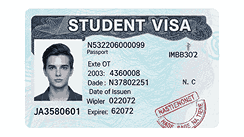
What Is A Student Visa?
A student visa is an official authorization granted by a government that allows international students to legally enter, stay, and study in a foreign country for a specific period. The main purpose of a student visa is to give foreign nationals the opportunity to pursue education in recognized schools, colleges, or universities. Each country has unique eligibility requirements, financial proof obligations, and age-related conditions for student visa applicants. Student visas may also allow limited work opportunities while studying, which can help with living expenses. Applicants usually need to provide admission letters, language test results, and financial evidence. Understanding student visas is essential for students who want to achieve their academic goals abroad while complying with immigration laws.

Importance Of Knowing Age Requirements For Student Visas
Knowing the age requirements for student visas is important because it determines whether an applicant qualifies for study abroad opportunities. Some countries impose specific age limits for different study levels, while others are more flexible. For instance, undergraduate programs often favor younger students, while postgraduate courses can be open to older candidates. Immigration authorities may use age restrictions to ensure students fit the profile of full-time learners and can complete their studies successfully. Without understanding these age-related rules, applicants risk visa denial. Therefore, researching the age limit for student visas is a critical first step in the application process. Awareness helps avoid wasted time, financial loss, and unnecessary disappointment.
Age Limit Policies For Student Visas Worldwide

Age limit policies for student visas vary across countries. For example, the United States does not impose a strict upper age limit, but older applicants must prove strong academic intentions. In Canada, applicants of all ages may apply, but demonstrating ties to home country and genuine student status is vital. The United Kingdom typically has no maximum age limit, though younger students often find it easier to justify their education journey. On the other hand, some countries in Asia or the Middle East may restrict visas for students above a certain age bracket. Age limits ensure that applicants remain aligned with educational expectations, making policies an important factor to research before applying.
Factors That Influence Age Limit For Student Visas
Several factors influence the age limit for student visas across countries. Firstly, immigration policies vary, with some nations imposing age restrictions to manage their student populations. Secondly, the academic level matters; undergraduate studies usually attract younger students, while postgraduate studies are often pursued by older individuals. Thirdly, the type of institution can affect eligibility, as vocational schools sometimes impose stricter age rules. Additionally, cultural perceptions about education play a role in shaping visa guidelines. Immigration officers may scrutinize older applicants more closely to ensure genuine intentions. These factors highlight the importance of tailoring visa applications according to the applicant’s circumstances, education goals, and destination country requirements.
Can You Get A Student Visa After 30?
Many students wonder whether it is possible to get a student visa after 30. The truth is, most countries do not have an official upper age limit, meaning applicants above 30 can still apply. However, individuals over 30 may face stricter scrutiny during the visa process. Immigration authorities want to ensure that applicants genuinely intend to study rather than migrate for employment. To strengthen an application, older candidates must show clear academic or career goals, financial stability, and ties to their home country. Pursuing postgraduate, professional, or research programs usually provides a stronger justification. While challenging, getting a student visa after 30 is achievable with proper documentation and convincing reasoning.
Challenges Faced By Older Applicants
Older student visa applicants face unique challenges that younger students rarely encounter. Immigration authorities may question why an individual waited until later in life to pursue studies abroad. This skepticism often requires strong explanations, such as career advancement, academic specialization, or professional skill development. Financial proof becomes another hurdle, since older applicants are expected to show greater financial independence. Furthermore, some countries link scholarships or study programs to younger age groups, limiting opportunities. Employers in home countries may also raise concerns about career breaks. Despite these challenges, well-prepared applicants who align their educational plans with long-term career goals often succeed in obtaining student visas, proving that age does not have to be a barrier.
Advantages Of Studying Abroad At An Older Age
Studying abroad at an older age carries several advantages that younger students may not fully experience. Older students typically possess maturity, discipline, and focus, making them better equipped to handle academic and cultural challenges. Life and work experience also allow them to approach studies with a practical perspective, connecting theory to real-world applications. Furthermore, older students often have a clear vision of their career goals, making their education more purposeful. Networking opportunities abroad may also be more valuable for mature students seeking international career advancement. While challenges exist, the advantages of age can make studying abroad a deeply rewarding and life-changing experience, proving that education has no age boundaries.
Documents Needed To Support Age-Related Student Visa Applications
When applying for a student visa, especially as an older applicant, presenting the right documents is essential. The most important requirement is the admission letter from a recognized educational institution. Applicants must also provide valid passports, financial proof, bank statements, or scholarship letters to show they can support themselves. Older applicants should include explanations for career breaks or proof of professional experience, which strengthens credibility. Language proficiency certificates, such as IELTS or TOEFL, are often mandatory. Some countries require medical certificates and police clearance records. Altogether, these documents reassure immigration authorities that the applicant is a genuine student, financially capable, and committed to completing their studies abroad.
Strategies To Overcome Age Barriers In Student Visa Applications
Older students can successfully overcome age-related barriers by adopting effective strategies during the visa application process. First, applicants should clearly explain their motivation for studying abroad and connect it to their long-term career or academic plans. Second, providing strong evidence of financial stability assures immigration officers of their ability to sustain themselves. Third, obtaining recommendation letters from employers or professors can demonstrate commitment to personal development. Fourth, choosing programs suitable for mature students, such as postgraduate or research-based courses, strengthens credibility. Finally, applicants should prepare thoroughly for visa interviews by practicing clear answers that highlight genuine intentions. These strategies improve chances of approval, regardless of age.
Student Visa Age Limit By Level Of Study
Student visa age restrictions often differ depending on the level of study. For primary and secondary education, countries may impose strict limits to ensure students fit the expected age bracket. For undergraduate programs, applicants usually range between 18 and 25 years old, though older candidates may still be considered. Postgraduate and doctoral programs are generally open to students of all ages, since academic pursuits at these levels often require professional or life experience. Some vocational or short-term courses may have specific age restrictions to align with labor market goals. Understanding how age applies to each level of study helps applicants plan more effectively when applying for a student visa.
Student Visa Age Flexibility In Popular Study Destinations
Popular study destinations like the United States, Canada, the United Kingdom, and Australia offer relatively flexible student visa policies regarding age. These countries prioritize academic merit and genuine student intentions over strict age limits. For instance, the United States issues F-1 visas without an official upper age restriction. Similarly, Canada and Australia allow students of all ages, provided they meet entry requirements and financial obligations. The United Kingdom also offers flexibility but carefully evaluates older applicants’ career plans. Although age flexibility exists, applicants must prepare stronger documentation if they fall outside the typical student age group. This flexibility encourages lifelong learning across borders.
Impact Of Age On Student Visa Interviews
Age can significantly influence the outcome of student visa interviews. Immigration officers often consider whether an applicant’s age aligns with their chosen program and educational goals. Younger students are typically seen as traditional candidates, while older students may need to provide stronger justifications for studying abroad. Older applicants are often asked detailed questions about career changes, financial responsibilities, and future plans after graduation. The ability to answer confidently and logically plays a crucial role in overcoming age-related doubts. Preparing thoughtful answers, backed by clear documentation, helps applicants convince interviewers of their genuine academic intentions, ultimately improving their chances of visa approval.
Age Limit Considerations For Scholarships And Funding
Scholarships and funding opportunities for international students often come with age restrictions. Many government and institutional scholarships are designed for younger students, typically under 30 or 35, to encourage early academic development. However, postgraduate and research-based funding programs may accept older applicants, especially those with professional achievements. Private organizations and universities sometimes offer merit-based scholarships regardless of age, provided candidates demonstrate academic excellence. Therefore, while the student visa itself may not always impose strict age limits, financial aid opportunities can. Applicants should research thoroughly to identify scholarships that align with their age group and education goals to secure both admission and financial support.
How To Choose The Right Country Based On Age
Selecting the right study destination often depends on age considerations. Countries like the United States, Canada, and Australia welcome students of all ages, making them ideal for older applicants. On the other hand, some countries impose strict age limits, especially for undergraduate or vocational courses, making them better suited for younger candidates. Applicants should also consider scholarship availability, as age restrictions may limit financial aid in certain destinations. Immigration attitudes toward mature students also vary, with some countries scrutinizing older candidates more closely. By carefully researching visa policies and cultural expectations, students can choose a destination where their age will not hinder their educational journey.
Importance Of Justifying Education Gaps In Student Visa Applications
Education gaps can become a significant challenge for student visa applicants, especially those applying at an older age. Immigration officers may interpret gaps as a lack of seriousness toward academics. To overcome this, applicants must provide strong explanations for any delays in continuing their education. Valid reasons include professional work experience, family responsibilities, health issues, or financial constraints. Supporting documents, such as employment records, medical reports, or certificates, can strengthen explanations. By presenting these justifications clearly, applicants reassure immigration officers of their genuine academic intentions. Addressing education gaps effectively helps ensure that age does not become a barrier to obtaining a student visa.
Balancing Work And Study As An Older Student
Older international students often face the challenge of balancing work and study while living abroad. Many countries permit part-time employment under student visas, which provides financial support. However, older students may also have family responsibilities or professional obligations that require additional planning. Effective time management becomes essential to ensure academic success without compromising work commitments. Mature students often bring valuable professional skills that can enhance their employment opportunities abroad. Although balancing both responsibilities can be stressful, older students tend to manage more efficiently due to their maturity and life experience. This balance ultimately enhances their educational journey and personal growth.
Future Opportunities For Older Students After Completing Studies
Completing studies abroad opens a range of opportunities for older international students. Many countries offer post-study work visas, allowing graduates to gain international work experience. Older students with professional backgrounds often find it easier to secure specialized jobs, particularly in industries that value expertise and maturity. Furthermore, studying abroad can lead to permanent residency pathways in countries like Canada or Australia, where skilled migrants are in demand. For those returning home, international qualifications enhance career prospects and open new doors for leadership roles. Overall, age should not be viewed as a limitation but as an asset that enriches future opportunities.
Conclusion
The age limit for a student visa varies worldwide, with most countries offering flexibility for applicants of different ages. While younger students often find the process easier, older applicants can still achieve success by providing strong justifications, financial proof, and academic goals. Understanding specific country policies, scholarship restrictions, and interview expectations helps applicants prepare better. Age should not be seen as a barrier but as a factor that requires additional preparation and explanation. With proper planning and documentation, students of all ages can fulfill their dream of studying abroad and benefit from international education opportunities.
Frequently Asked Questions
1. What Is The Age Limit For A Student Visa?
The age limit for a student visa varies depending on the destination country. In most cases, there is no strict maximum age requirement for international students. Countries such as the United States, Canada, Australia, and the United Kingdom accept applicants of all ages as long as they can demonstrate genuine academic intentions and meet eligibility requirements. However, certain countries impose age limits for undergraduate, vocational, or language courses, often targeting students under 30. Older applicants may face additional scrutiny during the visa interview, requiring them to justify their educational plans and career goals. Proper documentation and strong motivation significantly improve approval chances.
2. Can I Apply For A Student Visa At 35?
Yes, you can apply for a student visa at 35, as most countries do not enforce an upper age limit for higher education. However, older applicants are often asked to justify their decision to study abroad at that stage of life. Immigration officers may want to know how your studies align with your career development, professional goals, or personal aspirations. To strengthen your application, you should provide evidence of financial stability, ties to your home country, and clear academic plans. Choosing postgraduate or specialized programs can also make your application more convincing. While approval may take extra effort, success is achievable.
3. Is There A Minimum Age Requirement For A Student Visa?
Yes, most countries have a minimum age requirement for student visas, especially for primary and secondary education. For higher education, applicants are usually expected to be at least 17 or 18 years old to begin undergraduate programs. Some exceptions exist, such as younger students entering through gifted or accelerated programs. Immigration officers also consider whether the applicant is old enough to live independently while studying abroad. Parents or guardians may need to provide additional documentation if the student is under 18. Understanding the minimum age requirement helps applicants prepare properly for admission and visa approval at their chosen destination.
4. Do Age Gaps Affect Student Visa Approval?
Yes, long education gaps can affect student visa approval, especially for older applicants. Immigration authorities often question why an applicant delayed studies and may suspect non-genuine intentions. However, with clear explanations and supporting evidence, gaps can be justified. For example, professional work experience, family responsibilities, or financial challenges are acceptable reasons. Providing documents such as employment letters, medical records, or certificates can strengthen your application. The key is to show that the gap aligns logically with your decision to resume education. When handled properly, age gaps do not automatically lead to rejection, but they do require stronger documentation.
5. What Documents Are Needed To Prove Eligibility For Older Applicants?
Older applicants must provide additional documents to prove their eligibility for student visas. Besides the standard admission letter, passport, and financial proof, older students should include evidence of career history, professional achievements, or justification for education gaps. Letters of recommendation from employers or professors help validate their academic commitment. Some immigration authorities may also request detailed statements of purpose outlining the relevance of studies to career goals. Providing health certificates, police clearances, and language proficiency test results further strengthens the application. By presenting complete and transparent documents, older applicants improve their credibility and show genuine intentions to study abroad.
6. Can I Get A Student Visa After 40?
Yes, it is possible to obtain a student visa after 40, although applicants in this age group often face stricter evaluations. Immigration officers may carefully assess whether the chosen program aligns with your long-term academic or professional plans. Strong financial stability and clear post-graduation goals are critical for approval. Many postgraduate and research-based programs welcome older students, as maturity and experience are often valuable assets. To strengthen your case, highlight how your education will contribute to your professional development. While challenges exist, applicants over 40 regularly succeed when they demonstrate commitment, preparedness, and genuine academic purpose in their applications.
7. Are Scholarships Available For Older International Students?
Yes, scholarships are available for older international students, but opportunities may be more limited compared to younger candidates. Many scholarships offered by governments and institutions target students under 30 or 35 to encourage early career development. However, postgraduate, doctoral, and research programs often provide funding options for older students, especially those with relevant professional experience. Private organizations and universities sometimes award merit-based scholarships regardless of age, provided applicants demonstrate academic excellence and potential. To increase chances, older students should focus on niche funding opportunities, professional fellowships, and country-specific grants. Thorough research ensures access to financial aid that supports their education journey abroad.
8. Do Student Visa Rules Differ By Country Regarding Age?
Yes, student visa rules regarding age differ significantly from one country to another. For instance, the United States, Canada, and Australia do not impose strict upper age limits, while certain Asian or Middle Eastern countries may restrict applicants beyond a certain age. Additionally, minimum age requirements often apply to younger students pursuing primary or secondary education. Each country tailors its student visa policies based on cultural, educational, and immigration factors. Applicants must carefully research the age requirements of their chosen destination before applying. Understanding country-specific differences helps applicants prepare stronger applications and ensures a smoother approval process for student visas.
9. How Can I Justify My Age In A Student Visa Interview?
To justify your age in a student visa interview, you must clearly explain your academic motivation and long-term goals. Older applicants should connect their chosen program to professional advancement, career shifts, or personal development. Providing evidence of previous work experience, achievements, and financial stability strengthens credibility. You should also demonstrate awareness of how your studies will contribute to your future, whether in your home country or abroad. Practicing clear and confident answers before the interview helps overcome doubts. Immigration officers value honesty and logical reasoning, so presenting your age as an asset rather than a barrier improves your chances of success.
10. Are There Age Restrictions For Postgraduate Studies?
Postgraduate studies typically have no strict age restrictions, making them accessible to older applicants. Universities often value professional experience and maturity, which enhance research and academic discussions. While scholarships may sometimes limit eligibility to younger candidates, admission into postgraduate programs is generally open to all. Immigration officers may scrutinize older applicants more closely, but clear career goals and strong financial proof help ensure approval. Many students over 30 or even 40 pursue master’s, doctoral, or professional courses abroad successfully. Postgraduate education provides flexibility, making it an excellent pathway for individuals seeking to expand their knowledge at any stage of life.
11. Can Married Or Family-Bound Individuals Get Student Visas?
Yes, married individuals or those with families can apply for student visas. Many countries allow applicants to bring dependents, such as spouses or children, under specific dependent visa categories. Immigration authorities may expect proof of financial stability to cover both the student and dependents’ expenses. Older students with families must demonstrate strong ties to their home country to avoid suspicions of migration intentions. Providing marriage certificates, birth records, and financial documents ensures smoother processing. While balancing family and studies abroad can be challenging, many students successfully manage it. Family-friendly visa options make studying abroad feasible for applicants with personal responsibilities.
12. What Is The Maximum Age For Undergraduate Student Visas?
The maximum age for undergraduate student visas varies by country. Some nations impose informal age limits, typically expecting undergraduate applicants to be between 18 and 25 years old. However, there is often no official maximum, meaning older students may still apply if they can justify their decision. Immigration authorities may scrutinize applicants above the traditional age group more closely, requiring clear explanations of academic motivation. Financial proof and future career plans also become important for older undergraduate applicants. While less common, many individuals successfully pursue undergraduate degrees abroad later in life by presenting strong applications and genuine academic intentions.
13. Can I Switch Careers Abroad Using A Student Visa At An Older Age?
Yes, using a student visa to switch careers abroad at an older age is possible, provided you present a strong case for your chosen program. Immigration officers often accept career transitions if applicants can explain how their new studies align with professional goals or personal development. Older students should emphasize transferable skills, industry relevance, and potential employment opportunities after graduation. Supporting documents, such as professional recommendations or prior experience, strengthen applications. Many postgraduate and vocational programs cater to individuals seeking career changes. By framing the education pathway as a well-thought-out transition, older students can successfully use student visas to shift career directions abroad.
14. Are There Age Restrictions For Vocational And Language Courses?
Yes, some countries impose age restrictions for vocational and language courses, often targeting younger applicants under 30. These programs are usually designed for individuals preparing to enter the workforce, which explains the preference for younger age groups. However, exceptions exist, and older applicants may still be accepted if they provide strong reasons for enrollment. Immigration authorities may scrutinize older candidates more carefully, requiring them to justify the relevance of such courses to their career paths. Financial proof, motivation statements, and prior experience strengthen applications. While more challenging, it is possible for older students to enroll in vocational or language courses abroad.
15. Can I Apply For A Student Visa With A Long Education Gap?
Yes, you can apply for a student visa even with a long education gap, but you must provide valid justifications. Immigration officers often question large gaps, suspecting non-genuine intentions. To strengthen your application, explain the reasons for your gap clearly, whether due to employment, family responsibilities, financial issues, or health conditions. Provide supporting documents such as employment records, pay slips, or certificates that show constructive use of time. A detailed statement of purpose linking your gap to your future studies is also essential. When explained logically, education gaps do not prevent approval, and many applicants succeed despite them.
16. What Are The Chances Of Rejection Due To Age?
The chances of rejection due to age depend on the country, program, and quality of application. While most destinations do not impose strict maximum age limits, older applicants face closer scrutiny. Rejections typically occur when immigration officers believe the applicant is not a genuine student or is using the visa to migrate for work purposes. Weak explanations for education gaps, unclear career goals, or lack of financial stability also increase rejection risks. However, with proper documentation, clear academic motivation, and confidence during interviews, older applicants can achieve approval. Age alone is rarely the sole reason for rejection in student visa applications.
17. Is It Harder To Get A Student Visa After 50?
Yes, obtaining a student visa after 50 can be more challenging, but it is still possible. Immigration officers often view applicants above 50 with heightened scrutiny, questioning their reasons for pursuing studies abroad at that stage of life. Applicants must provide very strong justifications, such as professional specialization, lifelong learning, or research interests. Demonstrating significant financial independence and ties to the home country becomes even more critical. While approval is more difficult, many individuals over 50 succeed, particularly in postgraduate or research programs. With the right preparation, determination, and clarity of purpose, studying abroad after 50 is achievable and rewarding.
18. Can I Work While Studying Abroad At An Older Age?
Yes, most countries allow international students, regardless of age, to work part-time while studying abroad. Typically, students can work between 15 and 20 hours per week during the academic term and full-time during breaks. Older students may benefit from prior work experience, making them more competitive in the job market. However, balancing work and academics can be challenging, especially for mature students with family or financial responsibilities. Immigration authorities require that work does not interfere with studies. By managing time effectively, older students can use work opportunities to support themselves financially while also gaining valuable international professional experience.
19. What Happens If I Exceed The Student Visa Age Limit?
If you exceed the age limit for a specific student visa category, your application may be denied. Some countries impose strict limits, particularly for undergraduate, vocational, or language courses. However, in destinations without official upper age restrictions, exceeding a “preferred” age range simply means facing closer scrutiny. In such cases, applicants must provide stronger documentation, financial proof, and convincing academic plans. Choosing postgraduate or research programs may also increase approval chances for older students. Understanding the policies of your chosen destination before applying helps you avoid surprises. If rejected, applicants can explore alternative education routes or destinations with more flexible age policies.
20. Are There Countries With No Age Limit For Student Visas?
Yes, many countries have no official age limit for student visas, making them open to applicants of all ages. For example, the United States, Canada, Australia, and the United Kingdom generally welcome students based on academic merit and genuine study intentions rather than age. These countries prioritize the applicant’s ability to finance their studies and demonstrate commitment to education. While age flexibility exists, older students may still need to justify their decision to study abroad and explain any education gaps. This openness reflects a commitment to lifelong learning and international education opportunities for students at different stages of life.
Further Reading
- Can I Get A Loan For A Student Visa Application?
- How Do I Know If My Student Visa Is Approved?
- Can I Reapply If My Student Visa Is Denied?
- What Happens If My Student Visa Application Is Rejected?
- What Is A Student Visa Interview? | Questions, Preparation, Process, Mistakes, Documents, Tips To Successfully Pass A Student Visa Interview
- How Can I Prepare For A Student Visa Interview?
- What Are Reasons Why A Student Visa Can Be Revoked?
- Can A Student Visa Be Revoked? | Everything About Student Visa Revocation
- Can A Student Visa Be Cancelled? | Everything About Student Visa Cancellation
- Can I Bring My Family On A Student Visa?
- Can I Sponsor Myself For A Student Visa?