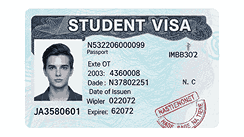
What Is A Student Visa?
A student visa is an official document issued by a government that allows international students to study in a foreign country legally. It acts as an entry permit and proof that the student has been authorized to pursue educational programs at a recognized institution abroad. Student visas usually come with specific requirements such as proof of admission, financial capacity, language proficiency, and sometimes health insurance coverage. The terms of a student visa vary depending on the destination country, but the visa ensures students can legally reside and study in the host nation for the duration of their academic program. Without a student visa, most countries would not allow foreign nationals to enroll in educational institutions.
Why Health Insurance Matters For International Students
Health insurance is a critical requirement for many students studying abroad because it provides financial protection in case of illness, accidents, or medical emergencies. In most countries, international students are not automatically eligible for free healthcare services, meaning they must pay out-of-pocket costs unless they have valid insurance coverage. Medical expenses in countries like the United States, Canada, Australia, and the United Kingdom can be extremely high, and lack of coverage could place a heavy financial burden on a student. Insurance also ensures that students can access quality medical services without delays. Therefore, health insurance is not just a visa requirement in many cases but also a safeguard for a student’s overall well-being while studying abroad.
Countries That Require Health Insurance For A Student Visa
Several popular study destinations make health insurance mandatory before issuing a student visa. For example, the United States requires proof of adequate health coverage either through a university-sponsored plan or a private provider. Australia mandates Overseas Student Health Cover (OSHC) for the duration of the student visa. Germany requires international students to be insured under a German health policy or an approved private plan. In Canada, some provinces automatically enroll students in public health systems, while others require private health coverage. The United Kingdom requires students to pay the Immigration Health Surcharge (IHS) to access the National Health Service (NHS). Each country has different requirements, so it is important for students to research the destination’s rules before applying for a visa.
Types Of Insurance Needed For A Student Visa
There are different kinds of insurance plans that international students may need depending on the visa and country requirements. The most common is health insurance, which covers doctor visits, hospitalization, emergency treatment, and sometimes preventive care. Some countries also require travel insurance that covers flight delays, lost luggage, or medical evacuation. Additionally, liability insurance may be mandatory in certain European nations, covering damages caused accidentally by the student. Universities themselves may also offer customized student insurance plans that meet government requirements. Choosing the right type of insurance is essential, as a lack of proper coverage could lead to a visa denial or difficulty maintaining legal status while studying abroad.
How To Choose The Right Insurance Plan For A Student Visa
Selecting the right insurance plan for a student visa requires careful consideration of coverage, cost, and country requirements. Students should first confirm whether the host nation mandates a specific type of insurance or accepts international policies. Plans should cover essential healthcare needs such as hospitalization, surgery, prescription drugs, and emergency services. Many universities provide affordable group insurance plans tailored for international students, which often meet visa requirements. However, private insurance companies may offer broader coverage and flexibility. It is also important to compare premiums, deductibles, and claim procedures. Reading the fine print helps ensure that the plan covers pre-existing conditions, mental health, and dental care if necessary.
Consequences Of Not Having Insurance For A Student Visa
Not having proper insurance coverage when applying for or holding a student visa can lead to serious consequences. Some countries will outright reject visa applications if proof of insurance is missing. Even if a visa is granted, failing to maintain valid insurance could lead to visa cancellation or fines. Without insurance, students are also exposed to high out-of-pocket healthcare costs in case of emergencies. This financial risk can disrupt studies and potentially force students to return home. Moreover, universities may deny enrollment or access to certain facilities without valid health coverage. Insurance is therefore not only a legal requirement but also an essential safety net for international students abroad.
How Much Does Student Visa Insurance Cost?
The cost of student visa insurance varies depending on the country, provider, and level of coverage. In the United States, university-sponsored insurance plans may cost between $1,500 and $3,000 per year. In Australia, Overseas Student Health Cover averages around AUD $500 to $700 annually. Germany offers affordable options, with statutory student health insurance costing about €110 per month. The United Kingdom’s Immigration Health Surcharge is approximately £776 per year for a student visa. Private health insurance may be more expensive but often provides more comprehensive coverage. Students should budget for this cost as part of their overall study abroad expenses and compare options before committing to a plan.
Insurance Requirements By Popular Study Destinations
United States
International students must have health insurance, often through university-sponsored programs. Coverage includes emergency care, hospitalization, and preventive services.
Australia
Students must purchase Overseas Student Health Cover before applying for their visa. It covers hospital and medical expenses.
Germany
Students must be insured under statutory or approved private health insurance. Proof of coverage is mandatory before enrollment.
Canada
Some provinces provide public healthcare access, while others require private coverage arranged by the student.
United Kingdom
Students must pay the Immigration Health Surcharge, granting access to NHS services during their stay.
Conclusion
Insurance for a student visa is not just a bureaucratic requirement but a crucial safeguard for international students studying abroad. It protects against unexpected medical costs, ensures compliance with immigration rules, and provides peace of mind to both students and their families. Since every country has different rules, it is important to research and secure the correct insurance plan before applying for a student visa. By understanding the requirements and choosing the right coverage, students can focus on their studies and make the most of their educational journey abroad without unnecessary risks or financial worries.
Frequently Asked Questions
1. Do I Need Insurance For A Student Visa?
Yes, in most cases you need insurance for a student visa, as many countries make it mandatory before granting approval. The requirement is designed to ensure international students can cover medical expenses and emergencies while studying abroad. For example, countries like the United States, Germany, Australia, and the United Kingdom all require proof of valid insurance during the visa application process. The type of coverage may vary—some require health insurance only, while others demand additional forms like travel insurance. Without proper insurance, a visa application may be denied, or enrollment at a foreign university may be refused. Insurance provides financial security, compliance with immigration rules, and access to essential medical services abroad.
2. What Is The Purpose Of Insurance For A Student Visa?
The purpose of insurance for a student visa is to provide financial protection and access to medical care while studying abroad. International students often do not qualify for free or subsidized healthcare in their host country, meaning that medical bills can be extremely high. Having insurance ensures that students can seek treatment without incurring overwhelming expenses. Additionally, insurance is a legal requirement in many countries, helping governments guarantee that foreign students will not become a financial burden on the healthcare system. The coverage also gives peace of mind to parents and guardians, knowing that their child has protection against unexpected illnesses or accidents during their studies overseas.
3. Which Countries Require Insurance For A Student Visa?
Many countries require insurance for a student visa, including major study destinations such as the United States, Australia, Germany, Canada, and the United Kingdom. In the United States, universities generally mandate health insurance for international students. Australia requires Overseas Student Health Cover (OSHC) as a condition of visa approval. Germany requires proof of statutory or approved private insurance before enrollment. In Canada, requirements vary by province; some offer public healthcare while others expect students to purchase private coverage. The United Kingdom requires students to pay the Immigration Health Surcharge to access NHS services. Each country sets its own rules, so students should verify requirements before applying.
4. Is Travel Insurance Required For A Student Visa?
Travel insurance is not always required for a student visa, but in some countries, it is strongly recommended or even mandatory. Travel insurance typically covers medical evacuation, trip cancellations, lost luggage, or accidents occurring during travel to and from the host country. While health insurance is the primary requirement for most student visas, travel insurance adds an extra layer of protection. For example, some European countries advise international students to have both travel and health insurance. Even when not compulsory, purchasing travel insurance can help students avoid financial losses caused by unforeseen travel disruptions or emergencies before they officially begin their studies abroad.
5. Can I Use My Home Country Insurance For A Student Visa?
In most cases, home country insurance cannot be used directly to meet student visa requirements unless the policy specifically provides international coverage that satisfies the host nation’s conditions. Many countries demand insurance from approved local providers or university-sponsored plans to ensure compliance. However, some universities accept international policies if they meet set coverage levels, such as hospitalization, emergencies, and prescription medication. Students should carefully review their home insurance policy and consult with their university’s international office to confirm eligibility. If the policy is not accepted, students will need to purchase new insurance that aligns with the host country’s visa and healthcare regulations.
6. What Does Student Visa Insurance Cover?
Student visa insurance usually covers essential medical services such as doctor visits, hospitalization, emergency care, prescription medication, and surgery. In many cases, plans may also cover preventive care, diagnostic tests, and mental health services. Some countries require additional coverage for dental care, liability, or travel-related emergencies. For instance, Australian OSHC covers hospital and medical expenses, while U.S. student plans often include mental health and preventive services. Students should always check the details of their policy to ensure it provides adequate protection for their health needs. Coverage varies widely, so understanding the benefits and limitations is essential before purchasing insurance.
7. How Do I Apply For Student Visa Insurance?
Applying for student visa insurance typically involves choosing a plan from either a government-approved provider, a university-sponsored program, or a private insurer. The process starts by researching the insurance requirements of the host country and confirming whether the chosen university offers a recommended plan. Students can then apply online, submit necessary documents such as their passport and admission letter, and make payment. Once the policy is approved, students receive a certificate of insurance, which may be required during the visa application. The application process is generally straightforward, but ensuring the plan meets all visa conditions is critical to avoid delays or rejections.
8. How Long Does Student Visa Insurance Last?
The duration of student visa insurance depends on the length of the academic program and visa validity. In most cases, students must maintain insurance coverage for the entire period of their studies. For example, Australia requires Overseas Student Health Cover to remain valid until the student’s visa expires. In the United States, insurance coverage is usually tied to the academic year, with renewal options available annually. Some countries, like Germany, require continuous coverage from enrollment until graduation. Failure to maintain active insurance throughout the stay may result in visa complications, so students should renew or extend policies on time.
9. How Much Does Student Visa Insurance Cost Annually?
The annual cost of student visa insurance varies depending on the country, provider, and coverage. In the United States, university health insurance averages between $1,500 and $3,000 per year. In Australia, Overseas Student Health Cover ranges from AUD $500 to $700 annually. Germany’s statutory student insurance costs about €110 per month, while in the United Kingdom, the Immigration Health Surcharge is around £776 per year. Canada’s costs differ by province, with some offering affordable public options and others requiring private insurance. While prices may seem high, the protection against overwhelming medical bills makes insurance a necessary investment for international students.
10. What Happens If I Don’t Have Insurance For My Student Visa?
If you do not have insurance for your student visa, several consequences may occur. First, your visa application may be denied if proof of insurance is a mandatory requirement in the host country. Even if a visa is granted, failing to maintain valid insurance could lead to visa cancellation, fines, or restrictions on university enrollment. Without coverage, students also face the risk of paying out-of-pocket for expensive medical services in case of illness or emergencies. This financial burden could disrupt academic progress or force early departure. Therefore, having insurance is both a legal necessity and a vital safety precaution.
11. Do Universities Provide Insurance For Student Visas?
Yes, many universities provide health insurance plans for international students that meet student visa requirements. In countries like the United States, it is common for universities to automatically enroll international students in a group insurance policy unless they show proof of equivalent coverage. Australian universities often assist students in obtaining Overseas Student Health Cover. Some Canadian and European universities also partner with insurance providers to offer tailored plans. University-sponsored insurance can be more convenient, as it is designed to meet government regulations and often provides direct access to local healthcare networks. However, private options may offer broader benefits and flexibility.
12. Can I Change My Student Visa Insurance After Arrival?
In most cases, students can change their student visa insurance after arriving in the host country, provided the new plan meets the visa requirements. For example, if a university automatically enrolls a student in a plan but they find a more affordable or comprehensive option, they may request a waiver and switch. However, this process must be done carefully to avoid lapses in coverage. Students should confirm with both the university and immigration authorities that the new plan is acceptable. Proof of continuous insurance coverage is often required to maintain legal status, so any changes must be reported promptly.
13. What Documents Are Needed To Show Proof Of Insurance For A Student Visa?
To prove insurance for a student visa, applicants typically need a certificate of coverage or an insurance confirmation letter from the provider. The document should clearly state the student’s name, coverage start and end dates, policy number, and details of medical services covered. Some embassies may also request payment receipts or a policy summary to verify compliance with visa regulations. In Australia, for example, proof of Overseas Student Health Cover must be attached to the visa application. In Germany, a confirmation letter from an approved insurance provider is mandatory before university enrollment. Providing correct documentation helps avoid visa delays or rejections.
14. Are Pre-Existing Conditions Covered Under Student Visa Insurance?
Coverage for pre-existing conditions under student visa insurance depends on the country and insurance provider. Some policies exclude treatment for pre-existing medical issues, while others may offer partial or conditional coverage. In the United States, many university health plans provide limited support for pre-existing conditions after a waiting period. Australia’s Overseas Student Health Cover generally excludes pre-existing conditions for the first 12 months. Students with ongoing health issues should carefully review policy terms or seek specialized insurance plans that include pre-existing coverage. Declaring medical history honestly and securing the right plan ensures compliance with visa requirements and continued health protection.
15. Can I Get Refunds On Student Visa Insurance If I Cancel My Studies?
Yes, students can often receive refunds on student visa insurance if they cancel or shorten their studies, but policies vary by country and provider. For example, in Australia, refunds for Overseas Student Health Cover may be granted if a visa is refused, canceled, or the student leaves the country early. Universities may also offer partial refunds if a student withdraws before the academic term begins. However, once coverage is activated and claims are made, refunds may be limited or unavailable. Students should check refund policies before purchasing insurance and notify the provider immediately if study plans change.
16. Do I Need Insurance For A Short-Term Student Visa?
Insurance is often required even for short-term student visas, though the type and duration of coverage may differ. Some countries mandate proof of health or travel insurance for all international students, regardless of study length. For example, Schengen countries require travel insurance covering medical emergencies for short-term study visas. In the United States, even short exchange programs may require students to enroll in health insurance provided by the hosting university. While shorter programs may mean lower costs, students must still ensure continuous coverage during their stay. Lack of insurance can result in visa denial or restricted access to healthcare abroad.
17. Can My Family Be Covered Under My Student Visa Insurance?
In many cases, family members such as spouses and children can be covered under student visa insurance, though this often requires purchasing additional policies. In Australia, dependents of student visa holders must also be covered under Overseas Student Health Cover. In the United States, dependents may be eligible for university group insurance or private family plans. Germany and Canada also provide options for family coverage through statutory or private insurance providers. Students planning to bring family members should budget for extra costs, as family coverage is typically more expensive. Ensuring dependents have insurance is crucial for compliance and health protection.
18. How Do I Renew My Student Visa Insurance?
Renewing student visa insurance usually involves extending the existing policy or purchasing a new plan before the old one expires. Most providers allow online renewals, requiring students to submit updated personal details and payment. Universities may automatically renew student insurance each academic year, provided tuition and fees are paid. In countries like Australia, maintaining continuous Overseas Student Health Cover is mandatory for visa validity. Students should track expiration dates carefully and renew in advance to avoid lapses. Failure to maintain valid insurance could result in visa complications, fines, or lack of healthcare access, making timely renewal essential.
19. Is Dental Care Included In Student Visa Insurance?
Dental care is not always included in standard student visa insurance policies, though some providers or university plans offer optional add-ons. In countries like Australia, Overseas Student Health Cover generally excludes dental treatment, requiring students to purchase separate dental coverage. In the United States, many university plans do not automatically include dental, but supplemental policies are available. Germany and Canada also provide limited dental coverage, depending on the provider. Students should review their policy carefully to see if preventive or emergency dental services are included. Adding dental insurance can help avoid unexpected expenses during the study period abroad.
20. How Can I Compare Different Student Visa Insurance Plans?
Comparing student visa insurance plans requires looking at coverage benefits, exclusions, costs, and compliance with visa requirements. Students should examine what services are covered, such as hospitalization, prescriptions, mental health, or maternity care. Premiums, deductibles, and co-payment options should be compared to ensure affordability. Checking whether the plan covers pre-existing conditions, emergency evacuation, or dental services is also important. Online comparison tools and university international offices can provide guidance on approved providers. Students should also consider whether the policy offers 24/7 assistance and a wide healthcare network. Thorough research ensures the selected plan provides adequate protection and meets immigration standards.
Further Reading
- How To Get A Student Visa: Eligibility Requirements, Application Process, Documents, Interview Tips For A Student Visa
- How To Track A Student Visa Application
- What Is The Easiest Country To Get A Student Visa?
- Can A Student Visa Lead To Permanent Residency?
- Can I Travel On A Student Visa?
- How Many Years Is A Student Visa Valid? | Understanding The Validity Of A Student Visa
- Can I Switch From A Student Visa To A Work Visa?
- Do I Need IELTS For A Student Visa?
- What Happens If My Student Visa Expires? | Learn Everything About Student visa Expiration
- Can A Student Visa Be Extended? | Learn Everything About Student Visa Extension
- How Much Does A Student Visa Cost?
- Which Countries Offer A Student Visa?