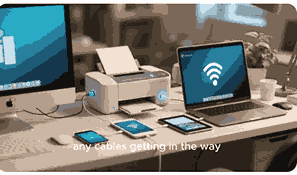
A printer paper jam can be one of the most frustrating experiences, especially when you need urgent documents printed. Knowing how to fix a printer paper jam quickly and correctly is essential for both home users and office environments. Printer paper jams often occur due to misaligned paper, dust buildup, or worn rollers. The good news is that fixing a paper jam is usually straightforward if you follow the right steps. This guide provides a detailed explanation of how to identify, troubleshoot, and fix printer paper jams effectively while preventing them in the future.
What Is A Printer?
A printer is an external hardware device that connects to a computer, smartphone, or network to produce a physical copy of digital documents and images. Printers work by transferring text and graphics from digital files onto paper through inkjet, laser, or thermal printing technology. Modern printers often include multifunction features such as scanning, copying, and faxing. Printers vary in speed, resolution, and size depending on their intended use, ranging from compact home devices to large office machines. Paper jams occur when sheets get stuck inside the printer’s feeding mechanism, disrupting the printing process. Understanding how printers function makes it easier to troubleshoot common issues such as paper jams, connectivity errors, or ink problems.
Common Causes Of Printer Paper Jams
Paper jams usually occur due to improper paper loading, damaged sheets, or overfilled trays. Low-quality or damp paper often causes sticking during feeding, while crumpled or curled pages may catch inside the rollers. Dust, worn-out rollers, or broken gears can also contribute to frequent paper jams. Another common cause is incorrect printer settings that mismatch the paper size or type. Overloading the input tray or using incompatible paper can make the jam worse. Identifying these causes is essential before attempting to fix the problem. Once you know what triggers paper jams, you can prevent them by maintaining your printer and using the right supplies.
Step-By-Step Guide To Fix A Printer Paper Jam
The first step to fixing a printer paper jam is turning off the printer and disconnecting it from power. Open all access doors, including the rear panel if available, and carefully remove stuck paper. Always pull the paper gently in the direction of the paper path to avoid tearing. If pieces are stuck, use both hands to prevent damage to the rollers. Check the input and output trays, cartridge area, and duplex unit for any remaining fragments. After clearing the jam, reload paper correctly and ensure sheets are properly aligned. Reconnect the printer, turn it on, and run a test print to confirm smooth operation.
Preventive Measures To Avoid Printer Paper Jams
To prevent frequent paper jams, always use clean, dry, and high-quality paper suitable for your printer model. Do not overload paper trays, and adjust the paper guides to fit correctly. Regularly clean the rollers and remove dust inside the printer. Keep the printer in a dry environment to prevent paper from absorbing moisture. Also, ensure your printer firmware is updated, as some paper feed issues are caused by outdated drivers. By maintaining your printer properly and loading paper carefully, you can significantly reduce the risk of recurring paper jams. Preventive care saves time, extends the printer’s lifespan, and ensures smooth, hassle-free printing.
Conclusion
Fixing a printer paper jam does not have to be complicated. By understanding the causes, carefully removing jammed paper, and applying preventive measures, you can restore your printer to proper working condition. Regular maintenance, quality paper, and correct usage are key to avoiding future jams. Whether you are at home or in an office setting, following these steps ensures consistent performance and prevents costly printer downtime.
Frequently Asked Questions
1. How To Fix A Printer Paper Jam?
Fixing a printer paper jam starts with turning off the printer and unplugging it from the power source. Open all paper access doors and carefully pull out any stuck paper without tearing it. Always pull paper in the same direction as the feed to avoid damaging the rollers. Check the paper tray, cartridge area, and duplex unit for remaining pieces. After removing the jammed sheets, reload clean, dry, and properly aligned paper. Adjust the paper guides to fit snugly against the stack. Once done, reconnect the printer and turn it on to run a test print. Prevent future jams by using high-quality paper and keeping the printer clean.
2. What Are The Main Causes Of A Printer Paper Jam?
Printer paper jams are usually caused by poor-quality or damaged paper, misaligned sheets, or overloaded paper trays. Damp or curled paper often sticks together and disrupts the feeding mechanism. Dust, dirt, or worn rollers also contribute to frequent jams. Sometimes, using paper that does not match the printer’s settings or specifications results in feeding errors. Broken internal components such as gears or sensors may also trigger paper jams. By identifying these causes, you can troubleshoot effectively and reduce recurrence. Regular maintenance, correct paper loading, and proper printer settings are essential to preventing future paper jams in both home and office printers.
3. How Can I Prevent A Printer Paper Jam?
Preventing a printer paper jam requires proper handling and maintenance. Always use high-quality, dry, and flat paper recommended for your printer model. Avoid overloading the paper tray, and adjust the paper guides to align correctly with the paper stack. Store paper in a cool, dry place to prevent moisture absorption. Regularly clean the rollers and interior components to remove dust and debris. Keep your printer firmware updated for optimal performance. Avoid mixing different paper types in the same tray. By following these preventive practices, you reduce the likelihood of paper jams and ensure smooth, uninterrupted printing in daily use.
4. Why Does My Printer Keep Getting Paper Jams?
If your printer frequently experiences paper jams, it may be due to misaligned paper, dirty rollers, or worn-out components. Using low-quality or curled paper can also cause constant issues. Another common reason is mismatched printer settings, such as selecting the wrong paper size or type. Overloaded trays increase the chances of sheets sticking together, resulting in jams. Additionally, dust buildup inside the printer affects feeding performance. To resolve recurring paper jams, clean the rollers, replace damaged parts, and always load paper correctly. Regular maintenance and proper usage are essential to reducing frequent paper jams and keeping your printer reliable.
5. Can A Paper Jam Damage My Printer?
A paper jam itself rarely causes permanent damage, but forcing stuck paper out incorrectly can harm your printer. Pulling sheets in the wrong direction may bend rollers, break gears, or misalign sensors. If torn paper pieces remain inside, they can block future print jobs and lead to mechanical failures. Frequent paper jams caused by poor-quality paper or worn rollers may also shorten your printer’s lifespan. To avoid damage, always remove jammed sheets carefully and inspect the printer for debris afterward. Routine cleaning, using proper supplies, and correct handling reduce the risks of paper jams causing lasting harm.
6. How Do I Safely Remove Jammed Paper From A Printer?
To safely remove jammed paper from a printer, start by turning off the machine and unplugging it. Open the printer’s access doors, including the rear if available. Gently pull out the jammed paper using both hands to prevent tearing. Always pull in the direction of the paper path to avoid damaging internal rollers. If small pieces remain stuck, carefully remove them without using sharp objects. Check the paper tray, cartridge area, and duplexer for fragments. Once the jam is cleared, reload fresh paper and align it properly. Turn the printer back on and test print to ensure normal operation.
7. What Tools Can Help Fix A Printer Paper Jam?
Fixing a printer paper jam generally requires minimal tools. Most jams can be cleared by hand if handled carefully. However, having a flashlight helps inspect hidden areas inside the printer. A pair of tweezers can be useful for safely removing small torn pieces of paper without causing damage. Soft, lint-free cloths or compressed air are recommended for cleaning dust and debris from rollers and sensors. Avoid using sharp tools that may scratch or break delicate components. With careful handling, simple household tools combined with preventive cleaning can effectively fix and prevent future printer paper jams.
8. Why Should I Avoid Pulling Paper Out Forcefully?
Pulling jammed paper out forcefully can damage sensitive printer components such as rollers, gears, or sensors. If paper tears, small fragments may remain stuck inside, leading to repeated jams and reduced printing efficiency. Forceful removal may also misalign the paper path, causing ongoing issues with feeding accuracy. Instead, always turn off the printer, open access panels, and gently pull paper in the correct direction of movement. Using both hands helps keep the sheet intact. By avoiding force, you ensure the printer continues to operate smoothly and reduce the risk of long-term mechanical damage.
9. How Often Should I Clean My Printer To Avoid Paper Jams?
Cleaning your printer regularly is essential for preventing paper jams. For home use, it is recommended to clean the printer every one to two months, depending on usage frequency. Office printers that handle high volumes may require weekly cleaning. Focus on cleaning the rollers, paper trays, and inside compartments using lint-free cloths or compressed air. Regularly remove dust and debris that can interfere with paper feeding. Also, replace worn rollers as needed. Keeping your printer clean not only prevents jams but also improves print quality and extends the machine’s overall lifespan, ensuring consistent performance.
10. Can Printer Settings Cause Paper Jams?
Yes, incorrect printer settings can lead to paper jams. If the selected paper size or type in the printer’s software does not match the actual paper loaded, feeding errors often occur. For example, choosing thick cardstock when using regular paper can disrupt the printing process. Incorrect duplex settings may also cause sheets to jam during double-sided printing. To avoid this, always verify that your printer settings match the paper you are using. Adjust settings in both the printer’s control panel and your computer’s print dialog. Proper alignment between settings and physical paper prevents unnecessary paper jams.
11. What Types Of Paper Are More Likely To Jam In Printers?
Certain types of paper are more likely to cause printer jams. Low-quality paper with rough edges, damp or curled sheets, and recycled paper with uneven textures often create feeding problems. Overly thick or glossy paper that exceeds the printer’s specifications may also jam easily. Mixing different paper sizes or types in the same tray increases the risk of misfeeds. Using wrinkled, folded, or torn sheets causes frequent disruptions. To avoid this, always use clean, flat, and dry paper that is compatible with your printer model. Following manufacturer recommendations reduces the chances of jams and ensures reliable printing performance.
12. How Do Moisture And Humidity Affect Printer Paper Jams?
Moisture and humidity can significantly increase the likelihood of printer paper jams. When paper absorbs moisture, it becomes soft, sticky, and more likely to clump together. This prevents sheets from feeding smoothly through the rollers. High humidity environments can also cause paper to curl, making it difficult for printers to grip and align sheets correctly. Storing paper in damp conditions worsens the problem. To prevent this, always keep paper in a sealed, dry container and store it in a cool environment. Maintaining proper humidity control ensures consistent paper quality, reducing printer paper jams and improving overall performance.
13. What Should I Do If Small Paper Pieces Are Stuck Inside The Printer?
If small paper pieces are stuck inside the printer, turn off the machine and unplug it for safety. Open all access panels and carefully inspect the rollers and internal pathways using a flashlight. Use tweezers or a soft tool to gently remove fragments without scratching components. Avoid leaving torn pieces behind, as they can cause repeated jams and printing errors. After removal, check the paper tray, duplex unit, and cartridge area for hidden debris. Once clear, reload fresh paper correctly and test the printer. Regular cleaning and careful handling prevent small fragments from becoming an ongoing issue.
14. Can Using The Wrong Paper Size Cause Paper Jams?
Yes, using the wrong paper size is a common cause of printer paper jams. If the loaded paper does not match the size set in the printer settings, the feeding mechanism may misalign, causing jams. For example, printing on A4 paper while the printer is set to Letter size disrupts the paper path. Similarly, using paper larger or smaller than the tray guides increases the risk of misfeeds. To prevent this, always check printer settings before printing and adjust the paper guides snugly against the stack. Matching the correct size ensures smooth paper feeding and reduces jams.
15. How Do I Reset My Printer After A Paper Jam?
After fixing a paper jam, reset your printer to restore normal function. Begin by turning off the printer and unplugging it for a few minutes. Remove any remaining sheets from the tray and ensure new paper is properly aligned. Plug the printer back in and turn it on. Most printers will automatically recalibrate after a jam. If not, use the control panel to run a diagnostic or reset function. Some models may require reinstalling the printer driver. Running a test print ensures the issue has been resolved. Resetting clears error messages and confirms the printer is ready for use.
16. Are Certain Printers More Prone To Paper Jams?
Yes, certain printers are more prone to paper jams depending on design, age, and maintenance. Older printers with worn rollers or outdated feeding systems may jam more frequently. Budget models that use cheaper components often experience more issues compared to high-end printers. Printers handling heavy workloads without regular cleaning are also more vulnerable. Additionally, multifunction printers with duplex features may encounter more jams if not properly maintained. Choosing a reliable brand, following recommended maintenance, and using compatible supplies can minimize paper jams. Proper care ensures even older or budget-friendly printers operate smoothly without constant disruptions.
17. Should I Call A Technician For A Printer Paper Jam?
Most paper jams can be fixed at home without professional help. However, if the problem persists despite clearing visible paper, or if error messages remain, it may be time to call a technician. Frequent jams caused by broken rollers, damaged sensors, or internal mechanical issues often require professional repair. Attempting to force fixes without proper knowledge can worsen the damage. If your printer is under warranty, contacting the manufacturer or authorized service center is recommended. A technician can diagnose and repair underlying problems, ensuring your printer operates efficiently without recurring paper jam issues.
18. Can Updating Printer Drivers Help Prevent Paper Jams?
Updating printer drivers can indirectly help prevent paper jams by ensuring better communication between your computer and printer. Outdated drivers may send incorrect paper size or type settings, leading to misfeeds. Driver updates often include bug fixes and improved paper handling instructions that enhance performance. While drivers alone do not stop physical causes such as dirty rollers or poor-quality paper, they minimize software-related issues that contribute to jams. To prevent problems, regularly check for updates on your printer manufacturer’s website or enable automatic updates. A fully optimized system reduces errors and supports smooth printing.
19. How Do I Know If My Printer Rollers Need Replacement?
Printer rollers are essential for feeding paper smoothly, and worn rollers are a common cause of paper jams. Signs that rollers need replacement include frequent jams, multiple sheets feeding at once, or visible wear such as cracks or smooth, shiny surfaces. If cleaning the rollers does not resolve the problem, they may have lost their grip. Replacement rollers are usually available through the printer manufacturer or authorized suppliers. Installing new rollers restores proper paper feeding and prevents recurring jams. Regular maintenance and timely replacement of worn parts extend your printer’s lifespan and ensure consistent reliability.
20. Can Double-Sided Printing Cause Paper Jams?
Yes, double-sided printing can increase the likelihood of paper jams, especially if the printer’s duplex unit is not properly maintained. When paper passes through the rollers twice, any misalignment, dirt, or moisture increases the chances of sticking. Using thick, curled, or damp paper also disrupts duplex printing. Incorrect duplex settings may cause sheets to jam during the flipping process. To prevent this, ensure paper is suitable for double-sided printing, keep rollers clean, and select the correct settings. Proper maintenance and careful handling allow smooth duplex printing without frequent jams, improving both efficiency and paper usage.
FURTHER READING
- Why Is My Printer Not Printing? | Common Printer Problems And Easy Fixes For Printing Issues
- How To Install A Printer Driver | A Step-By-Step Printer Driver Installation Guide
- Which Printer Is Best For Office Use? | A Complete Guide To Choosing The Best Office Printer For Your Business Needs
- Which Printer Is Best For Home Use? | Best Printers For Home Use, Affordable Ink, Wireless Printing, And Top Picks For Families
- What Are The Different Types Of Printers? | Printer Categories, Features, And Functions Explained For Buyers And Users
- How Does A Printer Work? | Understanding Printing Technology, Types, Functions, And Processes
- What Is A Printer? | Definition, Functions, Types, Uses, And Benefits Of Printers
- Does Amazon Have Physical Store Locations? | Exploring Amazon’s Retail Footprint Beyond Online Shopping
- Is Amazon An Online Or Offline Marketplace? | Understanding Amazon’s Marketplace Model For Buyers And Sellers
- Is eBay An Online Or Offline Marketplace? | Understanding eBay’s Platform, Buying, And Selling Dynamics