When it comes to choosing the best printer for home use, the options can feel overwhelming. Families, students, and home-office workers need a printer that balances affordability, reliability, wireless connectivity, print quality, and long-term ink efficiency. Many people want a printer that handles everyday tasks like printing school assignments, work documents, family photos, or scanning important papers without breaking the bank. Whether you’re considering an inkjet printer for vibrant color prints or a laser printer for speed and durability, making the right choice ensures you save time, money, and frustration in the long run.
What Is A Printer?
A printer is an electronic device that produces physical copies of digital documents, images, or graphics on paper or other printable materials. Modern printers for home use have evolved beyond simple printing functions. Many now include scanning, copying, and even faxing capabilities in one compact design, often referred to as all-in-one or multifunction printers. Printers can connect to computers and mobile devices through USB, Wi-Fi, or Bluetooth, making wireless printing possible from anywhere in the home. There are different types of printers, including inkjet printers that are excellent for photo printing and laser printers that are known for efficiency and speed when handling large volumes of text documents.
Types Of Printers For Home Use
When selecting the best printer for home use, it is important to understand the types available. Inkjet printers are popular for printing high-quality images, detailed graphics, and vibrant colors, making them ideal for families, students, and casual use. Laser printers are more suitable for text-heavy documents, offering faster speeds, lower cost-per-page, and longevity in toner cartridges. All-in-one printers combine printing, scanning, copying, and sometimes faxing, providing an all-around solution for home and office needs. Photo printers are specialized machines for printing professional-quality images, though they may not be cost-effective for everyday printing. Portable printers are compact and perfect for travelers or users who need to print on the go.
Factors To Consider Before Buying A Printer
Before investing in a printer, several factors should guide your decision. Consider the cost of ink or toner since ongoing expenses can outweigh the purchase price. Print speed matters if you need to handle frequent or large tasks. Print resolution is key for photos and graphics, ensuring sharp details. Wireless connectivity like Wi-Fi, Wi-Fi Direct, and mobile printing support from apps such as Apple AirPrint or Google Cloud Print add convenience. Duplex printing, which allows double-sided printing, saves paper. Duty cycle capacity ensures the printer can handle your monthly workload. Finally, consider whether you need additional features such as scanning, copying, or faxing.
Inkjet Printers Vs Laser Printers For Home Use
Choosing between inkjet and laser printers depends on your specific needs. Inkjet printers are known for their affordability upfront, producing high-resolution images and vivid colors that are perfect for photos, homework projects, or crafts. However, ink cartridges can be expensive and often need replacement after fewer prints. Laser printers, while more costly initially, provide faster speeds, higher page yields, and lower long-term costs with toner cartridges that last longer. They excel in printing large volumes of text documents with crisp clarity but may not match the photo quality of inkjets. The decision comes down to whether you prioritize graphics and images or speed and cost efficiency.
Advantages Of Wireless Printers For Home Use
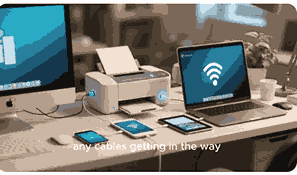
Wireless printers are increasingly popular for modern households because they eliminate the need for cables and allow multiple devices to connect seamlessly. With Wi-Fi-enabled printers, you can print from laptops, smartphones, and tablets, making them convenient for families with multiple users. Wireless printing supports cloud services, letting you send documents from Google Drive, Dropbox, or email directly to the printer. Many wireless printers also support mobile printing apps, voice assistant integration, and remote management. This flexibility is ideal for busy homes where children, students, or remote workers may need to print quickly without physically connecting to the device.
Cost Of Ownership For Home Printers
The true cost of a home printer goes beyond the initial purchase price. Inkjet printers may be cheaper upfront, but frequent cartridge replacements can add up significantly. Some brands offer subscription-based ink delivery services to help reduce costs. Laser printers typically cost more initially but have lower ongoing expenses thanks to high-yield toner cartridges. Consider maintenance costs, replacement parts, and electricity consumption as well. Evaluating cost-per-page helps you determine long-term affordability. Printers with refillable ink tanks, such as ink tank printers, can be more economical for households that print frequently, offering thousands of pages before requiring refills.
Best Printer Brands For Home Use
Several trusted brands dominate the home printer market. HP is known for its reliable all-in-one printers and smart ink subscription services. Canon is recognized for outstanding photo printing quality, making it a top choice for creative households. Epson is popular for its EcoTank series, which reduces ink costs with refillable tanks. Brother is well-regarded for affordable, high-speed laser printers that excel in handling text-heavy documents. Each brand offers different models catering to families, students, and professionals working from home. When choosing a brand, consider warranty coverage, availability of ink or toner, and long-term durability.
Eco-Friendly Printers For Home Use
Sustainability is becoming an important factor in printer selection. Eco-friendly printers use energy-efficient designs, automatic duplex printing, and recycled materials to reduce environmental impact. Ink tank printers, such as those from Epson EcoTank or Canon MegaTank series, are particularly eco-conscious, providing thousands of prints before requiring refills and cutting down on cartridge waste. Some brands also offer recycling programs for used cartridges and parts. Additionally, low-energy standby modes and Energy Star-certified models help households save on electricity. For environmentally conscious users, eco-friendly printers provide both cost savings and a reduced carbon footprint over time.
Smart Features In Modern Home Printers
Today’s home printers come with advanced features that make daily tasks easier. Touchscreen displays, mobile app control, and cloud connectivity allow quick access to print settings. Some models support voice commands through Amazon Alexa, Google Assistant, or Apple Siri, making printing hands-free. Auto document feeders (ADF) speed up scanning and copying multiple pages. NFC tap-to-print simplifies mobile connections, while high-capacity paper trays reduce the need for frequent refills. Security features like password-protected printing are useful for families sharing devices. These smart features ensure that printers adapt to the evolving needs of modern households.
Conclusion
Choosing the best printer for home use requires balancing cost, performance, and convenience. Inkjet printers are excellent for photo printing and casual use, while laser printers are more cost-effective for frequent document printing. Wireless features, smart functions, eco-friendliness, and brand reliability all play critical roles in making the right choice. Families, students, and remote workers should carefully evaluate their printing needs before deciding. A well-chosen home printer saves money, increases efficiency, and ensures high-quality results for all household printing tasks.
Frequently Asked Questions
1. Which Printer Is Best For Home Use?
The best printer for home use depends on your needs. Inkjet printers are excellent for households that need high-quality color prints, photos, and occasional documents. They are affordable initially but can be costly in ink replacement. Laser printers, on the other hand, are better suited for heavy document printing, offering faster speeds and lower long-term costs per page. All-in-one printers are versatile, combining printing, scanning, and copying in one device, making them ideal for families and students. If you print frequently, ink tank printers like Epson EcoTank or Canon MegaTank can save money over time. Consider your budget, print volume, and usage type before choosing.
2. What Is The Difference Between Inkjet And Laser Printers For Home Use?
Inkjet printers use liquid ink sprayed through nozzles, producing vibrant, detailed color prints ideal for photos, crafts, and light document use. They are compact, affordable upfront, but cartridges often require frequent replacements. Laser printers, however, use toner powder and heat to produce sharp text and handle high-volume printing quickly. They cost more initially but have lower long-term costs due to high-yield toner cartridges. For households focused on photo printing, inkjets are better, while for frequent document printing, lasers are more cost-effective. The choice depends on whether you prioritize affordability upfront or efficiency in the long run.
3. Are All-In-One Printers Good For Home Use?
Yes, all-in-one printers are excellent for home use because they provide multiple functions in one device. With the ability to print, scan, copy, and sometimes fax, these printers save space and reduce the need for separate equipment. They are particularly useful for students, home offices, and families that need versatile printing solutions. Most modern all-in-one printers support wireless connectivity, mobile printing, and cloud integration, making them highly convenient. While they may cost more than basic printers, the value of combining multiple features in one machine makes them a popular and cost-effective choice for households.
4. What Are The Benefits Of Wireless Printers For Home Use?
Wireless printers eliminate the need for physical cables and allow multiple devices, including laptops, smartphones, and tablets, to connect seamlessly. This makes them ideal for families, students, and home-office workers who need flexibility. Wireless models support mobile printing apps and cloud services, enabling you to print directly from Google Drive, Dropbox, or email. Some also support voice commands through assistants like Alexa or Google Assistant. They reduce clutter, save space, and are especially useful in multi-user households. With the ability to print from virtually anywhere in the home, wireless printers offer unmatched convenience and efficiency.
5. How Much Does It Cost To Maintain A Printer For Home Use?
The cost of maintaining a printer varies based on the model and print volume. Inkjet printers often have higher running costs because cartridges run out quickly and can be expensive to replace. Some brands offer ink subscription services to reduce costs. Laser printers have higher upfront costs but lower long-term expenses thanks to long-lasting toner cartridges. Ink tank printers provide the best savings for frequent users, as they can print thousands of pages before needing refills. Other factors include paper costs, energy consumption, and occasional maintenance. Calculating cost-per-page helps determine overall affordability and long-term expenses.
6. Which Brands Make The Best Printers For Home Use?
Several brands are highly regarded for home printers. HP offers reliable all-in-one models with smart ink management. Canon stands out for superior photo printing quality and affordability. Epson is known for its EcoTank series, which reduces ink costs with refillable tanks. Brother produces durable laser printers that excel in fast document printing. Each brand offers options tailored to different needs, from family photo printing to student homework to professional document management. When selecting a brand, consider ink availability, subscription services, warranty, and customer support. Choosing a reputable brand ensures long-lasting performance and lower ownership costs.
7. Are Ink Tank Printers Good For Home Use?
Yes, ink tank printers are excellent for home use, especially for families or individuals who print frequently. Unlike traditional inkjet printers, which rely on small cartridges, ink tank printers use refillable reservoirs that hold much more ink. This design dramatically lowers cost-per-page and reduces the frequency of refills. Epson EcoTank and Canon MegaTank are popular examples, providing thousands of pages before requiring maintenance. Although the initial price is higher than standard inkjets, the long-term savings make them cost-effective. They are particularly useful for students, home businesses, and households that need both high-volume text and quality color printing.
8. What Features Should I Look For In A Home Printer?
When choosing a home printer, consider several essential features. Wireless connectivity is crucial for printing from smartphones, laptops, and tablets without cables. All-in-one functionality offers added convenience with scanning and copying. Duplex printing saves paper by enabling automatic double-sided printing. Print resolution matters for sharp photos and detailed graphics, while print speed is important for handling multiple tasks efficiently. High-capacity paper trays reduce refills, and security features like password protection are useful for shared devices. Voice assistant compatibility and mobile app control also enhance convenience. By prioritizing these features, you’ll ensure your printer meets your daily needs.
9. Are Laser Printers Better Than Inkjet Printers For Home Use?
Laser printers are often better for heavy document printing due to their speed, sharp text quality, and lower cost per page. They are more durable and can handle high volumes efficiently, making them ideal for remote workers, students, or households with frequent document needs. However, they are not always the best choice for photo printing, where inkjets provide more vibrant results. Inkjets are more affordable upfront but have higher running costs. The choice depends on your printing habits: if you need frequent, high-volume, text-based output, laser is better. For occasional printing and photos, inkjet is the right pick.
10. Do Home Printers Support Mobile Printing?
Yes, most modern home printers support mobile printing, making it easy to send documents or photos directly from smartphones and tablets. Many printers are compatible with Apple AirPrint, Google Cloud Print, and manufacturer-specific apps like HP Smart, Canon PRINT, or Epson iPrint. These apps allow you to manage print settings, scan, and monitor ink or toner levels remotely. Mobile printing is especially convenient in homes with multiple users, students, or professionals who work on-the-go. Some printers also support direct Wi-Fi or NFC tap-to-print, which allows quick connections without a router. Mobile printing has become an essential feature for households.
11. How Long Do Home Printers Last?
The lifespan of a home printer depends on usage, maintenance, and build quality. On average, inkjet printers last between 3 to 5 years with moderate use, while laser printers can last up to 7 years or more due to their robust design. Regular maintenance, such as cleaning printheads, updating firmware, and using genuine ink or toner, extends longevity. Heavy usage or neglect can shorten lifespan significantly. Choosing a reputable brand with good customer support also impacts durability. For families, students, or professionals who rely on frequent printing, investing in a higher-quality model ensures a longer, more efficient service life.
12. Are Eco-Friendly Printers Suitable For Home Use?
Yes, eco-friendly printers are an excellent choice for home use because they reduce environmental impact while cutting costs. Energy-efficient models consume less electricity, and automatic duplex printing saves paper. Ink tank printers such as Epson EcoTank and Canon MegaTank reduce cartridge waste by using refillable reservoirs. Some brands also offer cartridge recycling programs and use sustainable materials in printer manufacturing. Eco-friendly printers are ideal for households that want to save money long term while promoting sustainability. They also benefit families with high printing needs, combining environmental responsibility with practical cost savings and high-quality output.
13. Can Home Printers Print Photos Effectively?
Yes, many home printers are capable of printing high-quality photos, especially inkjet models. Canon and Epson are known for delivering excellent photo printing results with rich colors and sharp details. Dedicated photo printers provide even better results for photography enthusiasts, though they are more specialized and less versatile for general tasks. Using high-quality photo paper improves the output significantly. However, printing photos at home can be more expensive than using a professional photo lab. For casual family photos, school projects, or creative hobbies, home inkjet printers provide more than satisfactory results at a reasonable quality level.
14. What Is The Cheapest Printer To Run For Home Use?
Ink tank printers are the cheapest to run for home use because they use refillable reservoirs that provide thousands of pages per refill. Although they cost more initially, they dramatically reduce long-term expenses compared to traditional inkjet printers. Laser printers also offer low cost-per-page and are efficient for high-volume document printing, though they are less suitable for high-quality photo printing. Subscription ink services offered by brands like HP can also help reduce costs. When calculating affordability, it’s important to consider ink or toner price, page yield, and long-term maintenance. Ink tank and laser models are the most economical choices.
15. Do Home Printers Support Duplex Printing?
Yes, many modern home printers support duplex printing, which allows automatic double-sided printing. This feature saves paper, reduces costs, and is environmentally friendly. Duplex printing is especially beneficial for students printing essays, families creating multi-page documents, or home offices handling frequent reports. Some entry-level models may require manual duplexing, where users flip pages themselves, but mid-range and higher-end printers typically include auto-duplex features. It’s important to check printer specifications before purchase to ensure duplex capability is included. Overall, duplex printing is a valuable feature that improves efficiency and reduces waste for household printing needs.
16. Can Home Printers Work Without Wi-Fi?
Yes, home printers can work without Wi-Fi. While wireless printers are convenient, most models also include USB or Ethernet connections for direct setup with computers. Some printers offer Bluetooth or NFC connectivity as an alternative to Wi-Fi. For users without internet access, printing directly via USB cable is reliable and simple. Even wireless models typically include wired options for flexibility. Standalone functions like copying and scanning do not require an internet connection. Therefore, while Wi-Fi provides added convenience, it is not essential for basic printer functionality, ensuring home printers remain versatile in different household setups.
17. Are Color Printers Worth It For Home Use?
Color printers are worth it for households that frequently print photos, school projects, presentations, or creative designs. Inkjet models deliver rich, vibrant colors, while some color laser printers offer faster output with professional-quality results. However, if your primary need is simple text documents, a monochrome laser printer may be more cost-effective. Color printers generally have higher maintenance costs due to multiple cartridges, but they provide flexibility and quality for varied tasks. For families, students, or creative professionals, color printers enhance output quality and value. The decision depends on whether you need vivid, full-color prints regularly.
18. How Fast Should A Home Printer Be?
Print speed matters depending on household needs. For occasional use, speed may not be a major factor, but for families, students, or remote workers handling frequent tasks, faster speeds save time. Inkjet printers typically print 10–15 pages per minute for text documents, while laser printers can exceed 20–30 pages per minute. Speed becomes crucial for multi-page assignments, large projects, or high-volume printing. However, balance is key—higher speeds may increase upfront cost. Evaluating your typical print volume helps determine whether a standard inkjet or a faster laser printer is better suited for your household printing requirements.
19. Do Home Printers Come With Warranty Coverage?
Yes, most home printers come with manufacturer warranty coverage, typically lasting one year. Some brands offer extended warranties or protection plans for additional peace of mind. Warranty coverage usually includes repairs or replacement for manufacturing defects, but it may not cover user damage or consumables like ink or toner. It is important to register your printer after purchase to activate coverage. Reputable brands such as HP, Canon, Epson, and Brother provide reliable customer support and authorized service centers. Considering warranty terms before purchase ensures protection and long-term reliability for your investment in a home printer.
20. How Can I Save Money On Home Printing?
There are several ways to save money on home printing. Choosing an ink tank or laser printer reduces cost-per-page significantly. Using draft mode for non-essential documents saves ink, while duplex printing reduces paper usage. Some manufacturers offer subscription ink services with lower rates than buying cartridges individually. Refilling ink tanks or purchasing high-yield toner cartridges also cuts costs. Additionally, only printing when necessary and storing paper properly to avoid waste helps. For frequent users, investing in an eco-friendly model provides both financial and environmental benefits. Smart usage habits and printer selection make printing more affordable in the long term.
FURTHER READING
- What Are The Different Types Of Printers? | Printer Categories, Features, And Functions Explained For Buyers And Users
- How Does A Printer Work? | Understanding Printing Technology, Types, Functions, And Processes
- What Is A Printer? | Definition, Functions, Types, Uses, And Benefits Of Printers
- Does Amazon Have Physical Store Locations? | Exploring Amazon’s Retail Footprint Beyond Online Shopping
- Is Amazon An Online Or Offline Marketplace? | Understanding Amazon’s Marketplace Model For Buyers And Sellers
- Is eBay An Online Or Offline Marketplace? | Understanding eBay’s Platform, Buying, And Selling Dynamics
- Does eBay Have Physical Store Locations? | Exploring eBay’s Online And Offline Presence
- How To Shop On eBay | The Ultimate Guide To Buying On eBay Online
- How To Join eBay Partner Network | A Step-By-Step Guide To Start Earning With eBay Affiliates
- How Does eBay Partner Network Work? | Complete Guide To eBay Affiliate Program And Earnings