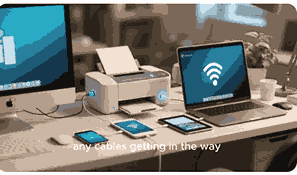
Printers are essential devices in homes, schools, and offices, yet they can sometimes stop working unexpectedly, leaving users frustrated and confused. Many users encounter the common issue of a printer not printing, which can result from connectivity problems, outdated printer drivers, hardware issues, or even simple errors like low ink or paper jams. Understanding why a printer is not printing and how to fix it quickly can save time, money, and stress. This detailed guide explores the reasons behind printer issues, troubleshooting methods, and practical solutions to get your printer working again.
What Is A Printer?
A printer is an output device that converts digital data from a computer, smartphone, or tablet into a physical format on paper. It works by transferring text, graphics, or images using technologies such as inkjet, laser, or thermal printing. Printers come in various types, including all-in-one printers, wireless printers, and specialized photo printers. Modern printers often feature wireless connectivity, scanning, and copying functions, making them versatile tools for home and office use. However, like any electronic device, printers may experience technical problems that prevent them from printing correctly, requiring troubleshooting or maintenance.
Common Reasons Printers Stop Printing
There are several common reasons why a printer stops printing, ranging from simple errors to more complex hardware or software problems. Issues include empty ink or toner cartridges, paper jams, poor connectivity, outdated drivers, and incorrect print settings. Network problems can also prevent wireless printers from communicating with computers or mobile devices. Sometimes, the problem is as minor as a loose cable or incorrect printer selection in the operating system. Identifying the root cause of the issue is the first step to restoring normal printer functionality.
Checking Ink Or Toner Levels
One of the most common causes of a printer not printing is low or empty ink or toner cartridges. Many printers provide alerts when cartridges are running low, but sometimes the warnings are ignored until the printer stops working. To fix this, open the printer software or control panel and check ink or toner levels. Replace empty cartridges with genuine or compatible ones. Always ensure cartridges are correctly installed and aligned to avoid print errors. For laser printers, shaking the toner cartridge gently can sometimes provide a temporary solution before replacement.
Fixing Paper Jams And Feeding Issues
Paper jams are another major cause of printers failing to print. A paper jam occurs when paper gets stuck inside the printer rollers or feeding mechanism. To resolve this, power off the printer, carefully remove any jammed paper, and check for torn pieces left inside. Ensure you are using the correct paper size and type recommended for your printer. Overloading the paper tray can also lead to feeding problems. Regular cleaning of the paper feed rollers helps reduce recurring jams and ensures smooth operation.
Troubleshooting Printer Connectivity Problems
Connectivity issues often cause printers to stop printing, especially in wireless printers. Problems may arise if the printer is not connected to the Wi-Fi network or if the computer cannot detect it. Check the network settings on the printer and reconnect it to the Wi-Fi if necessary. For wired printers, verify that the USB or Ethernet cable is securely connected. Restarting both the printer and the router can often resolve network problems. Installing the latest printer drivers can also improve compatibility and connectivity between devices.
Updating And Reinstalling Printer Drivers
Outdated or corrupted printer drivers are a frequent cause of printing issues. Printer drivers act as communication bridges between the printer and the operating system. If they are not updated, the printer may fail to respond. To fix this, visit the manufacturer’s website and download the latest drivers for your printer model. Alternatively, uninstall the printer from your computer and reinstall it to refresh the connection. Keeping drivers updated ensures optimal performance, compatibility with new software, and fewer printing errors.
Resolving Spooler Service Errors
The print spooler is a Windows service that manages print jobs. When it encounters an error, the printer may not print. Restarting the spooler service can often fix the problem. To do this, open the Windows Services menu, locate the print spooler, and restart it. Clearing the print queue can also help if pending jobs are stuck. Regularly maintaining the spooler ensures smooth communication between the printer and computer, preventing unnecessary delays.
Fixing Wireless Printer Setup Issues
Setting up a wireless printer can sometimes lead to errors that stop it from printing. Incorrect Wi-Fi passwords, router issues, or mismatched network settings are common culprits. Ensure the printer is connected to the correct network and within range of the router. If the printer supports WPS (Wi-Fi Protected Setup), use it for a quick and secure connection. Updating the printer’s firmware can also fix wireless setup issues and enhance performance.
Checking Default Printer Settings
If a printer is not set as the default printer, the operating system may send print jobs to another device or virtual printer. To fix this, open the computer’s printer settings and set the desired printer as default. Also, ensure the correct printer is selected when sending a print command. This small adjustment often resolves confusion and prevents unnecessary troubleshooting.
Preventive Maintenance For Printers
Regular printer maintenance helps prevent printing issues before they occur. Clean printer heads, rollers, and nozzles regularly to avoid clogs. Keep the printer in a dust-free environment and avoid exposing it to extreme temperatures or humidity. Use high-quality paper and cartridges recommended by the manufacturer. Performing periodic test prints ensures that the printer stays functional and ready for use when needed. Preventive care prolongs the printer’s life and reduces costly repairs.
Conclusion
Printers may stop printing due to a wide range of issues, from simple paper jams to complex driver errors. Identifying and fixing the underlying problem quickly ensures smooth operation and productivity. By checking ink levels, maintaining proper connectivity, updating drivers, and keeping up with preventive maintenance, users can avoid common printing problems. Understanding how to troubleshoot and fix a printer not printing empowers individuals to handle issues independently, saving time and reducing frustration.
Frequently Asked Questions
1. Why Is My Printer Not Printing?
A printer may stop printing due to low ink or toner, paper jams, driver issues, or connectivity problems. Wireless printers may lose connection to Wi-Fi networks, while wired printers can experience cable or port failures. Sometimes, the printer spooler service stops working, preventing jobs from processing. Another common cause is selecting the wrong default printer or incorrect print settings in the operating system. To fix this, check ink or toner levels, clear paper jams, restart the spooler, and reinstall or update drivers. Ensuring stable connectivity and proper printer configuration often restores normal printing functionality without requiring professional repair.
2. Why Is My Printer Not Printing Black Ink?
A printer may fail to print black ink due to clogged printheads, dried ink, or an empty black cartridge. Inkjet printers are especially prone to printhead blockages if not used frequently. Running the printer’s built-in cleaning cycle can often restore black ink flow. Replacing the cartridge with a genuine or compatible one may also fix the issue. Sometimes, incorrect printer settings, such as printing in grayscale mode, prevent black ink usage. To resolve this, adjust settings, clean the printhead, and check ink levels. Regular use of the printer helps prevent ink from drying up inside the nozzles.
3. Why Is My Printer Not Printing Color?
Printers may stop printing color if one or more color cartridges are empty, clogged, or improperly installed. Inkjet printers often encounter dried ink in nozzles, which restricts proper color output. Running a cleaning cycle can fix minor clogs, while replacing faulty cartridges restores full functionality. Incorrect settings, such as grayscale or black-and-white mode, may also disable color printing. Users should check their printer preferences to ensure color printing is enabled. Regularly using the printer keeps ink flowing smoothly and prevents clogs, ensuring that vibrant and accurate colors are consistently produced on printed documents.
4. Why Is My Printer Not Printing After Changing Ink?
Sometimes, a printer fails to print even after installing new ink cartridges. This usually happens when the cartridges are not properly seated, the protective tape has not been removed, or the printer needs calibration. Running the printer’s alignment tool often resolves this issue. If the problem persists, try resetting the printer or reinstalling the cartridge. Occasionally, third-party cartridges may not be recognized, so using manufacturer-recommended ones can help. Updating the printer software and performing a cleaning cycle also improves performance after replacing ink. Ensuring cartridges are compatible with the printer prevents recurring problems.
5. Why Is My Printer Not Printing Even Though It Has Ink?
If a printer has ink but refuses to print, the problem may lie in clogged printheads, incorrect settings, or software glitches. Ink may dry inside the nozzles, blocking the flow despite full cartridges. Running a nozzle check and cleaning cycle often fixes this. Sometimes, the printer is accidentally set to offline mode, which stops printing. Restarting the spooler service, updating drivers, and ensuring the correct default printer is selected usually resolves the issue. Regularly using the printer prevents ink from drying out, maintaining consistent printing performance and avoiding unnecessary frustrations.
6. Why Is My Printer Not Printing From My Computer?
Printers may fail to print from computers due to driver issues, connectivity errors, or misconfigured settings. Ensure the printer is properly installed and set as the default device. For wired printers, verify the USB or Ethernet connection. Wireless printers should be connected to the same Wi-Fi network as the computer. Restarting both the computer and printer can resolve temporary glitches. Updating or reinstalling drivers ensures smooth communication between the printer and the computer. Checking the print queue and clearing stuck jobs also helps restore printing functionality quickly and effectively.
7. Why Is My Printer Not Printing Wirelessly?
Wireless printers may not print if they lose connection to the Wi-Fi network, encounter IP conflicts, or face router issues. Ensure the printer and computer are connected to the same network. Restarting the printer, router, and computer often restores communication. If problems persist, reconnect the printer to Wi-Fi manually or use WPS mode for setup. Updating firmware and drivers can resolve compatibility issues. Placing the printer closer to the router improves signal strength, reducing connectivity drops. Consistent wireless printing requires stable network conditions and properly configured printer settings for seamless operation.
8. Why Is My Printer Not Printing But Is Connected?
A printer may appear connected but still refuse to print due to spooler errors, corrupted drivers, or miscommunication with the operating system. Check the print queue for stuck jobs and clear them. Restarting the print spooler service often resolves hidden glitches. Updating drivers and reinstalling the printer ensures smooth communication. Sometimes, antivirus software or firewalls block printing functions, so temporarily disabling them can help. If the printer remains idle, resetting it and reconnecting to the network usually fixes the issue. Proper driver management and configuration are essential for consistent printing performance.
9. Why Is My Printer Not Printing The Whole Page?
If a printer cuts off parts of a page, incorrect paper size settings, formatting errors, or corrupted files may be to blame. Ensure the document matches the selected paper size in the printer settings. Misaligned margins can also affect printing output. Updating drivers and checking for firmware updates may fix compatibility problems. If the file itself is corrupted, try reformatting or printing from another application. Running printer alignment tools ensures correct page layout. Proper configuration of paper size, margins, and scaling settings usually resolves incomplete or misaligned printing issues.
10. Why Is My Printer Not Printing Properly?
Printers may print poorly if cartridges are running low, nozzles are clogged, or paper settings are incorrect. Streaks, smudges, or faded text indicate that the printhead needs cleaning. Running the cleaning utility improves quality. Using the correct paper type also ensures better output. Incorrect resolution settings can produce blurry or faint prints, so adjusting them in the print dialog may help. Replacing worn-out cartridges and aligning the printer further improves performance. Regular maintenance, such as cleaning and proper handling of cartridges, keeps the printer running smoothly and delivering high-quality prints.
11. Why Is My Printer Not Printing After Windows Update?
Sometimes, a Windows update causes printers to stop printing due to driver incompatibility or software conflicts. After updating Windows, check for updated printer drivers on the manufacturer’s website. Reinstalling the printer often fixes connectivity and recognition issues. If the update caused spooler service problems, restarting it can help. Some security updates may block older drivers, requiring manual reinstallation. Rolling back a problematic update is another option if printing fails. Keeping both the operating system and printer drivers up to date ensures smooth compatibility and uninterrupted printing after updates.
12. Why Is My Printer Not Printing Clear Copies?
Printers may produce unclear or blurry prints due to dirty printheads, low-quality paper, or incorrect resolution settings. Ink smudging occurs when cartridges are leaking or overused. Running a head cleaning cycle usually resolves unclear text and images. Adjusting print resolution to a higher quality setting improves sharpness. Using the recommended paper type also enhances output quality. Replacing worn or faulty cartridges may be necessary if prints remain unclear. Regular printer maintenance, such as cleaning nozzles and rollers, ensures that documents are sharp, professional-looking, and easy to read.
13. Why Is My Printer Not Printing Double Sided?
Double-sided (duplex) printing may not work if the printer does not support it, if settings are misconfigured, or if firmware is outdated. Check whether the printer model includes duplex functionality. In the print settings, ensure duplex printing is enabled. Updating drivers may restore missing options. If paper jams occur during duplex printing, ensure the paper type and size are compatible with the printer. Manually flipping pages is an alternative if automatic duplexing is unavailable. Proper configuration and compatible hardware are essential for seamless double-sided printing without interruptions.
14. Why Is My Printer Not Printing After Paper Jam?
Even after clearing a paper jam, the printer may not print if small scraps of paper remain inside, if rollers are misaligned, or if the spooler service is stuck. Carefully check for leftover pieces of paper and clean the rollers. Resetting the printer often restores functionality. Running a test print helps verify that the jam has been fully cleared. If print jobs are still failing, restart the spooler service and reinstall drivers. Preventing jams with correct paper loading and maintenance reduces the chances of recurring problems after a jam.
15. Why Is My Printer Not Printing Photos?
Printers may fail to print photos correctly due to incorrect settings, low ink levels, or incompatible paper. Ensure that photo paper is selected in the printer settings and loaded correctly. Low-quality paper or incorrect print modes can affect color accuracy and sharpness. Ink cartridges should be full and properly installed. Running a cleaning cycle improves print quality if nozzles are clogged. For best results, use manufacturer-recommended photo paper and ink. Adjusting print resolution to high quality also ensures crisp, vibrant, and detailed photo prints without distortions or fading.
16. Why Is My Printer Not Printing After Being Idle?
Printers that sit idle for long periods often develop clogged nozzles or dried ink. Inkjet printers are especially vulnerable to this issue. Running a cleaning cycle and nozzle check can restore proper ink flow. Printing a test page once a week helps prevent drying. Restarting the printer and reinstalling drivers may also fix idle-related issues. For laser printers, prolonged inactivity may cause toner to settle unevenly, requiring gentle shaking of the cartridge. Regular use of the printer keeps it functional, preventing ink blockages and ensuring consistent performance over time.
17. Why Is My Printer Not Printing Wirelessly From iPhone?
iPhones use AirPrint to connect to wireless printers. If the printer is not AirPrint-compatible or not connected to the same Wi-Fi, printing may fail. Ensure the printer supports AirPrint and is properly configured. Restarting both the iPhone and printer often restores communication. If AirPrint is unavailable, installing the printer manufacturer’s app allows wireless printing. Updating the iOS version and printer firmware also improves compatibility. Ensuring that both devices share the same network and that no firewall restrictions are blocking the connection typically resolves wireless printing problems from iPhones.
18. Why Is My Printer Not Printing Emails?
A printer may fail to print emails due to incorrect application settings, blocked attachments, or outdated drivers. Check the print settings in your email client and ensure the printer is correctly selected. Sometimes, printing issues occur if attachments are corrupted or not downloaded fully. Saving the email as a PDF and then printing it often bypasses errors. Updating drivers and ensuring stable connectivity also improves reliability. If using a web-based email service, printing from a different browser can help. Proper setup and updated software ensure smooth email printing without interruptions.
19. Why Is My Printer Not Printing After Power Outage?
A power outage may disrupt printer settings, corrupt spooler files, or cause network disconnections. Restarting the printer and computer usually restores functionality. If drivers are corrupted, reinstall them to reestablish communication. Wireless printers may need to be reconnected to Wi-Fi after power loss. Running a test print confirms whether the issue has been resolved. Using an uninterruptible power supply (UPS) protects printers from sudden outages and prevents data corruption. Resetting the printer to factory settings may also fix persistent problems caused by power interruptions.
20. Why Is My Printer Not Printing PDF Files?
Printers sometimes fail to print PDF files due to compatibility issues, corrupted documents, or outdated software. Try opening the file in another PDF reader and attempt printing again. Updating the PDF software and printer drivers often resolves compatibility problems. Reducing the file size or converting the PDF to another format may also help. If the document is password-protected or damaged, the printer may reject it. Ensuring proper settings, such as scaling and paper size, further improves output. Troubleshooting these areas typically restores smooth printing of PDF documents.
Further Reading
- How To Install A Printer Driver | A Step-By-Step Printer Driver Installation Guide
- Which Printer Is Best For Office Use? | A Complete Guide To Choosing The Best Office Printer For Your Business Needs
- Which Printer Is Best For Home Use? | Best Printers For Home Use, Affordable Ink, Wireless Printing, And Top Picks For Families
- What Are The Different Types Of Printers? | Printer Categories, Features, And Functions Explained For Buyers And Users
- How Does A Printer Work? | Understanding Printing Technology, Types, Functions, And Processes
- What Is A Printer? | Definition, Functions, Types, Uses, And Benefits Of Printers
- Does Amazon Have Physical Store Locations? | Exploring Amazon’s Retail Footprint Beyond Online Shopping
- Is Amazon An Online Or Offline Marketplace? | Understanding Amazon’s Marketplace Model For Buyers And Sellers
- Is eBay An Online Or Offline Marketplace? | Understanding eBay’s Platform, Buying, And Selling Dynamics
- Does eBay Have Physical Store Locations? | Exploring eBay’s Online And Offline Presence