Laser printers are among the most widely used printing devices in homes, offices, schools, and businesses because of their speed, efficiency, and ability to produce high-quality printouts. Unlike inkjet printers, a laser printer uses a laser beam to transfer powdered toner onto paper, creating sharp text and detailed graphics. Many users prefer a laser printer for its long-term cost-effectiveness, durability, and high-volume printing capacity. This article provides an in-depth explanation of laser printers, their features, advantages, uses, and how they work, along with a detailed FAQ section that answers the most common questions people have about them.
What Is A Printer?
A printer is an electronic output device that converts digital data from a computer, smartphone, or other digital source into a physical printout on paper. Printers come in different types, such as inkjet printers, laser printers, dot matrix printers, and thermal printers, each with specific technologies and applications. While an inkjet printer sprays liquid ink onto the page, a laser printer uses a laser beam to melt toner powder onto paper, producing long-lasting and smudge-resistant prints. Printers are essential in offices, schools, and businesses for documents, reports, photos, labels, and many other print-related tasks. The choice of printer often depends on the required speed, quality, and cost-effectiveness.
How Laser Printing Technology Works
Laser printing technology uses an electro-photographic process. Inside the printer, a laser beam scans an electrically charged drum, creating an image pattern. Toner powder, which is a fine, dry substance, is then attracted to the charged areas of the drum. The toner is transferred to paper and fused using heat and pressure, producing a permanent print. This method ensures precise text and sharp graphics. Unlike inkjets, laser printers do not use liquid ink, which means the output is resistant to smudging and faster to produce. This technology makes laser printers reliable for high-volume tasks, such as business reports, invoices, and bulk document printing.
Types Of Laser Printers
There are several types of laser printers available, each designed for specific uses. Monochrome laser printers print only in black and white and are ideal for offices requiring fast text output. Color laser printers, on the other hand, can print in full color, making them suitable for presentations, marketing materials, and professional documents. Multifunction laser printers combine printing, scanning, copying, and faxing capabilities in one device, offering versatility and space-saving convenience. Compact desktop laser printers are designed for home or small office use, while large enterprise laser printers handle thousands of pages per month. Choosing the right type depends on printing needs, budget, and frequency of use.
Advantages Of Using A Laser Printer
Laser printers offer several advantages over other types of printers. They are faster, more durable, and more cost-effective in the long run, especially for businesses that print large volumes of documents. The toner cartridges last longer compared to inkjet cartridges, reducing the cost per page. Laser printers also produce sharp, clear, and smudge-free text, making them ideal for professional and academic use. Another advantage is their reliability; laser printers can handle heavy workloads without frequent breakdowns. Although the initial purchase cost may be higher than inkjet printers, their long-term efficiency and lower operating expenses make them a worthwhile investment.
Disadvantages Of Laser Printers
Despite their benefits, laser printers also have some drawbacks. The upfront cost of a laser printer is generally higher than that of inkjet models, which may discourage home users. They are also bulkier and heavier, requiring more space in small offices or homes. Color laser printers, while efficient, often have a higher cost per page compared to inkjets when printing photos. Additionally, laser printers cannot produce high-resolution photographic prints as effectively as inkjets, making them less suitable for photo enthusiasts. Another limitation is their use of toner and heat, which may create environmental concerns. These disadvantages should be considered before purchasing.
Applications Of Laser Printers
Laser printers are widely used across various industries and environments due to their versatility. In offices, they are essential for printing reports, contracts, invoices, and presentations. Schools and universities use them for handouts, assignments, and research papers. Businesses rely on laser printers for bulk printing needs, including marketing materials, flyers, and official documents. Government institutions, legal firms, and healthcare providers also depend on them for accurate and fast printing. At home, people use compact laser printers for homework, tax forms, and personal projects. Their ability to produce consistent and reliable prints makes them a top choice for many users worldwide.
Key Features Of Laser Printers
Laser printers come with key features that enhance productivity and user experience. Many models include wireless connectivity, allowing printing from smartphones, laptops, and tablets. Duplex printing, which enables printing on both sides of the paper, saves time and reduces paper usage. High-resolution capabilities, typically up to 1200 dpi, ensure sharp and professional-quality text. Some models also feature large paper trays and automatic document feeders for efficient bulk printing. Security features, such as password protection and encrypted printing, make them suitable for sensitive business environments. These features make laser printers not only practical but also adaptable to modern digital workflows.
Cost Of Operating A Laser Printer
The cost of operating a laser printer is determined by several factors, including toner price, paper consumption, and maintenance. While toner cartridges may seem expensive, they last longer than inkjet cartridges, lowering the overall cost per page. Businesses and schools often find laser printers more economical in the long term due to their high-volume printing capabilities. Maintenance costs are generally low, as laser printers are durable and rarely require repairs. Duplex printing and energy-saving modes also help reduce operating expenses. Users should consider both upfront purchase costs and long-term expenses before deciding whether a laser printer suits their needs.
Laser Printers Vs Inkjet Printers
Laser printers and inkjet printers differ in technology, performance, and costs. Laser printers are faster, more durable, and better suited for text-heavy documents, while inkjets excel at printing high-resolution photos and color images. In terms of cost, laser printers have higher initial prices but lower long-term operating costs, making them ideal for heavy users. Inkjet printers, on the other hand, are affordable to buy but expensive to maintain due to frequent ink cartridge replacements. Laser printers provide sharp, smudge-free text, while inkjets offer richer colors. The choice between the two depends on printing needs, whether for office efficiency or creative projects.
Environmental Impact Of Laser Printers
Laser printers have both positive and negative environmental impacts. On the positive side, they are durable, which means fewer replacements and less electronic waste. Duplex printing reduces paper consumption, and energy-saving features minimize power use. However, the toner and cartridges used in laser printers pose environmental concerns. The production, disposal, and recycling of toner can contribute to pollution if not managed properly. Additionally, the heat generated during printing consumes significant energy compared to inkjets. To reduce environmental impact, users are encouraged to recycle toner cartridges, use eco-friendly paper, and invest in energy-efficient printer models.
Maintenance Of A Laser Printer
Maintaining a laser printer ensures its long life and consistent performance. Regular cleaning of the paper trays, rollers, and drum unit prevents paper jams and print quality issues. Replacing toner cartridges when necessary maintains sharp output. Some models have maintenance kits that include essential replacement parts for extended use. It is important to keep the printer in a dust-free environment and update firmware regularly for security and performance improvements. Businesses and heavy users should schedule routine checkups to avoid breakdowns. With proper maintenance, a laser printer can last many years and continue to produce reliable and high-quality prints.
Conclusion
Laser printers remain one of the most efficient and reliable printing solutions in today’s digital world. Their speed, cost-effectiveness, and sharp print quality make them ideal for both personal and professional use. From offices and schools to businesses and homes, laser printers play a vital role in delivering documents with accuracy and efficiency. While they come with disadvantages such as high upfront costs and limited photo quality, their benefits far outweigh these drawbacks for users who require frequent and bulk printing. By understanding their features, types, and applications, individuals and organizations can choose the right laser printer to meet their specific needs.
Frequently Asked Questions
1. What Is A Laser Printer?
A laser printer is a type of printer that uses a laser beam and toner powder to produce high-quality text and graphics on paper. Unlike inkjet printers that spray liquid ink, a laser printer relies on an electro-photographic process where a laser beam creates an image on a drum, attracting toner particles that are transferred onto paper and fused with heat. Laser printers are known for their speed, sharp print quality, and efficiency. They are widely used in offices, schools, and homes for bulk printing needs and professional documents. Their durability makes them a preferred choice for many.
2. How Does A Laser Printer Work?
A laser printer works by using a laser beam to project an image of the page onto a rotating drum coated with a photosensitive material. The laser alters the electrical charge on specific areas of the drum, creating an image pattern. Toner particles are then attracted to the charged areas of the drum. The toner is transferred onto paper as it passes through the printer, and heat from a fuser unit bonds the toner permanently to the page. This process ensures sharp, smudge-free prints. The speed and reliability of this technology make it ideal for high-volume printing tasks.
3. What Are The Main Features Of A Laser Printer?
Laser printers include features that enhance productivity and print quality. Common features include high-resolution printing of up to 1200 dpi for sharp text, fast print speeds of 20 to 60 pages per minute, and duplex printing that saves paper. Many models have wireless connectivity, allowing printing from smartphones, tablets, and laptops. Large-capacity paper trays and automatic document feeders support bulk printing. Advanced models also include security features such as encrypted printing and user authentication. Energy-saving modes and eco-friendly settings help reduce power consumption. These features make laser printers practical, efficient, and suitable for both personal and professional environments.
4. What Are The Advantages Of A Laser Printer?
Laser printers offer numerous advantages. They are faster than inkjet printers, producing dozens of pages per minute, which saves time in high-demand environments. Their toner cartridges last longer, reducing the cost per page. Laser printers also produce crisp, professional-quality text that does not smudge, making them ideal for office reports, contracts, and academic work. They are durable, handling thousands of pages monthly without frequent breakdowns. Multifunction models add versatility by combining printing, scanning, copying, and faxing. While the initial purchase may be higher, the long-term cost savings, efficiency, and reliability make laser printers an excellent investment for businesses and individuals.
5. What Are The Disadvantages Of A Laser Printer?
Despite their strengths, laser printers have disadvantages. They are often more expensive to purchase than inkjet printers, making them less attractive for budget-conscious users. Their larger size requires more space, which can be inconvenient in small offices or homes. While color laser printers exist, they are less capable of producing high-resolution photo prints compared to inkjets. The heat and energy consumption of laser printers may also be higher, raising environmental concerns. Toner cartridges, though long-lasting, are costly to replace. These drawbacks mean users must carefully assess their printing needs before deciding whether a laser printer is the right choice.
6. What Types Of Laser Printers Are Available?
There are several types of laser printers. Monochrome laser printers print only in black and white and are ideal for office documents and reports. Color laser printers provide full-color output for marketing materials, presentations, and school projects. Multifunction laser printers combine printing, scanning, copying, and faxing in one device, saving space and increasing efficiency. Compact desktop models are designed for home and small offices, while enterprise-level printers handle heavy workloads with advanced paper-handling features. Each type serves different needs, and users can choose based on budget, print volume, and whether they require features such as color or multifunction capabilities.
7. What Is The Difference Between A Laser Printer And An Inkjet Printer?
The main difference between a laser printer and an inkjet printer lies in their printing technology. A laser printer uses a laser beam and toner powder to produce text and images, while an inkjet printer sprays liquid ink directly onto paper. Laser printers are faster, more durable, and more cost-effective for large volumes of text printing. Inkjet printers, however, excel in producing high-resolution photo prints with richer colors. Laser printers have a higher upfront cost but lower long-term operating costs, while inkjets are cheaper initially but more expensive to maintain. The choice depends on printing needs and usage volume.
8. Why Are Laser Printers Better For Offices?
Laser printers are better suited for offices because they provide fast, reliable, and cost-effective printing for high-volume tasks. Offices often require printing dozens or hundreds of pages daily, and laser printers can deliver this efficiently. They produce sharp, professional-quality text and graphics that are suitable for reports, contracts, and presentations. Toner cartridges last longer than inkjet cartridges, reducing downtime and supply costs. Many office models also support wireless networking, duplex printing, and secure print features, making them ideal for team environments. Their durability allows them to handle heavy workloads without frequent maintenance, ensuring consistent productivity in office settings.
9. What Is The Cost Of Operating A Laser Printer?
The cost of operating a laser printer includes the purchase of toner cartridges, paper, and occasional maintenance. While toner cartridges are expensive upfront, they yield thousands of pages, resulting in a lower cost per page than inkjet cartridges. Duplex printing and eco-mode features help reduce paper and energy costs. Maintenance expenses are minimal since laser printers are durable and require fewer repairs. Businesses and schools often find them more economical for high-volume printing. When calculating total cost, users should consider both upfront printer prices and long-term operating expenses. Overall, laser printers are cost-effective investments for frequent printing needs.
10. Can Laser Printers Print In Color?
Yes, laser printers can print in color, but they function differently from inkjet photo printers. Color laser printers use multiple toner cartridges, usually cyan, magenta, yellow, and black, to create full-color output. They are excellent for professional documents, marketing materials, charts, and presentations that require sharp text and clean graphics. However, while color laser printers produce good-quality prints, they are not designed for high-resolution photo printing. Inkjets generally perform better with detailed photographic images. For businesses and schools needing reliable color printing for bulk tasks, color laser printers provide an efficient and cost-effective solution.
11. How Long Do Laser Printers Last?
Laser printers are designed to be durable and long-lasting. On average, a well-maintained laser printer can last between five to ten years or even longer, depending on usage. Business-grade models with higher capacities often last longer than compact home models. Regular maintenance, such as cleaning, replacing toner cartridges, and updating software, extends the printer’s lifespan. Unlike inkjet printers that may dry out when unused, laser printers use toner powder, which does not expire as quickly. Their robust design makes them reliable for heavy workloads, ensuring that businesses and individuals can depend on them for years of consistent performance.
12. What Industries Use Laser Printers Most?
Laser printers are widely used across multiple industries. Offices, law firms, and government agencies rely on them for printing contracts, reports, and official documents. Schools and universities use them for handouts, assignments, and administrative tasks. Healthcare providers depend on them for accurate and confidential patient records. Businesses utilize laser printers for invoices, marketing flyers, and presentations. Retail shops often use them for receipts and signage. Industries with heavy documentation needs prefer laser printers because of their speed, cost-effectiveness, and reliable output. Their versatility and durability make them suitable for nearly every professional and educational environment.
13. What Is The Printing Speed Of A Laser Printer?
Laser printers are known for their fast printing speeds, which typically range from 20 to 60 pages per minute, depending on the model. High-end enterprise printers can exceed 100 pages per minute. This speed advantage makes laser printers highly efficient for offices, schools, and businesses with high-volume printing demands. Unlike inkjets, which may slow down during large print jobs, laser printers maintain consistent performance even when printing hundreds of pages. Their ability to handle bulk printing quickly saves time and increases productivity, making them the preferred choice for environments that require fast and continuous document output.
14. Are Laser Printers Environmentally Friendly?
Laser printers have both benefits and drawbacks in terms of environmental impact. They are long-lasting, which means fewer replacements and less electronic waste. Duplex printing reduces paper consumption, and many models include energy-saving modes to minimize power use. However, toner cartridges and their disposal can harm the environment if not recycled properly. Laser printers also consume more electricity than inkjets due to the heat required for fusing toner. To make them more eco-friendly, users should recycle cartridges, use recycled paper, and choose energy-efficient models certified by environmental standards. Responsible use can reduce their ecological footprint significantly.
15. What Is The Difference Between Monochrome And Color Laser Printers?
The difference between monochrome and color laser printers lies in their output capabilities. Monochrome laser printers use only black toner and are best suited for text documents, invoices, and office reports. They are typically faster, more affordable, and cheaper to maintain. Color laser printers, however, use four toner cartridges—cyan, magenta, yellow, and black—to produce full-color prints. They are ideal for presentations, charts, and marketing materials but have higher costs per page than monochrome models. Choosing between the two depends on whether color printing is essential. Monochrome suits text-heavy environments, while color printers serve businesses requiring visual materials.
16. How Do You Maintain A Laser Printer?
Maintaining a laser printer involves regular care to ensure consistent performance. Users should clean the printer periodically by removing dust from trays, rollers, and the drum unit. Toner cartridges should be replaced promptly to avoid faded prints. Many manufacturers provide maintenance kits containing replacement parts like rollers and fusers for extended printer life. Firmware updates enhance security and performance, so they should be installed regularly. The printer should be stored in a clean, dust-free environment. For offices and businesses, scheduling routine inspections helps prevent breakdowns. Proper maintenance ensures that a laser printer remains reliable for years of service.
17. Do Laser Printers Support Wireless Printing?
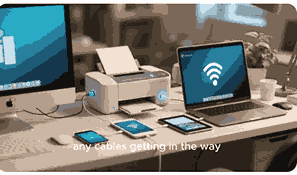
Yes, many modern laser printers support wireless printing. Built-in Wi-Fi or Bluetooth connectivity allows users to print directly from smartphones, tablets, and laptops without the need for physical cables. Wireless features make printing more convenient, especially in offices where multiple users share a printer. Some models also support cloud printing services like Google Cloud Print and Apple AirPrint, enabling remote printing from anywhere with internet access. This flexibility increases productivity and reduces clutter in workspaces. For both home and office users, wireless laser printers offer ease of use and integration with modern digital devices and applications.
18. Are Laser Printers Good For Home Use?
Laser printers can be an excellent choice for home use, depending on the user’s needs. Compact desktop models are affordable and suitable for students, freelancers, and families who print assignments, tax forms, or personal documents. They are faster and more cost-effective over time compared to inkjets, especially for frequent printing. However, for households that require high-quality photo printing, inkjets may be better. Laser printers are durable, and their toner does not dry out, making them convenient for occasional users as well. Overall, for text-heavy and bulk printing, a laser printer is a reliable and long-lasting home option.
19. What Is The Print Quality Of A Laser Printer?
Laser printers deliver excellent print quality for text and graphics. With resolutions typically ranging from 600 to 1200 dpi, they produce sharp, crisp, and professional-looking documents. Text is clear and easy to read, even at small font sizes, which makes them ideal for contracts, reports, and academic papers. Graphics, charts, and diagrams are also well-defined. While they handle images effectively, they are not designed for high-resolution photo printing, which inkjets manage better. The smudge-free nature of laser prints ensures durability, making them suitable for official and archival purposes. Their consistent print quality is a major advantage for users.
20. Are Laser Printers Cost-Effective In The Long Run?
Yes, laser printers are cost-effective in the long run, particularly for frequent and high-volume users. Although they have a higher initial purchase price, their toner cartridges yield thousands of pages, significantly lowering the cost per page compared to inkjet printers. Maintenance costs are also minimal, and their durability ensures fewer replacements over time. Businesses, schools, and offices benefit from these savings because of the reduced need for constant cartridge changes and reliable bulk printing. For occasional home users, the benefits depend on usage, but for regular printing, a laser printer proves to be an economical investment overall.
FURTHER READING
- What Is A Wireless Printer? | Understanding Features, Benefits, And How Wireless Printers Work
- How To Fix A Printer Paper Jam | Easy Troubleshooting Guide For Smooth Printing
- Why Is My Printer Not Printing? | Common Printer Problems And Easy Fixes For Printing Issues
- How To Install A Printer Driver | A Step-By-Step Printer Driver Installation Guide
- Which Printer Is Best For Office Use? | A Complete Guide To Choosing The Best Office Printer For Your Business Needs
- Which Printer Is Best For Home Use? | Best Printers For Home Use, Affordable Ink, Wireless Printing, And Top Picks For Families
- What Are The Different Types Of Printers? | Printer Categories, Features, And Functions Explained For Buyers And Users
- How Does A Printer Work? | Understanding Printing Technology, Types, Functions, And Processes
- What Is A Printer? | Definition, Functions, Types, Uses, And Benefits Of Printers
- Does Amazon Have Physical Store Locations? | Exploring Amazon’s Retail Footprint Beyond Online Shopping