
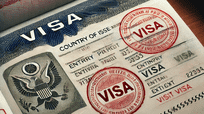
What Is A Refugee Visa?
A refugee visa is a type of humanitarian visa issued to individuals who are forced to flee their home countries due to war, persecution, violence, or fear of serious harm. It allows a person to seek safety and legal protection in another country, where they are recognized under international refugee law. Refugee visas are generally granted under the 1951 Refugee Convention and its 1967 Protocol, which outline the rights of refugees and the responsibilities of host countries. This visa provides temporary or permanent residency, depending on the host country’s laws, and may include access to healthcare, housing, work, and education. It is a crucial pathway for people escaping life-threatening circumstances to rebuild their lives in a safe environment.

Eligibility Requirements For A Refugee Visa
To qualify for a refugee visa, applicants must demonstrate that they cannot return to their home country due to persecution, violence, or fear of harm based on race, religion, nationality, political opinion, or membership in a social group. Evidence is required, including documents, testimonies, or reports confirming the risks faced. Each country has its own guidelines, but most follow the UN Refugee Convention principles. Some nations also prioritize women, children, or victims of human rights abuses. Applicants must prove that they are outside their home country and cannot rely on state protection. Meeting eligibility criteria ensures a strong foundation for a successful refugee visa application.
Step-By-Step Refugee Visa Application Process

Applying for a refugee visa involves several key steps. First, an individual must leave their country of origin and approach the United Nations High Commissioner for Refugees (UNHCR), an embassy, or a recognized resettlement agency. The applicant then submits an asylum request or refugee application with supporting documents, such as identity papers, medical records, and proof of persecution. The next step is an interview conducted by immigration or refugee officers to assess the credibility of the claim. Security, health, and background checks follow to ensure safety for both the applicant and the host nation. Once approved, the applicant receives refugee status and a visa, granting them legal protection, residency rights, and access to integration support programs.
Required Documents For A Refugee Visa Application
Applicants for a refugee visa must submit documents that prove identity, nationality, and the circumstances that forced them to flee. Commonly required documents include passports, birth certificates, national identification, marriage or family records, and medical reports. Testimonies, affidavits, or letters from witnesses can also strengthen the application. Reports from human rights organizations, government records, or media coverage of violence in the applicant’s country are valuable forms of evidence. Where original documents are unavailable, sworn statements or alternative proof may be accepted. Providing complete and accurate documentation is critical, as it supports the applicant’s credibility and helps immigration officials verify claims of persecution, increasing the chances of a positive decision.
Processing Time For A Refugee Visa
The processing time for a refugee visa varies widely depending on the host country, the complexity of the case, and the volume of applications being handled. In some countries, decisions may take several months, while in others, it may take years due to lengthy background checks and security screenings. The UNHCR often assists in prioritizing urgent cases involving vulnerable groups such as children, women, or people with life-threatening conditions. While waiting, applicants may be placed in refugee camps or temporary shelters. Delays are common, but providing complete documentation, attending all interviews, and responding promptly to requests can help speed up the process.
Rights And Benefits Of Refugees With A Visa
Once granted, a refugee visa offers several rights and benefits, allowing refugees to live with dignity and security. Depending on the host country, refugees may receive access to housing, healthcare, and education for children. Employment rights may also be included, enabling refugees to work and support themselves. Social support services are often provided to help with integration, including language classes, cultural orientation, and legal assistance. Refugees are protected from being returned to their country of persecution, a principle known as non-refoulement. Over time, refugees may qualify for permanent residency or even citizenship. These rights empower refugees to rebuild their lives and contribute positively to their host communities.
Challenges Faced When Applying For A Refugee Visa
Applying for a refugee visa can be a difficult process filled with obstacles. Many refugees lack proper documentation after fleeing their countries quickly, which makes proving their cases harder. Long waiting periods in refugee camps or shelters can take a toll on mental health and physical wellbeing. Complex legal systems, language barriers, and limited access to legal assistance also add challenges. Some countries have strict immigration policies, making approvals rare or slow. Security and background checks may be lengthy, while political conditions in host nations can also impact decisions. Despite these difficulties, perseverance, legal support, and credible evidence can improve the chances of obtaining a refugee visa.
Role Of The United Nations High Commissioner For Refugees (UNHCR)
The UNHCR plays a central role in refugee protection and visa applications worldwide. It is responsible for identifying and registering refugees, ensuring they are safe, and helping them apply for asylum or resettlement. The UNHCR assists in collecting evidence, preparing applications, and arranging interviews with host countries. It also provides humanitarian aid such as food, shelter, and medical care during the waiting period. Additionally, the agency works with governments to determine which cases require urgent attention and advocates for fair and efficient refugee policies. For many applicants, UNHCR guidance is essential, as it increases their chances of successfully being granted refugee visas.
Refugee Resettlement Programs
Resettlement programs are designed for refugees who cannot safely remain in their first country of asylum. These programs are coordinated by the UNHCR and host governments, such as the United States, Canada, Australia, and European nations. Refugees are carefully screened and selected based on vulnerability, including survivors of torture, women at risk, or those with urgent medical needs. Once accepted, refugees are relocated to host countries where they receive housing, integration support, and legal status. These programs are vital for individuals who have no option of returning home or remaining safely in temporary camps, offering them a chance for stability and a new beginning.
Differences Between Refugee And Asylum Status
Although often used interchangeably, refugee and asylum status are not the same. Refugees apply for protection from outside the host country, often through UNHCR resettlement programs. They are granted refugee visas before arriving in the destination country. Asylum seekers, on the other hand, apply for protection once they are already inside the host country’s borders. The legal process, eligibility criteria, and rights granted may vary between refugees and asylum seekers. Both statuses, however, provide protection from being sent back to their countries of persecution and grant access to certain rights, such as residency, education, and healthcare, depending on national laws.
Integration Support For Refugees After Arrival
Refugees with visas receive integration support to help them adapt to their new environments. Host countries often provide housing assistance, social welfare programs, language classes, and employment opportunities. Non-governmental organizations (NGOs) also play a crucial role in providing mentorship, cultural training, and community programs to promote inclusion. Schools often assist refugee children in adjusting to new education systems. Healthcare services are also extended to ensure refugees can maintain their wellbeing. Integration support helps refugees overcome trauma, build self-reliance, and contribute positively to their new communities. Effective programs promote long-term stability, social cohesion, and successful resettlement in the host country.
Conclusion
A refugee visa provides a vital pathway for individuals fleeing war, persecution, or violence to find safety and rebuild their lives. The process requires meeting eligibility criteria, submitting credible documentation, undergoing interviews, and waiting for security checks. With the support of UNHCR, resettlement programs, and integration services, refugees can access safety, stability, and new opportunities in host countries. Despite challenges and delays, a refugee visa remains an essential tool for protecting human rights and offering hope to those who have lost everything. Understanding the process thoroughly is crucial for anyone seeking protection under international refugee laws.
Frequently Asked Questions
1. How Do I Apply For And Get A Refugee Visa?
Applying for and obtaining a refugee visa begins with leaving your home country and approaching the UNHCR, a local embassy, or an authorized resettlement agency. You must complete an application, provide identity documents, and submit evidence proving that you face persecution, war, or serious harm in your country of origin. After applying, you will be interviewed by immigration or refugee officials to verify your claims. Security and medical checks follow to ensure eligibility. If approved, you will be granted refugee status and a visa, allowing you to live legally in the host country. While the process can be lengthy, providing complete information and cooperating with officials improves your chances of success.
2. What Is The Eligibility Criteria For A Refugee Visa?
Eligibility for a refugee visa depends on proving that you are unable to return to your country due to persecution, violence, or serious threats to your safety. The persecution must be linked to race, religion, nationality, political opinion, or membership in a social group. Applicants must also be outside their country of origin at the time of application. Evidence such as documents, testimonies, or reports confirming risks is essential. Some countries prioritize vulnerable groups like children, women, or victims of torture. Meeting the eligibility criteria ensures that you can access protection under international law, with the refugee visa granting you legal residency and essential rights.
3. How Long Does It Take To Get A Refugee Visa?
The timeline for obtaining a refugee visa varies depending on the country and complexity of the case. In some instances, it may take several months, while in others it can take years due to security checks and high demand. Urgent cases, such as individuals with severe medical needs or high vulnerability, may be processed more quickly. Applicants usually go through multiple stages including interviews, background checks, and document verification. While delays are common, cooperating fully, attending all scheduled interviews, and providing accurate documentation can help speed up the process. Patience is essential, as the system is often overwhelmed with large numbers of applications.
4. How Much Does A Refugee Visa Application Cost?
In most countries, applying for a refugee visa is free of charge. Refugees are protected under international humanitarian principles, meaning that they should not be denied safety based on financial capability. However, there may be costs associated with obtaining supporting documents, medical examinations, or legal assistance. Some non-governmental organizations and humanitarian agencies provide financial or legal support to applicants. It is advisable to confirm the specific requirements of the host country, as certain services might involve minor administrative fees. Generally, the refugee visa process is designed to prioritize safety and protection rather than financial contributions from vulnerable individuals.
5. What Documents Are Required For A Refugee Visa?
To apply for a refugee visa, you must present identity documents and evidence of persecution. These can include passports, birth certificates, national ID cards, marriage or family records, and medical certificates. Testimonies, affidavits, and reports from human rights organizations can support your claim. In situations where original documents are unavailable due to conflict, sworn statements or witness letters may be accepted. Refugee officers may also consider reports or media coverage that highlight risks in your country of origin. Providing as much documentation as possible is vital, as it strengthens your case and helps immigration officials assess your eligibility for protection.
6. What Is The Role Of UNHCR In Refugee Visa Applications?
The United Nations High Commissioner for Refugees (UNHCR) plays an essential role in refugee visa applications. It registers refugees, provides humanitarian aid, and helps prepare asylum or resettlement requests. The UNHCR works closely with governments and ensures that applications are processed fairly under international law. It often conducts interviews, verifies documentation, and advocates for applicants needing urgent protection. The organization also facilitates resettlement to host countries willing to accept refugees and provides integration support once visas are granted. For many individuals, UNHCR assistance is critical in navigating the complex refugee application process, ensuring credibility and increasing chances of approval.
7. Can Family Members Apply For A Refugee Visa Together?
Yes, many countries allow families to apply for refugee visas together, ensuring that immediate relatives are not separated during resettlement. Typically, this includes spouses, children, and sometimes dependent parents. Applicants must provide proof of family relationships, such as marriage certificates, birth records, or legal guardianship papers. If approved, family members can be resettled together in the host country, where they receive protection and support. In some cases, family reunification programs exist to bring together relatives who applied separately. Keeping families united is an important humanitarian principle, and many host nations prioritize applications that involve vulnerable children and families.
8. What Is The Difference Between Refugee Status And Asylum?
Refugee status is granted to individuals applying from outside the host country, often through UNHCR or resettlement programs, while asylum is requested from within the host country after entry. Both statuses offer protection from deportation to the country of persecution and provide access to essential rights like housing, healthcare, and education. However, the legal procedures differ, with refugees going through pre-arrival applications and asylum seekers applying once inside national borders. Despite differences in process, both categories share the same goal of offering humanitarian protection to those who cannot safely remain in their home countries due to persecution or violence.
9. Can A Refugee Visa Lead To Permanent Residency?
In many host countries, a refugee visa can eventually lead to permanent residency or even citizenship. The process varies depending on national laws but often requires refugees to live in the host country for a certain number of years under refugee status. Good conduct, financial independence, and integration into society may be factors considered. Refugees may also need to renew temporary permits before qualifying for permanent residency. Over time, some countries allow refugees to apply for naturalization, granting them full rights as citizens. This pathway ensures long-term stability and security for refugees rebuilding their lives away from conflict or persecution.
10. Are Refugees Allowed To Work With A Refugee Visa?
Yes, refugees are often allowed to work with a refugee visa, though the rights and restrictions depend on the host country. Employment opportunities enable refugees to support themselves financially, reduce dependency on social services, and integrate into society. Some countries may impose temporary restrictions on employment until the visa is fully approved, while others provide immediate work rights. Refugees may also have access to vocational training or language courses to improve employability. The ability to work legally is a crucial part of rebuilding a stable life, offering both dignity and independence after experiencing displacement and hardship.
11. What Challenges Do Applicants Face When Applying For A Refugee Visa?
Applicants for refugee visas often face multiple challenges, including long waiting times, lack of documents, language barriers, and limited access to legal support. Many refugees leave their countries in urgent situations, making it difficult to gather sufficient evidence for their claims. Complex immigration systems and strict eligibility requirements can create delays. Living conditions in refugee camps during the waiting period may also be difficult, affecting both physical and mental health. Despite these challenges, persistence, assistance from humanitarian organizations, and providing credible evidence can improve the likelihood of approval. Support networks play a key role in helping applicants navigate the system.
12. Can A Refugee Visa Application Be Denied?
Yes, refugee visa applications can be denied if applicants fail to meet eligibility criteria or provide insufficient evidence of persecution. Other reasons for denial include security concerns, fraudulent documents, or inconsistencies in testimony. Some host countries have strict quotas or restrictive policies that also impact approval chances. If an application is denied, applicants may appeal the decision or seek reconsideration with additional evidence. Legal assistance can be valuable during appeals, as professional support helps build a stronger case. While rejections can be discouraging, persistence and credible documentation may eventually result in a successful application in another attempt.
13. What Happens After Receiving A Refugee Visa?
After being granted a refugee visa, individuals gain legal residency and protection in their host country. They are provided with rights such as access to housing, education, healthcare, and often the ability to work. Refugees may also receive integration support like language courses and job placement programs. Over time, they may qualify for permanent residency or citizenship depending on national laws. Host governments and NGOs usually provide assistance to help refugees adjust to new cultural environments and rebuild their lives. Receiving a refugee visa is the beginning of a new chapter, offering safety, stability, and opportunities for the future.
14. How Do Refugee Resettlement Programs Work?
Refugee resettlement programs are designed to relocate refugees who cannot remain safely in their first country of asylum. These programs are organized by UNHCR in partnership with host countries. Applicants are screened based on vulnerability, such as survivors of torture, people with urgent medical needs, or families at risk. Once approved, refugees are resettled in a host country that provides housing, healthcare, education, and integration support. Resettlement programs are limited in size and highly competitive, with only a fraction of global refugees accepted. Nonetheless, they offer a life-changing opportunity for individuals who cannot return home or stay in temporary shelters.
15. Are Refugee Visa Holders Protected From Deportation?
Yes, refugee visa holders are protected under international law from being forcibly returned to their country of persecution, a principle known as non-refoulement. This protection is central to the 1951 Refugee Convention and ensures that individuals are not sent back to places where they face serious harm. Once granted refugee status, holders gain legal residency in their host country and cannot be deported unless they commit serious crimes or violate local laws. Protection from deportation provides security, allowing refugees to rebuild their lives without the constant fear of being returned to dangerous conditions in their home countries.
16. Can Refugee Visa Holders Travel Internationally?
The ability of refugee visa holders to travel internationally depends on the host country’s laws. In some nations, refugees are issued travel documents that allow them to visit other countries, excluding their country of persecution. These documents function like passports and enable refugees to study, work, or reunite with family abroad. However, travel may be restricted in the early stages of residency or before permanent status is granted. Refugees must always check travel permissions with their host authorities to avoid jeopardizing their legal status. International travel is possible but usually comes with limitations designed to protect refugee security.
17. Do Refugee Visa Holders Receive Healthcare Benefits?
Yes, refugee visa holders typically receive healthcare benefits in their host countries. These may include access to public hospitals, medical treatments, mental health services, and vaccinations. Refugees often arrive with health challenges caused by conflict, displacement, or trauma, making healthcare a priority in integration programs. Some nations provide free healthcare services, while others may require refugees to contribute through insurance or employment-based schemes. NGOs and humanitarian agencies also support healthcare access, especially during the early resettlement stages. Ensuring healthcare availability is a vital part of refugee protection, helping individuals recover and maintain their wellbeing as they rebuild their lives.
18. Can Children Apply For A Refugee Visa?
Yes, children can apply for a refugee visa, often through family applications or special child protection programs. Many countries prioritize applications involving unaccompanied minors or children at risk of exploitation, trafficking, or harm. Documentation like birth certificates, school records, or testimonies from guardians helps prove eligibility. The UNHCR and NGOs often provide legal guardianship and humanitarian support for children during the application process. Once granted, children gain access to education, healthcare, and social support in the host country. Protecting refugee children is a humanitarian priority, ensuring they receive safety, stability, and opportunities for a brighter future.
19. Are There Financial Assistance Programs For Refugees?
Yes, financial assistance programs are often available to refugees through host governments, NGOs, and humanitarian agencies. These programs provide support for housing, food, clothing, and basic necessities during the initial resettlement period. Refugees may also receive cash allowances, social welfare, or employment training programs to promote self-sufficiency. Some countries prioritize vulnerable groups, such as single mothers, disabled individuals, or elderly refugees, offering additional aid. Financial assistance helps refugees adapt to new environments, covering essential needs until they can secure employment. Such support ensures stability and reduces the risk of poverty while refugees rebuild their lives in host communities.
20. Can Refugee Visa Holders Apply For Citizenship?
In many countries, refugee visa holders can apply for citizenship after meeting certain residency and legal requirements. The pathway to citizenship usually involves living in the host country for a specified number of years, demonstrating good conduct, and sometimes passing language or civic knowledge tests. Refugees may first transition from temporary residency to permanent residency before applying for naturalization. Obtaining citizenship grants refugees full legal rights, including the ability to vote, travel freely, and access government benefits. Citizenship also provides long-term security, ensuring refugees are no longer at risk of losing protection or being displaced again.
FURTHER READING
- What Is A Refugee Visa? | Definition, Eligibility Requirements, Validity Period, Cost, Documents, How To Apply For A Refugee Visa
- What Is The Validity Period Of A Diplomatic Visa?
- How Much Does A Diplomatic Visa Cost?
- How Long Does It Take To Get A Diplomatic Visa?
- What Are The Eligibility Requirements For Obtaining A Diplomatic Visa?
- How To Apply For And Get A Diplomatic Visa
- What Is A Diplomatic Visa? | Definition, Eligibility Requirements, Types, Cost, Benefits, Validity, Duration, How To Apply For A Diplomatic Visa
- What Is The Validity Period Of A Non-Immigrant Visa?
- How Much Does A Non-Immigrant Visa Cost?
- How Long Does It Take To Get A Non-Immigrant Visa?