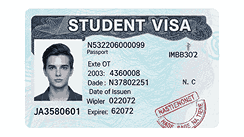
What Is A Student Visa?
A student visa is a legal authorization issued by a foreign country allowing international students to study within its borders for a specified period. Student visas serve as proof that the holder is enrolled in a recognized educational institution and meets immigration requirements, including financial stability, health insurance, and academic qualifications. Different countries have varying requirements, but generally, a student visa allows full-time study, access to campus resources, and sometimes limited work rights. Understanding what a student visa entails is essential for anyone planning to pursue education abroad because it directly affects legal status, duration of stay, and the ability to participate in academic programs without facing penalties or deportation.
Alternatives To Studying Abroad Without A Student Visa
In some cases, students can pursue study abroad programs without a formal student visa. Short-term study programs, online courses hosted by international universities, summer schools, language immersion courses, or exchange programs under tourist or visitor visas may allow students to engage in academic activities without obtaining a traditional student visa. However, the duration, type of coursework, and permitted activities are strictly regulated, and overstaying or violating visa rules can lead to fines or deportation. Many countries also offer educational travel options for cultural exchange or professional development, which can provide valuable international experience without the need for a full student visa.
Countries That Allow Study Without A Student Visa
Some countries permit short-term academic programs or non-degree studies on a tourist or visitor visa. For example, European Union countries, Canada, Australia, and New Zealand have specific exemptions for programs under three months, certain language courses, or cultural exchange programs. Each country has strict rules regarding duration, type of course, and work permissions. Students must verify these rules with official government immigration sites before enrolling. While this can be a convenient way to gain international exposure, it is crucial to avoid overstaying or engaging in activities not permitted under a tourist or visitor visa, as this can affect future visa applications and legal standing.
Risks Of Studying Abroad Without A Student Visa
Studying abroad without a student visa carries significant risks, including legal penalties, deportation, fines, or bans on returning to the host country. Universities may refuse enrollment or access to essential services for students without proper documentation. Insurance coverage and student benefits are often restricted, which could leave international students vulnerable in emergencies. Additionally, participation in work, internships, or on-campus programs without authorization can result in serious legal consequences. Understanding these risks is critical before deciding to pursue education without a student visa. Responsible planning, consulting embassy guidelines, and choosing authorized short-term programs help mitigate these potential problems.
Requirements For Short-Term Study Programs Without A Student Visa
Short-term study programs without a student visa typically have strict requirements. Students may need proof of enrollment, financial means to support their stay, travel insurance, and adherence to maximum allowed duration. Some countries require formal invitations from the institution or proof of accommodation. Language proficiency or academic prerequisites might still apply depending on the course. Additionally, students must comply with all local laws and avoid engaging in activities prohibited for non-visa holders, including working or studying beyond permitted hours. Being fully informed about requirements ensures that students can participate safely and legally in programs that do not require a traditional student visa.
Benefits Of Studying Abroad Without A Student Visa
Studying abroad without a student visa offers unique benefits for short-term learners. It provides exposure to new cultures, networking opportunities, and academic experiences without the lengthy paperwork and processing time associated with traditional visas. Short-term programs can be more flexible, allowing students to explore multiple countries, attend specialized workshops, or participate in summer schools. Financially, it can reduce costs linked to visa fees and long-term commitments. These programs can also enhance resumes and prepare students for future long-term international studies with full student visas. However, careful planning is necessary to ensure compliance with immigration regulations and to maximize the benefits of international education.
How To Apply For Short-Term Programs Without A Student Visa
Applying for short-term programs without a student visa involves researching programs eligible for tourist or visitor visas, contacting the host institution, and preparing required documents such as proof of funds, travel insurance, and enrollment confirmation. Students must submit applications before the program begins, ensuring that their stay aligns with the maximum permitted duration. Visa-free entry or visa-on-arrival rules for short-term study may vary by nationality. Checking with consulates or immigration offices ensures accurate compliance with regulations. Being proactive in preparation avoids legal complications, ensures smooth enrollment, and allows students to focus on academic experiences and cultural immersion without worrying about visa violations.
Conclusion
While a student visa is essential for long-term academic studies abroad, short-term programs, language courses, summer schools, and certain cultural exchange programs offer opportunities to study internationally without a traditional student visa. Understanding the legal framework, duration limits, and requirements of host countries is crucial to avoid risks and ensure compliance. Short-term study abroad experiences can be enriching, affordable, and flexible, offering exposure to international education while avoiding complex visa procedures. Careful planning, adherence to immigration regulations, and selecting programs authorized for non-visa holders maximize the benefits of studying abroad without compromising legal standing or safety.
Frequently Asked Questions
1. Can I Study Abroad Without A Student Visa?
Studying abroad without a student visa is possible in some cases, particularly for short-term programs, summer schools, language courses, and cultural exchanges that qualify for tourist or visitor visas. These options allow students to experience international education without the lengthy process of applying for a full student visa. However, students must adhere strictly to the duration limits and regulations set by the host country, as overstaying or engaging in unauthorized activities can lead to fines, deportation, or bans on future entry. Researching the specific rules for your country of destination, securing proper documentation, and confirming enrollment with the institution are essential steps to safely studying abroad without a student visa.
2. What Are The Risks Of Studying Abroad Without A Student Visa?
Studying abroad without a student visa carries risks including deportation, legal penalties, fines, restricted access to educational services, and complications in future visa applications. Universities may refuse enrollment or participation in campus programs for non-visa holders. Additionally, travel insurance and health coverage might not apply, leaving students exposed to emergencies. Engaging in unauthorized work or study activities can amplify legal consequences. Understanding these risks is crucial before considering non-visa programs. To mitigate them, students should strictly follow host country regulations, enroll in authorized short-term courses, maintain valid documentation, and consult immigration authorities to ensure compliance throughout their stay.
3. Which Countries Allow Study Without A Student Visa?
Several countries allow short-term study without a student visa, typically under tourist or visitor visa rules. European Union nations, Canada, Australia, New Zealand, and some Asian countries permit language courses, summer schools, or cultural exchange programs for periods generally under three months. Each country has specific limitations on the type of coursework, duration of stay, and work authorization. Students should verify the rules with official immigration websites or consulates before enrolling. While these options provide valuable international exposure, careful attention to legal compliance is essential to avoid penalties, deportation, or complications in future applications for long-term student visas.
4. What Types Of Programs Can I Join Without A Student Visa?
Programs eligible for study abroad without a student visa include short-term courses, language immersion programs, summer schools, professional workshops, and cultural exchange programs. These programs often last from a few days to several months, depending on the host country’s visa policies. Non-degree courses or non-full-time study options typically qualify for tourist or visitor visas. Students must ensure they meet program-specific requirements such as language proficiency, enrollment confirmation, and financial proof. While participation in these programs can provide educational and cultural benefits, engaging in activities beyond what is authorized under a visitor visa, including full-time study or employment, can lead to serious legal consequences.
5. Can I Work While Studying Abroad Without A Student Visa?
Generally, working while studying abroad without a student visa is prohibited. Tourist or visitor visas typically do not allow employment, internships, or paid work. Engaging in unauthorized work can result in fines, deportation, or future visa restrictions. Some countries may permit volunteer work or short-term unpaid internships under specific programs, but these exceptions are limited and require careful verification. Students should confirm regulations with immigration authorities or program coordinators before considering any work activities. Prioritizing legal compliance ensures a smooth educational experience, prevents legal complications, and maintains eligibility for future long-term study opportunities with official student visas.
6. How Long Can I Stay Abroad Without A Student Visa?
The length of stay without a student visa depends on the host country’s regulations for tourists or visitors. Typically, short-term programs under tourist visas range from a few weeks to three months, with some countries offering extensions under specific conditions. Exceeding the permitted duration can lead to legal penalties, fines, or deportation. Students should verify entry and stay limits with official government immigration websites or consulates before enrolling in any program. Planning the program within authorized limits, maintaining valid documentation, and respecting visa rules ensures compliance while providing a safe, enriching short-term international study experience.
7. Do I Need Insurance If I Study Abroad Without A Student Visa?
Yes, travel or health insurance is strongly recommended and sometimes required when studying abroad without a student visa. Tourist and visitor visas may mandate proof of insurance to cover medical emergencies, accidents, or repatriation. Even if not legally required, insurance ensures safety and financial protection during your stay abroad. Students should select comprehensive coverage that meets the host country’s regulations and covers health, travel delays, and emergency situations. Maintaining valid insurance demonstrates responsibility and preparedness, providing peace of mind while participating in short-term programs, summer courses, language immersion programs, or cultural exchanges without a formal student visa.
8. Can Online Courses Count As Studying Abroad Without A Student Visa?
Yes, online courses offered by foreign institutions allow students to study abroad without a student visa, as physical presence is not required. Online learning provides flexibility, access to international curricula, and academic exposure without legal complications tied to visas. Students can earn certifications, attend lectures, and participate in virtual workshops from their home country. While online courses do not provide cultural immersion or in-person networking, they offer a practical, risk-free way to experience international education. Combining online courses with short-term in-person programs under tourist visas can maximize both learning and global exposure while remaining fully compliant with visa regulations.
9. How Can I Verify If My Program Requires A Student Visa?
To verify if your program requires a student visa, consult official immigration websites, contact the host institution, and check program guidelines for international students. Institutions typically provide clear instructions on visa requirements based on program duration, type, and country-specific regulations. Confirm whether your enrollment falls under short-term exemptions, cultural exchange programs, or other visa-free categories. Additionally, contacting the local embassy or consulate ensures accurate, up-to-date information. Verifying these details in advance prevents legal issues, ensures compliance, and allows students to plan their stay effectively while participating in short-term international academic programs without obtaining a formal student visa.
10. Are Language Programs Considered Study Abroad Without A Student Visa?
Yes, many language programs qualify as study abroad without a student visa if they fall within short-term study limits set by the host country. These programs often last from a few weeks to a few months, allowing students to improve language skills while experiencing local culture. Participants typically enter on a tourist or visitor visa, avoiding the need for a full student visa. Compliance with duration restrictions, enrollment confirmation, and host country regulations is essential to prevent legal complications. Language programs provide educational, social, and cultural benefits, making them a practical choice for students seeking international experience without the formalities of long-term visa applications.
11. What Documents Are Needed To Study Abroad Without A Student Visa?
Students studying abroad without a student visa generally need proof of enrollment, travel documents, valid passport, proof of funds, and travel insurance. Some programs may require letters of invitation, accommodation confirmation, or evidence of return travel. Requirements vary depending on the country, program length, and type of study. Ensuring that all documentation meets host country regulations is essential to avoid complications at entry points or during the program. Proper preparation demonstrates compliance with immigration rules, facilitates smooth entry, and provides a secure framework for participating in short-term academic or cultural exchange programs without the need for a traditional student visa.
12. Can Cultural Exchange Programs Allow Study Without A Student Visa?
Yes, cultural exchange programs often allow participation without a student visa if the program is short-term and aligns with visitor visa regulations. These programs focus on cultural immersion, language learning, and social experiences rather than full-time academic study. Host countries typically permit stays under three months for such programs. Students must comply with duration limits, provide necessary documentation, and avoid unauthorized work or study activities. Cultural exchange programs offer an excellent opportunity to experience foreign education systems, traditions, and communities while gaining international exposure legally and safely, making them a popular alternative to formal student visa programs for short-term learners.
13. How Do Summer Schools Fit Into Studying Abroad Without A Student Visa?
Summer schools are ideal for studying abroad without a student visa because they are typically short-term, lasting a few weeks or months. Many countries allow participation under tourist or visitor visas, enabling students to gain international academic experience without a full student visa. Programs often focus on specialized topics, language learning, or cultural studies. Students must ensure their stay complies with legal duration limits, possess required documentation, and avoid unauthorized work. Summer schools provide academic enrichment, global exposure, and networking opportunities, making them a practical and accessible way to experience study abroad safely and legally without navigating the formalities of long-term student visa processes.
14. Is It Legal To Study Part-Time Abroad Without A Student Visa?
Part-time study abroad may be legal without a student visa if the program meets short-term or non-degree criteria recognized by the host country. Regulations depend on the country, program duration, and type of coursework. Many tourist or visitor visas permit limited academic participation as long as full-time study or work is not undertaken. Students must confirm eligibility with immigration authorities and the host institution. Following legal guidelines ensures compliance and avoids penalties. Part-time programs provide educational opportunities, cultural experiences, and networking without the complexity of full student visa applications, offering a flexible approach to studying abroad for individuals seeking brief international exposure.
15. What Are The Limitations Of Studying Abroad Without A Student Visa?
Studying abroad without a student visa comes with limitations, including restricted duration, limited access to university resources, inability to work, and lack of official student benefits such as insurance or campus services. Programs are typically short-term, non-degree, and cannot involve full-time academic commitments. Overstepping these limits can result in legal penalties, fines, or deportation. Students must strictly adhere to host country regulations and program guidelines. Despite these limitations, short-term programs, summer schools, language courses, and cultural exchanges offer valuable international exposure, practical experience, and skill development, allowing students to benefit from global education while remaining compliant with visa requirements.
16. Can I Extend My Stay If Studying Abroad Without A Student Visa?
Extending your stay while studying abroad without a student visa is often challenging and depends on the host country’s regulations. Tourist or visitor visas usually have fixed durations, and extensions may require proof of financial means, accommodation, or program enrollment. Overstaying without authorization can lead to fines, deportation, and difficulties obtaining future visas. Some countries may permit formal extensions for short-term courses, but students must consult immigration offices in advance. Planning programs within legal limits and understanding extension options ensures compliance and safety. Adhering to regulations prevents legal complications while allowing students to enjoy short-term study abroad experiences without a student visa.
17. Are Exchange Programs Different From Traditional Study Abroad Without A Student Visa?
Yes, exchange programs often differ from traditional study abroad because they may allow participation under tourist or visitor visas for limited durations. These programs focus on cultural immersion, language acquisition, or academic collaboration without requiring a full student visa. Traditional study abroad typically involves degree-seeking enrollment, full-time coursework, and long-term visas. Exchange programs emphasize short-term exposure, non-degree courses, and international networking. Students must comply with host country regulations, provide necessary documentation, and avoid unauthorized work. Exchange programs offer a legal, structured, and enriching alternative to traditional study abroad for students seeking global experience without the complexities of a student visa.
18. How Can I Find Programs That Do Not Require A Student Visa?
Finding programs that do not require a student visa involves researching short-term courses, summer schools, language programs, and cultural exchanges offered in your destination country. Official government immigration websites, host university websites, program directories, and consulates provide reliable information on visa exemptions and eligibility. Networking with previous participants or educational consultants can also help identify opportunities. Ensure that program duration, type, and activities comply with visa-free regulations. By verifying details, preparing required documentation, and confirming eligibility, students can safely participate in international programs, gaining academic, cultural, and professional experiences abroad without the need for a formal student visa.
19. What Should I Consider Before Studying Abroad Without A Student Visa?
Before studying abroad without a student visa, consider program duration, legal requirements, documentation, insurance, and host country regulations. Understand restrictions on work, academic participation, and access to university resources. Verify eligibility with immigration authorities and the host institution. Assess personal safety, financial capacity, and support systems during your stay. Consider cultural adaptation, language barriers, and the quality of the educational experience. Careful planning minimizes risks, ensures compliance, and maximizes the benefits of short-term study abroad, providing meaningful international exposure, skill development, and cultural insights while avoiding legal complications or penalties associated with studying without a student visa.
20. Can Short-Term Programs Benefit My Career Without A Student Visa?
Yes, short-term programs can significantly benefit your career even without a student visa. They provide international exposure, language skills, cultural understanding, networking opportunities, and practical knowledge relevant to global work environments. Employers often value candidates with international experience, problem-solving skills, and adaptability gained from short-term study programs. Summer schools, language immersion courses, and cultural exchanges allow students to enhance resumes, acquire certifications, and develop cross-cultural competencies. While these programs do not require a student visa, compliance with host country regulations ensures a safe, legal, and enriching experience that can strengthen academic credentials and career prospects in increasingly competitive global job markets.
FURTHER READING
- Can I Switch From A Student Visa To A Tourist Visa?
- What Are The Chances Of Getting A Student Visa Approved?
- Can I Work After My Student Visa Expires?
- What Happens If My Student Visa Application Is Pending?
- What Are The Reasons For A Student Visa Revocation?
- Can I Travel During My Student Visa Application Process?
- Can I Apply For A Student Visa Without TOEFL
- Can A Student Visa Holder Start A Business?
- Can I Transfer My Student Visa To Another Program?
- What Is The Easiest Way To Get A Student Visa?
- Can A Student Visa Be Revoked? | Consequences Of Student Visa Revocation Explained
- Can I Work As A Freelancer On A Student Visa?