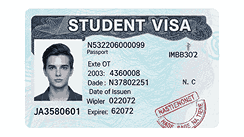
What Is A Student Visa?
A student visa is an official document issued by a country’s immigration authorities that allows a foreign national to study at an accredited educational institution within that country. Student visas are crucial for international students because they legally authorize entry, stay, and enrollment in academic programs such as universities, colleges, or vocational schools. Obtaining a student visa typically requires proof of admission to a recognized institution, financial stability, and adherence to immigration regulations. Many countries also have specific requirements such as language proficiency tests, health insurance, and in some cases, medical examinations. Understanding the rules for a student visa ensures a smooth application process and avoids potential legal or administrative complications.
Why Student Visas Are Important
Student visas are essential because they distinguish temporary academic residents from other types of travelers. They provide legal protection, access to educational opportunities, and sometimes limited work rights while studying. Having a valid student visa ensures compliance with immigration laws, preventing fines, deportation, or future travel restrictions. Furthermore, student visas often come with additional benefits such as healthcare access, cultural integration programs, and post-study work permits in some countries. Students must carefully follow visa conditions, including duration of stay, enrollment requirements, and reporting obligations, to maintain their legal status and successfully complete their education abroad.
Student Visa Requirements
Obtaining a student visa usually involves multiple requirements set by the host country. These commonly include proof of acceptance from an accredited school, sufficient financial resources to cover tuition and living expenses, a valid passport, and in many cases, language proficiency certificates such as TOEFL or IELTS. Additionally, students may be required to submit a personal statement, academic transcripts, and letters of recommendation. Some countries also mandate background checks or police clearance certificates. Each nation may have unique regulations, making it crucial for applicants to review official government guidelines thoroughly before submitting their applications. Proper documentation ensures faster processing and reduces the likelihood of visa denial.
Understanding Medical Exams For Student Visas
A medical exam for a student visa is a health assessment required by certain countries to ensure applicants are free from contagious diseases or serious health conditions. These exams often include a physical examination, blood tests, chest X-rays, and vaccinations verification. The purpose is to protect public health and confirm that the student can safely live and study abroad without requiring extensive medical care. Not all countries require a medical exam; some only mandate it based on the student’s home country, duration of stay, or program type. Knowing whether a medical exam is necessary prevents delays in visa approval and ensures full compliance with immigration health regulations.
When Is A Medical Exam Required
Medical exams are typically required if a student plans to study for an extended period, is from a country with known health risks, or intends to pursue programs involving healthcare, teaching, or other public service roles. Host countries may have a list of designated panel physicians authorized to conduct these exams, and students must attend one of these approved medical facilities. Exams usually check for tuberculosis, HIV, hepatitis, and other communicable diseases. Failing to complete a mandatory medical exam can result in visa denial, delayed processing, or restrictions upon arrival. Therefore, early planning is essential to meet these health-related obligations.
How To Prepare For A Student Visa Medical Exam
Preparation for a student visa medical exam includes gathering medical records, immunization histories, and any prescriptions. Students should schedule appointments with approved panel physicians well in advance, as processing times may vary. During the exam, it is important to provide honest information about medical history, previous illnesses, or surgeries. Some exams require fasting or specific laboratory tests, so following physician instructions is crucial. Additionally, applicants may need to carry identification, visa application forms, and payment for the medical examination. Proper preparation ensures accurate results, reduces the likelihood of additional testing, and helps maintain a smooth visa application process.
Common Health Requirements For Student Visas
Health requirements for student visas vary by country but generally include vaccination records, proof of general health, and absence of communicable diseases. Many countries require students to demonstrate immunity against diseases such as measles, mumps, rubella, polio, and influenza. Some host nations also require mental health evaluations or assessments of chronic conditions. Compliance with these health standards protects both the student and the broader community. Students failing to meet these requirements may be asked to undergo additional testing or treatment before being granted a visa. Staying informed about specific health regulations helps avoid visa delays and ensures a safe transition to studying abroad.
What Happens If You Skip The Medical Exam
Skipping a required medical exam can lead to serious consequences, including visa denial, delayed approval, or revocation of the visa after arrival. Immigration authorities may also impose fines or restrictions on future travel applications. Even if a student initially enters the country, failure to meet medical requirements can result in mandatory quarantine, deportation, or exclusion from enrollment at educational institutions. Therefore, it is critical to verify whether a medical exam is needed and complete it in compliance with the host country’s regulations. Timely medical clearance demonstrates preparedness, reliability, and respect for legal obligations, which are all key to a successful student visa application.
Tips For Smooth Student Visa Approval
To ensure a smooth student visa approval process, applicants should verify all documentation requirements, including medical exams if applicable. Submitting accurate financial proof, academic records, and admission letters can prevent delays. Engaging with the designated embassy or consulate for guidance ensures clarity on medical, legal, and procedural obligations. Students should also maintain organized records of immunizations and prior medical treatments, as panel physicians may request these during exams. Staying proactive, attentive to deadlines, and fully compliant with all requirements increases the likelihood of swift approval, reduces stress, and enables students to focus on preparing for their academic journey abroad.
Conclusion
Medical exams for student visas play a crucial role in ensuring public health and verifying that students are medically fit for international study. While not all countries require them, understanding when and why a medical exam is necessary is essential for a successful visa application. Proper preparation, adherence to guidelines, and timely submission of medical documentation can prevent delays and complications. By following all visa requirements, including health-related obligations, students can enjoy a smooth transition to studying abroad, comply with legal regulations, and focus fully on their academic and personal growth during their international educational experience.
Frequently Asked Questions
1. Do I Need A Medical Exam For A Student Visa?
Whether a medical exam is required for a student visa depends on the host country, the student’s home country, and the length of stay. Some countries mandate medical exams for all long-term student visa applicants, while others require it only for students coming from regions with certain health risks. The medical exam usually includes a physical examination, blood tests, chest X-rays, and vaccination verification. Completing the medical exam on time is crucial because failing to do so can result in visa denial, delays, or restrictions upon entry. Checking official government guidelines early ensures that students meet all health-related requirements for a smooth visa application process.
2. Which Countries Require A Medical Exam For Student Visas?
Several countries require medical exams for student visa applicants, including the United States, Canada, Australia, and the United Kingdom. The specific requirements can vary depending on the student’s home country, the intended length of stay, and the type of program being pursued. For instance, the United States mandates medical exams conducted by authorized panel physicians, while Canada may require exams for stays longer than six months. It is essential to review the immigration website of the host country to determine whether a medical examination is necessary and to understand the exact tests and documentation needed. Early compliance prevents visa processing delays.
3. What Does A Student Visa Medical Exam Include?
A student visa medical exam typically includes a physical examination, review of medical history, blood tests, urine tests, chest X-rays, and assessment of immunization records. Some countries may also screen for tuberculosis, HIV, and other communicable diseases. The panel physician may inquire about previous illnesses, surgeries, or chronic conditions. For students in healthcare or teaching programs, additional tests may be required to ensure safety for patients and students. Proper preparation, such as bringing vaccination records and medical documentation, ensures that the exam is completed efficiently and reduces the risk of delays in obtaining the student visa.
4. How Long Does A Student Visa Medical Exam Take?
The duration of a student visa medical exam varies depending on the country, the complexity of required tests, and the efficiency of the designated medical facility. Generally, the physical examination and paperwork can be completed within a few hours, but laboratory tests and X-ray results may take several days to process. It is important to schedule the exam well in advance of the visa application submission to allow sufficient time for processing and documentation. Early scheduling ensures compliance with immigration deadlines, prevents delays in visa approval, and allows students to focus on preparing for their studies abroad without unnecessary stress.
5. How Much Does A Student Visa Medical Exam Cost?
The cost of a student visa medical exam varies by country and medical facility, typically ranging from $100 to $500 USD depending on required tests and procedures. Additional fees may apply for vaccinations, lab tests, or X-rays not included in the standard examination package. Payment is usually made directly to the approved panel physician at the time of the exam. Understanding the cost ahead of time helps students budget for their visa application expenses and ensures that financial preparation aligns with all other requirements for international study, avoiding delays or complications due to incomplete payments.
6. Can I Use My Local Doctor For The Medical Exam?
Most countries require the medical exam to be conducted by an authorized panel physician approved by the host country’s immigration authorities. Using a local or personal doctor who is not on the approved list may result in the exam being invalid, potentially delaying or denying the visa application. It is essential to consult the official immigration website to identify designated physicians authorized to conduct student visa medical exams. Scheduling an appointment with a recognized panel doctor ensures compliance with immigration regulations and guarantees that all medical documentation will be accepted during the visa application process.
7. What Happens If I Fail The Medical Exam?
Failing a student visa medical exam can lead to delays in visa approval, visa denial, or additional medical requirements. Some conditions may require treatment or further testing before the visa is granted. In certain cases, minor health issues may not prevent approval but may require documentation or monitoring. It is critical to address health concerns promptly and provide accurate medical history during the examination. Consulting with the designated panel physician about any pre-existing conditions helps clarify requirements and ensures that students can meet the health standards set by immigration authorities, avoiding unexpected obstacles in the application process.
8. Do All Student Visa Applicants Need Vaccinations?
Vaccination requirements vary depending on the host country and the student’s age or health history. Commonly required vaccines include measles, mumps, rubella, polio, hepatitis B, and influenza. Some countries may require proof of additional vaccines based on local public health standards or outbreak concerns. Providing accurate and complete vaccination records during the medical exam is essential for visa approval. Failure to meet vaccination requirements may result in delays, additional tests, or even denial of the student visa. Early preparation ensures compliance with health regulations and smooth entry into the host country for academic studies.
9. Is The Medical Exam Mandatory For Short-Term Study Programs?
Short-term study programs may not always require a medical exam, depending on the country and program length. Programs lasting less than six months often have reduced health documentation requirements, although proof of vaccinations or a basic health assessment may still be requested. Students planning short-term study abroad should verify specific regulations with the host country’s immigration office to determine whether a medical exam is necessary. Confirming these requirements ahead of time helps prevent unnecessary appointments and ensures compliance with all health and visa regulations, facilitating a smooth study experience abroad.
10. Can I Schedule The Medical Exam Online?
In many countries, students can schedule their medical exam appointments online with designated panel physicians. Online scheduling systems often allow applicants to choose convenient dates, complete preliminary paperwork, and receive instructions on required documentation. Scheduling online helps ensure timely completion of the exam before submitting the visa application. It is essential to use only authorized medical facilities listed on the host country’s immigration website. Early online scheduling reduces delays, provides flexibility for students’ travel plans, and ensures compliance with medical examination requirements for a smooth visa approval process.
11. How Often Do I Need A Medical Exam For Student Visas?
Generally, a student visa medical exam is required only once per visa application. However, if the visa is extended, renewed, or the student changes programs or countries, additional medical exams may be necessary. Some countries may require updated exams for long-term stays exceeding a certain number of years or if health conditions change significantly. It is essential to check official immigration guidelines to understand when new medical examinations are needed. Staying informed about timing requirements prevents delays, ensures continued compliance with health regulations, and avoids unexpected obstacles during the visa process or subsequent renewals.
12. Are Mental Health Evaluations Part Of The Exam?
Mental health evaluations may be part of the medical exam in some countries, particularly for students entering programs involving healthcare, education, or public safety. The evaluation typically assesses whether the applicant can function independently and safely in academic and social environments. Not all student visa applicants are required to undergo mental health assessments, but those with known conditions may be asked to provide documentation or treatment plans. Understanding the host country’s regulations helps students prepare and submit accurate information. Mental health screenings contribute to overall safety, academic success, and compliance with immigration policies.
13. What Documents Should I Bring To The Exam?
Students should bring a valid passport, visa application forms, admission letter from their educational institution, immunization records, medical history documents, and any prescriptions or ongoing treatment records. Some countries may require prior lab test results or X-rays. Bringing all required documents ensures the panel physician can complete the medical examination accurately and issue the necessary certification for visa submission. Being organized and thorough prevents delays or requests for additional documentation, facilitating a smooth visa application process and avoiding unnecessary complications during preparation for studying abroad.
14. Can Health Conditions Affect Visa Approval?
Yes, certain health conditions can affect student visa approval, particularly if they pose a risk to public health or require extensive medical care. Conditions such as tuberculosis, HIV, or other communicable diseases may require treatment or clearance before approval. Chronic illnesses may not prevent approval but might require monitoring or documentation. Immigration authorities evaluate whether the applicant can live independently and safely in the host country. Transparency and proactive management of health conditions help ensure compliance with regulations, prevent visa denial, and provide a clear record of medical fitness for academic and residential life abroad.
15. Are Children Required To Undergo The Same Medical Exam?
Children applying for student visas may be subject to the same medical exam requirements as adults, depending on the country. Vaccination verification is often more strictly enforced for minors, and some laboratory tests may be waived. Children’s medical exams focus on ensuring they are free from communicable diseases, properly immunized, and capable of safely studying abroad. Parents or guardians should review specific immigration guidelines to ensure compliance. Proper documentation, scheduling, and preparation help children meet health requirements efficiently, allowing them to begin their academic programs on time and without unnecessary delays in visa processing.
16. How Do I Find Approved Panel Physicians?
Approved panel physicians are usually listed on the host country’s immigration or embassy website. Students should only use these designated doctors to ensure that their medical examination is accepted for visa processing. The list typically includes clinic addresses, contact information, and scheduling instructions. Using unapproved physicians may invalidate the exam and delay visa approval. It is important to verify the credentials of the physician, book appointments early, and confirm the tests required for the student’s specific program. Accessing official resources ensures compliance, avoids unnecessary costs, and facilitates timely completion of the medical exam.
17. Can I Travel Before Completing The Medical Exam?
Traveling before completing a required student visa medical exam is generally not advisable. Immigration authorities may deny entry, delay visa approval, or request that the applicant return for testing upon arrival. Completing the exam before travel ensures all health requirements are met, reduces the risk of complications at the border, and allows a smooth transition into the host country. Early compliance demonstrates preparedness and commitment to following immigration regulations. Students should coordinate exam scheduling with their travel plans to avoid delays and ensure that they meet all medical and documentation requirements before departure.
18. What If I Have Already Had A Medical Exam Recently?
If a student has recently completed a medical exam, some countries may accept the results if the exam was conducted by an approved panel physician and within a specified timeframe, usually six to twelve months. However, students must verify this with the host country’s immigration authorities, as additional tests may still be required. Bringing complete documentation of previous exams, lab tests, and vaccination records can help determine whether the prior medical assessment meets current requirements. Confirming eligibility in advance prevents unnecessary repetition of tests and facilitates a faster, smoother student visa application process.
19. Are Online Consultations Accepted For The Medical Exam?
Online consultations are generally not accepted for student visa medical exams because immigration authorities require physical examinations and specific laboratory tests. In-person assessments conducted by approved panel physicians ensure accurate results and compliance with health regulations. Virtual consultations may be used for pre-screening or guidance but cannot replace mandatory examinations. Students should schedule appointments with designated doctors to fulfill all legal and health requirements. Adhering to in-person medical exam regulations guarantees that visa applications meet official standards and avoids delays or complications associated with non-compliant assessments.
20. How Can I Ensure My Medical Exam Is Accepted By Immigration?
To ensure a student visa medical exam is accepted, applicants must visit an approved panel physician, bring all required documentation, complete necessary tests, and follow physician instructions carefully. The exam should be conducted according to the host country’s guidelines, including vaccinations, lab tests, and X-rays. Submitting the official medical report along with the visa application ensures compliance with immigration regulations. Early preparation, attention to detail, and following official instructions help prevent delays, reduce the likelihood of visa denial, and demonstrate readiness for academic study abroad, ultimately supporting a smooth transition to international education.
FURTHER READING
- How Much Bank Balance Is Required For A Student Visa?
- Can I Apply For A Student Visa Without Admission?
- Can I Do An Internship On A Student Visa?
- What Is The Success Rate Of Student Visa Applications?
- How To Apply For A Student Visa Online: A Step-By-Step Guide To Online Student Visa Application
- What Are The Benefits Of A Student Visa?
- Can A Student Visa Be Converted To A Tourist Visa?
- What Is The Age Limit For A Student Visa?
- Can I Get A Loan For A Student Visa Application?
- How Do I Know If My Student Visa Is Approved?
- Can I Reapply If My Student Visa Is Denied?
- What Happens If My Student Visa Application Is Rejected?