
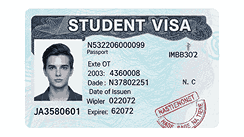
What Is A Student Visa?
A student visa is an official document issued by a country that allows foreign nationals to study at accredited educational institutions within its borders for a specified period. Obtaining a student visa often requires meeting multiple eligibility criteria, including proof of enrollment at a recognized institution, financial stability, and sometimes language proficiency. Student visas are designed to ensure that international students can cover tuition fees, living expenses, and other costs while pursuing their education abroad. Immigration authorities carefully evaluate the applicant’s financial capacity, as they need to confirm that the student will not become a public burden or face financial hardships during their stay.

Understanding Bank Balance Requirements For A Student Visa
The bank balance required for a student visa is a critical aspect of the application process. Immigration authorities in most countries require proof that the applicant has sufficient funds to cover tuition fees, living costs, accommodation, insurance, and other personal expenses. The required amount varies depending on the destination country, the type of program, the duration of the study, and the city where the student will live. Typically, applicants must provide recent bank statements or fixed deposits demonstrating a minimum balance equivalent to one year’s tuition plus living expenses. This ensures financial security and compliance with visa regulations.
Factors Determining The Required Bank Balance

Several factors influence the minimum bank balance required for a student visa. Tuition fees differ across institutions, courses, and countries. Similarly, the cost of living varies significantly between cities and regions. Additional costs, such as health insurance, travel, books, and study materials, must also be considered. Immigration authorities may also account for dependents accompanying the student. The applicant’s age and academic level might influence the financial documentation needed. Some countries require bank balances in the form of savings, fixed deposits, or parental sponsorship letters, while others allow student loans or scholarship proofs. Careful planning is essential to ensure the submitted balance meets the minimum eligibility requirements.
Documentation Required To Prove Financial Stability
Applicants must provide specific financial documents to satisfy visa authorities. Commonly required documents include bank statements for the past three to six months, fixed deposit certificates, sponsorship letters, scholarship award letters, and affidavits of support from parents or guardians. Proof of income, such as salary slips, tax returns, or property ownership, may also be requested. These documents must demonstrate that the student has access to sufficient funds for tuition, living expenses, and unforeseen emergencies. It is essential that all financial records are authentic, current, and verifiable, as visa officers scrutinize discrepancies or insufficiencies which can lead to rejection.
Minimum Bank Balance Requirements By Country
The minimum bank balance requirement varies depending on the country of study. For instance, the United States usually requires proof of funds covering tuition plus at least one year of living expenses, often amounting to $20,000–$30,000 for many universities. The United Kingdom requires a minimum of £1,334 per month for living expenses outside London or £1,023 in London, plus tuition fees. Canada typically asks for CAD 10,000–15,000 per year, while Australia requires around AUD 21,000 for living expenses, in addition to tuition fees. Prospective students must research the latest country-specific financial requirements before submitting their visa applications.
Tips To Meet Bank Balance Requirements
To meet bank balance requirements efficiently, students should consider opening a dedicated savings or fixed deposit account well in advance. Ensuring that funds are maintained for at least three to six months before application is essential, as visa authorities often check account history. Scholarships, student loans, and financial sponsorships can supplement personal funds but must be documented correctly. Consulting with educational agents or university international offices can help clarify acceptable formats and documentation. Students should avoid last-minute large deposits, as sudden inflows may be flagged as suspicious or non-genuine. Planning ahead ensures smooth verification and increases the likelihood of visa approval.
Common Mistakes To Avoid
Many students fail to meet financial criteria due to incomplete or inaccurate documentation. Common mistakes include providing outdated bank statements, showing insufficient account balances, failing to include all tuition and living expenses, or submitting unverifiable financial proofs. Another frequent error is underestimating currency conversion differences or not accounting for inflation-related costs. Over-reliance on informal sponsorships without proper documentation can also lead to visa rejection. To avoid these pitfalls, students should carefully read visa guidelines, maintain consistent account balances, and provide authentic financial proof. Transparency and accuracy significantly improve the chances of a successful student visa application.
Conclusion
Meeting the bank balance requirement for a student visa is a crucial step in securing international education. The exact amount varies based on country, institution, course, and living costs, but providing authentic, verifiable financial proof is universally mandatory. Proper planning, early preparation, and understanding country-specific regulations can make the visa process smoother and reduce the risk of delays or rejection. Students should explore scholarships, financial sponsorships, and legitimate savings strategies to ensure they meet the financial requirements confidently. Ultimately, demonstrating financial stability assures immigration authorities that the student is prepared for a successful academic journey abroad.
Frequently Asked Questions
1. How Much Bank Balance Is Required For A Student Visa?
The bank balance required for a student visa typically depends on the country of study, the tuition fees of the chosen institution, and living costs in that region. Most countries require proof of sufficient funds to cover at least one year of tuition plus living expenses. For example, the United States usually asks for $20,000–$30,000, while the United Kingdom requires approximately £1,334 per month outside London or £1,023 in London. Canada and Australia require CAD 10,000–15,000 and AUD 21,000 respectively, in addition to tuition. Immigration authorities may also accept fixed deposits, scholarships, or financial sponsorship letters. It is crucial that the bank balance is stable and verifiable for a period before application, typically three to six months.
2. Can A Student Visa Be Approved Without Meeting Bank Balance Requirements?
No, meeting the financial requirement is essential for student visa approval. Visa authorities verify that applicants can afford tuition, living costs, and other expenses. Failure to provide adequate proof can lead to rejection, even if the student meets other criteria such as admission letters or language proficiency. Authorities may require bank statements, fixed deposits, scholarships, or parental sponsorship documents to demonstrate financial stability. Some countries may allow student loans or partial funding through scholarships, but these must be documented clearly. Consistently maintaining sufficient funds over several months prior to application increases credibility and improves the likelihood of approval.
3. How Long Should The Bank Balance Be Maintained Before Applying?
Most countries require applicants to maintain a consistent bank balance for at least three to six months before submitting a student visa application. Sudden large deposits are often considered suspicious and may not be accepted as genuine proof of financial stability. Maintaining funds over time demonstrates the applicant’s ability to support themselves throughout their studies. Additionally, authorities may verify account history to ensure the balance is genuine and not artificially inflated. Planning financial arrangements in advance and ensuring all deposits and withdrawals are transparent reduces the risk of rejection. Early preparation allows time for any additional funds or documents to be arranged if required.
4. Can Scholarships Replace Bank Balance Requirements?
Yes, scholarships can replace part or all of the required bank balance, depending on the country and visa regulations. Fully-funded scholarships usually cover tuition and sometimes living expenses, significantly reducing the financial burden on students. Partial scholarships may need to be supplemented with personal funds or parental sponsorships. Scholarship letters must be official, specifying the amount covered and the duration of funding, and submitted along with the visa application. Immigration authorities carefully review scholarship documentation to ensure that financial coverage is reliable and sufficient. Combining scholarships with verified personal savings often strengthens the visa application.
5. Are Student Loans Accepted For Bank Balance Proof?
Yes, student loans are generally accepted as proof of financial capacity if they are officially sanctioned and verifiable. Loan sanction letters should indicate the amount approved, disbursal schedule, and the lending institution. Authorities may require confirmation that funds are readily accessible for tuition and living expenses. Using a student loan can help applicants meet the minimum balance requirement without maintaining large personal savings. However, the credibility and documentation of the loan are crucial. Providing incomplete or unofficial loan statements may lead to rejection. Loans combined with scholarships or partial personal funds can also meet financial criteria effectively.
6. Does The Type Of Bank Account Matter?
Yes, the type of bank account can influence the acceptance of funds as proof for a student visa. Savings accounts, fixed deposits, and term deposits are usually preferred because they demonstrate stability and accessibility. Current accounts may be acceptable but may require additional verification, as frequent transactions could be seen as unreliable for sustaining living expenses. Some countries have specific guidelines about the account type, minimum balance, and duration of maintenance. Choosing an account type that aligns with visa requirements and ensuring consistent balances over several months improves credibility. It is advisable to consult official guidelines or educational advisors before submission.
7. How Are Currency Conversion Rates Considered?
Currency conversion rates play a significant role in determining whether the bank balance meets visa requirements. Immigration authorities convert the applicant’s funds into local currency to verify sufficiency for tuition and living expenses. Fluctuating exchange rates may affect the minimum balance needed, so students should maintain slightly higher funds than the calculated requirement to avoid shortfalls. Bank statements should clearly show the original currency, and applicants may include official conversion proofs if necessary. Planning for currency variations ensures that even after conversion, the balance meets or exceeds the minimum financial requirement for the student visa.
8. Can Parents’ Bank Accounts Be Used?
Yes, parents’ or guardians’ bank accounts can be used to demonstrate financial stability, provided proper documentation is submitted. This includes an affidavit of support, proof of relationship, and recent bank statements showing sufficient funds. Visa authorities must be assured that the student can access these funds when needed. Some countries may also require income proof, tax returns, or employment details of the sponsor. Using parents’ accounts is a common practice, but transparency and verifiability are essential. Combining parental sponsorship with personal funds often strengthens the application and ensures that all tuition, living, and emergency costs are adequately covered.
9. Are Fixed Deposits Preferred Over Savings Accounts?
Fixed deposits are often preferred because they provide stable proof of financial capacity over a specified period. Savings accounts may show fluctuating balances, which can be scrutinized by visa authorities. Fixed deposits demonstrate that the student has access to a guaranteed amount of money, reducing doubts about fund availability. Many countries require the deposit to be held for at least three to six months before the visa application. Fixed deposits can also be combined with other sources of funds, such as scholarships, loans, or parental sponsorship, to meet the overall financial requirement. Early planning ensures compliance and increases approval chances.
10. Do Living Costs Affect Bank Balance Requirements?
Absolutely. Living costs are a major factor in calculating the required bank balance for a student visa. Authorities consider accommodation, food, transportation, health insurance, books, and personal expenses when determining financial sufficiency. Cities with higher costs, such as London, New York, or Sydney, require significantly higher balances compared to smaller cities or towns. Visa guidelines usually provide estimated living costs for students, which must be included in the proof of funds. Ignoring these costs or underestimating them may lead to rejection. Accurate budgeting, considering both tuition and living expenses, is essential for successful visa approval.
11. Can Partial Payments Of Tuition Fees Reduce Required Bank Balance?
Yes, paying a portion of tuition fees in advance can reduce the remaining bank balance required. Many institutions issue official receipts or fee payment confirmation letters, which can be submitted to visa authorities as proof of financial commitment. The remaining balance must still be sufficient to cover living costs and any remaining tuition fees. Partial payments demonstrate proactive financial planning and may ease visa scrutiny. However, applicants should ensure that the sum already paid is recognized officially and meets the minimum requirements set by the immigration authorities. Documentation of all payments is essential to avoid delays or rejection.
12. How Important Is Proof Of Financial Stability?
Proof of financial stability is critical for obtaining a student visa. Immigration authorities must be confident that students can sustain themselves throughout their academic program without relying on public funds. Authentic bank statements, fixed deposits, sponsorship letters, scholarships, or loans all serve to demonstrate financial capability. Insufficient or unverifiable proof often leads to visa rejection. Maintaining consistent funds, providing accurate documentation, and planning for tuition, living, and emergency costs ensures credibility. Strong financial proof not only satisfies visa requirements but also instills confidence in authorities that the student is prepared for overseas education.
13. Are Short-Term Deposits Accepted?
Short-term deposits may be accepted in some countries if they are easily accessible and clearly documented. However, authorities usually prefer funds maintained for a longer period to ensure stability. Sudden deposits or very short-term funds may be questioned for authenticity. It is advisable to use deposits held for at least three to six months before the application to meet credibility standards. Combining short-term deposits with other sources, such as personal savings or scholarships, can strengthen the financial documentation. Ensuring transparency and verifiability of all funds improves the likelihood of visa approval and reduces potential delays.
14. How To Show Accessibility Of Funds?
Accessibility of funds is demonstrated by providing bank statements, fixed deposit withdrawal letters, loan sanction letters, or sponsorship documentation. The student or sponsor must show that funds can be withdrawn or transferred to cover tuition and living expenses when needed. Some countries may request notarized affidavits confirming access. Authorities scrutinize documentation to ensure that funds are not blocked or restricted. Properly showing accessibility reassures immigration officers that the applicant can manage their finances independently while studying abroad. Clear, authentic, and verifiable documentation is essential for satisfying this requirement and avoiding potential visa complications.
15. Does Age Or Course Type Influence Bank Balance Requirement?
Yes, age and course type may influence financial requirements. Undergraduate students may need higher living expense proofs if they are younger and less financially experienced, whereas postgraduate students might have lower living costs if they have partial scholarships or assistantships. Specialized programs such as medicine, engineering, or MBA may have higher tuition fees, requiring larger bank balances. Authorities consider these factors when evaluating financial proofs. Careful planning based on course duration, type, and personal circumstances ensures compliance. Consulting official visa guidelines or university international offices helps determine the precise financial requirement for each individual case.
16. Can Part-Time Work Offset Bank Balance Requirements?
Part-time work may supplement financial needs but is rarely accepted as a primary proof of sufficient funds. Immigration authorities often require verified savings or scholarships at the time of application. Part-time employment is usually allowed after enrollment and may help cover ongoing expenses, but it does not replace the initial bank balance requirement. Relying solely on potential income from part-time work can jeopardize visa approval. Students should focus on demonstrating stable financial resources upfront and use part-time employment as additional support during their studies. Clear documentation and adherence to visa rules are essential for compliance.
17. Are Property Documents Considered For Financial Proof?
Yes, some countries accept property ownership documents as part of financial proof. Applicants must provide official property deeds, valuation certificates, and proof of ownership. Authorities may calculate a portion of property value to estimate financial stability. However, property alone is usually not sufficient; liquid funds in bank accounts are typically required to demonstrate immediate access to money for tuition and living costs. Combining property with bank balances, scholarships, or loans strengthens the financial documentation. Properly documenting and verifying property ownership is critical to avoid rejection due to insufficient or unconvincing proof of funds.
18. How To Handle Sudden Large Deposits In Bank Account?
Sudden large deposits before visa application can raise suspicion. Authorities may question the source of funds, delaying the process or leading to rejection. It is advisable to maintain consistent balances over three to six months rather than making last-minute deposits. If a large deposit occurs, proper documentation showing its origin, such as gift letters, loan approval, or salary, must be provided. Transparency and verifiability are essential. Maintaining steady balances over time demonstrates financial stability and reliability, ensuring a smoother visa approval process and compliance with immigration financial requirements.
19. Can Insurance Coverage Reduce Required Bank Balance?
Yes, in some countries, proof of prepaid health or student insurance can slightly reduce the bank balance requirement by offsetting expected medical expenses. Authorities may require official insurance documentation specifying coverage amount, duration, and validity. While insurance does not replace tuition or living cost requirements, it demonstrates preparedness for unforeseen medical emergencies, which may be factored into overall financial adequacy. Combining verified insurance with stable bank balances, scholarships, or loans ensures compliance with financial requirements. Accurate documentation of insurance coverage strengthens the visa application and reduces scrutiny over potential health-related financial risks.
20. What Are The Consequences Of Insufficient Bank Balance?
Providing an insufficient bank balance or unverifiable financial proof can lead to immediate visa rejection. Even if the applicant meets all other criteria, immigration authorities prioritize financial stability to ensure students can sustain themselves. Insufficient funds may also trigger additional document requests, delays, or denials. In some cases, applicants may be asked to reapply after arranging adequate finances. Maintaining sufficient funds, authentic documentation, and transparency is critical. Proper planning and early financial preparation significantly reduce the risk of rejection and demonstrate reliability, increasing the likelihood of a successful student visa approval.
FURTHER READING
- Can I Apply For A Student Visa Without Admission?
- Can I Do An Internship On A Student Visa?
- What Is The Success Rate Of Student Visa Applications?
- How To Apply For A Student Visa Online: A Step-By-Step Guide To Online Student Visa Application
- What Are The Benefits Of A Student Visa?
- Can A Student Visa Be Converted To A Tourist Visa?
- What Is The Age Limit For A Student Visa?
- Can I Get A Loan For A Student Visa Application?
- How Do I Know If My Student Visa Is Approved?
- Can I Reapply If My Student Visa Is Denied?
- What Happens If My Student Visa Application Is Rejected?