Posted on Leave a comment

Can I Apply For A Student Visa Without IELTS?

What Is A Student Visa?

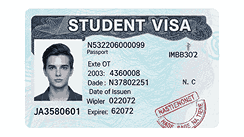
A student visa is an official document issued by a country that allows international students to study at accredited educational institutions for a specified period. This visa ensures that students can legally reside in the host country while pursuing their academic programs, including undergraduate, postgraduate, diploma, or language courses. Typically, student visas require proof of admission, financial stability, health insurance, and sometimes language proficiency, such as IELTS or TOEFL scores. However, requirements vary depending on the destination country, type of institution, and program level. Student visas are essential for complying with immigration laws, accessing student benefits, and sometimes working part-time during studies.

Understanding Student Visa Requirements Without IELTS

Some countries and institutions allow applicants to apply for a student visa without IELTS, provided they meet alternative criteria. These alternatives include proof of prior education in English-medium institutions, completion of preparatory language courses, or submission of other English proficiency test scores such as TOEFL, PTE, or Cambridge exams. In some cases, students from countries where English is the official language may be exempt. Understanding the specific requirements of the destination country and institution is crucial to ensure eligibility and avoid delays in the application process.

Countries That Allow Student Visas Without IELTS

Several countries have flexible policies regarding English proficiency for student visa applicants. Countries like Germany, Canada, New Zealand, and the Netherlands sometimes accept students without IELTS if they have studied in English-medium schools or universities or completed foundation programs. Similarly, some institutions in the USA, Australia, and the UK offer conditional admission, where students complete an internal English language program before starting their main course. Researching the official immigration and university websites of these countries is vital for accurate, up-to-date information regarding exemptions or alternative proof of English language ability.

Alternatives To IELTS For Student Visa Applications

If IELTS is not mandatory, students can submit alternative proofs of English proficiency. These include TOEFL scores, PTE Academic, Duolingo English Test, Cambridge English certificates, or internal university English programs. Some universities provide conditional admissions that allow students to enroll in English language courses prior to their degree program. Additionally, students with prior education in English-medium schools or universities may obtain letters confirming their English proficiency. Ensuring that the alternative qualification meets the host country’s immigration requirements is critical for a successful visa application without IELTS.

How To Apply For A Student Visa Without IELTS

The application process for a student visa without IELTS typically follows standard visa procedures but substitutes the language requirement with acceptable alternatives. Applicants must submit an admission letter, financial proof, passport details, and alternative English proficiency evidence. In some cases, students may attend a pre-sessional English course or provide a letter from their previous institution confirming English as the medium of instruction. Following the guidelines of the destination country’s visa office or embassy is essential to avoid errors that could delay approval. Careful documentation and timely submission increase the likelihood of obtaining a visa without IELTS.

Benefits Of Applying For A Student Visa Without IELTS

Applying for a student visa without IELTS can reduce stress, save money, and shorten the preparation time for prospective students. It allows candidates from non-English speaking countries or those who struggle with standardized tests to pursue international education opportunities. Additionally, it opens pathways for students who have demonstrated English proficiency through academic or professional experiences rather than formal testing. Many universities view practical knowledge of English or prior education in English-medium institutions as sufficient evidence, making it easier for deserving candidates to access higher education abroad without taking additional language exams.

Challenges Of Applying For A Student Visa Without IELTS

While applying for a student visa without IELTS can be convenient, there are challenges. Students must ensure their alternative English proof is accepted, which may vary by institution or country. Conditional admissions or language preparatory courses can extend the overall study duration. In some cases, visa officers may require extra documentation or interviews to confirm language proficiency. There may also be increased competition from applicants who already have standardized test scores. Proper research, preparation, and understanding of institutional policies are essential to overcome these challenges and successfully secure a student visa without IELTS.

Conclusion

Obtaining a student visa without IELTS is increasingly feasible due to flexible policies in several countries and institutions. Alternatives such as prior English-medium education, TOEFL, PTE, or internal university language programs allow students to demonstrate proficiency. Success depends on careful research, adherence to visa regulations, and timely submission of accurate documentation. While challenges exist, the benefits of reduced test preparation, financial savings, and faster access to international education make applying without IELTS a practical option for many aspiring students. Understanding each country’s rules and university requirements is crucial to ensure a smooth application process and maximize the chances of approval.

Frequently Asked Questions

1. Can I Apply For A Student Visa Without IELTS?

Yes, you can apply for a student visa without IELTS if the destination country or university accepts alternative proof of English proficiency. Many institutions allow applicants to submit TOEFL, PTE, Duolingo, or Cambridge English certificates instead. Additionally, students who have completed prior education in English-medium schools or universities may be exempt. Some universities offer conditional admission, requiring students to complete an English language program before starting their main course. Each country and institution has its specific rules, so it is crucial to check their official guidelines. Proper documentation, including letters confirming English instruction, financial proof, and admission letters, is necessary for a successful application.

2. Which Countries Accept Student Visa Applications Without IELTS?

Several countries accept student visa applications without IELTS, including Germany, Canada, New Zealand, and the Netherlands, provided alternative proof of English proficiency is submitted. Some universities in the USA, UK, and Australia also offer conditional admission with pre-sessional English courses. Applicants may rely on prior education in English-medium institutions or submit recognized English test scores like TOEFL or PTE. Researching official immigration and university websites ensures compliance with up-to-date rules and exemptions. Each country may have unique requirements, so applicants must confirm the eligibility criteria before applying to avoid delays or rejections in the visa process.

3. What Are The Alternative English Tests Accepted Instead Of IELTS?

Alternatives to IELTS include TOEFL (Test of English as a Foreign Language), PTE Academic (Pearson Test of English), Cambridge English exams, and the Duolingo English Test. Universities may also accept letters confirming prior education in English-medium institutions or completion of internal English language programs. Conditional admission programs allow students to study English prior to their main course. Each country and institution has specific rules for which alternatives are accepted, so verifying with the visa office or admissions department is critical. These alternatives provide flexibility for students who struggle with IELTS or prefer a different test format, ensuring they can pursue international education opportunities without delays.

4. How Do Universities Verify English Proficiency Without IELTS?

Universities verify English proficiency without IELTS by reviewing alternative test scores, letters from previous schools confirming English as the medium of instruction, or completion of pre-sessional language programs. Some institutions may conduct interviews or internal assessments to evaluate language skills. Conditional admissions often include enrollment in English language courses before the main academic program. Verification may also involve checking transcripts, certificates, or standardized test results like TOEFL or PTE. Clear communication with the university’s admissions office ensures compliance with language requirements and smooth processing of the student visa application without IELTS, reducing the risk of delays or rejections.

5. Can Students From Non-English Speaking Countries Apply Without IELTS?

Yes, students from non-English speaking countries can apply without IELTS if they meet alternative criteria set by the university or country. These may include completing education in an English-medium school, submitting recognized alternative English test scores, or enrolling in a pre-sessional language program. Conditional admission programs allow students to improve their English before starting their main course. Each country and institution has specific policies, so applicants must verify eligibility and documentation requirements. Demonstrating sufficient English proficiency through recognized alternatives ensures compliance with visa regulations, allowing students from diverse backgrounds to pursue higher education abroad successfully.

6. Is Conditional Admission Without IELTS Possible?

Conditional admission without IELTS is possible in many universities. Students can enroll in a program contingent on completing an English language course or providing alternative proof of proficiency. This allows applicants who lack standardized test scores to gain admission while ensuring they meet language requirements before beginning their main studies. Conditional admission programs vary by institution, duration, and intensity of the English course. Students must submit necessary documents, including admission letters, financial proof, and prior educational records, to comply with visa regulations. This pathway provides flexibility for students aiming to study abroad without IELTS while maintaining academic readiness.

7. How Long Does It Take To Get A Student Visa Without IELTS?

The processing time for a student visa without IELTS depends on the country, institution, and completeness of submitted documents. Generally, it ranges from a few weeks to several months. Alternative English proficiency evidence, such as TOEFL scores, PTE, Duolingo, or pre-sessional course completion, may require additional verification, slightly extending processing time. Ensuring all admission, financial, and language documentation is accurate reduces delays. Applicants should apply well in advance of the intended study start date, monitor updates from the visa office, and promptly respond to additional requests. Proper planning and preparation ensure timely approval of a student visa without IELTS.

8. Are There Financial Requirements When Applying Without IELTS?

Yes, financial requirements apply regardless of IELTS status. Applicants must demonstrate sufficient funds to cover tuition, living expenses, health insurance, and other costs during their stay. Financial proof may include bank statements, sponsor letters, scholarships, or loan documentation. Some countries require a minimum balance for a certain period, while others specify annual or total costs. Ensuring that financial documentation aligns with visa office requirements is critical for approval. Meeting these financial requirements, along with submitting alternative English proficiency evidence, increases the likelihood of obtaining a student visa without IELTS and ensures compliance with immigration regulations.

9. Can Work Opportunities Be Affected Without IELTS?

Work opportunities for students may be affected if IELTS is not submitted, depending on the host country’s regulations. Some countries allow part-time work or internships for students regardless of IELTS, while others may require proof of English proficiency. Conditional admission or language preparatory programs may temporarily restrict work eligibility until proficiency is demonstrated. Students should check official immigration guidelines for work permissions and any limitations. Meeting language requirements through alternatives like TOEFL, PTE, or internal university programs can help secure work authorization. Being aware of these rules ensures students maximize both academic and professional opportunities while studying abroad without IELTS.

10. Do All Universities Accept Applications Without IELTS?

Not all universities accept applications without IELTS. Acceptance depends on the country, institution, program level, and prior education of the applicant. Some universities have strict language requirements and only accept IELTS or equivalent tests. Others provide conditional admission, alternative test options, or exemption for students from English-medium backgrounds. It is crucial to check each institution’s official admissions guidelines, language policies, and acceptable alternatives before applying. Early communication with admissions offices helps clarify eligibility, required documents, and deadlines, ensuring that students can pursue their desired programs without IELTS while meeting all academic and immigration requirements.

11. Can Prior English Education Waive IELTS Requirement?

Yes, prior education in English-medium schools or universities can waive the IELTS requirement for many student visa applications. Institutions may accept transcripts, letters of recommendation, or certificates confirming English instruction as proof of proficiency. This exemption is common in countries like Canada, Germany, New Zealand, and the Netherlands, and sometimes in the USA, UK, and Australia. Verification processes may include reviewing academic records or conducting interviews. Applicants should ensure that prior education documentation is accurate and meets the institution’s criteria. This pathway allows students to pursue international education without additional language testing while complying with visa regulations.

12. How Do I Prove English Proficiency Without IELTS?

English proficiency can be proven without IELTS through alternative tests such as TOEFL, PTE Academic, Cambridge exams, or Duolingo English Test. Letters from previous institutions confirming English-medium instruction, completion of pre-sessional English programs, or interviews conducted by the university may also be accepted. Some universities provide internal assessments or conditional admission programs as proof. Accurate and timely submission of these documents to the admissions office and visa authorities is critical. Verifying acceptable alternatives with the institution ensures compliance and increases the likelihood of a smooth application process for a student visa without IELTS.

13. Are There Any Age Restrictions For Student Visa Without IELTS?

Age restrictions for student visas without IELTS are generally aligned with standard student visa policies. Most countries do not have strict upper or lower age limits for higher education programs, though some scholarship programs or preparatory courses may specify age ranges. Applicants must meet academic requirements, financial proof, and English proficiency standards, even if IELTS is not required. Checking official immigration and university guidelines ensures compliance. Age considerations may influence course selection, visa approval, or eligibility for certain programs. Understanding these policies allows students to plan effectively and pursue education abroad without IELTS at the appropriate stage of their academic career.

14. Can Foundation Courses Help Avoid IELTS?

Yes, foundation courses or pre-sessional English programs can help students avoid IELTS. These programs provide intensive English language training and academic preparation, allowing applicants to demonstrate proficiency before starting their main course. Many universities in the UK, Australia, Canada, and other countries offer these programs as an alternative pathway. Successful completion often satisfies both institutional and visa requirements, enabling students to obtain a student visa without IELTS. These courses also improve academic readiness, confidence, and integration into the university environment, making them a practical option for students aiming to study abroad while bypassing formal standardized English tests.

15. What Documents Are Required For Student Visa Without IELTS?

Documents typically required include a valid passport, admission letter from a recognized institution, financial proof, health insurance, and alternative English proficiency evidence, such as TOEFL, PTE, Duolingo, Cambridge certificates, or letters from prior English-medium education. Some countries may require police clearance, medical certificates, or biometrics. If conditional admission is granted, evidence of enrollment in a pre-sessional English program may also be necessary. Ensuring all documents meet the host country’s visa office standards and are submitted accurately and on time is crucial. Complete documentation increases the likelihood of approval and smooth processing for a student visa without IELTS.

16. How Does Visa Interview Work Without IELTS?

During a visa interview without IELTS, applicants may be asked to demonstrate English proficiency through conversation, written communication, or submission of alternative test scores. Visa officers assess the applicant’s ability to succeed academically in an English-speaking environment. Questions may cover educational background, study plans, financial stability, and intention to return home after studies. Providing clear documentation, such as admission letters, alternative English test results, and proof of prior education in English-medium institutions, helps convince the officer of proficiency. Preparation and confidence are key, ensuring that the absence of IELTS does not negatively impact the visa approval process.

17. Are Scholarships Available Without IELTS?

Yes, some scholarships are available to students without IELTS, especially if alternative English proficiency is demonstrated or prior English-medium education is verified. Universities and private organizations may have scholarships specifically for students using TOEFL, PTE, Duolingo, or internal assessments. Some programs consider academic merit, financial need, or other talents instead of standardized English tests. Researching scholarship criteria and application deadlines is critical to identify suitable opportunities. Providing accurate documentation, letters of recommendation, and proof of language proficiency increases eligibility. These scholarships enable students to pursue international education without IELTS while receiving financial support for tuition and living expenses.

18. Can Online Courses Affect Visa Without IELTS?

Online courses may impact the eligibility for student visas without IELTS, depending on the host country’s regulations. Some countries allow online or hybrid programs to count toward visa requirements if English proficiency is demonstrated. Others may require in-person attendance or additional language verification. Completing accredited online courses in English can strengthen applications by providing evidence of language skills. Students should check specific country and university policies regarding online education and visa eligibility. Accurate documentation and confirmation from the institution ensure compliance, allowing students to pursue flexible learning options while still qualifying for a student visa without IELTS.

19. How Early Should I Apply For Visa Without IELTS?

It is advisable to apply for a student visa without IELTS as early as possible, typically 3–6 months before the intended start date. Early applications allow time for verifying alternative English proficiency, completing conditional admission programs, and submitting all required documentation. Delays may occur if additional information or assessments are needed. Early submission increases the chances of timely approval, securing accommodation, and preparing for relocation. Following official guidelines and maintaining communication with the institution and visa office ensures a smooth application process and reduces stress for students aiming to study abroad without IELTS.

20. What Happens If My Visa Application Without IELTS Is Rejected?

If your visa application without IELTS is rejected, you can usually appeal, reapply, or provide additional evidence of English proficiency. Rejection reasons may include insufficient documentation, unaccepted alternative tests, financial proof issues, or doubts about academic readiness. Carefully reviewing the rejection letter, addressing the concerns raised, and submitting complete documentation in a new application can improve the chances of approval. Seeking guidance from the university’s admissions office or a certified immigration consultant helps clarify requirements and alternative pathways. Persistence, preparation, and ensuring compliance with all visa regulations increase the likelihood of eventual success in obtaining a student visa without IELTS.

FURTHER READING

A Link To A Related External Article

Student Visas

Posted on Leave a comment

What Is The Processing Time For A Student Visa?

What Is A Student Visa?

A student visa is an official document or permit issued by a country’s immigration authority, allowing international students to study at an accredited educational institution within that country. This type of visa serves as proof that the holder is legally authorized to enroll in academic programs such as high school, college, university, or vocational courses. Student visas often come with conditions regarding the length of stay, the number of permitted work hours, and restrictions on travel outside the host country. Securing a student visa requires meeting eligibility criteria, providing proof of enrollment, financial stability, and sometimes medical examinations or background checks. Understanding what a student visa is forms the foundation for exploring the processing time, requirements, and factors influencing approval.

Factors Affecting Student Visa Processing Time

The processing time for a student visa varies significantly depending on the country, the time of year, and the applicant’s personal circumstances. Key factors include the completeness of application documents, background verification, interview schedules, and the volume of applications submitted during peak admission seasons. For countries with high international student inflows, processing can take several weeks to months. Additional factors such as security clearances, document authenticity checks, or financial verification can further extend the timeline. Applicants are advised to submit their applications well in advance and ensure all documentation is accurate to prevent delays. Understanding these factors helps applicants anticipate potential waiting periods.

Typical Processing Time By Country

Student visa processing times differ across countries due to local immigration policies. For example, the United States typically requires 2–3 weeks for routine visa processing, though delays are possible during peak periods. The United Kingdom often processes student visas within 3 weeks, while Canada may take 4–6 weeks. Australia and New Zealand may require 3–8 weeks depending on the complexity of the application and completeness of supporting documents. Each country has an official immigration website providing updated average processing times, which should be regularly consulted to plan travel and enrollment effectively. Being aware of country-specific timelines is crucial for academic and personal planning.

Required Documents For Faster Processing

Completing the visa application with accurate and comprehensive documentation is vital to ensure timely processing. Essential documents include an official acceptance letter from the educational institution, valid passport, proof of financial support, recent photographs, medical examination reports if required, and sometimes police clearance certificates. Missing or incorrect documents often lead to delays or rejection. Additional documents such as a statement of purpose, academic transcripts, and proof of language proficiency may also be requested. Organizing all documents beforehand and cross-checking them with the official visa checklist significantly improves the likelihood of prompt approval.

Tips To Expedite Student Visa Processing

Applicants can take proactive steps to shorten student visa processing time. Submitting applications early, adhering to official guidelines, and ensuring document accuracy are essential. Avoiding common mistakes like incomplete forms or missing signatures prevents unnecessary delays. Attending scheduled interviews promptly, responding quickly to additional document requests, and maintaining consistent communication with the consulate or visa office also helps. Utilizing tracking systems provided by immigration authorities can keep applicants informed of progress. Consulting experienced immigration advisors or educational consultants can provide strategic guidance for countries with complex visa processes.

Impact Of Application Timing On Processing

Timing plays a critical role in student visa processing. Applications submitted during off-peak seasons often experience faster review compared to peak academic periods when consulates face higher application volumes. Delays are more common near deadlines for enrollment, leading to longer waiting periods. Early application allows more time to address unexpected issues, schedule interviews, and receive decisions well before the intended travel date. Students should consider program start dates, orientation schedules, and travel arrangements when planning the submission to optimize processing timelines and reduce stress.

Common Delays And How To Avoid Them

Several issues can cause student visa processing delays, including incomplete forms, inconsistencies in supporting documents, missing financial proof, or delays in background checks. Health-related requirements or security clearances may also prolong processing. To avoid these delays, applicants should meticulously follow official guidelines, prepare backup copies of all documents, and respond promptly to requests from immigration authorities. Regularly monitoring application status and seeking clarification when needed can prevent small issues from escalating into major delays. Awareness of potential pitfalls is critical for smooth processing.

Role Of Interviews In Visa Approval

Many countries require in-person or virtual interviews as part of the student visa process. Interviews allow immigration officers to verify the authenticity of documents, assess the applicant’s intentions, and confirm financial sufficiency. Scheduling delays, rescheduling due to unavailability, or failing to meet interview requirements can extend overall processing time. Preparing thoroughly, being punctual, and demonstrating clarity regarding academic and career objectives can improve chances of faster approval. Understanding the interview’s purpose and expectations is essential to avoid unnecessary setbacks.

Conclusion

The processing time for a student visa is influenced by multiple factors, including country-specific regulations, completeness of documentation, timing of application, and background checks. While some applications are processed in a few weeks, others may take several months depending on individual circumstances and administrative demands. Planning ahead, organizing all required documents, and staying informed through official immigration resources are key to ensuring timely approval. Being proactive and prepared minimizes delays, ensuring students can start their academic programs on schedule and comply with visa regulations effectively.

Frequently Asked Questions

1. What Is The Processing Time For A Student Visa?

The processing time for a student visa varies widely based on the host country, application completeness, and time of year. Generally, routine applications can take anywhere from 2 to 12 weeks, with some cases extending beyond this period due to additional verification, background checks, or high seasonal demand. Early submission, accurate documentation, and adherence to immigration guidelines are critical for timely approval. Factors such as security screenings, medical examinations, financial proof verification, and interview scheduling can influence the timeline. Applicants should monitor official consulate or embassy websites for estimated processing durations and remain proactive in addressing any requests or clarifications from immigration authorities to ensure smooth processing.

2. How Long Does It Take To Process A Student Visa In The United States?

In the United States, student visa processing generally takes 2–3 weeks for routine cases; however, peak seasons and additional background checks can extend the timeline. The process includes completing the online application, paying fees, scheduling an interview, attending a consular appointment, and waiting for document verification. Factors such as incomplete forms, missing financial documents, or errors in academic transcripts can cause delays. Early application submission, thorough preparation for interviews, and consistent follow-up with the embassy or consulate improve processing speed. Applicants are advised to apply at least several months before their intended travel date to accommodate potential delays while ensuring timely enrollment at their academic institution.

3. How Long Does It Take To Get A Student Visa In The United Kingdom?

The United Kingdom typically processes student visas within three weeks after receiving a complete application and biometrics. This timeframe can extend if additional documentation is requested or during periods of high application volume. The process includes online form submission, payment of visa fees, attending a biometric appointment, and submitting supporting documents such as financial proof and acceptance letters. Delays may occur if documents are incomplete or inconsistencies arise. Applying early, ensuring all requirements are fulfilled, and tracking application status online help streamline processing. Students should also consider post-application tasks like arranging travel and accommodation to align with program start dates.

4. How Long Does It Take To Obtain A Student Visa In Canada?

Student visa processing in Canada typically ranges from 4 to 6 weeks, though certain cases may take longer due to additional verification or security checks. Applicants must submit a study permit application, provide proof of enrollment, financial stability, medical clearance if required, and attend an interview if necessary. Delays can result from incomplete documents, missing fees, or discrepancies in academic records. Early application is advised to accommodate unforeseen issues and ensure timely arrival for studies. Staying informed through official Canadian immigration portals and promptly responding to requests for additional information accelerates processing while maintaining compliance with regulatory requirements.

5. What Is The Average Processing Time For A Student Visa In Australia?

In Australia, student visa processing generally takes 3–8 weeks, depending on the applicant’s nationality, program type, and documentation completeness. Processing includes submitting an online application, providing biometric and health information, and sometimes attending an interview. Peak periods or additional verification requests can extend timelines. Delays often occur due to incomplete financial proofs, errors in forms, or missing supporting documents. Early submission and adherence to guidelines improve chances of timely approval. Applicants should regularly check updates from the Department of Home Affairs and prepare backup documentation to address potential requests promptly, ensuring smooth processing before the commencement of their academic programs.

6. Can Delays Occur In Student Visa Processing?

Yes, delays can occur in student visa processing due to several factors. Common causes include incomplete applications, missing or inconsistent documents, delayed background checks, or security screenings. Peak seasons when many international students apply may also slow processing times. Additional verification of academic credentials or financial support can further extend timelines. Applicants can reduce delays by preparing thorough documentation, adhering to guidelines, and submitting applications early. Regularly monitoring status through official channels allows for prompt responses to any issues or requests. Being proactive and organized ensures that delays are minimized and the student can commence studies as scheduled.

7. How Can I Track My Student Visa Application Status?

Most countries provide online portals or tracking systems to monitor student visa application status. After submission, applicants receive a reference number, enabling them to check progress regularly. Status updates may include document verification, interview scheduling, or final decision notifications. Monitoring the application helps identify if additional documents are required or if delays are occurring. Regularly checking ensures timely responses to requests from immigration authorities. Some consulates also offer email or phone support for updates. Utilizing tracking tools effectively reduces uncertainty and helps students plan travel and enrollment, ensuring they meet deadlines while remaining informed throughout the visa process.

8. Does The Time Of Year Affect Student Visa Processing?

Yes, the time of year significantly affects student visa processing. Applications submitted during peak academic seasons, such as the start of semesters or university intakes, often face longer processing times due to high volume. Conversely, off-peak submissions may experience quicker reviews. Planning submission well in advance allows for any unexpected delays or additional verification processes. Applicants should consider program start dates, orientation schedules, and travel arrangements when deciding when to submit applications. Timing strategically helps manage expectations, reduces stress, and ensures that students receive their visas promptly to comply with academic requirements and start their studies on schedule.

9. What Documents Are Crucial For Timely Student Visa Processing?

Critical documents for student visa processing include an official acceptance letter, valid passport, proof of financial support, photographs, medical clearance if required, and academic transcripts. Missing or inaccurate documentation is a common cause of delays. Additional supporting materials such as a statement of purpose, language proficiency proof, or police clearance certificates may also be necessary. Ensuring all documents are accurate, complete, and organized improves the likelihood of prompt processing. Applicants should consult official visa checklists and guidelines, provide backup copies, and respond quickly to requests from immigration authorities. Proper documentation reduces delays and facilitates smooth approval, enabling students to begin their studies on time.

10. Does The Type Of Educational Program Affect Visa Processing Time?

Yes, the type of educational program can influence visa processing time. Undergraduate, postgraduate, vocational, or research programs may have different requirements and documentation scrutiny. Specialized programs or highly competitive institutions might require additional verification or supporting documents, extending processing time. For example, programs with specific sponsorships, scholarships, or unique curriculum requirements may necessitate extra review. Applicants should carefully follow program-specific guidelines and ensure all supporting documents are complete. Understanding the influence of program type helps applicants anticipate potential delays and plan submission timelines accordingly, ensuring they comply with visa requirements and avoid last-minute complications.

11. How Important Is Financial Documentation In Processing Student Visas?

Financial documentation is critical in student visa processing as it proves the applicant can support themselves during their studies. Immigration authorities typically require bank statements, sponsorship letters, or scholarship proofs. Insufficient or inconsistent financial evidence can result in delays, requests for additional information, or even visa denial. Ensuring documents are recent, authentic, and meet required minimum amounts improves processing efficiency. Applicants should prepare backup documents, clearly state funding sources, and verify that all information aligns with official guidelines. Financial transparency not only facilitates faster processing but also demonstrates the applicant’s preparedness and compliance with visa regulations.

12. Can Visa Interviews Affect Processing Time?

Visa interviews can significantly impact processing time. Scheduled interviews allow immigration officers to verify documents, assess intentions, and ensure eligibility. Delays in interview availability or rescheduling can extend overall timelines. Successful completion of the interview with well-prepared answers and supporting documents often speeds up the decision-making process. Applicants should prepare for potential questions regarding their academic plans, financial stability, and future intentions. Prompt attendance, clarity, and proper documentation presentation enhance efficiency. Understanding the role of interviews in the visa process helps applicants anticipate potential delays and take steps to ensure a smooth and timely approval.

13. What Happens If My Student Visa Is Delayed?

If a student visa is delayed, it can affect travel, enrollment, and accommodation arrangements. Delays may be due to additional documentation requests, background checks, or peak application periods. Students should maintain communication with the consulate or embassy, keep institutions informed, and adjust travel plans accordingly. Preparing contingency plans, such as deferred enrollment or online study options, can mitigate disruptions. Monitoring application status and promptly addressing any queries reduces prolonged waiting. Understanding potential causes and remaining proactive helps manage expectations and ensures that students can still comply with program requirements despite delays in obtaining their visa.

14. Is There A Way To Expedite Student Visa Processing?

Expedited processing is sometimes possible depending on the country and applicant circumstances. Early application submission, accurate documentation, and responding promptly to requests can accelerate timelines. Some countries offer premium or priority processing for an additional fee. Providing complete financial and academic evidence, attending interviews on schedule, and avoiding common mistakes improves efficiency. Consultation with accredited educational or immigration advisors may provide strategic guidance. While not guaranteed, proactive preparation, adherence to guidelines, and early submission are the most effective ways to minimize processing time, ensuring that students can start their programs on schedule without unnecessary delays.

15. Do Background Checks Influence Processing Duration?

Yes, background checks influence the duration of student visa processing. Immigration authorities often verify criminal records, prior immigration history, and academic authenticity. Depending on the complexity of these checks, processing may take longer. Delays can occur if authorities require additional documentation or clarification from external agencies. Preparing all necessary supporting documents, disclosing past incidents honestly, and responding promptly to requests helps reduce delays. Background checks are a standard part of ensuring applicant eligibility and safety. Understanding their role helps applicants anticipate potential delays and plan accordingly, preventing surprises in the visa timeline.

16. Are Health Examinations Required For Student Visas?

Health examinations are required in some countries to ensure students meet medical standards. These exams may include chest X-rays, blood tests, or vaccination records. Results are submitted as part of the visa application. Processing time may be affected if results are delayed, incomplete, or if additional medical assessments are requested. Scheduling examinations early and using accredited medical facilities helps prevent delays. Health documentation is essential not only for compliance but also for ensuring timely approval. Being proactive about medical requirements ensures that applicants can meet all regulatory standards without extending the visa processing timeline unnecessarily.

17. How Can I Ensure My Application Is Processed Quickly?

To ensure quick processing, applicants should submit complete, accurate, and organized documentation, adhere to official guidelines, and apply well in advance. Timely attendance of interviews, prompt responses to additional requests, and preparation of backup documents are essential. Early submission, especially during off-peak periods, reduces waiting time. Monitoring application status online and consulting accredited educational or immigration advisors provides guidance for efficient processing. Minimizing errors, maintaining consistent information, and proactively addressing potential issues accelerates decision-making. Being organized, proactive, and thorough significantly enhances the likelihood of smooth and timely visa approval.

18. Does Country-Specific Policy Affect Student Visa Processing Time?

Yes, country-specific immigration policies directly impact student visa processing times. Each country has unique procedures, document requirements, security checks, and verification processes. Policies may change seasonally or in response to international circumstances, influencing timelines. Understanding and complying with country-specific requirements, such as biometric submissions, interview protocols, and document verification, ensures smoother processing. Applicants should consult official immigration websites for updated guidelines and anticipated processing durations. Awareness of local policies helps plan submission, anticipate delays, and ensure timely approval for travel and enrollment, avoiding complications due to regulatory variations.

19. What Role Does The Educational Institution Play In Visa Processing?

The educational institution plays a crucial role by issuing acceptance letters, providing necessary enrollment documents, and sometimes facilitating guidance for the visa process. Accurate and timely documentation from the institution ensures that the visa application meets official requirements. Delays or errors in acceptance letters, transcripts, or program details can prolong processing. Many institutions also provide support services, including orientation on visa procedures and communication with consulates. Coordinating effectively with the institution ensures that all required documents are accurate, complete, and submitted on time, contributing significantly to faster processing and minimizing potential delays.

20. Can External Circumstances Delay Student Visa Processing?

External circumstances such as political changes, natural disasters, pandemics, or administrative backlogs can delay student visa processing. Embassies may temporarily suspend operations, increase verification requirements, or experience staffing shortages. Such delays are often unpredictable and beyond the applicant’s control. Staying informed through official channels, planning for contingencies, and maintaining communication with educational institutions helps manage disruptions. Early submission and preparation reduce the impact of external factors. Understanding the possibility of unforeseen delays allows applicants to adjust travel plans and academic schedules proactively, ensuring that they remain compliant while navigating uncertainties.

FURTHER READING

A Link To A Related External Article

Student Visas

Posted on Leave a comment

How Do I Pay For My Student Visa Application?

What Is A Student Visa?

A student visa is an official document issued by a country that allows international students to study within its borders for a specified period. It serves as both a permit for education and a legal requirement for maintaining lawful residence while studying abroad. Student visas are usually granted based on proof of enrollment in an accredited educational institution, evidence of sufficient financial resources to cover tuition and living expenses, and a commitment to comply with the visa regulations. Understanding what a student visa entails is crucial because it determines eligibility, application procedures, and the types of payments and documentation required to secure legal entry for academic purposes.

Understanding Student Visa Fees

Student visa applications involve specific fees that vary depending on the destination country and the type of educational program. These fees often cover administrative processing, biometric verification, and consular services. Some countries also require a separate fee for expedited processing. It is essential for applicants to review the official embassy or consulate website for the most accurate and current fee schedule. Understanding these costs beforehand ensures proper budgeting and prevents delays in the application process. Most visa authorities do not accept cash payments in person and require electronic or bank transfer methods, making financial planning and adherence to guidelines a critical part of successfully obtaining a student visa.

Methods Of Payment For Student Visa Applications

There are multiple payment methods for student visa applications, which may include online payments, bank drafts, money orders, or payments through authorized agents. Online payments are increasingly popular due to their convenience and speed, often completed using credit cards, debit cards, or online banking portals provided by the consulate. Bank drafts or certified checks may be required for some countries, ensuring a secure and traceable transaction. Certain embassies also allow applicants to pay through designated visa centers or application service providers, which may charge a service fee. Applicants should always confirm the accepted payment method with the official visa authority to avoid rejected applications or delayed processing.

Online Payment Systems For Visa Applications

Most countries now encourage the use of secure online payment systems for student visa applications. These systems provide a step-by-step process for submitting application fees, including currency conversion and electronic receipts. Payment portals often require applicants to register an account, select the appropriate visa category, and enter their personal information alongside the fee amount. Once the payment is successful, a confirmation receipt is generated, which must be included in the application package or presented during visa interviews. Online payment systems not only enhance convenience but also improve transparency and accountability, allowing applicants to track the status of their payment and avoid potential errors during processing.

Paying Through Banks And Financial Institutions

In some countries, applicants may be required to pay student visa fees directly through banks or authorized financial institutions. This method often involves obtaining a bank draft or paying at a teller window, ensuring that the payment is verifiable and properly documented. Applicants should obtain a receipt or proof of payment, as this is usually a mandatory requirement during submission. Bank payments may also include additional charges such as processing fees, exchange rate adjustments, or transaction fees depending on the institution. Choosing the correct bank and understanding its procedures are essential for ensuring timely and secure payment of student visa fees.

Payment Tips And Best Practices

When paying for a student visa application, it is important to follow best practices to prevent delays or errors. Always verify the official fee schedule from the embassy or consulate website before making a payment. Keep a record of the payment receipt or confirmation, whether digital or physical. Avoid third-party intermediaries who are not officially recognized by the visa authority, as this can lead to fraudulent transactions or lost funds. Additionally, consider paying in the recommended currency to avoid conversion issues. Planning payments well ahead of the application deadline and double-checking all details ensures a smooth and successful visa application process.

Common Mistakes To Avoid When Paying For A Student Visa

One of the most common mistakes applicants make is paying fees to unofficial sources or failing to confirm the correct payment amount. Another frequent error is not including the payment receipt with the application, which can result in delays or rejection. Some applicants also miscalculate currency conversions or forget about additional processing charges, leading to insufficient payment. To avoid these mistakes, applicants should carefully read all instructions provided by the consulate or visa application center, verify payment details, and retain proof of payment until the visa process is fully completed. Ensuring accuracy and adherence to guidelines is critical for successful student visa approval.

Conclusion

Paying for a student visa application is a crucial step in studying abroad, requiring careful attention to methods, fees, and official instructions. Understanding what a student visa entails, reviewing the applicable fees, selecting the correct payment method, and following best practices all contribute to a smooth and successful application process. Proper planning, verification, and documentation ensure that applicants can avoid delays, errors, or rejection, paving the way for a legal and uninterrupted academic experience in their chosen destination. By adhering to these guidelines, international students can confidently navigate the financial aspects of obtaining a student visa.

Frequently Asked Questions

1. How Do I Pay For My Student Visa Application?

Paying for a student visa application involves using official methods approved by the relevant embassy or consulate. The most common payment methods include online payments through secure portals, bank drafts, certified checks, or payments via authorized visa application centers. Applicants must verify the exact fee amount, follow the instructions on the official website, and retain proof of payment for submission. Online payments often accept credit cards, debit cards, or online banking, while bank payments may involve additional charges. Ensuring the payment is made in the correct currency and keeping the receipt is critical to prevent delays or rejection. Always avoid unofficial intermediaries to secure your transaction.

2. Can I Pay My Student Visa Application Fee Online?

Yes, many countries now accept student visa application fees through secure online portals. These systems allow applicants to submit fees using credit or debit cards or online banking, often generating instant electronic receipts. Online payments provide convenience and a traceable record of the transaction, reducing the risk of errors. Applicants should register an account with the portal, select the correct visa category, and enter personal and payment information accurately. Once completed, a confirmation receipt must be printed or saved digitally and included in the application package. Always ensure that the portal is officially recognized by the embassy or consulate to avoid fraud.

3. Are There Additional Charges When Paying Student Visa Fees?

Additional charges may include service fees, processing fees, or currency conversion fees, depending on the country and payment method. Online payments may incur transaction fees charged by banks or payment gateways. Bank drafts or certified checks may also require processing fees from the issuing bank. It is important for applicants to review the official fee guidelines to avoid underpayment. Some visa centers may add administrative service charges if payment is made through them. Understanding and budgeting for these additional costs ensures that the full payment meets the visa requirements, preventing delays or rejection during the application process.

4. What Currencies Are Accepted For Student Visa Payments?

Most student visa applications require payment in the official currency of the country issuing the visa. Some embassies may accept major international currencies such as USD, EUR, or GBP, but this varies by country. Online payment portals usually handle currency conversion automatically, while bank drafts must be issued in the correct currency. Incorrect currency submission can lead to delayed processing or rejection of the application. Applicants should always verify the required currency on the embassy or consulate’s official website and confirm with authorized payment centers. Retaining proof of the exact currency paid is essential for documentation purposes.

5. Can I Use A Debit Card To Pay My Student Visa Fee?

Yes, debit cards are commonly accepted for online student visa fee payments. The card must be activated for international transactions if paying to a foreign consulate or embassy. When using a debit card, applicants should ensure sufficient funds to cover both the visa fee and any potential transaction charges. Payment confirmation receipts generated by the portal must be saved for submission. Some countries may restrict debit card usage to specific banks, so it is advisable to check the official payment instructions beforehand. Using a debit card provides convenience and a secure electronic trail for tracking the payment.

6. Is It Safe To Pay Student Visa Fees Online?

Paying student visa fees online is generally safe when using official embassy or consulate portals. These platforms use secure encryption and authentication methods to protect financial data. Applicants should avoid third-party websites or intermediaries claiming to process visa payments, as these can lead to fraud. Always verify the website URL, check for HTTPS encryption, and retain confirmation receipts. Using online payments provides a convenient and traceable method for submitting fees and ensures faster processing compared to manual methods. Following official guidelines guarantees the safety and legitimacy of the payment.

7. What Happens If I Pay The Wrong Amount For My Student Visa?

Paying the wrong amount can result in delayed processing or outright rejection of the student visa application. Embassies and consulates typically require the exact fee as specified on the official website. If an overpayment occurs, some countries may offer a partial refund or credit, while underpayment usually requires an additional payment before processing continues. Always double-check the fee schedule and payment instructions before submission. Keeping proof of payment and noting any discrepancies immediately can help resolve issues quickly. Accurate payment is essential to ensure timely approval of the student visa.

8. Can I Pay My Student Visa Fee Through A Third Party?

It is not recommended to pay student visa fees through unauthorized third parties. Only official embassy, consulate, or recognized visa application centers are approved to handle payments. Using unauthorized agents can lead to lost funds, fraudulent transactions, or rejection of the application. Applicants should always follow official guidelines for payment methods and retain receipts as proof. Some countries allow payments through recognized service providers, which may charge a small service fee. Verifying the legitimacy of the payment channel ensures that the application is processed smoothly without unnecessary complications.

9. How Do I Get A Receipt For My Visa Payment?

Receipts are issued immediately upon successful payment, either electronically or physically depending on the method used. Online portals generate a PDF or confirmation page, which should be printed and included with the visa application. Bank payments provide a teller receipt or stamped bank draft. Retaining proof of payment is crucial, as it serves as evidence during submission or visa interviews. Always ensure that the receipt clearly displays the applicant’s name, visa category, and payment amount. Keeping multiple copies is recommended to prevent loss and to provide documentation if requested by the visa authority.

10. Are Payment Methods Different For Different Countries?

Yes, student visa payment methods vary by country. Some countries prefer online payments, while others require bank drafts or in-person payment at the embassy. Each country sets its own fee structure, accepted currencies, and processing requirements. Applicants must consult the official embassy or consulate website to confirm the specific method accepted for their destination. Using the correct payment method is essential to prevent delays or rejections. Being aware of local requirements and following them accurately ensures that the visa application proceeds without unnecessary complications or additional costs.

11. Can I Pay My Student Visa Fee In Installments?

Generally, student visa fees must be paid in full at the time of application. Installment payments are rarely accepted because the fee is a mandatory requirement for processing. Some countries may have exceptions for certain programs or long-term applicants, but these are uncommon. Applicants should check the official guidelines to confirm the payment policy. Paying the full amount ensures that the application is processed efficiently and avoids delays. Partial payments or attempts to negotiate installments with unauthorized agents can result in rejection or additional administrative complications.

12. Do I Need To Show Proof Of Payment During My Visa Interview?

Yes, proof of payment is usually required during a visa interview. This can include an online payment confirmation, bank draft receipt, or stamped payment receipt from an authorized payment center. The consulate officer will verify that the fee has been paid before proceeding with the application process. Failing to provide proof of payment can lead to delays or refusal of the student visa. It is recommended to carry multiple copies of the receipt and ensure that all details are correct and legible. Proper documentation confirms compliance with the visa requirements and facilitates a smooth interview process.

13. Are There Service Centers That Handle Visa Payments?

Yes, many countries have authorized visa application centers that accept and process student visa payments. These centers provide additional services such as document verification, appointment scheduling, and biometric collection. They may charge a small service fee on top of the visa application fee. Applicants must ensure that the center is officially recognized by the embassy or consulate to avoid fraudulent services. Using these centers can simplify the payment process, especially for applicants who are not comfortable with online or bank payment methods. Always keep receipts provided by the center for submission and verification.

14. Can I Pay My Visa Fee With A Credit Card?

Yes, credit cards are widely accepted for online student visa fee payments. The card must be authorized for international transactions if paying a foreign consulate. Credit card payments provide convenience and allow applicants to track transactions easily. Some portals may also offer options to pay in installments depending on the card issuer’s policies. It is important to ensure that the billing information matches the applicant’s name and that sufficient credit is available. Retaining the payment confirmation is essential for application submission and verification purposes. Always check the embassy’s instructions for credit card usage.

15. How Long Does It Take For Payment To Be Confirmed?

Payment confirmation times vary depending on the method. Online payments are usually confirmed instantly, generating an electronic receipt. Bank drafts or in-person payments may take several business days to be verified. Some visa application centers may require additional processing time before issuing an acknowledgment. It is crucial for applicants to retain proof of payment and check the confirmation before submitting the application. Delays in payment confirmation can impact visa processing times, so it is recommended to make payments well in advance of the application deadline to ensure smooth processing.

16. Can Payment Be Made In Person At The Embassy?

Some countries allow applicants to pay student visa fees in person at the embassy or consulate, though this method is less common due to security and efficiency concerns. In-person payments are typically made via cashier check, bank draft, or credit/debit card at the embassy’s designated payment counter. Applicants should confirm the exact procedure and accepted methods with the embassy before visiting. Receipts must be obtained immediately and retained for submission. Paying in person can be convenient for those unable to access online portals, but it may involve longer processing times compared to electronic methods.

17. Are There Refund Policies For Visa Fees?

Student visa fees are generally non-refundable, even if the visa is denied or the application is withdrawn. Some countries may offer refunds in cases of overpayment or administrative error, but these are exceptions. Applicants should carefully review the official fee and refund policies before making a payment. Understanding that visa fees are mostly non-refundable helps applicants plan financially and avoid unnecessary risks. Retaining proof of payment is essential for any dispute resolution or refund request that may arise. Always follow the official guidelines for refund eligibility and procedures.

18. What Documents Do I Need To Pay My Visa Fee?

Required documents usually include the completed visa application form, proof of enrollment in an educational institution, a valid passport, and financial documents if needed for verification. For bank or in-person payments, identification such as a government-issued ID or passport may be required to process the transaction. Online payments typically require account registration and accurate personal information. Retaining payment receipts and confirmation emails is critical. Having all necessary documents prepared ensures that the payment is successfully linked to the application, preventing delays and complications during submission or visa interviews.

19. Is There A Deadline For Paying Student Visa Fees?

Yes, visa application fees must typically be paid by the application submission deadline. Late payment can result in rejected applications or delayed processing. Embassies and consulates often specify payment deadlines on their official websites, and applicants should adhere strictly to these timelines. Paying early ensures sufficient time for confirmation, error correction, or resolving banking issues. Keeping track of deadlines and making payments promptly is a key step in maintaining compliance with visa regulations. Timely payment prevents unnecessary stress and increases the likelihood of successful visa approval.

20. What Should I Do If My Payment Is Rejected?

If a payment is rejected, applicants should immediately verify the reason, whether due to incorrect details, insufficient funds, or technical issues. Contacting the official embassy, consulate, or authorized payment center is crucial to resolve the issue promptly. Reattempting payment through the correct channel and retaining new proof of payment ensures the application can proceed. Keeping a record of all communications, receipts, and confirmation emails is essential. Avoid using unofficial intermediaries to correct rejected payments, as this may compromise security. Prompt action helps prevent delays in visa processing and ensures the application remains valid.

FURTHER READING

A Link To A Related External Article

Student Visas

Posted on Leave a comment

Can A Student Visa Holder Apply For A Green Card?

What Is A Student Visa?

A student visa is a non-immigrant visa that allows foreign nationals to study in the United States at an accredited institution, such as a university, college, or vocational school. The most common types are the F-1 visa for academic students and the M-1 visa for vocational students. Student visas require applicants to demonstrate proof of enrollment, financial stability, and intent to return to their home country upon completion of studies. While a student visa permits temporary residence for educational purposes, it does not automatically provide a path to permanent residency. Understanding the rights, restrictions, and duration of a student visa is essential before exploring the possibility of obtaining a green card.

Eligibility Criteria For Student Visa Holders To Apply For A Green Card

Student visa holders may apply for a green card under specific conditions. Eligibility often depends on changing visa status through family sponsorship, employment-based petitions, or other immigration categories like asylum or the Diversity Visa Lottery. Maintaining legal status, demonstrating good moral character, and meeting financial and professional requirements are critical. Employment-based green cards, for example, require employer sponsorship through labor certification and proof that the role cannot be filled by a U.S. worker. Family-based petitions typically require immediate relatives who are U.S. citizens or lawful permanent residents. Navigating these criteria carefully ensures a higher chance of successful adjustment of status from student visa to green card.

Transitioning From F-1 Visa To Employment-Based Green Card

For students on an F-1 visa, transitioning to an employment-based green card often involves Optional Practical Training (OPT) or STEM OPT extensions, which allow them to work in the U.S. temporarily after graduation. During this period, an employer can sponsor the student for a green card under EB-2 or EB-3 visa categories. The process involves obtaining a labor certification from the Department of Labor, filing Form I-140 (Immigrant Petition for Alien Worker), and eventually applying for adjustment of status using Form I-485. Timing and maintaining legal status are critical, as violations can jeopardize eligibility. Strategic planning with immigration attorneys increases the likelihood of a successful transition from student visa to permanent residency.

Family-Based Green Card Options For Student Visa Holders

Family-based sponsorship provides another pathway for student visa holders seeking permanent residency. Immediate relatives, such as spouses, parents, or children of U.S. citizens, can petition for a green card on behalf of the student. Marriage to a U.S. citizen is the most common route, but eligibility requires proof of a bona fide relationship, legal marriage documentation, and adherence to immigration laws. Other family relationships, such as siblings or adult children, may also sponsor, but these categories often involve longer waiting periods. Maintaining lawful student status while the petition is processed is crucial to avoid complications and ensure a smooth adjustment of status.

Green Card Through Extraordinary Ability Or National Interest Waiver

Student visa holders with exceptional talents in science, arts, education, business, or athletics may qualify for an EB-1 or EB-2 green card category. The EB-1A for extraordinary ability does not require employer sponsorship, but applicants must provide extensive documentation of national or international recognition. The EB-2 National Interest Waiver (NIW) allows students to self-petition if their work benefits the United States significantly. These categories offer faster paths to permanent residency compared to traditional employment-based options but demand strong evidence of achievements and contributions. Legal guidance ensures proper documentation and increases the likelihood of approval for these specialized green card categories.

Maintaining Status While Applying For A Green Card

Maintaining lawful student status is critical while pursuing a green card. Violations, such as unauthorized employment or falling out of status, can lead to denial or removal proceedings. Students should keep their I-20 forms current, follow full-time enrollment requirements, and utilize OPT or STEM extensions legally. Filing a green card application while maintaining student visa compliance ensures eligibility for adjustment of status without leaving the United States. Additionally, students should consult immigration experts to navigate dual intent issues and ensure that all forms, petitions, and supporting documentation meet USCIS standards to avoid delays or denials.

Challenges And Risks For Student Visa Holders

Applying for a green card as a student visa holder comes with challenges. Long processing times, strict documentation requirements, and changing immigration policies can affect timelines and eligibility. Dependents may face additional hurdles, and visa overstays can result in bans from reentry. Certain green card categories, like family-preference visas, involve extensive waiting periods that may extend beyond the student visa duration. Legal counsel is often necessary to navigate the complexities and avoid pitfalls. Understanding risks beforehand allows applicants to develop strategies to maintain compliance, maximize chances of approval, and reduce stress during the green card application process.

Conclusion

Student visa holders in the U.S. have multiple avenues to apply for a green card, including family sponsorship, employment-based petitions, and special categories like extraordinary ability or national interest waivers. Maintaining legal status, gathering strong documentation, and strategic planning are essential to successfully transition from temporary student status to permanent residency. While the process can be complex, understanding the eligibility criteria, pathways, and potential challenges allows students to make informed decisions and achieve long-term goals of living and working permanently in the United States.

Frequently Asked Questions

1. Can A Student Visa Holder Apply For A Green Card?

Yes, a student visa holder can apply for a green card, but eligibility depends on specific pathways such as family sponsorship, employment-based petitions, extraordinary ability, or national interest waivers. Maintaining lawful status during the process is critical to avoid jeopardizing eligibility. For employment-based petitions, students often use Optional Practical Training (OPT) or STEM OPT extensions while employers sponsor them under EB-2 or EB-3 categories. Family-based sponsorship requires immediate relatives who are U.S. citizens or lawful permanent residents. Strong documentation, compliance with visa regulations, and legal guidance significantly increase the chances of successful adjustment from a student visa to a green card.

2. What Are The Requirements For A Student Visa Holder To Obtain A Green Card?

The requirements include maintaining lawful status, obtaining a qualifying sponsor or employer, providing proof of education or professional qualifications, and meeting moral and financial standards. Depending on the category, applicants may need a labor certification, evidence of extraordinary ability, or family relationship documentation. Timely filing of forms like I-140 and I-485 is essential. Consulting an immigration attorney ensures compliance with USCIS regulations, reduces errors, and navigates waiting periods effectively, making the green card application process smoother for student visa holders.

3. Can F-1 Visa Holders Apply For Employment-Based Green Cards?

Yes, F-1 visa holders can apply for employment-based green cards, typically through OPT or STEM OPT programs after graduation. Employers may sponsor under EB-2 or EB-3 categories, requiring labor certification and proof that the position cannot be filled by a U.S. worker. Filing Form I-140 and later Form I-485 for adjustment of status is necessary. Maintaining student status throughout the process and adhering to work authorization rules is critical to avoid complications. Legal guidance ensures proper timing, documentation, and eligibility, making the transition from student visa to employment-based green card feasible.

4. Can Marriage To A U.S. Citizen Help A Student Visa Holder Get A Green Card?

Marriage to a U.S. citizen is a common and effective path for student visa holders to obtain a green card. The couple must prove a bona fide relationship through documentation such as marriage certificates, joint financial records, and photographs. The U.S. citizen spouse files Form I-130, while the student files Form I-485 for adjustment of status. Maintaining lawful student status during the process prevents complications. USCIS interviews are conducted to verify authenticity. Proper preparation, thorough documentation, and legal advice significantly increase approval chances and provide a clear route from temporary student status to permanent residency.

5. How Does Optional Practical Training Affect Green Card Eligibility?

Optional Practical Training (OPT) allows F-1 students to work in the U.S. in their field of study for up to 12 months, with a possible 24-month STEM extension. OPT can facilitate employer-sponsored green card applications, as it provides legal work authorization while the employer files labor certification and Form I-140. Maintaining lawful status during OPT is critical, as overstays or violations can negatively impact green card eligibility. Strategic use of OPT provides a bridge from student visa status to employment-based permanent residency, making it a crucial step for students seeking long-term U.S. residence.

6. What Is The Role Of Employer Sponsorship In Green Card Applications?

Employer sponsorship is essential for employment-based green cards. The employer must demonstrate that the job cannot be filled by a qualified U.S. worker through labor certification. After approval, the employer files Form I-140 on behalf of the student visa holder, who may then apply for adjustment of status using Form I-485. Employer sponsorship ensures legal backing and compliance with USCIS regulations. Maintaining lawful student status while transitioning to employment-based green card status is critical. Professional guidance ensures proper documentation and smooth navigation of the sponsorship process, significantly increasing the likelihood of approval for the green card application.

7. Are There Green Card Options For Students With Extraordinary Ability?

Yes, student visa holders with exceptional talents can apply under EB-1A or EB-2 National Interest Waiver categories. EB-1A does not require employer sponsorship but demands evidence of national or international recognition. EB-2 NIW allows self-petition if the work benefits the U.S. significantly. Documentation includes awards, publications, and recommendation letters. These categories provide faster green card paths but require strong proof of achievements. Legal guidance is crucial to ensure the application meets USCIS standards, providing a viable route for highly skilled student visa holders to achieve permanent residency.

8. Can Dependents Of Student Visa Holders Apply For Green Cards?

Dependents such as spouses and children on F-2 visas may apply for green cards if the primary student visa holder qualifies through family or employment-based sponsorship. Maintaining lawful status for dependents is critical while petitions are processed. Spouses and children can adjust status simultaneously with the primary applicant or file separately. Legal guidance ensures compliance with immigration regulations and proper documentation, reducing risks of denial. Dependents benefit from family-based or employment-based pathways, providing a way for the entire family to transition from temporary student visa status to permanent residency in the U.S.

9. How Long Does It Take For A Student Visa Holder To Get A Green Card?

The timeline varies based on the green card category. Family-based petitions may take months to years depending on visa preference and country of origin, while employment-based green cards often take 1–5 years, including labor certification, I-140 approval, and adjustment of status. Extraordinary ability or national interest waiver categories can be faster but require extensive documentation. Maintaining student status during the waiting period is crucial. Timely filing, accurate documentation, and legal guidance help minimize delays, ensuring smoother transition from student visa to permanent residency while staying compliant with U.S. immigration laws.

10. Can Student Visa Holders Travel While Their Green Card Application Is Pending?

Travel during a pending green card application requires advance planning and proper authorization. Applicants need advance parole or a valid visa to re-enter the U.S. while adjustment of status is pending. Traveling without authorization may result in denial or abandonment of the green card application. Maintaining lawful student status during travel is also necessary. Consulting an immigration attorney ensures compliance, minimizes risks, and facilitates a smoother process. Proper travel documentation allows student visa holders to continue studies, work, or family visits without jeopardizing their green card application or current legal status in the U.S.

11. What Happens If A Student Visa Expires During Green Card Processing?

If a student visa expires while a green card application is pending, maintaining lawful status is critical. Options include changing status to another non-immigrant visa, extending student status, or filing for adjustment of status if eligible. Overstaying can lead to penalties, including bans from reentry. Proper timing, legal guidance, and use of extensions like OPT or STEM OPT ensure compliance and continuity in the green card process. Students should avoid gaps in status, as USCIS evaluates continuous lawful presence when adjudicating applications. Careful planning helps prevent complications and ensures the green card application remains valid.

12. Are There Risks Of Denial For Student Visa Holders Applying For Green Cards?

Yes, risks include visa overstays, insufficient documentation, failure to maintain lawful status, or misrepresentation in applications. Family or employment-based petitions can be denied due to errors, lack of evidence, or eligibility issues. Changing immigration policies and long waiting periods may also complicate approvals. Legal counsel and careful adherence to USCIS guidelines significantly reduce risks. Proper preparation, compliance with regulations, and timely submissions enhance the likelihood of approval for student visa holders seeking a green card, mitigating potential pitfalls and ensuring a smoother transition to permanent residency.

13. Can Student Visa Holders Apply For Green Cards Through The Diversity Lottery?

Yes, student visa holders may apply for the Diversity Visa Lottery if they meet eligibility criteria, including country of birth and education or work experience. Selection allows them to adjust status to permanent residency. Maintaining lawful status during the lottery process is essential. Winning the lottery does not guarantee a green card, as applicants must pass interviews, background checks, and medical examinations. Consulting immigration experts ensures proper filing, timely documentation, and compliance with USCIS requirements, making the Diversity Visa Lottery a potential pathway for student visa holders seeking permanent residency in the United States.

14. How Important Is Legal Assistance For Student Visa Holders?

Legal assistance is crucial in navigating the complexities of green card applications. Immigration lawyers guide students through eligibility criteria, petition preparation, documentation, and status maintenance. They help avoid errors that could lead to denial, delays, or legal complications. Attorneys provide strategies for employment-based, family-based, or special green card categories, ensuring adherence to USCIS regulations. For student visa holders, professional guidance significantly increases the likelihood of approval, reduces stress, and ensures a smooth transition from temporary student status to lawful permanent residency in the United States.

15. Can Students Switch From F-1 To H-1B Before Applying For A Green Card?

Yes, switching from F-1 to H-1B allows students to work in the U.S. and potentially pursue employment-based green cards. The H-1B visa requires employer sponsorship and filing a labor condition application. Once on H-1B status, the employer can sponsor the green card through EB-2 or EB-3 categories. Maintaining legal status during the transition is critical. This pathway provides a structured route from student visa to permanent residency while offering work experience and income, increasing eligibility for employment-based green card applications in the United States.

16. Are There Age Limits For Student Visa Holders Applying For Green Cards?

There are no direct age limits for most green card categories, but age can affect derivative benefits for dependents. Employment-based and family-based petitions primarily focus on qualifications, sponsorship, and eligibility rather than age. However, certain categories like the Diversity Visa Lottery or child-based petitions have age-related requirements. Maintaining lawful status and timely filing ensures age does not become a barrier. Students should consult immigration experts to navigate age-related nuances and maximize chances of successful adjustment from student visa to green card.

17. Can Student Visa Holders Lose Their Green Card Application If They Violate Visa Rules?

Yes, violating visa rules such as unauthorized employment, failing to maintain full-time enrollment, or overstaying can jeopardize green card applications. USCIS reviews compliance with immigration laws when adjudicating petitions. Maintaining lawful student status and proper documentation during the process is essential to avoid denial or removal proceedings. Legal guidance helps identify potential risks, correct violations, and ensure eligibility. Student visa holders must adhere strictly to regulations to preserve their green card application and transition smoothly from temporary status to permanent residency.

18. Can Part-Time Students Apply For Green Cards?

Part-time students may face challenges applying for green cards, as maintaining full-time enrollment is typically required for F-1 visa compliance. However, if students qualify under family-based, employment-based, or extraordinary ability categories, they may still pursue permanent residency. Maintaining lawful status, gathering strong documentation, and consulting immigration experts are essential. Part-time status may require special consideration and careful planning to ensure eligibility for green card applications while avoiding visa violations. Legal guidance ensures proper navigation of these complexities for successful adjustment of status.

19. How Does Country Quotas Affect Student Visa Holders?

Country quotas limit the number of green cards issued annually to applicants from certain countries. High-demand countries may face longer waiting times for family or employment-based categories. Student visa holders from these countries must plan carefully, maintain lawful status, and monitor priority dates to avoid overstays. Understanding quota impacts helps applicants strategize timing and eligibility, ensuring compliance and increasing chances of successful adjustment from student visa to permanent residency in the United States. Legal counsel can provide guidance on navigating quota limitations effectively.

20. Can Student Visa Holders Apply For Green Cards If They Received Scholarships?

Yes, receiving scholarships does not disqualify students from applying for green cards. Scholarships demonstrate educational achievement and financial stability, which may strengthen employment-based or extraordinary ability petitions. Maintaining lawful status and following USCIS regulations while transitioning to permanent residency is essential. Proper documentation of scholarships, academic records, and work experience can enhance credibility, increasing the likelihood of approval. Legal guidance ensures all relevant evidence is presented effectively, supporting a successful application for student visa holders seeking a green card.

Further Reading

A Link To A Related External Article

Student Visas

Posted on Leave a comment

Can I Travel To Other Countries On A Student Visa?

What Is A Student Visa?

A student visa is an official document or endorsement that allows international students to enter, reside, and study in a foreign country for a specified period. This visa is typically granted to individuals who have been accepted into accredited educational institutions, such as universities, colleges, or language schools. Student visas often require proof of enrollment, sufficient financial resources, health insurance coverage, and adherence to local laws. They may also have restrictions on employment, travel, and duration of stay. Understanding the purpose, requirements, and conditions of a student visa is crucial for ensuring compliance with immigration regulations and making the most of your educational experience abroad.

Types Of Student Visas

Student visas vary depending on the destination country and the length or level of study. Common types include short-term study visas for language courses, exchange program visas, and long-term visas for undergraduate or postgraduate programs. Some countries issue specialized visas for research students or vocational training programs. Each visa type has specific eligibility requirements, documentation needs, and conditions, such as work restrictions or travel allowances. It is essential to identify the correct visa type to avoid legal issues and ensure a smooth academic journey. Consulting the destination country’s embassy or official immigration websites provides the most accurate and updated information.

Eligibility Criteria For A Student Visa

Eligibility criteria for student visas often include a formal acceptance letter from a recognized educational institution, proof of financial stability to cover tuition and living expenses, valid travel documents, and sometimes a background or health check. Certain countries may require English proficiency tests or prior academic transcripts. Age restrictions, duration of study, and adherence to local laws are also considered. Meeting all eligibility requirements is crucial for visa approval. Incomplete or inaccurate documentation may result in rejection or delays, so applicants should carefully follow guidelines and prepare their applications well in advance to maximize their chances of obtaining a student visa.

Travel Restrictions On A Student Visa

While a student visa allows study in the host country, it often comes with travel restrictions. Some visas permit travel to neighboring countries, while others may limit trips outside the host nation. Visa holders must comply with entry and exit regulations, including possible re-entry permits or multiple-entry authorization. Ignoring travel restrictions can lead to visa revocation or denial of re-entry. Students are advised to consult their educational institution and immigration authorities before planning international trips. Understanding the terms of the visa and adhering to travel regulations ensures uninterrupted studies and maintains good standing with immigration authorities throughout the duration of the academic program.

Re-Entry Permits And Multiple Entry Visas

For students who intend to travel internationally during their studies, obtaining a re-entry permit or a multiple-entry visa can be crucial. Re-entry permits allow students to leave and return to the host country without jeopardizing their visa status. Some countries automatically grant multiple-entry privileges, while others require separate applications. The duration, cost, and eligibility for these permits vary by country. Having the correct travel authorization ensures compliance with immigration laws and prevents potential complications upon returning to the host country. Proper planning for international travel, while respecting visa conditions, allows students to explore other countries without affecting their educational commitments.

Impact Of International Travel On Student Visa Status

International travel can affect a student’s visa status if not managed properly. Violating visa conditions, overstaying in other countries, or failing to maintain enrollment can lead to cancellation or difficulties in renewing the visa. It is crucial to maintain active student status, carry all necessary documentation when traveling, and notify relevant authorities when required. Additionally, students must comply with any health or security protocols, such as vaccinations or travel advisories. By adhering to rules and understanding the implications of travel, students can safely explore other countries while maintaining the integrity of their student visa and ensuring a smooth academic journey.

Tips For Safe And Legal Travel On A Student Visa

To travel safely and legally on a student visa, students should plan trips during academic breaks or semester holidays, keep valid passports and visas, and ensure all travel documents are up-to-date. It is also important to check entry requirements for the countries to be visited, including visa needs, health insurance coverage, and local regulations. Maintaining communication with the home institution, registering travel plans if required, and keeping records of travel itineraries can help in emergencies. By respecting the terms of the student visa and practicing responsible travel habits, students can enjoy international experiences without risking legal issues or disruptions to their academic programs.

Conclusion

Traveling to other countries on a student visa is possible but requires careful planning, understanding of visa regulations, and adherence to legal requirements. Students must be aware of travel restrictions, maintain proper documentation, and follow procedures for re-entry permits or multiple-entry visas. By staying informed and complying with host country laws, students can safely explore international destinations while pursuing their education. Prioritizing compliance ensures uninterrupted academic progress and a positive experience abroad, combining the benefits of global learning with the opportunity to explore diverse cultures.

Frequently Asked Questions

1. Can I Travel To Other Countries On A Student Visa?

Yes, you can travel to other countries on a student visa, but it depends on the type of visa, the host country’s regulations, and the destination country’s entry requirements. Some student visas are strictly limited to the host country, while others allow multiple entries or short-term travel to neighboring nations. Re-entry permits or multiple-entry visas may be required to return to your study country without affecting your visa status. Always ensure compliance with both the host and destination countries’ immigration rules, maintain your student status, and keep all documentation, including acceptance letters and travel permits, up-to-date to avoid complications during international travel.

2. Do All Student Visas Allow International Travel?

Not all student visas allow international travel. Some visas are single-entry or limited to the host country, while others permit multiple entries or short visits abroad. Regulations vary by country and visa type, so it’s essential to review the terms of your visa. Travel outside permitted regions without proper authorization can lead to visa revocation, denial of re-entry, or legal complications. Consulting the educational institution or immigration authorities before planning trips is crucial. Students should also verify the entry requirements and visa policies of the countries they intend to visit to ensure compliance with all relevant rules.

3. What Documents Are Needed To Travel Abroad On A Student Visa?

Traveling abroad on a student visa typically requires a valid passport, a current student visa, re-entry permits or multiple-entry authorization, proof of enrollment, and sometimes proof of financial resources. Students may also need health insurance, vaccination records, or additional documentation depending on the destination country. Keeping a copy of your acceptance letter, academic transcripts, and contact information for your institution or embassy is advisable. These documents ensure smooth passage through immigration checkpoints, verify legal status, and help address any unforeseen issues during international travel.

4. Can I Work While Traveling On A Student Visa?

Working while traveling on a student visa is generally restricted and depends on the visa conditions. Most student visas allow limited part-time work in the host country but do not authorize employment in other countries without proper work permits. Engaging in unauthorized work abroad can lead to legal consequences, visa cancellation, or future visa restrictions. Students should carefully review visa regulations, consult immigration authorities, and obtain necessary permits before considering any employment during international travel to remain compliant with legal requirements.

5. How Long Can I Stay In Another Country On A Student Visa?

The duration of stay in another country while on a student visa depends on the host and destination countries’ regulations, visa type, and travel authorization. Single-entry visas or student visas without re-entry permits may limit your stay abroad. Multiple-entry visas often allow short-term travel during academic breaks, typically ranging from a few days to several months. Students should plan trips accordingly and ensure compliance with all immigration rules to prevent overstaying or jeopardizing their student visa status.

6. Do I Need A Visa For Other Countries While On A Student Visa?

Yes, being on a student visa does not automatically grant entry to other countries. You may need separate tourist or visitor visas depending on the destination country’s policies. Some nations have visa-free agreements or short-term entry options, while others require formal applications in advance. Students should research each destination’s requirements, apply for necessary visas early, and ensure all travel documentation aligns with both host and visiting countries’ regulations to avoid complications.

7. Can I Travel During Semester Breaks On A Student Visa?

Traveling during semester breaks is generally the safest period for students to visit other countries. During this time, academic responsibilities are minimal, reducing the risk of violating enrollment requirements. Students must still comply with visa conditions, carry proper documentation, and ensure re-entry authorization if needed. Planning trips during breaks helps balance international experiences with academic obligations while maintaining full compliance with student visa regulations.

8. Will Traveling Affect My Student Visa Status?

Traveling can affect your student visa status if regulations are violated. Overstaying, unauthorized work, or failing to maintain enrollment can lead to visa cancellation or difficulties in renewing the visa. Ensuring valid documentation, notifying authorities if required, and adhering to travel rules helps protect your visa status. Responsible planning and compliance with both host and destination countries’ requirements minimize the risk of adverse effects on your student visa.

9. Are Re-Entry Permits Necessary For Traveling Abroad?

Re-entry permits are often necessary for students who plan to leave and return to the host country during their studies. These permits allow re-entry without jeopardizing visa status, especially for single-entry or limited-duration visas. Requirements, costs, and application processes vary by country. Securing a re-entry permit ensures uninterrupted studies and legal compliance while traveling internationally, offering peace of mind for students exploring other nations.

10. Can I Travel To Multiple Countries On A Single Student Visa?

Traveling to multiple countries on a single student visa depends on visa restrictions, host country laws, and destination entry requirements. Some visas allow multiple entries or short trips to neighboring countries, while others restrict travel entirely. Planning carefully, obtaining necessary permits, and verifying entry rules for each destination is essential to avoid legal complications and maintain your student visa status.

11. How Do I Ensure Safe Travel On A Student Visa?

Ensuring safe travel on a student visa involves planning trips during academic breaks, carrying valid passports and visas, checking entry requirements for destinations, and maintaining health insurance. Students should inform their institutions about travel plans, keep itineraries, and follow local laws abroad. Awareness of visa conditions and adherence to travel regulations safeguards student status while allowing exploration of other countries during studies.

12. Can I Travel For Leisure While Studying Abroad?

Yes, students can travel for leisure while studying abroad if the visa permits, travel documentation is valid, and academic obligations are maintained. Leisure travel should comply with re-entry rules, travel restrictions, and immigration regulations. Proper planning ensures that recreational trips enhance the overall international experience without risking visa status or academic performance.

13. Do I Need Permission From My Educational Institution To Travel?

Some countries require students to notify or obtain permission from their educational institutions before traveling internationally. Institutions may issue letters confirming enrollment or approve temporary absences to comply with visa regulations. Seeking permission ensures that students remain in good standing with both the school and immigration authorities, preventing potential issues upon re-entry or visa renewal.

14. Can I Study And Travel Simultaneously On A Student Visa?

While primarily intended for study, student visas can allow short-term travel if visa conditions permit. Traveling during academic breaks or weekends, maintaining enrollment, and following re-entry requirements enables students to balance studying and international exploration. It is crucial to plan trips carefully, comply with immigration rules, and prioritize academic responsibilities to avoid compromising visa status.

15. What Happens If I Overstay While Traveling Abroad?

Overstaying while traveling abroad can result in fines, deportation, visa cancellation, or future visa restrictions. Students may face difficulty returning to the host country and encounter legal consequences in the destination country. To prevent overstays, monitor visa expiration dates, adhere to travel regulations, and apply for extensions or re-entry permits if necessary. Staying informed and compliant ensures uninterrupted academic progress and legal security.

16. Can I Travel To My Home Country On A Student Visa?

Yes, most student visas allow travel to your home country, provided re-entry to the host country is authorized. Students should maintain valid passports, student visas, and re-entry permits if required. Travel to the home country is often planned during holidays or academic breaks, allowing students to visit family without disrupting studies or violating immigration regulations.

17. Are There Restrictions On Countries I Can Visit While On A Student Visa?

Yes, restrictions may exist depending on political relations, security concerns, or visa agreements. Some countries may deny entry to students from specific nations, while others require additional documentation. Checking official government sources, consulting embassies, and following travel advisories ensures compliance with restrictions and reduces the risk of legal or logistical challenges during international travel.

18. How Can I Renew My Student Visa After Traveling Abroad?

Renewing a student visa after traveling abroad requires maintaining enrollment, valid documentation, and adherence to host country rules. Re-entry permits, updated passports, and proof of academic progress are often necessary. Starting the renewal process early, consulting immigration authorities, and ensuring compliance with travel and visa regulations helps prevent gaps in legal status and allows uninterrupted study.

19. Can I Attend Conferences Or Short Programs Abroad On A Student Visa?

Yes, attending academic conferences or short-term programs abroad may be possible on a student visa, subject to visa conditions and re-entry rules. Students should verify that participation does not violate visa restrictions, obtain necessary permits, and maintain proof of enrollment. Proper planning ensures a legal and enriching international academic experience.

20. What Should I Do If My Student Visa Expires While Traveling Abroad?

If a student visa expires while traveling, immediate action is required. Contact the host country’s immigration authorities, embassy, or consulate for guidance on extensions, re-entry permits, or emergency travel documents. Overstaying or returning with an expired visa may lead to fines, denial of entry, or legal consequences. Proactive planning, monitoring visa dates, and following official procedures are essential to safeguard student status and academic continuity.

FURTHER READING

A Link To A Related External Article

Student Visas

Posted on Leave a comment

Which Country Gives Student Visa Easily?

What Is A Student Visa?

A student visa is an official authorization granted by a country that allows international students to enter and study in that nation for a specific period. This visa ensures that students can legally enroll in educational institutions, attend classes, and participate in academic programs. Typically, obtaining a student visa requires acceptance from a recognized school or university, proof of sufficient financial resources, and evidence of intention to return to the home country after studies. Student visas vary depending on the destination country, with some offering simplified processes and quicker approvals, making them more attractive for international learners.

Countries Known For Easy Student Visa Approval

Several countries have developed policies that make it easier for international students to secure a visa. Canada, for instance, offers streamlined processes through its Student Direct Stream (SDS) program, allowing eligible students to obtain visas faster. Germany provides a visa for international students with straightforward application procedures and low or no tuition fees in public universities. Australia also has a student visa system designed to support qualified applicants quickly, while Ireland offers student visas with relatively less documentation for recognized programs. These nations actively encourage foreign students to study, often providing work rights and post-study visa opportunities.

Canada Student Visa Process And Requirements

Canada is renowned for its accessible student visa process. Applicants typically need an acceptance letter from a Designated Learning Institution (DLI), proof of financial support, a clean criminal record, and a valid passport. The Student Direct Stream (SDS) can reduce processing time to as little as 20 days for eligible countries, making Canada one of the easiest countries for student visa approval. Additionally, Canadian student visas allow part-time work during studies and opportunities to transition to permanent residency after graduation, further increasing its appeal to international students seeking both education and long-term prospects.

Germany Student Visa Advantages And Procedures

Germany offers international students a straightforward visa application process, especially for programs taught in English. Applicants need an admission letter from a recognized university, proof of financial stability through a blocked account, and valid health insurance. Germany’s low tuition fees and high-quality education system make it a preferred destination. The visa process is transparent and usually involves interviews at German embassies or consulates. Once approved, students can work part-time to support themselves, and after graduation, Germany provides a residence permit extension for job search, making it highly attractive for long-term career planning abroad.

Australia Student Visa Application And Benefits

Australia’s student visa system (subclass 500) offers clear and structured pathways for international students. Requirements include a Confirmation of Enrollment (CoE) from a recognized institution, proof of English language proficiency, and sufficient funds. Australia has streamlined electronic application processes, reducing waiting times. Student visa holders are allowed to work up to 40 hours per fortnight during academic sessions and full-time during holidays. Additionally, post-study work visas allow graduates to stay and gain professional experience in Australia, making it a highly favorable option for students seeking both education and international exposure.

Ireland Student Visa Process And Opportunities

Ireland provides a simplified student visa application process for recognized programs. Applicants must have an offer from an accredited institution, proof of financial capacity, and valid medical insurance. Ireland encourages international students by offering post-study work options under the Third Level Graduate Scheme, allowing graduates to remain in the country to seek employment. The process is relatively quick, with minimal bureaucratic obstacles compared to other European nations, making Ireland an attractive destination. Its English-speaking environment, quality education, and welcoming culture further enhance its appeal for international learners seeking convenient student visa acquisition.

Tips For Easy Student Visa Approval

To increase the likelihood of student visa approval, applicants should ensure that all documentation is complete, authentic, and properly organized. Acceptance letters from accredited institutions, financial statements, medical insurance, and valid passports are essential. Preparing for interviews, if required, and demonstrating genuine intentions to study and return home can improve approval chances. Choosing countries with streamlined visa programs like Canada, Germany, Australia, or Ireland significantly reduces delays. Staying updated with immigration policies, adhering to deadlines, and consulting official embassy guidelines ensures a smooth process. Proper planning and attention to detail remain the most effective strategies for obtaining a student visa with minimal obstacles.

Conclusion

Choosing the right country for studying abroad involves considering both educational quality and visa accessibility. Countries like Canada, Germany, Australia, and Ireland have made it easier for international students to obtain visas quickly through simplified procedures, reduced documentation, and additional post-study benefits. By understanding the requirements, preparing accurate documentation, and selecting a country with favorable student visa policies, applicants can enhance their chances of approval and embark on a successful international education journey.

Frequently Asked Questions

1. Which Country Gives Student Visa Easily?

The countries that are widely recognized for giving student visas easily include Canada, Germany, Australia, and Ireland. Canada’s Student Direct Stream (SDS) program provides faster processing for eligible applicants from select countries. Germany offers a simplified application process with low tuition fees, while Australia has streamlined digital applications with clear requirements for enrollment, financial proof, and English proficiency. Ireland also simplifies visa applications for accredited institutions, along with post-study work opportunities. Choosing a country with an accessible student visa process involves assessing documentation requirements, processing times, and additional benefits such as work rights or post-graduation residency, making these nations attractive for international students seeking both quality education and smooth visa acquisition.

2. What Are The Requirements For A Student Visa?

Student visa requirements generally include an acceptance letter from a recognized institution, proof of sufficient financial resources, valid health insurance, and a clean criminal record. Some countries may require English language proficiency tests, medical examinations, and personal statements or interviews. The exact requirements vary by country but consistently focus on demonstrating genuine academic intent and the ability to support oneself during studies. Preparing all necessary documents carefully, ensuring authenticity, and understanding country-specific guidelines are essential steps. Meeting these requirements thoroughly not only facilitates approval but also ensures compliance with immigration rules, helping students enjoy a smooth transition to international education.

3. How Long Does It Take To Get A Student Visa?

The processing time for a student visa depends on the country and the specific visa program. For instance, Canada’s Student Direct Stream can process visas within 20 days for eligible applicants, while Australia’s subclass 500 visa may take several weeks depending on documentation completeness. Germany and Ireland usually have transparent timelines ranging from a few weeks to a couple of months. Factors affecting processing times include the applicant’s country of origin, completeness of submitted documents, embassy workload, and verification processes. Planning in advance, submitting all required documents, and applying early increases the likelihood of timely visa approval and ensures students can commence their studies without delay.

4. Can I Work While On A Student Visa?

Many countries allow students to work part-time while on a student visa. Canada permits work up to 20 hours per week during academic sessions and full-time during breaks. Australia also allows work up to 40 hours per fortnight during study periods. Germany and Ireland permit limited part-time employment for international students, helping to cover living expenses. Regulations vary by country, so it is essential to consult official immigration guidelines before starting employment. Balancing work and study responsibly ensures compliance with visa conditions while gaining valuable international work experience, enhancing both professional and cultural development during the student’s time abroad.

5. What Is The Cheapest Country To Get A Student Visa?

Germany is often considered the most affordable country for international students due to its low or free tuition at public universities. Canada and Ireland have moderate tuition fees and offer streamlined visa programs, making them cost-effective options when factoring in post-study opportunities. Australia has higher tuition fees but provides flexible work rights and post-study work visas to offset costs. Affordability is influenced not only by visa ease but also by tuition, living expenses, and scholarship availability. Evaluating total costs and available support helps students choose destinations where obtaining a student visa is simple and financially manageable, balancing educational goals with practical budget considerations.

6. Are There Countries That Guarantee Student Visa Approval?

No country guarantees student visa approval, as each application undergoes scrutiny for authenticity, financial stability, and academic intent. However, countries like Canada, Germany, Australia, and Ireland offer streamlined processes, clear documentation requirements, and fast processing times, which increase the likelihood of approval for qualified applicants. Completing all necessary paperwork accurately, providing genuine evidence of enrollment and finances, and adhering to embassy instructions significantly enhances approval chances. While no system guarantees visas, choosing nations with transparent procedures and supportive immigration policies reduces uncertainty and minimizes delays, making these destinations highly preferred for students seeking smooth international admission.

7. How Can I Increase My Chances Of Getting A Student Visa?

To improve student visa approval chances, ensure all documents are complete, authentic, and organized. Obtain acceptance letters from accredited institutions, prepare financial proofs, maintain valid health insurance, and provide clear statements of intent. Research country-specific requirements thoroughly, attend interviews confidently if required, and submit applications before deadlines. Choosing countries with simplified visa procedures, such as Canada, Germany, Australia, or Ireland, enhances chances of quick approval. Demonstrating genuine academic purposes, financial readiness, and adherence to regulations signals credibility to immigration authorities, helping students secure a visa efficiently and begin their international education journey with confidence.

8. Can I Apply For A Student Visa Online?

Many countries now offer online student visa applications to simplify the process. Canada, Australia, and Ireland have digital portals allowing applicants to submit forms, upload documents, and pay fees electronically. Germany also provides online preliminary applications before visiting embassies. Online submissions reduce errors, accelerate processing, and provide tracking for applicants. Following official government portals ensures legitimacy and avoids delays caused by third-party services. Students must carefully review instructions, prepare digital versions of required documents, and meet online submission standards to benefit fully from electronic applications, streamlining the student visa acquisition process.

9. What Is The Age Limit For A Student Visa?

Student visa age limits vary depending on the country and program. Most nations do not impose strict upper age limits but focus on genuine academic intent and program eligibility. Some countries, like Canada and Australia, prefer applicants under 35 for certain visa streams. Germany and Ireland generally do not restrict age but may require proof of capability to complete studies. Age considerations mainly affect visa categories, work rights, and scholarship eligibility. Ensuring compliance with age-related regulations, alongside meeting academic and financial requirements, increases approval chances and avoids potential complications when pursuing international education in the desired country.

10. Is It Difficult To Get A Student Visa For Europe?

Obtaining a student visa for Europe depends on the specific country and program. Germany offers a relatively straightforward process with low tuition fees and transparent requirements. Ireland simplifies applications for accredited institutions with post-study work options. Countries like France, Italy, and the Netherlands may have more documentation and financial proof requirements, making the process moderately challenging. Understanding each nation’s visa rules, preparing accurate documents, and applying early significantly reduces difficulties. While European visas vary in complexity, several nations prioritize attracting international students, making certain countries highly accessible for those seeking quality education and a smooth visa application experience.

11. Do I Need Health Insurance For A Student Visa?

Yes, most countries require valid health insurance for student visa approval. Germany mandates insurance coverage for the entire stay, while Canada and Ireland require proof of sufficient medical coverage. Australia also enforces Overseas Student Health Cover (OSHC) for visa applicants. Health insurance ensures that international students have access to medical care and protects both the student and host nation from unforeseen medical expenses. Providing valid documentation of health coverage is critical during the visa application process, and failure to meet these requirements can result in delays or rejection. Comprehensive insurance contributes to a smooth, compliant international study experience.

12. How Much Money Do I Need To Show For A Student Visa?

Financial proof requirements vary by country. Canada’s SDS program requires demonstrating sufficient funds to cover tuition and living expenses, usually around CAD 10,000 in addition to fees. Germany mandates proof of a blocked account with approximately €11,000 per year. Australia requires funds to cover tuition, living costs, and OSHC, usually AUD 21,000 or more annually. Ireland also has similar financial thresholds. Providing evidence of genuine, accessible funds reassures authorities that students can support themselves without illegal employment. Accurate and verifiable financial documentation is essential to increase the chances of successful student visa approval and compliance with immigration regulations.

13. Can I Switch Countries After Getting A Student Visa?

Switching countries after obtaining a student visa is generally not permitted. Each visa is specific to the country, institution, and program. If students wish to study elsewhere, they must apply for a new visa from the intended destination, meet local requirements, and receive approval before travel. Transferring between programs or universities within the same country may be allowed under existing visa conditions, but international transfers require full visa applications. Understanding and respecting visa restrictions prevents violations, penalties, or deportation, ensuring that students maintain legal status while pursuing international education across different countries.

14. Do I Need To Speak English To Get A Student Visa?

English proficiency is often required for programs taught in English. Countries like Canada, Australia, and Ireland may request IELTS, TOEFL, or equivalent scores. Germany requires English tests for English-language programs, though many programs are also in German. Demonstrating language competency ensures students can successfully follow academic curricula and integrate into the educational environment. Providing valid test results is a critical part of the visa process and can affect approval chances. Even if not mandatory, showing language skills strengthens applications and helps students adapt more effectively to international study settings.

15. Can I Get A Student Visa Without Admission To A University?

No, admission to a recognized educational institution is a mandatory requirement for obtaining a student visa. Immigration authorities require proof of acceptance to verify the student’s purpose for entering the country. Submitting an acceptance letter, enrollment confirmation, or CoE is essential. Without official admission, visa applications are typically rejected. Selecting accredited institutions and receiving valid admission documents ensures compliance with visa regulations, streamlines approval processes, and allows students to legally pursue international education opportunities.

16. Are Scholarships Helpful For Student Visa Approval?

Yes, scholarships can strengthen student visa applications by demonstrating financial stability and academic merit. Countries like Canada, Germany, and Australia value evidence of financial support, and scholarships reduce the burden of demonstrating personal funds. Scholarships also signal serious academic intent, which immigration authorities consider favorably during application reviews. Applicants should include official scholarship letters and details of funding when submitting documents. Leveraging scholarships effectively enhances approval chances, reduces financial stress, and provides recognition of academic excellence while pursuing international education.

17. How Often Can I Apply For A Student Visa?

Students can generally apply for a visa as many times as needed, but multiple rejections may affect credibility. Each application must be complete, accurate, and submitted according to official procedures. Choosing countries with transparent and supportive student visa policies, such as Canada, Germany, Australia, or Ireland, reduces repeated attempts. Early planning, proper documentation, and understanding requirements improve the likelihood of success on the first application, avoiding unnecessary delays or complications caused by repeated submissions.

18. Can I Extend My Student Visa?

Yes, many countries allow extensions under specific conditions. Canada, Australia, Germany, and Ireland permit students to extend visas if continuing studies or enrolling in higher programs. Applications for extension usually require proof of ongoing enrollment, financial stability, and compliance with visa conditions. Applying well in advance of the current visa’s expiry is essential. Extensions enable students to complete studies without interruption and maintain legal status in the host country, ensuring a smooth academic journey abroad.

19. Is Interview Mandatory For Student Visa Approval?

Interviews are sometimes required depending on the country and individual applicant. Canada may conduct interviews for certain cases, Australia may request additional verification, and European countries like Germany and Ireland sometimes require embassy visits. Interviews allow immigration officials to assess the applicant’s intentions, preparedness, and eligibility. Preparing thoroughly, presenting accurate documents, and demonstrating genuine academic purpose are key strategies to succeed in interviews and enhance visa approval chances, even if interviews are not always mandatory.

20. Can I Get A Student Visa With A Low GPA?

Low GPA may affect admission to competitive institutions but does not automatically disqualify applicants from obtaining a student visa. Visa approval primarily depends on acceptance from a recognized institution, financial capability, and compliance with immigration requirements. Choosing universities with flexible admission policies, providing supporting documentation, and explaining academic circumstances can help mitigate low GPA concerns. Meeting all other visa requirements ensures that students can still obtain permission to study abroad despite academic challenges, making strategic planning and careful selection of programs critical for successful international study.

FURTHER READING

A Link To A Related External Article

Student Visas

Posted on Leave a comment

Can I Apply For Permanent Residence After A Student Visa?

What Is A Student Visa?

A Student Visa is an official authorization issued by a country’s immigration authorities that allows foreign nationals to enter and study in that country for a specified period. This visa is generally granted to individuals who have been accepted into accredited educational institutions, including universities, colleges, language schools, and vocational training programs. Student visas often come with specific conditions, such as limitations on working hours, mandatory enrollment in a full-time program, and adherence to local laws. Obtaining a student visa typically requires proof of financial support, a valid passport, acceptance into an educational institution, and sometimes language proficiency. Understanding what a student visa entails is critical because it forms the foundation for exploring potential pathways to permanent residence after completing studies.

Eligibility Criteria For Student Visa Holders To Apply For Permanent Residence

Many countries provide pathways for student visa holders to transition into permanent residency, but eligibility criteria vary. Generally, applicants must complete a recognized educational program and demonstrate successful integration into the labor market, such as through work experience or a post-graduation work permit. Other factors include language proficiency, age limits, and absence of criminal records. Some countries use a points-based system where education, work experience, and job offers contribute to eligibility. Maintaining legal status throughout the study period is crucial, as overstaying or violating visa conditions may hinder future permanent residence applications. Understanding these eligibility criteria allows student visa holders to strategically plan their post-study migration pathway.

Types Of Permanent Residence Programs Available After Studying

Several countries offer specific programs for graduates seeking permanent residence. These programs often include post-graduation work permits, skilled migration streams, and employer-sponsored routes. For instance, Canada has the Canadian Experience Class and Provincial Nominee Programs tailored to international graduates, while Australia offers the Temporary Graduate Visa leading to skilled migration. The United Kingdom has recently introduced the Graduate Route, allowing international students to work for two to three years post-study, enhancing eligibility for long-term residence. Each program has specific requirements regarding work experience, field of study, and visa duration. Understanding the different permanent residence pathways helps students align their career plans with immigration objectives.

Steps To Transition From A Student Visa To Permanent Residence

Transitioning from a student visa to permanent residence typically involves several steps. First, students must ensure they complete their educational program and obtain a post-study work visa if available. Next, accumulating relevant work experience in the host country is essential to meet residency or skilled migration requirements. Preparing and submitting a permanent residence application often includes providing proof of education, employment, language proficiency, and financial stability. Applicants must also undergo health checks and criminal background screenings. Following immigration authority guidelines closely and meeting deadlines ensures a smoother transition. Seeking professional guidance from immigration consultants or university advisors can further enhance success rates.

Advantages Of Applying For Permanent Residence After A Student Visa

Applying for permanent residence after studying offers multiple advantages. Permanent residents enjoy extended work rights, access to social benefits, healthcare, and opportunities for family sponsorship. It provides stability and allows individuals to plan long-term careers or business ventures within the host country. Additionally, permanent residence can be a stepping stone to citizenship, enabling broader political rights and global mobility. Students who transition to permanent residence leverage their local education and professional experience, often making them highly competitive in the labor market. This pathway transforms temporary academic opportunities into lasting personal and professional growth, offering security and integration into the host society.

Common Challenges And How To Overcome Them

While transitioning from a student visa to permanent residence is possible, several challenges can arise. Meeting eligibility requirements such as minimum work experience, language proficiency, or obtaining a qualifying job offer may be difficult. Processing delays and changing immigration policies can also create uncertainty. To overcome these challenges, students should maintain legal status, document all academic and professional achievements, and stay informed about policy updates. Networking with employers and alumni, gaining experience in in-demand fields, and seeking professional advice can improve application success. Proactive planning and careful attention to requirements reduce risks and increase the likelihood of a successful permanent residence application.

Conclusion

Securing permanent residence after holding a student visa is a practical and achievable pathway for international graduates in many countries. By understanding visa regulations, eligibility criteria, and available migration programs, students can strategically plan their studies, work experience, and professional development to maximize their chances. Careful preparation, adherence to legal requirements, and informed decision-making are critical to successfully transitioning from temporary student status to permanent residency. Ultimately, this pathway allows international students to fully integrate into the host country, access benefits, and pursue long-term personal and professional goals.

Frequently Asked Questions

1. Can I Apply For Permanent Residence After A Student Visa?

Yes, in many countries, student visa holders can apply for permanent residence after completing their studies and meeting specific requirements. Typically, applicants need to obtain a post-graduation work visa or accumulate relevant work experience in a skilled occupation. Language proficiency, education credentials, and clean criminal and medical records are essential. Some countries use points-based systems where factors like age, field of study, and job offers contribute to eligibility. Maintaining legal status throughout the study period and ensuring compliance with visa conditions is critical. Planning early and aligning career goals with immigration pathways significantly increases the chances of successfully obtaining permanent residence after a student visa.

2. What Are The Eligibility Requirements To Apply For Permanent Residence After A Student Visa?

Eligibility requirements vary by country, but common factors include completion of a recognized educational program, possession of a post-study work permit, relevant work experience, language proficiency, age limits, and a clean criminal record. Some countries require proof of financial stability, while others evaluate applicants through a points-based system, considering education, work experience, and job offers. Maintaining legal status throughout the student visa period is crucial. Applicants often need to demonstrate integration into the host country’s society and labor market. Meeting these eligibility requirements ensures that graduates can transition smoothly from temporary student visas to permanent residence, maximizing their long-term opportunities.

3. How Long After Studying Can I Apply For Permanent Residence?

The timeline for applying for permanent residence depends on the country and program. Some nations allow immediate application after completing studies, while others require a period of work experience, often ranging from one to three years. Post-graduation work visas are commonly used to accumulate necessary employment experience before submitting a permanent residence application. It’s essential to check country-specific immigration regulations and plan accordingly. Delays or changes in policy may affect timing, so staying informed is crucial. Early preparation, including documenting employment and education credentials, helps streamline the process. Understanding these timelines enables students to transition effectively from study to permanent residency.

4. Does Completing A Higher Education Program Increase My Chances Of Permanent Residence?

Yes, completing higher education in a host country significantly enhances the likelihood of obtaining permanent residence. Graduates often gain access to post-study work permits, which allow them to acquire relevant work experience. Higher education credentials are also valued in points-based immigration systems, improving eligibility for skilled migration. Moreover, studying locally helps students integrate into the labor market, network professionally, and adapt to the cultural environment, which immigration authorities often consider favorably. Graduates in high-demand fields, such as STEM or healthcare, are particularly competitive. Therefore, completing a recognized higher education program provides both practical experience and immigration advantages, making permanent residence more attainable.

5. Can Work Experience During My Student Visa Help Me Apply For Permanent Residence?

Yes, work experience gained during a student visa, often through part-time jobs, internships, or co-op programs, can contribute to eligibility for permanent residence. Many immigration programs value relevant work experience in skilled occupations, which enhances points in merit-based systems. However, it’s essential that employment adheres to student visa conditions, including restrictions on working hours and types of work. Accumulating practical experience in the host country’s labor market not only strengthens permanent residence applications but also increases employability. Maintaining accurate records of employment, pay stubs, and references ensures compliance and facilitates smoother application processing when transitioning from student status to permanent residency.

6. Are There Specific Programs For Graduates To Apply For Permanent Residence?

Yes, several countries have specific programs designed to help international graduates transition from student visas to permanent residence. Canada, for example, offers the Canadian Experience Class and Provincial Nominee Programs. Australia provides the Temporary Graduate Visa, leading to skilled migration pathways. The United Kingdom has introduced the Graduate Route for two to three years of post-study work, aiding eligibility for long-term residency. Each program typically requires relevant work experience, completion of recognized education, and meeting language or skill criteria. Understanding these programs allows graduates to plan strategically, ensuring they meet requirements and take advantage of immigration pathways tailored for international students.

7. What Documents Do I Need To Apply For Permanent Residence After A Student Visa?

Applying for permanent residence requires comprehensive documentation. Key documents include proof of completed education, transcripts, degree certificates, employment records or post-study work permits, language proficiency test results, financial statements, and identification documents. Health and criminal background checks are typically mandatory. Maintaining records of visa compliance and employment during the student visa period is also crucial. Accurate and organized documentation supports the credibility of the application and reduces processing delays. Each country may have additional requirements, so reviewing immigration guidelines carefully and seeking professional assistance ensures all necessary documents are submitted, improving the likelihood of a successful permanent residence application.

8. Can Family Members Be Included In Permanent Residence Applications After Studying?

Yes, in many countries, permanent residence applications allow including dependent family members, such as spouses and children. Inclusion often requires providing marriage certificates, birth certificates, and evidence of financial capacity to support dependents. Some countries have age restrictions or specific eligibility criteria for dependents. Including family members in the application enables international graduates to settle together and access social and healthcare benefits. It is important to comply with immigration rules regarding family sponsorship and document submission. Planning for family inclusion ensures a smooth transition from student status to permanent residence, supporting both professional aspirations and family integration in the host country.

9. How Does Language Proficiency Affect Permanent Residence Eligibility?

Language proficiency is a critical factor in most permanent residence programs. Countries often require applicants to demonstrate proficiency in the national language through standardized tests. Points-based immigration systems award additional points for higher language scores. Strong language skills indicate the applicant’s ability to integrate into the labor market and society, which immigration authorities consider favorably. International students can improve their language proficiency during their studies, enhancing employability and eligibility. Maintaining proof of test scores and meeting minimum requirements is essential for a successful application. Adequate language proficiency not only facilitates permanent residence but also supports career growth and social integration post-study.

10. Can I Apply For Permanent Residence If I Have A Part-Time Job During My Studies?

Yes, part-time work during studies can positively impact permanent residence applications, provided it complies with visa conditions. Many countries allow limited hours of employment for student visa holders, and experience in relevant fields may count toward skilled migration requirements. While part-time jobs may not replace full-time post-study work experience, they demonstrate engagement with the labor market and practical skills. Accurate documentation of employment, including hours worked and job responsibilities, is essential. Combining part-time work with post-graduation employment strengthens an application, showing continuous legal and productive presence in the host country. Planning employment strategically enhances eligibility for permanent residence.

11. Does The Field Of Study Influence Permanent Residence Approval?

Yes, the field of study can significantly influence permanent residence approval. Graduates in high-demand fields such as science, technology, engineering, mathematics, healthcare, and business are often prioritized in immigration programs. Points-based systems and skilled migration streams may award higher points for in-demand occupations, increasing eligibility. Choosing a program aligned with the host country’s labor market needs can accelerate the transition from student visa to permanent residence. Additionally, employment opportunities post-study in relevant fields improve work experience credibility. Strategic selection of field of study enhances both career prospects and immigration success, making it a key factor in planning for permanent residence applications.

12. How Important Is Maintaining Legal Status During My Student Visa?

Maintaining legal status is absolutely crucial for transitioning from a student visa to permanent residence. Violating visa conditions, such as overstaying, working beyond permitted hours, or failing to maintain enrollment, can negatively affect eligibility. Immigration authorities require a consistent record of compliance to assess applicants’ credibility and suitability for permanent residency. Maintaining legal status ensures smooth issuance of post-study work permits and strengthens the application for long-term residency. Students should track visa expiry dates, renewals, and program requirements carefully. Legal compliance is a fundamental step in successfully navigating the pathway from temporary student status to permanent residence, avoiding unnecessary complications and rejections.

13. Can Employer Sponsorship Help Me Obtain Permanent Residence After Studying?

Yes, employer sponsorship is a common pathway for students to obtain permanent residence after completing studies. Many countries allow employers to sponsor skilled graduates for long-term residency if they secure a qualifying job. Employer sponsorship often requires demonstrating the applicant’s qualifications, work experience, and contribution to the labor market. Sponsored applicants may bypass certain points-based requirements, expediting permanent residence processing. Building professional relationships, networking during studies, and targeting industries with high demand increases the likelihood of securing sponsorship. Combining education, relevant work experience, and employer support enhances the overall strength of a permanent residence application, facilitating a smooth transition from student status.

14. Are There Age Limits For Applying For Permanent Residence After A Student Visa?

Yes, many immigration programs impose age limits for permanent residence applicants. Younger applicants often receive higher points in merit-based systems, while older applicants may face stricter requirements or reduced eligibility. The age limit varies by country, often ranging from 35 to 45 years for maximum points. Planning studies and post-graduation work strategically helps maximize eligibility within preferred age ranges. Some programs may allow exceptions or additional consideration for highly skilled or in-demand occupations. Understanding age-related requirements is essential to timing applications effectively, ensuring that graduates can transition from a student visa to permanent residence without compromising eligibility due to age constraints.

15. How Can International Students Prepare For Permanent Residence While Studying?

International students can prepare for permanent residence during their studies by focusing on academic excellence, language proficiency, and career planning. Choosing a program aligned with in-demand fields, participating in internships, and engaging in networking opportunities strengthens work experience credentials. Maintaining legal status, documenting achievements, and staying informed about immigration policy changes are crucial. Students should explore post-graduation work permits and temporary residency options early. Professional guidance from advisors or immigration consultants can optimize planning. By preparing strategically during the study period, students can ensure a seamless transition to permanent residence, increasing their competitiveness and reducing delays or complications in the application process.

16. Are There Financial Requirements For Applying For Permanent Residence After A Student Visa?

Yes, most countries require applicants to demonstrate financial stability when applying for permanent residence. Proof of funds ensures that the applicant can support themselves and any dependents without relying on public assistance. This may include bank statements, employment income, or investment documentation. Some programs specify minimum thresholds or require a history of financial management. Maintaining accurate records and planning finances strategically is critical for meeting immigration standards. Financial preparedness not only satisfies eligibility criteria but also demonstrates responsibility and reliability to authorities, enhancing the chances of a successful permanent residence application after completing a student visa.

17. Can Post-Graduation Work Permits Extend My Eligibility For Permanent Residence?

Yes, post-graduation work permits are often a crucial bridge between student visas and permanent residence. These permits allow graduates to gain relevant work experience in their field, fulfilling residency or skilled migration requirements. Duration of work permits varies, typically ranging from one to three years, depending on the country and level of study. Gaining employment during this period enhances eligibility, adds points in merit-based systems, and demonstrates integration into the host country’s labor market. Applying for post-graduation permits promptly and complying with work conditions ensures uninterrupted status, providing a solid foundation for permanent residence applications.

18. How Do Immigration Policy Changes Affect My Permanent Residence Application?

Immigration policy changes can significantly impact permanent residence applications, affecting eligibility, required documents, processing times, and available pathways. Governments may introduce new visa streams, adjust points systems, or modify work experience requirements. Staying informed through official immigration websites, university resources, and professional advisors is essential to adapt strategies. Early preparation and flexible planning mitigate the risk of delays or ineligibility caused by policy shifts. Understanding policy trends allows applicants to align their studies, work experience, and application timing effectively, ensuring a smoother transition from student visa to permanent residence despite evolving immigration regulations.

19. Can I Apply For Citizenship After Obtaining Permanent Residence From A Student Visa?

Yes, in most countries, permanent residence serves as a stepping stone to citizenship. After maintaining permanent resident status for a specified period, typically three to five years, graduates may apply for naturalization. Citizenship requirements usually include language proficiency, residency duration, good moral character, and knowledge of the country’s laws and culture. The transition from student visa to permanent residence, followed by eventual citizenship, allows international graduates to fully integrate into society, access broader rights, and enjoy global mobility. Strategic planning from the study period through post-graduation employment ensures a clear pathway toward long-term residency and citizenship goals.

20. What Are The Common Mistakes To Avoid When Applying For Permanent Residence After Studying?

Common mistakes include failing to maintain legal status, missing deadlines, submitting incomplete documentation, underestimating financial requirements, and not meeting language proficiency standards. Another frequent error is neglecting to gain relevant work experience or choosing a program misaligned with labor market demands. Ignoring changes in immigration policy or relying solely on unofficial advice can also jeopardize applications. To avoid these pitfalls, students should stay informed, document achievements carefully, maintain compliance, seek professional guidance when needed, and plan early. Awareness and proactive preparation reduce risks, ensuring a stronger, more credible permanent residence application after completing studies on a student visa.

Further Reading

A Link To A Related External Article

Student Visas

Posted on Leave a comment

Can I Work Part-Time On A Student Visa During Holidays?

What Is A Student Visa?

A student visa is an official document or permit issued by a country that allows foreign nationals to enter, stay, and study at an accredited educational institution for a specified period. Student visas are designed to facilitate international education while maintaining compliance with immigration laws. These visas often come with certain conditions, including restrictions on work hours, type of employment, and duration of stay. Understanding the terms and regulations of a student visa is crucial for international students to avoid legal complications, maintain their visa status, and successfully complete their studies. Many countries, including the United States, Canada, the United Kingdom, and Australia, offer student visas with specific guidelines on permitted work, both during term time and holidays.

Student Visa Work Regulations During Holidays

Most countries allow students on a valid student visa to work part-time during holiday periods. The primary purpose of this provision is to give students an opportunity to earn extra income and gain practical experience without affecting their academic responsibilities. Work restrictions may vary depending on the country and the type of educational program. For example, some countries permit students to work full-time during officially recognized vacations while restricting work hours during the academic term. Understanding these rules, including maximum weekly hours, eligible employment sectors, and required approvals, ensures compliance with immigration authorities and prevents violations that could jeopardize a student’s visa status.

Eligibility Criteria For Working On A Student Visa

Eligibility to work while on a student visa depends on several factors, including the student’s enrollment status, visa type, and duration of study. Most countries require students to be enrolled in full-time courses at recognized institutions. Part-time or short-term students may have limited or no work rights. Additionally, certain visa subclasses explicitly permit work during holidays, whereas others may require additional permissions from immigration authorities. Students must also consider any restrictions on the type of work they can undertake, such as on-campus employment versus off-campus opportunities. Knowing these criteria is essential to balance academic commitments with work responsibilities while maintaining legal compliance.

Benefits Of Working Part-Time During Holidays

Working part-time during holiday periods offers numerous benefits for international students. Financially, it provides supplemental income to cover living expenses, tuition, or other personal costs. Professionally, holiday work can help students gain practical experience, develop transferable skills, and build a network within their field of interest. Socially, employment allows students to integrate into the local community, improve language proficiency, and understand workplace culture. Furthermore, managing part-time work alongside studies teaches time management and responsibility, which are valuable skills for post-graduation employment. These advantages make working during holidays a practical and enriching option for eligible student visa holders.

Limitations And Restrictions On Holiday Work

While student visas often allow work during holidays, there are important limitations. Work must not interfere with academic performance or violate visa conditions. Certain countries restrict the number of hours a student can work per week, even during vacation periods, to prevent exploitation. Some types of employment, such as self-employment or independent contracting, may be prohibited. Violating these restrictions can result in fines, visa revocation, or deportation. Students should always check official immigration guidelines, maintain accurate records of employment, and ensure employers are aware of visa limitations. Being fully informed about these restrictions helps students maximize opportunities while avoiding legal issues.

Steps To Legally Work On A Student Visa During Holidays

To work legally during holidays, students must follow specific procedures. First, they should review their visa conditions to confirm work eligibility. Second, obtaining necessary permits or approvals from immigration authorities may be required, depending on the country. Third, students should search for eligible employment opportunities that comply with their visa conditions, such as on-campus jobs or positions in approved sectors. Fourth, maintaining accurate documentation, including pay stubs and contracts, is essential for compliance. Finally, students should remain informed about changes to immigration rules and consult their university’s international student office for guidance. Following these steps ensures a safe and legal working experience.

Taxation And Legal Obligations For Student Workers

Students working on a holiday basis must be aware of taxation and other legal obligations. Earnings from part-time employment may be subject to income tax, and students may need to register with the relevant tax authorities. Compliance with labor laws, including minimum wage, work hours, and workplace safety regulations, is mandatory. Additionally, students should report their employment status to their educational institution if required. Understanding tax obligations and employment rights ensures financial and legal security while avoiding penalties. Many universities provide guidance on taxation and record-keeping for student employees, making it easier to manage work-related responsibilities alongside academic commitments.

Strategies To Balance Work And Studies During Holidays

Balancing part-time work with academic responsibilities requires planning and discipline. Students should prioritize time management, set realistic work schedules, and communicate availability with employers. Scheduling work around study sessions and academic deadlines helps maintain performance. Developing strong organizational skills and leveraging productivity tools can minimize stress and maximize efficiency. Additionally, students should maintain a healthy work-life balance, ensuring sufficient rest and personal time. Seeking support from academic advisors, career centers, or fellow students can provide guidance and practical solutions. Proper planning allows students to gain work experience and financial benefits without compromising their studies or well-being.

Conclusion

Working part-time on a student visa during holidays can be an excellent opportunity for international students to earn extra income, gain professional experience, and integrate into a new culture. Understanding eligibility, visa restrictions, taxation, and work conditions is essential to ensure compliance and a positive experience. With proper planning, students can balance their academic commitments and employment effectively, enhancing their personal and professional growth. Observing legal requirements and maintaining communication with immigration authorities and educational institutions ensures a secure and rewarding holiday work experience for student visa holders.

Frequently Asked Questions

1. Can I Work Part-Time On A Student Visa During Holidays?

Yes, in many countries, students on valid student visas can work part-time during official holiday periods. The allowed work hours and conditions depend on the specific visa type and country. Typically, full-time students at accredited institutions are eligible, but restrictions may apply for part-time students. Holiday work allows students to earn supplemental income and gain practical experience without affecting their academic performance. It is crucial to verify the permitted number of hours, type of employment, and any required approvals from immigration authorities. Violating work restrictions can lead to fines, visa cancellation, or deportation. Students should consult their university’s international office for guidance.

2. How Many Hours Can I Work On A Student Visa During Holidays?

Work hours allowed on a student visa during holidays vary by country. Some countries permit full-time work, while others impose a weekly maximum, often ranging from 20 to 40 hours. Restrictions depend on visa type and academic status. Monitoring work hours is essential to avoid legal issues and visa violations. Employers should be informed of visa limitations to ensure compliance. Students must also balance work with study commitments and maintain adequate rest. Official immigration websites and university international offices provide accurate guidance on permitted work hours. Planning schedules effectively helps students gain experience and earn income without jeopardizing their visa status.

3. Are There Restrictions On The Type Of Work I Can Do?

Yes, student visas often restrict the type of work that students can undertake. On-campus employment is usually permitted, while off-campus work may require approval. Certain jobs, such as self-employment, freelance work, or high-risk industries, might be prohibited. Employment must comply with labor laws and visa regulations. Consulting official guidelines ensures that students remain in good standing. Choosing permitted work types allows students to gain relevant experience, earn income, and maintain legal compliance. Failure to adhere to these restrictions could result in visa penalties. Universities often provide guidance on eligible job sectors for student visa holders.

4. Do I Need Special Permission To Work During Holidays?

Some countries require students to obtain additional permission before working during holidays. This could include notifying immigration authorities, applying for a work permit, or meeting specific visa conditions. Not all student visas automatically allow work beyond campus or a set number of hours. Checking official requirements prevents legal complications and ensures compliance. Universities’ international offices can assist in understanding permission requirements and application procedures. Following these steps helps students legally maximize holiday work opportunities and gain valuable experience without risking their visa status or academic progress.

5. Can International Students Work Full-Time During Holidays?

In many countries, full-time work during recognized holidays is permitted for international students on valid student visas. However, full-time work may still be limited by total weekly hours, visa type, or employment sector restrictions. Students must balance work with academic responsibilities and comply with labor laws. Maintaining documentation and confirming eligibility ensures legal protection. Some countries may require formal approval or registration with immigration authorities before full-time work. Awareness of these rules allows students to earn extra income, gain professional experience, and enjoy holiday periods responsibly while maintaining compliance with visa regulations.

6. Is On-Campus Work Different From Off-Campus Work?

Yes, on-campus work is typically more accessible and may have fewer restrictions compared to off-campus employment. Many countries allow students to work on-campus without special permits, while off-campus work may require additional approvals or compliance with stricter regulations. On-campus jobs often align with student schedules, facilitating balance between work and studies. Off-campus opportunities may offer higher income or different experience but require careful attention to visa conditions. Understanding the differences helps students make informed decisions, gain relevant experience, and remain compliant with immigration rules. Universities usually provide listings for on-campus job opportunities.

7. Will Working Affect My Student Visa Status?

Working within permitted hours and conditions does not affect a student visa status. However, violating work restrictions, exceeding allowed hours, or working in prohibited sectors can jeopardize the visa. Compliance with immigration rules, proper documentation, and transparent communication with employers are essential. Following official guidelines ensures that students can benefit from part-time or holiday work without risking their residency status. Universities’ international offices can provide support and advice on safe employment practices. Maintaining legal work status is critical for completing studies successfully and for potential future visa or work opportunities.

8. How Can I Find Legal Work During Holidays?

Legal work opportunities can be found through university job boards, career centers, online job platforms, or recruitment agencies. On-campus employment is often the easiest option, while off-campus work requires verifying visa eligibility and employer compliance. Networking with local businesses and joining student associations can also help identify opportunities. Ensuring that the employment adheres to visa conditions and labor laws is critical. Universities frequently provide guidance, workshops, and resources to help international students secure legal and suitable holiday employment. Researching and applying early increases the chances of finding compliant, rewarding work experiences.

9. Do I Have To Pay Taxes On Holiday Work Earnings?

Yes, most countries require students to pay taxes on income earned while working during holidays. Registration with tax authorities and proper record-keeping of income are often mandatory. Students may also be eligible for tax deductions or rebates, depending on local laws. Compliance ensures legal protection and prevents fines or penalties. Understanding taxation rules, reporting obligations, and filing procedures is essential. Universities may provide tax guidance and support for international students. Staying informed and maintaining accurate financial records allows students to legally manage earnings from holiday employment while fulfilling their fiscal responsibilities.

10. Can Working During Holidays Improve My Career Prospects?

Yes, part-time or holiday work can significantly enhance career prospects. Students gain practical experience, develop transferable skills, and build professional networks. Work experience demonstrates initiative, responsibility, and adaptability to future employers. Internships or jobs related to the student’s field of study are especially valuable. International students can also gain cultural awareness and language proficiency, which are highly regarded in the global job market. Balancing work and academics showcases time management and dedication, adding to a strong resume. Legal, compliant holiday work thus contributes both financially and professionally, preparing students for post-graduation opportunities.

11. Are There Risks Involved With Working On A Student Visa?

Yes, risks include violating visa conditions, exceeding allowed hours, working in unauthorized sectors, and potential exploitation by employers. Such infractions can result in fines, visa cancellation, or deportation. Additionally, overworking may impact academic performance or personal well-being. Students must understand immigration rules, maintain employment records, and choose reputable employers. Awareness of labor rights, workplace regulations, and visa restrictions is essential to minimize risks. Universities’ international offices often provide guidance on safe and legal work practices. Careful planning and informed decision-making help students benefit from holiday employment while mitigating potential risks.

12. How Do I Know If My Visa Allows Holiday Work?

The student visa document and accompanying regulations specify work rights, including holiday employment eligibility. Immigration authority websites and official guidance provide detailed information about permitted work hours, sectors, and conditions. Students should verify eligibility before seeking employment to prevent legal issues. University international student offices can assist in interpreting visa permissions and provide support for compliance. Understanding visa terms ensures students can legally work during holidays and maintain proper status, avoiding fines, sanctions, or visa revocation. Staying informed about updates or changes to immigration rules is also crucial.

13. Can I Work Remotely On A Student Visa During Holidays?

Remote work is generally allowed if it complies with visa restrictions and labor laws. Students must ensure the work is legally permissible, does not violate maximum allowed hours, and the employer is aware of visa limitations. Cross-border remote work may have additional tax or regulatory considerations. Students should consult immigration authorities or university advisors to confirm compliance. Remote holiday work provides flexibility, additional income, and valuable experience while maintaining legal and academic responsibilities. Staying informed about rules governing remote employment ensures a smooth and compliant working arrangement.

14. Are There Age Restrictions For Holiday Work On A Student Visa?

Age restrictions may apply depending on the country’s labor laws and visa regulations. Some countries require students to be over a certain age to work full-time, while others limit the type of employment for younger students. Compliance with both visa and labor law age requirements is essential. Understanding these limitations ensures students can participate legally in holiday work opportunities. University resources and official immigration guidance provide clarity on age-related work eligibility, helping students find suitable employment options within legal frameworks.

15. How Can I Balance Studies And Holiday Work?

Balancing studies and holiday work requires careful time management and planning. Students should create structured schedules, prioritize academic deadlines, and communicate work availability with employers. Using productivity tools, setting realistic goals, and maintaining a healthy work-life balance helps prevent burnout. Seeking support from academic advisors, career counselors, or fellow students can provide strategies to manage both responsibilities effectively. Prioritizing rest, study, and work ensures students gain professional experience without compromising academic performance. Planning ahead allows for a smooth and productive holiday work period.

16. Can I Change Jobs During Holiday Breaks?

Yes, students can change jobs during holiday breaks, provided each employment opportunity complies with visa restrictions. Ensuring new jobs meet legal work hours, sector eligibility, and documentation requirements is critical. Students must also consider overlapping work schedules, potential conflicts with academic obligations, and employer notification procedures. Proper planning and adherence to immigration regulations help students transition smoothly between jobs while maintaining legal status and optimizing work experience during holiday periods.

17. Are International Students Protected Under Labor Laws?

Yes, international students working legally are protected under labor laws, including minimum wage, workplace safety, and anti-discrimination regulations. Knowing these rights ensures students are treated fairly and prevents exploitation. Violations by employers can be reported to relevant authorities. Universities often provide resources, workshops, and support to help students understand labor protections. Awareness and enforcement of these rights contribute to a safe, legal, and positive work experience while on a student visa. Compliance with labor laws and visa regulations protects students’ legal status and overall well-being.

18. Can I Extend My Holiday Work Authorization?

Extension of holiday work authorization depends on visa type and country regulations. Some countries allow extensions if the student continues to meet eligibility criteria, while others strictly limit work duration. Applying for extension may require submission of documentation, proof of enrollment, and employer confirmation. Students should consult immigration authorities and university advisors before planning extended employment. Proper procedures ensure legal compliance and prevent negative impacts on visa status. Understanding extension rules allows students to maximize opportunities while remaining within the legal framework.

19. Do All Student Visas Allow Holiday Work?

Not all student visas allow holiday work. Eligibility depends on visa subclass, country, and academic program. Some visas restrict off-campus work, limit hours, or require additional permits. Students must carefully review their visa conditions to understand permitted work opportunities. Universities’ international offices and immigration authorities provide guidance to clarify which visas allow holiday employment. Knowing the specific rules ensures students do not engage in unauthorized work, protecting their visa status and academic progress. Adhering to visa conditions is essential for a smooth and legal holiday work experience.

20. Can Holiday Work Lead To Permanent Job Opportunities?

Yes, holiday work can potentially lead to permanent employment after graduation. Gaining practical experience, building a professional network, and demonstrating skills can improve job prospects. Students may receive recommendations or offers from employers they worked with during holidays. Legal compliance, strong performance, and professionalism are critical in turning temporary work into long-term career opportunities. Students should maintain good records, cultivate relationships, and leverage skills acquired during holiday employment to enhance post-graduation career prospects. Experience gained legally and responsibly provides a competitive advantage in the job market.

FURTHER READING

A Link To A Related External Article

Student Visas

Posted on Leave a comment

Can I Work Full-Time On A Student Visa During Holidays?

What Is A Student Visa?

A Student Visa is a temporary visa granted by a country to individuals who wish to pursue education within its borders. It allows international students to study at accredited institutions while complying with the immigration rules of that country. Typically, student visas come with conditions regarding the duration of stay, permitted courses, and restrictions on work. Many countries regulate the number of hours international students can work during academic terms, and often provide more flexibility during holidays or breaks. Student visas are designed not only to facilitate learning but also to ensure that students maintain their primary focus on education while following local labor and immigration laws.

Understanding Work Rights On A Student Visa

International students often wonder about the scope of work permitted while holding a student visa. Most countries impose a limit on the number of hours students can work during study periods to ensure academic performance is not compromised. For example, many countries allow students to work part-time, typically up to 20 hours per week during term time. However, during designated holidays, these limits may be relaxed, permitting students to work full-time. Understanding the specific rules of the host country is essential, as unauthorized work can result in visa violations, fines, or even deportation. Student visa holders should always consult official government guidelines before committing to full-time employment.

Full-Time Work During Holidays

Many international students are permitted to work full-time during official holiday periods or semester breaks. Full-time work typically means 35–40 hours per week, depending on local labor laws. This opportunity allows students to gain practical experience, earn income to support their studies, and sometimes even develop professional connections within the host country. However, students must ensure that their employment does not interfere with academic obligations and that they comply with all tax regulations. Employers usually require proof of legal work eligibility, so students should maintain proper documentation confirming their student visa status and permitted work hours.

Benefits Of Working During Holidays

Working full-time during holidays offers several advantages for international students. Financially, it helps cover tuition fees, living expenses, and reduces the need for loans. Professionally, it provides real-world work experience, enhances resumes, and improves employability after graduation. Socially, students can develop networking skills and immerse themselves in local culture. Additionally, working during holidays can foster independence, time management, and problem-solving skills. Despite these benefits, it’s essential to maintain a balance between work and rest to avoid burnout and ensure that students return to their academic programs refreshed and focused.

Restrictions And Considerations

Even though full-time work is often allowed during holidays, students should remain aware of certain restrictions. Not all jobs may be eligible under student visa conditions, and some industries may have specific requirements. For instance, sensitive sectors like healthcare, finance, or government-related roles may demand additional clearances. Students should also consider the impact of taxation, insurance, and contract obligations. It is crucial to read the visa conditions carefully, including any stipulations on maximum annual working hours or employer restrictions. Failing to comply can jeopardize visa status, resulting in penalties or revocation. Consulting the international student office or official immigration website is recommended before starting employment.

Managing Work And Study Balance

Balancing work and academic responsibilities is essential, even during holiday periods. Students should prioritize time management, maintain healthy routines, and avoid overworking to prevent fatigue or reduced academic performance. Planning work schedules in advance, keeping track of deadlines, and maintaining clear communication with employers can help ensure both study and work commitments are met effectively. By setting realistic expectations and using holidays productively, students can enhance both their educational and professional experiences without compromising their visa compliance or personal well-being.

Conclusion

International students on a student visa often have the opportunity to work full-time during official holidays, providing both financial and professional benefits. Understanding visa conditions, local labor laws, and maintaining a healthy balance between work and study are critical for maximizing these opportunities. Proper planning and awareness of restrictions ensure that students can work legally, gain valuable experience, and return to their studies refreshed and prepared for academic success. By following guidelines and making informed decisions, students can make the most of their time abroad while staying compliant with visa regulations.

Frequently Asked Questions

1. Can I Work Full-Time On A Student Visa During Holidays?

Yes, in many countries, international students are allowed to work full-time during official holidays or semester breaks while on a student visa. Full-time work generally refers to 35–40 hours per week, depending on local labor laws. It is crucial to verify the specific conditions set by the immigration authority of your host country. While working full-time can provide financial support, practical experience, and networking opportunities, students must ensure that it does not interfere with their academic responsibilities. Proper documentation, including confirmation of student status and permission to work full-time, is often required by employers. Failing to comply with visa regulations can result in fines, visa revocation, or deportation.

2. How Many Hours Can I Work On A Student Visa During Holidays?

The number of hours a student can work during holidays depends on the country and its immigration regulations. Typically, full-time work during holidays ranges from 35 to 40 hours per week. This is significantly higher than the usual part-time limits during study periods, which are often around 20 hours per week. Students should consult their visa documentation and official government websites to confirm exact limits. Overstepping these regulations may lead to legal issues, visa cancellation, or penalties. Planning work schedules carefully and maintaining accurate records of hours worked helps students stay compliant while maximizing the benefits of holiday employment.

3. Do All Countries Allow Full-Time Work On Student Visas During Holidays?

No, not all countries permit full-time work for student visa holders during holidays. Each country has unique immigration laws and work regulations for international students. Some countries may allow only part-time work year-round or impose stricter limitations even during breaks. It is essential to consult the official immigration website or student office to understand what is legally allowed. Unauthorized work can have severe consequences, including fines, visa suspension, or deportation. Students must carefully verify their eligibility before accepting any full-time employment to avoid violations and ensure a smooth academic and work experience abroad.

4. Are There Any Restrictions On The Type Of Job I Can Do On A Student Visa?

Yes, certain restrictions may apply to the type of employment a student can undertake. Some sensitive sectors, such as healthcare, finance, or government-related jobs, may require additional clearances or background checks. Visa conditions often prohibit roles that interfere with study obligations or violate labor laws. Students should always confirm eligibility with official immigration resources and potential employers before accepting a position. Understanding these restrictions helps avoid legal problems, ensures compliance, and enables students to gain meaningful work experience that complements their academic goals.

5. Can Working Full-Time During Holidays Affect My Academic Performance?

Working full-time during holidays can impact academic performance if not managed carefully. While holidays provide extended periods for work, excessive hours or poor time management may lead to fatigue, stress, or reduced focus on studies. Students should plan work schedules, maintain healthy routines, and prioritize rest to ensure they return to academic programs refreshed. Balancing work and study responsibilities allows students to benefit financially and professionally without compromising learning outcomes. Employers and students alike must communicate clearly to prevent conflicts with academic obligations.

6. Do I Need Special Permission To Work Full-Time During Holidays On A Student Visa?

In most cases, student visas specify whether full-time work is allowed during holidays. Some countries may require explicit permission or documentation confirming the student’s eligibility to work full-time. Students should consult official immigration websites or their educational institution’s international office to confirm whether additional approval is necessary. Obtaining proper documentation ensures that employment is legal and reduces the risk of penalties or visa issues. Maintaining proof of eligibility is also important when dealing with employers or tax authorities.

7. How Does Working Full-Time During Holidays Affect Taxes?

Income earned while working full-time on a student visa is usually subject to local tax regulations. Students must report earnings, obtain a tax identification number, and follow filing requirements, which vary by country. Some countries offer tax exemptions or reduced rates for international students up to a certain income threshold. Understanding these obligations ensures compliance with tax laws and prevents future legal issues. Consulting official tax authorities or a tax professional helps students manage deductions, allowances, and contributions appropriately while maintaining proper records for both employment and visa compliance.

8. Can I Change My Employer During Holiday Work On A Student Visa?

Yes, students can typically change employers during holiday periods, provided they comply with visa conditions and local labor laws. It is important to ensure the new employment aligns with permitted work hours, industry restrictions, and visa documentation requirements. Students should notify their educational institution if necessary and keep accurate records of employment changes. Changing employers legally ensures continued compliance with visa regulations, prevents penalties, and allows students to maximize professional experience while working during holidays.

9. Are Internships Considered Full-Time Work On A Student Visa During Holidays?

Yes, paid or unpaid internships during holidays may count as full-time work, depending on local immigration regulations. Some countries treat internships differently, allowing more flexible hours, while others include them within total work hour limits. Students should verify visa guidelines and ensure the internship aligns with permitted employment activities. Internships offer valuable professional experience, skill development, and networking opportunities, enhancing resumes while maintaining compliance with student visa conditions. Proper documentation and approval from the institution or immigration office are recommended.

10. Is Full-Time Work During Holidays Mandatory On A Student Visa?

No, full-time work during holidays is not mandatory for students on a visa. It is an option that allows students to earn income, gain experience, and build professional skills. Students may choose to focus on rest, personal projects, travel, or academic preparation instead. Deciding whether to work full-time depends on financial needs, career goals, and individual priorities. Regardless of choice, maintaining visa compliance and adhering to permitted work conditions is essential to avoid legal issues.

11. How Can I Find Full-Time Jobs During Holidays On A Student Visa?

Finding full-time holiday jobs involves a combination of online research, networking, and consulting campus resources. University career centers often provide job listings, internships, and employer contacts suitable for international students. Online job portals, social media, and local recruitment agencies are also effective. Networking through peers, professors, or alumni can lead to opportunities. Ensuring that job offers comply with visa restrictions is critical. Preparing a professional resume and understanding labor laws helps secure positions that provide both legal compliance and valuable experience during holiday periods.

12. Can Working Full-Time During Holidays Lead To Permanent Work Opportunities?

Working full-time during holidays can enhance employability and sometimes lead to permanent positions after graduation. Gaining practical experience, building professional networks, and demonstrating reliability may increase the likelihood of job offers. Some employers value familiarity with company culture and may prioritize students with holiday work experience for future full-time roles. Compliance with visa regulations ensures that students maintain eligibility for post-graduate work permits or sponsorships, opening pathways to longer-term employment while transitioning from student status to professional careers.

13. Are There Health And Safety Regulations For Students Working Full-Time During Holidays?

Yes, students working full-time must comply with local health and safety laws. Employers are generally required to provide a safe working environment, proper training, and necessary protective equipment. Students should be aware of their rights and responsibilities, report hazards, and follow safety protocols. Compliance protects against workplace injuries and ensures legal protection. Additionally, maintaining a balanced schedule with adequate rest supports physical and mental well-being, preventing fatigue or stress-related issues while working extended hours during holiday periods.

14. What Happens If I Violate Work Conditions On A Student Visa During Holidays?

Violating work conditions, such as exceeding allowed hours or working in unauthorized sectors, can have serious consequences. Possible outcomes include fines, visa suspension, or deportation, depending on the country’s regulations. Employers may also face penalties for hiring students in violation of visa terms. Students must carefully adhere to permitted work hours, maintain accurate documentation, and consult official resources to avoid violations. Awareness of these rules is crucial for legal compliance, protecting future visa applications, and maintaining a positive academic and professional record.

15. Can Family Members Work While I Work Full-Time During Holidays On A Student Visa?

Family members of student visa holders may have separate visa conditions determining their work eligibility. In some countries, dependents are allowed to work part-time or full-time, while in others, they may have strict restrictions. Checking official immigration guidelines for dependents is essential before seeking employment. Proper authorization ensures compliance and prevents legal consequences for both the student and family members. Awareness of regulations allows families to maximize opportunities during the student’s holiday period abroad.

16. Can Online Jobs Be Considered Full-Time Work On A Student Visa During Holidays?

Yes, online jobs can qualify as full-time work if they meet the country’s definition of employment. Work performed remotely for a foreign or local company is subject to visa conditions, tax regulations, and permitted hours. Students must ensure that remote work does not exceed allowed hours, falls within authorized industries, and complies with tax and labor laws. Proper documentation and reporting of online work are recommended to maintain compliance. Online employment provides flexibility, income, and experience while adhering to student visa rules during holiday periods.

17. Does Working Full-Time During Holidays Affect Post-Study Work Rights?

Working full-time during holidays generally does not negatively affect post-study work rights if conducted legally. In fact, demonstrating responsible employment and compliance with visa regulations may strengthen eligibility for post-study permits or work visas. Maintaining accurate records, adhering to permitted hours, and avoiding violations ensures smooth transition to post-graduation employment opportunities. Students should consult immigration authorities or their institution’s international office to understand the connection between holiday work and post-study work rights.

18. Are There Any Benefits To Working Part-Time Instead Of Full-Time During Holidays?

Yes, part-time work during holidays may offer benefits such as reduced fatigue, more flexibility, and the ability to pursue academic or personal projects. Students may balance work, travel, or study preparation while still earning income. Part-time roles may also reduce stress and allow gradual adjustment to professional environments. Choosing between full-time and part-time work depends on financial needs, career goals, and personal capacity. Proper planning ensures both legal compliance and well-being while maximizing the value of holiday employment.

19. Can Employers Terminate Student Employees Working Full-Time During Holidays?

Yes, employers can terminate student employees, just like any other worker, based on company policies, performance, or economic reasons. Employment contracts typically outline termination conditions, notice periods, and legal rights. Students should understand these terms before starting work. Maintaining professionalism, communication, and adherence to company rules helps protect against unexpected termination. Knowledge of labor laws ensures that students can address wrongful termination claims and maintain legal rights while working full-time during holiday periods.

20. What Should I Do If I Have Questions About Working Full-Time On A Student Visa During Holidays?

If students have questions about working full-time during holidays on a student visa, they should consult official government immigration websites, international student offices, or legal advisors specializing in immigration law. These resources provide accurate information regarding permitted work hours, industry restrictions, taxation, documentation, and visa compliance. Seeking guidance before accepting employment ensures students stay within legal limits, avoid penalties, and make informed decisions. Reliable sources help students navigate complex regulations, maximize professional opportunities, and maintain a positive academic and legal record while working during holiday periods.

Further Reading

A Link To A Related External Article

Student Visas

Posted on Leave a comment

Do I Need A Sponsor For A Student Visa?

What Is A Student Visa?

A student visa is a legal authorization that allows international students to enter and stay in a foreign country for the purpose of pursuing academic studies at a recognized educational institution. This type of visa is typically granted for the duration of the academic program and may have conditions related to work, travel, and course enrollment. Student visas often require documentation proving acceptance into an accredited school, financial stability to cover tuition and living expenses, and in some cases, health insurance. The purpose of a student visa is to ensure that the student’s stay is legitimate and aligned with the educational objectives of the host country, providing a secure legal framework for both students and governments.

Types Of Student Visas

Student visas vary depending on the country, duration of study, and level of education. Common types include short-term study visas for language courses, long-term academic visas for undergraduate or graduate programs, and exchange program visas for cultural and educational exchanges. Some countries also issue specialized visas for vocational training, internships, or research programs. Each type has specific requirements regarding duration, eligibility, and documentation, and it is crucial for prospective students to carefully check the regulations of the destination country before applying. Selecting the correct visa type ensures compliance with immigration laws and smooth processing of the application.

Requirements For Obtaining A Student Visa

To secure a student visa, applicants generally need an official letter of acceptance from a recognized educational institution, proof of sufficient funds to cover tuition and living costs, a valid passport, and sometimes a medical examination or police clearance. Certain countries may require standardized test scores, language proficiency certificates, or a personal statement outlining study goals. Documentation must be accurate and submitted within the deadlines set by immigration authorities. Understanding and fulfilling all requirements is essential because incomplete or incorrect applications can lead to visa denial or delays. Early preparation is key to a successful application.

Do You Need A Sponsor For A Student Visa?

Whether a sponsor is required for a student visa depends on the country’s regulations and the financial situation of the applicant. In many cases, applicants must demonstrate the ability to cover tuition and living expenses independently. However, if the student lacks sufficient personal funds, a sponsor—often a parent, guardian, or relative—may be necessary to guarantee financial support. A sponsor provides a formal declaration and documentation showing their commitment to support the student during the course of study. Some countries strictly require a sponsor affidavit, while others accept personal savings, scholarships, or educational loans as alternatives. Understanding the specific requirements of the destination country is crucial to avoid complications.

How To Choose The Right Sponsor For A Student Visa

Choosing a sponsor for a student visa requires careful consideration of financial stability, legal eligibility, and the willingness to provide official documentation. Sponsors are typically close family members or guardians who can provide bank statements, employment letters, tax returns, and affidavits confirming their financial capability. Universities and immigration authorities may scrutinize the sponsor’s financial history to ensure genuine support. The credibility of the sponsor can directly affect visa approval, so it is important to provide transparent and verifiable documents. Clear communication with the sponsor regarding responsibilities and timelines will help streamline the visa process.

Financial Proof And Documentation

For countries that require a sponsor, financial proof and documentation are essential. Sponsors usually provide bank statements, salary slips, or proof of assets to demonstrate that the student will have sufficient funds to cover tuition, living expenses, travel costs, and emergency needs. Additionally, an official affidavit of support or sponsorship letter is often required, confirming the sponsor’s commitment. Universities may also request evidence of these funds before issuing a Certificate of Eligibility or I-20 form in the United States, or similar documentation elsewhere. Providing accurate and up-to-date financial evidence is critical, as inconsistencies can lead to visa delays or rejection.

Alternatives To Having A Sponsor

In some situations, students may not need a personal sponsor if they can demonstrate financial independence. Scholarships, grants, student loans, or self-funding through personal savings are recognized alternatives by many immigration authorities. Certain countries also allow part-time work for students to support themselves during studies, though this is usually regulated and limited. Additionally, some students may receive institutional support through bursaries or assistantships. Choosing these alternatives reduces dependency on a sponsor and may simplify the visa application process. Applicants should carefully research acceptable financial proof to ensure compliance with visa regulations and avoid unnecessary delays.

Application Process For A Student Visa

The student visa application process typically involves submitting a completed application form, passport, photographs, acceptance letter from an accredited institution, and evidence of financial support. Applicants may need to attend an interview at a consulate or embassy and provide biometric data. Each country has its own procedures and timelines, so adhering to instructions and deadlines is crucial. Careful preparation, including verification of all documents and consultation with the school’s international office or immigration advisors, increases the likelihood of a smooth application process and approval.

Common Challenges And How To Overcome Them

Applicants may face challenges such as insufficient financial documentation, missing or incorrect forms, and delays in sponsor verification. To overcome these, applicants should double-check all requirements, provide complete and verified documents, and maintain clear communication with sponsors, institutions, and immigration authorities. Planning ahead and addressing potential issues proactively can prevent visa denial. Additionally, being aware of the specific rules regarding work permits, health insurance, and residency obligations helps ensure compliance with the country’s student visa regulations.

Tips For Ensuring A Successful Visa Application

To maximize the chances of obtaining a student visa, applicants should begin preparation well in advance, maintain organized records, and verify all documents for accuracy. Selecting a reliable sponsor, understanding financial requirements, and following country-specific guidelines is essential. Seeking guidance from educational consultants or school international offices can provide additional support. Maintaining transparency in all documentation, demonstrating strong ties to the home country, and preparing for interviews are also important strategies. Proper planning and thorough preparation reduce stress and improve the likelihood of approval for a smooth study experience abroad.

Conclusion

Obtaining a student visa requires understanding the requirements of the destination country, providing accurate documentation, and demonstrating financial capability. While some students may require a sponsor to meet financial obligations, others can qualify through personal savings, scholarships, or loans. Preparing thoroughly, selecting reliable sponsors if needed, and adhering to application procedures are essential for a successful visa process. By following these steps and staying informed about country-specific regulations, international students can achieve their educational goals abroad while complying with immigration laws.

Frequently Asked Questions

1. Do I Need A Sponsor For A Student Visa?

Yes, whether you need a sponsor for a student visa depends on the financial requirements of the country where you plan to study. Some countries require students to prove they can cover tuition and living expenses independently, while others allow a sponsor to guarantee financial support if personal funds are insufficient. A sponsor is typically a parent, guardian, or close relative who provides an affidavit of support along with bank statements, employment letters, and proof of financial capability. In cases where a student can demonstrate sufficient savings, scholarships, or educational loans, a sponsor may not be necessary. It is important to check the specific requirements of the destination country.

2. Who Can Act As A Sponsor For A Student Visa?

A sponsor for a student visa is usually a parent, guardian, or immediate family member willing to provide financial support for tuition and living expenses during the student’s stay. Sponsors must demonstrate financial stability through documents such as bank statements, tax returns, and employment letters. In some cases, institutions or organizations may also act as sponsors. Immigration authorities typically scrutinize the credibility of sponsors to ensure they can meet financial obligations. Selecting a trustworthy and verifiable sponsor increases the likelihood of visa approval, and the sponsor should be prepared to provide formal affidavits or declarations as required by the visa application process.

3. Can I Apply For A Student Visa Without A Sponsor?

Yes, in many cases, you can apply for a student visa without a sponsor if you can demonstrate sufficient personal funds, scholarships, or student loans to cover tuition and living expenses. Countries like the United States, Canada, and the United Kingdom allow self-funded students to submit bank statements, financial affidavits, or scholarship letters instead of relying on a sponsor. Proper documentation proving financial stability and an understanding of visa requirements are critical. While a sponsor can simplify the process, especially for students lacking independent resources, being self-funded can offer greater flexibility and independence in managing finances during the study period.

4. What Documents Are Required From A Sponsor?

A sponsor typically provides bank statements, employment letters, tax returns, and an affidavit of support to confirm their ability to fund the student’s education. These documents must demonstrate consistent financial capability and must be verifiable by immigration authorities. Some countries may require notarized statements, proof of assets, or additional financial records. The sponsor may also need to declare their relationship with the student and provide identification documents such as a passport or national ID. Accurate and complete documentation is crucial to avoid visa delays or denial, as authorities rely heavily on these proofs to assess whether the student will have sufficient financial support throughout the program.

5. How Much Financial Support Is Needed From A Sponsor?

The financial support required from a sponsor varies depending on the country, tuition fees, cost of living, and duration of study. Sponsors are generally expected to cover tuition, accommodation, living expenses, travel costs, and emergency funds. Immigration authorities often specify a minimum amount that must be demonstrated through bank statements or affidavits. It is important to calculate these expenses accurately and provide evidence showing that the sponsor can sustain the student for the entire duration of the course. Insufficient financial support can result in visa rejection, so planning and detailed documentation are essential to meet the country’s requirements effectively.

6. Can Scholarships Replace A Sponsor For A Student Visa?

Yes, scholarships or grants can often replace the need for a personal sponsor if they cover tuition fees, living expenses, and other related costs. Many governments and universities issue scholarships specifically designed to satisfy visa financial requirements. Students must provide official scholarship letters, award certificates, and financial statements to demonstrate sufficient support. While scholarships reduce dependency on a personal sponsor, students should ensure the scholarship covers all mandatory expenses and is accepted by immigration authorities. Combining scholarships with personal funds or student loans may also provide a stronger financial profile, improving the chances of a successful visa application.

7. Are Parents Always Required As Sponsors?

Parents are the most common sponsors due to their financial responsibility and close relationship with the student, but they are not always required. Guardians, relatives, or other legal sponsors can fulfill this role if they meet the financial and documentation requirements set by the immigration authorities. Some countries accept institutional sponsorships or educational loans as alternatives. Choosing a sponsor who can reliably provide verifiable financial proof is more important than the relationship itself. Ensuring the sponsor’s documents comply with country-specific visa regulations is essential to avoid delays or rejection in the application process.

8. Does The Sponsor Need To Attend The Visa Interview?

Typically, the student is the primary applicant and attends the visa interview, but in some cases, immigration authorities may request the sponsor to provide verification or additional documentation. While sponsors rarely need to attend in person, they must be available to confirm financial support if contacted by the authorities. It is important for the sponsor to remain accessible, provide accurate information, and submit all required documents promptly. Preparation and communication between the student and sponsor ensure that any queries from the embassy or consulate can be addressed efficiently, minimizing delays in visa processing.

9. How Long Does Sponsor Verification Take?

Sponsor verification times vary depending on the country, the complexity of financial documents, and the thoroughness of the immigration authorities. Some countries process verification within a few weeks, while others may take longer if additional information or clarification is required. Providing complete, accurate, and easily verifiable financial documents can reduce delays. Early preparation, double-checking forms, and maintaining clear communication with both the sponsor and immigration authorities help expedite the process. Being proactive ensures that any potential issues are resolved before deadlines, increasing the likelihood of timely visa approval and a smooth transition to studying abroad.

10. Can Multiple Sponsors Be Used For A Student Visa?

Yes, in some cases, multiple sponsors can collectively provide the necessary financial support for a student visa. Immigration authorities may accept combined bank statements, affidavits, and proof of financial stability from more than one individual. Each sponsor must provide legal documentation demonstrating their share of financial responsibility. This approach can help students who do not have a single sponsor capable of covering all expenses. Properly coordinating and documenting the contributions of multiple sponsors is essential to ensure clarity and compliance with visa regulations. Authorities must be able to verify each sponsor’s commitment accurately to approve the visa.

11. Are There Age Restrictions For Student Visa Sponsors?

There are generally no strict age restrictions for student visa sponsors; the focus is on financial capability and legal eligibility. Sponsors must be adults with the legal authority to provide financial support, typically parents or legal guardians. Immigration authorities assess the sponsor’s credibility, income, assets, and ability to meet financial obligations. While age itself is not a limiting factor, sponsors must demonstrate stability and reliability. Younger sponsors, such as siblings or relatives, may need to provide additional documentation proving financial capacity. Ensuring the sponsor meets all legal and financial requirements is essential to avoid delays or rejection of the visa application.

12. What Happens If A Sponsor Withdraws Support?

If a sponsor withdraws support during the visa process or after approval, it can jeopardize the student’s status. Immigration authorities require ongoing proof of financial support for the entire study period. Withdrawal may necessitate finding an alternative sponsor, providing personal funds, or securing a scholarship or loan to continue compliance. Students must act quickly to update authorities and provide new documentation to avoid visa cancellation or denial of entry. Planning for contingencies, maintaining communication with the sponsor, and having alternative financial arrangements in place can prevent serious issues and ensure uninterrupted study abroad.

13. Can I Change My Sponsor After Obtaining The Visa?

Changing a sponsor after obtaining a student visa may be possible but typically requires notifying immigration authorities and providing updated financial documentation. Approval depends on the country’s regulations and verification of the new sponsor’s financial capability. It is essential to comply with all procedural requirements, submit formal affidavits, and update the institution’s records if necessary. Failure to report changes can lead to legal complications, visa status issues, or potential revocation. Proper documentation and timely communication are critical when changing sponsors to ensure continued compliance with student visa regulations.

14. How Does The Sponsor Impact Visa Approval?

The sponsor’s credibility and financial stability significantly impact visa approval. Immigration authorities review financial documents, employment records, and affidavits to determine whether the student can be fully supported. A reliable sponsor increases the likelihood of approval, while inadequate documentation or unverifiable financial proof may result in delays or rejection. Sponsors must ensure all submitted materials are accurate, consistent, and verifiable. Strong evidence of financial support, coupled with clear communication, demonstrates the student’s ability to meet visa requirements and enhances confidence in the application’s legitimacy, improving overall approval chances.

15. Are Sponsors Needed For All Countries?

Not all countries require sponsors for student visas. Some allow students to demonstrate self-funding through personal savings, scholarships, or loans. Countries like Australia, Canada, and the UK have specific financial proof requirements that may or may not include sponsors. Understanding country-specific regulations is critical before applying. For nations where sponsors are optional, having one can still strengthen the financial profile of the applicant. Conversely, students with sufficient personal funds may avoid relying on a sponsor entirely. Researching visa policies thoroughly ensures applicants choose the best approach for their situation.

16. Can Employers Act As Sponsors For Student Visas?

In limited cases, employers can act as sponsors, especially for professional or internship-related study programs. The employer must demonstrate financial capacity and provide a formal sponsorship letter or affidavit. Immigration authorities may review employment contracts, financial statements, and proof of relationship with the student. This type of sponsorship is less common than parental or family support but may be viable for adult students pursuing specialized programs linked to employment. Ensuring that employer sponsorship meets all legal requirements is essential to prevent delays or complications in the visa application process.

17. What Is The Role Of The Sponsor In Visa Interviews?

While the student usually attends the visa interview, the sponsor’s documents and financial statements play a crucial role. Visa officers evaluate the sponsor’s ability to support the student through affidavits, bank statements, and other evidence. Questions may arise regarding income, assets, or relationship to the student. The student must be familiar with the sponsor’s details to answer accurately during the interview. The sponsor’s credibility and transparency in providing documentation indirectly influence the officer’s assessment, impacting the likelihood of visa approval. Proper preparation and understanding of sponsor obligations are essential for a successful interview.

18. Are There Legal Obligations For Sponsors?

Yes, sponsors have legal obligations to provide the financial support they declare in the affidavit or sponsorship letter. Failure to fulfill these obligations can have legal consequences and may affect the student’s visa status. Immigration authorities may hold sponsors accountable if financial support is withdrawn prematurely, leading to visa cancellation or denial of entry. Sponsors must maintain accurate financial records and be ready to provide proof upon request. Understanding the legal responsibilities associated with sponsoring a student is crucial for both the student and sponsor to ensure compliance and avoid potential penalties.

19. Can A Sponsor Help With Part-Time Work Permissions?

While a sponsor cannot directly grant work permissions, financial support may indirectly affect eligibility for part-time work by demonstrating that the student has sufficient support. Some countries allow students to work part-time only if they meet certain financial thresholds or have adequate support from a sponsor. The sponsor’s documentation may strengthen the student’s profile, making it easier to comply with work regulations. However, actual work permits are issued by immigration authorities based on national laws, not by the sponsor. Ensuring that sponsorship and financial proof meet legal requirements helps students navigate part-time work eligibility smoothly.

20. How Can I Ensure My Sponsor Meets Visa Requirements?

To ensure a sponsor meets visa requirements, confirm their financial stability, legal eligibility, and ability to provide verifiable documentation. Review country-specific guidelines regarding minimum funds, required forms, and supporting documents. Maintain clear communication with the sponsor regarding deadlines and submission standards. Provide all necessary affidavits, bank statements, and proof of employment or assets. Consulting the institution’s international office or immigration advisors can help verify compliance. By carefully selecting a reliable sponsor and ensuring that all documentation aligns with visa requirements, students can significantly improve the likelihood of approval and avoid complications during the application process.

FURTHER READING

A Link To A Related External Article

Student Visas