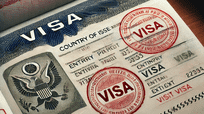
What Is A Medical Visa?
A Medical Visa is a special type of visa designed for individuals seeking medical treatment or healthcare services abroad. This visa allows patients to travel to a foreign country specifically for medical procedures, hospital treatments, or specialized consultations that may not be available in their home country. Medical visas are typically issued for a short-term period, covering the duration of the treatment and any required follow-up appointments. Countries offering medical visas often have streamlined processes for patients, prioritizing healthcare accessibility and ensuring legal compliance during their stay. Applicants usually need a formal invitation or admission letter from a recognized medical institution to qualify for this visa.
Types Of Medical Visas
Medical visas can vary depending on the destination country. Some countries offer single-entry medical visas, which allow the patient to enter once for the treatment period, while others provide multiple-entry visas for ongoing treatment or follow-ups. Certain nations also distinguish between visas for minor procedures and major surgeries, with specific documentation and insurance requirements. Additionally, some medical visas cover accompanying family members, such as spouses or guardians, enabling them to provide support during treatment. Understanding the different types of medical visas is crucial for patients to choose the appropriate visa category that meets both their medical and logistical needs.
Eligibility Requirements For Obtaining A Medical Visa
To obtain a medical visa, applicants must meet certain eligibility criteria set by the destination country. Generally, applicants must provide proof of a confirmed medical appointment, treatment plan, or hospital admission. Financial capability to cover medical expenses, travel costs, and accommodation is often required, along with health insurance coverage in some countries. Applicants may also need to demonstrate strong ties to their home country to ensure they return after treatment. Certain nations require a clean criminal record or medical fitness certificate. Meeting these eligibility requirements ensures a smoother application process and reduces the likelihood of visa rejection, making proper preparation essential for prospective medical travelers.
How To Apply For And Get A Medical Visa
Applying for a medical visa typically involves several key steps. First, the patient must obtain a treatment letter or medical certificate from a recognized hospital or medical facility abroad. Next, the applicant completes the visa application form, providing personal information, travel details, and medical documentation. Supporting documents may include passport copies, photographs, proof of financial resources, and travel insurance. After submission, some countries require an interview at the consulate or embassy. Once approved, the visa is stamped on the passport, allowing the patient to travel. Ensuring all documents are accurate and submitted on time significantly increases the chances of a successful medical visa approval.
How Long Does It Take To Get A Medical Visa
The processing time for a medical visa can vary depending on the country, the completeness of the application, and the urgency of medical treatment. Generally, standard processing can take anywhere from a few days to several weeks. Some countries offer expedited or fast-track processing for urgent medical cases, reducing waiting time significantly. It is important to apply well in advance of the planned treatment date to account for any delays in documentation or consular review. Applicants should also consider seasonal fluctuations or public holidays, which can affect embassy operations. Monitoring the status of the application regularly ensures timely preparation for travel.
How Much Does A Medical Visa Cost
The cost of a medical visa varies widely depending on the destination country, visa type, and duration of stay. Some countries charge a standard visa fee, while others may include additional service or processing charges. In general, the price can range from $50 to $500, with potential extra costs for expedited processing or multiple-entry visas. Applicants should also budget for associated expenses such as medical documentation, travel insurance, and courier services for document submission. It is advisable to check the official consulate or embassy website of the destination country for accurate fee information. Understanding the total cost helps in planning a budget for both travel and treatment.
Validity Period Of A Medical Visa
The validity of a medical visa depends on the treatment duration and the regulations of the host country. Typically, medical visas are valid for a few weeks to several months, covering the period required for the procedure and recovery. Some countries provide extensions if additional treatment or follow-up is necessary. It is crucial for applicants to adhere to the visa validity period to avoid legal issues or penalties. Ensuring proper scheduling with the medical facility and planning travel logistics in alignment with visa dates guarantees a smooth and compliant medical journey. Staying informed about visa expiry and extension policies is essential for patients seeking treatment abroad.
Required Documents For A Medical Visa
Essential documents for a medical visa usually include a valid passport, completed visa application form, recent passport-sized photographs, and proof of medical treatment or hospital admission. Applicants may also need to submit financial statements, health insurance proof, travel itinerary, and letters of consent for accompanying family members if applicable. Some countries request a medical fitness certificate or vaccination records. Ensuring all documents are correctly prepared and authenticated where necessary reduces the risk of delays or rejection. Detailed preparation of these documents demonstrates compliance with the consular requirements and facilitates a seamless application process for medical travelers.
Benefits Of Obtaining A Medical Visa
Obtaining a medical visa provides patients with legal authorization to seek specialized healthcare abroad. It ensures access to advanced medical facilities, expert physicians, and treatments that may not be available in the home country. A medical visa also allows accompanying family members to provide necessary support, improving patient comfort and recovery. Additionally, having a visa helps in securing hospital appointments and facilitates smooth entry and exit from the destination country. For patients seeking critical or elective medical procedures, obtaining a medical visa is a crucial step in planning their healthcare journey with confidence and peace of mind.
Common Challenges In Medical Visa Application
Applying for a medical visa can present challenges such as incomplete documentation, strict eligibility requirements, or delays in processing. Some applicants may face difficulties in proving financial capability or securing hospital admission letters. Language barriers, understanding the visa regulations, and navigating consulate procedures can also complicate the application process. Being proactive by preparing comprehensive documentation, consulting with the medical facility abroad, and following consulate instructions carefully helps mitigate these challenges. Awareness of potential obstacles ensures applicants are well-prepared and increases the likelihood of a successful medical visa issuance.
Conclusion
Medical visas are essential for individuals seeking treatment abroad, offering legal permission, healthcare access, and peace of mind. Understanding visa types, eligibility requirements, application procedures, processing times, costs, and validity ensures a smoother experience for medical travelers. By preparing documents meticulously and planning ahead, patients can avoid common challenges and focus on their treatment and recovery. Medical visas not only facilitate medical care but also allow family support during critical procedures, making them an integral part of global healthcare access.
Frequently Asked Questions
1. How Much Does A Medical Visa Cost?
The cost of a medical visa can vary significantly depending on the country, type of visa, and duration of stay. On average, the fee may range from $50 to $500, with some countries offering expedited processing for an additional charge. Applicants may also incur extra costs for medical documents, travel insurance, and courier services for submission. Factors such as multiple-entry permissions, processing time, and consulate service fees can influence the total expense. It is important to check the official consulate or embassy website of the destination country for accurate and updated information. Budgeting for these costs ensures proper financial planning for the medical trip.
2. What Is A Medical Visa?
A medical visa is a short-term visa issued to individuals seeking medical treatment or healthcare services abroad. It allows patients to travel legally to a foreign country specifically for medical procedures, surgeries, or consultations. Applicants typically need a formal hospital admission letter or medical certificate from a recognized healthcare facility. The visa may also cover accompanying family members who provide support during treatment. Medical visas generally have a validity period covering the treatment duration and recovery. They ensure compliance with immigration laws, access to quality healthcare, and facilitate smoother entry and exit for patients seeking medical care internationally.
3. How Do I Apply For And Get A Medical Visa?
Applying for a medical visa requires submitting a completed application form along with supporting documents such as a valid passport, medical certificates, hospital admission letters, photographs, proof of financial capacity, and travel insurance. Some countries may require an interview at the consulate or embassy. After submission, the consulate reviews the documents and, upon approval, issues the visa. Expedited processing may be available for urgent medical needs. Ensuring accurate and complete documentation, following consulate instructions, and maintaining timely communication significantly increases the likelihood of a successful medical visa application and smooth travel for medical treatment abroad.
4. What Are The Eligibility Requirements For Obtaining A Medical Visa?
Eligibility for a medical visa generally requires proof of confirmed medical treatment or hospital admission, financial ability to cover medical and travel expenses, and health insurance coverage. Applicants may also need to demonstrate ties to their home country to guarantee return after treatment. Certain countries may require a clean criminal record, vaccination certificates, or medical fitness documentation. Meeting these eligibility criteria ensures compliance with consulate regulations and reduces the chances of visa rejection. Proper preparation and timely submission of documents are essential for a smooth application process and successful approval of a medical visa for treatment abroad.
5. How Long Does It Take To Get A Medical Visa?
The processing time for a medical visa varies depending on the destination country, completeness of the application, and urgency of the treatment. Standard processing can take from a few days to several weeks. Many countries offer expedited processing for urgent medical cases, which shortens the waiting period. Delays may occur due to incomplete documentation, seasonal consulate backlogs, or public holidays. Applicants are advised to apply well in advance of their planned treatment date to account for potential delays. Monitoring the application status regularly and maintaining communication with the embassy or consulate ensures timely preparation and reduces stress before travel.
6. What Are The Required Documents For A Medical Visa?
Required documents for a medical visa usually include a valid passport, completed visa application form, passport-sized photographs, proof of hospital admission or medical treatment, financial statements, travel insurance, and letters of consent for accompanying family members. Some countries also require medical fitness certificates or vaccination records. Accurate preparation and authentication of these documents are essential for a smooth visa application process. Providing comprehensive documentation demonstrates compliance with consulate requirements, reduces the risk of delays or rejection, and ensures the applicant is fully prepared to travel abroad for medical care without encountering unnecessary obstacles.
7. Can Family Members Accompany Me On A Medical Visa?
Yes, many countries allow immediate family members, such as spouses or guardians, to accompany the patient on a medical visa. Documentation such as relationship proof, letters of consent, and financial coverage for the accompanying members may be required. Including family support can significantly improve patient comfort and recovery during medical procedures abroad. Some countries issue separate dependent visas for family members while others include them in the primary applicant’s medical visa. It is essential to check the consulate’s regulations regarding accompanying family members to ensure compliance and facilitate smooth travel arrangements for both the patient and their support system.
8. Are Medical Visas Extendable?
In many countries, medical visas can be extended if additional treatment or follow-up appointments are necessary. Extension procedures vary, often requiring updated medical documentation, proof of ongoing treatment, and sometimes financial verification. Applying for an extension before the original visa expires is crucial to avoid legal issues. Extensions allow patients to continue treatment without interruption, ensuring compliance with immigration laws. It is advisable to coordinate with the hospital or medical facility and consulate to confirm extension eligibility and procedures. Being proactive in seeking an extension ensures uninterrupted medical care and a legally compliant stay abroad.
9. What Is The Validity Period Of A Medical Visa?
The validity of a medical visa is usually tied to the duration of the medical treatment and recovery. Typically, it ranges from a few weeks to several months. Some countries may allow extensions if additional procedures are required. Adhering to the visa’s validity period is essential to avoid fines, deportation, or legal issues. Planning travel schedules and hospital appointments in alignment with the visa’s duration ensures a smooth and compliant medical stay. Staying informed about the validity and extension policies of the host country guarantees uninterrupted access to healthcare services while maintaining legal status throughout the medical journey.
10. How Much Should I Budget For A Medical Visa Trip?
Budgeting for a medical visa trip involves more than just the visa fee. Applicants should consider medical treatment costs, hospital charges, travel expenses, accommodation, insurance, and possible courier or documentation fees. Visa fees vary between countries, often ranging from $50 to $500, with additional costs for expedited processing or multiple-entry permissions. Including a contingency for unforeseen medical needs or extended stay is also advisable. Comprehensive financial planning ensures a smooth treatment journey abroad without unexpected interruptions. Understanding all potential expenses helps applicants allocate resources effectively, reducing stress and focusing on recovery during their medical visit.
11. Are There Fast-Track Options For Medical Visas?
Yes, some countries offer expedited or fast-track processing for medical visas, particularly for urgent or critical treatment cases. This option allows applicants to receive a visa within a few days rather than standard processing times of several weeks. Applicants usually need to provide proof of urgency, such as a doctor’s letter or hospital admission confirmation. Fast-track processing may incur additional fees, which vary depending on the country. Utilizing this service can significantly reduce waiting time and ensure timely access to necessary medical care abroad. Applicants should verify the availability, eligibility criteria, and costs of fast-track options with the respective consulate or embassy.
12. Can I Get A Medical Visa Without Health Insurance?
While some countries require health insurance for medical visa approval, others may allow applications without it. Health insurance is generally recommended to cover medical expenses, emergencies, and unforeseen complications during the treatment abroad. Providing proof of insurance can strengthen the visa application and reduce potential financial risk. If a country does not mandate insurance, applicants should still consider purchasing coverage to ensure protection against high medical costs. Checking the specific visa requirements of the destination country is crucial, as consulates may reject applications lacking insurance or ask for alternative financial proof to guarantee the ability to cover medical expenses.
13. Do Children Require Separate Medical Visas?
Children typically require their own medical visas unless they are included as dependents under a parent’s application. Documentation such as birth certificates, proof of guardianship, and hospital admission letters may be required for child applicants. Some countries may provide a simplified process for minors, especially when accompanying a parent or guardian receiving treatment. Ensuring accurate and complete documentation for children is essential to avoid delays or rejection. Understanding the consulate’s specific regulations regarding minor applicants helps parents plan a smooth medical journey for their children, ensuring proper healthcare access and legal compliance throughout the stay.
14. Can I Travel For Medical Tourism With A Medical Visa?
Yes, medical visas are often used for medical tourism, which involves traveling abroad to access advanced or specialized medical treatments. Countries with developed healthcare systems actively promote medical tourism and offer streamlined visa processes for patients. Applicants must provide proof of hospital admission, treatment plan, or medical consultation. Medical tourism visas can cover procedures such as surgeries, fertility treatments, or wellness programs. Travelers should also consider insurance, accommodation, and transportation during their stay. Obtaining a medical visa ensures legal entry, access to healthcare services, and support for family members, making it an essential component of planning a medical tourism trip abroad.
15. What Are The Risks Of Not Having A Medical Visa?
Traveling for medical treatment without a valid medical visa can lead to serious consequences, including fines, deportation, or being denied entry. Patients may also face difficulties in accessing hospitals or medical facilities, as admission often requires legal documentation. Lack of a visa can complicate insurance claims or financial coverage, leaving patients liable for medical expenses. Additionally, legal issues can disrupt treatment schedules, cause stress, and affect recovery. Ensuring compliance with immigration regulations through a valid medical visa is crucial for a smooth, safe, and legally protected medical journey abroad, safeguarding both health and legal standing during treatment.
16. How Are Medical Visa Fees Paid?
Medical visa fees are usually paid online, at the consulate, or through authorized banks or payment centers, depending on the country’s regulations. Payment methods may include credit/debit cards, bank transfers, or cash, with receipts provided as proof. Some countries charge additional processing fees for expedited service or multiple-entry visas. It is essential to confirm the correct fee amount and authorized payment channels on the official embassy or consulate website. Accurate payment ensures smooth processing of the visa application and avoids delays or rejections. Keeping records of payment receipts and confirmations is recommended for reference during visa approval and travel.
17. Can I Convert A Tourist Visa To A Medical Visa?
Converting a tourist visa to a medical visa is generally not straightforward and depends on the host country’s immigration rules. Some countries may allow conversion under exceptional circumstances, usually requiring hospital admission proof and medical treatment confirmation. Applicants may need to apply for a new visa category or extension and provide complete documentation. Attempting to receive medical treatment on a tourist visa without proper authorization can result in legal issues, fines, or deportation. Consulting the embassy or consulate beforehand ensures compliance with immigration regulations and avoids unnecessary complications. It is usually recommended to apply directly for a medical visa instead of converting other visa types.
18. Do I Need A Letter From A Doctor Or Hospital?
Yes, a formal letter from a recognized doctor or hospital is typically required when applying for a medical visa. The letter should detail the medical condition, proposed treatment, duration, and confirmation of hospital admission. This document serves as proof of the purpose of travel and is essential for visa approval. Some countries also require that the hospital or doctor is accredited or recognized by local health authorities. Accurate and detailed medical documentation reduces the risk of delays or visa rejection, ensuring a smoother application process. Providing this letter demonstrates the legitimacy of the medical visit and compliance with consular requirements.
19. Are There Country-Specific Requirements For Medical Visas?
Yes, each country has its own specific requirements for medical visas, including eligibility criteria, required documents, processing times, fees, and validity periods. Some nations may mandate health insurance, vaccination certificates, or background checks. Others may have unique regulations regarding accompanying family members or the types of treatment eligible for visa approval. It is crucial for applicants to consult the official embassy or consulate website of the destination country to obtain accurate and updated information. Being aware of country-specific requirements ensures compliance, reduces the risk of delays or rejection, and facilitates a smooth medical travel experience abroad.
20. Can I Extend My Stay For Follow-Up Treatment On A Medical Visa?
Yes, in many cases, medical visas can be extended to accommodate follow-up treatments or additional procedures. Applicants usually need to provide updated medical documentation, proof of ongoing care, and, in some countries, financial verification. Extensions should be requested before the original visa expires to maintain legal status. Coordinating with the hospital and consulate ensures proper procedures are followed and uninterrupted treatment. Understanding extension policies is essential to avoid fines or deportation and to continue receiving medical care abroad legally. Planning ahead guarantees a smoother medical journey and full compliance with immigration regulations.
FURTHER READING
- How Long Does It Take To Get A Medical Visa?
- What Are The Eligibility Requirements For Obtaining A Medical Visa?
- How To Apply For And Get A Medical Visa
- What Is A Medical Visa? | Definition, Eligiblity Requirements, Cost, Documents, Duration, Validity Period, How To Apply For A Medical Visa
- What Is The Validity Period Of A Religious Visa?
- How Much Does A Religious Visa Cost?
- How Long Does It Take To Get A Religious Visa?
- What Are The Eligibility Requirements For Obtaining A Religious Visa?
- How To Apply For And Get A Religious Visa
- What Is A Religious Visa? | Definition, Eligibility Requirements, Application, Cost, Renewal, Extension, Duration, Validity Of A Religious Visa
- What Is The Validity Period Of A Family Visa?