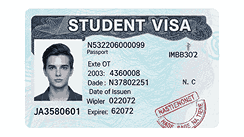
What Is A Student Visa?
A student visa is an official document issued by a country’s immigration authorities allowing foreign nationals to enter and stay for the purpose of studying at an accredited educational institution. It serves as both a legal permission and proof of enrollment in an academic program, whether at a university, college, or language school. Student visas typically have specific durations based on the length of the course and may require proof of financial stability, acceptance letters, and health insurance coverage. These visas are not automatically transferable between countries because each nation has its own immigration rules, policies, and requirements for foreign students, making it essential to understand the options if considering relocating studies internationally.
Eligibility Criteria For Student Visa Transfer
Transferring a student visa to another country involves meeting the eligibility criteria set by the destination nation. These criteria generally include proof of acceptance into a recognized educational institution, evidence of financial capability, valid health insurance, and meeting language proficiency requirements. Some countries also require students to maintain a good academic record and to obtain specific clearance from the current host country. Eligibility rules vary widely, and not all student visas are eligible for direct transfer. Understanding these requirements beforehand can prevent legal complications and delays, ensuring that the process of moving from one country to another aligns with immigration regulations and educational standards.
How Student Visa Transfers Work
Student visa transfers do not function like changing a simple membership or subscription. Generally, it involves applying for a new student visa in the destination country while maintaining valid status in the current country until approval. Some countries may allow an internal transfer if the institution has partnerships with foreign schools, while others require students to exit and reapply. The process typically involves submitting acceptance letters, financial statements, identification documents, and sometimes medical examinations. Students must also notify their current educational institution and immigration authorities to avoid overstaying or violating visa conditions. Understanding the process in detail ensures compliance with both countries’ regulations and reduces the risk of application rejection.
Documents Required For Transferring A Student Visa
Transferring a student visa requires careful preparation of all necessary documents. Essential paperwork usually includes the current student visa, acceptance letter from the new institution, valid passport, academic transcripts, proof of financial capability, and sometimes health records. Certain countries may request a letter of recommendation or statement of purpose explaining the reason for the transfer. Additionally, documents confirming accommodation arrangements, insurance coverage, and criminal background checks may be necessary. Preparing all required documents accurately and submitting them according to the destination country’s immigration guidelines is crucial to ensure a smooth transfer process without legal or procedural setbacks, while also maintaining continuous student status.
Challenges In Student Visa Transfers
Transferring a student visa can be complicated due to varying immigration laws, eligibility restrictions, and administrative delays. Students may face issues such as visa denial, requirement of reapplication from scratch, or gaps in legal status if timing is not managed carefully. Differences in educational systems, credit recognition, and financial documentation standards between countries can also pose significant challenges. Some countries may have strict quotas or security checks that increase processing time. Additionally, language barriers, understanding local regulations, and coordinating between multiple authorities can add stress. Being aware of these challenges and seeking professional guidance or legal advice can significantly increase the chances of a successful student visa transfer without disruptions to academic pursuits.
Benefits Of Transferring A Student Visa
Transferring a student visa offers several advantages, particularly for students seeking broader educational opportunities, exposure to different cultures, or access to specific programs unavailable in their current country. It can also provide better career prospects, improved networking opportunities, and the chance to learn new languages or gain international experience. For some, transferring may offer lower tuition fees or access to scholarships and grants in the new country. Additionally, it may help students align their education with long-term goals, such as working in countries with favorable post-study work policies. Despite the complexities, the benefits of an international academic experience often outweigh the challenges, making visa transfer a worthwhile consideration for ambitious students.
Conclusion
While transferring a student visa to another country is not always straightforward, it is achievable with careful planning, understanding of immigration laws, and proper documentation. Students must research the destination country’s visa policies, maintain valid status in their current country, and ensure they meet eligibility requirements. Although challenges like administrative delays and document discrepancies may arise, seeking professional guidance and being prepared can significantly ease the process. Transferring a student visa opens doors to international education, cultural experiences, and career opportunities, making it a valuable step for students pursuing global academic growth.
Frequently Asked Questions
1. Can A Student Visa Be Transferred To Another Country?
Yes, a student visa can potentially be transferred to another country, but the process is not automatic and depends on the immigration regulations of the destination country. Most countries require students to apply for a new student visa based on acceptance into a local institution, and direct transfer of an existing visa is rarely permitted. Students must maintain valid status in their current country while preparing documentation, such as acceptance letters, financial proof, and academic transcripts. Certain countries may facilitate internal transfer agreements between partnered institutions, reducing bureaucracy, while others necessitate a full reapplication process. Understanding the specific policies, preparing documents accurately, and consulting immigration authorities can help ensure a successful transfer without legal complications.
2. What Are The Requirements For Transferring A Student Visa To Another Country?
Requirements typically include a valid passport, an acceptance letter from the new educational institution, evidence of financial support, academic transcripts, proof of health insurance, and sometimes language proficiency certification. Some countries require letters explaining the reason for the transfer or confirmation of legal status in the current country. Additional documentation may involve accommodation details, criminal background checks, or medical certificates depending on the country’s regulations. Meeting these requirements ensures compliance with immigration rules and smoothens the approval process. Being thorough and accurate in document preparation significantly increases the likelihood of a successful visa transfer while avoiding delays or denials.
3. Can I Transfer My Student Visa Without Leaving My Current Country?
In some cases, countries with institutional partnerships may allow internal transfers without leaving the country, but this is rare. Most countries require students to exit and apply for a new visa at the destination’s consulate or embassy. Attempting to transfer without proper authorization can result in visa violations, legal penalties, or denial of entry to the new country. It is essential to consult both current and destination immigration authorities before initiating the process. Understanding these rules ensures that students maintain legal status, prevent overstaying, and complete the transfer successfully. Professional guidance can provide clarity on country-specific procedures and any exceptions to standard requirements.
4. How Long Does It Take To Transfer A Student Visa?
The duration for transferring a student visa varies depending on the destination country, the complexity of the application, and the completeness of submitted documents. On average, it can take several weeks to a few months, factoring in processing time at embassies, verification of academic records, and background checks. Delays may occur due to missing documents, high application volumes, or additional security checks. Students are advised to apply well in advance and maintain legal status in their current country until the new visa is approved. Planning ahead ensures continuity in studies and prevents gaps in enrollment or legal residency.
5. Can Transferring A Student Visa Affect My Academic Progress?
Yes, transferring a student visa can affect academic progress due to differences in course structures, credit recognition, and enrollment schedules between countries. Some credits may not transfer, requiring students to retake courses or adjust their program duration. Administrative delays in visa processing may also temporarily interrupt studies. To minimize disruption, students should consult academic advisors, confirm credit transfer policies, and align the transfer timeline with semester start dates. Proper planning ensures smooth integration into the new institution while preserving educational continuity. Understanding both academic and immigration requirements is critical for a successful transition without significant setbacks.
6. Are There Any Fees Involved In Student Visa Transfer?
Yes, transferring a student visa usually involves various fees, including visa application charges, processing fees, document authentication costs, and sometimes tuition deposit requirements for the new institution. Additional costs may include travel, medical examinations, or translation of documents. Fees vary widely depending on the country and type of educational program. Students should budget accordingly and verify all potential expenses with both the current and destination institutions. Being financially prepared prevents delays in the transfer process and ensures compliance with immigration requirements. Some countries may offer fee waivers or reductions for certain categories of students, so checking eligibility is important.
7. Do I Need To Notify My Current Institution About The Transfer?
Yes, it is crucial to notify your current institution about your intention to transfer. Most countries require students to maintain legal compliance with both immigration authorities and educational institutions. Failing to inform your current school may result in suspension, violation of visa conditions, or difficulties obtaining transcripts. Institutions often provide necessary documents, such as letters of good standing, academic transcripts, and clearance forms, which are required for the new visa application. Timely communication ensures a smooth transition and helps avoid complications with both current and future academic and immigration processes.
8. Can I Work While Transferring My Student Visa?
Working while transferring a student visa depends on the current visa conditions and destination country regulations. Many student visas permit part-time work, but students should ensure that employment does not conflict with visa transfer rules or affect legal status. Engaging in unauthorized work may jeopardize both the current and new visa applications. It is advisable to consult immigration authorities and understand the specific limitations and permissions regarding employment during the transfer process. Proper planning helps maintain compliance, financial stability, and uninterrupted academic focus while transitioning to the new country.
9. Can I Transfer A Student Visa To Any Country I Choose?
Not all countries allow direct student visa transfers. Each nation has its own immigration rules, and eligibility often depends on factors such as academic program acceptance, financial proof, health requirements, and security checks. Some countries may require the student to exit their current host nation and reapply, while others offer limited internal transfer agreements through partner institutions. Therefore, students must research the destination country’s specific policies before planning the transfer. Understanding the legal framework ensures that the chosen country is feasible for study and visa transfer, minimizing the risk of rejection or legal complications.
10. Are There Any Age Restrictions For Transferring A Student Visa?
Age restrictions may apply depending on the country and type of educational program. While most higher education institutions do not impose strict age limits, certain visa categories or scholarship programs might have age eligibility criteria. Immigration authorities may consider age when evaluating student visa applications, particularly for shorter-term or exchange programs. Students should verify age-related rules in both the current and destination countries to ensure compliance. Being aware of potential limitations helps in planning the transfer process without encountering unexpected eligibility issues that could delay or prevent visa approval.
11. Do I Need Health Insurance To Transfer A Student Visa?
Yes, most countries require proof of valid health insurance when applying for a student visa transfer. This ensures that students are covered for medical emergencies and routine healthcare while residing abroad. Some countries mandate specific insurance providers or minimum coverage levels. Failure to provide adequate health insurance may result in visa denial or delays. Students should confirm requirements with the destination country and maintain coverage throughout the transfer process. Proper health insurance protects both the student’s well-being and compliance with immigration regulations, ensuring a smoother and safer transition to the new academic environment.
12. Can Family Members Accompany Me During The Transfer?
Dependent family members may be allowed to accompany students, depending on the destination country’s immigration policies. Many nations provide dependent visas for spouses and children, but eligibility often requires proof of relationship, financial capability, and sometimes additional health insurance coverage. Application processes and requirements differ by country and may involve separate documentation and fees. Students should research family accompaniment regulations early to ensure smooth coordination of visas, travel, and accommodation. Proper planning ensures that family members’ presence aligns with legal requirements and does not complicate the student visa transfer process.
13. Can I Switch Universities During The Visa Transfer?
Yes, switching universities is often the reason for a student visa transfer, but it involves meeting immigration requirements, obtaining acceptance letters, and providing academic transcripts. The new institution may also need to issue official documentation confirming enrollment. Students must maintain valid status in the current country until the new visa is approved. Switching universities may affect course credits, program duration, and financial planning, so consulting academic advisors is essential. Understanding both academic and immigration requirements ensures that the transition is legally compliant and academically smooth, minimizing potential setbacks during the visa transfer process.
14. Is Language Proficiency Required For Visa Transfer?
Language proficiency is commonly required for student visa transfers, especially if the new country’s programs are taught in a language different from the current one. Standardized tests such as IELTS, TOEFL, or others may be required to demonstrate competency. Some countries may waive this requirement if previous education was completed in the same language of instruction. Meeting language requirements ensures successful enrollment, academic success, and visa approval. Preparing and submitting valid language certification is a critical step in the visa transfer process, preventing delays or denials due to insufficient documentation or inability to follow the academic curriculum.
15. What Happens If My Visa Transfer Is Denied?
If a visa transfer is denied, students may need to remain in their current country under the existing visa or explore alternative destinations. Denials can result from incomplete documentation, failure to meet eligibility criteria, or administrative errors. Students should carefully review the denial reason and, if possible, appeal or reapply with corrected documents. Legal advice or consulting immigration experts may increase the chances of approval in a subsequent attempt. Planning backup options and maintaining compliance with current visa rules is essential to avoid legal issues or interruptions in studies. Understanding possible outcomes prepares students to manage setbacks effectively.
16. Can I Transfer A Student Visa For Short-Term Programs?
Yes, short-term programs may allow student visa transfers, but requirements often differ from long-term academic visas. Some countries issue specific visas for exchange programs, language courses, or certificate programs that permit transfer under certain conditions. Students should confirm eligibility, duration limits, and documentation needed. Financial proof, acceptance letters, and insurance coverage are generally required. Understanding these unique regulations ensures compliance and prevents interruptions in education. Planning and confirming transfer procedures for short-term programs helps students gain international experience without risking legal complications or losing educational opportunities during the transfer process.
17. Can I Apply For Scholarships While Transferring A Student Visa?
Yes, scholarships may be available during the student visa transfer process, depending on the destination country and institution. Eligibility often requires proof of academic merit, financial need, or specific program enrollment. Students should research scholarship deadlines, application procedures, and documentation requirements in advance. Combining a visa transfer with scholarship opportunities can reduce financial burdens and provide additional support for relocation and studies. Applying for scholarships simultaneously ensures students maximize resources while maintaining compliance with immigration regulations and achieving a smooth transition to the new educational environment.
18. Do I Need Legal Assistance For Student Visa Transfer?
Legal assistance is highly recommended for student visa transfers, particularly when navigating complex immigration regulations, document requirements, or cross-border rules. Immigration lawyers or consultants can provide guidance on eligibility, documentation, deadlines, and country-specific nuances. While legal help is optional, it significantly reduces the risk of errors, delays, or visa denials. Professional support ensures that students understand both academic and immigration obligations, facilitating a smoother transfer process. Seeking legal advice can be especially valuable when transferring to countries with strict policies or high scrutiny for international students.
19. Can I Transfer A Student Visa Multiple Times?
Multiple student visa transfers are possible but may become increasingly complex with each move. Immigration authorities may scrutinize repeated transfers for legitimacy, academic consistency, and legal compliance. Students must maintain valid status, meet all documentation requirements, and ensure program compatibility. Frequent transfers may also affect credit recognition, scholarship eligibility, and visa approval chances. Planning transfers strategically and minimizing unnecessary moves helps maintain legal compliance and academic continuity. Understanding potential implications of multiple transfers ensures informed decisions and reduces the likelihood of complications with immigration authorities.
20. Are There Any Alternatives To Transferring A Student Visa?
Alternatives include completing the current program and applying for a new student visa in another country, enrolling in online international programs, or participating in exchange programs that do not require full visa transfer. Some students may also explore work-study or research opportunities abroad that provide temporary residence permits. Each alternative has specific requirements, benefits, and limitations, but they offer flexibility for students unable to transfer their visa directly. Exploring alternatives ensures continuity in education and international experience without breaching visa regulations, providing practical options for achieving academic goals while complying with immigration laws.
Further Reading
- How Long Can I Stay On A Student Visa After Graduation?
- Can I Study Part-Time On A Student Visa?
- Can I Stay On A Student Visa After Graduation?
- Can A Student Visa Holder Apply For Citizenship?
- Do I Need A Medical Exam For A Student Visa?
- How Much Bank Balance Is Required For A Student Visa?
- Can I Apply For A Student Visa Without Admission?
- Can I Do An Internship On A Student Visa?
- What Is The Success Rate Of Student Visa Applications?
- How To Apply For A Student Visa Online: A Step-By-Step Guide To Online Student Visa Application
- What Are The Benefits Of A Student Visa?
- Can A Student Visa Be Converted To A Tourist Visa?