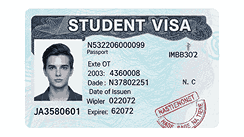
What Is A Student Visa?
A student visa is an official document issued by a country’s immigration authority that allows international students to enter, study, and reside in that country for the duration of their academic program. It is specifically designed for individuals pursuing full-time education at universities, colleges, or other recognized educational institutions. Student visas come with conditions, including restrictions on employment, the requirement to maintain enrollment, and obligations to leave the country when the visa expires. They serve as a legal framework to ensure students comply with immigration laws while allowing them to focus on their studies. Understanding a student visa is crucial before exploring post-graduation options, extensions, or transition to work visas.
Post Graduation Work Opportunities
After completing a degree program, many countries provide international graduates with opportunities to remain legally in the country for work experience. For instance, programs like the Optional Practical Training (OPT) in the United States allow eligible students to work for up to 12 months in their field of study, with STEM graduates sometimes qualifying for an additional 24-month extension. In Canada, graduates can apply for a Post-Graduation Work Permit (PGWP) valid for up to three years depending on the length of their studies. These programs are designed to bridge the gap between academic learning and practical professional experience, giving graduates a chance to contribute to the workforce and explore long-term residency options.
Duration Of Stay After Graduation
The length of time a student can stay on a student visa after graduation depends on the country’s immigration rules and the type of visa issued. Typically, student visas expire shortly after graduation unless the student applies for a work permit, extension, or a change of status. Some countries provide a grace period allowing students to prepare for departure, seek employment, or apply for residency transitions. For example, in the U.S., F-1 visa holders have a 60-day grace period post-completion, while in Australia, student visa holders may receive a 2–6 month period to leave or apply for a post-study work visa. Knowing these timelines is critical to avoid overstaying and violating immigration laws.
Applying For Post-Study Work Visas
To legally extend your stay, graduates often apply for post-study work visas. The application process generally requires proof of graduation, a valid student visa, and sometimes an employment offer or evidence of financial support. Processing times vary by country and can take several weeks to months, so it’s important to apply early. Countries like the UK offer the Graduate Route, allowing graduates to stay for up to two years, while New Zealand’s Post-Study Work Visa may last from 12 to 36 months depending on qualifications. Understanding eligibility requirements, fees, and documentation ensures a smoother transition from student status to work authorization.
Transitioning To Permanent Residency
For students aiming to stay long-term, transitioning from a student or post-study work visa to permanent residency is a common pathway. Countries often award points for education, work experience, language skills, and job offers, which can be leveraged to apply for residency. In Canada, completing a post-graduate work permit significantly strengthens the application for permanent residency through programs like Express Entry or the Canadian Experience Class. Similarly, Australia and New Zealand provide pathways where international graduates with skilled work experience can qualify for residency. Early planning and understanding residency pathways help maximize the benefits of staying after graduation.
Maintaining Legal Status And Avoiding Overstay
It is crucial to maintain legal status while staying post-graduation. Overstaying a student visa or failing to apply for the correct post-study visa can lead to fines, bans on re-entry, or deportation. Students should track visa expiration dates, apply for extensions on time, and maintain proper documentation. Engaging with immigration advisors or the international student office at your institution can provide guidance on the best legal options. Staying informed about visa regulations, grace periods, and employment rules ensures compliance with immigration laws while maximizing post-graduation opportunities.
Frequently Asked Questions
1. How Long Can I Stay On A Student Visa After Graduation?
The duration you can stay on a student visa after graduation varies by country and visa type. Most student visas provide a grace period after completing studies, during which graduates can prepare to leave the country, apply for a post-study work visa, or seek permanent residency. For instance, in the United States, F-1 visa holders have a 60-day grace period, while Canada offers up to three years on a Post-Graduation Work Permit. The exact period depends on your visa conditions, your degree program length, and the country’s immigration policies. Understanding your specific visa rules ensures you maintain legal status and explore work opportunities effectively.
2. Can I Work On A Student Visa After Graduation?
Working on a student visa after graduation is generally restricted unless a post-study work program or special authorization is granted. Many countries require graduates to apply for a separate work permit or transition to a work visa. Programs like the U.S. Optional Practical Training (OPT) or the UK Graduate Route allow limited employment in the field of study. Attempting to work without the appropriate authorization can result in visa violations, fines, or deportation. Therefore, it is crucial to check eligibility criteria and apply for post-graduate work visas to gain legal employment opportunities after completing studies.
3. What Is The Grace Period After Student Visa Completion?
The grace period refers to a limited timeframe after graduation during which a student can remain in the country legally without actively studying or working. Its purpose is to allow graduates to prepare for departure, explore employment, or apply for a post-study visa. Duration varies: the U.S. provides a 60-day grace period for F-1 students, Australia offers 2–6 months depending on course completion, and the UK allows a short transition before switching to the Graduate Route. Using this period effectively requires careful planning to ensure visa applications or departures occur before the grace period ends, avoiding legal complications.
4. How Do I Apply For A Post-Graduation Work Visa?
Applying for a post-graduation work visa usually involves submitting proof of graduation, current visa status, and sometimes evidence of employment or financial support. Each country has specific forms, fees, and processing times. For instance, Canada requires a completed study program for a PGWP, while the UK requires a valid student visa to apply for the Graduate Route. Early applications are recommended since processing can take weeks or months. Following guidelines precisely, maintaining all documentation, and seeking institutional guidance helps ensure successful approval, allowing graduates to legally work and gain experience in their host country.
5. What Countries Offer Post-Study Work Opportunities?
Several countries provide post-study work opportunities for international graduates. The United States offers Optional Practical Training (OPT), the UK has the Graduate Route, Canada provides the Post-Graduation Work Permit (PGWP), Australia issues Temporary Graduate Visas, and New Zealand grants Post-Study Work Visas. These programs vary in duration, eligibility, and conditions, often based on the length and level of study. Choosing a destination with favorable post-study work policies can significantly impact career prospects, immigration pathways, and the ability to transition from student status to permanent residency. Researching policies before studying abroad helps align career goals with visa options.
6. Can I Extend My Student Visa After Graduation?
Extending a student visa after graduation is generally not possible in its original form since the visa is tied to active study. Instead, graduates can apply for post-study work visas or switch to a different visa category, such as a skilled worker or residency visa. Some countries allow short extensions as a grace period to complete this transition. Timely applications and understanding the eligibility criteria are essential to avoid overstaying. Planning ahead ensures a legal stay while exploring employment or residency options, making the transition from student to post-graduate smoother and compliant with immigration laws.
7. What Happens If I Overstay My Student Visa?
Overstaying a student visa can result in severe consequences, including fines, legal penalties, deportation, or bans on future entry. Immigration authorities monitor visa expirations, and failure to comply can affect future applications for work, study, or residency visas. Even a short overstay can impact your immigration record. Graduates should track visa expiration dates, use grace periods wisely, and apply for work or residency permits in advance. Consulting immigration advisors or university international offices can provide guidance to maintain legal status. Staying informed and acting proactively is the safest way to avoid negative consequences of overstaying a student visa.
8. Can I Switch From A Student Visa To A Work Visa?
Yes, transitioning from a student visa to a work visa is common, but it requires meeting specific eligibility criteria. Graduates usually must secure a job in their field of study or apply through post-study work programs. Countries like Canada, the UK, and Australia facilitate such transitions, offering clear pathways to employment visas. The process often includes documentation like employment offers, proof of education, and visa application fees. Proper planning, timely applications, and understanding the country-specific requirements are crucial to ensure a legal and successful change of visa status.
9. Are There Any Restrictions On Employment After Graduation?
Employment restrictions after graduation depend on the visa type. On a standard student visa, working after graduation is generally prohibited without transitioning to a post-study work visa or employment visa. Authorized work visas may limit employment to specific fields, hours, or durations. For example, OPT in the U.S. allows work only in your study field, while PGWP in Canada has broader employment options. Understanding the rules prevents legal violations and ensures that work experience gained post-graduation is legitimate, contributing to career growth and future immigration applications.
10. How Long Is The Optional Practical Training In The US?
Optional Practical Training (OPT) allows eligible F-1 students in the U.S. to work in their field of study for up to 12 months post-graduation. STEM graduates can extend OPT for an additional 24 months. OPT requires application through U.S. Citizenship and Immigration Services (USCIS) and must be approved before employment begins. This program provides valuable practical experience and can serve as a pathway to long-term work visas or permanent residency. Understanding application deadlines, work restrictions, and documentation ensures compliance while maximizing the benefits of post-graduate employment opportunities in the U.S.
11. Can I Stay Longer With A STEM Extension?
Yes, certain STEM (Science, Technology, Engineering, Mathematics) graduates in the U.S. may extend their OPT by an additional 24 months, making the total stay up to 36 months. Eligibility requires completing a qualifying STEM degree, having an employer enrolled in E-Verify, and maintaining proper employment authorization. This extension allows graduates to gain significant work experience, contributing to professional development and future immigration prospects. Careful adherence to application deadlines and documentation requirements is crucial to maintain legal status and benefit fully from the STEM extension program.
12. What Is Canada’s Post-Graduation Work Permit Duration?
Canada’s Post-Graduation Work Permit (PGWP) duration depends on the length of your study program. Programs of less than two years typically grant work permits equal to the study duration, while programs of two years or more may provide a three-year PGWP. This permit allows graduates to gain Canadian work experience, which can later support applications for permanent residency. Eligibility requires completing a full-time program at a recognized institution and applying within 180 days of graduation. Understanding PGWP rules ensures graduates maximize their stay, work legally, and plan for long-term residency in Canada.
13. How Does The UK Graduate Route Work?
The UK Graduate Route allows international students to stay in the country to work or look for work after completing an eligible degree. Undergraduate and master’s degree holders can stay for up to two years, while PhD graduates can stay for three years. Applicants must have a valid student visa, complete their studies successfully, and apply before their current visa expires. This route provides flexibility to gain work experience, transition to skilled worker visas, or explore long-term settlement options. Understanding eligibility criteria and application timelines is key to leveraging the UK Graduate Route effectively.
14. Can I Apply For Permanent Residency After Studying?
Yes, many countries offer pathways to permanent residency for international graduates. Work experience gained through post-study work visas often strengthens applications for programs like Canada’s Express Entry, Australia’s Skilled Migration, or New Zealand’s Resident Visa. Eligibility criteria typically include education, work experience, language proficiency, and sometimes a job offer. Early planning, maintaining legal status, and gaining relevant professional experience significantly increase the chances of successful permanent residency applications. Transitioning from student status to permanent residency provides stability and long-term career opportunities in the host country.
15. What Are The Requirements To Stay Legally After Graduation?
To stay legally after graduation, you must comply with visa rules, including timely application for post-study work permits, maintaining proper documentation, and adhering to employment restrictions. Proof of graduation, current visa validity, financial stability, and sometimes job offers are often required. Failing to meet these requirements can result in overstaying, legal penalties, or deportation. Consulting university international offices or immigration advisors ensures compliance. Planning ahead, understanding grace periods, and submitting timely applications allow graduates to transition smoothly from student status to work visas or residency programs, maximizing post-graduation opportunities.
16. How Do Grace Periods Differ By Country?
Grace periods vary widely depending on immigration policies. In the U.S., F-1 visa holders receive 60 days, while Australia provides 2–6 months depending on program completion. The UK allows a short period before switching to the Graduate Route, and Canada’s PGWP applications must occur within 180 days of graduation. Grace periods serve as a buffer to prepare for departure or apply for post-study visas. Understanding country-specific rules ensures that graduates do not overstay and can take full advantage of post-graduation opportunities, work permits, and residency pathways.
17. Can I Travel During My Post-Study Visa?
Traveling while on a post-study visa depends on visa conditions. Many work permits allow travel, but re-entry may require valid documentation, such as a valid passport, visa approval notice, and employment verification. Some countries impose restrictions or require additional permits for international travel. It is crucial to understand these conditions to avoid complications at borders, especially if you plan to return to the host country for work or residency. Consulting immigration guidelines and maintaining proper paperwork ensures safe travel while staying compliant with visa regulations.
18. What Happens If My Post-Study Visa Is Denied?
If a post-study visa is denied, graduates must leave the country by the end of their grace period or current visa validity to avoid overstaying. Denial reasons may include incomplete applications, missed deadlines, ineligibility, or insufficient documentation. In some cases, appeals or reapplications are possible. Consulting immigration advisors helps understand denial reasons and explore alternatives such as other visa categories or studying further. Planning ahead, ensuring accurate documentation, and timely submission can minimize the risk of denial and provide a legal pathway to continue staying after graduation.
19. Are There Financial Requirements To Stay After Graduation?
Yes, many countries require proof of financial stability to remain after graduation, especially when applying for post-study work visas. Applicants may need to demonstrate sufficient funds for living expenses, tuition, or relocation. This ensures that graduates can support themselves without violating immigration or employment regulations. Banks statements, scholarships, or employment offers often serve as proof. Meeting these financial requirements is essential to obtain or extend visas legally and to maintain lawful status while pursuing work or residency opportunities. Proper preparation prevents delays or denials in post-graduation visa applications.
20. How Can I Ensure Compliance With Visa Regulations Post Graduation?
To ensure compliance, graduates should track visa expiration dates, apply for extensions or work visas timely, maintain accurate documentation, and adhere to employment restrictions. Consulting university international offices, immigration advisors, and official government sources helps navigate rules accurately. Using grace periods effectively, applying early for post-study permits, and keeping updated on policy changes reduces the risk of overstaying or legal penalties. Proper planning and awareness allow graduates to maximize career opportunities while remaining fully compliant with immigration laws.
FURTHER READING
- Can I Study Part-Time On A Student Visa?
- Can I Stay On A Student Visa After Graduation?
- Can A Student Visa Holder Apply For Citizenship?
- Do I Need A Medical Exam For A Student Visa?
- How Much Bank Balance Is Required For A Student Visa?
- Can I Apply For A Student Visa Without Admission?
- Can I Do An Internship On A Student Visa?
- What Is The Success Rate Of Student Visa Applications?
- How To Apply For A Student Visa Online: A Step-By-Step Guide To Online Student Visa Application
- What Are The Benefits Of A Student Visa?
- Can A Student Visa Be Converted To A Tourist Visa?
- What Is The Age Limit For A Student Visa?