
Posted on Leave a comment

Common Mistakes To Avoid When Applying For A Green Card

Applying for a green card is a major step toward permanent residency in the United States, but many applicants make avoidable errors that can delay or derail their approval. This article explores common mistakes to avoid when applying for a green card, guiding readers through the process to improve their chances of success. If you are planning to apply, understanding common mistakes to avoid when applying for a green card is crucial to avoid denials, delays, or unnecessary legal complications. This guide will help you avoid the pitfalls others have encountered and ensure your application process goes smoothly.

What Is A Green Card?

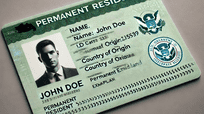
A green card, officially known as a Permanent Resident Card, is issued by the U.S. Citizenship and Immigration Services (USCIS) and allows foreign nationals to live and work permanently in the United States. It’s an essential step for those looking to become U.S. citizens eventually. When applying for a green card, it’s vital to understand that this is a legal process with strict eligibility requirements and documentation standards. Making common mistakes when applying for a green card can result in denials, so thorough preparation and knowledge are key.

Filing The Wrong Application Forms

One of the most common mistakes to avoid when applying for a green card is submitting incorrect or outdated application forms. USCIS frequently updates its forms, and using an older version can lead to automatic rejection. Double-check that you are using the most recent edition of Form I-485 (Adjustment of Status) or the correct immigrant petition for your situation, such as Form I-130 for family sponsorship or Form I-140 for employment-based green cards.

Missing Or Incomplete Supporting Documentation

Applicants often forget to include essential documents such as birth certificates, marriage licenses, or passport copies. Failing to submit required documents is a frequent reason for Request for Evidence (RFE) notices or outright denial. One of the common mistakes to avoid when applying for a green card is assuming USCIS will request missing paperwork later. Always provide all documentation at the time of submission.

Providing Inaccurate Or Inconsistent Information

Another of the major common mistakes to avoid when applying for a green card is entering false or inconsistent information, even if unintentional. Discrepancies between your green card application and previous visa records, tax documents, or immigration history can raise red flags and cause delays. Accuracy is critical in every section of the application form.

Failing To Pay The Correct Fees

One of the most common mistakes when applying for a green card is not paying the correct filing fees or using an incorrect payment method. USCIS fees can change, and underpaying—even by a small amount—will result in your application being rejected. Review the current USCIS fee schedule before submission and ensure your payment is properly processed.

Not Responding Promptly To Requests For Evidence (RFE)

If USCIS sends an RFE, it means your application is missing information or documentation. A common mistake to avoid when applying for a green card is not responding quickly or thoroughly. Applicants must submit requested items within the deadline, usually 30 to 90 days. Ignoring an RFE or submitting incomplete responses can lead to denials.

Applying Under The Wrong Eligibility Category

Many applicants misunderstand the green card categories and apply under the wrong one. Whether it’s family-based, employment-based, or asylum, selecting the incorrect path is one of the serious common mistakes to avoid when applying for a green card. This can lead to rejection and the need to start over. Know your eligibility before you apply.

Overstaying A Visa Or Violating Status

If you overstay your visa or violate the terms of your immigration status, it may complicate or disqualify your green card application. One of the common mistakes to avoid when applying for a green card is assuming previous immigration violations won’t be discovered. USCIS checks your complete history. Always maintain lawful status while applying.

Not Getting A Qualified Sponsor

In family-based or employment-based applications, the sponsor plays a critical role. A common mistake when applying for a green card is choosing a sponsor who doesn’t meet income requirements or who cannot complete Form I-864, Affidavit of Support. This can cause the application to be denied for failure to demonstrate financial support.

Not Attending Your Biometrics Appointment

USCIS schedules a biometrics appointment to collect your fingerprints, photo, and signature. Missing this appointment without rescheduling is one of the common mistakes to avoid when applying for a green card. Failure to appear may lead to application delays or abandonment. Always attend or reschedule your appointment promptly.

Ignoring Medical Exam Requirements

Every green card applicant must undergo a medical exam by a USCIS-approved civil surgeon. Skipping this step or submitting an outdated Form I-693 (Medical Examination Report) is a common mistake when applying for a green card. Ensure the exam is current, complete, and properly submitted with your application.

Not Preparing Properly For The Interview

Many green card applications require an in-person interview. One of the common mistakes to avoid when applying for a green card is being unprepared or giving inconsistent answers during this interview. Review your application beforehand, bring all required documents, and be honest and clear with the immigration officer.

Submitting Photographs That Don’t Meet USCIS Requirements

Photos must meet specific USCIS standards regarding size, background, and format. Submitting improper or outdated photos is a common mistake when applying for a green card. Make sure your photos are taken recently and professionally, following all USCIS photo guidelines.

Applying Without Legal Guidance When Needed

While some cases are straightforward, others—like those involving prior deportations, visa overstays, or criminal history—require legal expertise. A significant common mistake to avoid when applying for a green card is proceeding without an immigration attorney in complex cases. Legal help can clarify eligibility and strengthen your application.

Applying While Outside The United States (When Not Permitted)

Some applicants try to apply for adjustment of status while living outside the U.S., which is not permitted. One of the common mistakes to avoid when applying for a green card is misunderstanding when consular processing is required versus when adjustment of status is possible. Know where and how to apply based on your current situation.

Overlooking The Importance Of Timelines And Deadlines

USCIS has strict timelines, from filing windows to responding to RFEs or scheduling interviews. A common mistake when applying for a green card is missing deadlines due to misunderstanding or disorganization. Mark key dates and respond quickly to all USCIS communication.

Not Keeping Copies Of Your Application And Correspondence

Failing to keep a copy of everything you submit to USCIS is one of the overlooked common mistakes to avoid when applying for a green card. Always maintain a record of your forms, receipts, and correspondence. These documents can be crucial if issues arise or if resubmission is needed.

Assuming Green Card Approval Is Guaranteed

Some applicants think they automatically qualify and take the process lightly. A critical common mistake to avoid when applying for a green card is assuming that approval is a formality. USCIS has strict criteria, and minor errors or omissions can lead to denials. Approach the process seriously and thoroughly.

Submitting Fraudulent Or Misleading Information

Never lie or misrepresent facts on your green card application. One of the most serious common mistakes to avoid when applying for a green card is providing false documents or answers. Fraud can lead to denial, deportation, and a permanent ban from the U.S. Be truthful in every step of the process.

Not Monitoring Your Application Status Online

USCIS provides tracking tools to monitor your case. A common mistake when applying for a green card is not checking your status and missing updates, notices, or changes. Use your receipt number to check your case status regularly and act on any alerts.

Failing To Update USCIS With A Change Of Address

If you move while your green card application is pending, you must inform USCIS within 10 days. Failing to do this is another common mistake to avoid when applying for a green card. Use Form AR-11 to update your address, or you may miss critical correspondence or interview notices.

Not Preparing For Long Processing Times

Green card applications can take months or even years. One of the common mistakes to avoid when applying for a green card is underestimating how long the process takes. Stay patient, organized, and prepared for delays, especially if your category has an annual cap or backlog.

Conclusion

Applying for a green card is an important journey that requires precision, patience, and knowledge. By understanding the common mistakes to avoid when applying for a green card, applicants can reduce the risk of delays, denials, and legal issues. From choosing the right category to attending the interview fully prepared, every detail counts. Avoiding these common green card application mistakes is essential for a successful outcome. Treat the process with the seriousness it deserves, and seek professional guidance when necessary.

Frequently Asked Questions

1. What Are The Common Mistakes To Avoid When Applying For A Green Card?

The most common mistakes to avoid when applying for a green card include using outdated or incorrect application forms, submitting incomplete or inaccurate information, and failing to provide all required supporting documentation. Many applicants also miss deadlines, ignore Requests for Evidence (RFEs), or submit incorrect filing fees. Failing to attend mandatory appointments, such as biometrics or interviews, is another major pitfall. Choosing the wrong eligibility category and applying without professional guidance can also lead to delays or denials. Additionally, providing fraudulent or misleading information, not updating your address with USCIS, and assuming that approval is guaranteed are critical errors. Understanding these common mistakes helps applicants prepare accurate, complete, and timely applications, increasing their chances of successful approval and avoiding costly immigration setbacks.

2. Why Is It Important To Know The Common Mistakes To Avoid When Applying For A Green Card?

Knowing the common mistakes to avoid when applying for a green card is essential because the application process is complex and unforgiving. Even small errors can lead to delays, rejections, or permanent bans. Understanding potential pitfalls allows applicants to plan effectively, gather the correct documents, and avoid missteps that could jeopardize their application. Awareness also helps applicants stay organized, submit accurate information, and meet all deadlines. By being informed, applicants are more likely to navigate the process smoothly and avoid unnecessary legal trouble. Immigration is a serious legal matter, and knowing what not to do is just as critical as knowing the right steps. In short, being informed about common mistakes helps protect your chances of approval and avoids the stress of repeated applications or appeals.

3. How Can Missing Documents Become A Common Mistake To Avoid When Applying For A Green Card?

Missing or incomplete documentation is one of the most common mistakes to avoid when applying for a green card because USCIS requires specific evidence to verify eligibility. Documents such as birth certificates, marriage licenses, tax records, passport copies, and proof of financial support are vital to the process. If any of these are omitted or poorly translated, the application may be delayed with a Request for Evidence (RFE) or denied outright. Applicants often assume that USCIS will follow up for missing paperwork, but this is not guaranteed. The burden of proof is entirely on the applicant. To avoid this mistake, always double-check the checklist provided by USCIS and consult an immigration attorney if unsure. Accuracy and thoroughness in documentation significantly increase your chances of a smooth approval process.

4. Is Using Outdated Forms One Of The Common Mistakes To Avoid When Applying For A Green Card?

Yes, using outdated forms is a common and serious mistake to avoid when applying for a green card. USCIS frequently updates its application forms to include new questions, legal requirements, or format changes. Submitting an older version of a required form can lead to an automatic rejection of your application. Applicants often download forms long before they file and fail to check if a new version has been released. Each form includes an edition date at the bottom, and USCIS lists acceptable editions on its website. Before submission, always verify that you’re using the correct, most recent version of every form. This small step can prevent frustrating delays and the need to resubmit paperwork. Always stay up to date to avoid this easily preventable green card application mistake.

5. Are Inaccurate Details Among The Common Mistakes To Avoid When Applying For A Green Card?

Yes, providing inaccurate or inconsistent information is one of the most frequent and damaging mistakes to avoid when applying for a green card. Even unintentional errors in names, dates, addresses, or immigration history can lead to suspicion, delays, or denial. Inaccurate details may appear to be red flags to immigration officers and can prompt additional scrutiny, Requests for Evidence (RFEs), or investigations. USCIS cross-checks application information with past immigration records, tax filings, and other government data. If discrepancies are found, they must be clearly explained or corrected with supporting documentation. To avoid this mistake, applicants should carefully review all forms before submission and ensure that all personal details are accurate and consistent throughout. Mistakes, even if innocent, can raise concerns about credibility or eligibility.

6. How Does Choosing The Wrong Eligibility Category Rank Among The Common Mistakes To Avoid When Applying For A Green Card?

Choosing the wrong eligibility category is a critical mistake to avoid when applying for a green card. Each category—family-based, employment-based, asylum, diversity lottery, etc.—has its own requirements and application process. Filing under the incorrect category can lead to immediate rejection or long delays as USCIS will not evaluate eligibility outside the submitted path. Applicants may misunderstand their qualifications or be unaware of better-suited options, especially without legal guidance. For example, applying under a family-based category without a qualifying relative will automatically lead to denial. It’s essential to read eligibility criteria carefully and, when in doubt, consult an immigration attorney. Filing under the correct category ensures your application is evaluated properly and helps prevent wasted time, effort, and financial resources.

7. Can Ignoring USCIS Requests Be One Of The Common Mistakes To Avoid When Applying For A Green Card?

Absolutely, ignoring or delaying responses to Requests for Evidence (RFEs) or other USCIS communications is a common and costly mistake to avoid when applying for a green card. When USCIS issues an RFE, it means something is missing or unclear in your application. Failing to respond within the specified timeframe—typically 30 to 90 days—can result in your application being denied or considered abandoned. Some applicants mistakenly think the request is optional or plan to respond later but forget. USCIS does not extend deadlines lightly. It’s crucial to treat every request with urgency and to respond thoroughly with all required documentation. Monitoring your mail and USCIS case status is essential to ensure you don’t miss important notices. Prompt and complete responses protect your application from unnecessary denial.

8. Is Failing To Attend The Interview A Common Mistake To Avoid When Applying For A Green Card?

Yes, missing your green card interview without proper notice or rescheduling is a significant mistake to avoid. The USCIS interview is a mandatory step for most applicants and serves as a final review of your case. Failing to attend can lead to your application being denied or considered abandoned. Some applicants forget the date, ignore the notice, or assume it’s optional. Others may move and not update their address, so they never receive the appointment letter. If you cannot attend, you must notify USCIS in advance and reschedule. Bring all required documents to the interview, and be prepared to answer questions clearly and truthfully. Missing or mishandling the interview process can undo months or years of preparation and set back your path to permanent residency.

9. How Does Submitting Incorrect Filing Fees Relate To The Common Mistakes To Avoid When Applying For A Green Card?

Submitting the incorrect filing fee is a surprisingly common mistake to avoid when applying for a green card. USCIS has strict rules about payment, and fees often change based on updated regulations or policy changes. Even a small underpayment or using an unacceptable payment method can result in the rejection of your entire application. Some applicants also combine fees incorrectly or fail to calculate biometric service fees. Always verify the most current fee schedule on the USCIS website before submitting your application. Use a check or money order as instructed, or pay online through the USCIS portal if filing electronically. Mistakes in payment can delay your green card processing by months and may even lead to lost filing opportunities if deadlines are missed as a result.

10. Are Poorly Prepared Sponsors A Common Mistake To Avoid When Applying For A Green Card?

Yes, relying on a sponsor who is not adequately prepared or eligible is a major mistake to avoid when applying for a green card. In family-based and employment-based categories, a sponsor must file Form I-864, Affidavit of Support, to prove they can financially support the applicant. If the sponsor fails to meet the minimum income requirements or doesn’t provide the right financial documentation, USCIS may deny the application. Many applicants assume any family member or employer can sponsor them, which is not always true. A sponsor must be a U.S. citizen or permanent resident and meet specific financial thresholds. Using a joint sponsor is possible in some cases, but proper documentation is still required. Choosing the right sponsor and preparing them properly is essential for success.

11. How Important Is It To Avoid Missing Deadlines When Applying For A Green Card?

Avoiding missed deadlines is extremely important when applying for a green card, as USCIS has strict timelines for submitting applications, responses to Requests for Evidence (RFEs), and attending biometrics or interviews. Missing any of these deadlines can result in automatic denial, dismissal, or classification of the application as abandoned. Unfortunately, many applicants underestimate how rigid the immigration timeline is or rely on reminders that never arrive. This mistake can lead to significant delays, the need to reapply, or even removal proceedings. Keep a calendar of all key dates and set up alerts to ensure timely submissions. If you’re unsure about a deadline or need an extension, consult with an immigration attorney immediately. Respecting deadlines protects your legal status and helps avoid starting the process all over again.

12. What Role Does Legal Guidance Play In Preventing The Common Mistakes To Avoid When Applying For A Green Card?

Legal guidance plays a crucial role in helping applicants avoid the common mistakes when applying for a green card. Immigration law is complex, and each case can involve unique issues that are not always obvious to someone without legal experience. A qualified immigration attorney can ensure you choose the correct eligibility category, submit accurate and complete forms, prepare for interviews, and avoid common pitfalls like incorrect fees or missing documents. Legal professionals can also help you respond appropriately to Requests for Evidence and guide you through appeals if issues arise. Without legal help, applicants are more likely to make avoidable errors that result in denials or delays. While hiring an attorney involves a cost, it often saves time, money, and stress in the long run.

13. Why Is It A Common Mistake To Avoid When Applying For A Green Card Without A Medical Exam?

Applying for a green card without completing the required medical exam is a mistake that can delay or jeopardize the process. USCIS requires a medical examination conducted by a designated civil surgeon to ensure the applicant does not have any conditions that would make them inadmissible. Submitting your application without the completed Form I-693, Report of Medical Examination and Vaccination Record, or failing to bring it to your interview when required, can trigger a Request for Evidence (RFE) or denial. The medical exam must be recent—usually completed within two years before adjudication—and properly sealed when submitted. Some applicants mistakenly assume it’s optional or forget to complete it. Avoiding this mistake ensures you meet all health-related eligibility requirements and keeps your application moving forward without interruption.

14. How Can Fraudulent Information Lead To The Common Mistakes To Avoid When Applying For A Green Card?

Submitting fraudulent information is not only a common mistake but also one of the most serious offenses when applying for a green card. USCIS thoroughly reviews applications and compares the data against multiple government databases. Providing false information—such as fake documents, fabricated relationships, or hiding criminal records—can result in immediate denial and a permanent bar from entering or residing in the U.S. Some applicants lie unintentionally or due to poor advice, but intent does not matter in many cases. The consequences are severe, including deportation, loss of current status, or even criminal charges. It’s essential to be completely honest, accurate, and transparent in all submissions. When unsure how to present sensitive information, seek legal counsel rather than risk disqualification for fraud or misrepresentation.

15. Is Forgetting To Update Your Address One Of The Common Mistakes To Avoid When Applying For A Green Card?

Yes, forgetting to update your address with USCIS is a common mistake that can have serious consequences during the green card application process. USCIS uses your mailing address to send critical documents such as RFEs, biometrics appointment letters, and interview notices. If your address is outdated, you may miss important communications, leading to missed deadlines or appointments. This can result in application denial or delays. Federal law requires all non-citizens to notify USCIS of address changes within 10 days of moving by submitting Form AR-11 online or by mail. It’s a simple step, but often overlooked. Always update your address promptly to avoid miscommunication and ensure you receive every important document. This protects your application from being unintentionally abandoned due to missed correspondence.

16. Why Is It Risky To Assume Approval Is Guaranteed When Applying For A Green Card?

Assuming approval is guaranteed when applying for a green card is a dangerous mindset that can lead to complacency, carelessness, and critical errors. Many applicants mistakenly believe that marriage to a U.S. citizen or employer sponsorship automatically guarantees approval. However, USCIS carefully examines every application for eligibility, completeness, credibility, and compliance with immigration laws. Missteps like incomplete forms, missed interviews, insufficient documentation, or fraud can lead to denial even in seemingly strong cases. Applicants must understand that each case is reviewed on its own merits and must be properly documented and prepared. Overconfidence can result in missing deadlines or ignoring legal nuances. Treating the process with the seriousness it deserves helps applicants avoid preventable mistakes and ensures the best chance of approval.

17. Can Overstaying A Visa Be A Common Mistake To Avoid When Applying For A Green Card?

Yes, overstaying a visa is one of the most serious mistakes to avoid when applying for a green card. Overstaying can lead to legal complications that jeopardize your ability to adjust your status or reenter the U.S. in the future. Depending on how long you’ve overstayed, you may trigger automatic bars to reentry (typically 3 or 10 years) or become ineligible for adjustment. Some categories, like immediate relatives of U.S. citizens, may still be eligible for a green card despite an overstay, but most categories are not as forgiving. It’s critical to monitor your visa expiration date and consult with an immigration attorney if you’re close to overstaying. Taking timely legal action is essential to avoid being penalized for violating U.S. immigration law.

18. How Can Unprofessional Photos Become A Common Mistake To Avoid When Applying For A Green Card?

Submitting unprofessional or non-compliant photos is a surprisingly common and avoidable mistake when applying for a green card. USCIS has strict photo requirements regarding size, background, expression, clothing, and more. Submitting photos that do not meet these standards can lead to application rejections or delays, as USCIS will not process the application without proper identification photos. Many applicants make the mistake of using casual snapshots or passport photos that don’t align with USCIS criteria. It’s best to have your photos taken by a professional who understands immigration photo standards. Double-check your photos against the official USCIS guidelines before submission. While this seems like a minor detail, it can become a major obstacle if not done correctly. Avoiding this mistake helps ensure timely processing.

19. Why Should You Keep Copies Of Everything To Avoid Common Mistakes When Applying For A Green Card?

Keeping copies of everything you submit to USCIS is vital to avoid common mistakes during the green card application process. If documents are lost, requests for evidence are issued, or inconsistencies are found, having copies allows you to respond effectively and prove what was originally submitted. Without backups, you may be forced to recreate documents from memory or start over. This can cause delays or lead to denials if original information can’t be verified. Copies also serve as a reference during interviews and future applications. Store both digital and printed versions in a secure location. In short, keeping thorough records protects your case and gives you peace of mind, especially if you need to challenge a decision, appeal a denial, or fix errors.

20. How Can Tracking Your Application Help Prevent The Common Mistakes To Avoid When Applying For A Green Card?

Tracking your green card application status regularly through the USCIS online portal is essential to avoid common mistakes such as missing appointments, deadlines, or important updates. USCIS provides a receipt number for every application, which you can use to monitor progress, receive notifications, and respond quickly to any issues like Requests for Evidence or rescheduling needs. Many applicants fail to track their case, assuming that everything is proceeding as expected. This passive approach can result in missed mail or notifications that require prompt action. By staying engaged and checking the USCIS website frequently, you’ll be better prepared to respond to developments, maintain compliance, and ensure your application moves forward without unnecessary delays or denial due to inattention or missed correspondence.

Further Reading

A Link To A Related External Article

Mistakes You Should Avoid on Your Green Card Application

Posted on Leave a comment

Common Mistakes To Avoid When Applying For The Green Card Lottery

When applying for the Green Card Lottery, many applicants unknowingly make common mistakes that can disqualify them from this life-changing opportunity. The Green Card Lottery, also known as the Diversity Visa (DV) Lottery Program, provides a chance for individuals from eligible countries to legally live and work in the United States. However, these common mistakes to avoid when applying for the Green Card Lottery can make the difference between success and disqualification. In this guide, we will examine these errors in depth, explain how to avoid them, and help increase your chances of success by ensuring a flawless application process. If your goal is to win the DV Lottery, understanding the common mistakes to avoid when applying for the Green Card Lottery is your first and most crucial step.

What Is The Green Card Lottery?

The Green Card Lottery, officially known as the Diversity Immigrant Visa Program, is a U.S. government initiative designed to diversify the immigrant population in the United States. Each year, up to 55,000 visas are made available to individuals from countries with historically low rates of immigration to the U.S. Applicants are selected at random through a computer-generated lottery system. Winning the lottery does not guarantee a green card, but it gives the selected individuals the opportunity to apply for one. Understanding what the Green Card Lottery is and how it works is essential for avoiding the common mistakes that applicants make, which can lead to immediate disqualification.

Not Meeting Eligibility Requirements

One of the most common mistakes to avoid when applying for the Green Card Lottery is failing to meet the basic eligibility requirements. These include being from an eligible country and having at least a high school education or equivalent work experience. Some applicants do not verify these criteria and apply anyway, which results in automatic rejection. Always confirm your eligibility before submitting your application to ensure you are qualified for the DV Lottery.

Submitting Incomplete Or Incorrect Applications

Submitting incomplete or incorrect applications is another of the major common mistakes to avoid when applying for the Green Card Lottery. Even small errors like misspellings, inaccurate information, or skipped fields can lead to disqualification. Take the time to double-check all information, including names, birth dates, and passport numbers, before final submission. Accuracy is critical for success.

Missing The Application Deadline

Every year, the U.S. Department of State sets specific dates for the Green Card Lottery application period. Missing this deadline is among the most critical common mistakes to avoid when applying for the Green Card Lottery. The online application form is only available for a short time, usually in the fall. Applications submitted before or after the window are not accepted. Mark your calendar and submit your form early to avoid technical issues and last-minute errors.

Submitting Multiple Entries

Submitting multiple entries is a serious violation and one of the common mistakes to avoid when applying for the Green Card Lottery. Each applicant is allowed to submit only one entry per lottery period. If the system detects duplicate entries, all applications associated with that person will be disqualified. Ensure you submit only one application and avoid any attempt to increase your chances by submitting more than one.

Using A Fake Or Expired Passport

Using a fake or expired passport is a frequent disqualifier and ranks high among the common mistakes to avoid when applying for the Green Card Lottery. As of recent rules, a valid and current passport from your home country is required at the time of application. Submitting an entry with an invalid passport will result in immediate disqualification. Always ensure your passport is valid and not expiring soon.

Uploading An Incorrect Photo

The DV Lottery has strict photo requirements, and failing to meet them is one of the most common mistakes to avoid when applying for the Green Card Lottery. The photo must be recent, taken within the last six months, and meet specific guidelines for size, lighting, background, and facial expression. Many applicants are rejected because they upload selfies, old photos, or photos with poor quality. Use the official photo tool provided by the DV Lottery website to meet the specifications.

Not Including All Eligible Family Members

Forgetting to include eligible family members is a critical and often overlooked error. It is one of the most serious common mistakes to avoid when applying for the Green Card Lottery. You must list your spouse and all unmarried children under 21, even if they don’t plan to immigrate with you. Failing to do so can disqualify you during the visa interview process, even if your application is otherwise perfect.

Relying On Unofficial Or Fraudulent Agencies

Many people fall prey to unofficial or fraudulent agencies that promise guaranteed results or charge high fees for assistance. This is one of the most dangerous common mistakes to avoid when applying for the Green Card Lottery. The DV Lottery is free to enter, and the U.S. government does not charge a fee to submit an application. Always use the official U.S. government website to apply and avoid third-party services that may scam or mislead you.

Ignoring Official Instructions And Updates

Every year, the Department of State may update the rules or technical requirements for the DV Lottery. Ignoring these updates is one of the common mistakes to avoid when applying for the Green Card Lottery. Failure to comply with the latest instructions may cause disqualification. Stay informed by regularly visiting the official DV Lottery website and reading the most recent instructions carefully.

Not Retaining The Confirmation Number

After you submit your application, you will receive a confirmation number. Losing this number is one of the common mistakes to avoid when applying for the Green Card Lottery. Without it, you won’t be able to check your application status online. This can prevent you from knowing whether you were selected. Save this number in a secure and accessible location.

Applying Through Unauthorized Means

The only way to apply for the Green Card Lottery is online through the official DV Lottery website. Applying through unauthorized means or sending paper applications is a common mistake to avoid when applying for the Green Card Lottery. Any entry submitted through unofficial platforms or offline will not be considered. Always apply directly through the U.S. government’s portal.

Entering False Or Fraudulent Information

Entering false or fraudulent information is not only a common mistake to avoid when applying for the Green Card Lottery, but it can also result in permanent disqualification from future applications and even legal consequences. This includes using fake names, lying about qualifications, or providing fraudulent documents. Be truthful and accurate in every section of the application.

Failing To Save Or Print A Copy Of The Application

Many applicants forget to save or print a copy of their submitted application. This is a frequent but avoidable common mistake to avoid when applying for the Green Card Lottery. Keeping a copy allows you to reference your information later, especially during the visa interview or if you win the lottery. Always keep records of what you submit.

Rushing The Application Without Proper Review

Rushing through the application is a mistake that leads to errors and omissions. It’s one of the most preventable common mistakes to avoid when applying for the Green Card Lottery. Take your time, read every question thoroughly, and review your answers before submitting. Patience and attention to detail can make a big difference.

Misunderstanding The Purpose Of The DV Lottery

Some people believe that applying for the Green Card Lottery guarantees a green card. This misunderstanding is one of the common mistakes to avoid when applying for the Green Card Lottery. Being selected only makes you eligible to apply for a green card; it does not guarantee issuance. You must still pass the visa interview, provide supporting documentation, and meet all immigration requirements.

Using A Nickname Or Different Name Format

Using a nickname or name format that doesn’t match your official passport is another of the common mistakes to avoid when applying for the Green Card Lottery. Always use your legal name exactly as it appears on your passport. Variations in spelling, omission of middle names, or using aliases can create issues during processing and may lead to disqualification.

Submitting An Application Without Reading The FAQ

Not reading the FAQ on the DV Lottery website is one of the simple but costly common mistakes to avoid when applying for the Green Card Lottery. The FAQ section contains answers to many common concerns and errors. Reviewing it can help you avoid unnecessary mistakes and improve your chances of submitting a successful application.

Not Understanding The Timeline And Next Steps

Many applicants are unaware of what to do after submitting the DV Lottery application. Not understanding the timeline and follow-up steps is a common mistake to avoid when applying for the Green Card Lottery. You must check your status in May of the following year and prepare for the next steps promptly if selected. Failing to act quickly after selection can result in missed opportunities.

Not Updating Contact Information

Failing to provide accurate and up-to-date contact information is a common mistake to avoid when applying for the Green Card Lottery. If selected, the U.S. government will not email you but will expect you to check the Entrant Status Check page. Still, having correct contact details ensures that any follow-up communication reaches you through consular offices.

Not Practicing Digital Safety And Security

Sharing your confirmation number, personal details, or passport information online is a security risk and one of the common mistakes to avoid when applying for the Green Card Lottery. Always apply using a secure internet connection and do not share your login or confirmation information with anyone.

Conclusion

The Green Card Lottery offers a valuable opportunity to start a new life in the United States, but it comes with strict rules and guidelines. Avoiding the common mistakes when applying for the Green Card Lottery is crucial to improving your odds of success. From eligibility and documentation to deadlines and digital safety, attention to detail is key. By understanding and avoiding these common pitfalls, you stand a much better chance of securing a place in the Diversity Visa Program and moving forward in the immigration process.

Frequently Asked Questions

1. What Are The Common Mistakes To Avoid When Applying For The Green Card Lottery?

There are several common mistakes to avoid when applying for the Green Card Lottery. These include submitting inaccurate personal information, using an outdated or fake passport, missing the application deadline, and failing to meet eligibility requirements. Uploading an incorrect or outdated photo, submitting multiple entries, or not including your spouse and children can also lead to automatic disqualification. Many applicants also make the mistake of trusting unofficial websites or agents, which can lead to scams or errors. Failing to retain your confirmation number or misunderstanding the purpose of the program can be equally damaging. Carefully reviewing all instructions and double-checking every part of your application is essential. Accuracy, honesty, and attention to detail are the keys to avoiding disqualification and improving your chances of success.

2. Why Is It Important To Avoid Mistakes When Applying For The Green Card Lottery?

Avoiding mistakes when applying for the Green Card Lottery is crucial because even minor errors can lead to automatic disqualification. The Diversity Visa (DV) Lottery has strict rules and guidelines. Submitting inaccurate data, missing required documents, or uploading incorrect photos will cause your application to be rejected without further consideration. Additionally, since the program only accepts one entry per person per year, there are no second chances if you make a mistake. The application window is limited and highly competitive, with millions of people applying worldwide. One error can ruin your chance for that year. Furthermore, repeated violations or fraudulent submissions could ban you from future participation. To ensure you have a real shot at winning, take the process seriously, follow instructions carefully, and avoid all common application mistakes.

3. Can Submitting Multiple Entries Be A Mistake When Applying For The Green Card Lottery?

Yes, submitting multiple entries is one of the most serious mistakes to avoid when applying for the Green Card Lottery. The U.S. Department of State only allows one entry per applicant each year. The system uses sophisticated software to detect duplicate submissions. If your name appears more than once in the entry database, all of your applications will be automatically disqualified, regardless of how complete or accurate they may be. Many people mistakenly believe that submitting more than one entry will improve their chances, but it actually guarantees rejection. This mistake can result from applying through untrustworthy third-party services or misunderstanding the rules. Always ensure you submit only one application, use the official DV Lottery website, and keep your confirmation number secure to check your status during the results period.

4. How Does A Missing Or Invalid Passport Affect Your Green Card Lottery Application?

A missing or invalid passport is a critical mistake that can disqualify you from the Green Card Lottery. The U.S. Department of State requires all applicants to have a valid, unexpired passport from their country of nationality at the time of application. This rule helps prevent fraudulent entries and confirms your identity. If you submit an application without a passport, with an expired passport, or using fake passport details, your entry will be considered invalid and immediately disqualified. Moreover, inconsistencies between your passport and the information you enter into the application system can trigger red flags. Before beginning the application process, ensure your passport is current and reflects your correct legal name, date of birth, and other key details. Having the correct passport ready is essential for a successful application.

5. What Happens If You Upload The Wrong Photo When Applying For The Green Card Lottery?

Uploading the wrong photo is one of the most common reasons Green Card Lottery applications are disqualified. The DV Lottery has strict photo specifications, and failing to meet them will result in automatic rejection. Common errors include submitting outdated photos (more than six months old), selfies, group pictures, edited or filtered images, and photos that don’t meet the size or background requirements. Your photo must be recent, show your full face directly facing the camera, and be taken against a plain white or off-white background. Additionally, you cannot wear glasses, hats, or head coverings unless required for religious reasons. The photo is used for identity verification, so it’s essential it accurately represents your current appearance. Always follow the U.S. Department of State’s photo guidelines exactly when submitting your application.

6. Why Is Including All Family Members Important When Applying For The Green Card Lottery?

Including all eligible family members is essential when applying for the Green Card Lottery because omitting them can lead to disqualification—even after you’ve been selected. You must list your legal spouse and all unmarried children under the age of 21, even if they don’t plan to immigrate with you. Failure to include them is considered a misrepresentation of your application and can result in your case being denied during the visa interview process. Even if you have stepchildren or children from previous relationships, they must be listed if they meet the age and marital status requirements. Many people make the mistake of only listing immediate or traveling family, but this oversight can be costly. Always provide complete and honest information about your family members as required by the rules.

7. Is Inaccurate Personal Information A Common Mistake When Applying For The Green Card Lottery?

Yes, inaccurate personal information is a very common mistake that applicants make when applying for the Green Card Lottery. Errors such as misspelled names, incorrect birth dates, wrong country of birth, or mismatched passport numbers can lead to disqualification. These mistakes often result from rushing through the application or failing to double-check the details entered. Since the application must exactly match your official documents, even minor inconsistencies can raise red flags. Additionally, inconsistencies may complicate later stages of the immigration process, including the visa interview. It’s vital to review every entry on your form and ensure it aligns perfectly with your passport and other legal documents. Accuracy in personal data not only prevents disqualification but also improves your overall credibility during the application and selection process.

8. What Are The Consequences Of Applying For The Green Card Lottery After The Deadline?

Applying after the deadline for the Green Card Lottery will result in your application being rejected, as late submissions are not accepted under any circumstances. The Diversity Visa program has a clearly defined application window, usually between early October and early November each year. Once the window closes, the online system is disabled, and no further entries are allowed. Many people miss the deadline due to procrastination, internet issues, or misinformation about the correct dates. This mistake results in you having to wait an entire year for the next opportunity. To avoid this, check the official U.S. Department of State website for the exact application period and plan to submit your application early. Don’t wait until the last day, as high traffic on the site can cause delays or errors.

9. Why Should You Avoid Using Third-Party Agents When Applying For The Green Card Lottery?

Using third-party agents when applying for the Green Card Lottery can be risky and is a common mistake to avoid. Many unauthorized agents or websites claim to help applicants but often charge high fees, make errors on your behalf, or submit multiple entries without your consent—leading to disqualification. In worst-case scenarios, they may be scams designed to steal your personal information or money. The official Green Card Lottery is free to enter, and the safest way to apply is through the U.S. government’s website. If you need help, consult trusted sources or official guidance documents. Avoid giving your passport details, photos, or confirmation number to unverified third parties. Always retain full control over your application to ensure it’s completed accurately, honestly, and in compliance with the official instructions.

10. Is It A Mistake To Forget Your Confirmation Number After Applying For The Green Card Lottery?

Yes, forgetting or losing your confirmation number is a significant mistake when applying for the Green Card Lottery. The confirmation number is the only way to check the status of your application online through the U.S. Department of State’s Entrant Status Check portal. Without it, you won’t be able to find out if you were selected, and there is no way to retrieve it through email or any other channel. Many people neglect to save or print the confirmation page immediately after submitting their application. This oversight means you could win and never know. To avoid this mistake, save a digital copy of the confirmation page and print a hard copy for backup. Store it in a secure location you can easily access when results are released, usually in May.

11. Can Submitting False Information Disqualify You From The Green Card Lottery?

Yes, submitting false information is a serious mistake that can disqualify you from the Green Card Lottery and potentially result in a permanent ban from future applications. The U.S. Department of State conducts thorough background checks to verify the information provided by applicants. Any misrepresentation, including fake details about your identity, marital status, education, or work experience, can lead to disqualification during the selection process or later during the visa application stage. It’s essential to be honest in every part of your application. If you knowingly provide incorrect information or attempt to deceive the system, it will jeopardize your chances not just for the current lottery, but for any future participation in U.S. immigration programs. Always ensure the information you provide is truthful and accurate.

12. What Education And Work Experience Mistakes Should Be Avoided In The Green Card Lottery Application?

When applying for the Green Card Lottery, applicants often make mistakes regarding the education and work experience sections. These sections must reflect your actual qualifications. Falsifying or exaggerating your education level, work experience, or qualifications to meet the eligibility requirements is a serious mistake. The U.S. Department of State requires that applicants either have a high school education or its equivalent or two years of work experience in a qualifying occupation. Make sure you provide accurate details about your education and employment history, using only verifiable and truthful information. Submitting inaccurate or overstated information can lead to automatic disqualification, and it could prevent you from applying for future lotteries. Carefully read and understand the criteria for eligibility before filling out these sections.

13. How Can You Avoid Technical Errors When Applying For The Green Card Lottery Online?

Technical errors when applying for the Green Card Lottery can be frustrating and lead to disqualification. To avoid them, it’s crucial to ensure that your internet connection is stable before starting the application. Double-check the information you enter to avoid any typos, particularly with important details like your name, date of birth, and passport number. Use a reliable web browser, and avoid using public computers that might be unreliable or have security issues. Additionally, ensure that the photo you upload meets the strict requirements set by the U.S. Department of State. Always review your entire application for any errors before submitting it, and confirm that all fields are filled out completely. By carefully following the online application instructions, you can avoid many common technical mistakes.

14. Is Failing To Read Instructions A Common Mistake In The Green Card Lottery Application?

Failing to read and follow the instructions is a common and costly mistake when applying for the Green Card Lottery. The instructions provided by the U.S. Department of State are clear and essential to ensuring that your application is completed correctly. Applicants who do not take the time to read these instructions carefully risk submitting incomplete or incorrect applications. For example, missing required fields, submitting incorrect documentation, or uploading a photo that doesn’t meet specifications can lead to automatic disqualification. It’s vital to review the guidelines thoroughly before starting your application. Pay attention to every detail, including the required documents, photo specifications, and eligibility criteria. By following the instructions exactly, you’ll greatly reduce the chances of making an avoidable mistake.

15. What Should You Know About Photo Requirements To Avoid Mistakes In The Green Card Lottery?

Photo requirements for the Green Card Lottery are strict, and failure to meet them is a common mistake. The U.S. Department of State specifies that your photo must be recent, in color, and taken against a white or off-white background. The applicant must face the camera directly with a neutral expression, and glasses should not be worn, except for medical reasons. The photo must be of the correct dimensions, and the image file must meet specific size and resolution requirements. Submitting a blurry or edited photo, or one that does not meet these specifications, will automatically disqualify your application. Before uploading, double-check that your photo meets all requirements. If in doubt, consider using a professional service that specializes in Green Card Lottery photo submissions to ensure it adheres to all guidelines.

16. Can Using A Nickname Instead Of Your Legal Name Be A Mistake In The Green Card Lottery Application?

Yes, using a nickname instead of your legal name is a mistake in the Green Card Lottery application. The U.S. Department of State requires applicants to use their legal names as they appear in their passport or other official documents. This is to ensure accurate identification and prevent fraud. Submitting an application with a nickname or altered name can cause confusion during the selection process and disqualify you from the lottery. When filling out your application, make sure to match your legal name exactly as it appears in your passport, including middle names and any hyphens or special characters. This will help ensure that there are no discrepancies and that your application is processed without issues.

17. Why Is It Risky To Trust Green Card Lottery Scams Or Fraudulent Websites?

Trusting Green Card Lottery scams or fraudulent websites is a serious mistake that can lead to loss of money, identity theft, or disqualification from the lottery. Scammers often advertise services promising better chances of winning or guaranteed lottery entries for a fee. However, the official Green Card Lottery application is completely free, and no third-party services can increase your chances. These fraudulent websites may collect your personal information, misuse it, or even submit incorrect applications on your behalf, leading to disqualification. Always use the official U.S. Department of State website to apply. Be cautious of any site or service that asks for a fee or guarantees success. Protect your personal information by sticking to legitimate, government-sanctioned resources.

18. Can Rushing Through The Application Lead To Mistakes In The Green Card Lottery?

Rushing through the Green Card Lottery application process is a major mistake. It increases the likelihood of errors such as incorrect data entry, failure to meet photo specifications, and misunderstanding eligibility requirements. When applicants rush, they might not carefully review their entries or fully understand the instructions, leading to mistakes that could disqualify them. Since the application window is relatively short, it’s easy to feel pressured to complete the process quickly. However, taking your time to review your application and double-check all details is crucial. Take a few moments to read the instructions thoroughly and ensure that every field is accurately filled out. By avoiding a hasty submission, you improve your chances of success and reduce the risk of errors.

19. What Timeline Mistakes Do Applicants Commonly Make In The Green Card Lottery?

Timeline mistakes are another common pitfall for Green Card Lottery applicants. Many applicants either forget to apply during the brief registration period or confuse the dates of the application window. The Green Card Lottery typically runs for a month each year, and the dates are strictly enforced. Missing the deadline means you cannot submit an application for that year, and you must wait until the next registration period. Additionally, some applicants make the mistake of assuming they can submit their application after the deadline or fail to follow up on their application status in time to take further steps. Mark the application period on your calendar and ensure you submit your form well before the closing date to avoid missing out.

20. How Can You Prepare To Avoid Common Mistakes When Applying For The Green Card Lottery?

To avoid common mistakes when applying for the Green Card Lottery, preparation is key. First, carefully read and understand all the eligibility requirements and the application instructions provided by the U.S. Department of State. Make sure your passport is valid, and gather all necessary documents well in advance. Review the specific photo requirements, and ensure your picture meets all guidelines. Double-check that your name, birthdate, and other personal details match your official documents exactly. Avoid using third-party agents and make sure to submit only one application. Finally, keep your confirmation number safe and check the results promptly. By preparing ahead of time and following instructions closely, you’ll minimize the risk of errors and increase your chances of success.

Further Reading

A Link To A Related External Article

Common mistakes when applying for the Diversity Immigrant Visa Program

Posted on Leave a comment

How To Apply For The Green Card Lottery: A Step-by-step Guide

The process of learning how to apply for the green card lottery can be the beginning of a life-changing journey for individuals dreaming of permanent residency in the United States. Officially known as the Diversity Immigrant Visa Program, the green card lottery allows individuals from eligible countries to gain lawful permanent residence in the U.S. each year. Knowing how to apply for the green card lottery correctly and on time is crucial to maximizing your chances of winning. This guide will walk you through each essential step of how to apply for the green card lottery and ensure that you meet all the requirements.

What Is The Green Card Lottery?

The green card lottery, formally called the Diversity Visa (DV) Lottery, is a United States government program administered by the Department of State. Each year, up to 55,000 diversity visas are made available to applicants from countries with low rates of immigration to the U.S. The purpose of the program is to diversify the immigrant population by selecting applicants from various regions across the globe. When you understand what the green card lottery is and how it functions, you’ll be better equipped to proceed with the steps of how to apply for the green card lottery.

Who Is Eligible To Apply For The Green Card Lottery?

To understand how to apply for the green card lottery, you must first determine whether you qualify. Applicants must be born in an eligible country—one that has not sent more than 50,000 immigrants to the U.S. in the past five years. In addition to nationality, education or work experience is required. Applicants must have at least a high school education or its equivalent, or two years of work experience within the last five years in an occupation that requires at least two years of training. Understanding eligibility is a key step in how to apply for the green card lottery.

When To Apply For The Green Card Lottery

Timing is critical when learning how to apply for the green card lottery. The application period typically begins in early October and runs for about a month. It’s essential to apply as early as possible within the official entry window to avoid last-minute issues, such as website overload or disqualification due to missing the deadline. Each year, the exact dates are announced on the official U.S. Department of State website.

How To Fill Out The Green Card Lottery Application Form

A critical part of understanding how to apply for the green card lottery is accurately completing the application form. The official entry form, known as the Electronic Diversity Visa Entry Form (DS-5501), must be submitted online through the Department of State’s website. You’ll be asked to provide personal information, such as your full name, birth date, country of birth, gender, and recent photographs that meet specific digital criteria. Accuracy and honesty are paramount when filling out the form, as errors can lead to disqualification.

What Documents Are Required To Apply For The Green Card Lottery?

Although the initial step in how to apply for the green card lottery does not require uploading supporting documents, it’s important to prepare them in advance. After selection, you’ll need to provide documents like a birth certificate, passport, academic qualifications, work experience records, and possibly police certificates. Ensure your documents are current and translated into English if originally written in another language. Being prepared with your documentation is a smart strategy in how to apply for the green card lottery.

How To Submit A Photograph For The Green Card Lottery

An essential part of how to apply for the green card lottery is submitting a photograph that meets strict requirements. The photograph must be recent (taken within the last six months), in color, and follow specifications such as size (600×600 pixels), background color (plain white or off-white), and pose (facing the camera directly). Any deviation from the guidelines can result in disqualification. Always refer to the current instructions on the official DV Lottery website for the most up-to-date photo requirements.

How To Avoid Common Mistakes When Applying For The Green Card Lottery

Avoiding errors is vital when figuring out how to apply for the green card lottery. Common mistakes include submitting more than one entry per person, incorrect or incomplete information, using an outdated or incorrectly formatted photograph, and failing to save the confirmation number. Always double-check your application before submitting, and read all official instructions carefully. Knowing what not to do is just as important as knowing how to apply for the green card lottery correctly.

How To Confirm Your Green Card Lottery Entry

Once you’ve successfully figured out how to apply for the green card lottery, make sure to save your confirmation number. This number is your only way to check the status of your application through the official Entrant Status Check tool on the Department of State website. The results are typically available by May of the year following your application. Without this number, you cannot confirm your entry or find out if you’ve been selected.

What Happens After You Are Selected In The Green Card Lottery?

After learning how to apply for the green card lottery and getting selected, the process continues. Selection does not guarantee a visa. Instead, it means you’re eligible to proceed with the next steps, which include submitting Form DS-260, attending a visa interview, and presenting your documents for verification. You must also pass medical examinations and background checks. Acting promptly after selection is crucial since diversity visas are issued on a first-come, first-served basis until all 55,000 are exhausted.

How To Prepare For The Green Card Interview

If selected through the lottery, part of how to apply for the green card lottery successfully includes preparing for the visa interview. The interview will be held at a U.S. embassy or consulate and will review your qualifications, documents, and eligibility. You’ll be asked questions about your background, education, and reasons for immigration. Bring all requested documents, dress professionally, and answer all questions honestly and confidently.

How To Include Family Members In Your Green Card Lottery Application

When considering how to apply for the green card lottery, applicants can include immediate family members—spouse and unmarried children under 21—on their application. If selected, these dependents are eligible to apply for their own visas under the same case number. It’s important to include accurate information about your family when completing the form. Misrepresentation or omission can result in disqualification of your entire application.

What Are The Chances Of Winning The Green Card Lottery?

While understanding how to apply for the green card lottery is essential, it’s also important to know that it’s a highly competitive program. Millions of people apply each year, and only a fraction are selected. The odds vary depending on the region and the number of applicants. Nonetheless, submitting a complete and error-free application during the official entry period gives you the best possible chance.

What To Do If You Are Not Selected In The Green Card Lottery

If you don’t win, knowing how to apply for the green card lottery means you can try again. Applicants may apply once every year as long as they meet the eligibility criteria. Not being selected in a given year does not affect future chances. You might also explore other legal immigration pathways, such as employment or family-based visas, in the meantime.

How To Apply For The Green Card Lottery Without Using Paid Agents

A common misconception in how to apply for the green card lottery is that you need to pay a third party to submit your application. This is not true. The application is free and can be submitted on your own via the official government website. Using agents or intermediaries may expose you to scams or errors. Always rely on the official instructions provided by the U.S. Department of State.

How To Check The Results Of The Green Card Lottery

Checking the results is an important part of how to apply for the green card lottery. The U.S. government does not send email or phone notifications about your selection. Instead, you must use your confirmation number to log in to the Entrant Status Check tool at dvprogram.state.gov. The results are posted annually starting in May. If selected, further instructions will be provided online.

How Long Does The Green Card Lottery Process Take?

Once you understand how to apply for the green card lottery, it’s good to know that the process can take several months to over a year. From application to interview and final visa issuance, the timeline varies based on your case number, country of origin, and consular processing speed. Starting early and staying updated is the best way to ensure a smooth experience.

How To Protect Yourself From Green Card Lottery Scams

Scams are rampant in the world of immigration, especially when it comes to how to apply for the green card lottery. Be cautious of unsolicited emails, phone calls, or messages claiming you’ve won and requesting payment. The U.S. government does not charge a fee to enter the lottery and does not notify winners by email. Stick to the official website and avoid sharing personal details with unverified sources.

How To Retain Your Confirmation Number And Application Records

Keeping your confirmation number is a vital step in how to apply for the green card lottery. Without it, you cannot check your status. Save a digital and printed copy in a safe place. Keep records of your application submission and screenshots, just in case there are discrepancies. Organization and careful documentation are keys to managing your green card lottery application.

How To Stay Informed About Future Green Card Lottery Rounds

Staying informed is the final step in how to apply for the green card lottery. Visit the official DV Lottery website regularly, sign up for U.S. government newsletters, and follow the State Department’s official social media channels. These platforms provide reliable updates on application dates, eligibility changes, and procedural updates.

Frequently Asked Questions

1. Who Is Eligible To Apply For The Green Card Lottery?

To apply for the green card lottery, also known as the Diversity Visa (DV) Lottery, you must be a native of a qualifying country. The list of eligible countries is determined annually by the U.S. Department of State and typically excludes countries with high rates of recent immigration to the United States. Additionally, you must meet educational or work experience requirements. Specifically, you must have either a high school education (or equivalent) or two years of work experience within the last five years in an occupation that requires at least two years of training or experience. Eligibility is strictly enforced, so applicants must carefully review the current year’s DV instructions on the official U.S. government website before submitting their green card lottery application.

2. How Can I Apply For The Green Card Lottery?

You can apply for the green card lottery online through the official U.S. Department of State website during the designated registration period. The application must be submitted electronically via the Electronic Diversity Visa (E-DV) website. There is no fee to enter the green card lottery. You will need to provide accurate personal details, including your name, gender, date and place of birth, current country of residence, marital status, passport information, and photographs that meet specific U.S. visa standards. The site will give you a confirmation number after successful submission, which you should keep safe for checking your application status. Be cautious of fraudulent websites and only use the official government portal to apply for the green card lottery.

3. What Is The Process Of Applying For The Green Card Lottery?

The process of applying for the green card lottery involves several steps. First, ensure you meet the eligibility criteria for your country and education or work experience. Then, visit the official E-DV website during the open registration period—usually in October and November. Complete the application form with accurate details, including a compliant digital photograph. Once submitted, you’ll receive a confirmation number. After submission, you must wait until the results are available, usually by May of the following year. If selected, follow the instructions for submitting additional documentation and attending an interview. Selection does not guarantee a green card, as you must still meet all immigration requirements before approval. Applying for the green card lottery is free and must be done online.

4. What Are The Procedures For Applying For The Green Card Lottery?

The procedures for applying for the green card lottery are straightforward but must be followed carefully. First, check the eligibility list for your country and make sure you qualify educationally or through work experience. During the registration period, visit the official E-DV website to fill out and submit your application. You’ll need a valid passport and a recent photograph that follows U.S. visa standards. Submit your application only once; multiple submissions will disqualify you. After submission, save the confirmation number provided—it is essential for checking your results. If selected, complete Form DS-260 and prepare for a U.S. embassy interview. Ensure all personal details match official records to avoid disqualification. The entire application procedure for the green card lottery is done electronically.

5. What Are The Steps To Applying For The Green Card Lottery?

The steps to applying for the green card lottery begin with confirming your eligibility. You must be from a qualifying country and meet either the educational or work experience requirements. Next, visit the official Diversity Visa Program website during the enrollment period. Complete the online application form with accurate details and upload a recent passport-style photograph. Submit the form and save the confirmation number. The next step is to check your status using the Entrant Status Check tool on the same website starting in May of the following year. If selected, follow the further steps for documentation, medical exams, and interviews. Remember, the green card lottery application is free, and applications are only accepted through the official U.S. government website.

6. When Can I Apply For The Green Card Lottery?

You can apply for the green card lottery during the annual registration period set by the U.S. Department of State, usually in October and November. The exact dates vary each year, so it’s important to check the official Diversity Visa Program page for the current year’s schedule. The application window is typically open for about one month, and entries must be submitted electronically through the official E-DV website. Late entries or paper submissions are not accepted. It’s recommended to apply early within the registration window to avoid technical issues due to high traffic near the deadline. Applying for the green card lottery outside the official period is not permitted, so staying informed on timelines is essential.

7. Where Do I Apply For The Green Card Lottery Online?

You apply for the green card lottery online at the official U.S. Department of State website for the Diversity Visa (DV) Program, which is https://dvprogram.state.gov. This is the only official platform to submit your application. The website is open only during the announced registration period, typically in October and November each year. Once on the site, you will fill out the Electronic Diversity Visa Entry Form (E-DV Entry Form), upload your photograph, and submit the application. After applying, you will receive a confirmation number to check your application status. Avoid unofficial websites that charge a fee or promise guaranteed selection. Applying for the green card lottery is completely free and must be done through the official government portal.

8. How Much Does It Cost To Apply For The Green Card Lottery?

It costs nothing to apply for the green card lottery. The application process through the official Electronic Diversity Visa (E-DV) website is completely free. You should not pay anyone or any website to enter your application. Be cautious of fraudsters or unofficial agencies that may try to charge fees or promise improved chances of selection. However, if you are selected and proceed with the visa process, you will incur costs for medical examinations, visa application processing (Form DS-260), and potentially travel-related expenses. These costs come later in the process and are only paid after selection. So while applying for the green card lottery itself is free, follow-up immigration steps may involve additional official fees.

9. What Documents Do I Need To Apply For The Green Card Lottery?

To apply for the green card lottery, you will need several essential documents. First, a valid passport is required at the time of application, including details such as passport number, expiration date, and country of issuance. You will also need a recent passport-style digital photograph that meets specific U.S. visa requirements regarding size, resolution, and background. While the online application itself does not require uploading other documents like diplomas or work history, you should be prepared to prove your education or work experience if you are selected. Later in the process, you will need your birth certificate, marriage certificate (if applicable), and police certificates. For the initial application, focus on accurate data entry and a valid, compliant passport and photo.

10. Can I Apply For The Green Card Lottery Without A Passport?

No, you cannot apply for the green card lottery without a passport. A valid, unexpired passport from your country of nationality is a mandatory requirement when submitting your online application. You must enter your passport number, issuing country, and expiration date during the application process. The only exceptions to this requirement are if you are stateless, a national of a Communist-controlled country unable to obtain a passport, or unable to obtain a passport due to a valid U.S.-recognized exemption. These exceptions are extremely rare and require documentation to prove your claim. Submitting false information about a passport will lead to disqualification. Therefore, make sure to obtain a valid passport before attempting to apply for the green card lottery.

11. How Do I Apply For The Green Card Lottery From My Country?

To apply for the green card lottery from your country, visit the official U.S. Department of State’s Diversity Visa Program website during the open registration period. This can be accessed from anywhere in the world using a computer or mobile device with internet access. The website is https://dvprogram.state.gov. You will fill out the Electronic Diversity Visa (E-DV) Entry Form online and upload a digital passport-style photo that meets U.S. visa standards. Make sure you have a valid passport and meet the eligibility requirements for your country of birth and education/work experience. There is no need to visit a U.S. embassy or consulate to apply. Applying for the green card lottery from your country is simple, secure, and entirely online.

12. Can I Apply For The Green Card Lottery If I Am Married?

Yes, you can apply for the green card lottery if you are married. In fact, being married can potentially increase your chances. When you submit your green card lottery application, you must include your spouse and any unmarried children under the age of 21. If either you or your spouse is selected, the entire family is eligible to apply for green cards together. However, it’s crucial to provide accurate marital status information. Falsifying your marital status can result in disqualification. If both you and your spouse meet the eligibility criteria, you may each submit separate applications and include each other as derivatives, doubling your family’s chances in the lottery. Make sure to follow the photograph and document rules for each family member.

13. Is It Safe To Apply For The Green Card Lottery Through An Agent?

While it is possible to use an agent to help apply for the green card lottery, it is generally safer to apply on your own using the official U.S. government website. The process is simple and does not require any special legal expertise. Many agents, especially online, charge unnecessary fees or are involved in scams that promise improved chances of winning—something no one can guarantee. If you do choose to use an agent, make sure they are reputable and trustworthy. Always ensure that you receive your confirmation number directly, as it is the only way to check your selection status. The safest way to apply for the green card lottery is to do it yourself at https://dvprogram.state.gov.

14. How Many Times Can I Apply For The Green Card Lottery?

You are only allowed to submit one entry per registration period when applying for the green card lottery. Submitting more than one entry will automatically disqualify you from that year’s lottery. However, you are allowed to apply for the green card lottery every year it is available, as long as you continue to meet the eligibility requirements. If you are married, both you and your spouse can submit separate applications, each listing the other as a derivative. This is a legal way to increase your family’s chances. Always ensure that your application is accurate and submitted only once per year. Keep your confirmation number to check your status later. Reapplying annually is completely permitted and encouraged if not selected.

15. What Happens After I Apply For The Green Card Lottery?

After you apply for the green card lottery, you will receive a confirmation number. This number is critical—it allows you to check your application status starting the following May through the official website’s Entrant Status Check tool. If selected, you will be directed to complete Form DS-260, the immigrant visa application form. You will also need to provide supporting documents, undergo a medical exam, and attend a visa interview at a U.S. embassy or consulate. Selection in the lottery does not guarantee a green card; you must meet all eligibility and security requirements. If not selected, you can apply again in the following year’s lottery. Always retain your confirmation number as it is not recoverable if lost.

16. Can I Apply For The Green Card Lottery Every Year?

Yes, you can apply for the green card lottery every year, provided the program is open and you still meet the eligibility requirements. The U.S. government holds the Diversity Visa lottery annually, usually opening the registration period in October. If you are not selected in a given year, you may reapply the next year. There is no penalty for reapplying each year, and previous applications do not affect your future chances. It is important to apply with updated information each time and ensure your photograph and other required details meet current standards. Each year’s application process is separate, and you must submit a new entry during the official registration window to be considered.

17. What Should I Avoid When Applying For The Green Card Lottery?

When applying for the green card lottery, avoid submitting multiple entries, as this will disqualify you. Only one entry per person is allowed per year. Also, never apply through unofficial websites or pay money to agents promising guaranteed selection. The application process is free and should be completed at https://dvprogram.state.gov. Avoid uploading incorrect or old photographs—photos must meet current U.S. visa standards. Incomplete or false information, such as incorrect passport numbers or marital status, can lead to disqualification. Save your confirmation number, as losing it means you cannot check your status. Lastly, do not wait until the last minute to apply, as website traffic can be heavy near the deadline.

18. How Do I Know If I Successfully Applied For The Green Card Lottery?

After successfully applying for the green card lottery on the official website, you will receive a unique confirmation number. This confirmation page is proof that your application was received. Save and print this number immediately—it is the only way to check your status later. To know if you’ve been selected, use the Entrant Status Check tool at https://dvprogram.state.gov starting around May of the following year. You’ll enter your confirmation number, last name, and year of birth to check your result. The U.S. government does not send emails or letters to inform you of your selection. Beware of scams claiming you won—always verify your status on the official DV Program website using your confirmation number.

19. Can I Apply For The Green Card Lottery If I Am Already In The U.S.?

Yes, you can apply for the green card lottery even if you are already in the U.S., as long as you meet the eligibility requirements regarding your country of birth and education or work experience. If selected, you may be able to adjust your status through U.S. Citizenship and Immigration Services (USCIS), rather than going through consular processing in another country. This is especially useful for those already on a valid nonimmigrant visa (like a student or work visa). However, it’s important to consult an immigration attorney or expert in this scenario to ensure you follow the correct steps and remain in lawful status during the process. Applying for the green card lottery while in the U.S. is permitted.

20. What Information Is Required To Apply For The Green Card Lottery?

To apply for the green card lottery, you must provide a range of personal details in your online application. These include your full name, gender, date and place of birth, country of eligibility, and current country of residence. You must also include your valid passport number, its expiration date, and country of issuance. Marital status and information about your spouse and children (if any) are also required. A recent digital passport-style photograph that meets specific U.S. government requirements must be uploaded. You’ll also list your highest level of education achieved. Make sure all details are accurate, as errors or inconsistencies can lead to disqualification. Applying for the green card lottery requires honest and complete information.

Further Reading

A Link To A Related External Article

Diversity Immigrant Visa Program (Green Card Lottery)

Posted on Leave a comment

What Qualifies Someone For A Green Card? | Qualification For A Green Card Explained

A Green Card is one of the most sought-after immigration documents in the United States, offering lawful permanent residency and a pathway to American citizenship. Understanding what qualifies someone for a Green Card is crucial for anyone who dreams of living and working permanently in the United States. In this comprehensive article, we explore in detail what qualifies someone for a Green Card, explaining the eligibility categories, requirements, and processes. If you’re asking what qualifies someone for a Green Card, this guide will give you all the keyword-rich information needed to navigate the process and boost your chances of approval.

What Is A Green Card?

A Green Card, officially known as a Permanent Resident Card, is a document issued by the United States Citizenship and Immigration Services (USCIS) that grants an individual lawful permanent residence in the United States. Having a Green Card allows someone to live and work permanently in the U.S., travel freely in and out of the country (within certain limits), and eventually apply for U.S. citizenship if eligible. When asking what qualifies someone for a Green Card, it is essential first to understand what this powerful document represents in terms of rights, responsibilities, and long-term immigration goals.

Family-Based Green Card Eligibility

One of the most common answers to the question of what qualifies someone for a Green Card is family relationships. Immediate relatives of U.S. citizens, such as spouses, unmarried children under 21, and parents, are given priority. Other family members may qualify under preference categories, including siblings and married children of U.S. citizens or permanent residents. Family-based petitions require both the petitioner and beneficiary to meet specific criteria, including the ability of the petitioner to financially support the immigrant.

Employment-Based Green Card Qualifications

Employment opportunities are another major factor in what qualifies someone for a Green Card. Employment-based Green Cards are divided into five preference categories, known as EB-1 through EB-5. Highly skilled workers, multinational managers, individuals with extraordinary ability, and investors who create U.S. jobs may all qualify. The process usually involves sponsorship by a U.S. employer and may require labor certification from the Department of Labor.

Green Card Through Refugee Or Asylee Status

Another important path in what qualifies someone for a Green Card is being granted asylum or refugee status. Individuals who have been persecuted or fear persecution in their home country due to race, religion, nationality, political opinion, or membership in a particular social group may be granted asylum. After one year of being admitted as a refugee or asylee, they may apply for a Green Card.

Diversity Visa Lottery Program Eligibility

When exploring what qualifies someone for a Green Card, the Diversity Immigrant Visa Program (DV Lottery) is a lesser-known but valuable opportunity. This lottery-based system offers 55,000 Green Cards annually to individuals from countries with historically low immigration rates to the U.S. Eligibility is based on education, work experience, and being from a qualifying country. The selection is random, but the application must meet strict requirements to be considered.

Special Immigrant Green Card Categories

Some people ask what qualifies someone for a Green Card beyond the usual family or job routes. Special immigrant categories include religious workers, international broadcasters, employees of international organizations, and Afghan or Iraqi nationals who worked with the U.S. government. These categories have distinct qualifications, documentation, and procedural requirements for approval.

Green Card For Victims Of Crime And Abuse

Another crucial consideration in what qualifies someone for a Green Card is protection for victims. Immigrants who are victims of domestic violence, human trafficking, or other serious crimes may be eligible under the Violence Against Women Act (VAWA), U nonimmigrant status, or T nonimmigrant status. These humanitarian routes provide a path to safety and permanent residency in the United States.

Green Card Eligibility Through Registry

Individuals who have lived in the U.S. continuously since before January 1, 1972, may qualify for a Green Card under the registry provision, even if they entered the country without legal documentation. This rare but powerful answer to what qualifies someone for a Green Card requires proof of long-term residence and good moral character.

Adjustment Of Status Vs. Consular Processing

Understanding what qualifies someone for a Green Card also includes the method of application. Adjustment of Status allows those already in the U.S. to apply for a Green Card without leaving the country. In contrast, Consular Processing is for individuals applying from abroad through a U.S. consulate. Each route has specific eligibility requirements, timelines, and procedures.

Continuous Residence And Physical Presence Requirements

To determine what qualifies someone for a Green Card, USCIS considers how long the applicant has been present in the U.S., especially in cases involving asylum, registry, or cancellation of removal. Evidence of continuous residence and physical presence plays a key role in establishing eligibility and meeting legal thresholds.

Criminal History And Green Card Ineligibility

One of the barriers to what qualifies someone for a Green Card is criminal history. Certain crimes, such as drug trafficking, fraud, or violent offenses, can lead to inadmissibility. However, waivers may be available in some cases, depending on the type of offense and how long ago it occurred. Legal advice is often needed in these situations.

Public Charge Rule And Financial Support Requirements

Another crucial part of what qualifies someone for a Green Card is financial self-sufficiency. The public charge rule evaluates whether an immigrant is likely to rely on public benefits. Applicants typically need an Affidavit of Support from a sponsor who meets income thresholds, ensuring the immigrant won’t become a financial burden on the U.S. government.

Medical Examination And Vaccination Requirements

Medical clearance is a vital step in determining what qualifies someone for a Green Card. Applicants must undergo a medical examination by a USCIS-approved doctor. The exam checks for communicable diseases, mental health conditions, and proof of required vaccinations. Failing to meet health standards can lead to denial.

Waivers Of Inadmissibility For Green Card Applicants

If someone is otherwise ineligible but still asking what qualifies someone for a Green Card, a waiver may help. Waivers can overcome grounds of inadmissibility such as immigration violations, misrepresentation, or unlawful presence. These are granted based on hardship to a U.S. citizen or permanent resident relative and require strong documentation.

Green Card Through Cancellation Of Removal

In certain deportation proceedings, individuals may qualify for a Green Card through Cancellation of Removal. To meet what qualifies someone for a Green Card under this category, applicants must show ten years of continuous presence, good moral character, and extreme hardship to a qualifying U.S. family member if deported.

Green Card Eligibility For Military Personnel

Military service is another route in what qualifies someone for a Green Card. Non-citizens who have served or are currently serving in the U.S. Armed Forces may be eligible for expedited Green Card processing, particularly if they served during wartime. Special provisions and waivers often apply.

Legal Entry And Visa Status For Green Card Qualification

Legal entry into the U.S. plays a significant role in what qualifies someone for a Green Card. Generally, a person must have entered the U.S. with a valid visa or under a lawful immigration status. Entering the U.S. without inspection can complicate the process, although exceptions exist for certain family members and VAWA applicants.

Age And Marital Status Considerations

Age and marital status can influence what qualifies someone for a Green Card, particularly in family-based petitions. For example, unmarried children under 21 of U.S. citizens are categorized differently from adult or married children. Age cutoffs and definitions under immigration law are strictly applied.

How Long Does It Take To Get A Green Card?

Understanding the timeline is essential when asking what qualifies someone for a Green Card. Depending on the category, location, and USCIS workload, processing can take months to several years. Immediate relatives of U.S. citizens usually experience faster processing, while preference-based categories may face long backlogs.

The Importance Of Legal Guidance In Green Card Applications

Given the complexity of what qualifies someone for a Green Card, consulting an immigration attorney is often necessary. Legal professionals can help assess eligibility, prepare applications, respond to USCIS requests, and avoid costly mistakes that could lead to denial or deportation.

Conclusion

The answer to what qualifies someone for a Green Card involves multiple pathways, each with its own eligibility rules, documentation requirements, and approval processes. Whether through family, employment, humanitarian protection, or long-term residence, obtaining a Green Card requires careful planning and adherence to U.S. immigration laws. Understanding the nuances of what qualifies someone for a Green Card increases the likelihood of a successful application and the opportunity to begin a new chapter of life in the United States.

Frequently Asked Questions

1. What Qualifies Someone For A Green Card?

To qualify for a Green Card, a person must meet specific eligibility requirements set by U.S. Citizenship and Immigration Services (USCIS). Common qualifications include being sponsored by a family member who is a U.S. citizen or lawful permanent resident, having a qualifying employment offer, qualifying as a refugee or asylee, or winning the Diversity Visa Lottery. In some cases, individuals may qualify through special immigrant categories such as religious workers, international broadcasters, or individuals who served in the U.S. military. Other qualifying paths include victims of abuse, human trafficking, or certain crimes. Applicants must also meet general admissibility requirements, such as not having a serious criminal record or posing a threat to national security. Each pathway has specific documentation and eligibility standards.

2. How Do I Qualify For A Green Card?

You can qualify for a Green Card by meeting the eligibility criteria for one of several immigrant categories defined by USCIS. The most common routes include family-based petitions, employment-based visas, asylum or refugee status, and the Diversity Visa Lottery. To begin the process, an immigrant petition must usually be filed on your behalf by a sponsor—either a relative or employer. Some individuals may self-petition, such as abused spouses under the Violence Against Women Act (VAWA) or certain highly skilled workers. Additional qualifications include maintaining legal status if already in the U.S., passing a medical exam, and not having criminal or immigration violations that disqualify you. After approval, applicants either adjust their status in the U.S. or go through consular processing abroad.

3. What Qualifies Someone For A Green Card Through Family Sponsorship?

To qualify for a Green Card through family sponsorship, the applicant must have a close familial relationship with a U.S. citizen or lawful permanent resident. Immediate relatives of U.S. citizens—such as spouses, unmarried children under 21, and parents—are given top priority and do not face annual visa limits. Other family categories, like siblings or married children, fall under preference categories with longer wait times. The sponsoring family member must file Form I-130, Petition for Alien Relative, and prove the relationship through documentation. They must also demonstrate the ability to financially support the applicant by submitting an Affidavit of Support. The applicant must meet admissibility criteria, such as health, criminal, and immigration history requirements, before a Green Card can be issued.

4. What Qualifies Someone For A Green Card Through Employment?

Employment-based Green Cards are available to individuals with qualifying job offers or extraordinary abilities. There are five preference categories (EB-1 through EB-5). EB-1 is for priority workers like researchers, executives, and people with extraordinary abilities. EB-2 is for professionals with advanced degrees or exceptional ability. EB-3 covers skilled workers, professionals, and other workers. EB-4 is for special immigrants, including religious workers. EB-5 is for investors who create jobs in the U.S. Most employment-based applicants need a U.S. employer to file Form I-140 and may require labor certification from the Department of Labor. Some, like EB-1A or National Interest Waiver (NIW) applicants, can self-petition. Meeting admissibility and job qualifications is also required for approval.

5. What Qualifies Someone For A Green Card As A Refugee Or Asylee?

Someone who has been granted refugee or asylum status in the United States can qualify for a Green Card after one year of residing in the country. Refugees must apply for a Green Card, while asylees may choose to do so. Both groups must continue to meet the definition of a refugee or asylee and should not have resettled in another country or committed acts that make them inadmissible. Applicants must file Form I-485, Application to Register Permanent Residence or Adjust Status. Required documentation includes proof of status, medical examination results, and biometric data. Approval depends on maintaining eligibility and not violating U.S. laws. This pathway ensures long-term stability and legal residency for individuals fleeing persecution or violence.

6. What Qualifies Someone For A Green Card Through The Diversity Visa Lottery?

The Diversity Visa (DV) Lottery, also known as the Green Card Lottery, is an annual program run by the U.S. Department of State to promote immigration diversity. Applicants from countries with historically low immigration rates to the U.S. may apply. To qualify, individuals must have at least a high school education or its equivalent, or two years of work experience in a qualifying occupation within the last five years. Selected applicants must pass background checks, meet health and admissibility standards, and be eligible under immigration laws. Winners apply for an immigrant visa or adjust status if already in the U.S. Selection is random, but only those who meet all eligibility criteria are issued Green Cards.

7. What Qualifies Someone For A Green Card If I Am Married To A U.S. Citizen?

Marriage to a U.S. citizen is one of the fastest ways to qualify for a Green Card. The U.S. citizen spouse must file Form I-130, Petition for Alien Relative. If the marriage is less than two years old at the time of approval, the immigrant spouse receives a conditional Green Card valid for two years. To remove conditions, both spouses must file Form I-751 within 90 days before the card expires. Evidence of a bona fide marriage is essential and may include joint financial documents, photographs, and personal affidavits. Applicants must also pass background checks and medical exams. Marriages entered solely for immigration purposes are grounds for denial and legal consequences.

8. What Qualifies Someone For A Green Card If They Are A Victim Of Abuse Or Crime?

Victims of abuse or crime may qualify for a Green Card under humanitarian programs like the Violence Against Women Act (VAWA), U Visa, or T Visa. VAWA allows abused spouses, children, or parents of U.S. citizens or lawful permanent residents to self-petition for a Green Card. U Visas are for victims of certain crimes who assist law enforcement in investigations. T Visas are for victims of human trafficking. Applicants must prove they suffered substantial abuse and meet cooperation or eligibility criteria. Each category requires evidence of victimization, identity, and admissibility. Once approved, beneficiaries may apply for lawful permanent residence. These protections are designed to help vulnerable populations without relying on abusers or traffickers.

9. What Qualifies Someone For A Green Card Through Military Service?

Certain individuals may qualify for a Green Card through service in the U.S. military or based on family ties to service members. Immigrants who serve honorably during designated periods of military conflict may be eligible for expedited citizenship and permanent residence under special provisions. Additionally, family members of military personnel may receive immigration benefits, especially if the service member is deployed. Programs such as Military Parole in Place (PIP) allow undocumented family members to adjust status without leaving the U.S. Documentation proving military service, relationship to the service member, and compliance with all legal and moral character requirements is necessary. These benefits recognize the sacrifices made by immigrant service members and their families.

10. What Qualifies Someone For A Green Card If They Entered The U.S. Illegally?

Entering the U.S. illegally complicates but does not always eliminate the chance of qualifying for a Green Card. Certain individuals may adjust status through family or humanitarian petitions. Immediate relatives of U.S. citizens may apply for a Green Card after obtaining a waiver for unlawful presence. Programs like VAWA, U Visa, or T Visa may also allow adjustment of status. Others may qualify under Military Parole in Place or DACA-related options. Legal counsel is highly recommended due to the risk of removal and the complexity of immigration waivers. Applicants must demonstrate hardship to qualifying relatives, good moral character, and eligibility for a Green Card through one of the recognized paths.

11. What Qualifies Someone For A Green Card Through Registry?

Registry is a provision allowing long-term U.S. residents to apply for a Green Card if they meet specific criteria. To qualify, individuals must have continuously resided in the U.S. since before January 1, 1972, and must have maintained a clean criminal and immigration record. They must demonstrate “good moral character” and not be inadmissible on public safety or national security grounds. Registry applicants are not required to have entered the U.S. legally, and no sponsor is necessary. Instead, they file Form I-485 directly with supporting documentation proving continuous residence, tax records, community ties, and identity. Although rarely used today, registry provides a unique path to lawful permanent residence for eligible long-term undocumented immigrants.

12. What Qualifies Someone For A Green Card As A Religious Worker?

Religious workers can qualify for a Green Card under the EB-4 visa category, designed for special immigrants. Applicants must work in a full-time compensated religious vocation or occupation for a nonprofit religious organization in the U.S. The petitioner organization must file Form I-360, Petition for Amerasian, Widow(er), or Special Immigrant. The applicant must have worked in a religious capacity for at least two years immediately before applying. Examples of qualifying roles include ministers, missionaries, or religious instructors. USCIS requires proof of employment, religious affiliation, and compensation. After the petition is approved, the applicant may file Form I-485 or apply for an immigrant visa abroad. This path helps religious institutions bring dedicated workers legally to the U.S.

13. What Qualifies Someone For A Green Card As A Special Immigrant?

Special immigrants may qualify for a Green Card under unique classifications outlined by USCIS. These include religious workers, Afghan or Iraqi nationals who supported the U.S. government, international broadcasters, certain employees of international organizations, and juvenile immigrants who cannot reunite with parents due to abuse, neglect, or abandonment. To qualify, applicants must file Form I-360, which establishes their eligibility as a special immigrant. Each category has specific requirements. For example, Afghan or Iraqi applicants must have supported the U.S. military mission and face risk in their home country. Special Immigrant Juvenile Status (SIJS) applicants must have a juvenile court order affirming their eligibility. After I-360 approval, applicants file Form I-485 for a Green Card.

14. What Qualifies Someone For A Green Card If They Have Temporary Protected Status (TPS)?

Individuals with Temporary Protected Status (TPS) may qualify for a Green Card under certain conditions. TPS does not automatically lead to permanent residence, but beneficiaries can adjust their status if they have an independent basis to apply. This might include family sponsorship, employment, asylum, or a successful visa petition already in process. The applicant must still meet all standard admissibility requirements, such as not having criminal records and passing health screenings. Some TPS holders who entered the U.S. legally or traveled on advance parole may be eligible to adjust status without leaving the country. Court decisions and changing USCIS policy affect TPS-related Green Card eligibility, so legal guidance is strongly recommended.

15. What Qualifies Someone For A Green Card Based On National Interest?

An individual may qualify for a Green Card based on national interest under the EB-2 National Interest Waiver (NIW) category. This option is ideal for those with exceptional ability or advanced degrees who work in fields benefiting the U.S., such as science, technology, medicine, or education. The applicant must prove that their work is of substantial merit and national importance, and that waiving the job offer and labor certification would benefit the country. Unlike other employment-based categories, no employer sponsorship is needed. Supporting documents include evidence of education, professional achievements, publications, and how the work impacts national goals. Successful applicants file Form I-140 and, if eligible, Form I-485 for adjustment of status.

16. What Qualifies Someone For A Green Card If They Win The Green Card Lottery?

Winners of the Diversity Visa Lottery, or Green Card Lottery, must meet strict eligibility requirements before being granted permanent residence. To qualify, the applicant must have been born in a country eligible for the lottery and possess at least a high school education or two years of qualifying work experience. Winning the lottery only means selection for further processing; it does not guarantee a Green Card. Applicants must file Form DS-260, attend a visa interview, pass background and medical checks, and demonstrate they are not inadmissible under U.S. immigration law. Timely action is critical, as visas are limited and must be issued by the end of the fiscal year.

17. What Qualifies Someone For A Green Card Through Investment?

Individuals can qualify for a Green Card through investment under the EB-5 Immigrant Investor Program. To be eligible, the applicant must invest a minimum of $1.05 million—or $800,000 in a targeted employment area—into a new commercial enterprise that creates or preserves at least 10 full-time jobs for U.S. workers. The investment must be lawful and at risk. Investors must file Form I-526E, and after USCIS approval, they may apply for conditional permanent residence. After two years, they must file Form I-829 to remove conditions and prove job creation. The EB-5 visa is a pathway for wealthy foreign investors to gain U.S. residency while contributing to the American economy.

18. What Qualifies Someone For A Green Card If They Are A Widow Or Widower Of A U.S. Citizen?

Widows or widowers of U.S. citizens may qualify for a Green Card if the marriage was bona fide and the citizen spouse died within the past two years. The survivor must not have remarried and must file Form I-360 within the two-year window. If a petition was already submitted before the citizen’s death, it is automatically converted to a widow(er)’s petition. Eligibility also requires proof of the marital relationship, death certificate, and that the applicant would not be otherwise inadmissible. Children under 21 may also be included in the application. This provision helps ensure surviving spouses are not penalized by the untimely death of their citizen partners.

19. What Qualifies Someone For A Green Card If They Are A Child Of A U.S. Citizen?

Children of U.S. citizens may qualify for a Green Card under the immediate relative category, which means they face no annual caps or waiting periods. To be eligible, the child must be unmarried and under the age of 21. The U.S. citizen parent must file Form I-130, providing evidence of the parent-child relationship. Children adopted abroad may also qualify under specific adoption rules. If the child is already in the U.S., they may adjust status by filing Form I-485. If outside the country, they will go through consular processing. Children over 21 or married children are placed in the family preference categories, which have limited visa availability and longer wait times.

20. What Qualifies Someone For A Green Card If They Are In Removal Proceedings?

Being in removal proceedings complicates—but doesn’t eliminate—the possibility of qualifying for a Green Card. Individuals in immigration court may be eligible to apply for relief from removal, such as cancellation of removal, adjustment of status, or asylum. Eligibility depends on factors such as length of U.S. residence, family ties, good moral character, and potential hardship to U.S. citizen relatives. Applicants must present their case before an immigration judge. A pending I-130 or I-140 petition may serve as the basis for adjustment. Legal representation is strongly advised, as proceedings are complex and stakes are high. If granted, the individual may receive lawful permanent residence and avoid deportation.

Further Reading

A Link To A Related External Article

U.S. Green Card – Requirements, Application, Tax Implications

Posted on Leave a comment

Who Needs A Green Card? | Do I Need A Green Card?

Understanding who needs a green card and asking do I need a green card is a crucial step for anyone looking to live and work permanently in the United States. Whether you’re planning to immigrate for employment, family, or humanitarian reasons, knowing your eligibility and the importance of having a green card can significantly shape your American journey. In this comprehensive article, we will explore every critical aspect of green card eligibility, benefits, and the process, helping you determine if a green card is necessary for your situation. From defining what a green card is to examining different categories of people who require it, you’ll gain a complete understanding of this essential immigration document.

What Is A Green Card?

A green card, officially known as a Permanent Resident Card, is a document issued by the U.S. government that allows non-citizens to live and work permanently in the United States. When people ask who needs a green card or wonder do I need a green card, they are typically considering long-term residence or employment in the U.S. Unlike temporary visas, a green card offers indefinite stay, access to legal employment, and a path to U.S. citizenship. Green card holders enjoy many rights similar to U.S. citizens, including legal protection and the ability to sponsor certain family members for green cards themselves.

Immigrants Who Want To Live Permanently In The U.S.

If you are an immigrant who wants to settle permanently in the U.S., then you are exactly who needs a green card. Temporary visas have strict limits and expiration dates, while a green card offers permanence. Whether you plan to retire, start a new life, or invest in property in the U.S., holding a green card legitimizes your presence and offers long-term stability. Asking do I need a green card in this case leads to a definite yes.

Foreign Workers Seeking Employment In The United States

Many foreign nationals move to the U.S. for job opportunities. If you’re a skilled professional, entrepreneur, or laborer intending to work long-term, you’re someone who needs a green card. While work visas like H-1B or L-1 are temporary, green cards allow permanent employment without renewal. So if you’re thinking do I need a green card to maintain job security and stay indefinitely, the answer is yes for employment-based immigrants.

Immediate Relatives Of U.S. Citizens

If you’re the spouse, child, or parent of a U.S. citizen, you fall into a special immigration category and are someone who needs a green card. Family-sponsored immigration is one of the easiest pathways to permanent residency. In fact, if you’re wondering do I need a green card as a close relative, the green card is the key to living with your loved one in the U.S. and enjoying legal status.

Refugees And Asylees Seeking Permanent Residence

Refugees and individuals granted asylum in the U.S. are eligible to apply for a green card one year after receiving refugee or asylum status. If you were admitted for humanitarian protection, you are among those who need a green card to transition to permanent residency. The question do I need a green card is crucial here because without it, your legal status remains temporary.

Green Card Lottery Winners

Every year, the Diversity Immigrant Visa Program offers up to 55,000 green cards to individuals from countries with low immigration rates to the U.S. If you’ve won the lottery or are planning to apply, you are definitely someone who needs a green card to make your move permanent. Asking do I need a green card in this context is answered by the fact that the lottery grants access only through green card issuance.

Students And Visa Holders Planning To Stay Long-Term

Many international students and temporary visa holders fall in love with life in the U.S. and wish to stay longer. If you’re considering changing your status from a student visa (F-1) or temporary work visa to permanent resident, you’re someone who needs a green card. You may wonder do I need a green card when transitioning out of school or a temporary job—and the answer is yes, if your intention is permanent residence.

Entrepreneurs And Investors Looking To Establish Businesses

Entrepreneurs who invest substantial capital in the U.S. economy can apply for a green card under the EB-5 Investor Program. If you’re creating jobs and contributing to economic growth, you are someone who needs a green card to enjoy full business rights and residency benefits. The question do I need a green card becomes essential for long-term business security and operations.

Special Immigrant Categories

There are also special green card eligibility categories like religious workers, Afghan or Iraqi nationals who assisted the U.S. government, and other unique groups. These individuals are considered who needs a green card based on specific circumstances. If you’re in such a category, asking do I need a green card is answered by the federal immigration policies designed to protect or reward your contributions.

Undocumented Immigrants Seeking Legal Status

For undocumented immigrants who meet specific criteria, certain programs (like DACA or VAWA) can lead to eligibility for a green card. If you’re in the U.S. without legal status but have the potential to qualify under legal reforms or humanitarian protections, you’re someone who needs a green card. Asking do I need a green card is the first step toward gaining lawful status and avoiding deportation risks.

People Married To Green Card Holders

If you’re married to someone who already holds a green card (not a U.S. citizen), you can also apply for permanent residence. This makes you part of the group who needs a green card to unify your family and build a life in the U.S. The answer to do I need a green card in this scenario is yes, for both lawful status and future eligibility to apply for U.S. citizenship.

Children Of Green Card Holders

Minor children of green card holders are also eligible for permanent residence. If your parents are living legally in the U.S., then you’re among those who need a green card for family reunification. Asking do I need a green card is important, especially as turning 21 may affect your immigration category and priority.

Spouses And Fiancés Of U.S. Citizens

Fiancés who enter the U.S. on a K-1 visa must marry their U.S. citizen sponsor within 90 days and then apply for a green card. This process is crucial for legal residency, and it makes you someone who needs a green card. If you’re wondering do I need a green card after marriage, the answer is yes to avoid visa expiration and to gain legal permanent status.

Green Card Holders Who Want To Sponsor Family Members

If you already have a green card and want to sponsor your spouse or children, your family becomes the next group who needs a green card. Understanding do I need a green card extends to your loved ones, as your status allows you to help them join you in the U.S. legally.

Temporary Residents Looking For Stability

Temporary residents under various programs may tire of renewing their status. If this sounds like you, then you are someone who needs a green card for long-term security. Asking do I need a green card becomes about gaining freedom from the uncertainty of visa renewals and enjoying the privileges of permanent residency.

International Volunteers And Religious Workers

Certain religious and nonprofit workers are eligible for green cards under the Special Immigrant Religious Worker category. If your mission requires long-term residence, then you’re clearly someone who needs a green card. The answer to do I need a green card in this case is yes if your goal is to remain legally and permanently in the U.S.

People Facing Persecution Or Abuse

Victims of human trafficking, domestic violence (under VAWA), or other abuses may qualify for special visa protections leading to green card eligibility. These vulnerable individuals are among those who need a green card for safety and permanency. Asking do I need a green card is vital in pursuing long-term refuge and healing.

Military Members And Their Families

Certain non-citizens who serve in the U.S. Armed Forces—and their family members—are eligible for a green card through expedited processes. If you’re connected to military service, you are someone who needs a green card for legal status and to honor your contributions. The answer to do I need a green card is yes to enjoy lawful protections and benefits.

Immigrants In Removal Proceedings Who Qualify For Relief

Some people in deportation proceedings may still qualify for a green card through cancellation of removal or asylum. These individuals are part of the population who needs a green card to avoid forced departure. Asking do I need a green card could open a door to remain legally in the U.S. with lawful rights.

Conclusion

Knowing who needs a green card and asking do I need a green card is essential for immigrants planning to live or work permanently in the United States. Whether you are a worker, student, relative, refugee, investor, or victim of abuse, the green card serves as a critical legal foundation. It provides access to rights, stability, and opportunity in the U.S. This guide equips you with the knowledge to assess your situation and take the next steps toward lawful permanent residency.

Frequently Asked Questions

1. Who Needs A Green Card?

A green card, also known as a permanent resident card, is essential for foreign nationals who wish to live and work permanently in the United States. Individuals who need a green card include immigrants sponsored by U.S. citizen family members or employers, refugees, asylum seekers, diversity lottery winners, and certain special categories like abused spouses or children. If your goal is to become a lawful permanent resident, you are someone who needs a green card. Without it, your stay in the U.S. will likely be temporary, restricted by your visa type. A green card provides stability, the ability to legally work, and a path toward U.S. citizenship. Anyone looking to settle long-term in the U.S. generally needs a green card to achieve that status.

2. Do I Need A Green Card?

You need a green card if you plan to live, work, and eventually become a U.S. citizen. If you are currently in the U.S. on a temporary visa (such as a tourist, student, or work visa), and you want to stay long-term or permanently, then yes—you need a green card. It provides lawful permanent resident status and many legal protections and opportunities not available to non-immigrants. Those marrying a U.S. citizen, getting a job offer from a U.S. employer, or seeking asylum will also need to obtain a green card to continue legally residing in the United States beyond their temporary visa stay. If your goal includes permanent residence or naturalization, you absolutely need a green card.

3. What Are The Benefits For Someone Who Needs A Green Card?

For someone who needs a green card, the benefits are substantial. A green card grants the right to live and work permanently in the United States, providing stability and legal status. It allows access to better job opportunities, the ability to own property, and the eligibility to apply for financial aid and state-sponsored benefits in some cases. Green card holders can travel in and out of the U.S. more freely than visa holders and are protected under U.S. laws. They can also sponsor certain family members for immigration. Most importantly, a green card is the key step toward U.S. citizenship, making it crucial for anyone who wants to establish a long-term life in the United States.

4. How Do I Know If I Am Someone Who Needs A Green Card?

You are someone who needs a green card if you are a foreign national seeking to live in the U.S. permanently. If you’re currently on a temporary visa and wish to extend your stay indefinitely, or if you plan to work, study, or raise a family in the U.S., you need a green card. Additionally, those who have immediate family who are U.S. citizens or lawful permanent residents, those with job offers from U.S. employers, and individuals granted asylum or refugee status also fall into the category of those who need a green card. Essentially, if you want the right to reside and work without limitations in the United States, you need a green card.

5. Do I Need A Green Card To Work Permanently In The United States?

Yes, you need a green card to work permanently in the United States. While temporary work visas such as H-1B or L-1 allow you to work for a limited period, they are tied to specific employers and do not offer long-term security. A green card allows you to work for any employer, start your own business, or change jobs without restrictions. It gives you flexibility, stability, and access to better employment options. If your goal is to have a career and reside permanently in the U.S., a green card is a necessity. Employers may also prefer or require permanent residency status to offer certain job roles, particularly those with long-term projects or leadership positions.

6. Who Needs A Green Card To Stay In The U.S. After A Visa Expires?

Anyone who wishes to remain in the U.S. after their temporary visa expires needs a green card. Overstaying a visa can lead to deportation and future bans on reentry. To legally stay in the country, you must adjust your status by applying for a green card before your visa runs out. This applies to students, tourists, temporary workers, and other non-immigrants who decide to settle in the United States. If you marry a U.S. citizen, receive a job offer from an employer willing to sponsor you, or qualify through asylum or other humanitarian programs, a green card becomes essential for legal permanent residence after your visa expires.

7. Do I Need A Green Card If I Marry A U.S. Citizen?

Yes, if you marry a U.S. citizen and intend to live permanently in the United States, you need a green card. Spouses of U.S. citizens are eligible to apply for a marriage-based green card, which grants lawful permanent resident status. This allows you to live and work legally in the U.S., enjoy legal protections, and eventually apply for U.S. citizenship through naturalization. Without a green card, your presence in the U.S. may be considered temporary or unlawful. Marrying a U.S. citizen does not automatically grant you permanent residence—it simply makes you eligible to apply for a green card through a streamlined process.

8. Who Needs A Green Card To Reunite With Family In The U.S.?

Individuals who want to join and live with their close family members who are U.S. citizens or green card holders need a green card. This includes spouses, children, parents, and siblings who wish to reunite permanently with loved ones. A family-based green card is one of the most common ways people immigrate to the United States. It provides the legal means to stay and live together as a family unit. Without a green card, visits may be temporary and subject to visa restrictions. For long-term family unity and stability in the U.S., obtaining a green card is essential for non-citizen relatives.

9. Do I Need A Green Card If I Win The Diversity Visa Lottery?

Yes, if you win the Diversity Visa (DV) Lottery, you must obtain a green card to gain lawful permanent resident status. Winning the lottery does not automatically make you a green card holder—you must still meet eligibility requirements, attend an interview, and be approved for the green card. The DV program provides a path to permanent residency for individuals from countries with low immigration rates to the U.S. If you are selected and wish to live, work, and eventually naturalize in the United States, then you definitely need a green card to claim the benefits of your lottery win legally and permanently.

10. Who Needs A Green Card Among International Students?

International students who plan to stay in the U.S. after completing their studies need a green card. While student visas like the F-1 or J-1 allow temporary residence for educational purposes, they do not permit permanent settlement. Students who want to work, build a life, or pursue citizenship in the U.S. after graduation must transition to permanent residency by applying for a green card. This can be done through employment sponsorship, family relationships, or other eligible categories. Without a green card, an international student’s stay ends with their educational program, making it essential for those planning long-term residence.

11. Do I Need A Green Card As A Refugee Or Asylee In The U.S.?

Yes, refugees and asylees in the U.S. are required to apply for a green card to continue living legally in the country. After one year of being granted asylum or refugee status, they become eligible—and are often obligated—to apply for lawful permanent resident status. A green card provides them with stronger legal protections, greater freedom to travel, and a clear path toward U.S. citizenship. While refugee or asylee status offers temporary protection, the green card ensures a more secure and long-term future in the United States. For refugees and asylees looking to rebuild their lives, a green card is a necessary next step.

12. Who Needs A Green Card To Start A Business In The United States?

Foreign nationals who want to start and operate a business permanently in the U.S. need a green card. While certain visas like the E-2 or L-1 allow temporary business activity, they come with restrictions and expiration dates. A green card allows you to legally run a business without ongoing visa compliance or the need for sponsorship. It also gives you the freedom to invest, hire employees, and expand operations without limitations tied to a visa. If your goal is to be an entrepreneur and build a long-term business in the U.S., you need a green card to do so lawfully and freely.

13. Do I Need A Green Card If I’m Already In The U.S. On A Temporary Visa?

Yes, if you’re in the U.S. on a temporary visa and want to stay permanently, you need a green card. Temporary visas are meant for specific short-term purposes like tourism, education, or employment and are subject to expiration. If you decide to make the U.S. your long-term home, you must adjust your immigration status by applying for a green card. This change allows you to stay legally, work without restrictions, and enjoy more rights and benefits. Whether through family sponsorship, employment, or another path, getting a green card is essential for transitioning from a temporary visitor to a permanent resident.

14. Who Needs A Green Card For Long-Term Job Security In The U.S.?

Foreign nationals who want stable, long-term employment in the U.S. need a green card. While work visas provide temporary job authorization, they are often limited by duration, employer, and industry. A green card allows you to work for any employer in any field without sponsorship. It offers greater job flexibility, the ability to change jobs, and protection under U.S. labor laws. Employers also prefer hiring green card holders due to reduced bureaucratic constraints. If long-term job stability and career growth in the U.S. are your goals, then you need a green card to secure your future in the American workforce.

15. Do I Need A Green Card To Sponsor My Family Members?

Yes, you need a green card to sponsor certain family members for immigration to the United States. Green card holders can petition for their spouses and unmarried children to join them in the U.S. For broader sponsorship—including parents and siblings—you must be a U.S. citizen. However, the green card is a crucial step toward becoming a citizen and gaining full sponsorship rights. Without lawful permanent resident status, you cannot initiate the immigration process for your family. If bringing loved ones to the U.S. is important to you, obtaining a green card is a necessary part of making that happen.

16. Who Needs A Green Card In Order To Apply For U.S. Citizenship?

Anyone who wants to become a U.S. citizen must first obtain a green card. Lawful permanent residency is a prerequisite for naturalization. You must typically hold a green card for at least five years (or three years if married to a U.S. citizen) before applying for citizenship. The green card period allows the government to assess your residence, behavior, and integration into U.S. society. Without a green card, there is no pathway to citizenship. Therefore, if your ultimate goal is to become an American citizen, you definitely need a green card as the foundational requirement for beginning the naturalization process.

17. Do I Need A Green Card If I’m Serving In The U.S. Military?

If you are a non-citizen serving in the U.S. military and want to remain in the country after your service, you need a green card. While military service can accelerate the path to citizenship, you must first obtain lawful permanent resident status. The U.S. government often expedites green card applications for service members as a way to honor their commitment. However, it is still a necessary step. A green card also enables you to sponsor family members, enjoy military-related benefits, and live permanently in the U.S. after your service. Military members without permanent status should prioritize securing a green card.

18. Who Needs A Green Card For Legal Protection And Rights In The U.S.?

Anyone living in the U.S. long-term without citizenship needs a green card to access legal protections and rights. Green card holders can work lawfully, travel freely, own property, and access the judicial system. They also qualify for certain public benefits and legal safeguards not available to non-immigrants or undocumented residents. Without a green card, your legal status may be precarious, and you may be at risk of deportation. Permanent residency ensures that your presence is legally recognized and protected by U.S. law. If you want to live with security and rights in the U.S., then you need a green card.

19. Do I Need A Green Card If I’m Facing Deportation But Qualify For Relief?

Yes, if you are facing deportation but qualify for relief—such as asylum, cancellation of removal, or adjustment of status—you should apply for a green card. Obtaining permanent resident status can halt removal proceedings and secure your legal right to remain in the United States. The green card validates your stay and offers long-term protection against future deportation threats. Many immigration relief programs are designed to transition eligible individuals to lawful permanent residency. If you meet the criteria for relief, a green card is often the goal and solution to your immigration problem. It is essential for long-term legal residency.

20. Who Needs A Green Card To Permanently Reside In The United States?

Anyone who wishes to permanently reside in the United States must obtain a green card. This includes individuals with family ties, employment opportunities, humanitarian needs, or other qualifying reasons. Without a green card, your stay in the U.S. is limited and conditional. A green card grants lawful permanent resident status, allowing you to live, work, study, and eventually apply for citizenship. It is the foundation of a stable, legal life in America. If your goal is to make the U.S. your permanent home, then you are among those who need a green card to achieve legal and lasting residency.

Further Reading

A Link To A Related External Article

Green Card Eligibility Categories

Posted on Leave a comment

What Happens When Your Green Card Expires?

If your green card expires, you might face some important challenges that affect your legal status, travel plans, employment, and more. It is crucial to understand what happens when your green card expires and how to address the situation promptly. This article provides detailed insights into the consequences of an expired green card, what steps you need to take to renew it, and how you can ensure you maintain your lawful permanent resident status.

What Is A Green Card?

A green card, also known as a Permanent Resident Card, is an official identification card that allows immigrants to live and work permanently in the United States. It is issued by the U.S. Citizenship and Immigration Services (USCIS) and serves as evidence of a person’s lawful permanent resident (LPR) status. Green card holders are authorized to remain in the U.S. indefinitely, but they must renew the card periodically to ensure their status is properly documented.

The Importance Of A Valid Green Card

When your green card expires, it can create serious complications. Having a valid green card is essential for proving your status as a permanent resident in the U.S. Without it, you may face issues when applying for jobs, traveling outside the U.S., or proving your eligibility for certain government benefits. Therefore, it’s important to stay on top of your green card’s expiration date and renew it promptly to avoid legal or practical issues.

What Happens When Your Green Card Expires?

Once your green card expires, your status as a lawful permanent resident doesn’t automatically change. However, the expired card will no longer serve as valid proof of your status. This can affect your ability to re-enter the U.S. after traveling abroad, or even cause complications in employment, as many employers require proof of permanent residency.

Consequences Of An Expired Green Card

An expired green card doesn’t mean you lose your status as a lawful permanent resident, but it does pose risks. Without a valid green card, you may:

  1. Encounter problems when re-entering the U.S. after international travel.
  2. Have difficulty proving your status when applying for government benefits, such as social security or healthcare.
  3. Experience delays in renewing or adjusting your immigration status if you need to apply for citizenship.
  4. Face challenges in securing certain jobs that require proof of permanent residency.

How To Renew Your Expired Green Card

The process for renewing an expired green card is straightforward, but it’s essential to act quickly to avoid complications. You need to submit the appropriate forms, such as Form I-90, to the USCIS. It’s advisable to begin this process well before your card expires, as processing times may vary. Once the renewal is approved, you will receive a new green card with a fresh expiration date.

Key Steps In Renewing Your Green Card

  1. Complete Form I-90: This form is used to apply for a renewal or replacement of your green card.
  2. Submit Required Documents: Include your expired green card, proof of identity, and payment for the application fee.
  3. Wait For Approval: USCIS will process your application, which may take several months. Be patient during this period.
  4. Receive Your New Green Card: After approval, your new green card will be mailed to you, usually with an updated expiration date.

Can You Work If Your Green Card Expires?

While having an expired green card does not immediately affect your legal permanent residency status, it can create complications in employment. Many employers require proof of permanent residency, and an expired green card may not be accepted. It’s essential to renew your green card before it expires to ensure you can continue working without interruptions.

What To Do If You Are Unable To Renew Your Green Card On Time

If you are unable to renew your green card before it expires, there are still steps you can take to manage the situation:

  1. Request An Extension: If you’ve submitted your renewal application, you can request an extension of your green card while your application is being processed. This will allow you to continue working and traveling.
  2. File For A Temporary I-551 Stamp: If you need immediate proof of your status, you can request a temporary I-551 stamp in your passport. This stamp acts as evidence that you are a lawful permanent resident while waiting for your new green card.

Travel Considerations When Your Green Card Expires

One of the most important things to consider when your green card expires is how it may impact your ability to travel. If you leave the U.S. with an expired green card, you may encounter problems when attempting to return. Customs and Border Protection (CBP) officers may question your legal status, leading to delays or denial of entry into the U.S. It’s crucial to renew your green card before you plan any international travel.

What To Do If You Need To Travel With An Expired Green Card

If you must travel with an expired green card, you should take steps to ensure you can re-enter the U.S. safely:

  1. Apply For A Travel Document: Depending on your specific situation, you may need to apply for a re-entry permit or other travel document to ensure you can return to the U.S.
  2. Bring Proof Of Your Renewal Application: Carry documentation that shows you have submitted a renewal application, such as a receipt from USCIS. This can help explain your status if you encounter issues at the border.

How To Avoid Problems With An Expired Green Card

The best way to avoid issues related to an expired green card is to renew it before it expires. Set reminders for yourself to begin the renewal process at least six months before your card’s expiration date. This will help ensure you have enough time for processing and that you don’t face problems with employment, travel, or legal status.

Keep Track Of Your Green Card Expiration Date

It’s important to keep a record of when your green card will expire. USCIS will send a reminder, but it’s your responsibility to initiate the renewal process in a timely manner. By staying ahead of the expiration date, you can avoid any unnecessary stress or complications.

Frequently Asked Questions

1. What Happens When Your Green Card Expires?

When your green card expires, your lawful permanent resident status does not automatically end, but the card is no longer valid proof of your status. This can lead to significant challenges when trying to prove your eligibility for employment, government services, or international travel. You may be denied boarding a flight or entry at U.S. borders if your green card is expired. Employers may not accept it as valid documentation for work authorization. While your legal status remains unchanged, the expired card creates obstacles in everyday interactions that require proof of residency. To avoid these issues, it’s important to renew your green card ahead of its expiration date, typically every ten years, using Form I-90 through the U.S. Citizenship and Immigration Services (USCIS).

2. Can You Be Deported When Your Green Card Expires?

No, you cannot be deported simply because your green card expires. The expiration of your green card does not terminate your lawful permanent resident status. However, if you have committed crimes or violated immigration laws, you could face deportation for those reasons, not for the expired card itself. Still, having an expired green card may draw attention to your case, especially during legal or immigration proceedings. It’s important to renew your card on time to avoid any unnecessary scrutiny or complications. While deportation is not an automatic consequence, letting your green card expire can make your status more difficult to prove, which can complicate interactions with immigration officials or government agencies.

3. Can You Still Work In The U.S. If Your Green Card Expires?

Legally, you can still work in the U.S. if your green card expires because your permanent resident status remains intact. However, employers are required to verify your work authorization, and an expired green card may not be accepted as valid proof. This can create problems with both new job applications and re-verification of employment status with current employers. To avoid interruptions or employment denials, it’s crucial to renew your green card before it expires. If you’ve already filed for renewal, you can provide the receipt notice (Form I-797) to show that you’re in the process of renewing. In some cases, you can request a temporary I-551 stamp from USCIS to prove your status while waiting for your new card.

4. What Should You Do Immediately After Your Green Card Expires?

If your green card has expired, the first step is to file Form I-90, Application to Replace Permanent Resident Card, with USCIS. This form initiates the renewal process. Be sure to include the required supporting documents and pay the applicable fee. After submission, you will receive a receipt notice that you can use as temporary evidence of your lawful status. If you have urgent needs—such as employment verification or travel plans—you may request a temporary I-551 stamp at a local USCIS office by making an InfoPass appointment. It’s important to act quickly, as the expired card is not valid proof of status and could affect your ability to work, travel, or access services that require lawful resident verification.

5. Does Your Permanent Resident Status End When Your Green Card Expires?

No, your permanent resident status does not end when your green card expires. The card is simply a physical proof of that status and needs to be renewed every ten years. Even with an expired green card, you are still considered a lawful permanent resident unless you voluntarily abandon your status, commit certain crimes, or violate U.S. immigration laws. However, an expired green card can create significant complications, including difficulty proving your status to employers, immigration officers, or government agencies. That’s why it’s essential to renew your green card on time. If you plan to apply for U.S. citizenship, your green card should be valid during the process, which adds another reason to ensure it doesn’t expire.

6. Can You Travel Outside The U.S. When Your Green Card Expires?

Traveling outside the U.S. with an expired green card is not recommended and can lead to major issues when trying to return. Airlines may deny boarding to passengers without a valid green card, and U.S. Customs and Border Protection (CBP) may delay or deny your reentry. Although your permanent resident status doesn’t expire with the card, the expired document makes it hard to prove your legal status. If your green card is close to expiring and you must travel, renew it before leaving the U.S. If it expires while you’re abroad, contact the nearest U.S. consulate or embassy for assistance or re-entry documentation. Alternatively, request a temporary I-551 stamp or emergency travel documentation from USCIS prior to departure.

7. What Are The Risks Of Letting Your Green Card Expire?

Letting your green card expire poses several risks. First, you may face challenges proving your legal status to employers, landlords, or government agencies. Second, traveling internationally with an expired green card can prevent you from re-entering the U.S. without complications or delays. Third, you could have difficulty applying for citizenship, as USCIS may require your green card to be valid throughout the naturalization process. Additionally, you may not be able to access certain benefits or rights that require proof of lawful status. Though your actual permanent resident status doesn’t expire with the card, failing to renew it on time can disrupt many aspects of your life and lead to unnecessary legal and administrative complications.

8. How Long Can You Stay In The U.S. After Your Green Card Expires?

You can remain in the U.S. indefinitely after your green card expires, as your lawful permanent resident status does not expire with the physical card. However, the expired card cannot be used to prove your status to employers, government agencies, or immigration authorities. This may lead to challenges in employment, accessing services, or applying for benefits. Although there’s no legal time limit on your stay due to the card’s expiration, you should renew it as soon as possible to avoid complications. It’s recommended to file for renewal at least six months before the card’s expiration to ensure continuous validity. Living in the U.S. with an expired card is legal, but highly impractical and risky.

9. How Do You Renew Your Green Card After It Expires?

To renew your expired green card, you need to file Form I-90, Application to Replace Permanent Resident Card, through the USCIS website or by mail. Along with the form, include the necessary documents—such as a copy of your expired green card—and pay the renewal fee. Once your application is submitted, you’ll receive a receipt notice, which can serve as temporary proof of your permanent resident status. USCIS may also schedule a biometrics appointment where your fingerprints and photograph will be taken. After processing, which can take several months, your new green card will be mailed to your address. If urgent proof of status is needed, you can request an I-551 stamp from a local USCIS office.

10. Can You Renew Your Green Card After It Has Expired?

Yes, you can renew your green card after it has expired by submitting Form I-90 to USCIS. There’s no penalty for filing a late renewal, but you may face practical issues while waiting for your new card. The application process includes submitting required documents, paying the fee, and attending a biometrics appointment if needed. USCIS will process your application and mail your renewed card upon approval. Until then, you can use the receipt notice as temporary proof of status, or request an I-551 stamp at a USCIS office for urgent needs. Although renewal is still possible after expiration, it’s advisable to act promptly to avoid travel delays, work restrictions, or legal complications.

11. How Much Does It Cost To Renew A Green Card That Has Expired?

As of 2025, the cost to renew an expired green card is $455 for the application fee plus $85 for biometric services, totaling $540. These fees apply when you file Form I-90 with USCIS to renew or replace your green card. Fee waivers may be available if you meet certain income or hardship criteria. Payments can be made online via credit card or bank account, or by check or money order if filing by mail. It’s important to ensure that you submit the correct payment and follow all instructions to avoid delays in processing. Renewing promptly helps you avoid the inconvenience of living with an expired card, which affects travel and employment.

12. What Documents Are Needed To Renew An Expired Green Card?

To renew an expired green card, you’ll need to submit Form I-90 along with supporting documentation. The required documents typically include a copy of your expired green card (front and back), a government-issued photo ID (such as a passport or driver’s license), and proof of your current address. You’ll also need to provide payment for the filing and biometric fees unless you qualify for a fee waiver. If your card was lost, stolen, or damaged, include a police report or written explanation. Be prepared to attend a biometric appointment where USCIS will collect your fingerprints, photo, and signature. Having accurate and complete documents ensures faster processing and fewer delays in receiving your new green card.

13. How Long Does It Take To Renew Your Green Card After It Expires?

The processing time for renewing your expired green card typically ranges from 8 to 12 months, depending on USCIS workload and office location. After filing Form I-90, you’ll receive a receipt notice confirming that your application is being processed. This notice can serve as temporary evidence of your permanent resident status. You may also be scheduled for a biometrics appointment to provide fingerprints, a photo, and your signature. Once the process is complete, your new green card will be mailed to your registered address. If you need proof of your status sooner, you can request a temporary I-551 stamp by scheduling an appointment at your local USCIS office. Planning ahead prevents unnecessary delays.

14. Can You Apply For Citizenship If Your Green Card Has Expired?

Yes, you can apply for U.S. citizenship even if your green card has expired, as long as you meet all eligibility requirements. However, USCIS generally expects you to present a valid green card when filing Form N-400, Application for Naturalization. An expired card may delay the process or require additional steps to verify your status. To avoid complications, it’s best to renew your green card first, or at least file the I-90 form and receive a receipt notice before submitting your citizenship application. This receipt notice serves as temporary proof of your lawful permanent resident status and may be accepted during the naturalization process. Valid documentation ensures a smoother citizenship application experience.

15. Will An Expired Green Card Affect Your Immigration Status?

An expired green card does not affect your actual immigration status. You remain a lawful permanent resident even if your card expires. However, the card is necessary for proving your status when interacting with government agencies, employers, or border officials. Without a valid card, you may face delays, be denied certain services, or have issues verifying employment authorization. The expired card can also complicate international travel and naturalization applications. Although your status remains legally intact, not having an up-to-date green card can create practical problems. Renewing your card in a timely manner is the best way to avoid disruptions and maintain smooth relations with employers, agencies, and immigration authorities.

16. Can You Get A Driver’s License With An Expired Green Card?

Getting a driver’s license with an expired green card can be difficult and depends on state-specific laws. Most Department of Motor Vehicles (DMV) offices require proof of lawful status and valid identity documents, such as a current green card. If your green card is expired, the DMV may reject your application for a new license or refuse to renew an existing one. However, if you’ve already submitted Form I-90 to renew your green card, you can often use the USCIS receipt notice or a temporary I-551 stamp as proof of ongoing status. Some states may accept these temporary documents. It’s best to contact your local DMV beforehand to confirm what documentation they will accept in such cases.

17. Can You Rent An Apartment With An Expired Green Card?

Yes, you can still rent an apartment with an expired green card, but it may be more challenging. Many landlords or rental agencies ask for valid identification and proof of legal residency. An expired green card may raise concerns or be rejected as a valid document. However, other documents can help support your rental application—such as a U.S. driver’s license, Social Security card, or the USCIS receipt notice showing you’ve applied to renew your green card. A good rental history, credit report, or a co-signer can also help strengthen your case. To avoid any issues during your housing search, it’s best to renew your green card in advance and keep your documentation current.

18. Can You File Taxes With An Expired Green Card?

Yes, you can still file taxes with an expired green card because your status as a lawful permanent resident doesn’t end when the card expires. The Internal Revenue Service (IRS) does not require a valid green card for filing; they use your Social Security number (SSN) as the main identifier. As a permanent resident, you’re required to report your worldwide income and file tax returns annually. If your green card is expired, make sure to retain other documentation such as your SSN and a copy of your expired card to prove your status if needed. While the card itself is expired, your tax obligations and eligibility for filing remain unaffected.

19. Can You Open A Bank Account With An Expired Green Card?

Opening a bank account with an expired green card can be difficult, but not impossible. Most banks require valid identification and proof of legal residency, and an expired green card may not meet their documentation standards. However, you may still be able to open or access a bank account using alternative forms of ID, such as a valid passport, Social Security card, or a U.S. driver’s license. If you’ve filed for a green card renewal, showing your USCIS receipt notice or temporary I-551 stamp may help establish your legal status. Policies vary by financial institution, so it’s advisable to check with the specific bank about what documentation they accept in lieu of a valid green card.

20. What Is A Temporary I-551 Stamp And How Can It Help?

A temporary I-551 stamp is an official stamp placed in your passport by USCIS that serves as temporary proof of your lawful permanent resident status. It is typically issued while your green card renewal or replacement is pending. The stamp can be used to prove your residency status for employment, international travel, or accessing government services. To obtain the stamp, you must schedule an InfoPass appointment at a local USCIS office and bring identification, your expired green card, and your green card renewal receipt notice. This stamp is valid for a limited time, usually up to 12 months, and helps bridge the gap until you receive your new physical green card.

Further Reading

A Link To A Related External Article

How to Renew or Replace an Expired Green Card

Posted on Leave a comment

Does A Green Card Expire? | An Explanation Of Green Card Expiration

A common question among lawful permanent residents in the United States is: Does a green card expire? The short answer is yes, a green card does expire. This article explores everything you need to know about green card expiration, including how long a green card is valid, what to do if your green card expires, and the legal consequences of holding an expired green card. Understanding green card expiration is essential for all green card holders who wish to maintain their lawful permanent resident status and avoid potential immigration problems. If you’re wondering, “Does a green card expire?” you’ve come to the right place.

What Is A Green Card?

A green card, officially known as a Permanent Resident Card, is an identification document issued by the U.S. Citizenship and Immigration Services (USCIS) to non-citizens who have been granted lawful permanent residency. Holding a green card means you are legally authorized to live and work in the United States on a permanent basis. A green card serves as proof of your status and is often required for employment verification, international travel, and applying for certain benefits. While green cards confer permanent resident status, the physical card itself does not last forever — and that leads to the key question: Does a green card expire?

How Long Is A Green Card Valid?

If you are asking does a green card expire, it is important to understand that the typical green card is valid for 10 years. After that period, you must renew your card using Form I-90. For those with conditional permanent residency — usually granted through marriage or business investment — the green card is valid for only 2 years. Failure to renew your green card can result in complications, such as difficulty traveling or proving your legal status in the U.S.

Why Does A Green Card Expire?

To fully answer the question does a green card expire, you must understand the reasoning behind its expiration. The green card contains biometric data, a photo, and other security features that must be updated periodically to ensure identity verification. Expiring green cards also allow the U.S. government to update and maintain records of lawful permanent residents. This administrative requirement helps both the government and cardholders stay current.

What Happens If Your Green Card Expires?

If you’re wondering does a green card expire and what happens afterward, here’s the truth: letting your green card expire can lead to complications. Although your permanent resident status does not automatically disappear, you may face challenges with employment, re-entry into the United States after travel, and obtaining government benefits. Furthermore, you could even be subject to penalties or enforcement action if you are found with an expired green card during an immigration check.

Can You Be Deported If Your Green Card Expires?

Many people fear deportation when they realize their green card is expired. The answer to does a green card expire leads to this concern. While your legal permanent resident status does not vanish just because the card expires, failing to carry valid proof of your status can be problematic. Technically, you won’t be deported for an expired card alone, but you may be at greater risk if you also violate immigration laws or fail to renew the card on time.

How To Renew An Expired Green Card

For those still asking does a green card expire and what to do next, the process of renewing is relatively straightforward. You must file Form I-90, Application to Replace Permanent Resident Card, either online or by mail. It’s recommended to start this process six months before the card’s expiration date. You will need to provide updated biometric information, a current photo, and pay a filing fee. Processing times can vary, so prompt action is advised.

What Documents Do You Need To Renew A Green Card?

Once you learn the answer to does a green card expire, the next step is preparing for renewal. You will need your expired or soon-to-expire green card, government-issued ID, passport photos, and potentially supporting documents like a marriage certificate or police records if your circumstances have changed. All documents must be accurate and up to date to ensure smooth processing by USCIS.

Can You Travel With An Expired Green Card?

The answer to does a green card expire also impacts your ability to travel. Traveling outside the U.S. with an expired green card can result in denial of entry upon return. Airlines may also refuse to board passengers with expired green cards. If you must travel urgently, you may request an I-551 stamp from USCIS to temporarily prove your status.

How Much Does It Cost To Renew A Green Card?

After understanding does a green card expire, cost becomes a key consideration. As of now, the total filing fee for Form I-90 is $540, which includes a $455 application fee and an $85 biometric services fee. Fee waivers may be available for those who qualify based on income level or other criteria.

Does A Conditional Green Card Expire?

Yes, conditional green cards absolutely expire — typically after 2 years. Unlike regular green cards, conditional cards cannot be renewed. Instead, the holder must file a petition to remove the conditions on residency (Form I-751 or I-829) within 90 days before the card expires. Failure to do so can result in loss of permanent resident status.

How Do You Know When Your Green Card Expires?

The expiration date of your green card is printed on the front of the physical card itself. If you are unsure or misplace your green card, check your immigration documents or log in to your USCIS online account. Since does a green card expire is a time-sensitive issue, it’s vital to keep track of that date and plan renewal accordingly.

What If You Never Renewed Your Green Card?

Some residents discover their green card expired years ago. Even if this applies to you, your legal status may still be intact. You must still file Form I-90 to receive a new card. However, an extended lapse can raise red flags during background checks, so it’s best to resolve the issue as soon as possible.

Is It Illegal To Carry An Expired Green Card?

If you’ve been asking does a green card expire, know that it is required by law to carry valid proof of legal residency at all times. An expired green card does not satisfy this requirement. While it is not a criminal offense to possess an expired card, it may violate immigration rules and could result in complications during enforcement actions.

Does An Expired Green Card Affect Citizenship Application?

Yes, it can. If your green card is expired when you apply for U.S. citizenship through naturalization, your application might be delayed or even denied. USCIS recommends renewing your green card before submitting Form N-400. While it’s not always mandatory, having a valid card smoothens the naturalization process significantly.

Can You Work With An Expired Green Card?

Employment is one of the key areas impacted when asking does a green card expire. Many employers are legally required to verify work authorization. An expired green card cannot be used as valid documentation for employment eligibility verification (Form I-9). You may be denied new job opportunities or asked to provide updated proof if already employed.

How Long Does It Take To Renew A Green Card?

The time it takes to renew a green card varies depending on your location and the current processing times at USCIS. On average, it takes between 8 to 12 months. During this period, you can request an I-551 stamp at your local USCIS office to serve as temporary proof of your permanent residency.

Can You File Green Card Renewal Online?

Yes, the renewal process for those who discover does a green card expire can be started online. USCIS allows applicants to submit Form I-90 electronically, which can help reduce processing time and errors. You’ll also be able to track your case status through your USCIS online account.

What Are The Risks Of Letting Your Green Card Expire?

Letting your green card expire carries significant risks, especially for travel, employment, and public benefits eligibility. The consequences are not just administrative. In some cases, repeated violations or extended expiration could make you vulnerable to enforcement actions. Renewing on time eliminates these risks.

Does A Green Card Expire If You Leave The U.S.?

Yes, your green card can expire while you’re outside the United States. If you stay abroad for more than a year without a re-entry permit, you may be considered to have abandoned your permanent residency — even if your green card hasn’t technically expired. This is a critical factor to consider for long-term international travelers.

What To Do If Your Green Card Renewal Is Denied?

If your renewal is denied after learning the answer to does a green card expire, USCIS will provide a written explanation. Common reasons for denial include incorrect forms, missing documents, or unresolved legal issues. You can appeal or file a motion to reopen or reconsider, depending on the circumstances.

Conclusion

So, does a green card expire? Absolutely — and understanding its expiration is vital to maintaining your lawful permanent resident status in the U.S. Whether you have a 10-year green card or a 2-year conditional one, timely renewal ensures you avoid legal complications. Always keep track of expiration dates, submit your Form I-90 early, and consult with an immigration attorney if needed. Don’t let an expired green card jeopardize your residency, work status, or travel privileges.

Frequently Asked Questions

1. Does A Green Card Expire?

Yes, a green card does expire. Typically, a standard green card is valid for 10 years, while a conditional green card lasts for only 2 years. After this period, it is essential to renew your green card by filing Form I-90 with the U.S. Citizenship and Immigration Services (USCIS). Failing to renew your green card on time does not impact your permanent resident status, but it can cause difficulties when traveling, working, or accessing government benefits. Renewing your green card on time is crucial to maintain proof of your lawful permanent resident status. It is recommended to start the renewal process at least six months before the card expires to avoid any issues.

2. What Is A Green Card And Does It Expire?

A green card, also known as a Permanent Resident Card, allows a non-citizen to live and work in the U.S. legally as a lawful permanent resident. The card serves as proof of this status and includes personal details like name, photo, and a unique identification number. Green cards typically have an expiration date, and while your permanent residency status does not expire, the physical card does. Most green cards last 10 years, after which you must apply for renewal. Conditional green cards, granted to spouses or investors, expire after 2 years, requiring the cardholder to remove conditions on their residency by filing specific forms.

3. How Long Does A Green Card Last Before It Expires?

A green card typically lasts 10 years before it expires. Once your green card nears its expiration date, you must apply for renewal using Form I-90, which can be done online or through the mail. If you have a conditional green card, it will only be valid for 2 years. Conditional green card holders must file to remove the conditions on their permanent residency status before it expires, usually by submitting Form I-751 or I-829. Timely renewal is important to maintain continuous lawful resident status and avoid complications with employment, travel, or other benefits that require valid proof of your immigration status.

4. Can A Green Card Expire If I Don’t Renew It?

Yes, a green card can expire if you fail to renew it. The expiration of a green card does not affect your permanent resident status, but it can create practical challenges, especially when it comes to re-entering the U.S. after travel, securing employment, or accessing certain services. While your permanent residency status remains intact, not renewing your green card in a timely manner could delay your ability to prove your legal status. It’s highly recommended to begin the renewal process at least six months before the expiration date to avoid complications. You can file Form I-90 to renew your green card.

5. What Happens If My Green Card Expires?

If your green card expires, you may face issues when traveling, working, or accessing certain services that require proof of permanent residency. However, your status as a lawful permanent resident (LPR) does not expire with the card. If you try to leave the U.S. with an expired green card, re-entry may be difficult, and airlines might deny you boarding. Similarly, an expired green card cannot be used for employment verification or accessing government services. To resolve this, you must apply for a green card renewal through Form I-90. It is essential to ensure you renew your card on time to avoid complications.

6. How Do I Know When My Green Card Is Going To Expire?

The expiration date of your green card is printed directly on the front of the card. It is typically located in the lower right corner. If you are unsure of the expiration date, you can also check your immigration documents or log into your USCIS online account. You should be aware of your green card’s expiration date well in advance to ensure you have enough time to complete the renewal process. It is recommended to begin the renewal process at least six months before your green card expires to prevent issues with travel or employment.

7. Can I Lose My Green Card If It Expires?

No, you do not lose your permanent resident status simply because your green card expires. Your status as a lawful permanent resident (LPR) is not automatically revoked when your green card expires. However, it can create significant practical difficulties. For instance, you may have trouble traveling internationally, securing a job, or proving your residency status for other purposes. It’s important to remember that while your green card can expire, your legal status remains valid as long as you remain in good standing with U.S. immigration laws. To resolve this, renew your green card by filing Form I-90.

8. Can I Travel With An Expired Green Card?

Traveling with an expired green card can be problematic. If you try to leave the U.S. with an expired card, you may encounter difficulties when re-entering. Airlines might deny boarding, and you could be detained at U.S. immigration upon arrival. If you must travel and your green card is expired, you can request an I-551 stamp at your local USCIS office. This stamp temporarily acts as proof of your permanent resident status while your green card renewal is being processed. Always ensure your green card is valid before traveling, and if it is expired, begin the renewal process promptly.

9. How Do I Renew My Expired Green Card?

To renew your expired green card, you must file Form I-90, Application to Replace Permanent Resident Card, with U.S. Citizenship and Immigration Services (USCIS). You can complete the form online or by mail. When renewing, you will be required to submit updated biometric data, such as fingerprints and a photograph, along with the required filing fee. The process can take several months, so it is important to begin the renewal process at least six months before your green card expires. If your green card has already expired, you can still apply for renewal, and your permanent resident status remains valid.

10. How Much Does It Cost To Renew A Green Card That Has Expired?

The cost to renew a green card is $540, which includes a $455 filing fee and an $85 biometric services fee. This fee is applicable whether you are renewing your expired green card or replacing a lost or stolen one. Payment can be made online or by mail when submitting Form I-90. Fee waivers may be available for individuals who meet certain income and eligibility criteria. It is essential to ensure that your payment is submitted correctly to avoid delays in the processing of your green card renewal application.

11. Does A Green Card Expire After Two Years?

Conditional green cards, which are typically issued to individuals who gain residency through marriage or investment, expire after two years. These cards are not renewable. To maintain permanent residency, individuals with conditional green cards must file a petition to remove conditions before the card expires. This process is done using Form I-751 (for marriage-based green cards) or Form I-829 (for investor-based green cards). Failure to file the petition on time may result in the loss of your permanent resident status. It is important to start this process well before the expiration of your conditional green card.

12. How Can I Prevent My Green Card From Expiring?

You cannot prevent your green card from expiring, as it has a set expiration date (10 years for regular green cards and 2 years for conditional green cards). However, you can ensure that you renew it on time by staying aware of the expiration date. Start the renewal process six months before your green card expires by filing Form I-90. Regularly check the status of your application online and follow up with USCIS if necessary. By planning ahead and renewing promptly, you can avoid any issues related to expired green cards.

13. What If My Green Card Expired But I Didn’t Know?

If your green card has expired and you did not realize it, the first step is to apply for renewal as soon as possible. You will need to file Form I-90, and during the renewal process, you may be asked to explain the reason for the expired card. While it is important to renew your card without delay, your permanent resident status is still valid. However, you may face difficulties traveling or working without a valid green card. To avoid complications in the future, always keep track of the expiration date and renew your card on time.

14. Is It Illegal To Have An Expired Green Card?

Having an expired green card is not illegal, but it can lead to challenges when trying to prove your legal permanent residency status. While you do not lose your residency status when the card expires, it may cause complications in employment, travel, or access to government benefits. U.S. law requires you to maintain valid proof of your permanent resident status, which means you should renew your green card before it expires. Failure to do so may complicate your interactions with employers, airlines, or government agencies.

15. Can I Work With An Expired Green Card?

No, you cannot legally work in the U.S. with an expired green card. Employers are required by law to verify your eligibility to work by completing Form I-9. An expired green card is no longer valid for this purpose, and you may be unable to secure new employment or continue in your current position if your employer checks your green card status. If your green card expires, you should apply for a renewal as soon as possible and ensure you carry temporary proof of your status during the renewal process.

16. Does A Green Card Expire If You Leave The U.S.?

A green card does not automatically expire if you leave the U.S., but extended stays abroad can lead to complications. If you are out of the country for more than a year without a re-entry permit, your permanent resident status may be considered abandoned. This can result in the loss of your green card. Even if you are abroad for shorter periods, it’s important to renew your green card on time to ensure you have valid proof of your residency status when you return to the U.S.

17. How Do I Replace An Expired Green Card?

If your green card is expired and you need to replace it, you must file Form I-90 with USCIS. This application is used for both renewing an expired green card and replacing a lost or stolen card. When filing, you will need to provide your personal details, submit biometric information, and pay the required fee. After submission, USCIS will process your application, and you will receive a new green card. It is important to ensure that you complete the application accurately to avoid delays in processing.

18. What Should I Do If My Green Card Expired And I Need To Travel?

If your green card has expired and you need to travel, you should avoid leaving the U.S. until your card is renewed, as re-entry may be denied. However, if travel is necessary, you can request an I-551 stamp from USCIS, which temporarily serves as proof of your lawful permanent resident status. This stamp can be placed in your passport and will allow you to travel and return to the U.S. while waiting for your green card renewal. Be sure to start the renewal process well in advance of your planned travel.

19. Can An Expired Green Card Be Used For Citizenship Applications?

An expired green card does not automatically prevent you from applying for U.S. citizenship through naturalization. However, it is recommended to renew your green card before applying for citizenship to avoid delays. While an expired green card does not invalidate your citizenship application, USCIS may prefer that you provide valid proof of your permanent residency status. Additionally, ensuring that your green card is current will help streamline the process of verifying your eligibility for naturalization.

20. How Do I Handle An Expired Conditional Green Card?

If you have a conditional green card, you must take specific steps to remove the conditions before it expires. Conditional green cards are issued to individuals who obtained residency through marriage or investment and are valid for only two years. To remove the conditions, you need to file Form I-751 (for marriage-based cards) or Form I-829 (for investment-based cards) before the card expires. Failing to file the appropriate petition can result in the loss of your permanent resident status. Be sure to file on time and provide all required documentation to maintain your residency status.

Further Reading

A Link To A Related External Article

USCIS Extends Validity of Expired Permanent Resident Cards from 24 Months to 36 Months for Renewals

Posted on Leave a comment

How Much Does A Green Card Cost? | What Is The Cost Of A Green Card?

Understanding how much a green card cost is essential for anyone seeking lawful permanent residency in the United States. Whether you’re applying through family sponsorship, employment, or another category, the process involves various fees that can significantly impact your financial planning. In this detailed guide, we explore how much a green card cost, the associated government fees, attorney fees, medical exams, and additional expenses involved. Knowing how much a green card cost will help applicants prepare adequately for every stage of the process.

What Is A Green Card?

A green card, officially known as a Permanent Resident Card, allows a non-U.S. citizen to live and work permanently in the United States. It serves as proof that the holder has been granted immigration benefits, including the right to reside and seek employment in the U.S. Green cards can be obtained through various means, such as family-based immigration, employment-based sponsorship, refugee or asylum status, or the diversity visa lottery. Understanding what a green card is lays the foundation for comprehending how much a green card cost and why it’s a significant step in the immigration process.

Government Filing Fees For A Green Card

The first major expense when calculating how much a green card cost is the government filing fees. As of 2025, these fees vary based on the type of application. For example, for applicants filing from within the U.S. through adjustment of status (Form I-485), the fee is typically $1,140, plus an $85 biometric fee. For those applying from abroad via consular processing, the fees include $325 for the immigrant visa application and $220 for the USCIS immigrant fee. These charges are standard, though they can be subject to change based on USCIS updates.

Attorney Fees In The Green Card Application Process

Hiring an immigration attorney is often necessary to navigate the complexities of the U.S. immigration system. When considering how much a green card cost, attorney fees can be a significant part of your budget. Legal fees vary widely but typically range from $1,500 to $5,000 or more depending on the complexity of the case, the attorney’s experience, and the method of application. While optional, having legal representation can significantly increase the chances of a successful outcome, especially for employment-based or contested family applications.

Medical Examination Costs For Green Card Applicants

Another critical cost to factor into how much a green card cost is the mandatory medical examination. All applicants must undergo a medical exam conducted by a USCIS-approved civil surgeon. The cost of the medical exam typically ranges from $200 to $500, depending on the provider and geographic location. This exam ensures that applicants are not inadmissible to the U.S. due to public health concerns and is a non-negotiable part of the green card process.

Translation And Document Preparation Expenses

Applicants often need to translate foreign-language documents such as birth certificates, marriage certificates, and academic transcripts. When considering how much a green card cost, these translation and document preparation fees must be accounted for. Professional translation services can charge $20 to $50 per page. Additionally, if you require certified copies or notary services, those will add to your total expenses.

Costs Based On The Type Of Green Card

How much a green card cost also depends on the specific type of green card you’re applying for. Family-based green cards tend to be the most common, while employment-based green cards may include additional fees such as labor certification or PERM processing. Diversity visa winners will pay separate fees, and humanitarian applicants, such as refugees or asylees, are often exempt from many charges. Each path to a green card carries its own cost structure, so it’s vital to identify your category before estimating the total expenses.

Renewal And Replacement Costs Of A Green Card

Understanding how much a green card cost also means preparing for long-term expenses. Green cards are generally valid for ten years and must be renewed before they expire. The renewal process involves filing Form I-90 and paying a fee of $540 ($455 for the form and $85 for biometrics). If your green card is lost, stolen, or damaged, you’ll incur the same costs for replacement. These fees are essential for maintaining your legal status in the United States.

Additional Costs For Children Or Dependents

If you are applying for a green card as a family, you’ll need to consider the costs for each dependent. This is a critical factor when estimating how much a green card cost for a household. Each individual will be subject to the same USCIS filing fees, medical exam costs, and other associated charges. A family of four, for example, could spend upwards of $6,000 to $10,000 depending on their specific immigration route and legal fees.

Affidavit Of Support Costs

One often-overlooked aspect of how much a green card cost is the Affidavit of Support requirement (Form I-864), which proves the sponsor has adequate income or assets to support the intending immigrant. Although there is no fee to submit Form I-864 directly to USCIS, there is a $120 fee when submitted to the National Visa Center (NVC). Moreover, sponsors may need to seek tax transcripts and supporting documents, which can sometimes incur costs.

Travel Costs For Consular Interviews

Applicants processing their green card application from outside the U.S. must often travel to a U.S. embassy or consulate for an interview. Factoring in travel, accommodation, and other logistics is crucial when assessing how much a green card cost. These expenses can range from $500 to over $2,000 depending on the country of residence and proximity to the nearest U.S. consulate.

Biometrics Appointment Fees

Biometric services are a required part of the green card process. When calculating how much a green card cost, it’s important to include the $85 biometric fee. This fee covers fingerprinting, photographs, and background checks. While usually included in the total USCIS fee bundle, it is sometimes billed separately in special circumstances or when rescheduling is needed.

Cost Differences Between Adjustment Of Status And Consular Processing

There are two primary paths to obtaining a green card: Adjustment of Status for those already in the U.S., and Consular Processing for applicants outside the U.S. These routes differ in both procedure and cost. When determining how much a green card cost, consider that Adjustment of Status typically incurs higher USCIS fees but may save on travel. Consular Processing may involve lower filing fees but higher logistical expenses.

Fee Waivers And Exemptions

In certain cases, applicants can apply for a fee waiver using Form I-912. Fee waivers can cover the costs of USCIS forms if the applicant demonstrates financial hardship or qualifies under means-tested public benefits. This can dramatically reduce how much a green card cost for low-income families. However, not all forms are eligible for waivers, so it’s important to verify each form’s eligibility criteria.

Green Card Lottery Fees

Winners of the Diversity Visa (DV) lottery program still need to pay green card-related fees. When evaluating how much a green card cost, DV winners must budget around $330 for the visa application and $220 for the USCIS immigrant fee, not including medical exams and possible travel costs. Though the lottery itself is free to enter, the subsequent steps are not.

How Much A Marriage-Based Green Card Costs

Marriage-based green cards are common but come with their own cost breakdown. Applicants filing from within the U.S. typically pay $1,760 in government fees, including Form I-130, Form I-485, and biometrics. Consular applicants pay about $1,200 in USCIS and NVC fees combined. Additional costs such as attorney fees and medical exams can push the total how much a green card cost to $3,000–$6,000.

Employment-Based Green Card Expenses

Those applying through employment may face additional costs, such as labor certification fees paid by the employer and visa sponsorship processing fees. While some employers cover these expenses, others do not. When calculating how much a green card cost in employment scenarios, it’s common for applicants to pay $3,000–$10,000, especially if an immigration attorney is required.

Green Card Costs For Refugees And Asylees

For refugees and asylees, many green card fees are waived or reduced. Refugees can apply for a green card after one year in the U.S. without paying the filing fee. Asylees must apply and may face some processing costs, but they often qualify for fee waivers. Understanding these exemptions helps clarify how much a green card cost for humanitarian applicants.

Cost Summary For Different Green Card Routes

To summarize how much a green card cost:

  • Family-Based (U.S.): ~$1,760 (filing only)
  • Family-Based (Abroad): ~$1,200 (filing only)
  • Employment-Based: $3,000–$10,000 (varies)
  • DV Lottery: ~$550 (filing only)
  • Refugee/Asylee: Often waived or reduced

These numbers are estimates and can vary with legal fees and optional services.

Planning Financially For A Green Card

Because how much a green card cost can reach several thousand dollars, financial planning is crucial. Applicants should budget for all foreseeable expenses and unexpected costs. Creating a detailed checklist and saving in advance can reduce stress and help ensure a smoother application journey.

Is The Green Card Worth The Cost?

Although the price may seem high, the benefits of permanent residency often outweigh the cost. Knowing how much a green card cost and budgeting wisely helps applicants achieve a milestone that opens doors to lawful employment, education, and family reunification. With a green card, individuals can build a secure future in the U.S., making the investment worthwhile.

Frequently Asked Questions

1. How Much Does A Green Card Cost?

The cost of a green card varies depending on the application process, but the standard government filing fees for most applicants are around $1,225. This amount includes the $1,140 fee for Form I-485 (Adjustment of Status) and an $85 biometrics fee. However, if you’re applying through consular processing from outside the U.S., the total can range from $1,200 to $1,760, depending on the visa category. Additional costs may include attorney fees, medical exam costs, document translations, and postage. It’s essential to factor in all these components when calculating how much a green card cost. Overall, the complete expense often exceeds $2,000 when all services are considered.

2. What Is The Cost Of A Green Card?

The cost of a green card can vary depending on the type of application. For family-sponsored applications, the filing fee is $1,760 for applicants living in the U.S., while it’s about $1,200 for those applying from abroad. This cost includes the I-130 petition, adjustment of status or consular fees, and biometrics. Employment-based green cards often cost slightly more, especially if legal assistance is needed. The cost of a green card should also include the medical examination ($200–$500), translations, and mailing. Altogether, most applicants can expect to pay anywhere from $1,500 to $3,000 or more, depending on complexity and support.

3. How Much Does A Green Card Cost For A Family Member Sponsorship?

Sponsoring a family member for a green card involves several fees. First, the U.S. citizen or green card holder files Form I-130, which costs $535. If the family member is in the U.S., they’ll file Form I-485, costing $1,225 (including biometrics). If they’re outside the U.S., additional fees apply for consular processing, such as the DS-260 ($325) and Affidavit of Support review fee ($120). Medical exam fees and translation services may add another $300–$600. In total, the green card cost for sponsoring a family member typically ranges from $1,760 to over $2,500, depending on location and whether legal help is used.

4. How Much Does A Green Card Cost Through Employment-Based Immigration?

Employment-based green cards involve several costs. The employer may file a PERM Labor Certification (no fee), followed by Form I-140, which costs $700. If the applicant is adjusting status in the U.S., they will also pay $1,225 for Form I-485 and biometrics. If applying from abroad, they must pay for consular processing fees. Additional costs can include medical exams ($200–$500), translations, and legal assistance ($2,000–$5,000+). Altogether, how much a green card cost through employment-based immigration can range from $2,000 to $10,000 or more, depending on complexity, employer involvement, and whether the applicant hires an attorney.

5. How Much Does A Green Card Cost For A Spouse Of A U.S. Citizen?

For a spouse applying from within the U.S., the total cost of a green card is typically $1,760. This includes the I-130 petition ($535) and Form I-485 adjustment of status ($1,225 including biometrics). For spouses abroad, consular processing applies, with fees for the I-130 petition ($535), DS-260 ($325), and Affidavit of Support ($120). Medical exams and other required services can cost an additional $300–$500. Including legal assistance or documentation preparation, the total cost can range between $2,000 and $3,000. The final figure varies based on application method, location, and whether professional help is used.

6. How Much Does A Green Card Cost Through The Diversity Visa Lottery?

Winning the Diversity Visa (DV) Lottery allows you to apply for a green card, but there are still fees involved. If applying from abroad, the primary cost is the immigrant visa application fee, typically $330. After arriving in the U.S., you must pay the USCIS immigrant fee of $220. Medical examination costs can range from $200 to $500. If you apply from within the U.S. (adjustment of status), the cost is $1,225. While entering the DV Lottery is free, the overall cost of obtaining a green card through this route typically ranges between $750 and $2,000, depending on your situation.

7. How Much Does A Green Card Cost If I Apply From Outside The United States?

If you are applying for a green card from outside the United States, the process is called consular processing. The primary government fees include the I-130 petition ($535), DS-260 form ($325), and Affidavit of Support processing ($120). Additionally, you must pay the USCIS immigrant fee ($220) after visa approval. Medical exams, document preparation, and translations can add another $300–$600. In total, how much a green card cost from abroad can range from $1,500 to $2,500, not including optional legal assistance. Costs vary based on country of origin and specific case requirements.

8. How Much Does A Green Card Cost If I Apply From Inside The United States?

Applying from inside the U.S. requires filing Form I-485 (Adjustment of Status), which costs $1,225 including biometrics. If it’s a family-based case, the petitioner must also submit Form I-130 ($535). Other required forms may include I-864 (Affidavit of Support), but these do not have extra fees. Medical examination costs and optional legal fees may range from $200 to $2,000. Overall, how much a green card cost from inside the U.S. can range from $1,760 to $4,000 or more. The total depends on case complexity and whether you use an attorney or prepare the forms yourself.

9. How Much Does A Green Card Cost When Attorney Fees Are Included?

Attorney fees for a green card application vary widely but often range from $1,000 to $5,000, depending on case complexity. These fees are in addition to government filing fees, which are typically $1,225 for Adjustment of Status applicants. When you include attorney costs, the total amount a green card cost can exceed $3,000. Some employment-based or complicated cases, such as asylum or appeals, may raise attorney fees even higher. It’s wise to consult multiple attorneys for quotes and ensure they are licensed and experienced. While legal assistance increases the total cost, it can reduce delays and mistakes significantly.

10. How Much Does A Green Card Cost Without Hiring An Immigration Lawyer?

Without hiring a lawyer, you only pay the government filing fees and related expenses. For a family-based green card filed from within the U.S., you’ll typically pay $1,760, which includes the I-130 and I-485 forms. If applying from abroad, expect to pay about $1,200–$1,500. You’ll also need to pay for a medical exam ($200–$500), translations, and mailing. Doing everything yourself can save $1,000 to $5,000 in legal fees, but it increases the chance of errors. Knowing how much a green card cost without a lawyer helps budget-conscious applicants plan better, but accuracy and eligibility checks are crucial.

11. How Much Does A Green Card Cost For A Child Of A U.S. Citizen?

When applying for a green card for a child of a U.S. citizen, the costs include a Form I-130 filing fee of $535. If the child is in the U.S., they must also file Form I-485, which costs $1,225. Children under 14 applying with a parent may have reduced fees—typically $750. If applying from abroad, consular processing fees apply: $325 for the DS-260 and $220 for the USCIS immigrant fee. Add to this the cost of a medical examination and document preparation, which can be $200 to $500. In total, how much a green card cost for a child is usually between $1,000 and $2,000.

12. How Much Does A Green Card Cost For Parents Of U.S. Citizens?

The cost of a green card for parents of U.S. citizens typically includes the I-130 petition ($535), the Form I-485 adjustment of status ($1,225) if the parent is in the U.S., or consular processing fees if they are abroad. For consular cases, add $325 for the DS-260 and $120 for the Affidavit of Support. The USCIS immigrant fee of $220 and medical exams ($200–$500) also apply. Overall, how much a green card cost for parents can range from $1,500 to $2,500. Legal assistance may increase the cost, but it helps navigate the specific requirements of each parent’s case.

13. How Much Does A Green Card Cost For Refugees Or Asylees?

Green card applications for refugees and asylees are unique because the filing fee for Form I-485 is waived for these groups. Therefore, how much a green card cost for refugees or asylees is significantly lower. The main expenses are for the medical exam ($200–$500) and any optional legal or document-related costs. Refugees can apply for a green card one year after arrival, while asylees can apply one year after being granted asylum. While legal help can add to the cost, many organizations offer low-cost or pro bono services. In total, the cost typically remains below $1,000.

14. How Much Does A Green Card Renewal Or Replacement Cost?

If you already have a green card and need to renew or replace it, you must file Form I-90. The filing fee is $455, and the biometrics fee is $85, bringing the total to $540. This cost applies whether your card is expired, lost, stolen, or contains incorrect information. You don’t need to pay the original green card application costs again. How much a green card cost to renew or replace is relatively low compared to the initial application. Optional attorney fees may apply if your case involves complications like criminal history or lost immigration documents.

15. How Much Does A Green Card Cost Through Marriage To A Green Card Holder?

Applying for a green card through marriage to a green card holder involves multiple steps. The petitioner files Form I-130 ($535), and the applicant files Form I-485 ($1,225) if they’re eligible to adjust status inside the U.S. If outside the U.S., consular processing fees apply. These include the DS-260 ($325) and the USCIS immigrant fee ($220). Medical exams and translations may cost an additional $300–$500. How much a green card cost through this path can range from $1,500 to over $2,500. Processing times may be longer compared to marriage to a U.S. citizen, and legal help may be necessary.

16. How Much Does A Green Card Cost With Premium Processing?

Premium Processing is only available for specific immigration forms, such as the I-140 petition for employment-based green cards. It costs an additional $2,805 and guarantees processing within 15 calendar days. This fee is in addition to the $700 I-140 filing fee and other green card-related expenses like Form I-485 ($1,225) and biometrics. If you’re using premium processing, how much a green card cost could quickly exceed $5,000, especially if you include attorney fees and other documentation costs. Premium Processing does not guarantee green card approval; it only speeds up a specific part of the process.

17. How Much Does A Green Card Cost For A Widow Or Widower Of A U.S. Citizen?

Widows and widowers of U.S. citizens may apply for a green card by filing Form I-360. If filed within two years of the citizen’s death, and the marriage was legitimate, the application proceeds similarly to a family-based green card. Costs include the I-360 (currently no fee), Form I-485 ($1,225), and any medical exams ($200–$500). If applying from abroad, consular processing costs such as the DS-260 and the USCIS immigrant fee also apply. In total, how much a green card cost for a widow or widower typically ranges from $1,200 to $2,000. Legal assistance can be helpful in these sensitive cases.

18. How Much Does A Green Card Cost For Military Family Members?

Green card applications for military family members are often expedited and may have reduced complexity. Fees generally include Form I-130 ($535) and Form I-485 ($1,225) if adjusting status in the U.S. Some military families qualify for special waivers or fee exemptions. Medical exams ($200–$500) and other miscellaneous costs also apply. How much a green card cost for military families can range from $1,500 to $2,500, but specific benefits or legal protections may reduce the total expense. Assistance programs through the military or nonprofits can provide financial help or free legal advice.

19. How Much Does A Green Card Cost If My Application Is Denied?

If your green card application is denied, you won’t receive a refund for the government filing fees. For example, the $1,225 for Form I-485 is nonrefundable. You may also lose any money spent on medical exams, legal fees, and document translations. How much a green card cost after a denial includes not only those lost fees but also the potential cost of filing motions to reopen, appeals, or a new application. These follow-up actions may incur new legal and filing fees, often exceeding $1,000. Preparing a strong application the first time helps avoid these extra expenses.

20. How Much Does A Green Card Cost Including All Possible Fees?

Including all potential fees—government forms, medical exams, translations, mailing, and legal assistance—a green card can cost anywhere from $1,500 to over $7,000. For example, a basic family-based green card filed from inside the U.S. costs about $1,760 in government fees, plus $200–$500 for medical exams. Attorney fees range from $1,000 to $5,000 depending on complexity. Employment-based green cards with premium processing can cost even more. Knowing how much a green card cost when fully accounting for every component is crucial for financial planning. Applicants should review all fee schedules and consult professionals for accurate cost estimates.

Further Reading

A Link To A Related External Article

How Much Does a Green Card Cost?

Posted on Leave a comment

What Is The Green Card Lottery? | Purpose, Benefits, Eligibility, How To Apply For The Green Card Lottery

The Green Card Lottery, officially known as the Diversity Visa Lottery Program, is a United States government initiative that allows individuals from countries with historically low rates of immigration to the United States to apply for permanent residency. This program is widely known as the Green Card Lottery because winners receive a Green Card, which grants them lawful permanent residence in the United States. Each year, the Green Card Lottery provides a unique and life-changing opportunity for thousands of people around the world who dream of living and working in the U.S. Legally and permanently. The Green Card Lottery is highly competitive and requires eligible participants to meet specific criteria set by the U.S. Department of State.

The Green Card Lottery program is designed to promote diversity in the U.S. population. Those selected through the Green Card Lottery can enjoy many of the rights and benefits granted to U.S. citizens, excluding the right to vote. This article will explain in detail what the Green Card Lottery is, how it works, the eligibility requirements, the application process, and other critical information to help prospective applicants succeed.

What Is A Green Card?

A Green Card is the informal name for the United States Permanent Resident Card, which allows a non-U.S. citizen to live and work permanently in the United States. Holding a Green Card provides individuals with lawful permanent resident status and serves as proof of the right to reside and work in the U.S. indefinitely. It is called a Green Card because of its greenish color, although the design has changed over the years.

Those who win the Green Card Lottery and are successfully processed receive a Green Card, granting them many benefits, including access to the U.S. job market, the ability to sponsor certain relatives for immigration, and a path to U.S. citizenship after a number of years. The Green Card Lottery is one of the few legal and accessible ways for eligible foreign nationals to become permanent residents of the United States without the need for employer sponsorship or family connections.

Understanding The Green Card Lottery Program

The Green Card Lottery, or Diversity Immigrant Visa Program (DV Program), was established by the Immigration Act of 1990. The goal was to diversify the immigrant population in the U.S. by selecting applicants from countries with low numbers of immigrants in the previous five years. Every year, the U.S. Department of State conducts a random lottery drawing of entries and allocates up to 55,000 Green Cards to successful applicants.

Participation in the Green Card Lottery is free, and the application is completed online through the U.S. Department of State’s official DV Lottery website. The application period generally opens in October and closes in November each year. Selected individuals must meet all the eligibility requirements and complete the immigration process, including a background check and interview, to receive their Green Card.

Eligibility Criteria For The Green Card Lottery

To participate in the Green Card Lottery, applicants must meet two primary eligibility requirements. First, they must be natives of a country that is eligible for the Diversity Visa Program in the given year. Countries with a high volume of recent immigration to the U.S. are typically excluded from the Green Card Lottery. The list of eligible countries is updated annually by the U.S. Department of State.

Second, applicants must meet certain educational or work experience requirements. Specifically, they must have at least a high school education or its equivalent or two years of work experience within the past five years in an occupation that requires at least two years of training or experience. These qualifications ensure that successful Green Card Lottery applicants can integrate into American society and economy effectively.

How To Apply For The Green Card Lottery

Applying for the Green Card Lottery involves several important steps. The process starts with completing and submitting the Diversity Visa entry form online at the official website of the U.S. Department of State. The form, known as the Electronic Diversity Visa Entry Form (DS-5501), requires personal information such as name, date of birth, education, work experience, and a recent photograph.

Once submitted, applicants receive a unique confirmation number that should be stored securely. The Green Card Lottery results are usually published the following May, and applicants must use their confirmation number to check their status on the official website. If selected, individuals must then proceed with further documentation, interviews, and medical exams to qualify for the Green Card.

Countries Ineligible For The Green Card Lottery

Every year, the U.S. Department of State publishes a list of countries whose natives are not eligible for the Green Card Lottery due to high levels of recent immigration to the United States. Commonly excluded countries often include Mexico, China, India, Canada, and the United Kingdom, though this list may vary slightly from year to year.

This exclusion is central to the Green Card Lottery’s purpose of promoting diversity by favoring immigrants from underrepresented nations. If an applicant’s native country is on the ineligible list, there are alternative eligibility options, such as claiming the country of birth of a spouse or parent if applicable.

Steps After Winning The Green Card Lottery

Being selected in the Green Card Lottery is only the beginning. After selection, winners must undergo a visa interview at a U.S. embassy or consulate, pass a background check, and complete a medical examination. They also must provide documentation proving their eligibility, such as education or work credentials and civil documents like birth certificates and police certificates.

If the applicant successfully completes these steps, they will be issued an immigrant visa and, upon entering the United States, officially become a permanent resident. The Green Card Lottery winners must act promptly, as there are time limits to complete the immigration process within the same fiscal year.

Benefits Of Winning The Green Card Lottery

Winning the Green Card Lottery comes with a wide range of benefits. A U.S. Green Card allows individuals to live and work in the United States on a permanent basis. They can move freely within the country, work for almost any employer, and enjoy many of the same rights as U.S. citizens, including legal protections and access to public services.

Additionally, Green Card Lottery winners may sponsor immediate family members to join them in the U.S. and can eventually apply for U.S. citizenship after meeting the necessary residency and legal requirements. This makes the Green Card Lottery a valuable and potentially life-changing opportunity for many families around the world.

Common Mistakes To Avoid When Applying For The Green Card Lottery

Many applicants are disqualified from the Green Card Lottery due to avoidable errors. Common mistakes include submitting incomplete or inaccurate information, using an outdated photo, or submitting multiple entries, which results in automatic disqualification. It is also critical to apply only through the official government website, as there are many fraudulent third-party services claiming to assist with applications.

To ensure a valid application for the Green Card Lottery, individuals must carefully follow the instructions, double-check all submitted data, and keep their confirmation number safe for future reference. Correctly completing the application improves the chances of success and helps avoid legal and administrative issues down the line.

Timeline Of The Green Card Lottery Process

The Green Card Lottery operates on a fixed annual schedule. Entries are typically accepted from early October to early November. Results are released in May of the following year. After that, selected individuals have until the end of the fiscal year (September 30) to complete their visa processing and enter the U.S.

Because the Green Card Lottery is highly time-sensitive, applicants should stay informed about deadlines and be ready to act quickly. Missing key deadlines could mean forfeiting the opportunity to receive a Green Card through the Green Card Lottery.

Scams And Fraud Related To The Green Card Lottery

Scammers often exploit the popularity of the Green Card Lottery by offering fake services or charging fees for application submissions. The official Green Card Lottery is always free to enter and should only be accessed through the U.S. Department of State’s website. Applicants should be cautious of emails or websites that claim guaranteed selection or request personal information and payment.

Being vigilant and informed is crucial when applying for the Green Card Lottery, as falling victim to scams can lead to identity theft, financial loss, or disqualification from the legitimate application process.

The Role Of The U.S. Department Of State In The Green Card Lottery

The U.S. Department of State administers the Green Card Lottery, from collecting applications to selecting winners and managing follow-up processing. The Department provides all official information and guidance, ensuring that the program remains transparent and fair. It also conducts interviews and final screening for selected applicants before granting permanent residency.

The Green Card Lottery is a U.S. government program, and any communication or updates about it will always come from official sources. Staying connected to the Department of State’s website ensures access to accurate information throughout the process.

Family Members And The Green Card Lottery

When an individual wins the Green Card Lottery, their spouse and unmarried children under 21 are also eligible to receive Green Cards as dependents. This family reunification policy allows winners to bring their immediate family members to live with them in the United States.

However, it’s crucial to include all eligible family members on the original Green Card Lottery application. Failing to list a spouse or child may result in disqualification during the visa interview, even if the omission was unintentional.

Can You Reapply For The Green Card Lottery?

Yes, individuals who are not selected in a given year’s Green Card Lottery can reapply in subsequent years, provided they still meet the eligibility requirements. In fact, many applicants win after several attempts. Persistence and attention to detail in the application process increase the chances of eventual success.

There is no penalty for reapplying for the Green Card Lottery annually, and each entry is treated independently. Applicants should ensure they submit updated information and follow current guidelines each year.

Adjusting Status Within The U.S. After Winning The Green Card Lottery

If an applicant is already legally residing in the U.S. under a non-immigrant visa when they win the Green Card Lottery, they may be eligible to adjust their status from within the country. This involves filing Form I-485 with U.S. Citizenship and Immigration Services (USCIS) rather than attending a consular interview abroad.

Adjusting status after winning the Green Card Lottery is often more convenient, but it requires careful coordination and strict adherence to immigration law and timelines to avoid denial.

Losing Your Green Card Lottery Selection

Being selected in the Green Card Lottery does not guarantee you will receive a Green Card. Selection only grants the opportunity to apply for an immigrant visa, and there are strict requirements and deadlines that must be followed. If a selected applicant fails to complete the visa process within the fiscal year or is found ineligible during the interview, they may lose their chance to immigrate.

Applicants should treat Green Card Lottery selection as a serious responsibility and act promptly to complete all necessary steps.

Green Card Lottery And The American Dream

The Green Card Lottery is seen by many as a gateway to the American Dream—a chance to live in a land of opportunity, freedom, and prosperity. Winning the Green Card Lottery can open doors to a better future not only for individuals but also for their families. By providing access to education, employment, and social services, the Green Card Lottery helps build new lives and stronger communities in the United States.

The Future Of The Green Card Lottery

While the Green Card Lottery has been a longstanding part of U.S. immigration policy, its future has been the subject of political debate. Some lawmakers have proposed reforms or even elimination of the program, citing security or policy concerns. However, as of now, the Green Card Lottery continues to be a legal and active pathway to permanent residency.

Potential applicants should stay updated on policy changes and apply promptly when eligible. The Green Card Lottery remains a powerful tool for diversity and opportunity in the U.S.

Conclusion

The Green Card Lottery is one of the most unique immigration opportunities in the world, offering hope and a future to individuals from underrepresented nations. Understanding what the Green Card Lottery is, how to apply, and the steps involved after selection is critical to making the most of this rare chance. For millions around the world, the Green Card Lottery represents not just a change in immigration status but the beginning of a new life in the United States.

Frequently Asked Questions

1. What Is The Green Card Lottery?

The Green Card Lottery, officially known as the Diversity Visa (DV) Lottery Program, is a U.S. government initiative that grants permanent resident status (a green card) to individuals from countries with historically low immigration rates to the United States. The lottery provides up to 55,000 green cards annually, allowing winners to live and work legally in the U.S. permanently. It is administered by the U.S. Department of State and aims to diversify the immigrant population in the country. Participants must meet strict eligibility criteria, including educational or work experience requirements. Winning the lottery is not a guarantee of a green card, but rather an opportunity to apply for one through an interview and background checks. It’s free to enter and must be done through the official government website.

2. How Does The Green Card Lottery Work?

The Green Card Lottery works by randomly selecting applicants from a global pool of entries submitted during a specific registration period. After applying online through the official Diversity Visa website, eligible individuals are entered into a computerized draw. Each applicant receives a unique confirmation number that can later be used to check the results. If selected, winners are invited to proceed with the green card application process, which includes submitting further documents and attending an interview. It’s important to note that being selected does not automatically grant permanent residency—applicants must still meet all visa requirements, pass a background check, and demonstrate they will not become a public charge. Only applicants from qualifying countries with low immigration rates to the U.S. are allowed to enter.

3. Who Is Eligible To Enter The Green Card Lottery?

Eligibility for the Green Card Lottery depends on two main factors: country of birth and educational or work qualifications. First, applicants must be from a country that is eligible, which generally excludes nations with high recent immigration to the U.S. A list of eligible countries is published every year by the U.S. Department of State. Second, applicants must have at least a high school diploma or equivalent, or two years of qualifying work experience in the last five years in an occupation requiring at least two years of training or experience. Spouses can submit separate applications if both are eligible. Misrepresentation of eligibility or false information can result in disqualification or denial during the visa process, even if selected.

4. What Are The Requirements For The Green Card Lottery?

To enter the Green Card Lottery, you must meet certain key requirements. First, your country of birth must be listed among those eligible for that year’s Diversity Visa Program. Second, you need either a high school education (or equivalent) or two years of work experience in a job that meets U.S. Department of Labor standards. Additionally, you must submit a digital photo that meets specific formatting guidelines. Applications must be complete, accurate, and submitted within the designated registration window, typically in October or November. Only one entry per person is allowed—multiple entries will disqualify you. It’s essential to keep your confirmation number safe, as this is the only way to check your selection status online the following year.

5. How Do I Apply For The Green Card Lottery?

To apply for the Green Card Lottery, visit the official Diversity Visa (DV) Lottery website run by the U.S. Department of State. Applications are only accepted online and during the annual registration period, usually in the fall. You’ll need to fill out the DV Entry Form (DS-5501) with personal information including name, date of birth, gender, education, marital status, and country of eligibility. You must also upload a recent digital photograph that meets strict formatting requirements. No supporting documents are needed at this stage. After submission, you’ll receive a unique confirmation number—keep it safe. There is no fee to apply. Avoid unofficial websites that charge money or make false claims. You can only check your result with your confirmation number in May of the following year.

6. When Is The Green Card Lottery Application Period?

The Green Card Lottery application period typically opens once a year, usually starting in early October and closing in early November. Exact dates are announced in advance by the U.S. Department of State. During this window, applicants must submit their entries online through the official DV Lottery website. Submitting early is highly recommended, as the website may experience high traffic or delays toward the deadline. Late entries or incomplete applications are not accepted. After submission, applicants receive a confirmation number, which is crucial for checking lottery results the following May. Missing the deadline means waiting an entire year to try again. The U.S. government does not notify winners by email or phone; results must be checked manually using the confirmation number.

7. What Countries Are Eligible For The Green Card Lottery?

Eligibility for the Green Card Lottery depends on a country’s immigration history with the United States. Countries with high rates of immigration to the U.S. in the previous five years are typically excluded. The U.S. Department of State publishes a list of eligible and ineligible countries each year before the Diversity Visa program opens. For example, countries like Canada, Mexico, China, and India are often excluded due to their high levels of immigration. However, countries from regions like Africa, Eastern Europe, and parts of Asia and Latin America frequently qualify. If you were born in an ineligible country, you may still qualify through your spouse’s or parents’ country of birth under certain conditions. Country eligibility is determined at birth—not based on citizenship or residence.

8. How Are Winners Selected In The Green Card Lottery?

Winners in the Green Card Lottery are selected through a computer-generated random drawing. All qualified entries submitted during the registration period are included in this draw. The U.S. Department of State ensures a fair and impartial selection process. From over 10 million entries, about 100,000 names are chosen to continue the visa application process, even though only around 55,000 green cards are ultimately issued. This over-selection ensures all visa slots are filled in case some applicants don’t qualify during interviews. Each region of the world is assigned a certain number of visas, ensuring geographical diversity. Selected individuals must then complete further steps, including submitting forms, background checks, medical exams, and interviews, before they can be granted a green card.

9. What Happens After Winning The Green Card Lottery?

Winning the Green Card Lottery is just the first step. If selected, you must act quickly to complete the necessary steps for obtaining your green card. You’ll first submit the DS-260 online immigrant visa application and provide documentation, including birth certificates, passports, police records, and educational or work qualifications. You will then attend a visa interview at a U.S. embassy or consulate, where you’ll be asked questions about your background, health, finances, and more. A medical examination is also required. If approved, you’ll receive an immigrant visa to enter the U.S. Once you arrive, you will be mailed your green card. Failing to complete all these steps within the fiscal year can result in forfeiture of your selection.

10. Can I Enter The Green Card Lottery Every Year?

Yes, you can enter the Green Card Lottery every year, as long as you meet the eligibility criteria. There is no limit to how many times an individual can apply annually. However, you may only submit one entry per person each year. Submitting multiple entries in a single year will result in disqualification. Many people apply for several years before being selected, while others may win on their first try. Each year’s lottery is independent, so not winning in one year has no effect on future chances. Staying updated on eligibility requirements and deadlines ensures that you’re ready each year. Persistence and careful attention to detail increase your chances of eventually being selected in the lottery.

11. What Is The Purpose Of The Green Card Lottery?

The purpose of the Green Card Lottery is to promote immigration diversity in the United States. The Diversity Visa Program was created by the U.S. Congress through the Immigration Act of 1990. It aims to offer permanent resident visas to individuals from countries that have historically low rates of immigration to the United States. By providing a pathway to legal residency, the program enriches the cultural, educational, and professional landscape of the U.S. and supports family reunification. The lottery supports equitable access to immigration opportunities by offering a chance based on geographic diversity rather than employment or family ties alone. It serves as one of the few immigration routes open to individuals without specific U.S. employer sponsorship or familial connections.

12. How Much Does It Cost To Enter The Green Card Lottery?

Entering the Green Card Lottery is completely free. There is no fee required to submit an application through the official U.S. Department of State Diversity Visa website. However, be cautious of scam websites and third-party services that charge money to fill out the form on your behalf—these are not affiliated with the U.S. government. If you are selected, costs will arise during the visa application process, such as the immigrant visa fee, medical examination costs, and document preparation. These expenses typically range from several hundred to over a thousand dollars. However, at the initial application stage, participation in the lottery is entirely free and should only be done through the official government portal to avoid fraud.

13. Is The Green Card Lottery The Only Way To Get A Green Card?

No, the Green Card Lottery is just one of several ways to obtain a green card in the United States. Other pathways include family-sponsored immigration, employment-based visas, asylum or refugee status, and special categories like the U visa or EB-5 investment visa. Marriage to a U.S. citizen or permanent resident is a common route, as is sponsorship by a U.S. employer. Each method has different eligibility criteria, costs, and processing times. The Diversity Visa Lottery is unique because it allows people with no U.S. job offer or family connection to apply. However, only a limited number of green cards are issued through the lottery each year, making other immigration routes more suitable for some applicants.

14. What Are My Chances Of Winning The Green Card Lottery?

Chances of winning the Green Card Lottery vary from year to year depending on the number of applicants and regional allocation quotas. Generally, millions of people apply each year for only about 55,000 green cards. This means the average success rate is often under 1%. However, your odds may be higher if you’re from a country or region with fewer applicants. The selection is random and computerized, so every qualified entry has an equal chance regardless of education, profession, or financial status. Submitting a correct and timely application is crucial to being included. Since the program is free and annual, it’s worthwhile to apply consistently every year for the best chance of eventual selection.

15. Can My Family Join Me If I Win The Green Card Lottery?

Yes, if you win the Green Card Lottery, your immediate family—specifically your spouse and unmarried children under the age of 21—can also receive green cards and immigrate with you to the United States. When you submit your initial lottery application, you must include your spouse and eligible children in the form. If selected, they will be processed along with you through the same visa application process, including submitting forms, undergoing medical exams, and attending interviews. If you get married after winning but before the visa is issued, your spouse may still qualify, but additional documentation will be required. It’s important to be accurate and honest about your family status during the initial entry to avoid disqualification or visa denial.

16. What Documents Are Needed After Winning The Green Card Lottery?

After winning the Green Card Lottery, you’ll need several important documents to move forward with your visa application. These include a valid passport, birth certificate, police clearance certificates from all countries where you’ve lived, marriage certificate (if applicable), and evidence of education or work experience that meets eligibility criteria. You must also provide your confirmation number, completed DS-260 immigrant visa application form, and recent passport-style photos. During the process, you’ll undergo a medical examination by an authorized physician and may be asked for financial documents to show you won’t become a public charge. Keeping originals and translations (if necessary) ready will help avoid delays during your embassy interview. All documents must be accurate and up-to-date.

17. Can I Be Disqualified From The Green Card Lottery?

Yes, applicants can be disqualified from the Green Card Lottery at various stages for multiple reasons. Common disqualifications include submitting multiple entries in a single year, providing false or incomplete information, using an incorrect photo format, or failing to meet eligibility criteria such as country of birth or educational/work requirements. Even after being selected, disqualification can occur during the visa process if the applicant cannot provide supporting documents, fails the medical exam, or is found to have a criminal record or immigration violation. It’s crucial to carefully follow all instructions, use accurate information, and meet deadlines. Any attempt to deceive or cut corners can result in a denial, even at the final interview stage.

18. How Do I Check My Green Card Lottery Results?

To check your Green Card Lottery results, visit the official Diversity Visa (DV) Lottery website of the U.S. Department of State. You must use the “Entrant Status Check” tool, available from early May in the year following your application. You’ll need your confirmation number, last name, and year of birth to log in. The U.S. government does not notify winners by email, phone, or letter—this is the only official way to see if you’ve been selected. If chosen, you’ll receive instructions on the next steps, including completing the DS-260 form and preparing for a visa interview. If not selected, you’ll see a message stating so. Be cautious of scams or unofficial websites promising guaranteed results or selection.

19. Can I Work In The U.S. With A Green Card Lottery Visa?

Yes, if you are granted a green card through the Diversity Visa Lottery, you are authorized to live and work permanently in the United States. A green card holder has the legal right to accept employment in any field, work for any employer (except for certain government positions restricted to U.S. citizens), and start their own business. You’re also eligible for Social Security benefits, can apply for a driver’s license, and can open bank accounts. You’re not limited to any region or job category—employment freedom is one of the key benefits. However, maintaining lawful permanent resident status requires residing in the U.S. and obeying immigration and criminal laws. You can also sponsor certain relatives for green cards in the future.

20. What Should I Avoid When Applying For The Green Card Lottery?

When applying for the Green Card Lottery, avoid several common mistakes that can lead to disqualification. First, never submit multiple entries in one year—this will automatically disqualify you. Ensure all personal information is accurate and matches your official documents, especially names, dates, and countries. Upload a properly formatted photo that meets the strict size and background requirements; using old or edited photos may result in rejection. Avoid unofficial websites that charge fees or guarantee selection—these are scams. Use only the official U.S. government website. Also, don’t wait until the last minute to apply, as high traffic can cause submission errors. Finally, make sure to include your spouse and all eligible children in the application, or risk future disqualification.

Further Reading

A Link To A Related External Article

Diversity Immigrant Visa Program (Green Card Lottery)

Posted on Leave a comment

How To Replace A Lost, Stolen Or Damaged Green Card

If you’re living in the United States as a lawful permanent resident, knowing how to replace a lost, stolen or damaged Green Card is extremely important. Whether your Green Card has been lost, stolen, or damaged, navigating the process for replacement requires understanding the proper forms, eligibility requirements, and the expected timeline. In this comprehensive guide, you’ll learn how to replace a lost, stolen or damaged Green Card effectively, with step-by-step instructions and helpful tips to ensure a smooth process. Learning how to replace a lost, stolen or damaged Green Card helps prevent disruptions to your employment, travel plans, and legal status in the U.S.

What Is A Green Card?

A Green Card, officially known as a Permanent Resident Card, is a document issued by the U.S. Citizenship and Immigration Services (USCIS) that proves an individual has lawful permanent resident status in the United States. It grants the right to live and work permanently in the U.S. A Green Card is essential for accessing most legal and employment-related benefits in the country. Losing this card or having it stolen or damaged can disrupt a person’s ability to prove residency or travel internationally, which is why it is critical to know how to replace a lost, stolen or damaged Green Card without delay.

Why You Must Replace A Lost, Stolen Or Damaged Green Card

Understanding how to replace a lost, stolen or damaged Green Card is crucial because the Green Card serves as your primary evidence of legal residency in the U.S. If you do not replace it promptly, you may face legal consequences or difficulty accessing government services. Additionally, a damaged Green Card may not be accepted by employers or immigration authorities, even if the information remains partially visible. If it has been stolen, there’s also a risk of identity theft. The process of how to replace a lost, stolen or damaged Green Card is designed to help protect both the individual and the integrity of the immigration system.

Who Is Eligible To Replace A Lost, Stolen Or Damaged Green Card

To proceed with how to replace a lost, stolen or damaged Green Card, you must be a lawful permanent resident (LPR) or conditional permanent resident. If your card has expired, contains incorrect information, or was never received, you are also eligible to apply for a replacement. Individuals living outside the U.S. temporarily can also replace their card but must follow specific steps. Knowing how to replace a lost, stolen or damaged Green Card begins with verifying your eligibility and understanding your residency status.

Required Documents To Replace A Lost, Stolen Or Damaged Green Card

An important part of how to replace a lost, stolen or damaged Green Card is gathering the right documentation. You’ll need a government-issued ID (such as a driver’s license or passport), a copy of your old Green Card if available, and evidence of your current immigration status. If your card was stolen, it’s advisable to include a police report. If your name or other details have changed, legal documentation of those changes must be provided. All documents should be translated into English if not originally issued in English.

How To Replace A Lost, Stolen Or Damaged Green Card Using Form I-90

The core step in how to replace a lost, stolen or damaged Green Card is completing and submitting Form I-90, Application to Replace Permanent Resident Card. This form can be filed online through the USCIS website or by mail. When filing, ensure all information is accurate and complete, as mistakes can delay the process. Pay the required fee, which currently stands at $455 plus a biometric services fee of $85. After submission, you will receive a receipt notice and further instructions from USCIS, including your biometrics appointment.

How To File Form I-90 Online To Replace A Lost, Stolen Or Damaged Green Card

Filing Form I-90 online is one of the fastest ways to complete the process of how to replace a lost, stolen or damaged Green Card. To do this, create a USCIS online account and follow the instructions to upload documents, pay the fee, and digitally sign your application. Online filing allows you to track your case status, communicate with USCIS, and receive notifications of any changes. This method is recommended for those who have reliable internet access and want a streamlined experience.

Processing Time When Replacing A Lost, Stolen Or Damaged Green Card

Knowing the expected timeline is a crucial part of how to replace a lost, stolen or damaged Green Card. Typically, it takes about 6 to 12 months for USCIS to process a replacement Green Card. However, this timeframe can vary depending on case complexity and USCIS workload. You can check processing times for your specific field office on the USCIS website. During this waiting period, you may request a temporary I-551 stamp in your passport as proof of residency if urgent travel or work needs arise.

What To Do If Your Green Card Was Stolen

If your Green Card was stolen, report it immediately to local law enforcement and obtain a police report. This step is essential when learning how to replace a lost, stolen or damaged Green Card, as the report may be needed to prove the card was stolen. Include a copy of the report when submitting Form I-90. Also, monitor your credit and immigration records for suspicious activity to guard against identity theft or immigration fraud.

What To Do If You Are Outside The U.S. And Your Green Card Is Lost Or Stolen

How to replace a lost, stolen or damaged Green Card while outside the U.S. involves a slightly different process. You must visit the nearest U.S. embassy or consulate to request a Boarding Foil (formerly called Transportation Letter), which allows you to re-enter the U.S. You’ll need to present proof of your identity and lawful permanent resident status. Once back in the U.S., you can proceed to file Form I-90. Keep in mind that re-entry without a Green Card may be delayed or denied without the proper documentation.

Temporary Evidence Of Permanent Residence While Awaiting A Replacement

An important consideration in how to replace a lost, stolen or damaged Green Card is securing temporary evidence of your status. After filing Form I-90, USCIS may issue a temporary I-551 stamp in your passport. This stamp serves as proof of your lawful permanent resident status and is typically valid for one year. You must schedule an InfoPass appointment with your local USCIS office to receive it. This stamp is critical for travel, employment, and accessing public services while your replacement card is processed.

Fee Waiver Options When Replacing A Lost, Stolen Or Damaged Green Card

The cost of replacing a Green Card can be burdensome, especially for low-income individuals. Part of how to replace a lost, stolen or damaged Green Card includes understanding fee waiver eligibility. You can request a fee waiver using Form I-912 if you can demonstrate financial hardship. Eligibility is based on income, receipt of means-tested benefits, or other extenuating circumstances. USCIS must approve your waiver request before processing your I-90 form without payment.

Common Mistakes To Avoid When Replacing A Lost, Stolen Or Damaged Green Card

Many applicants make errors that delay or deny their request when learning how to replace a lost, stolen or damaged Green Card. Common mistakes include submitting the wrong form, leaving sections blank, providing outdated documents, or failing to sign the application. Always double-check the current version of Form I-90 on the USCIS website and follow the instructions carefully. Review your entire packet and, if necessary, consult with an immigration attorney for guidance.

How To Check The Status Of Your Replacement Green Card Application

Tracking your application status is an essential step in how to replace a lost, stolen or damaged Green Card. You can check your case status online using your USCIS receipt number, which you will receive after submitting Form I-90. USCIS updates this portal regularly, providing notifications about biometrics appointments, evidence requests, and approval status. Keeping track of your application helps you stay informed and avoid missed deadlines or communications.

Can You Work While Waiting For Your Replacement Green Card?

Another concern when addressing how to replace a lost, stolen or damaged Green Card is employment eligibility. Employers must verify your work authorization, and a missing card may complicate this. If you’ve already filed Form I-90, you can show the receipt notice along with your expired card or a valid I-551 stamp in your passport. This combination is generally acceptable to meet Form I-9 requirements for employment verification.

Can You Travel While Waiting For Your Replacement Green Card?

Traveling internationally adds another layer of complexity to how to replace a lost, stolen or damaged Green Card. Without a physical Green Card, re-entry to the U.S. may be difficult. If travel is urgent, obtain the I-551 stamp or a boarding foil, depending on your location. Always carry official proof of your application and current immigration status when traveling. Travel without proper documentation may lead to delays or denial of entry.

How To Contact USCIS For Help With A Lost, Stolen Or Damaged Green Card

Getting in touch with USCIS is often necessary when figuring out how to replace a lost, stolen or damaged Green Card. You can contact USCIS through their customer service hotline, use their live chat tool “Emma” on the USCIS website, or schedule an in-person appointment at a field office. For urgent matters like travel or employment, you may also request expedited processing. Always keep copies of all communication for your records.

What Happens If You Never Receive Your Replacement Green Card

Sometimes, applicants go through the process of how to replace a lost, stolen or damaged Green Card but never receive the card. If this happens, contact USCIS immediately and verify the mailing address on file. You may be asked to complete Form I-90 again with no additional fee if the card was lost in the mail due to USCIS error. If the mistake was yours, you may have to reapply and pay again.

How To Replace A Lost, Stolen Or Damaged Conditional Green Card

Conditional permanent residents who have a lost, stolen or damaged Green Card must also understand how to replace it. You still use Form I-90 for replacement. However, if your conditional status is expiring soon, you may need to file Form I-751 (marriage-based) or I-829 (investment-based) to remove the conditions before getting a new card. Filing late or incorrectly may jeopardize your status, so consult a legal professional if needed.

Conclusion

Replacing your Green Card is an essential responsibility for any permanent resident. Whether your card has been lost, stolen, or damaged, it is critical to understand how to replace a lost, stolen or damaged Green Card quickly and properly. By gathering the necessary documents, filing Form I-90 accurately, and preparing for the USCIS process, you ensure your ability to live, work, and travel freely in the United States. Do not delay in starting the process, as being without a valid Green Card can impact your daily life and legal standing.

Frequently Asked Questions

1. Can A Lost, Stolen Or Damaged Green Card Be Replaced?

Yes, a lost, stolen or damaged Green Card can be replaced through an official process with the U.S. Citizenship and Immigration Services (USCIS). If your Green Card is no longer in your possession or is unreadable, you must apply for a replacement by filing Form I-90, Application to Replace Permanent Resident Card. The USCIS handles these cases regularly, and the process is available to all lawful permanent residents whose cards have been lost, stolen, or physically damaged. It’s important to act quickly to maintain valid proof of your legal residency in the United States. Delays in replacement could affect your ability to travel, work, or prove your immigration status. Always keep a copy of your original Green Card in a safe place for reference.

2. How Can I Replace My Lost Green Card?

To replace a lost Green Card, start by filing Form I-90, Application to Replace Permanent Resident Card, through the USCIS website or by mail. You’ll need to create a USCIS online account, complete the form, and pay the filing fee. Be sure to provide a detailed explanation of how the card was lost. Supporting documents, such as a copy of your lost Green Card (if available), are also helpful. After submission, USCIS will send a receipt notice and schedule you for a biometrics appointment, where your fingerprints and photograph will be taken. Keep your receipt as proof that you’ve applied for a replacement. Until your new Green Card arrives, this receipt can serve as temporary evidence of your permanent resident status in some cases.

3. How Can I Replace My Stolen Green Card?

If your Green Card is stolen, immediately report the theft to local law enforcement and request a copy of the police report for your records. Next, file Form I-90 with USCIS to replace your stolen Green Card. You can file online or via mail, and you will need to pay a fee unless eligible for a waiver. On the application, explain that the card was stolen and include the police report if available. Once USCIS receives your application, you’ll be scheduled for biometrics and receive updates on your case status. The police report is not required but may strengthen your case and help in identity theft protection. Make sure to keep copies of all documents submitted during the replacement process.

4. How Can I Replace My Damaged Green Card?

To replace a damaged Green Card, you must submit Form I-90 to USCIS. A damaged Green Card includes those that are cracked, bent, unreadable, or otherwise physically deteriorated. You can file the form online or by mail, but you will be required to pay a fee. You should also include the damaged Green Card with your application to prove your need for a replacement. After submitting your application, USCIS will issue a receipt notice and later schedule a biometrics appointment. The replacement Green Card will be mailed to your address once approved. In the meantime, your receipt notice can serve as temporary proof of status. Avoid using a damaged card for official purposes like travel or employment.

5. What Is The Process For Replacing A Lost, Stolen Or Damaged Green Card?

The process for replacing a lost, stolen or damaged Green Card starts with submitting Form I-90 to USCIS. This can be done either online through the USCIS website or by mailing a paper application. After submission, you will receive a receipt notice and be scheduled for a biometrics appointment. During this appointment, USCIS will take your fingerprints, photograph, and signature to verify your identity. You must provide details about how the Green Card was lost, stolen, or damaged and submit supporting documents such as copies of the original card or a police report (if applicable). Once approved, USCIS will issue a replacement Green Card and mail it to your provided address. The process typically takes several weeks to complete.

6. What Are The Procedures For Replacing A Lost, Stolen Or Damaged Green Card?

The procedures for replacing a lost, stolen or damaged Green Card include completing and submitting Form I-90, paying the required fee, and attending a biometrics appointment. Begin by creating an online USCIS account or downloading the paper version of Form I-90. Fill out all necessary details, especially explaining the loss, theft, or damage. Submit any relevant documents, like a copy of the Green Card or police report. Pay the filing fee unless you qualify for a fee waiver. After submission, USCIS sends a receipt notice confirming your case. Then, you’ll attend your scheduled biometrics appointment. Once USCIS processes and approves your application, the new Green Card will be mailed to you. Keep a copy of your application and receipt for records.

7. What Are The Steps To Replacing A Lost, Stolen Or Damaged Green Card?

The steps to replacing a lost, stolen or damaged Green Card are straightforward. First, gather all necessary personal identification and documents. Second, fill out Form I-90 online or by paper. Third, provide a detailed explanation for the replacement, whether the card was lost, stolen, or damaged. Fourth, pay the appropriate filing fee unless you are eligible for a waiver. Fifth, wait for your receipt notice and attend your biometrics appointment, where USCIS will verify your identity. Sixth, monitor your case status online through your USCIS account. Finally, once approved, your new Green Card will be mailed to you. Each step is crucial to ensuring that you maintain your legal permanent resident status without unnecessary delays or issues.

8. How Long Does It Take To Replace A Lost, Stolen Or Damaged Green Card?

Replacing a lost, stolen or damaged Green Card typically takes 6 to 12 months, depending on USCIS processing times and individual case circumstances. After submitting Form I-90, you’ll receive a receipt notice and be scheduled for a biometrics appointment within a few weeks. After biometrics, USCIS continues reviewing your application, which can take several months. You can track your case online using the receipt number provided. In urgent cases, such as needing to travel or work, you may request an appointment at a USCIS office to obtain temporary proof of status while waiting for your replacement. Delays can occur due to incomplete forms, missing documents, or high application volumes, so ensure accuracy and completeness to avoid issues.

9. How Much Does It Cost To Replace A Lost, Stolen Or Damaged Green Card?

As of now, the cost to replace a lost, stolen or damaged Green Card is $455 for the Form I-90 filing fee, plus an additional $85 biometrics fee, totaling $540. This fee is required for most applicants unless you qualify for a fee waiver based on financial hardship or other qualifying conditions. Payment can be made online using a credit or debit card, or by check or money order if submitting by mail. It’s important to verify the latest fee amounts on the USCIS website before applying, as they may change. If you are approved for a fee waiver, you must submit Form I-912 with supporting documents showing your eligibility. Always retain your payment receipt as proof of submission.

10. What Form Do I Need To Replace A Lost, Stolen Or Damaged Green Card?

To replace a lost, stolen or damaged Green Card, you need to file Form I-90, Application to Replace Permanent Resident Card. This is the official USCIS form used by lawful permanent residents who need a replacement for various reasons including loss, theft, or damage. Form I-90 can be submitted either online through a USCIS account or by mailing a paper application to the appropriate USCIS address. When completing the form, make sure to choose the appropriate reason for replacement and provide as many details as possible about your situation. You will also need to submit the required fee unless you qualify for a waiver. USCIS will not process your replacement without this form and the necessary supporting documentation.

11. Where Do I Submit My Application To Replace A Lost, Stolen Or Damaged Green Card?

To replace a lost, stolen or damaged Green Card, you can submit Form I-90 either online or by mail. The online submission is done through the USCIS website, where you’ll need to create an account. This option is faster, provides instant receipt confirmation, and allows you to track your case status in real-time. If you prefer the paper method, download Form I-90 from the USCIS site, complete it, and mail it to the address specified in the form instructions. Mailing addresses vary depending on whether you’re using USPS or a courier service like FedEx or UPS, so double-check the latest instructions on the USCIS website. Regardless of method, include all necessary documents and fees to prevent processing delays.

12. Can I Travel While Waiting To Replace My Lost, Stolen Or Damaged Green Card?

Traveling while waiting to replace a lost, stolen or damaged Green Card can be risky but not impossible. If you need to travel outside the United States before your replacement card arrives, you must obtain a temporary proof of status. This usually comes in the form of an I-551 stamp placed in your passport by a USCIS field office. To request this, call USCIS to schedule an in-person appointment (InfoPass). You’ll need your Form I-90 receipt and valid identification. Without this temporary proof, you may face problems re-entering the U.S. It’s strongly advised to delay international travel until your replacement Green Card arrives, as reentry complications can result in delays or denial of admission at a port of entry.

13. Can I Work While Waiting To Replace My Lost, Stolen Or Damaged Green Card?

Yes, you can work while waiting to replace your lost, stolen or damaged Green Card, provided you can prove your permanent resident status. After you file Form I-90, you’ll receive a receipt notice (Form I-797), which confirms your application is in progress. Some employers may accept this notice along with other documentation as temporary proof of your work authorization. However, if your employer requests official documentation of your permanent residency, you may need to visit a USCIS field office to obtain an I-551 stamp in your passport. This stamp temporarily serves as your Green Card. It’s important to explain your situation to your employer and provide updates. Always keep a copy of your I-90 receipt for reference during employment verification.

14. What Should I Do If My Green Card Was Lost Or Stolen While Abroad?

If your Green Card was lost or stolen while you are outside the United States, visit the nearest U.S. embassy or consulate immediately. You must apply for a boarding foil, which allows you to return to the U.S. without your Green Card. You will need to complete Form I-131A (Application for Travel Document), pay the associated fee, and provide supporting documents like your passport, identification, and evidence of your permanent resident status. Once back in the U.S., you must then file Form I-90 to officially replace your Green Card. Do not attempt to return to the U.S. without the boarding foil or you risk being denied boarding or entry. Time is critical, so act quickly and maintain good communication with U.S. authorities abroad.

15. Is A Police Report Required When Replacing A Stolen Green Card?

A police report is not required when replacing a stolen Green Card, but it is strongly recommended. Filing a report helps document the theft, which can protect you from identity theft and support your case when filing Form I-90. Including a copy of the police report in your I-90 application is helpful but not mandatory. USCIS does not reject applications solely for lack of a police report; however, having one shows diligence and helps establish credibility. If your card was stolen alongside other identification documents, filing a police report is particularly important. Always keep a copy of the report for your records. If you’re unable to obtain a report, explain the situation clearly in your Form I-90 application.

16. Can I Replace A Lost, Stolen Or Damaged Green Card If I Am Outside The U.S.?

Yes, you can replace a lost, stolen or damaged Green Card while outside the U.S., but you must first return to the United States using a boarding foil obtained from a U.S. embassy or consulate. File Form I-131A (Application for Travel Document) and pay the required fee to receive this temporary document. You’ll also need to prove your status as a lawful permanent resident through supporting documents. Once you arrive in the U.S., you must file Form I-90 to begin the official replacement process. The actual Green Card cannot be mailed to or processed outside the U.S., so you must complete the replacement steps while residing stateside. Plan carefully, and keep your documents secure to avoid delays or reentry problems.

17. What Happens After I Submit My Form I-90 To Replace A Green Card?

After submitting Form I-90 to replace your Green Card, USCIS will send a receipt notice (Form I-797C) confirming that your application has been received. You can use this receipt to check your case status online. Within a few weeks, USCIS will schedule you for a biometrics appointment, where your fingerprints, photo, and signature will be collected. If additional information is needed, you may receive a Request for Evidence (RFE). Once your biometrics are verified and your case is reviewed, USCIS will make a decision. If approved, your replacement Green Card will be mailed to your address. The entire process usually takes several months, so retain your receipt notice as proof of your pending application during this period.

18. What Documents Are Required To Replace A Lost, Stolen Or Damaged Green Card?

To replace a lost, stolen or damaged Green Card, you’ll need several key documents. First, submit Form I-90, and include a copy of your lost or damaged Green Card if available. If the card was stolen, include a copy of a police report (optional but recommended). You’ll also need a valid passport or other government-issued photo ID to verify your identity. If your name has changed since your last card was issued, provide a legal name change document (such as a marriage certificate or court order). All foreign documents must be translated into English. Additionally, include proof of your lawful permanent resident status, such as previous immigration paperwork, if available. Carefully follow all USCIS instructions to avoid processing delays.

19. What If I Entered The U.S. But Never Received My Green Card?

If you entered the U.S. as a permanent resident but never received your Green Card, you still need to file Form I-90 to request a replacement. Select the option on the form that your card was never received. This situation is treated differently from lost or stolen cards, and you may not need to pay a fee if the card was mailed but not delivered due to USCIS or postal errors. You should file Form I-90 within 30 days of learning your card was never delivered. Include any proof of permanent residency, such as your immigrant visa or passport stamp (I-551). You can also contact USCIS customer service for help. Tracking your Green Card delivery status using your USCIS online account can also provide updates.

20. How Do I Track The Status Of My Replacement Green Card Application?

You can track the status of your replacement Green Card application online using the USCIS Case Status Tool. After submitting Form I-90, you’ll receive a receipt number (13 characters, beginning with three letters like “MSC” or “IOE”). Visit the USCIS website and enter this number in the “Check Case Status” field. Updates will include your receipt confirmation, biometrics appointment notice, and final decision. If you filed online, you can log into your USCIS online account for more detailed updates and digital copies of all notifications. For mailed applications, status updates are more limited, but you can still use the receipt number to track progress. Always ensure your address is up to date with USCIS to receive your replacement Green Card without delays.

Further Reading

A Link To A Related External Article

Application to Replace Permanent Resident Card (Green Card)