

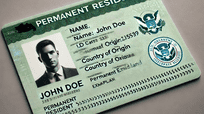
A Green Card is a significant milestone for immigrants seeking permanent residence in the United States. One of the most common questions asked by holders of a Green Card is, “How long does a Green Card last?” Understanding the Green Card validity period is crucial for ensuring that you remain compliant with U.S. immigration laws. In this article, we will explore everything you need to know about the validity period of a Green Card, the renewal process, and important information for maintaining your permanent resident status.
What Is A Green Card?
A Green Card, also known as a Permanent Resident Card, is an identification card issued by the United States government to foreign nationals who are authorized to live and work permanently in the U.S. Holding a Green Card grants the individual permanent resident status, allowing them to reside in the U.S. without the need for a visa. It is an important document for immigrants who wish to establish themselves and pursue opportunities in the U.S.
Green Card Validity Period: How Long Does A Green Card Last?
The Green Card validity period can vary depending on the type of Green Card you have. Generally, Green Cards are valid for ten years. After this period, a Green Card holder is required to renew their card. However, there are exceptions based on the circumstances surrounding the Green Card holder’s status.
Types Of Green Cards And Their Validity Periods
There are different types of Green Cards, and their validity periods may differ. The most common types include:
- Standard Green Card: For most permanent residents, the Green Card is valid for ten years. The cardholder is required to renew it before it expires to maintain their permanent resident status.
- Conditional Green Card: For individuals who have been granted permanent residency based on a marriage or an investment in a U.S. business, the Green Card is valid for only two years. After this period, the individual must apply to remove the conditions on their residency. Failure to do so can result in the loss of permanent resident status.
What Happens When A Green Card Expires?
If a Green Card expires, it does not mean that the individual loses their permanent resident status. However, an expired Green Card can cause problems in everyday activities such as applying for jobs, traveling, or renewing a driver’s license. It is essential to renew the card before it expires to avoid complications and ensure that you can fully enjoy the benefits of permanent residency.
How To Renew A Green Card

Renewing a Green Card is a relatively simple process. If your Green Card is about to expire or has already expired, you can begin the renewal process by filing Form I-90 with the U.S. Citizenship and Immigration Services (USCIS). The processing time for a Green Card renewal can take several months, so it is important to apply well in advance of the expiration date.
When Should You Renew Your Green Card?
Green Card holders should apply for renewal within six months of their card’s expiration date. While you can technically renew your Green Card at any time before it expires, it is advisable to start the process early to avoid issues that may arise due to delays. Renewing a Green Card ahead of time will also prevent you from being stuck with an expired card that could hinder various legal and administrative processes.
The Conditional Green Card Renewal Process
For individuals who hold a conditional Green Card, the renewal process is slightly different. The Green Card holder must apply to remove the conditions on their residency within the 90-day period before the two-year anniversary of receiving their conditional Green Card. This is done by filing Form I-751 (for married individuals) or Form I-829 (for investor-based Green Cards). If successful, the conditions will be removed, and the individual will receive a permanent Green Card valid for ten years.
How Long Does The Process Take For Green Card Renewal?
The processing time for renewing a Green Card can vary depending on the specific circumstances and the type of Green Card being renewed. On average, the process may take anywhere from 6 months to a year. However, it is important to apply early and monitor the status of your application through the USCIS website or customer service channels.
Green Card Expiration And Travel
One of the most common concerns for Green Card holders is whether they can travel internationally with an expired Green Card. While an expired Green Card does not affect your permanent resident status, it can cause complications when re-entering the U.S. After traveling abroad, you may face issues when attempting to return to the country without a valid Green Card. It is always advisable to renew your Green Card before traveling or seek advice from a legal professional if you must travel with an expired card.
Can You Lose Your Green Card?
While Green Cards are typically valid for ten years, permanent resident status can be revoked under certain conditions. Some of the most common reasons for losing a Green Card include:
- Committing a serious crime or violating U.S. immigration laws
- Abandoning U.S. residence for an extended period of time
- Failing to comply with the terms of your permanent residency
If you believe that your Green Card is at risk, it is essential to consult with an immigration attorney to understand your options and take the necessary steps to protect your permanent resident status.
Can You Apply For U.S. Citizenship With An Expired Green Card?
An expired Green Card does not affect your eligibility to apply for U.S. citizenship if you meet the other requirements. In fact, some Green Card holders choose to apply for citizenship before their Green Card expires. While having an expired Green Card might cause delays in the naturalization process, it will not disqualify you from applying for U.S. citizenship. However, it is recommended that you renew your Green Card to ensure that all your documentation is up to date.
Conclusion
Understanding the Green Card validity period is essential for all permanent residents in the United States. Whether you have a standard Green Card or a conditional Green Card, knowing how long your Green Card lasts and when to renew it will help you maintain your legal status and avoid unnecessary complications. Always ensure that you follow the required procedures to renew your Green Card before it expires and take appropriate action if your Green Card conditions change. By staying informed and proactive, you can enjoy the benefits of permanent residency in the U.S. for many years to come.
Frequently Asked Questions
1. What Is The Validity Period Of A Green Card?
The validity period of a Green Card typically depends on the type of Green Card issued. For most lawful permanent residents, the standard Green Card is valid for 10 years. After this period, it must be renewed to maintain a valid identification document, although the permanent resident status itself does not expire. In the case of conditional permanent residents, which often include individuals who obtained their status through marriage or investment, the Green Card is valid for only 2 years. Before this conditional Green Card expires, the holder must file a petition to remove the conditions and receive a 10-year Green Card. Monitoring the Green Card validity period is crucial to ensure continuous lawful presence and avoid potential legal or logistical issues in the United States.
2. How Long Does A Green Card Last?
A standard Green Card issued to lawful permanent residents lasts for 10 years. This 10-year validity period is typical for individuals granted permanent residency through employment, family sponsorship, or other approved immigration categories. However, if you are a conditional permanent resident—usually due to a marriage less than two years old at the time of receiving residency or investment immigration—the Green Card lasts for only 2 years. You must then petition to remove the conditions within 90 days of expiration. Regardless of the Green Card’s expiration, your status as a permanent resident does not automatically end, but keeping an unexpired Green Card is important for identification, work authorization, and reentry into the U.S. after travel abroad. Always track your expiration date and renew promptly.
3. What Is The Green Card Validity Period For Permanent Residents?
For permanent residents, the Green Card validity period is 10 years. This applies to those who have been granted lawful permanent resident (LPR) status without conditions. During this period, the Green Card serves as proof of identity, work authorization, and the right to reside in the United States. Although the Green Card itself must be renewed every 10 years, the underlying immigration status as a permanent resident does not expire unless it is voluntarily abandoned or revoked due to legal violations. To maintain a valid card, residents are encouraged to begin the renewal process within six months of the card’s expiration. Keeping your Green Card current ensures uninterrupted access to services, employment, and international travel without issues at reentry checkpoints or during legal proceedings.
4. How Long Does A Conditional Green Card Last?
A conditional Green Card lasts for only 2 years. It is usually granted to immigrants who become lawful permanent residents through marriage to a U.S. citizen or through the EB-5 investor visa program. The purpose of a conditional Green Card is to verify the authenticity of the marriage or investment during a trial period. To maintain residency, the individual must file a petition to remove the conditions—Form I-751 for marriage or Form I-829 for investments—within the 90-day window before the card expires. If the petition is successful, the conditions are lifted, and the individual receives a 10-year Green Card. Failing to act within this timeframe could result in loss of permanent residency status and potential removal proceedings.
5. What Happens After The Green Card Validity Period Expires?
When the Green Card validity period expires, it does not mean that your lawful permanent resident status ends. However, it does create significant challenges. An expired Green Card is not valid for employment verification, reentry into the U.S., or identity purposes. For example, if you’re applying for a job or traveling internationally, you may face delays or denials. Additionally, renewing a driver’s license or accessing certain services may become difficult. That’s why it’s important to renew your Green Card on time by filing Form I-90. If you fail to renew it, your status remains valid, but your expired card may cause legal, financial, and logistical inconveniences. Always monitor your Green Card expiration date and apply for renewal at least six months in advance.
6. How Can I Check The Validity Period Of My Green Card?
You can check the validity period of your Green Card by looking at the front of the physical card. The expiration date is clearly printed under the “Card Expires” section. This date indicates when your Green Card will no longer be valid for identification, employment verification, or international travel purposes. It’s important to note that while the card expires, your permanent resident status typically does not. To avoid complications, mark your calendar and begin the renewal process within six months of the expiration date. If your card is lost, stolen, or damaged and you’re unsure of the expiration date, you can check your USCIS account or contact the agency directly for assistance. Staying aware of this date helps you remain in legal compliance.
7. Can I Travel With A Green Card That Is Nearing The End Of Its Validity Period?
Yes, you can travel internationally with a Green Card that is nearing the end of its validity period, but it’s not advisable to do so close to or after expiration. Most airlines and immigration officers require a Green Card to be valid at the time of reentry into the United States. If your Green Card expires while you’re abroad, you may face difficulties re-entering the U.S. You may be required to obtain a boarding foil or emergency documentation from a U.S. consulate to return. To avoid these issues, ensure your Green Card is valid for the entire duration of your trip. If you anticipate international travel and your Green Card will expire soon, it’s wise to renew it in advance.
8. Is The Green Card Validity Period The Same For All Types Of Green Cards?
No, the Green Card validity period is not the same for all types of Green Cards. Standard Green Cards issued to permanent residents are valid for 10 years, while conditional Green Cards are valid for only 2 years. Conditional Green Cards are typically granted in cases of marriage-based or investor-based permanent residency. After two years, conditional residents must apply to remove the conditions to receive a full 10-year Green Card. Also, in rare cases, certain Green Cards issued in the past may not have expiration dates, but these are being phased out. Therefore, it’s crucial to know which type you possess and take timely action to renew or remove conditions before the validity period ends to maintain uninterrupted legal status.
9. How Do I Renew My Green Card After Its Validity Period Ends?
To renew your Green Card after its validity period ends, you must file Form I-90, Application to Replace Permanent Resident Card, with the United States Citizenship and Immigration Services (USCIS). It’s best to file the form within six months before your Green Card’s expiration date. The application can be completed online or submitted by mail. Along with the form, you must pay the applicable fee and submit required documentation such as a copy of your expiring or expired Green Card. Once your application is submitted, USCIS will issue a receipt notice that can be used temporarily as proof of your status. Eventually, you will be scheduled for a biometrics appointment before receiving your new 10-year Green Card.
10. What Documents Are Needed To Renew A Green Card When The Validity Period Expires?
To renew a Green Card after its validity period expires, you’ll need to submit the following documents with Form I-90: a copy of your expired or expiring Green Card, a government-issued photo ID (such as a passport or driver’s license), and your completed application form. If your card is lost, stolen, or damaged, you may be required to include a police report or a sworn statement explaining the circumstances. You’ll also need to pay a renewal fee, which includes both an application and biometric services fee. After submission, USCIS will provide a receipt notice, and you may receive a biometrics appointment. Ensuring you have the proper documents speeds up the process and reduces the risk of delays or rejection.
11. Does The Green Card Validity Period Affect My Employment Authorization?
Yes, the Green Card validity period does affect your employment authorization documentation. A valid, unexpired Green Card serves as proof of your lawful permanent resident status and eligibility to work in the United States. If your Green Card expires, you remain authorized to work, but employers may refuse to accept an expired card as proof of your work eligibility. This could create delays or issues in starting or continuing employment. Renewing your Green Card in a timely manner prevents complications with employment verification, particularly when completing Form I-9 for a new job. Always renew your Green Card before it expires to ensure you have valid documentation to prove your right to work legally in the U.S.
12. Can I Apply For U.S. Citizenship If My Green Card Validity Period Has Expired?
Yes, you can apply for U.S. citizenship even if your Green Card has expired, provided you meet all other eligibility requirements. U.S. Citizenship and Immigration Services (USCIS) does not require your Green Card to be current for you to apply for naturalization. However, an expired Green Card may cause delays or raise questions during the naturalization process. It is highly recommended to renew your Green Card before applying for citizenship, as having an unexpired card simplifies document submission and interview preparation. If you’re eligible for naturalization and your card is expired, you may still submit Form N-400 while concurrently filing Form I-90 to renew your Green Card. This dual application strategy can help avoid legal and logistical complications.
13. How Much Time Before Expiry Should I Renew My Green Card?
You should begin the renewal process for your Green Card within six months (180 days) before the expiration date. This allows sufficient time for processing and helps you avoid the risks associated with an expired card. U.S. Citizenship and Immigration Services (USCIS) recommends this timeline because Green Card renewals can take several months, depending on the complexity of the case and USCIS workload. If you wait until your card is very close to expiring or already expired, you may face difficulties with employment verification, travel, and access to services. Starting the renewal process early ensures uninterrupted legal identification and avoids stress or complications that may arise from delayed approvals or requests for additional information.
14. Is There A Penalty For Not Renewing A Green Card After Its Validity Period?
There is no direct legal penalty or fine solely for failing to renew your Green Card after its validity period ends. However, you may face indirect consequences. An expired Green Card can make it difficult to prove your legal status, travel internationally, or obtain employment. Employers, government agencies, and law enforcement may not accept an expired Green Card as valid proof of permanent residency. Additionally, if you wait too long, you may have to provide additional evidence and explanations during the renewal process. Although your permanent resident status does not automatically expire, it’s your responsibility to carry valid documentation. Failing to do so may raise questions or complications, especially during travel or immigration-related reviews.
15. What Is The Processing Time To Renew A Green Card After The Validity Period?
The processing time to renew a Green Card after the validity period typically ranges from 6 to 12 months. This can vary depending on your location, the USCIS workload, and whether your application requires additional review. Once you file Form I-90, you’ll receive a receipt notice (Form I-797) confirming your application. This notice often serves as temporary proof of permanent residence for 12 to 24 months while your renewal is being processed. You’ll also be scheduled for a biometrics appointment, where your fingerprints and photo will be collected. It’s wise to apply early—preferably within six months before the expiration date—to avoid issues with employment, travel, or access to public services during the waiting period.
16. How Does The Green Card Validity Period Affect Reentry Into The United States?
The Green Card validity period directly affects your ability to reenter the United States after traveling abroad. U.S. Customs and Border Protection (CBP) requires lawful permanent residents to present a valid, unexpired Green Card at the port of entry. If your Green Card has expired while you’re overseas, you may be denied boarding by the airline or face delays at the U.S. port of entry. In such cases, you may need to visit a U.S. consulate abroad to obtain a boarding foil that allows you to return. To avoid travel disruptions, always check your card’s expiration date before traveling and renew it well in advance if it’s set to expire during or shortly after your trip.
17. Can The Validity Period Of A Green Card Be Extended?
The validity period of a Green Card itself cannot be extended. Instead, you must renew it by filing Form I-90 with U.S. Citizenship and Immigration Services (USCIS) when the 10-year (or 2-year for conditional) card is about to expire. However, after submitting the renewal application, USCIS will issue a receipt notice that automatically extends your Green Card’s validity for 12 or 24 months, depending on current policies. This notice, combined with your expired card, serves as temporary proof of lawful permanent resident status while the new card is being processed. The only way to “extend” the validity is to renew it through proper procedures. Always begin the process at least six months before expiration to avoid legal or logistical problems.
18. What Happens If My Green Card Validity Period Expires While I’m Abroad?
If your Green Card expires while you’re abroad, reentering the United States may become more difficult. Airlines typically require a valid Green Card to board a U.S.-bound flight. If your card is expired, you may be denied boarding. In such cases, you must apply for a boarding foil (travel document) at the nearest U.S. consulate or embassy. This process involves submitting Form I-131A and supporting documentation, including proof of permanent residency. The boarding foil allows you one-time entry into the U.S., where you must then file Form I-90 to renew your Green Card. To prevent complications, always ensure your Green Card is valid for your entire trip before leaving the United States.
19. How Does Marriage Affect The Green Card Validity Period?
Marriage can affect the Green Card validity period if the Green Card is granted based on a marriage that is less than two years old. In this case, the immigrant spouse receives a conditional Green Card, which is valid for only 2 years. To maintain permanent resident status, the couple must jointly file Form I-751 to remove the conditions within 90 days before the expiration date. Once approved, the immigrant receives a standard 10-year Green Card. If the marriage ends in divorce or separation before the conditions are removed, the immigrant may still file a waiver and explain the reasons. Thus, the nature and duration of the marriage significantly impact the length and renewal process of the Green Card.
20. Why Is It Important To Monitor The Green Card Validity Period?
Monitoring your Green Card validity period is critical to maintaining uninterrupted legal status and avoiding complications with employment, travel, and access to services. Although permanent resident status doesn’t expire with the card, an expired Green Card is not accepted as valid proof of that status. Employers may reject an expired card for work eligibility verification, and reentering the U.S. after international travel becomes difficult. Additionally, renewing driver’s licenses, accessing federal benefits, or applying for loans often requires a valid Green Card. Monitoring your expiration date helps ensure you renew your card on time, avoiding legal issues or delays in services. USCIS recommends starting the renewal process at least six months before the expiration to avoid unnecessary disruption.
Further Reading
- What Is The Purpose Of A Green Card?
- Why An Application For A Green Card Can Be Rejected
- What Are The Common Reasons For Green Card Denial?
- Who Is Eligible For A Green Card? | Eligibility Requirements For A Green Card Explained
- What Are The Benefits Of Having A Green Card?
- How To Apply For A Green Card: A Step-by-step Guide
- What Are The Types Of Green Cards?
- What Is A Green Card? | Definition, Types, Benefits, Eligibility, How To Apply For A Green Card
- What Is The Origin, History And Evolution Of Economics?
- What Is The Similarity Between Microeconomics And Macroeconomics?