

Understanding how long it takes to get a green card is a critical step for individuals who dream of permanently living and working in the United States. Whether you’re applying through family sponsorship, employment, asylum, or another pathway, the process can be lengthy, complex, and varies greatly based on numerous factors. In this comprehensive guide, we explore how long it takes to get a green card, what affects the green card processing times, and how you can better navigate the U.S. immigration system to make informed decisions throughout your green card journey.
What Is A Green Card?
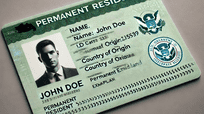
A green card, officially known as a Permanent Resident Card, grants an individual the legal right to live and work permanently in the United States. Green card holders enjoy many of the same rights as U.S. citizens, although they cannot vote in federal elections. The card is evidence of an individual’s permanent resident status and is essential for those seeking a long-term future in the U.S. The green card process is part of the U.S. immigration system and varies depending on the type of application. Understanding how long it takes to get a green card requires knowing which type of green card you’re eligible for.
Factors That Influence How Long It Takes To Get A Green Card
The timeline for how long it takes to get a green card depends on several variables. These include the category of application, the applicant’s country of origin, the current backlog at USCIS, and whether the applicant is already in the U.S. or applying from abroad. Employment-based green cards may move faster than family-based ones, especially for immediate relatives of U.S. citizens. Backlogs are common, and applicants from countries like India, China, and Mexico may experience longer waits due to annual country caps.
How Long It Takes To Get A Green Card Through Family Sponsorship
If you are applying for a green card through family sponsorship, how long it takes to get a green card can vary based on your relationship to the sponsor. Immediate relatives of U.S. citizens—such as spouses, unmarried children under 21, and parents—typically receive green cards faster, often within 12 months. Other family preference categories, like siblings or married adult children of U.S. citizens, can take several years—anywhere from 5 to over 20 years, depending on your priority date and country of origin.
How Long It Takes To Get A Green Card Through Employment
For employment-based green cards, the timeline can range from 1 to 5 years or more. Factors include the applicant’s job category, the employer’s ability to obtain labor certification, and whether the applicant is already in the U.S. under a different visa status. Generally, higher-preference categories (like EB-1) experience shorter waits, while lower-preference categories (like EB-3) may face longer delays. How long it takes to get a green card also depends on the country of birth, with oversubscribed countries waiting significantly longer.
How Long It Takes To Get A Green Card Through Asylum Or Refugee Status

Refugees and asylees can apply for a green card one year after being granted asylum or entering as a refugee. However, how long it takes to get a green card after this eligibility date depends on USCIS processing times. It may take several months to over a year once the I-485 adjustment of status form is submitted. Delays can occur due to background checks, interview wait times, and regional processing center caseloads.
How Long It Takes To Get A Green Card Through The Diversity Visa Lottery
The Diversity Visa Lottery (DV Lottery) offers another pathway to lawful permanent residency. Winners must act quickly, as visas are issued on a first-come, first-served basis. Once selected, the green card process, including submission of documentation and attending the visa interview, can take 6 to 18 months. How long it takes to get a green card in this case depends heavily on completing all required steps before the annual deadline.
How Long It Takes To Get A Green Card When Already In The U.S.
Applicants already in the U.S. on a valid visa can apply for a green card through Adjustment of Status (Form I-485). How long it takes to get a green card through this method depends on the applicant’s eligibility and visa category. On average, Adjustment of Status applications take 8 to 14 months. Applicants can remain in the U.S. while waiting, and in some cases, they may also qualify for temporary work or travel permits during the wait.
How Long It Takes To Get A Green Card Through Consular Processing
For applicants outside the United States, the green card process goes through U.S. consulates or embassies. Known as consular processing, this method generally takes longer due to international logistics and coordination between the National Visa Center and the local embassy. How long it takes to get a green card through consular processing can range from 12 to 24 months, depending on interview availability, security clearance timelines, and documentation accuracy.
How Long It Takes To Get A Green Card If You Are From A Backlogged Country
If you’re from countries with high green card demand—like India, China, or Mexico—you may face longer wait times due to the annual per-country limit. How long it takes to get a green card in these cases could stretch to decades in certain visa categories. The Visa Bulletin, published monthly by the U.S. Department of State, helps applicants track priority dates and estimate processing timelines.
The Role Of USCIS And Visa Bulletin In Green Card Timelines
The United States Citizenship and Immigration Services (USCIS) is responsible for reviewing and processing green card applications. How long it takes to get a green card depends on how efficiently USCIS processes applications and how updated your priority date is in the Visa Bulletin. Applicants must monitor both agencies to understand the real-time status of their case and any updates to their visa category or processing center.
Common Delays In The Green Card Application Process
Delays can significantly impact how long it takes to get a green card. Common causes include errors on application forms, missing documents, incomplete biometrics, background check issues, or delays in scheduling interviews. Other external delays, such as policy changes, pandemics, and government shutdowns, can further extend the timeline. Applicants are advised to double-check all forms and seek legal assistance to avoid preventable mistakes.
How To Check Your Green Card Application Status
To track how long it takes to get a green card, applicants can use the USCIS online case status tool by entering their receipt number. USCIS also allows users to sign up for case updates. For consular processing, updates are often available through the Department of State’s CEAC portal. Understanding each step and monitoring your case regularly can help you stay informed throughout the process.
Premium Processing And Expedited Green Card Options
Although most green card categories don’t offer premium processing, some employment-based visas do allow it for certain steps, such as Form I-140 (Immigrant Petition for Alien Worker). Expedited requests may also be available for applicants facing urgent humanitarian issues. These options can influence how long it takes to get a green card, though approval is rare and usually granted only under exceptional circumstances.
Estimated Timelines For Different Green Card Categories
- Immediate Relative (Spouse/Parent of U.S. Citizen): 8–14 months
- Family Preference Categories: 1–20+ years
- Employment-Based (EB-1, EB-2): 1–5 years
- Refugee/Asylee: 1–2 years after eligibility
- Diversity Visa Lottery: 6–18 months
- Adjustment of Status: 8–14 months
- Consular Processing: 12–24 months
These estimates reflect averages and are subject to change. Always consult current USCIS processing times and the Visa Bulletin to assess how long it takes to get a green card in your specific case.
How Long It Takes To Get A Green Card After Marriage
Marriage to a U.S. citizen allows a foreign spouse to apply as an immediate relative, which has no annual cap. How long it takes to get a green card in this situation typically ranges from 10 to 14 months for most couples. However, if the couple has been married less than two years, the green card issued will be conditional and valid for two years, after which the couple must apply to remove the conditions.
How Long It Takes To Renew Or Replace A Green Card
Although not part of the initial process, knowing how long it takes to get a green card renewed or replaced is important. Renewals and replacements typically take 6 to 10 months through Form I-90. Delays may arise if biometrics or additional documentation is required. While waiting, applicants may receive a temporary extension letter to prove their permanent residency status.
Tips To Reduce How Long It Takes To Get A Green Card
To reduce how long it takes to get a green card, applicants should:
- Submit accurate and complete applications
- Include all required documents and translations
- Pay correct fees
- Respond promptly to USCIS requests
- Monitor your case online
- Work with an immigration attorney for complex cases
Proper preparation significantly reduces delays and improves your chance of faster approval.
The Impact Of Policy Changes On Green Card Processing Times
Immigration policies under different administrations can impact how long it takes to get a green card. Executive orders, staffing levels at USCIS, or changes to eligibility rules can either speed up or slow down the process. Applicants should stay updated with news from USCIS and legal immigration sources to avoid surprises during their application process.
Conclusion
Understanding how long it takes to get a green card is essential for managing expectations and planning for your future in the United States. Each path—family, employment, asylum, diversity visa—has its own timeline, and applicants must stay informed and proactive. While some green card processes are straightforward and fast, others may span years due to backlogs and policy constraints. Being prepared, organized, and aware of the evolving immigration landscape is your best tool in navigating the journey to lawful permanent residency.
Frequently Asked Questions
1. How Long Does It Take To Get A Green Card?
The time it takes to get a green card depends on the category under which you apply, your country of origin, and the processing speed of U.S. immigration services. On average, immediate relatives of U.S. citizens may receive green cards within 10 to 13 months. For other categories, such as employment-based or family-preference visas, the process may take several years due to annual visa limits and backlogs. For example, applicants from high-demand countries like India or China may wait over 10 years in some categories. Delays may also occur if background checks or additional documentation are required. It’s important to regularly check processing times on the USCIS website and keep your application complete and accurate to avoid further delays.
2. How Long Does It Take To Get A Green Card Through Family Sponsorship?
Getting a green card through family sponsorship can take anywhere from 10 months to over 10 years depending on the family relationship and the applicant’s country of origin. Immediate relatives of U.S. citizens (spouses, unmarried children under 21, and parents) typically have no waiting period for a visa number and can receive a green card in 10 to 13 months. However, family preference categories (siblings, adult children) are subject to visa quotas and backlogs, which can result in multi-year wait times. Applicants from countries with high demand such as Mexico, India, and the Philippines often face the longest delays. The USCIS and National Visa Center processing times also affect the total duration. Timely submission and complete documentation help avoid unnecessary delays.
3. How Long Does It Take To Get A Green Card After Marriage To A U.S. Citizen?
A green card through marriage to a U.S. citizen typically takes 10 to 13 months if the spouse is living in the United States and files for adjustment of status. If the foreign spouse lives abroad, the process may take 12 to 18 months through consular processing. The green card application process includes filing forms I-130 and I-485 (or DS-260 for consular processing), attending biometrics and interview appointments, and undergoing background checks. Conditional green cards are issued if the marriage is less than two years old at the time of approval, which must later be converted into a permanent one. Delays may occur if additional evidence is needed to prove the authenticity of the marriage or due to USCIS backlogs.
4. How Long Does It Take To Get A Green Card Through Employment?
Getting a green card through employment can take anywhere from 1 to 6 years, depending on the type of job, employer sponsorship, and the applicant’s nationality. The process includes obtaining a PERM labor certification (which can take up to a year), filing Form I-140 (Immigrant Petition for Alien Worker), and finally Form I-485 for adjustment of status if a visa is available. Priority workers (EB-1) may have shorter wait times, especially if visa numbers are current. However, EB-2 and EB-3 categories for skilled workers and professionals may have longer waits, especially for applicants from India and China. Employer cooperation and accurate documentation significantly affect timelines. The availability of visa numbers also plays a crucial role in determining processing time.
5. How Long Does It Take To Get A Green Card Through The Diversity Visa Lottery?
The Diversity Visa (DV) Lottery green card process generally takes 12 to 24 months from selection to receiving the green card. Each year, the U.S. government selects up to 55,000 applicants from eligible countries. After selection, applicants must act quickly by submitting Form DS-260 and supporting documents and scheduling a consular interview. Delays can occur if documents are incomplete or background checks take longer than expected. Visa interviews typically begin in October of the fiscal year following selection and continue through September. Selected applicants must be approved and receive their green cards before the fiscal year ends. Missing deadlines or errors in the application can lead to disqualification. Constant monitoring of status and prompt action is critical.
6. How Long Does It Take To Get A Green Card For Immediate Relatives?
Immediate relatives of U.S. citizens—spouses, parents, and unmarried children under 21—typically receive green cards much faster than other family categories because they are not subject to annual visa quotas. On average, the entire process takes about 10 to 13 months from filing to receiving the green card. For those already in the United States, adjustment of status is often used, while consular processing is used for applicants outside the U.S. This category benefits from immediate visa availability, but delays can still occur due to incomplete applications, biometrics, or interview backlogs. It’s crucial to submit all required documents accurately and on time to avoid delays. Regularly checking USCIS processing times and responding quickly to requests for evidence helps speed up the process.
7. How Long Does It Take To Get A Green Card If You Are In The United States?
If you are already in the United States, the time it takes to get a green card depends on the category of eligibility and whether a visa number is immediately available. Adjustment of Status (Form I-485) usually takes about 8 to 14 months for immediate relatives and some employment-based categories with current priority dates. However, family-preference or employment categories with backlogs may require years of waiting even after submitting Form I-485. Timely filing, accurate documentation, and prompt responses to any USCIS requests can significantly reduce processing time. Applicants must remain in legal status and attend a biometric appointment and an interview. Delays may also result from background checks, administrative processing, or requests for additional evidence by USCIS.
8. How Long Does It Take To Get A Green Card If You Are Outside The United States?
For applicants outside the United States, the green card process takes longer due to consular processing. On average, it takes 12 to 18 months from the initial petition (Form I-130 or I-140) to the final visa interview and green card issuance. Immediate relatives of U.S. citizens usually have faster processing times than those in preference categories. The process involves petition approval by USCIS, transfer to the National Visa Center (NVC), document submission, and finally, an interview at a U.S. embassy or consulate. Processing times may vary by consulate and country. Additional delays can occur due to administrative processing, security checks, or missing documentation. Being proactive in submitting forms and completing the required steps quickly helps reduce total wait time.
9. How Long Does It Take To Get A Green Card Through Asylum Or Refugee Status?
For refugees and asylees, green card eligibility starts one year after being granted asylum or entering the U.S. as a refugee. Once eligible, the application (Form I-485) typically takes 8 to 14 months to process, depending on USCIS workloads and background checks. Refugees are required to apply for a green card after one year, while asylees are not obligated but may choose to. Processing delays may result from incomplete applications, lack of documentation, or additional security screening. Since the number of green cards issued to refugees and asylees is capped annually, waiting periods can be affected by quota limits. Submitting a thorough application and responding quickly to USCIS requests helps avoid unnecessary delays in approval.
10. How Long Does It Take To Get A Green Card Through Consular Processing?
Green cards obtained through consular processing generally take 12 to 18 months, depending on the visa category, your country of origin, and the consulate’s workload. After USCIS approves your immigrant petition (Form I-130 or I-140), your case is transferred to the National Visa Center (NVC), where you must submit supporting documents and fees. Once all documents are reviewed and a visa becomes available, an interview is scheduled at the U.S. embassy or consulate in your country. The time between document submission and the interview can vary significantly. Delays may occur due to administrative processing or incomplete documentation. Promptly following instructions from USCIS and the NVC and being well-prepared for your interview can reduce overall processing time.
11. How Long Does It Take To Get A Green Card For Parents Of U.S. Citizens?
Parents of U.S. citizens who are applying for a green card typically experience one of the fastest processes, usually taking about 10 to 13 months. Since parents are considered immediate relatives, there are no visa quotas limiting their entry, which greatly speeds up the process. The process begins with the U.S. citizen child filing Form I-130, followed by Form I-485 for adjustment of status if the parent is in the U.S. or consular processing if they are abroad. If the parent is already in the U.S., they can often remain in the country while their green card application is processed. Delays may occur if additional documentation or an interview is needed, but overall, the process for parents is relatively quick compared to other family categories.
12. How Long Does It Take To Get A Green Card For Siblings Of U.S. Citizens?
Siblings of U.S. citizens are in the family preference category, which means their wait times can be considerably longer than those of immediate relatives. The green card process for siblings typically takes several years, and the exact wait time depends on factors such as the applicant’s country of origin and the demand for visas. On average, it can take anywhere from 10 to 20 years for siblings to receive a green card. Since there are annual visa limits for this category, applicants from countries with high demand, such as Mexico, the Philippines, and India, can experience even longer delays. The process includes the filing of Form I-130, approval from USCIS, and consular processing or adjustment of status.
13. How Long Does It Take To Get A Green Card If You Are From India Or China?
Applicants from India or China, especially those seeking employment-based green cards, often face some of the longest wait times due to high demand and visa quotas. For example, it can take over 10 years for individuals from these countries to receive a green card in categories like EB-2 or EB-3 (for skilled workers or professionals). Family-based categories, such as siblings of U.S. citizens, also have lengthy waiting periods, ranging from 12 to 20 years or more. The backlog in these countries stems from the limited number of visas available annually. Applicants can track their priority dates using the U.S. Department of State’s Visa Bulletin and consult with an immigration attorney for more personalized estimates and guidance.
14. How Long Does It Take To Get A Green Card Using Adjustment Of Status?
Adjustment of Status (AOS) allows individuals already in the United States to apply for a green card without needing to leave the country. The process usually takes about 8 to 14 months, depending on the specific circumstances and the applicant’s eligibility category. AOS applicants must file Form I-485, attend biometric appointments, and often go through an interview. Immediate relatives of U.S. citizens tend to have faster processing times compared to those in family preference or employment-based categories. Delays can occur due to incomplete forms, missing documents, or additional background checks. Timely and accurate submission of forms and supporting documents can help avoid unnecessary delays.
15. How Long Does It Take To Get A Green Card If You Win The Green Card Lottery?
Winning the Diversity Visa (DV) Lottery can lead to a green card, but the process still takes time. Typically, it can take 12 to 24 months from the time of selection to receiving the green card. Once selected, applicants must submit their Form DS-260, gather necessary documents (such as birth certificates and police records), and undergo a medical exam. After approval of the application, a visa interview is scheduled at a U.S. embassy or consulate. While the lottery increases the chance of obtaining a green card, the process can still be delayed by missing documents, security checks, or consulate scheduling issues. Ensuring all forms are complete and accurate can reduce delays.
16. How Long Does It Take To Get A Green Card For Children Of U.S. Citizens?
For children under 21 of U.S. citizens, the green card process is relatively fast. Since children are considered immediate relatives of U.S. citizens, there are no visa limits, and the process generally takes 10 to 13 months. If the child is already in the U.S., they can apply for Adjustment of Status using Form I-485. If the child is abroad, the process will involve consular processing, which may take slightly longer. However, the overall wait time remains shorter compared to other family-based categories. Delays may occur if additional documentation is required, but generally, children of U.S. citizens benefit from a quicker process.
17. How Long Does It Take To Get A Green Card When Your Priority Date Is Current?
When your priority date becomes current, it means that a visa is available for your green card application. Depending on the visa category and country of origin, this could mean the final step is near. For immediate relatives of U.S. citizens, the entire process can be completed in about 10 to 13 months. However, for other categories, such as employment-based or family-preference visas, the total process time might still take several more months to complete, even after the priority date is current. If you’re awaiting consular processing, you’ll need to undergo a visa interview. Ensuring that all documentation is in order when your priority date becomes current is essential to avoid delays.
18. How Long Does It Take To Get A Green Card After Filing Form I-485?
Filing Form I-485 for Adjustment of Status typically takes 8 to 14 months, depending on the applicant’s situation. This includes time for biometric appointments, potential interviews, and background checks. The applicant will also need to submit supporting documents, such as proof of identity and legal entry into the U.S. For immediate relatives of U.S. citizens, the process tends to be faster than for family-preference categories, which may face additional delays due to annual visa limits. During the process, applicants may be asked to provide additional information or attend a follow-up interview, which can also add to the timeline. Staying informed about processing times and responding quickly to requests from USCIS can help prevent unnecessary delays.
19. How Long Does It Take To Get A Green Card If Your Case Is Delayed?
If your green card case is delayed, the time it takes to get approval will vary depending on the reason for the delay. Common reasons for delays include missing documentation, additional background checks, administrative processing, or issues with your priority date. If you’re applying through Adjustment of Status, the delay might stem from factors such as delayed biometric appointments, missing medical exams, or complex visa category issues. In consular processing cases, delays may happen if the consulate requires further information or there are scheduling issues. While delays can be frustrating, staying in touch with USCIS, checking your case status online, and seeking professional assistance can help resolve issues and get your green card process back on track.
20. How Long Does It Take To Get A Green Card After A USCIS Interview?
The green card process can be completed relatively quickly after the USCIS interview if there are no issues or complications. For most applicants, a decision is made within 1 to 2 months after the interview. However, if additional documents are required or if the officer needs more time to process your case, it could take longer. Applicants are typically notified of their status by mail. If the interview goes well and all documents are in order, many applicants receive an approval notice shortly afterward. On rare occasions, additional requests for evidence (RFE) may be issued, which can delay the final decision. Being well-prepared for the interview and submitting all required documentation beforehand can minimize these delays.
Further Reading
- Green Card Validity Period: How Long Does A Green Card Last?
- What Is The Purpose Of A Green Card?
- Why An Application For A Green Card Can Be Rejected
- What Are The Common Reasons For Green Card Denial?
- Who Is Eligible For A Green Card? | Eligibility Requirements For A Green Card Explained
- What Are The Benefits Of Having A Green Card?
- How To Apply For A Green Card: A Step-by-step Guide
- What Are The Types Of Green Cards?
- What Is A Green Card? | Definition, Types, Benefits, Eligibility, How To Apply For A Green Card
- What Is The Origin, History And Evolution Of Economics?