

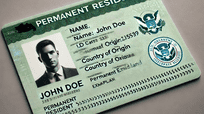
Applying for a green card is a major step toward permanent residency in the United States, but many applicants make avoidable errors that can delay or derail their approval. This article explores common mistakes to avoid when applying for a green card, guiding readers through the process to improve their chances of success. If you are planning to apply, understanding common mistakes to avoid when applying for a green card is crucial to avoid denials, delays, or unnecessary legal complications. This guide will help you avoid the pitfalls others have encountered and ensure your application process goes smoothly.
What Is A Green Card?
A green card, officially known as a Permanent Resident Card, is issued by the U.S. Citizenship and Immigration Services (USCIS) and allows foreign nationals to live and work permanently in the United States. It’s an essential step for those looking to become U.S. citizens eventually. When applying for a green card, it’s vital to understand that this is a legal process with strict eligibility requirements and documentation standards. Making common mistakes when applying for a green card can result in denials, so thorough preparation and knowledge are key.
Filing The Wrong Application Forms
One of the most common mistakes to avoid when applying for a green card is submitting incorrect or outdated application forms. USCIS frequently updates its forms, and using an older version can lead to automatic rejection. Double-check that you are using the most recent edition of Form I-485 (Adjustment of Status) or the correct immigrant petition for your situation, such as Form I-130 for family sponsorship or Form I-140 for employment-based green cards.
Missing Or Incomplete Supporting Documentation
Applicants often forget to include essential documents such as birth certificates, marriage licenses, or passport copies. Failing to submit required documents is a frequent reason for Request for Evidence (RFE) notices or outright denial. One of the common mistakes to avoid when applying for a green card is assuming USCIS will request missing paperwork later. Always provide all documentation at the time of submission.
Providing Inaccurate Or Inconsistent Information
Another of the major common mistakes to avoid when applying for a green card is entering false or inconsistent information, even if unintentional. Discrepancies between your green card application and previous visa records, tax documents, or immigration history can raise red flags and cause delays. Accuracy is critical in every section of the application form.
Failing To Pay The Correct Fees

One of the most common mistakes when applying for a green card is not paying the correct filing fees or using an incorrect payment method. USCIS fees can change, and underpaying—even by a small amount—will result in your application being rejected. Review the current USCIS fee schedule before submission and ensure your payment is properly processed.
Not Responding Promptly To Requests For Evidence (RFE)
If USCIS sends an RFE, it means your application is missing information or documentation. A common mistake to avoid when applying for a green card is not responding quickly or thoroughly. Applicants must submit requested items within the deadline, usually 30 to 90 days. Ignoring an RFE or submitting incomplete responses can lead to denials.
Applying Under The Wrong Eligibility Category
Many applicants misunderstand the green card categories and apply under the wrong one. Whether it’s family-based, employment-based, or asylum, selecting the incorrect path is one of the serious common mistakes to avoid when applying for a green card. This can lead to rejection and the need to start over. Know your eligibility before you apply.
Overstaying A Visa Or Violating Status
If you overstay your visa or violate the terms of your immigration status, it may complicate or disqualify your green card application. One of the common mistakes to avoid when applying for a green card is assuming previous immigration violations won’t be discovered. USCIS checks your complete history. Always maintain lawful status while applying.
Not Getting A Qualified Sponsor
In family-based or employment-based applications, the sponsor plays a critical role. A common mistake when applying for a green card is choosing a sponsor who doesn’t meet income requirements or who cannot complete Form I-864, Affidavit of Support. This can cause the application to be denied for failure to demonstrate financial support.
Not Attending Your Biometrics Appointment
USCIS schedules a biometrics appointment to collect your fingerprints, photo, and signature. Missing this appointment without rescheduling is one of the common mistakes to avoid when applying for a green card. Failure to appear may lead to application delays or abandonment. Always attend or reschedule your appointment promptly.
Ignoring Medical Exam Requirements
Every green card applicant must undergo a medical exam by a USCIS-approved civil surgeon. Skipping this step or submitting an outdated Form I-693 (Medical Examination Report) is a common mistake when applying for a green card. Ensure the exam is current, complete, and properly submitted with your application.
Not Preparing Properly For The Interview
Many green card applications require an in-person interview. One of the common mistakes to avoid when applying for a green card is being unprepared or giving inconsistent answers during this interview. Review your application beforehand, bring all required documents, and be honest and clear with the immigration officer.
Submitting Photographs That Don’t Meet USCIS Requirements
Photos must meet specific USCIS standards regarding size, background, and format. Submitting improper or outdated photos is a common mistake when applying for a green card. Make sure your photos are taken recently and professionally, following all USCIS photo guidelines.
Applying Without Legal Guidance When Needed
While some cases are straightforward, others—like those involving prior deportations, visa overstays, or criminal history—require legal expertise. A significant common mistake to avoid when applying for a green card is proceeding without an immigration attorney in complex cases. Legal help can clarify eligibility and strengthen your application.
Applying While Outside The United States (When Not Permitted)
Some applicants try to apply for adjustment of status while living outside the U.S., which is not permitted. One of the common mistakes to avoid when applying for a green card is misunderstanding when consular processing is required versus when adjustment of status is possible. Know where and how to apply based on your current situation.
Overlooking The Importance Of Timelines And Deadlines
USCIS has strict timelines, from filing windows to responding to RFEs or scheduling interviews. A common mistake when applying for a green card is missing deadlines due to misunderstanding or disorganization. Mark key dates and respond quickly to all USCIS communication.
Not Keeping Copies Of Your Application And Correspondence
Failing to keep a copy of everything you submit to USCIS is one of the overlooked common mistakes to avoid when applying for a green card. Always maintain a record of your forms, receipts, and correspondence. These documents can be crucial if issues arise or if resubmission is needed.
Assuming Green Card Approval Is Guaranteed
Some applicants think they automatically qualify and take the process lightly. A critical common mistake to avoid when applying for a green card is assuming that approval is a formality. USCIS has strict criteria, and minor errors or omissions can lead to denials. Approach the process seriously and thoroughly.
Submitting Fraudulent Or Misleading Information
Never lie or misrepresent facts on your green card application. One of the most serious common mistakes to avoid when applying for a green card is providing false documents or answers. Fraud can lead to denial, deportation, and a permanent ban from the U.S. Be truthful in every step of the process.
Not Monitoring Your Application Status Online
USCIS provides tracking tools to monitor your case. A common mistake when applying for a green card is not checking your status and missing updates, notices, or changes. Use your receipt number to check your case status regularly and act on any alerts.
Failing To Update USCIS With A Change Of Address
If you move while your green card application is pending, you must inform USCIS within 10 days. Failing to do this is another common mistake to avoid when applying for a green card. Use Form AR-11 to update your address, or you may miss critical correspondence or interview notices.
Not Preparing For Long Processing Times
Green card applications can take months or even years. One of the common mistakes to avoid when applying for a green card is underestimating how long the process takes. Stay patient, organized, and prepared for delays, especially if your category has an annual cap or backlog.
Conclusion
Applying for a green card is an important journey that requires precision, patience, and knowledge. By understanding the common mistakes to avoid when applying for a green card, applicants can reduce the risk of delays, denials, and legal issues. From choosing the right category to attending the interview fully prepared, every detail counts. Avoiding these common green card application mistakes is essential for a successful outcome. Treat the process with the seriousness it deserves, and seek professional guidance when necessary.
Frequently Asked Questions
1. What Are The Common Mistakes To Avoid When Applying For A Green Card?
The most common mistakes to avoid when applying for a green card include using outdated or incorrect application forms, submitting incomplete or inaccurate information, and failing to provide all required supporting documentation. Many applicants also miss deadlines, ignore Requests for Evidence (RFEs), or submit incorrect filing fees. Failing to attend mandatory appointments, such as biometrics or interviews, is another major pitfall. Choosing the wrong eligibility category and applying without professional guidance can also lead to delays or denials. Additionally, providing fraudulent or misleading information, not updating your address with USCIS, and assuming that approval is guaranteed are critical errors. Understanding these common mistakes helps applicants prepare accurate, complete, and timely applications, increasing their chances of successful approval and avoiding costly immigration setbacks.
2. Why Is It Important To Know The Common Mistakes To Avoid When Applying For A Green Card?
Knowing the common mistakes to avoid when applying for a green card is essential because the application process is complex and unforgiving. Even small errors can lead to delays, rejections, or permanent bans. Understanding potential pitfalls allows applicants to plan effectively, gather the correct documents, and avoid missteps that could jeopardize their application. Awareness also helps applicants stay organized, submit accurate information, and meet all deadlines. By being informed, applicants are more likely to navigate the process smoothly and avoid unnecessary legal trouble. Immigration is a serious legal matter, and knowing what not to do is just as critical as knowing the right steps. In short, being informed about common mistakes helps protect your chances of approval and avoids the stress of repeated applications or appeals.
3. How Can Missing Documents Become A Common Mistake To Avoid When Applying For A Green Card?
Missing or incomplete documentation is one of the most common mistakes to avoid when applying for a green card because USCIS requires specific evidence to verify eligibility. Documents such as birth certificates, marriage licenses, tax records, passport copies, and proof of financial support are vital to the process. If any of these are omitted or poorly translated, the application may be delayed with a Request for Evidence (RFE) or denied outright. Applicants often assume that USCIS will follow up for missing paperwork, but this is not guaranteed. The burden of proof is entirely on the applicant. To avoid this mistake, always double-check the checklist provided by USCIS and consult an immigration attorney if unsure. Accuracy and thoroughness in documentation significantly increase your chances of a smooth approval process.
4. Is Using Outdated Forms One Of The Common Mistakes To Avoid When Applying For A Green Card?
Yes, using outdated forms is a common and serious mistake to avoid when applying for a green card. USCIS frequently updates its application forms to include new questions, legal requirements, or format changes. Submitting an older version of a required form can lead to an automatic rejection of your application. Applicants often download forms long before they file and fail to check if a new version has been released. Each form includes an edition date at the bottom, and USCIS lists acceptable editions on its website. Before submission, always verify that you’re using the correct, most recent version of every form. This small step can prevent frustrating delays and the need to resubmit paperwork. Always stay up to date to avoid this easily preventable green card application mistake.
5. Are Inaccurate Details Among The Common Mistakes To Avoid When Applying For A Green Card?
Yes, providing inaccurate or inconsistent information is one of the most frequent and damaging mistakes to avoid when applying for a green card. Even unintentional errors in names, dates, addresses, or immigration history can lead to suspicion, delays, or denial. Inaccurate details may appear to be red flags to immigration officers and can prompt additional scrutiny, Requests for Evidence (RFEs), or investigations. USCIS cross-checks application information with past immigration records, tax filings, and other government data. If discrepancies are found, they must be clearly explained or corrected with supporting documentation. To avoid this mistake, applicants should carefully review all forms before submission and ensure that all personal details are accurate and consistent throughout. Mistakes, even if innocent, can raise concerns about credibility or eligibility.
6. How Does Choosing The Wrong Eligibility Category Rank Among The Common Mistakes To Avoid When Applying For A Green Card?
Choosing the wrong eligibility category is a critical mistake to avoid when applying for a green card. Each category—family-based, employment-based, asylum, diversity lottery, etc.—has its own requirements and application process. Filing under the incorrect category can lead to immediate rejection or long delays as USCIS will not evaluate eligibility outside the submitted path. Applicants may misunderstand their qualifications or be unaware of better-suited options, especially without legal guidance. For example, applying under a family-based category without a qualifying relative will automatically lead to denial. It’s essential to read eligibility criteria carefully and, when in doubt, consult an immigration attorney. Filing under the correct category ensures your application is evaluated properly and helps prevent wasted time, effort, and financial resources.
7. Can Ignoring USCIS Requests Be One Of The Common Mistakes To Avoid When Applying For A Green Card?
Absolutely, ignoring or delaying responses to Requests for Evidence (RFEs) or other USCIS communications is a common and costly mistake to avoid when applying for a green card. When USCIS issues an RFE, it means something is missing or unclear in your application. Failing to respond within the specified timeframe—typically 30 to 90 days—can result in your application being denied or considered abandoned. Some applicants mistakenly think the request is optional or plan to respond later but forget. USCIS does not extend deadlines lightly. It’s crucial to treat every request with urgency and to respond thoroughly with all required documentation. Monitoring your mail and USCIS case status is essential to ensure you don’t miss important notices. Prompt and complete responses protect your application from unnecessary denial.
8. Is Failing To Attend The Interview A Common Mistake To Avoid When Applying For A Green Card?
Yes, missing your green card interview without proper notice or rescheduling is a significant mistake to avoid. The USCIS interview is a mandatory step for most applicants and serves as a final review of your case. Failing to attend can lead to your application being denied or considered abandoned. Some applicants forget the date, ignore the notice, or assume it’s optional. Others may move and not update their address, so they never receive the appointment letter. If you cannot attend, you must notify USCIS in advance and reschedule. Bring all required documents to the interview, and be prepared to answer questions clearly and truthfully. Missing or mishandling the interview process can undo months or years of preparation and set back your path to permanent residency.
9. How Does Submitting Incorrect Filing Fees Relate To The Common Mistakes To Avoid When Applying For A Green Card?
Submitting the incorrect filing fee is a surprisingly common mistake to avoid when applying for a green card. USCIS has strict rules about payment, and fees often change based on updated regulations or policy changes. Even a small underpayment or using an unacceptable payment method can result in the rejection of your entire application. Some applicants also combine fees incorrectly or fail to calculate biometric service fees. Always verify the most current fee schedule on the USCIS website before submitting your application. Use a check or money order as instructed, or pay online through the USCIS portal if filing electronically. Mistakes in payment can delay your green card processing by months and may even lead to lost filing opportunities if deadlines are missed as a result.
10. Are Poorly Prepared Sponsors A Common Mistake To Avoid When Applying For A Green Card?
Yes, relying on a sponsor who is not adequately prepared or eligible is a major mistake to avoid when applying for a green card. In family-based and employment-based categories, a sponsor must file Form I-864, Affidavit of Support, to prove they can financially support the applicant. If the sponsor fails to meet the minimum income requirements or doesn’t provide the right financial documentation, USCIS may deny the application. Many applicants assume any family member or employer can sponsor them, which is not always true. A sponsor must be a U.S. citizen or permanent resident and meet specific financial thresholds. Using a joint sponsor is possible in some cases, but proper documentation is still required. Choosing the right sponsor and preparing them properly is essential for success.
11. How Important Is It To Avoid Missing Deadlines When Applying For A Green Card?
Avoiding missed deadlines is extremely important when applying for a green card, as USCIS has strict timelines for submitting applications, responses to Requests for Evidence (RFEs), and attending biometrics or interviews. Missing any of these deadlines can result in automatic denial, dismissal, or classification of the application as abandoned. Unfortunately, many applicants underestimate how rigid the immigration timeline is or rely on reminders that never arrive. This mistake can lead to significant delays, the need to reapply, or even removal proceedings. Keep a calendar of all key dates and set up alerts to ensure timely submissions. If you’re unsure about a deadline or need an extension, consult with an immigration attorney immediately. Respecting deadlines protects your legal status and helps avoid starting the process all over again.
12. What Role Does Legal Guidance Play In Preventing The Common Mistakes To Avoid When Applying For A Green Card?
Legal guidance plays a crucial role in helping applicants avoid the common mistakes when applying for a green card. Immigration law is complex, and each case can involve unique issues that are not always obvious to someone without legal experience. A qualified immigration attorney can ensure you choose the correct eligibility category, submit accurate and complete forms, prepare for interviews, and avoid common pitfalls like incorrect fees or missing documents. Legal professionals can also help you respond appropriately to Requests for Evidence and guide you through appeals if issues arise. Without legal help, applicants are more likely to make avoidable errors that result in denials or delays. While hiring an attorney involves a cost, it often saves time, money, and stress in the long run.
13. Why Is It A Common Mistake To Avoid When Applying For A Green Card Without A Medical Exam?
Applying for a green card without completing the required medical exam is a mistake that can delay or jeopardize the process. USCIS requires a medical examination conducted by a designated civil surgeon to ensure the applicant does not have any conditions that would make them inadmissible. Submitting your application without the completed Form I-693, Report of Medical Examination and Vaccination Record, or failing to bring it to your interview when required, can trigger a Request for Evidence (RFE) or denial. The medical exam must be recent—usually completed within two years before adjudication—and properly sealed when submitted. Some applicants mistakenly assume it’s optional or forget to complete it. Avoiding this mistake ensures you meet all health-related eligibility requirements and keeps your application moving forward without interruption.
14. How Can Fraudulent Information Lead To The Common Mistakes To Avoid When Applying For A Green Card?
Submitting fraudulent information is not only a common mistake but also one of the most serious offenses when applying for a green card. USCIS thoroughly reviews applications and compares the data against multiple government databases. Providing false information—such as fake documents, fabricated relationships, or hiding criminal records—can result in immediate denial and a permanent bar from entering or residing in the U.S. Some applicants lie unintentionally or due to poor advice, but intent does not matter in many cases. The consequences are severe, including deportation, loss of current status, or even criminal charges. It’s essential to be completely honest, accurate, and transparent in all submissions. When unsure how to present sensitive information, seek legal counsel rather than risk disqualification for fraud or misrepresentation.
15. Is Forgetting To Update Your Address One Of The Common Mistakes To Avoid When Applying For A Green Card?
Yes, forgetting to update your address with USCIS is a common mistake that can have serious consequences during the green card application process. USCIS uses your mailing address to send critical documents such as RFEs, biometrics appointment letters, and interview notices. If your address is outdated, you may miss important communications, leading to missed deadlines or appointments. This can result in application denial or delays. Federal law requires all non-citizens to notify USCIS of address changes within 10 days of moving by submitting Form AR-11 online or by mail. It’s a simple step, but often overlooked. Always update your address promptly to avoid miscommunication and ensure you receive every important document. This protects your application from being unintentionally abandoned due to missed correspondence.
16. Why Is It Risky To Assume Approval Is Guaranteed When Applying For A Green Card?
Assuming approval is guaranteed when applying for a green card is a dangerous mindset that can lead to complacency, carelessness, and critical errors. Many applicants mistakenly believe that marriage to a U.S. citizen or employer sponsorship automatically guarantees approval. However, USCIS carefully examines every application for eligibility, completeness, credibility, and compliance with immigration laws. Missteps like incomplete forms, missed interviews, insufficient documentation, or fraud can lead to denial even in seemingly strong cases. Applicants must understand that each case is reviewed on its own merits and must be properly documented and prepared. Overconfidence can result in missing deadlines or ignoring legal nuances. Treating the process with the seriousness it deserves helps applicants avoid preventable mistakes and ensures the best chance of approval.
17. Can Overstaying A Visa Be A Common Mistake To Avoid When Applying For A Green Card?
Yes, overstaying a visa is one of the most serious mistakes to avoid when applying for a green card. Overstaying can lead to legal complications that jeopardize your ability to adjust your status or reenter the U.S. in the future. Depending on how long you’ve overstayed, you may trigger automatic bars to reentry (typically 3 or 10 years) or become ineligible for adjustment. Some categories, like immediate relatives of U.S. citizens, may still be eligible for a green card despite an overstay, but most categories are not as forgiving. It’s critical to monitor your visa expiration date and consult with an immigration attorney if you’re close to overstaying. Taking timely legal action is essential to avoid being penalized for violating U.S. immigration law.
18. How Can Unprofessional Photos Become A Common Mistake To Avoid When Applying For A Green Card?
Submitting unprofessional or non-compliant photos is a surprisingly common and avoidable mistake when applying for a green card. USCIS has strict photo requirements regarding size, background, expression, clothing, and more. Submitting photos that do not meet these standards can lead to application rejections or delays, as USCIS will not process the application without proper identification photos. Many applicants make the mistake of using casual snapshots or passport photos that don’t align with USCIS criteria. It’s best to have your photos taken by a professional who understands immigration photo standards. Double-check your photos against the official USCIS guidelines before submission. While this seems like a minor detail, it can become a major obstacle if not done correctly. Avoiding this mistake helps ensure timely processing.
19. Why Should You Keep Copies Of Everything To Avoid Common Mistakes When Applying For A Green Card?
Keeping copies of everything you submit to USCIS is vital to avoid common mistakes during the green card application process. If documents are lost, requests for evidence are issued, or inconsistencies are found, having copies allows you to respond effectively and prove what was originally submitted. Without backups, you may be forced to recreate documents from memory or start over. This can cause delays or lead to denials if original information can’t be verified. Copies also serve as a reference during interviews and future applications. Store both digital and printed versions in a secure location. In short, keeping thorough records protects your case and gives you peace of mind, especially if you need to challenge a decision, appeal a denial, or fix errors.
20. How Can Tracking Your Application Help Prevent The Common Mistakes To Avoid When Applying For A Green Card?
Tracking your green card application status regularly through the USCIS online portal is essential to avoid common mistakes such as missing appointments, deadlines, or important updates. USCIS provides a receipt number for every application, which you can use to monitor progress, receive notifications, and respond quickly to any issues like Requests for Evidence or rescheduling needs. Many applicants fail to track their case, assuming that everything is proceeding as expected. This passive approach can result in missed mail or notifications that require prompt action. By staying engaged and checking the USCIS website frequently, you’ll be better prepared to respond to developments, maintain compliance, and ensure your application moves forward without unnecessary delays or denial due to inattention or missed correspondence.
Further Reading
- Common Mistakes To Avoid When Applying For The Green Card Lottery
- How To Apply For The Green Card Lottery: A Step-by-step Guide
- What Qualifies Someone For A Green Card? | Qualification For A Green Card Explained
- Who Needs A Green Card? | Do I Need A Green Card?
- What Happens When Your Green Card Expires?
- Does A Green Card Expire? | An Explanation Of Green Card Expiration
- How Much Does A Green Card Cost? | What Is The Cost Of A Green Card?
- What Is The Green Card Lottery? | Purpose, Benefits, Eligibility, How To Apply For The Green Card Lottery
- How To Replace A Lost, Stolen Or Damaged Green Card
- How To Renew A Green Card: An Explanation Of The Process