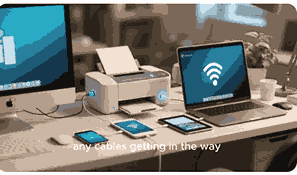
Connecting a printer to your computer is an essential step for anyone who wants to print documents, photos, or files directly from their device. Whether you are setting up a wired printer using a USB cable or connecting a wireless printer via Wi-Fi or Bluetooth, the process can vary depending on the type of printer and operating system you are using. Understanding the steps and troubleshooting methods ensures a seamless printing experience. This guide explains printer setup, connection options, drivers, and useful tips for beginners and advanced users alike.
What Is A Printer?
A printer is an output device that converts digital files stored on your computer, laptop, or mobile device into physical copies on paper. Printers are commonly used in offices, schools, and homes for documents, images, reports, and other materials. They come in different types, such as inkjet printers, laser printers, all-in-one multifunction printers, and specialized photo printers. Printers can connect to your computer through wired USB connections or wirelessly using Wi-Fi, Bluetooth, or cloud printing services. Modern printers also include smart features like mobile app integration, scanning, and copying, making them versatile tools for personal and business needs.
Types Of Printers
There are several printer types available, each serving different purposes. Inkjet printers are widely used at home because they provide high-quality prints for both documents and images. Laser printers, on the other hand, are faster and more cost-effective for bulk printing, making them suitable for offices. All-in-one printers combine printing, scanning, copying, and sometimes faxing into one device. Photo printers specialize in producing high-resolution images for photographers and creative users. Portable printers are compact and battery-powered, designed for printing on the go. Knowing the differences helps you select the right printer for your needs.
Wired Printer Connection
Wired printers connect to your computer through a USB cable. This method is simple, reliable, and ideal for single-computer setups. To connect, plug the USB cable into both the printer and the computer, turn on the printer, and wait for your computer to recognize the device. Most modern operating systems will automatically detect and install the required drivers. If not, you can install them using the CD provided with the printer or by downloading the latest drivers from the manufacturer’s website. Once installed, select the printer as your default device in system settings to start printing.
Wireless Printer Connection
Wireless printers use Wi-Fi or Bluetooth to connect to computers and other devices. To set up a Wi-Fi printer, ensure that your printer is powered on and connected to the same wireless network as your computer. Open your computer’s device settings, search for printers, and add the wireless printer from the available list. For Bluetooth printers, turn on Bluetooth on both your computer and the printer, pair them, and confirm the connection. Wireless printers are convenient for households or offices where multiple devices need access to the same printer without physical cables.
Installing Printer Drivers
Printer drivers are essential software components that allow your computer to communicate with the printer. Without the correct drivers, your printer may not function properly. Most printers automatically install drivers when connected, but sometimes manual installation is necessary. Manufacturers provide drivers on installation CDs, USB drives, or their official websites. Always download drivers compatible with your specific printer model and operating system. Keeping drivers updated ensures smooth performance and compatibility with software updates. You can also set your computer to automatically search for and install driver updates to avoid connection problems.
Troubleshooting Printer Connection Issues
Sometimes printers fail to connect to computers, which can be frustrating. Common issues include outdated drivers, incorrect Wi-Fi settings, or cable malfunctions. If your computer does not detect the printer, restart both devices and check all physical connections. For wireless printers, ensure that both the computer and printer are on the same network. Running the built-in troubleshooting tool on your operating system can help diagnose and fix common issues. If problems persist, reinstall the drivers or reset the printer’s network settings. Proper troubleshooting saves time and prevents unnecessary service calls.
Connecting A Printer To Different Operating Systems
The process of connecting a printer varies depending on your computer’s operating system. On Windows, you can add a printer through the “Devices and Printers” section in the Control Panel or Settings. On macOS, go to “System Preferences” and select “Printers & Scanners” to add your printer. Linux distributions often require installing specific printer drivers manually. Chromebooks support wireless printing through Google Cloud Print or compatible network printers. Understanding your operating system’s method ensures a smooth and error-free setup.
Using Printers With Mobile Devices
Modern printers support mobile printing, allowing you to print directly from smartphones and tablets. Many printer manufacturers provide apps for iOS and Android devices, enabling wireless printing over Wi-Fi. Apple devices support AirPrint, which lets you print from any compatible app without installing additional drivers. Android devices often support Google Print or manufacturer-specific apps. Cloud printing services also allow remote printing from anywhere with an internet connection. This feature is particularly useful for professionals and students who need quick access to hard copies without using a computer.
Conclusion
Connecting a printer to your computer is a straightforward process once you understand the type of printer, the available connection method, and the installation of drivers. Whether using a USB cable, Wi-Fi, or Bluetooth, ensuring proper setup guarantees efficient printing. With troubleshooting steps and driver management, most problems can be resolved quickly. Modern printers also offer mobile and cloud printing options, making them versatile tools for both home and office use. Following the right steps ensures that your printer and computer work together seamlessly for all your printing needs.
Frequently Asked Questions
1. How Do I Connect A Printer To My Computer?
To connect a printer to your computer, first determine whether it is a wired or wireless printer. For a wired printer, plug the USB cable into your computer and printer, then allow the system to automatically detect and install drivers. If drivers do not install, download them from the manufacturer’s website. For wireless printers, connect the printer to the same Wi-Fi network as your computer and add it through your system’s device settings. For Bluetooth printers, pair the devices in Bluetooth settings. After setup, select the printer as your default device. This ensures a smooth printing process without further manual steps.
2. How Do I Connect A Wireless Printer To My Computer?
To connect a wireless printer to your computer, first make sure the printer is turned on and connected to your Wi-Fi network. Then, on your computer, go to the settings menu and choose the option to add a printer. The system will search for available printers, and your wireless printer should appear in the list. Select it and follow the on-screen instructions to complete the setup. Some printers may require entering a password or PIN during the connection process. Once connected, set the printer as default to start printing wirelessly from your computer.
3. How Do I Connect A Bluetooth Printer To My Computer?
Connecting a Bluetooth printer to your computer begins with enabling Bluetooth on both devices. On your printer, turn on Bluetooth mode, and on your computer, open Bluetooth settings. Your computer should detect the printer in the list of available devices. Select the printer, pair it, and confirm the connection. Some printers may ask for a PIN code, which will usually be displayed on the screen. Once paired, install any required drivers if prompted. After completing setup, select the printer in your system’s print options to begin printing wirelessly using Bluetooth.
4. How Do I Connect A USB Printer To My Computer?
To connect a USB printer, start by plugging the USB cable into both the printer and your computer. Power on the printer, and most operating systems will automatically recognize and install the necessary drivers. If the drivers are not installed automatically, use the setup CD that came with the printer or download the latest drivers from the manufacturer’s website. Once installed, you can test the printer by printing a sample page. Go to your device settings and set the USB printer as the default printer for easy access during printing tasks.
5. How Do I Connect A Printer To A Windows Computer?
Connecting a printer to a Windows computer involves opening the Control Panel or Settings menu. Under “Devices and Printers,” select the option to add a printer. Windows will search for available printers, and you can choose your wired or wireless printer from the list. If it does not appear, select “The printer that I want isn’t listed” and manually add it using the printer’s IP address or USB connection. Install the required drivers if prompted. After setup, test the printer by printing a document to confirm the connection.
6. How Do I Connect A Printer To A Mac Computer?
To connect a printer to a Mac computer, go to “System Preferences” and click “Printers & Scanners.” Click the plus (+) sign to add a new printer. Your Mac will search for available printers connected via USB or Wi-Fi. Select your printer from the list and allow the system to automatically install the correct drivers. If drivers are missing, download them from the manufacturer’s website. Once installed, set the printer as your default option. Print a test page to verify that your Mac and printer are connected correctly.
7. How Do I Connect A Printer Without Wi-Fi To My Computer?
If your printer does not support Wi-Fi, you can still connect it to your computer using a USB cable. Plug the USB cable into both the printer and the computer, then power on the device. The operating system will attempt to install the necessary drivers. If installation fails, download the drivers from the printer manufacturer’s website. You can also use Bluetooth if supported. Another option is to connect the printer to a router via Ethernet cable, then add it to your computer as a network printer. This method works well for shared office printers.
8. How Do I Connect A Network Printer To My Computer?
To connect a network printer, ensure the printer is connected to the same network as your computer via Wi-Fi or Ethernet. On your computer, open the settings and select the option to add a printer. Choose “Add a network printer” and allow the system to search for available printers. If your printer does not appear, enter its IP address manually. Install the necessary drivers if prompted. Once the connection is established, set the printer as your default option. Test the connection by printing a page from any document or file.
9. How Do I Connect A Cloud Printer To My Computer?
To connect a cloud printer, sign in to your cloud printing service account, such as Google Cloud Print or a manufacturer’s specific service. Register your printer to the cloud by following the manufacturer’s setup instructions, which typically involve entering login credentials on the printer’s control panel or website. On your computer, install the cloud printing software or enable the feature in settings. Once linked, you can print from anywhere with an internet connection. Cloud printing is convenient for remote work and mobile printing, as it allows access to your printer from multiple devices worldwide.
10. How Do I Connect A Printer To My Computer Using Drivers?
Connecting a printer with drivers requires downloading and installing the correct software. First, identify your printer model and visit the manufacturer’s official website. Download the latest drivers compatible with your operating system. After installing, restart your computer and connect the printer via USB, Wi-Fi, or Bluetooth. The drivers allow your computer to communicate effectively with the printer. If automatic installation fails, you can manually select the printer and assign the driver through device settings. Keeping drivers updated ensures compatibility with system updates and prevents printing errors or connectivity issues.
11. How Do I Connect A Printer To My Computer Manually?
To connect a printer manually, open your computer’s settings and choose the “Add a printer” option. If the printer does not appear automatically, select “The printer that I want isn’t listed.” You can then enter the printer’s IP address, hostname, or port manually. Some printers also require you to install drivers separately, which can be downloaded from the manufacturer’s website. Once the printer is added manually, test it by printing a page. This method is useful when dealing with older printers or network devices not automatically recognized.
12. How Do I Connect A Printer To My Computer At Home?
Connecting a printer at home depends on whether it is wired or wireless. For a wired printer, plug in the USB cable and allow your system to detect it. For a wireless printer, connect it to your home Wi-Fi network and add it through device settings. Install any required drivers, either automatically or from the manufacturer’s website. Once the printer is set up, configure it as the default printer for your home computer. Print a test page to confirm successful installation. Home setups usually require minimal configuration and are straightforward.
13. How Do I Connect A Printer To My Computer At Work?
Connecting a printer at work may involve network settings or administrator permissions. For a personal desk printer, connect via USB or Wi-Fi as you would at home. For office-wide printers, ensure you are connected to the company’s network. You may need the printer’s IP address or hostname to add it manually. Some workplaces use print servers that require login credentials before printing. IT departments often install necessary drivers for shared printers. Once installed, set the printer as your default option to simplify printing tasks in a professional environment.
14. How Do I Connect A Wireless Printer Without A Router To My Computer?
Some wireless printers offer Wi-Fi Direct, allowing you to connect directly without a router. To use this feature, enable Wi-Fi Direct on your printer and look for the printer’s network name in your computer’s Wi-Fi settings. Connect to it using the provided password, usually printed on a label or displayed on the printer screen. Once connected, install the printer drivers if necessary. This direct connection is useful when no router is available, such as in temporary setups or while traveling. It creates a private link between your computer and printer.
15. How Do I Connect A Printer To My Computer Remotely?
Remote printer connections can be made through cloud printing or virtual private networks (VPNs). With cloud printing, register your printer with a cloud service and install the companion app or driver on your computer. From anywhere with internet access, you can send print jobs to your registered printer. With VPNs, connect your computer to your office or home network remotely, then add the printer as though you were physically present. Both methods require internet connectivity, but they allow printing from long distances without needing direct access to the printer.
16. How Do I Connect A Printer To My Computer Using Ethernet?
To connect a printer with Ethernet, plug one end of the Ethernet cable into your printer and the other into your router or switch. Ensure that your computer is connected to the same network. Then, open your device settings and select the option to add a printer. Choose “Add a network printer” and search for available devices. If your printer does not appear, manually enter its IP address. Install drivers if prompted. Ethernet connections are reliable and stable, making them ideal for office environments requiring consistent performance.
17. How Do I Connect An Old Printer To My Computer?
Older printers may not automatically install drivers on modern operating systems. To connect, first identify the printer model and visit the manufacturer’s website for legacy drivers. If drivers are unavailable, use generic drivers provided by your system. For USB connections, plug in the cable and manually install the driver through settings. For older parallel port printers, you may need an adapter. Some old printers are incompatible with modern systems, in which case third-party software solutions may help. Patience and correct driver selection are key to connecting older printers successfully.
18. How Do I Connect A Printer To My Computer Without A CD?
Many printers no longer come with installation CDs, but connecting them is still simple. Visit the printer manufacturer’s website and download the latest drivers compatible with your operating system. Connect your printer via USB, Wi-Fi, or Bluetooth, and the system will recognize it once the drivers are installed. Some modern printers can install automatically through plug-and-play features. Mobile apps provided by manufacturers can also help in wireless setups. Skipping the CD installation process ensures you always get the latest version of drivers, enhancing compatibility and performance.
19. How Do I Connect A Printer To My Computer Using Wi-Fi?
To connect a printer using Wi-Fi, first ensure the printer is powered on and connected to your wireless network. On the printer’s control panel, select the Wi-Fi setup option and enter your network credentials. Then, on your computer, go to settings and choose “Add a printer.” Your Wi-Fi printer should appear in the list of available devices. Select it and follow the prompts to complete installation. Install drivers if required. Once connected, set the Wi-Fi printer as your default. This method allows wireless printing from multiple computers on the same network.
20. How Do I Connect A Printer To My Computer Step By Step?
To connect a printer step by step, first decide if it is a wired or wireless printer. For wired, plug in the USB cable and power on the printer. Your computer should detect it and install drivers automatically, or you may download them manually. For wireless, connect the printer to Wi-Fi, then go to your computer’s settings and add the printer from the list. If necessary, install additional drivers. Test the connection by printing a page. These step-by-step instructions make setup simple for all printer types.
Further Reading
- How Much Does A Printer Cost? | Printer Prices, Buying Guide, And Cost Factors
- How To Connect A Printer To Windows 10 And Windows 11 | Easy Setup, Installation, And Troubleshooting Guide For Beginners
- How To Connect A Printer To Windows | Easy Setup And Troubleshooting Guide For Windows Printers
- How To Connect A Printer To A Mac | Easy Setup, Wireless Printing, And Troubleshooting Guide For macOS
- How To Add A Printer To Your Computer | Easy Step-By-Step Guide To Connect Printers To Computers
- What Is The Best Printer For My Needs? | A Complete Guide To Choosing The Right Printer For Your Needs
- How To Connect A Printer To A Tablet | Easy Guide To Printing From Tablets For Better Productivity
- Why Your Printer Print Slowly | Common Causes, Fixes, And Speed Optimization Tips
- How To Print From Your Phone To A Printer | Easy Wireless And Mobile Printing Guide
- What Is The Difference Between An Inkjet Printer And A Laser Printer? | Inkjet Vs Laser Printer Comparison, Pros And Cons, Buying Guide