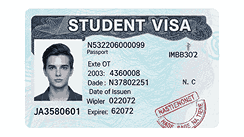
What Is A Student Visa?
A student visa is an official authorization issued by a government that allows international students to study in a foreign country for a specified period of time. It is usually linked to enrollment in an accredited academic institution, such as a university, college, or vocational training center. The visa permits legal entry, residence, and sometimes limited work rights while studying abroad. Requirements for a student visa vary by country, but applicants often need an acceptance letter from a recognized school, proof of sufficient financial resources, and valid health or travel insurance. Since studying abroad is a significant investment, many students worry about tuition fees and refund policies if their visa is denied by the embassy or consulate.
Reasons Why A Student Visa May Be Rejected
Student visa applications can be rejected for several reasons, and understanding them helps applicants prepare better. Common reasons include incomplete documentation, inconsistencies in the application, or failure to prove sufficient financial capacity to cover tuition and living expenses. Some rejections occur due to doubts about the applicant’s intent to return to their home country after studies, poor academic history, or lack of clarity about the chosen program. In other cases, visa officers may reject applications based on missing health insurance coverage, security concerns, or incorrect information provided during the interview. Being aware of these reasons and ensuring all required documents are accurate, complete, and convincing significantly increases the chances of approval.
Tuition Fee Refund Policies For Student Visa Rejection
When a student visa is rejected, tuition fee refund policies differ from one institution to another. Many universities and colleges offer partial or full refunds if a visa denial letter is provided within a specific timeframe. Some institutions deduct administrative charges before processing refunds, while others may retain deposits or non-refundable application fees. Students are often required to submit official embassy rejection letters to initiate the refund request. However, not all schools provide refunds automatically. Applicants should carefully review the terms and conditions stated in their admission or enrollment agreements before making payments. It is always advisable to contact the admissions or international office directly for clarity on their refund policy in the case of visa rejection.
How To Request A Refund After Visa Rejection
Requesting a refund after a student visa rejection involves following proper procedures set by the institution. Typically, students must submit a formal written refund request, attach a copy of the official visa rejection letter, and include proof of payment receipts. Some universities may provide online forms to make the process easier, while others require physical documents to be mailed or delivered. Processing times vary depending on the school’s policies, ranging from a few weeks to several months. To avoid unnecessary delays, applicants should ensure all documents are complete and accurate. It is also recommended to maintain constant communication with the institution’s finance or international office until the refund is processed successfully.
What Fees Are Non-Refundable After Visa Rejection?
Although many institutions offer tuition refunds after a student visa rejection, certain fees are usually non-refundable. These often include application fees, administrative charges, and deposits meant to secure admission. Some schools may also deduct a percentage of tuition as processing fees before returning the balance. Accommodation deposits or housing application fees may not be refunded if already processed by the university. Health insurance payments, if purchased through the institution, might also be excluded from refunds. Each institution has its own refund policy, so students should always review their acceptance documents carefully. Understanding which fees are refundable and which are not helps students plan their finances realistically when applying for a student visa.
Differences In Refund Policies Between Countries
Refund policies after student visa rejection vary widely depending on the country where the institution is located. For example, many universities in Canada, the UK, and Australia provide full tuition refunds if students submit visa rejection proof on time, though some deductions may apply. In the United States, policies may vary more significantly between institutions, with some offering partial refunds only. European countries often require clear documentation before considering any refund. Additionally, government regulations in some countries mandate schools to refund fees under certain conditions, while others leave the decision entirely up to individual institutions. International students must review both institutional and national rules before paying tuition fees to avoid unexpected financial losses.
How Long Does It Take To Get A Refund After Visa Rejection?
The time it takes to receive a tuition refund after a student visa rejection depends on the institution and the country of study. Some universities process refunds within four to six weeks, while others may take two to three months. The speed of refund also depends on the method of payment originally used. Bank transfers may take longer compared to refunds processed through credit cards. Delays can also occur if students fail to provide complete documentation, such as the official visa refusal letter or original payment receipts. To avoid long waiting periods, students should apply for refunds immediately after receiving the rejection decision and maintain communication with the finance department.
Can Refund Requests Be Denied After Visa Rejection?
Yes, refund requests can sometimes be denied after a student visa rejection, depending on the institution’s policies. Some schools clearly state in their admission documents that tuition deposits or partial payments are non-refundable under any circumstances. Others may only issue refunds if the rejection letter is submitted before a strict deadline. Additionally, if a student provides false information during the application or fails to follow the correct refund procedure, the institution may refuse the request. Therefore, students should carefully read all terms and conditions before paying tuition fees. Consulting the admissions or finance office in advance is also recommended to avoid misunderstandings.
How To Avoid Financial Loss In Case Of Visa Rejection
To minimize financial loss in case of a student visa rejection, applicants should take several precautionary steps. First, they should carefully review the refund policies of the institution before making tuition payments. Choosing schools that offer clear and flexible refund options is essential. It is also advisable to make only the minimum required payment until visa approval is granted, instead of paying full tuition in advance. Students should maintain copies of all receipts and documents, as these will be needed when requesting a refund. Finally, purchasing refundable flight tickets and avoiding non-refundable accommodation deposits can further reduce potential financial losses.
The Role Of Educational Consultants In Refunds
Educational consultants play an important role in guiding students through the refund process after a visa rejection. Many students seek the help of consultants when applying for universities abroad, as they provide advice on application procedures, required documents, and refund policies. In case of a rejection, consultants can help students communicate with institutions, prepare the correct refund documentation, and ensure deadlines are not missed. They may also assist in exploring alternative admission opportunities in other countries or institutions. However, students should be cautious when dealing with agents, ensuring they choose registered and trustworthy consultants to avoid scams or misinformation about refund eligibility.
Alternative Options After Student Visa Rejection
Although a visa rejection is disappointing, students still have alternative options to continue pursuing their academic goals. Some may reapply for the same visa after addressing the reasons for rejection, such as improving financial documentation or providing stronger proof of ties to their home country. Others may consider applying to universities in different countries with more flexible visa rules. Online learning programs and distance education are also becoming popular alternatives, allowing students to pursue international education without relocating. In some cases, students can defer their admission to the following academic year while reapplying for the visa. Exploring these options helps keep academic plans on track despite setbacks.
Legal Advice On Tuition Refunds
In some cases, students may need legal advice to secure tuition refunds after a visa rejection. This often happens when institutions delay refunds excessively or deny requests unfairly. Immigration lawyers or legal consultants can help students understand their rights and whether the institution is violating contractual obligations. In countries where consumer protection laws apply, legal action may be taken to recover tuition payments. While legal proceedings can be time-consuming and costly, they may be necessary if large sums of money are involved. Students are encouraged to first attempt direct negotiation with the institution before seeking legal help, but professional guidance can provide clarity when disputes arise.
Financial Planning Before Applying For A Student Visa
Proper financial planning is crucial before applying for a student visa. International students should prepare a budget that covers tuition fees, living expenses, travel, and emergency costs. Setting aside funds specifically for visa-related uncertainties, including possible rejection, helps minimize stress. Students should also research refund policies in detail before paying deposits or tuition. If possible, payments should be made in smaller installments until the visa is confirmed. Additionally, maintaining a financial backup plan, such as scholarships, family support, or alternative schools, ensures that students do not face significant setbacks if a rejection occurs. Thoughtful financial planning is essential for a smoother international education journey.
Importance Of Refund Policies For International Students
Refund policies are particularly important for international students, as they often invest large sums of money before securing a visa. A lack of clear refund guidelines can lead to financial stress and lost opportunities. Institutions that provide transparent refund procedures demonstrate fairness and attract more international applicants. For students, understanding these policies ensures they make informed financial decisions and reduces the risk of monetary loss. Since studying abroad is already a costly process, having confidence in an institution’s refund structure provides peace of mind. International students are strongly advised to prioritize schools with favorable and student-friendly refund terms before making tuition payments.
Refund Policies For Online And Distance Learning Programs
With the rise of online education, many international students now consider distance learning programs that do not require a visa. Refund policies for such programs differ from traditional on-campus courses. While visa rejection is not an issue in online learning, institutions may still have refund terms for tuition fees if a student withdraws. Some programs allow partial refunds if cancellation is made within a certain timeframe, while others may have non-refundable enrollment fees. For students worried about visa uncertainties, online programs provide a flexible option without the financial risks tied to visa rejections. Checking refund terms remains important even for online studies.
Refund Insurance For International Students
Some financial institutions and specialized insurance companies offer refund insurance for international students. This type of insurance protects students against financial losses if their visa application is rejected. Depending on the policy, students may recover tuition deposits, travel expenses, and even accommodation fees. While not all countries or schools accept this insurance, it can be a valuable safety net for students investing heavily in international education. Premiums vary depending on coverage, but they provide peace of mind in uncertain situations. Before purchasing such insurance, students should carefully review the terms and ensure the policy covers visa-related issues specifically.
Conclusion
Student visa rejection can be stressful, especially when significant tuition fees and deposits have already been paid. While many institutions offer refunds, the extent of reimbursement varies based on policies, deadlines, and non-refundable fees. Students should always read admission agreements carefully, keep records of payments, and submit refund requests promptly with official rejection letters. Seeking guidance from consultants or legal experts can also help secure refunds when disputes arise. Ultimately, planning ahead, making cautious payments, and choosing institutions with transparent refund policies are the best strategies to reduce financial risks in case of student visa rejection.
Frequently Asked Questions
1. Can I Get A Refund If My Student Visa Is Rejected?
Yes, in many cases you can get a refund if your student visa is rejected, but this depends entirely on the institution’s refund policy. Most universities and colleges provide full or partial refunds upon submission of the official visa refusal letter. However, some fees, such as application charges, deposits, or administrative costs, are often non-refundable. To claim your refund, you will usually need to submit a formal request with required documents, including proof of payment and the visa rejection notice. Refunds can take several weeks to process, depending on the institution. Always review the refund policies carefully before making tuition payments.
2. What Is The Process To Apply For A Refund After Visa Rejection?
The process to apply for a refund after visa rejection usually begins with submitting a formal request to the university or college. Students are typically required to provide a copy of the official visa refusal letter, payment receipts, and identification documents. Some institutions offer online refund request forms, while others require written applications. Processing times vary, but institutions often take four to eight weeks to issue refunds. To avoid delays, ensure all documents are accurate and complete. Communication with the admissions or finance office is essential throughout the process. Checking the institution’s policy in advance helps students know the correct procedure.
3. How Much Money Will I Get Back If My Visa Is Rejected?
The amount refunded after a student visa rejection depends on the institution’s policy. Many universities provide full tuition refunds, but they often deduct application fees, deposits, or administrative charges. Some schools may refund only a percentage of tuition if requests are made after specific deadlines. Accommodation deposits or health insurance fees may also be excluded from refunds. The exact amount is clearly stated in the acceptance or enrollment documents signed by the student. To avoid surprises, it is recommended to review these policies before paying tuition. Knowing refund conditions in advance helps students prepare for potential financial setbacks.
4. Do All Universities Provide Tuition Refunds After Visa Rejection?
No, not all universities provide tuition refunds after a visa rejection. While many institutions in countries such as Canada, the UK, and Australia have clear refund policies, others may state that tuition deposits are non-refundable. In some cases, refunds are offered only if the visa refusal is submitted within a strict deadline. Smaller institutions or private colleges may also have more restrictive policies compared to larger universities. Therefore, students should not assume refunds are automatic. Instead, it is important to carefully check the terms and conditions outlined in the admission documents before making any tuition payments.
5. How Long Does It Take To Receive A Refund After Visa Rejection?
Refund processing times after visa rejection vary depending on the institution. Some universities process refunds within four to six weeks, while others may take two to three months. The method of payment also affects processing speed, as bank transfers may take longer than refunds issued to credit cards. Delays often occur if students fail to provide complete documentation, including the official visa refusal letter. To receive refunds faster, students should apply immediately after receiving the rejection notice and maintain communication with the finance department. Checking the institution’s official refund timeline can also provide realistic expectations for repayment.
6. What Documents Are Required To Claim A Refund After Visa Rejection?
To claim a refund after visa rejection, students are generally required to submit a set of supporting documents. These typically include the official visa refusal letter issued by the embassy or consulate, proof of payment such as bank receipts or transaction confirmations, and a copy of the student’s admission or offer letter. Some institutions may also request identification documents or a completed refund form. Missing or incorrect documents can delay the refund process. Providing accurate and complete paperwork ensures that the institution can verify the claim quickly and release the refund within the stated timeframe.
7. Are Application Fees Refundable If My Visa Is Rejected?
In most cases, application fees are non-refundable even if a student visa is rejected. Application fees are usually charged to cover administrative costs related to processing admissions and are not returned under any circumstances. This policy is common across universities in countries such as the United States, the UK, Canada, and Australia. While tuition and certain deposits may be refunded, students should not expect application fees back. This is why applicants are encouraged to apply only to institutions they are genuinely interested in attending. Reviewing each school’s fee breakdown in advance helps avoid unnecessary financial losses.
8. Can I Reapply For A Student Visa After Rejection And Still Use The Same Admission?
Yes, in many cases, students can reapply for a student visa after rejection while keeping the same admission offer, provided the university allows deferment or reissuance of the offer letter. Some institutions permit students to defer their studies to the next academic session and reapply for the visa. However, students must address the reasons for the initial rejection, such as insufficient financial proof or incomplete documents. Universities may also require updated admission letters if the deferral period is long. Communicating with both the university and embassy ensures that reapplication is smooth and properly documented.
9. Will Universities Refund Accommodation Deposits If Visa Is Rejected?
Refunds for accommodation deposits after a visa rejection depend on the university or housing provider’s policy. Some institutions provide full or partial refunds if cancellation requests are made promptly with proof of visa refusal. Others may deduct administrative charges or refuse refunds for housing once contracts are signed. Private landlords and off-campus housing providers often have stricter refund terms. Students should carefully read accommodation agreements before making payments and, if possible, choose providers with flexible refund options. Being proactive and notifying the housing office immediately after a visa rejection improves the chances of recovering deposits.
10. Can I Get A Refund For Health Insurance Payments After Visa Rejection?
Health insurance refunds after visa rejection depend on whether the insurance coverage has already started. If the policy is active, institutions or insurance providers may not refund the premium, as coverage has technically been provided. However, if the policy start date is set after the visa rejection, some providers may offer partial or full refunds upon request. Universities often purchase mandatory health insurance on behalf of international students, so refund rules may vary. Students should always check with the institution or insurance provider to clarify terms before payment. Reading the insurance agreement carefully ensures no surprises later.
11. Do Private Colleges Have The Same Refund Policies As Public Universities?
Private colleges often have different refund policies compared to public universities. While many public universities follow standardized national or regional guidelines, private colleges may set their own rules, which are sometimes stricter. In many cases, private institutions retain larger portions of tuition deposits or administrative fees, even after visa rejection. However, some private colleges also offer more flexible payment plans, which reduce the financial burden. Students should thoroughly review the terms and conditions of both public and private institutions before committing. Asking questions in advance about refund policies ensures that expectations are clear and prevents misunderstandings.
12. Can I Transfer My Admission To Another Country If My Visa Is Rejected?
Transferring admission to another country after a visa rejection is not always possible, as admissions are tied to specific campuses and national regulations. However, some international education groups with multiple campuses worldwide may allow students to transfer applications. In such cases, fees may be adjusted or credited toward another program. Students must confirm this option with their institution and provide updated documentation. If transfer is not possible, students may need to reapply to universities in a different country separately. Educational consultants can assist in finding alternative admission opportunities, but students should not assume transfers are automatic.
13. Are Deposits Paid To Secure Admission Refundable After Visa Rejection?
Deposits paid to secure admission are often partially refundable, but this depends entirely on the institution’s policy. Some universities return deposits after deducting administrative charges, while others declare them non-refundable under any circumstance. Visa rejection proof is usually required to process refunds. Students should pay close attention to admission deposit agreements before making payments, as these fees are among the most commonly withheld after a rejection. Choosing universities with clear refund policies for deposits helps reduce financial risk. Communicating with the finance office before payment ensures students understand what portion of the deposit may be refundable.
14. What Should I Do If My Refund Request Is Denied After Visa Rejection?
If a refund request is denied after visa rejection, students should first review the institution’s policies to confirm whether they are eligible. If the denial seems unfair, students can escalate the matter by contacting the admissions or finance office directly for clarification. In some cases, legal advice may be necessary, especially if large sums are involved. Consumer protection laws in some countries protect students’ rights, and legal consultants can guide students through possible actions. Before pursuing legal steps, however, students should try resolving the matter through official communication channels. Clear documentation of payments and agreements strengthens the case for refunds.
15. Do Government Scholarships Cover Refunds After Visa Rejection?
Government scholarships usually cover tuition fees only if the student successfully obtains a visa and enrolls in the program. If the visa is rejected, most scholarships are withdrawn, and the student may not be eligible for a refund, since the money is paid directly by the government or funding agency to the institution. However, some scholarship programs allow students to defer their funding to the next academic year if they reapply for the visa. Students should carefully check scholarship conditions to understand refund rules. Communicating with the scholarship body immediately after rejection ensures clarity about future opportunities.
16. How Can I Avoid Paying Full Tuition Before Visa Approval?
To avoid paying full tuition before visa approval, students should inquire whether the institution allows partial payments or deposit-based enrollment. Many universities only require a small deposit to issue the admission confirmation needed for visa applications. By delaying full tuition payment until after visa approval, students can minimize financial risk. Students should also prioritize schools with transparent and flexible payment structures. Educational consultants can help identify such institutions. Additionally, checking refund policies before making payments is essential. Careful financial planning ensures that students do not face unnecessary financial stress if their visa application is denied.
17. Can Refund Requests Be Made Through An Educational Consultant?
Yes, refund requests can be made through an educational consultant if the student originally applied through their services. Many consultants assist students with the refund process by contacting universities, preparing necessary documents, and ensuring deadlines are met. However, students should ensure they are working with registered and reliable consultants to avoid scams or misinformation. While consultants can provide valuable support, students should still stay directly involved in the process and maintain communication with the institution. Relying solely on consultants without personal follow-up may delay or complicate the refund procedure.
18. Do Refund Policies Differ Between Undergraduate And Postgraduate Programs?
Refund policies may differ slightly between undergraduate and postgraduate programs, depending on the institution. Some universities apply the same refund rules across all programs, while others have stricter policies for postgraduate courses, especially those with limited seats. Professional programs such as MBAs or medical courses may have higher non-refundable deposits due to competitive demand. Students should carefully review program-specific admission documents to understand any differences. Regardless of the program level, most institutions require proof of visa rejection before considering refunds. Asking questions early in the admission process ensures that students are well-prepared for all scenarios.
19. Can I Claim A Refund If I Decide Not To Reapply After Visa Rejection?
Yes, students can usually claim a refund even if they do not reapply after visa rejection, provided they submit the official rejection letter within the institution’s deadline. Universities do not typically require proof of reapplication to process refunds. However, certain non-refundable fees may still apply, such as deposits or administrative charges. Some institutions may encourage students to defer admission instead of canceling completely, offering partial refunds if they decide not to continue. Ultimately, eligibility depends on the institution’s policies, so students should communicate their decision clearly to avoid misunderstandings. Documentation remains essential for successful refund claims.
20. Can Refund Insurance Protect Me Against Financial Loss From Visa Rejection?
Yes, refund insurance can protect students against financial loss from visa rejection. This type of policy reimburses tuition deposits, accommodation payments, and sometimes even travel expenses if the visa is denied. Refund insurance is especially useful for students applying to expensive programs or institutions with strict non-refundable policies. However, not all insurance providers cover visa-related issues, so students should read the policy details carefully before purchase. Premium costs vary depending on coverage, but they provide peace of mind in uncertain situations. For students concerned about financial risks, refund insurance can be a smart investment before applying abroad.
Further Reading
- Can I Apply For A Student Visa Without Sponsorship?
- Can A Student Visa Be Extended After Graduation?
- Can I Apply For A Student Visa Without An Offer Letter?
- Can I Study Abroad Without A Student Visa?
- Can I Switch From A Student Visa To A Tourist Visa?
- What Are The Chances Of Getting A Student Visa Approved?
- Can I Work After My Student Visa Expires?
- What Happens If My Student Visa Application Is Pending?
- What Are The Reasons For A Student Visa Revocation?
- Can I Travel During My Student Visa Application Process?
- Can I Apply For A Student Visa Without TOEFL