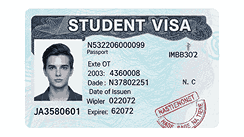
What Is A Student Visa?
A student visa is a legal authorization issued by a government that allows foreign nationals to enter a country for the purpose of studying at an approved educational institution. Student visas are temporary in nature and are usually tied to the duration of a study program, such as a university degree, vocational training, or language course. Different countries impose varying requirements, such as proof of admission, financial stability, and compliance with immigration laws. While a student visa does not directly grant permanent residency, it often serves as a stepping stone to long-term settlement. Many international students explore pathways like post-study work permits, skilled migration programs, or employer sponsorship after completing their studies, making the student visa a crucial first step toward achieving permanent residency.
Why Do Students Apply For A Student Visa?
International students apply for a student visa to gain access to high-quality education abroad, cultural exposure, and opportunities for career growth. Countries such as the United States, Canada, Australia, and the United Kingdom attract millions of students yearly because of world-class universities and better job prospects. A student visa not only allows learners to study legally but often provides part-time work rights, enabling them to earn income while studying. Additionally, many students view a student visa as a pathway to permanent residency, as graduating from a recognized institution can lead to post-study work permits and eventually residency. The visa, therefore, offers both immediate academic benefits and long-term opportunities for building a future in a new country.
Pathways From Student Visa To Permanent Residency
The transition from a student visa to permanent residency varies by country but generally involves post-study work opportunities, skilled migration programs, and employer sponsorship. For example, in Canada, graduates may apply for a Post-Graduation Work Permit (PGWP), which helps them gain local work experience required for permanent residency under Express Entry. In Australia, international students can apply for the Temporary Graduate Visa, which provides valuable time to secure skilled employment. In the United States, students often transition to an H-1B work visa before seeking a Green Card. Each country has unique immigration policies, but gaining education and work experience locally often makes international students competitive candidates for permanent residency pathways.
Benefits Of A Student Visa For Future Residency
Obtaining a student visa comes with several benefits that extend beyond studying. International students often gain access to part-time work rights, which provide financial support and relevant work experience. Studying in a foreign country also helps build professional networks, which are useful for securing full-time employment after graduation. Moreover, many countries prioritize graduates of local institutions when selecting applicants for permanent residency, as they are considered well-adapted to the local culture and workforce. Some countries even offer additional points in residency applications for international graduates. Thus, a student visa not only fulfills academic ambitions but also creates opportunities for career advancement and long-term settlement in the host country.
Challenges Of Moving From A Student Visa To Permanent Residency
Although many students aspire to achieve permanent residency after studying abroad, the process can be challenging. Immigration policies frequently change, making long-term planning uncertain. Some countries require work experience in high-demand fields, and securing a job in a competitive market may be difficult for international graduates. Additionally, certain residency programs have quotas, limited spots, or high eligibility criteria, such as language proficiency and financial stability. Transitioning from a student visa to a permanent visa often requires careful planning, strong academic performance, and networking to secure relevant employment. While possible, moving from a student visa to permanent residency requires dedication, adaptability, and a clear understanding of the country’s immigration system.
Factors That Influence Permanent Residency Eligibility
Eligibility for permanent residency after holding a student visa depends on multiple factors, including the host country’s immigration rules, the student’s field of study, and employment opportunities. Countries with labor shortages in specific industries often prioritize international graduates trained locally in those fields. Work experience gained through post-study work permits strengthens applications significantly. Language proficiency, cultural adaptability, and contributions to the local community are also considered. Moreover, maintaining good legal standing, such as complying with visa conditions and paying taxes, enhances credibility. While some students secure residency quickly, others may face longer timelines depending on competition and national immigration quotas. Understanding these factors early helps international students plan effectively for permanent residency.
How Post-Study Work Permits Help Residency
Post-study work permits serve as a critical bridge between education and permanent residency. Many countries allow international students to stay temporarily after graduation to gain work experience. For instance, Canada’s PGWP lets graduates work for up to three years, increasing their eligibility for permanent residency. In Australia, the Temporary Graduate Visa offers a similar opportunity, particularly for students in high-demand fields. These work permits provide international graduates with valuable professional experience, income, and a chance to demonstrate long-term commitment to the host country. Furthermore, employers often prefer hiring graduates already in the country with legal work authorization, giving them an advantage. Ultimately, post-study work permits strengthen residency applications by combining education with local workforce contributions.
Employer Sponsorship As A Path To Residency
Employer sponsorship is another effective route from a student visa to permanent residency. Many countries allow businesses to sponsor skilled foreign workers when there is a shortage of local talent. International students with relevant qualifications and work experience can often secure employment with companies willing to support their residency applications. For example, in the United States, graduates may transition to an H-1B visa sponsored by an employer, which can later lead to a Green Card. Similarly, in Australia and Canada, employer-sponsored visas or provincial nominations play a crucial role in permanent residency pathways. Establishing strong relationships with employers during internships, part-time jobs, or graduate positions significantly enhances the chances of gaining residency sponsorship.
Skilled Migration Programs For Graduates
Many governments offer skilled migration programs that prioritize international graduates in fields with high labor demand. These programs assign points based on criteria such as age, education, language proficiency, and work experience. Graduates of local universities often receive additional points, improving their chances of selection. For example, Australia’s Skilled Independent Visa rewards students with qualifications in high-demand occupations, while Canada’s Express Entry system values candidates with Canadian education and work experience. These programs make the transition from a student visa to permanent residency more accessible, especially for students who strategically choose courses aligned with labor market needs. Skilled migration programs thus provide an excellent opportunity for graduates to secure permanent residency and long-term stability.
Role Of Education In Residency Applications
Education plays a central role in permanent residency applications. Many immigration systems give preference to candidates who have studied locally because they are better integrated into the country’s academic, cultural, and social environments. Graduating from a recognized institution enhances credibility, as it shows commitment to contributing to the host nation. Some residency programs also award extra points for higher-level qualifications, such as master’s or doctoral degrees. International graduates with specialized skills in areas of labor shortage gain an added advantage. Furthermore, strong academic performance can lead to scholarships, research opportunities, and employer interest, further strengthening residency applications. Education, therefore, is not only the foundation for career development but also a key asset in securing permanent residency.
Financial Considerations For Students Seeking Residency
Finances play an essential role in both student visa applications and permanent residency pathways. Most countries require proof of sufficient funds for tuition and living expenses before granting a student visa. After graduation, having stable employment and the ability to support oneself financially becomes critical in residency applications. Many immigration programs assess applicants based on their ability to contribute economically. For example, securing full-time employment, paying taxes, and maintaining a good financial record can significantly improve eligibility. Additionally, applying for permanent residency often involves government fees, legal costs, and document processing expenses. International students planning long-term settlement should carefully budget for these requirements to ensure a smooth transition from student visa to permanent residency.
Cultural Adaptation And Residency Success
Cultural adaptation is an important yet often overlooked factor in the transition from a student visa to permanent residency. Countries prefer granting residency to individuals who demonstrate a willingness to integrate socially and culturally. International students benefit from years of exposure to local customs, language, and traditions, making them strong candidates for permanent residency. Employers also value graduates who adapt well to workplace culture and collaborate effectively in diverse teams. Moreover, active participation in community activities, volunteering, or professional organizations enhances credibility as a long-term resident. Demonstrating cultural adaptability not only improves residency applications but also helps international graduates thrive personally and professionally in their new environment, making them valuable contributors to society.
Country-Specific Residency Opportunities
Residency pathways differ significantly depending on the country of study. In Canada, the Express Entry system, combined with provincial nominee programs, creates favorable conditions for international graduates. Australia’s skilled migration program and Temporary Graduate Visa also attract students who want to stay long-term. The United States offers fewer direct pathways, often requiring students to transition to work visas before applying for permanent residency. In the United Kingdom, graduates can apply for the Graduate Route visa, which may lead to settlement after years of lawful residence. Each country tailors its immigration system to economic and social needs, making it essential for students to research residency opportunities specific to their host country early in their academic journey.
Legal Requirements For Residency Transition
Transitioning from a student visa to permanent residency involves strict legal requirements. Applicants must comply fully with visa conditions during their studies, including maintaining enrollment, attending classes, and respecting work restrictions. Failure to follow regulations may jeopardize future residency applications. When applying for permanent residency, students typically need valid documentation, such as passports, academic records, employment contracts, and proof of language proficiency. Many countries also conduct background checks and health assessments to ensure candidates meet public safety standards. Legal compliance demonstrates responsibility and integrity, traits highly valued by immigration authorities. International students should remain proactive by keeping documents updated, consulting immigration professionals, and monitoring policy changes to ensure they meet all residency eligibility criteria.
Family Sponsorship Options For International Students
Family sponsorship is another potential route to permanent residency for international students. Many countries allow citizens or permanent residents to sponsor immediate family members, including spouses and children. Students who marry a citizen or permanent resident may qualify for residency through family reunification programs. Additionally, some countries extend sponsorship opportunities to dependent parents once the student secures permanent residency. While family sponsorship is not a direct outcome of studying, the relationships and networks built during academic years can create opportunities for long-term settlement. Immigration authorities carefully assess family sponsorship applications to prevent misuse, requiring proof of genuine relationships. For eligible students, family sponsorship provides a supportive and legitimate pathway to permanent residency.
Language Proficiency And Residency Applications
Language proficiency is often a decisive factor in permanent residency applications. Most immigration systems require applicants to demonstrate strong communication skills in the country’s official language through standardized tests. For instance, Canada accepts IELTS or CELPIP scores, while Australia uses IELTS, PTE, or TOEFL. Strong language ability not only improves employability but also enhances integration into the community and workplace. International students already gain an advantage by studying in the host country, as daily immersion strengthens their language skills naturally. High test scores can also earn extra points in skilled migration programs, improving chances of selection. Mastering language proficiency is therefore essential for students who wish to move from temporary study status to permanent residency successfully.
Timeline For Transitioning From Student Visa To Residency
The timeline for moving from a student visa to permanent residency varies widely across countries. Some international graduates may qualify within a few years if they meet employment and skilled migration requirements. For example, in Canada, graduates who secure skilled work may obtain residency within one to three years. In Australia, the process may take longer depending on points earned and occupation demand. In contrast, the United States often has lengthy wait times due to limited Green Card availability. The timeline also depends on individual circumstances, such as program length, job opportunities, and legal compliance. Planning early and understanding country-specific immigration pathways helps international students set realistic expectations for permanent residency timelines.
The Importance Of Legal Advice In Residency Applications
Seeking professional legal advice can significantly improve the chances of a successful residency application. Immigration lawyers and registered consultants understand complex policies and provide personalized guidance based on a student’s background, field of study, and goals. They can help prepare accurate documentation, avoid costly mistakes, and identify the best available visa options. Immigration laws frequently change, and professional advisors remain updated on new policies that could affect applications. Additionally, legal experts can assist in appeals or resubmissions if initial residency applications are denied. For international students, investing in legal advice ensures clarity, reduces stress, and increases confidence throughout the process of transitioning from a student visa to permanent residency.
Conclusion
A student visa opens doors to academic growth, cultural enrichment, and future opportunities for long-term settlement. While it is not a direct guarantee of permanent residency, it provides international students with crucial pathways such as post-study work permits, skilled migration programs, employer sponsorship, and family reunification. Success depends on careful planning, academic performance, cultural adaptability, and legal compliance. Each country offers unique immigration policies, making research and early preparation vital. By combining education with strategic planning, international students can transform a temporary student visa into a permanent residency, building a future filled with stability and opportunities in their host country.
Frequently Asked Questions
1. Can A Student Visa Lead To Permanent Residency?
Yes, a student visa can serve as the first step toward permanent residency, but it is not a guarantee by itself. Many countries, such as Canada, Australia, the United Kingdom, and the United States, offer immigration pathways for international graduates. Students typically transition through post-study work permits, skilled migration programs, or employer sponsorship before qualifying for permanent residency. A student visa allows individuals to gain education and work experience, which immigration authorities highly value in residency applications. The specific path depends on the host country’s immigration policies, eligibility criteria, and labor market needs. With careful planning, legal compliance, and strategic career choices, international students can successfully move from temporary student status to permanent residency.
2. How Long Does It Take To Move From A Student Visa To Permanent Residency?
The timeline for moving from a student visa to permanent residency varies widely across countries and personal circumstances. In Canada, graduates with skilled work experience can apply for permanent residency within one to three years through Express Entry. Australia’s points-based system may take longer depending on occupation demand and visa quotas. In the United States, pathways often involve first transitioning to a work visa like the H-1B, followed by Green Card applications, which may take several years. The United Kingdom offers a Graduate Route visa that may eventually lead to settlement after five years of lawful residence. Careful planning, academic success, and employment opportunities directly influence how quickly students achieve permanent residency.
3. What Role Does Post-Study Work Experience Play In Gaining Permanent Residency From A Student Visa?
Post-study work experience is one of the most critical factors in securing permanent residency after studying abroad. Many countries provide international graduates with temporary work permits that allow them to gain practical employment experience. This not only enhances employability but also fulfills eligibility requirements for skilled migration or residency programs. For example, Canada’s Post-Graduation Work Permit and Australia’s Temporary Graduate Visa help students gain valuable professional experience in fields aligned with labor shortages. Work experience demonstrates commitment to contributing to the local economy and increases points in immigration systems. Without relevant employment, transitioning from a student visa to permanent residency becomes more challenging, highlighting the importance of work experience in the residency process.
4. Which Countries Offer The Easiest Path From Student Visa To Permanent Residency?
Some countries are more welcoming to international graduates seeking permanent residency. Canada is often regarded as one of the most favorable destinations due to its Express Entry and provincial nominee programs tailored for international graduates. Australia also offers clear pathways, including the Temporary Graduate Visa and points-based skilled migration systems. The United Kingdom provides the Graduate Route visa, allowing students to work after graduation, eventually leading to settlement. In contrast, the United States offers fewer direct paths, requiring students to transition to work visas first before applying for permanent residency. Ultimately, the “easiest” path depends on the individual’s qualifications, work experience, and alignment with the host country’s labor market and immigration priorities.
5. Do Employers Play A Role In Helping Students Move From A Visa To Permanent Residency?
Yes, employers play a significant role in helping international students transition from a student visa to permanent residency. Many countries allow businesses to sponsor skilled foreign graduates when they cannot find suitable local candidates. Employer sponsorship provides students with a clear pathway to long-term settlement by demonstrating demand for their skills. For example, in the United States, employer sponsorship often comes through the H-1B visa, which can later lead to a Green Card. Similarly, Australia and Canada have employer-sponsored or provincial programs that prioritize graduates with job offers. Building relationships with employers during internships, part-time jobs, or graduate programs significantly enhances the chances of gaining permanent residency.
6. Is Language Proficiency Important When Applying For Residency From A Student Visa?
Yes, language proficiency is extremely important when applying for permanent residency after studying abroad. Most countries require applicants to prove competence in the official language through standardized tests such as IELTS, TOEFL, PTE, or CELPIP. High proficiency levels improve employability and strengthen applications by showing integration into the host society. Many skilled migration systems award additional points for strong language scores, giving international graduates a competitive advantage. Students who have studied in the host country naturally gain language exposure, which helps improve test performance. Strong communication skills also enhance workplace adaptability and community participation. Therefore, mastering the local language is a key factor in successfully transitioning from a student visa to permanent residency.
7. What Challenges Do Students Face When Moving From A Student Visa To Permanent Residency?
International students often face several challenges when trying to move from a student visa to permanent residency. Immigration policies frequently change, creating uncertainty in long-term planning. Many residency programs require work experience in specific high-demand fields, which can be difficult to secure in competitive job markets. Language proficiency requirements, financial stability, and strict compliance with visa rules can also pose obstacles. In some countries, there are limited quotas for residency, making the process highly competitive. Students may also face difficulties in cultural adaptation or building professional networks. Despite these challenges, many graduates succeed with proper planning, persistence, and an understanding of the legal and economic factors that influence permanent residency applications.
8. Can Family Sponsorship Help Students Get Permanent Residency?
Yes, family sponsorship can help students gain permanent residency in many countries. If an international student marries a citizen or permanent resident, they may qualify for residency through family reunification programs. Some countries also allow sponsorship of dependent children and, in certain cases, parents once the student becomes a permanent resident. Family sponsorship requires proof of a genuine relationship, financial capability, and adherence to immigration rules. While this is not a direct pathway linked to studying, relationships formed during student years may open doors to permanent settlement opportunities. Immigration authorities scrutinize such applications carefully, but for eligible candidates, family sponsorship can be a valid and supportive route to permanent residency.
9. How Do Skilled Migration Programs Benefit International Students On Student Visas?
Skilled migration programs provide a structured pathway for international students to secure permanent residency after completing their education. These programs allocate points based on criteria such as age, education, work experience, and language proficiency. Graduates of local universities often receive extra points, giving them an advantage in the selection process. Countries like Australia and Canada specifically design skilled migration streams to attract highly educated graduates in fields facing labor shortages. By aligning study programs with in-demand occupations, international students increase their eligibility for skilled visas. Skilled migration programs not only help graduates settle permanently but also contribute to the host nation’s economy by addressing workforce gaps with locally trained professionals.
10. What Financial Factors Influence Residency Applications From Student Visas?
Financial stability is a major factor in permanent residency applications for students. Governments want to ensure that applicants can support themselves and contribute positively to the economy. During the initial student visa stage, proof of funds for tuition and living expenses is required. After graduation, securing stable employment and maintaining a clean financial record becomes critical. Residency programs often involve processing fees, health insurance, and additional costs, which applicants must be prepared to cover. Furthermore, consistent tax contributions strengthen the applicant’s case for residency by demonstrating economic participation. International students planning to transition to permanent residency must carefully budget and manage finances to ensure smooth eligibility and approval.
11. Does The Field Of Study Affect Chances Of Residency After A Student Visa?
Yes, the field of study can significantly impact the chances of obtaining permanent residency after completing studies abroad. Many countries prioritize graduates in areas where there is a labor shortage, such as healthcare, engineering, information technology, and education. Students who pursue degrees aligned with high-demand industries often have better job prospects and higher points in skilled migration systems. In contrast, fields with limited job openings may not provide as many opportunities for residency pathways. Governments frequently update occupation lists to reflect market needs, making it essential for international students to research carefully before choosing a program. Selecting an in-demand field of study increases the likelihood of transitioning from a student visa to permanent residency.
12. How Does Cultural Adaptation Help International Students Secure Permanent Residency?
Cultural adaptation plays an important role in the success of permanent residency applications. Immigration authorities often favor candidates who demonstrate the ability to integrate into society and contribute positively to the community. International students already gain an advantage by studying abroad, where they are exposed to local customs, language, and traditions. Employers also value graduates who adapt well to workplace culture and interact effectively with diverse teams. Active participation in volunteer activities, student organizations, and cultural events shows commitment to integration. Cultural adaptation not only improves personal growth and professional success but also strengthens the case for permanent residency by proving long-term commitment to the host country.
13. What Legal Requirements Must Be Met To Move From A Student Visa To Permanent Residency?
Legal compliance is essential when moving from a student visa to permanent residency. Students must strictly follow visa conditions during their studies, including maintaining full-time enrollment, achieving satisfactory academic progress, and adhering to work restrictions. Any violations may negatively impact future residency applications. Permanent residency applications typically require updated documentation such as academic transcripts, passports, employment contracts, and proof of language proficiency. Medical examinations, background checks, and financial evidence may also be necessary. Immigration authorities carefully review these details to ensure applicants meet public safety and legal standards. Students who remain compliant and organized throughout their stay are more likely to transition successfully from a student visa to permanent residency.
14. Can International Students Transition To Residency Through Employer Sponsorship?
Yes, many international students successfully transition to permanent residency through employer sponsorship. Employers in need of skilled workers often sponsor international graduates who have studied and gained qualifications in the host country. Sponsorship usually involves the employer supporting the applicant’s work visa, which can later lead to permanent residency. For example, in the United States, students may move from an F-1 visa to an H-1B work visa with employer sponsorship, eventually applying for a Green Card. In countries like Canada and Australia, employer-nominated visas are common residency pathways. Building professional relationships during internships and part-time jobs increases the likelihood of securing sponsorship, making it a valuable option for students.
15. How Important Is Education Level When Applying For Residency After A Student Visa?
Education level is highly important when applying for permanent residency after studying abroad. Immigration programs often reward candidates with higher qualifications, such as master’s or doctoral degrees, with additional points in their selection systems. These advanced degrees demonstrate a greater contribution to the academic and professional fields of the host country. Many governments also recognize that highly educated individuals bring specialized skills, making them more competitive in the labor market. International students with advanced qualifications are therefore more attractive to both employers and immigration authorities. While undergraduate degrees provide opportunities, pursuing higher education can significantly increase the chances of successfully transitioning from a student visa to permanent residency.
16. How Do Immigration Lawyers Assist Students Seeking Permanent Residency?
Immigration lawyers and registered consultants play a vital role in helping students transition from a student visa to permanent residency. They provide expert guidance on complex immigration laws, ensuring students choose the most suitable pathways based on their education, work experience, and goals. Lawyers also assist with preparing accurate documentation, avoiding costly mistakes, and responding to immigration authorities’ queries. In cases where applications are denied, legal professionals help with appeals and resubmissions. Since immigration policies often change, lawyers remain updated on the latest rules, giving students a competitive advantage. Their support reduces stress and improves the chances of success, making legal advice a valuable investment for students seeking permanent residency.
17. Can Students With Temporary Work Permits Apply For Permanent Residency?
Yes, students who hold temporary work permits after graduation often become strong candidates for permanent residency. These permits allow international graduates to gain relevant work experience, which is a key requirement in most skilled migration and residency programs. For example, Canada’s Post-Graduation Work Permit enables graduates to work legally and accumulate points for Express Entry. Similarly, Australia’s Temporary Graduate Visa provides a pathway to employment, which strengthens residency applications. Temporary work permits help graduates demonstrate economic contribution, adaptability, and integration into society. Without such permits, students may struggle to gain the necessary experience for permanent residency, making these post-study visas an essential step in the immigration process.
18. Do All Countries Allow Students To Move From A Student Visa To Permanent Residency?
Not all countries provide direct pathways from a student visa to permanent residency. Countries like Canada and Australia have well-established systems that encourage international graduates to settle permanently. The United Kingdom also offers routes, though they typically require additional work experience and legal residence time before qualifying for settlement. In contrast, the United States has fewer direct pathways, requiring students to first transition to temporary work visas before pursuing permanent residency. Some countries may offer no direct routes at all, viewing student visas strictly as temporary. Therefore, international students should research immigration policies of their host country thoroughly to understand if permanent residency opportunities exist and what steps are required to achieve them.
19. What Timeline Should Students Expect When Planning Residency After A Student Visa?
The timeline for residency applications after studying abroad varies by country, visa category, and individual circumstances. In Canada, international graduates with skilled employment may obtain residency within one to three years through Express Entry. In Australia, the timeline depends on points earned, occupation demand, and visa availability, often taking several years. The United Kingdom requires at least five years of lawful residence before settlement. In the United States, Green Card processes can take significantly longer due to backlogs and visa quotas. Students should begin planning early, aligning their studies with in-demand occupations, and applying for post-study work permits to maximize their chances of securing permanent residency in a reasonable timeframe.
20. How Can Students Increase Their Chances Of Gaining Permanent Residency After Studying Abroad?
Students can increase their chances of gaining permanent residency after studying abroad through strategic planning and proactive steps. Choosing fields of study that align with high-demand occupations increases eligibility for skilled migration programs. Building strong academic records, gaining relevant work experience, and improving language proficiency also enhance applications. Networking with employers, participating in internships, and securing post-study work permits provide valuable advantages. Maintaining legal compliance with visa rules and demonstrating cultural adaptability strengthen credibility with immigration authorities. Seeking legal advice from immigration professionals helps identify the best residency pathways. By combining education, work experience, and strategic planning, international students maximize their chances of turning a student visa into permanent residency.
Further Reading
- Can I Travel On A Student Visa?
- How Many Years Is A Student Visa Valid? | Understanding The Validity Of A Student Visa
- Can I Switch From A Student Visa To A Work Visa?
- Do I Need IELTS For A Student Visa?
- What Happens If My Student Visa Expires? | Learn Everything About Student visa Expiration
- Can A Student Visa Be Extended? | Learn Everything About Student Visa Extension
- How Much Does A Student Visa Cost?
- Which Countries Offer A Student Visa?
- Can I Work On A Student Visa?
- How Long Does It Take To Get A Student Visa?
- What Are The Requirements For A Student Visa?