
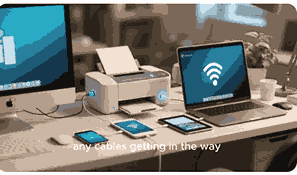
Printer spooling is a critical process in computer printing that manages how print jobs are queued, processed, and sent to a printer. Instead of sending documents directly to the printer, which could overwhelm it and slow down operations, printer spooling allows multiple print jobs to be stored temporarily in a queue until the printer is ready to handle them. This ensures smoother performance, prevents system crashes, and improves efficiency in both home and office environments. Understanding printer spooling is essential for troubleshooting, optimizing printer performance, and maintaining productivity.

What Is A Printer?
A printer is a hardware device that converts digital data into physical printouts, producing text, graphics, and images on paper or other media. Printers vary in type and technology, including inkjet, laser, dot matrix, and 3D printers. Modern printers often include wireless connectivity, multifunctional features like scanning and copying, and integration with cloud services. The printer relies on computer commands and operating system processes, such as spooling, to manage data efficiently. Without spooling, print jobs would overwhelm the printer’s memory, causing errors and inefficiency. Printers remain essential in business, education, and personal use, serving as a bridge between digital and physical information.
How Printer Spooling Works

Printer spooling works by queuing print jobs in the computer’s memory or on the hard drive. When a user sends a document to print, the operating system’s spooler temporarily stores the data, allowing the user to continue working without waiting for the printer to finish. The spooler then sends jobs to the printer one at a time in the order they were received. This background process ensures efficient task management and prevents system slowdowns. Spooling is especially beneficial when multiple users share a single printer, as it organizes and processes jobs fairly, improving performance across networks and devices.
Importance Of Printer Spooling In Modern Printing
Printer spooling is important because it improves efficiency, reduces delays, and prevents printer overload. Without spooling, computers would need to pause until each print job is completed, slowing down productivity. In office environments where multiple users share a printer, spooling ensures fair queue management and job prioritization. It also enables large documents or graphic-heavy files to be processed seamlessly without system errors. Spooling enhances multitasking by allowing users to continue working while print jobs are managed in the background. Overall, printer spooling is a vital function that supports reliable, high-performance printing in personal, professional, and industrial contexts.
Common Printer Spooling Errors
Printer spooling errors are frequent issues that disrupt printing. Some common problems include stuck print jobs in the spooler, corrupted print queue files, or spooler service crashes. These errors usually display as “Printer Spooler Error” or “Spooler Subsystem App Stopped Working.” Causes can range from outdated drivers, malware infections, or overloaded queues to incompatible software updates. Errors in printer spooling may prevent documents from printing or cause the spooler service to stop unexpectedly. Understanding these errors helps users troubleshoot effectively, restore printer functionality, and prevent workflow interruptions in both home and office settings.
How To Fix Printer Spooling Issues
Fixing printer spooling issues requires troubleshooting both software and hardware components. First, users can clear the spooler queue by accessing printer settings and deleting pending jobs. Restarting the spooler service via the operating system’s services menu often resolves crashes. Updating or reinstalling printer drivers ensures compatibility and reduces conflicts. If spooler corruption is suspected, users can delete spooler files located in the system folder and restart the printer service. For persistent issues, checking for malware, applying operating system updates, or reinstalling the printer software may be necessary. Regular maintenance helps prevent spooling issues and improves long-term printer performance.
Benefits Of Printer Spooling
The benefits of printer spooling are numerous. It allows users to continue working while documents are being printed, improving productivity and multitasking efficiency. Spooling prevents printer overload by organizing jobs in a queue and sending them sequentially. It is especially useful in networked environments, where multiple users rely on the same printer. Spooling also supports larger print jobs by temporarily storing them in memory until the printer is ready. Overall, spooling minimizes downtime, reduces user frustration, and ensures that printing tasks are handled smoothly and efficiently without interrupting computer operations.
Printer Spooling In Network Printing
In network printing, spooling plays a crucial role in managing multiple print requests from different devices. A network spooler collects jobs from computers across the network and queues them based on priority and order of arrival. This prevents printers from becoming overwhelmed and ensures fair resource allocation. Network administrators can monitor and manage spooler queues to prioritize urgent tasks or troubleshoot delays. Spooling also supports printer sharing in offices, schools, and organizations by reducing bottlenecks and improving efficiency. Without spooling, network printing would be chaotic, with frequent errors and system slowdowns.
Printer Spooling Vs Direct Printing
Printer spooling and direct printing are two different methods of handling print jobs. In direct printing, documents are sent straight to the printer without being queued, which may cause slowdowns if the printer cannot handle large or multiple jobs simultaneously. In contrast, spooling organizes and stores jobs in memory before sending them to the printer in manageable batches. While direct printing may be suitable for small, quick tasks, spooling is better for environments where large or multiple documents are printed frequently. Spooling provides stability, prevents errors, and improves multitasking compared to direct printing.
Printer Spooling And Operating Systems
Printer spooling is managed by the operating system through a built-in spooler service. Windows, macOS, and Linux all include spooler systems that temporarily store print jobs and manage communication between the computer and the printer. These spoolers work in the background, ensuring jobs are queued properly and sent to the printer when ready. System updates often improve spooler performance and fix compatibility issues. Users can access spooler settings through system control panels or terminal commands to troubleshoot errors. Understanding how operating systems handle spooling helps users optimize printing workflows and reduce technical issues.
Conclusion
Printer spooling is a vital function in modern printing that ensures efficiency, reduces system overload, and allows users to multitask while documents are processed. From managing network print jobs to preventing errors and delays, spooling plays an essential role in both personal and professional environments. Learning how printer spooling works, its benefits, and how to troubleshoot issues can greatly improve productivity and ensure smooth printing experiences.
Frequently Asked Questions
1. What Is Printer Spooling?
Printer spooling is the process of temporarily storing print jobs in a queue before sending them to a printer. Instead of sending data directly to the printer, the spooler organizes tasks in the order they are received, ensuring smooth and efficient operation. This process prevents system slowdowns, reduces errors, and allows users to continue working while print jobs are being processed in the background. Printer spooling is especially useful in offices or environments where multiple users share one printer, as it manages job distribution and prevents overload. Without spooling, printing would be less efficient and prone to frequent interruptions.
2. How Does Printer Spooling Work?
Printer spooling works by queuing print jobs in a temporary memory location, usually on the computer’s hard drive or system RAM. When a user sends a document to print, the spooler stores the data and releases it to the printer only when the device is ready. This allows the user to continue working on other tasks without waiting for the printer to finish. The spooler processes jobs in the order they are received unless an administrator prioritizes certain tasks. By organizing printing tasks in this way, spooling prevents printer overload and ensures consistent performance.
3. Why Is Printer Spooling Important?
Printer spooling is important because it optimizes printing efficiency, prevents system crashes, and supports multitasking. Without spooling, users would need to wait until a print job is fully completed before performing other tasks, which would reduce productivity. In multi-user environments, spooling ensures fair distribution of print jobs and avoids conflicts. It also helps manage large files and complex documents, which could overwhelm a printer if sent directly. Spooling enhances performance, saves time, and ensures that both personal and business printing tasks are completed smoothly without unnecessary interruptions or delays.
4. What Causes Printer Spooling Errors?
Printer spooling errors are often caused by corrupted print queues, outdated printer drivers, or spooler service malfunctions. Malware infections, system crashes, or software conflicts may also disrupt spooler operations. When spooler files are damaged, print jobs can become stuck in the queue, preventing further tasks from processing. In some cases, large or incompatible files can overload the spooler, leading to system errors. Errors typically display as “Spooler Service Not Running” or “Printer Spooler Error.” Understanding these causes allows users to troubleshoot effectively by clearing the queue, restarting the service, or updating drivers to restore printing functionality.
5. How Can I Fix Printer Spooling Problems?
To fix printer spooling problems, users should first clear the spooler queue by deleting pending print jobs. Restarting the spooler service in the operating system often resolves temporary crashes. Updating or reinstalling printer drivers ensures compatibility with the operating system. If spooler corruption is suspected, deleting spooler files from the system folder and restarting the service may help. Running malware scans, applying software updates, or reinstalling printer software can also resolve persistent errors. For networked printers, checking for connectivity issues and ensuring the spooler service is running across all devices is essential for stable performance.
6. What Are The Benefits Of Printer Spooling?
The benefits of printer spooling include improved efficiency, multitasking, and error reduction. Spooling allows users to continue working while print jobs are being processed in the background. It prevents system overload by organizing tasks in a queue and sending them sequentially to the printer. In shared environments, spooling ensures fair job management and reduces delays. It also helps with large or complex print jobs, storing them temporarily until the printer is ready. By streamlining workflow, spooling enhances productivity and minimizes downtime, making it essential for both personal and business printing.
7. What Is The Difference Between Printer Spooling And Direct Printing?
The difference between printer spooling and direct printing lies in how print jobs are handled. In direct printing, documents are sent immediately to the printer, which can cause delays or errors if the device cannot handle multiple or large files. In contrast, spooling queues print jobs in a temporary storage location before sending them to the printer in sequence. Spooling improves efficiency, allows multitasking, and prevents printer overload. Direct printing may be suitable for small, quick tasks, but spooling is far more reliable for high-volume or networked printing environments where multiple users share one device.
8. How Do Operating Systems Manage Printer Spooling?
Operating systems manage printer spooling through a dedicated spooler service. Windows, macOS, and Linux each include spooler programs that queue and organize print jobs before sending them to the printer. These spoolers run in the background and ensure smooth communication between software and hardware. Users can access spooler settings via control panels, system preferences, or terminal commands to clear queues, restart services, or adjust configurations. Operating system updates frequently include fixes and improvements for spooler performance. By managing spooling efficiently, operating systems prevent printing errors, optimize workflows, and support seamless multitasking during print operations.
9. What Is A Printer Spooler Service?
A printer spooler service is a background process in the operating system that manages print jobs. It receives documents from applications, stores them in a queue, and sends them to the printer in the proper order. The spooler service also allows users to pause, resume, or cancel jobs and provides administrators with control over networked printing. When functioning properly, the spooler service ensures smooth and efficient printing. However, if the service crashes or becomes corrupted, print jobs may fail to process. Restarting the service or troubleshooting drivers often resolves spooler-related problems.
10. How Do I Restart A Printer Spooler?
Restarting a printer spooler is a common solution for fixing spooler errors. On Windows, users can open the Services menu, locate the Print Spooler service, right-click, and select “Restart.” On macOS, users can reset the printing system via printer settings, which clears the queue and restarts the spooler. Linux users can restart the spooler using terminal commands. Restarting clears temporary errors and allows the spooler to reload. If problems persist after restarting, updating printer drivers or deleting spooler files may be necessary. This simple step is often enough to restore normal printer functionality.
11. How Do I Clear A Printer Spooler Queue?
To clear a printer spooler queue, users can access the printer settings on their computer, select the active printer, and manually delete pending print jobs. On Windows, this can be done through the Control Panel or Settings app by opening the printer queue and selecting “Cancel All Documents.” On macOS, users can access Printers & Scanners preferences and remove pending tasks. Clearing the queue removes corrupted or stuck jobs that prevent new documents from printing. After clearing, restarting the spooler service helps ensure smooth operation and prepares the printer for future tasks.
12. Can Printer Spooling Improve Printing Speed?
Yes, printer spooling can improve printing speed by allowing users to continue working while documents are being processed in the background. While the actual print speed of the device remains the same, spooling eliminates delays caused by system lockups or overloaded printers. By organizing jobs in a queue, spooling ensures the printer processes documents efficiently without interruptions. In networked environments, spooling prevents congestion and maintains steady output even with multiple users. This results in faster turnaround times, better productivity, and fewer frustrations compared to direct printing where jobs may compete for printer resources.
13. Why Does My Printer Say “Spooling”?
When a printer says “Spooling,” it means that the print job is being temporarily stored in a queue before being sent to the printer. This status indicates that the spooler is organizing and preparing the document for printing. The message is common and not an error unless it remains stuck for a long time. If spooling takes too long, it could signal a corrupted print job, outdated drivers, or spooler service issues. In such cases, clearing the queue, restarting the spooler service, or updating software usually resolves the problem and restores normal printing.
14. What Happens If I Disable Printer Spooling?
If you disable printer spooling, print jobs will be sent directly to the printer instead of being queued. While this may work for small or quick tasks, it can cause significant delays and errors with larger files or multiple jobs. The computer will be forced to wait until each job finishes before continuing with other tasks. In shared or networked environments, disabling spooling would lead to conflicts, slowdowns, and reduced efficiency. Spooling is designed to optimize performance, so disabling it is not recommended unless troubleshooting specific printer issues temporarily.
15. How Does Printer Spooling Affect Network Printing?
Printer spooling significantly improves network printing by organizing jobs from multiple users and devices into a single queue. Without spooling, printers could become overloaded and fail to process jobs efficiently. Network spoolers ensure fair distribution of tasks, preventing conflicts and delays. Administrators can monitor and prioritize certain jobs in shared environments, such as offices or schools. Spooling also supports large or complex documents, making network printing faster and more reliable. By handling requests in an orderly fashion, spooling improves performance, reduces downtime, and ensures smooth operation across networked printing systems.
16. What Types Of Printers Use Spooling?
Almost all modern printers use spooling, including inkjet, laser, dot matrix, and multifunctional printers. Spooling is also critical in networked and enterprise printers where multiple users submit jobs simultaneously. Even 3D printers rely on spooling to queue tasks and prevent overload. While direct printing exists, it is less efficient and not practical for most environments. Spooling ensures that all types of printers, regardless of size or technology, manage print jobs effectively. Whether in homes, schools, businesses, or industrial applications, spooling remains an essential function for maintaining smooth and reliable printing operations.
17. Can Printer Spooling Be Disabled Permanently?
Yes, printer spooling can be disabled permanently through the operating system’s service settings, but it is not recommended. Disabling spooling forces the computer to send print jobs directly to the printer, which may slow performance, cause crashes, or overload the device with large files. While some users disable spooling temporarily for troubleshooting, keeping it disabled long-term reduces efficiency and reliability. In networked environments, disabling spooling can disrupt workflows and frustrate users. Unless there is a specific reason, such as testing printer issues, it is best to keep spooling enabled for optimal performance.
18. What Is A Stuck Printer Spooler?
A stuck printer spooler occurs when a print job becomes trapped in the queue and prevents other jobs from being processed. This often happens due to corrupted files, driver conflicts, or spooler service crashes. Symptoms include documents not printing, repeated “spooling” status messages, or error notifications. To fix a stuck spooler, users can clear the print queue, restart the spooler service, or reinstall drivers. In severe cases, deleting spooler system files may be necessary. Addressing a stuck spooler quickly ensures smoother workflow and prevents long-term printing interruptions in both home and business environments.
19. How Do I Troubleshoot Printer Spooling On Windows?
To troubleshoot printer spooling on Windows, first open the Services menu, locate “Print Spooler,” and restart it. If the issue persists, clear the spooler queue by deleting pending print jobs. Users can also navigate to the spooler system folder, delete temporary files, and restart the service. Updating or reinstalling printer drivers often resolves compatibility problems. Running a malware scan and ensuring Windows updates are installed can prevent spooler crashes. If problems remain, reinstalling the printer software may restore proper functionality. These steps usually resolve most spooling-related issues in Windows environments.
20. How Do I Troubleshoot Printer Spooling On Mac?
To troubleshoot printer spooling on Mac, users can reset the printing system by navigating to “Printers & Scanners” in system preferences, right-clicking in the printer list, and selecting “Reset Printing System.” This clears queues and reinstalls printer configurations. Users can also remove pending jobs manually or reinstall printer drivers. Ensuring that macOS is updated prevents compatibility issues with spooler services. Restarting the Mac or printer may also resolve temporary glitches. If spooler problems persist, deleting system cache files or reinstalling the printer software may be necessary. These steps usually fix spooling errors on macOS.
FURTHER READING
- How To Share A Printer Between Two Computers | Easy Steps To Share A Printer On Windows And Mac
- How To Connect A Printer To Bluetooth | Easy Steps To Set Up Wireless Printing On Any Device
- How To Install A Printer Driver | A Step-By-Step Guide For Windows, Mac, And Network Printers
- How To Fix Printer Connectivity Issues | Troubleshooting Printer Connection Problems For Seamless Printing
- What Is A Printer Driver? | Understanding Printer Software, Installation, And Compatibility
- How To Print To A Cloud Printer | A Step-By-Step Guide To Cloud Printing From Any Device
- Why Is My Printer Not Detected? | Troubleshooting Printer Connection Issues For Windows, Mac, And Network Printers
- How To Set A Default Printer | A Step-By-Step Guide To Easily Configure Your Printer On Any Device
- How To Connect Your Printer To A Router | A Step-By-Step Guide To Wireless And Wired Printer Setup
- How To Cancel A Printer Job | A Complete Guide To Stopping Printing Tasks On Windows, Mac, And Network Printers