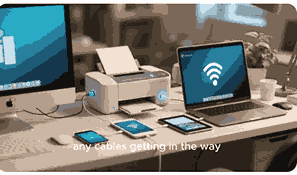
Printing documents has evolved dramatically with cloud technology, allowing users to print from virtually anywhere, at any time, without being tethered to a specific device or location. Cloud printing makes it possible to send documents to a networked printer via the internet, using services like Google Cloud Print, HP ePrint, or Epson Connect. This technology simplifies workflows for both home users and businesses, enabling seamless printing from smartphones, tablets, or laptops. Understanding how to print to a cloud printer involves setting up the device, connecting it to the cloud service, and ensuring compatibility across different platforms.
What Is A Printer?
A printer is an output device that transfers text and images from a digital format onto paper or other physical media. Printers come in multiple types, including inkjet, laser, and thermal, each suited for different needs. Modern printers often include network connectivity, Wi-Fi support, and integration with cloud printing services. With cloud-enabled printers, users no longer need a direct cable connection to print documents; instead, the printer receives print jobs from anywhere using internet protocols. Features like duplex printing, high-resolution output, and energy-saving modes make printers versatile tools for home offices, corporate environments, and educational settings.
How Cloud Printing Works
Cloud printing allows users to send print jobs over the internet, bypassing traditional local connections. Once a printer is registered with a cloud printing service, any device linked to the same account can submit a print command. The cloud service manages the job queue, sends the document to the printer, and ensures compatibility with printer drivers. This technology is particularly useful for mobile devices, which often lack native printer drivers. Users can print from apps, email, or web browsers, making cloud printing ideal for remote work, collaborative projects, and shared office environments.
Setting Up A Cloud Printer
To print to a cloud printer, begin by ensuring your printer supports cloud services. Most modern printers from brands like HP, Canon, Epson, and Brother offer cloud connectivity. First, connect the printer to your Wi-Fi network and update its firmware. Next, register the printer with a cloud printing service, such as Google Cloud Print or a manufacturer-specific cloud platform. Finally, link your devices by signing into the same cloud account. Once setup is complete, you can send print jobs from laptops, tablets, or smartphones with ease. Always test with a sample document to confirm successful integration.
Printing From Different Devices
Cloud printing is compatible with multiple devices and operating systems. On Windows and macOS computers, users can print via web browsers or dedicated apps linked to the cloud service. Mobile devices like Android and iOS smartphones use apps or system-level cloud print support to send documents directly to the printer. Chromebook users benefit from built-in cloud print functionality, which simplifies printing without additional drivers. Regardless of the device, ensuring that both the printer and device are connected to the internet is crucial. This flexibility enables seamless document sharing and printing across diverse environments.
Troubleshooting Cloud Printing Issues
Despite its convenience, cloud printing can encounter common issues such as printer offline errors, connectivity problems, or job submission failures. First, verify that the printer is powered on and connected to the network. Check your internet connection and ensure the device is logged into the correct cloud account. Clearing the print queue or restarting both the printer and device can resolve many problems. Firmware updates for the printer and updates to mobile or desktop apps may also improve performance. If persistent issues occur, consulting the printer’s support documentation or the cloud service help center is recommended.
Advantages Of Cloud Printing
Cloud printing offers numerous benefits over traditional printing methods. Users enjoy the ability to print remotely, save time by eliminating physical connections, and reduce dependency on printer drivers. Businesses benefit from centralized management of print jobs, enhanced collaboration, and simplified access for remote teams. Cloud printing also supports eco-friendly practices by enabling features like print job tracking, usage reports, and selective printing. Additionally, cloud-enabled printers can receive updates automatically, ensuring ongoing security and feature improvements.
Security Considerations For Cloud Printing
When printing sensitive documents, security is paramount. Cloud printing services employ encryption protocols to protect data in transit. Users should enable authentication features, such as login credentials or two-factor authentication, to prevent unauthorized access. Limiting printer sharing to trusted accounts, regularly reviewing activity logs, and updating firmware are key steps in maintaining secure cloud printing. Businesses handling confidential information should also consider secure cloud printing platforms that comply with data privacy regulations, ensuring both security and compliance.
Conclusion
Printing to a cloud printer revolutionizes the way individuals and businesses handle documents. With the ability to print from any device, manage jobs remotely, and leverage modern security protocols, cloud printing streamlines workflows and increases productivity. Proper setup, device compatibility, and attention to troubleshooting and security are essential for an optimal experience. By embracing cloud printing technology, users gain flexibility, efficiency, and convenience in a digitally connected world.
Frequently Asked Questions
1. How Do I Print To A Cloud Printer?
Printing to a cloud printer involves connecting your device to a cloud printing service, ensuring the printer is registered and online, and submitting the document from your computer, smartphone, or tablet. First, verify the printer supports cloud printing and is connected to Wi-Fi. Then, register it with a cloud service like Google Cloud Print or a manufacturer-specific platform. Next, link your devices to the same account and open the document you wish to print. Use the print command within the app or system interface, select the cloud printer, and confirm the job. The service manages sending the document to the printer, enabling seamless remote printing.
2. What Devices Can Use Cloud Printing?
Cloud printing supports desktops, laptops, smartphones, tablets, and Chromebooks. Windows and macOS devices can print via web browsers or cloud apps, while Android and iOS devices often require dedicated apps or system-level cloud support. Chromebooks typically have built-in cloud printing features, simplifying setup. Compatibility depends on the printer and cloud service, but most modern devices with internet connectivity can send print jobs to a cloud printer. Ensuring devices are linked to the same cloud account and connected to the internet is essential for smooth operation.
3. How Do I Set Up A Cloud Printer?
To set up a cloud printer, first connect the printer to Wi-Fi and update its firmware. Next, register the printer with a cloud printing service, like Google Cloud Print or a manufacturer-specific platform. Then, link your devices by signing into the same cloud account used for the printer registration. Test the connection with a sample document to confirm proper setup. This ensures your devices can communicate with the printer through the cloud service, enabling remote printing and device-independent workflows.
4. Can I Print From My Smartphone To A Cloud Printer?
Yes, smartphones are fully compatible with cloud printing. Both Android and iOS devices can print directly via cloud printing apps or system-level cloud print functionality. Users must ensure the printer is cloud-enabled and registered with the relevant service. Once linked to the cloud account, open the document or image on your phone, select the print option, and choose the cloud printer. The print job is sent over the internet, allowing users to print from virtually anywhere, providing flexibility for both personal and professional tasks.
5. Do I Need Special Software To Print To A Cloud Printer?
Some cloud printers require dedicated apps or software provided by the manufacturer, while others work directly through web browsers or system-level cloud printing support. For example, Google Cloud Print supports most devices without additional software, but HP ePrint or Epson Connect may require specific applications. Ensuring your device is linked to the same cloud account as the printer is essential. Firmware updates and app installations can improve compatibility, security, and functionality, allowing seamless cloud printing from multiple devices.
6. How Secure Is Cloud Printing?
Cloud printing is generally secure if proper precautions are taken. Data sent over the internet is typically encrypted, preventing unauthorized access. Users should enable authentication, such as login credentials or two-factor verification, to secure print jobs. Limiting printer sharing to trusted accounts and regularly updating printer firmware enhances security. Businesses handling sensitive documents should use cloud printing services compliant with data privacy regulations, ensuring confidential information is protected while maintaining productivity and efficiency.
7. What Are Common Cloud Printing Issues?
Common cloud printing issues include printer offline errors, network connectivity problems, and failed job submissions. Other issues may involve outdated firmware, software incompatibilities, or misconfigured settings. To resolve these, verify the printer is online, connected to the correct Wi-Fi network, and linked to the proper cloud account. Restarting devices, clearing the print queue, and updating firmware or apps can often fix problems. Consulting the printer’s support documentation or the cloud service help center is recommended for persistent issues.
8. Can Multiple Users Share A Cloud Printer?
Yes, cloud printers support multi-user access, allowing several devices to send print jobs to the same printer. Sharing is managed through the cloud service account, and access can be restricted to specific users or devices for security purposes. Businesses often benefit from centralized print management and job tracking. Users should ensure that all shared accounts are authorized, authenticated, and connected to the cloud service, enabling collaboration without compromising security or workflow efficiency.
9. Does Cloud Printing Work Offline?
No, cloud printing requires an active internet connection. The print job is sent from the device to the cloud service and then transmitted to the printer. If either the device or printer is offline, the job cannot be processed until connectivity is restored. Some services may queue print jobs temporarily, sending them automatically when the printer reconnects to the internet. Continuous connectivity is essential for reliable cloud printing operations.
10. Are All Printers Compatible With Cloud Printing?
Not all printers support cloud printing. Only cloud-enabled printers or devices connected to cloud print services can receive print jobs via the internet. Many modern printers from HP, Canon, Epson, and Brother include cloud printing support, while older models may require additional software or third-party solutions. Always check the printer’s specifications or manufacturer documentation to ensure compatibility before attempting cloud printing.
11. How Do I Update My Cloud Printer?
Updating a cloud printer involves checking the manufacturer’s website or app for firmware updates. Many modern printers offer automatic updates when connected to Wi-Fi. Keeping firmware current ensures compatibility with devices, improves security, and provides access to new features. After updating, test the printer by sending a sample print job from a connected device to confirm the update was successful and the cloud printing service is functioning properly.
12. Can I Print Large Documents To A Cloud Printer?
Yes, cloud printers can handle large documents, but performance depends on the printer’s memory, internet speed, and file size. For very large files, such as high-resolution images or multi-page reports, consider splitting the document into smaller sections or ensuring the printer supports large file processing. Using a stable, high-speed internet connection helps avoid delays, while compatible cloud printing services can manage job queues efficiently, ensuring that large print jobs complete successfully.
13. How Do I Cancel A Cloud Print Job?
To cancel a cloud print job, access the cloud printing service or app managing the print queue. Select the job you wish to cancel and confirm the action. Some printers may also allow cancellation directly from the device panel. Immediate cancellation ensures resources are not wasted and prevents unwanted prints. Regularly monitoring the print queue helps manage multiple jobs efficiently and avoids errors or conflicts during cloud printing operations.
14. Can I Print Photos Using Cloud Printing?
Yes, cloud printing supports photo printing if the printer is capable of high-quality color output. Users can send images from smartphones, tablets, or computers to the cloud printer using compatible apps or system-level print functions. Selecting the correct paper type, quality settings, and orientation is essential for optimal results. Cloud printing offers convenience for sharing and printing photos remotely without connecting directly to the printer.
15. How Do I Troubleshoot Printer Offline Errors?
Printer offline errors in cloud printing typically result from network issues or account misconfigurations. Ensure the printer is powered on, connected to Wi-Fi, and registered with the cloud printing service. Verify the device sending the job is logged into the correct cloud account and has internet access. Restarting both the printer and device, clearing the print queue, and updating firmware or apps often resolve the problem, restoring smooth cloud printing functionality.
16. Can I Print From Multiple Devices Simultaneously?
Yes, cloud printers allow multiple devices to send jobs simultaneously. The cloud service manages job queues, ensuring each document is processed in order. Users should monitor the queue for large or complex print jobs to avoid delays or conflicts. Proper setup and stable internet connectivity for all devices are essential for seamless operation. This feature is especially useful in collaborative environments or offices where multiple team members need access to the same printer.
17. What Is The Best Cloud Printing Service?
The best cloud printing service depends on device compatibility, ease of use, and features. Google Cloud Print (now deprecated) was popular for cross-platform support, while manufacturer-specific services like HP ePrint, Epson Connect, and Brother iPrint & Scan offer reliable alternatives. Key considerations include security protocols, mobile device support, and centralized print management. Selecting a service that integrates with your printer and devices ensures optimal performance and convenience for cloud printing.
18. How Do I Monitor Cloud Print Jobs?
Monitoring cloud print jobs is done through the cloud printing service dashboard or app. Users can view pending, completed, or failed jobs, cancel or reorder tasks, and check job details such as pages, file size, and user information. Notifications for completed jobs may also be available. Regular monitoring helps prevent errors, manage resources efficiently, and maintain productivity in both personal and business printing environments.
19. Can I Use Cloud Printing For Business Purposes?
Absolutely, cloud printing is ideal for business use. It enables remote teams to print documents without being physically present, supports centralized management, and allows multi-user access while tracking usage and costs. Businesses benefit from enhanced collaboration, reduced infrastructure requirements, and improved workflow efficiency. Security features, such as authentication and encryption, ensure sensitive documents remain protected, making cloud printing a practical solution for modern enterprises.
20. What Are The Environmental Benefits Of Cloud Printing?
Cloud printing promotes environmentally friendly practices by reducing paper waste through selective printing and job tracking. Users can avoid unnecessary prints, optimize print layouts, and use eco-friendly paper settings. Centralized management allows businesses to monitor usage, enforce duplex printing, and reduce energy consumption. By minimizing physical connections and supporting remote printing, cloud printing also reduces the need for additional hardware, contributing to a smaller environmental footprint and sustainable office practices.
FURTHER READING
- Why Is My Printer Not Detected? | Troubleshooting Printer Connection Issues For Windows, Mac, And Network Printers
- How To Set A Default Printer | A Step-By-Step Guide To Easily Configure Your Printer On Any Device
- How To Connect Your Printer To A Router | A Step-By-Step Guide To Wireless And Wired Printer Setup
- How To Cancel A Printer Job | A Complete Guide To Stopping Printing Tasks On Windows, Mac, And Network Printers
- What Is A Printer Queue? | Understanding Printer Queue Management And Troubleshooting Tips
- How To Add A Printer Using An IP Address | A Step-By-Step Guide To Connect Network Printers Efficiently
- What Is The Fastest Printer? | High-Speed Printing Solutions For Home And Office
- What Is Printer Sharing? | How To Share Printers Over A Network For Efficient Printing
- How To Fix A Printer That Won’t Print Colour | A Complete Guide To Troubleshooting Color Printing Issues
- What Is Printer Calibration? | Comprehensive Guide To Optimize Print Accuracy And Color Consistency