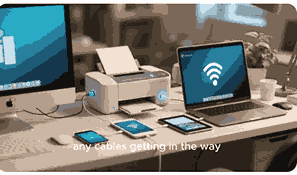
Connecting your printer to a router is essential for enabling multiple devices to access the printer over a home or office network. Whether you are using a wireless or wired printer, understanding the process ensures efficient printing without technical interruptions. Many users face challenges when setting up a printer with a router, such as connectivity errors, incorrect network settings, or outdated drivers. This comprehensive guide provides step-by-step instructions to help you seamlessly connect your printer to a router, troubleshoot common issues, and optimize your network settings for reliable performance.
What Is A Printer?
A printer is a peripheral device that produces a physical copy of digital documents, images, or text stored on computers, smartphones, or other devices. Printers can be categorized into different types, including inkjet, laser, thermal, and all-in-one printers that combine printing, scanning, and copying functionalities. Modern printers often support wireless connectivity, allowing them to connect directly to a router or network without cables. This functionality enables multiple users to print from various devices within the network range. Understanding the printer type, compatibility, and connection options is essential before attempting to link it with a router, as different models may require specific setup procedures or software installations.
How To Connect A Wireless Printer To A Router
To connect a wireless printer to a router, first ensure that the printer supports Wi-Fi connectivity. Begin by turning on your printer and accessing its network settings menu, typically available on the printer’s display panel. Select the Wi-Fi setup option and choose your home or office Wi-Fi network from the available list. Enter the network password accurately, ensuring no typing errors, and confirm the connection. After successfully connecting, install the printer software or drivers on your computer or mobile device. Most modern printers automatically detect the router network once connected, but some may require manual IP address configuration or additional security settings to complete the setup.
How To Connect A Wired Printer To A Router
For wired printers, the process involves using an Ethernet cable to link the printer directly to the router. Begin by locating the Ethernet port on both the printer and the router. Insert the cable securely into both devices, ensuring a stable connection. Turn on the printer and wait for it to establish communication with the network. Next, install the printer driver software on your computer and select the network printer option during the installation process. This method allows any device connected to the same router to access the printer, ensuring efficient network printing without relying on Wi-Fi connectivity. Wired connections are generally more stable and less prone to interference than wireless setups.
Troubleshooting Common Printer Connection Issues
Printer connection issues can occur due to incorrect network settings, outdated drivers, or weak Wi-Fi signals. Start troubleshooting by checking that the printer and router are powered on and within range. Verify the Wi-Fi network password and ensure there are no conflicts with multiple networks or devices. Updating printer firmware and computer drivers can resolve compatibility issues. For wired connections, ensure the Ethernet cable is functional and securely connected. Restarting the printer, router, and computer often resolves temporary connectivity glitches. If problems persist, consult the printer’s user manual or manufacturer’s support website for model-specific troubleshooting steps to restore network printing functionality.
Optimizing Your Printer And Router Settings
Optimizing printer and router settings ensures smooth and efficient printing over a network. Assign a static IP address to the printer to prevent connectivity issues caused by dynamic IP changes. Adjust your router’s firewall and security settings to allow printer communication. Enable printer sharing on your computer and configure access permissions for multiple devices. Regularly update the printer firmware and router software to enhance performance and security. Placing the printer within a strong Wi-Fi signal range and minimizing obstacles between the router and printer helps prevent disconnections. By optimizing these settings, you can achieve reliable network printing with minimal interruptions and improved overall performance.
Benefits Of Connecting Your Printer To A Router
Connecting a printer to a router offers numerous benefits, including wireless printing convenience, multi-device accessibility, and centralized network management. Users can print from desktops, laptops, smartphones, and tablets without needing direct cable connections. Network printing reduces clutter by eliminating multiple individual printer setups and allows shared access in offices or homes. It also provides better security management, as printers can be monitored and configured centrally through the router settings. Wireless connectivity supports mobile printing apps and cloud printing services, enabling remote document printing. Overall, linking your printer to a router increases flexibility, efficiency, and productivity while reducing technical complications associated with individual device connections.
Frequently Asked Questions
1. How Do I Connect My Printer To A Router?
Connecting your printer to a router involves either wireless or wired methods depending on your printer model. For wireless printers, access the printer’s network settings, select your Wi-Fi network, enter the password, and install the necessary drivers on your computer. For wired printers, use an Ethernet cable to connect the printer to the router, ensure it powers on, and configure the network printer settings on your computer. Always check the printer manual for specific steps, update drivers, and verify IP address configurations if the printer does not connect automatically. Proper setup allows multiple devices on the same network to access the printer efficiently.
2. Can I Connect Any Printer To A Router?
Most modern printers, including inkjet, laser, and all-in-one models, can connect to a router. Wireless printers use Wi-Fi, while wired printers connect via Ethernet cables. Older printers may require additional hardware like print servers to enable network connectivity. Check compatibility before attempting the connection. Ensure your router supports the printer’s network requirements and security protocols. Installing updated drivers and software enhances compatibility. Once connected, verify that devices within the network can detect and use the printer. Compatibility is generally straightforward with contemporary devices, but additional steps may be needed for older or specialized printer models.
3. What Is The Difference Between Wireless And Wired Printer Connections?
Wireless printer connections use Wi-Fi to communicate with devices over a network, offering flexibility and eliminating cable clutter. Wired connections rely on Ethernet cables, providing stable, interference-free communication. Wireless connections are ideal for mobile devices and multiple users, while wired connections are preferred for environments requiring consistent performance and minimal signal disruption. Setup for wireless printers involves network authentication, whereas wired printers often require minimal configuration. Choosing between the two depends on your needs, location, and the number of devices accessing the printer. Both methods can efficiently link a printer to a router, but stability and convenience vary depending on the connection type.
4. How Do I Find My Printer On The Network?
To locate your printer on a network, ensure it is powered on and connected to the router via Wi-Fi or Ethernet. On your computer, navigate to printer settings and search for available network printers. The printer should appear in the list if correctly connected. Alternatively, use the printer’s IP address to manually add it. Ensure that firewall settings or security software do not block network detection. Some printers come with software utilities that automatically detect and install network printers. Confirm that the printer and computer are on the same network for successful detection, and troubleshoot any connectivity issues by restarting devices if necessary.
5. Why Is My Printer Not Connecting To My Router?
Printers may fail to connect due to incorrect Wi-Fi passwords, weak signals, outdated drivers, or network conflicts. Verify the printer is powered on and within the router’s signal range. Check that the password entered is accurate and that the printer firmware is up to date. For wired connections, ensure the Ethernet cable is functional and securely connected. Restarting the printer, router, and computer can resolve temporary glitches. Firewall or antivirus settings may also block the connection. Following these steps and consulting the printer’s manual or manufacturer support usually resolves most connectivity issues, restoring full printing functionality over the network.
6. How Do I Assign A Static IP To My Printer?
Assigning a static IP ensures consistent network identification for your printer. Access the printer’s network settings and select the manual IP configuration option. Enter a unique IP address within your router’s subnet, along with the correct subnet mask and gateway. Save the settings and restart the printer. Updating your computer to recognize the static IP ensures seamless printing. Static IPs prevent issues caused by dynamic IP address changes, which can disconnect the printer from network devices. This setup is especially useful in offices with multiple devices, ensuring uninterrupted network printing. Consult the printer’s manual for specific instructions based on the model and firmware.
7. How Can I Update My Printer Drivers For Network Printing?
Updating printer drivers ensures compatibility with your router and connected devices. Visit the manufacturer’s official website and download the latest driver version for your printer model. Install the driver following on-screen instructions, selecting the network printer option if prompted. Restart your computer and printer to complete the update. Updated drivers improve connectivity, enhance functionality, and fix known bugs affecting network printing. For wireless printers, some drivers include additional utilities for Wi-Fi setup and printer management. Regularly checking for updates maintains optimal printer performance and prevents issues when connecting to routers or multiple networked devices.
8. What Is The Best Location For My Printer To Connect To A Router?
Position your printer within a strong Wi-Fi signal range, avoiding walls or metal obstacles that interfere with connectivity. For wired printers, ensure a direct Ethernet connection to the router without excessive cable length or bends. Central locations within an office or home network improve signal distribution to multiple devices. Avoid placing printers near electronic devices causing interference. Elevating the printer or router slightly can enhance reception. Proper placement reduces connectivity errors, print delays, and dropped connections. Testing the signal strength and adjusting placement as needed ensures efficient and stable printing for all devices on the network.
9. Can I Print From Mobile Devices Through A Router?
Yes, printers connected to a router support mobile printing. Wireless printers can receive print jobs from smartphones and tablets using apps or AirPrint for Apple devices. Ensure the mobile device is on the same network as the printer. For Android devices, use the manufacturer’s printing app or Google Cloud Print alternatives. Proper driver installation and network authentication are essential. Mobile printing allows convenient document and photo printing without using a computer. Some printers support remote printing via cloud services, enabling print jobs even when devices are outside the network. Mobile printing enhances flexibility and accessibility for home and office environments.
10. How Do I Enable Printer Sharing On A Network?
Enable printer sharing by accessing your computer’s printer settings. Select the connected printer, navigate to sharing options, and enable sharing. Assign a share name for network recognition. Ensure other devices on the same network can detect the printer. For Windows, use the Control Panel or Settings app; for Mac, use System Preferences. Network permissions and firewall settings may require adjustments. Sharing allows multiple users to access the printer through the router, facilitating collaborative printing in offices or homes. Proper setup ensures smooth operation and prevents connectivity conflicts while maintaining network security and device access control.
11. What Are The Security Considerations For Network Printers?
Network printers can be vulnerable to unauthorized access, data interception, or malware. Secure your printer by setting strong passwords, enabling encryption, and updating firmware regularly. Limit access to trusted devices and configure the router firewall to permit only necessary communication. Disable remote management if not required. Monitoring print logs can detect suspicious activity. For sensitive documents, consider secure printing features requiring PINs or authentication. Implementing these measures prevents data breaches, unauthorized usage, and protects network integrity. Ensuring printer security is as crucial as securing other network devices, especially in office environments handling confidential or personal information.
12. How Do I Reset My Printer Network Settings?
Resetting network settings restores the printer to factory defaults for troubleshooting connection issues. Access the printer menu, select network settings, and choose the reset option. Confirm the reset and wait for the printer to restart. After resetting, reconfigure Wi-Fi or wired connections using the correct network credentials and IP settings. Resetting resolves errors caused by incorrect configuration, conflicting IP addresses, or outdated network parameters. This step is effective for both wired and wireless printers. Always back up necessary settings or document configurations before resetting, as all previous network configurations will be erased, requiring a fresh setup for uninterrupted printing.
13. Can I Connect Multiple Printers To One Router?
Yes, a single router can support multiple printers, both wired and wireless, depending on network capacity. Assign unique IP addresses for each printer to avoid conflicts. Ensure sufficient bandwidth for simultaneous print jobs. Configure each printer’s drivers on connected computers and enable sharing if needed. Wireless printers must be within the router’s signal range, while wired printers require available Ethernet ports. Network traffic may impact performance, so prioritize critical devices if necessary. Proper management allows efficient use of multiple printers for offices or homes, providing redundancy, load balancing, and convenient printing options for all network users.
14. How Do I Troubleshoot Slow Printer Connections?
Slow printer connections may result from weak Wi-Fi signals, network congestion, or outdated drivers. Check signal strength and reposition the printer or router if necessary. Ensure other devices are not consuming excessive bandwidth. Update printer firmware and drivers to improve performance. For wired connections, verify the Ethernet cable quality and connection stability. Restart devices to clear temporary glitches. Consider enabling Quality of Service (QoS) on your router to prioritize printer traffic. Regular maintenance and monitoring of the network ensure consistent print speed, minimizing delays. Slow connections are often resolved by addressing signal, driver, or network load issues.
15. Are There Special Printer Settings For Router Compatibility?
Most modern printers are compatible with standard home and office routers. However, enabling features like DHCP or assigning a static IP improves reliability. Adjusting firewall, port forwarding, or network encryption settings may be necessary for certain models. Consult the printer manual for recommended network configurations. Router firmware updates can also enhance compatibility. Some printers include utilities to detect and optimize network settings automatically. Proper configuration ensures seamless communication, reduces connectivity issues, and enables advanced functions like mobile printing or cloud access, ensuring that the printer works efficiently with your router.
16. How Do I Enable Cloud Printing Through My Router?
Cloud printing allows you to send print jobs remotely via internet-connected services. Set up your printer with the manufacturer’s cloud printing service or Google Cloud Print alternatives. Ensure the printer is connected to the router and internet. Register the printer on the cloud platform and link your devices. For mobile or remote printing, install the respective apps on your devices. Cloud printing enhances flexibility, enabling printing from anywhere, and integrates with email or cloud storage services. Proper network configuration and security settings on the router ensure safe and reliable access to cloud printing functions.
17. Can I Connect A Printer To A Router Without Wi-Fi?
Yes, connecting a printer without Wi-Fi is possible using Ethernet cables for wired connections. Some older printers require USB-to-Ethernet adapters or print servers to enable network access. Ensure the router has available Ethernet ports and configure IP settings on the printer. This method provides stable and reliable printing, particularly in environments with high interference or security concerns. Wired connections eliminate dependency on Wi-Fi signals, offering uninterrupted network access. Proper setup ensures multiple devices on the network can access the printer efficiently without wireless connectivity, maintaining consistent performance.
18. How Do I Check Printer Connectivity Status On A Network?
Check the printer’s connectivity by accessing the network settings or using the printer software on your computer. Verify the connection type, IP address, and signal strength for wireless printers. For wired printers, ensure the Ethernet cable is functional and properly connected. Use diagnostic tools provided by the manufacturer to detect network issues. Pinging the printer’s IP address from your computer confirms communication. Monitoring connectivity status regularly helps prevent printing delays and identifies potential issues early. Maintaining an updated driver and firmware ensures accurate connectivity reporting and smooth operation across all connected devices.
19. What Should I Do If My Printer Keeps Disconnecting From The Router?
If your printer frequently disconnects, start by checking Wi-Fi signal strength or Ethernet cable stability. Update the printer firmware and router software. Assign a static IP address to prevent IP conflicts. Minimize interference from other electronic devices or multiple networks. Restart the printer and router to clear temporary glitches. For persistent problems, reset network settings on the printer and reconnect to the router using correct credentials. Ensuring proper configuration, firmware updates, and stable connectivity usually resolves recurring disconnections, improving consistent network printing and reducing workflow interruptions.
20. Are There Apps To Manage My Printer Through A Router?
Yes, most modern printers come with dedicated apps that allow remote management, monitoring, and configuration through a router. These apps enable printing from smartphones or tablets, checking ink levels, updating firmware, and troubleshooting issues. Manufacturers like HP, Epson, Canon, and Brother provide proprietary apps compatible with iOS, Android, and Windows devices. Connecting the printer to the router ensures devices on the same network can use these apps effectively. Some apps support cloud printing, enabling remote job submissions, and managing multiple printers simultaneously. Using these apps enhances printer functionality, simplifies maintenance, and improves user experience.
FURTHER READING
- How To Cancel A Printer Job | A Complete Guide To Stopping Printing Tasks On Windows, Mac, And Network Printers
- What Is A Printer Queue? | Understanding Printer Queue Management And Troubleshooting Tips
- How To Add A Printer Using An IP Address | A Step-By-Step Guide To Connect Network Printers Efficiently
- What Is The Fastest Printer? | High-Speed Printing Solutions For Home And Office
- What Is Printer Sharing? | How To Share Printers Over A Network For Efficient Printing
- How To Fix A Printer That Won’t Print Colour | A Complete Guide To Troubleshooting Color Printing Issues
- What Is Printer Calibration? | Comprehensive Guide To Optimize Print Accuracy And Color Consistency
- Can I Use Third-Party Ink In My Printer? | A Comprehensive Guide to Printer Ink Compatibility
- Can I Connect A Printer To Multiple Computers? | A Step-By-Step Guide To Shared Printing Solutions
- How To Replace A Printer Toner | A Step-By-Step Guide To Printer Toner Replacement For Smooth Printing Performance