
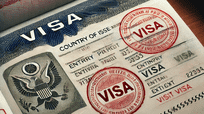
What Is A Religious Visa?
A Religious Visa is a non-immigrant visa issued to foreign nationals who wish to enter a country temporarily to engage in religious work, ministry, or activities associated with recognized religious organizations. This visa allows missionaries, ministers, or other religious workers to perform duties such as teaching, conducting services, or participating in religious programs without the intention of permanent residence. Religious visas are often sponsored by churches, temples, or other faith-based organizations and require thorough documentation of the applicant’s religious background, role, and purpose of travel. Obtaining this visa ensures that religious professionals can legally reside and work in the host country for a defined period.

Eligibility Requirements For A Religious Visa
Eligibility for a religious visa typically requires proof of membership in a recognized religious denomination, evidence of being engaged in religious work for at least two years, and an official job offer or sponsorship from a religious organization in the host country. Applicants must also demonstrate that they intend to enter the country temporarily for religious purposes and not for secular employment. Background checks, proof of financial stability, and a detailed description of the religious activities to be undertaken are often required. Some countries also mandate educational qualifications or prior experience in ministry, depending on the nature of the religious work being performed.
How To Apply For A Religious Visa

The application process for a religious visa involves submitting a completed visa form, providing a valid passport, and furnishing supporting documents such as letters of sponsorship from the religious organization, proof of prior religious work, and evidence of financial support. Applicants may need to pay a non-refundable visa fee and schedule an interview at the embassy or consulate of the destination country. During the interview, officials evaluate the applicant’s intent, religious background, and compliance with visa regulations. Timely submission of all documents and adherence to the consulate’s guidelines can significantly impact the approval process and reduce potential delays in processing times.
Required Documentation For A Religious Visa
To obtain a religious visa, applicants must provide several critical documents. These include a valid passport with sufficient validity beyond the intended stay, an official letter from the sponsoring religious organization, proof of membership and active involvement in the religious community, and evidence of prior religious work. Additional documents may include financial statements, police clearance certificates, health records, and proof of accommodation arrangements. Detailed documentation helps demonstrate the legitimacy of the applicant’s religious mission and ensures compliance with immigration regulations. Failure to provide accurate or complete documentation can result in application denial or significant processing delays.
Processing Times For A Religious Visa
Processing times for religious visas vary depending on the country, the completeness of the application, and the consulate’s workload. On average, applicants can expect a timeline ranging from a few weeks to several months. Factors affecting processing include verification of documents, background checks, and interview scheduling. Some countries offer expedited processing for urgent religious assignments, while others adhere strictly to standard timelines. Applicants are advised to apply well in advance of their intended start date to accommodate potential delays. Regularly checking the application status and maintaining communication with the sponsoring religious organization can help streamline the process.
Factors That Affect Approval Of A Religious Visa
Approval of a religious visa depends on several factors, including the applicant’s qualifications, clarity of religious purpose, sponsorship credibility, and adherence to immigration regulations. Inconsistencies in documentation, lack of evidence of prior religious work, or doubts regarding temporary intent can lead to denial. Criminal records, incomplete applications, or failure to attend the required consular interview also affect approval chances. Additionally, countries may have quotas or caps on religious visas, influencing the likelihood of acceptance. Applicants should ensure transparency, thorough preparation, and compliance with all requirements to maximize approval prospects and avoid unnecessary delays.
Duration And Validity Of A Religious Visa
The duration and validity of a religious visa depend on the host country’s regulations and the type of religious work being undertaken. Most religious visas are valid for one to three years and may be extended upon approval by immigration authorities. The visa generally allows multiple entries for the visa holder and may include provisions for dependent family members. Extensions often require updated documentation from the sponsoring organization and evidence of continued religious service. Understanding the validity period is crucial for planning religious assignments, ensuring lawful stay, and avoiding overstays that could affect future visa applications.
Rights And Responsibilities Of Religious Visa Holders
Religious visa holders are granted specific rights, such as legal residence for religious work, participation in religious activities, and, in some cases, access to limited employment within the sponsoring organization. Responsibilities include abiding by immigration laws, maintaining affiliation with the sponsoring religious institution, and refraining from secular employment outside the permitted scope. Visa holders must also report changes in address or employment status and comply with extension procedures. Failure to uphold these responsibilities can result in visa revocation, deportation, or restrictions on future applications, emphasizing the importance of understanding and adhering to visa conditions.
Common Challenges In Obtaining A Religious Visa
Common challenges in obtaining a religious visa include incomplete documentation, delays in sponsorship letters, lengthy background checks, and varying country-specific requirements. Misunderstandings about eligibility criteria, inconsistent application information, or insufficient proof of religious work can lead to denials. Language barriers, interview scheduling conflicts, or errors in forms also pose obstacles. To overcome these challenges, applicants should carefully review requirements, ensure accurate and complete submission of documents, seek guidance from experienced religious organizations, and allow sufficient processing time. Being proactive and organized significantly increases the chances of a successful application.
Conclusion
Obtaining a religious visa requires careful planning, accurate documentation, and understanding of the application process. Factors such as eligibility, sponsorship, processing times, and adherence to regulations all play a critical role in the approval process. While processing timelines vary, advance preparation and attention to detail can help applicants navigate potential challenges and secure a religious visa for their intended purpose. Understanding the responsibilities and rights associated with the visa ensures lawful and productive participation in religious work abroad. Proper preparation and timely submission of all requirements significantly improve the likelihood of a successful application.
Frequently Asked Questions
1. How Long Does It Take To Get A Religious Visa?
The time it takes to get a religious visa varies by country, application completeness, and consulate workload. Typically, processing ranges from two weeks to several months. Factors like verifying sponsorship, background checks, and scheduling interviews can affect timelines. Applicants who submit thorough documentation and comply with consulate guidelines often experience faster approval. Some countries offer expedited processing for urgent assignments, while others follow strict timelines. Delays can occur if documents are incomplete or additional verification is required. Applying well in advance, maintaining communication with the sponsoring religious organization, and monitoring application status are key strategies to minimize delays and ensure timely issuance.
2. What Are The Eligibility Requirements For Obtaining A Religious Visa?
Eligibility generally requires membership in a recognized religious organization, at least two years of prior religious work, and sponsorship from a host country religious institution. Applicants must show a temporary intent to engage in religious activities and demonstrate financial stability. Educational qualifications or specific experience in ministry may also be required. Meeting these criteria is essential for approval and helps consulates verify the applicant’s purpose, ensuring compliance with immigration regulations.
3. How Do I Apply For And Get A Religious Visa?
To apply, submit a completed visa form, valid passport, sponsorship letter, proof of prior religious work, and financial evidence. Pay the visa fee and schedule a consular interview. During the interview, present documents clearly and explain the purpose of travel. Following consulate instructions carefully, providing accurate information, and applying well in advance can improve approval chances.
4. How Much Does A Religious Visa Cost?
The cost varies by country, generally ranging from $100 to $500 depending on processing fees and additional service charges. Some countries may charge separate fees for dependents or expedited processing. It is important to check the official embassy or consulate website for accurate, up-to-date fee information before submitting the application.
5. What Is The Validity Period Of A Religious Visa?
Most religious visas are valid from one to three years, with possibilities for extension depending on the host country’s immigration rules. The visa may allow multiple entries and sometimes include dependent family members. Renewals require updated sponsorship and proof of continued religious service.
6. What Documents Are Required For A Religious Visa?
Required documents include a valid passport, sponsorship letter, proof of religious membership and prior work, financial statements, health records, and police clearance certificates. Complete and accurate documentation ensures compliance and reduces the risk of delays or denial.
7. Can Family Members Accompany Religious Visa Holders?
Yes, in most countries, spouses and children may accompany religious visa holders. Separate applications may be required, and eligibility depends on demonstrating family relationships and financial support. Some countries allow dependents to live but not work.
8. Are Religious Visa Holders Allowed To Work Outside The Sponsoring Organization?
No, most religious visas restrict employment to activities directly related to the sponsoring organization. Unauthorized work may lead to visa revocation, fines, or deportation. Applicants must understand and comply with these restrictions to maintain legal status.
9. Is There A Limit On The Number Of Religious Visas Issued Annually?
Some countries impose quotas or caps on religious visas, affecting availability. Limits vary by country and year. Applicants are encouraged to apply early and ensure all documentation is complete to secure a spot within the available allocation.
10. How Long Can I Stay In The Host Country On A Religious Visa?
Stay duration typically matches the visa validity, often between one and three years. Extensions may be granted with proper documentation. Overstaying without approval can result in fines, deportation, or future visa restrictions.
11. Can A Religious Visa Be Renewed Or Extended?
Yes, most countries allow extensions upon request, requiring updated sponsorship letters and proof of ongoing religious work. Renewal timelines and documentation requirements vary, so applicants must plan ahead to avoid lapses in legal status.
12. Do I Need A Background Check For A Religious Visa?
Yes, background checks are standard to ensure applicants meet security requirements. Criminal records, prior visa violations, or incomplete disclosure can delay or deny approval. Early submission of required checks expedites processing.
13. Can I Travel To Other Countries While On A Religious Visa?
Travel outside the host country is often allowed, but re-entry depends on visa terms and duration of stay. Some visas permit multiple entries; others require special authorization. Applicants should confirm travel rules to avoid complications.
14. What Happens If My Religious Visa Is Denied?
Denial may occur due to incomplete documentation, ineligibility, or doubts about temporary intent. Applicants can appeal, reapply, or provide additional evidence. Understanding denial reasons helps improve success in subsequent applications.
15. How Important Is Sponsorship For A Religious Visa?
Sponsorship is critical. A credible sponsoring organization validates the applicant’s purpose and facilitates consular approval. Lack of proper sponsorship is a common cause of denial. Letters must clearly outline role, duration, and religious responsibilities.
16. Are There Any Age Restrictions For A Religious Visa?
Most countries do not impose strict age limits, but applicants must demonstrate capability to perform religious duties. Some consulates may consider age in evaluating experience, prior work, or duration of service.
17. Can Religious Visa Holders Change Employers While In The Country?
Typically, no. Changing sponsoring organizations may require a new visa application. Unauthorized employment or switching sponsors without approval can result in visa cancellation or deportation.
18. Is Health Insurance Required For A Religious Visa?
Many countries require health insurance coverage for the visa holder and dependents. Proof of insurance ensures medical security during stay and is often mandatory for approval or visa extension.
19. How Long Should I Apply Before My Intended Travel Date?
It is advisable to apply at least 3 to 6 months in advance to accommodate processing times, interviews, and potential delays. Early application ensures sufficient time for documentation, verification, and consular review.
20. Are Expedited Processing Options Available For Religious Visas?
Some countries offer expedited or premium processing for urgent assignments, often at an additional fee. Availability depends on consulate resources, type of religious work, and applicant eligibility. Expedited services can significantly reduce standard wait times.
Further Reading
- What Are The Eligibility Requirements For Obtaining A Religious Visa?
- How To Apply For And Get A Religious Visa
- What Is A Religious Visa? | Definition, Eligibility Requirements, Application, Cost, Renewal, Extension, Duration, Validity Of A Religious Visa
- What Is The Validity Period Of A Family Visa?
- How Much Does A Family Visa Cost?
- How Long Does It Take To Get A Family Visa?
- What Are The Eligibility Requirements For Obtaining A Family Visa?
- How To Apply For And Get A Family Visa
- What Is A Family Visa? | Definition, Eligibility Requirements, Benefits, Challenges, Duration, Validity, How To Apply For A Family Visa
- How To Apply For And Get An Asylum Visa
- What Is An Asylum Visa? | Definition, Eligibility Requirements, Benefits, Processing Time, Documents, How To Apply For An Asylum Visa