
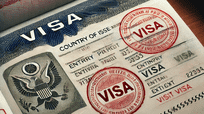
What Is A Family Visa?
A family visa is a type of immigration document that allows foreign nationals to join their family members living legally in another country. It is typically issued to spouses, children, parents, or dependent relatives of residents or citizens. The main purpose of a family visa is to promote family unity by ensuring that loved ones can live together without immigration restrictions. Each country has its own rules, requirements, and duration of stay permitted under a family visa. While some family visas grant temporary residence, others can lead to permanent residency or citizenship. Understanding the eligibility criteria, processing times, and conditions attached to a family visa is crucial for families wishing to reunite or relocate to another country.

Importance Of A Family Visa
Family visas play an essential role in immigration systems worldwide. They allow families to remain connected and provide dependents with access to education, healthcare, and employment opportunities depending on the host country’s laws. Without such visas, family members might face prolonged separation, which can cause emotional and financial strain. These visas help governments ensure that migration is orderly and legally documented. Furthermore, family visas support social integration by allowing newcomers to establish stable lives while contributing to the host country’s economy. They are often seen as a balance between humanitarian needs and immigration control. Many countries also design family visa programs to encourage family support networks, which can reduce dependency on state resources.
Types Of Family Visas

The types of family visas vary depending on the destination country. Common categories include spouse or partner visas, child visas, parent visas, and visas for other dependents such as grandparents or siblings in specific cases. Spousal visas are among the most common, allowing married or civil partners to reunite with their loved ones abroad. Child visas usually apply to dependent children under a certain age, while parent visas are often reserved for elderly dependents. Some countries issue temporary family reunion visas, while others provide pathways to permanent residency. Each visa type comes with different eligibility criteria, documentation requirements, and validity periods. Applicants should check the specific visa category applicable to their situation before applying.
Eligibility Requirements For A Family Visa
Eligibility for a family visa depends largely on the applicant’s relationship with the sponsor. A sponsor is usually a citizen, permanent resident, or legal migrant already living in the host country. Proof of relationship, such as marriage certificates, birth certificates, or legal adoption documents, is often required. Financial requirements may also apply, as sponsors need to demonstrate that they can support the dependent without relying on public funds. In addition, applicants may undergo health checks, criminal background checks, and interviews. Some countries impose minimum income thresholds or housing requirements to ensure adequate living conditions. Meeting all these eligibility requirements is essential, as failure to provide proper evidence can result in delays or visa rejection.
How Long Does It Take To Get A Family Visa?
The processing time for a family visa varies greatly depending on the country, visa type, and the completeness of the application. On average, it may take anywhere from a few weeks to over a year. Spouse and child visas are often prioritized, while parent or extended relative visas may take longer. Factors such as background checks, document verification, and the number of applications in the system influence the timeline. Some countries offer expedited processing for urgent cases, such as medical emergencies. To avoid unnecessary delays, applicants should submit all required documents correctly and respond promptly to any requests from immigration authorities. Planning well in advance is crucial, especially for families needing to reunite quickly.
Validity Period Of A Family Visa
The validity period of a family visa differs depending on the country and visa type. In some nations, a family visa may be valid for one to three years, with options for renewal. Spouse visas often begin as temporary permits and can later transition into permanent residency. For dependent children, the visa is typically valid until they reach a certain age, such as 18 or 21. Parent visas may come with longer processing times and specific validity conditions. Some countries tie the validity of the family visa to the sponsor’s visa status. Therefore, if the sponsor holds a temporary work visa, the family visa may expire simultaneously. Applicants should always check the exact validity rules before applying.
Renewal And Extension Of A Family Visa
Family visa holders often have the option to extend or renew their visas before expiration. Renewal usually requires proof that the family relationship is still valid and that the sponsor continues to meet financial and legal requirements. Some countries require applicants to reside continuously in the country for a certain period before renewal. Failure to apply for renewal before expiration may result in overstaying penalties, visa cancellation, or even deportation. In certain cases, family visa holders may transition to permanent residency after meeting specific conditions, such as living in the country for several years. Renewal and extension processes vary widely, so applicants must review official immigration guidelines to maintain their legal status.
Rights And Benefits Of A Family Visa Holder
The rights of a family visa holder vary by country. In many cases, visa holders can live, study, and sometimes work in the host country. Access to healthcare, education, and social benefits may also be granted depending on local laws. For spouses and partners, work rights are often included, allowing them to contribute financially. Children holding family visas are usually entitled to enroll in public schools. However, some visas come with restrictions, such as prohibiting holders from accessing government welfare. Understanding these rights and benefits is important to avoid unintentional violations. By complying with visa conditions, family visa holders can enjoy a stable and fulfilling life while supporting their sponsor and community.
Differences Between Temporary And Permanent Family Visas
Family visas can be either temporary or permanent, and the key difference lies in the duration and residency rights. Temporary family visas typically allow a stay of one to five years, with possible renewals. These visas may have restrictions on work, healthcare access, or travel. Permanent family visas, on the other hand, provide long-term residency rights and often a pathway to citizenship. Countries usually require applicants to first live on a temporary visa before upgrading to permanent residency. The transition often depends on factors like the length of marriage, continuous residence, or sponsor’s citizenship status. Applicants should consider both options carefully, as the benefits and obligations differ significantly between temporary and permanent family visas.
Conclusion
The validity period of a family visa depends on the host country’s laws, the relationship type, and the sponsor’s residency status. While some family visas last only a year or two, others may provide pathways to permanent residency and citizenship. Renewal, extension, and compliance with immigration rules are essential to maintain legal residency. Understanding eligibility, processing times, and benefits helps families make informed decisions before applying. A family visa is more than just a travel document—it is a legal bridge that unites loved ones across borders, ensuring that family members can live together and build stable futures in new environments. Proper planning and knowledge make the visa process smoother and more successful.
Frequently Asked Questions
1. What Is The Validity Period Of A Family Visa?
The validity period of a family visa depends on the issuing country and the visa category. In many countries, family visas are initially granted for one to three years. Some visas are tied to the sponsor’s visa status, meaning if the sponsor holds a temporary work visa, the family visa will expire at the same time. For spouses and children, extensions are usually possible, and in some cases, these visas can transition into permanent residency. Parent visas may have stricter rules and longer waiting times. Since each country has different policies, applicants should always review official immigration guidelines to confirm the exact duration applicable to their case.
2. How Long Does A Family Visa Last For Spouses?
A spouse family visa typically lasts between one and three years, depending on the country’s immigration system. For example, in some countries, the initial spouse visa is issued for two years to assess the genuineness of the marriage or partnership. After this period, applicants may apply for an extension or permanent residency if eligibility requirements are met. In cases where the sponsor holds a temporary visa, the spouse visa usually expires at the same time. Renewal options are available, provided the relationship remains valid, and financial and accommodation requirements are met. The spouse visa is one of the most common categories under family visas worldwide.
3. What Is The Validity Period Of A Family Visa For Children?
Child family visas are often valid until the child reaches a certain age, commonly 18 or 21, depending on the country. The visa length can also be tied to the parent’s immigration status. For instance, if a parent has permanent residency, the child may be eligible for long-term residency as well. Temporary family visas for children are usually granted for the same duration as the sponsoring parent’s visa. Renewal is possible if the child remains dependent and continues to meet eligibility conditions. Health and education access are often included as benefits, ensuring children can integrate into the host country successfully while residing on a valid family visa.
4. Can A Family Visa Be Permanent?
Yes, in many countries a family visa can lead to permanent residency. Typically, family members are first granted a temporary family visa, valid for one to five years. During this period, they must meet conditions such as continuous residence, proof of relationship, and financial stability. Once these requirements are fulfilled, applicants may qualify for permanent residency. Spouses and children are usually given priority in permanent visa pathways. Parent visas can also be permanent, though they often have longer processing times and stricter financial criteria. A permanent family visa allows holders to live, work, and study indefinitely, and in some cases, it can open a pathway to citizenship.
5. What Is The Validity Period Of A Parent Family Visa?
Parent family visas are often valid for a limited period, typically between two and five years, depending on the host country. These visas usually require sponsors to meet strict financial requirements to ensure they can support their parents without government assistance. After the initial validity period, parents may be able to apply for extensions or permanent residency, depending on the country’s policies. In some regions, parent visas have longer waiting times and higher application fees due to the significant demand. The validity and conditions also depend on the sponsor’s immigration status. Applicants should carefully review official guidelines before applying for a parent family visa.
6. Can A Family Visa Expire With The Sponsor’s Visa?
Yes, in most cases a family visa is directly linked to the sponsor’s visa status. If the sponsor holds a temporary visa, the dependent family visa typically expires when the sponsor’s visa expires. For example, if a sponsor is on a two-year work visa, the spouse or child visa will also last for two years. To maintain residency, both the sponsor and family members must apply for renewals or extensions together. If the sponsor transitions to permanent residency or citizenship, the family members can also apply for upgraded visas. This dependency ensures that immigration authorities maintain control over family reunification rules.
7. What Happens If A Family Visa Expires?
If a family visa expires without renewal, the holder becomes an overstayer, which can lead to legal consequences such as fines, deportation, or bans on re-entry. Immigration authorities usually require family members to leave the country or apply for an extension before the expiration date. Some countries provide a short grace period, but overstaying beyond this time can affect future visa applications negatively. To avoid complications, family visa holders should monitor expiration dates carefully and apply for renewal in advance. Seeking legal advice or assistance from immigration professionals can also help in maintaining lawful status within the host country.
8. How Do I Extend The Validity Period Of A Family Visa?
To extend the validity period of a family visa, applicants must usually apply for renewal before the current visa expires. This process often requires updated documentation, including proof of continued relationship, financial support, and accommodation. Some countries may require biometric data, medical checks, or interviews as part of the renewal. The extension may be granted for one to several years, depending on the sponsor’s status and the country’s rules. In cases where the sponsor has achieved permanent residency, family visa extensions may also become more stable. Timely submission of complete applications ensures smoother renewals and prevents lapses in legal residency.
9. What Is The Validity Period Of A Temporary Family Visa?
Temporary family visas are generally valid for one to five years, depending on the type and the issuing country. They are designed for family members of individuals holding temporary work, student, or other non-immigrant visas. The validity of a temporary family visa usually mirrors the sponsor’s visa duration. Once expired, holders can apply for extensions or transition to permanent visas if eligible. Restrictions on employment or public benefits may apply, making them less flexible than permanent visas. Despite their temporary nature, these visas are crucial for families wishing to stay together while their sponsor fulfills obligations in the host country.
10. How Long Does A Permanent Family Visa Last?
A permanent family visa generally provides indefinite residency rights in the host country. Once granted, it does not have a set expiration date, but holders must comply with residency requirements, such as not leaving the country for extended periods. In many cases, permanent family visa holders can work, study, and access healthcare without restrictions. After a certain period, they may also apply for citizenship if the country’s naturalization rules allow. Obtaining a permanent family visa often requires several years of lawful residence on a temporary visa, continuous proof of relationship, and financial stability from the sponsor before approval is granted.
11. What Is The Validity Period Of A Spousal Family Visa?
A spousal family visa is usually valid for two to three years, though this varies by country. Immigration authorities often issue an initial visa for a shorter period to confirm the authenticity of the marriage or partnership. Once the relationship has been verified over time, the visa holder may apply for an extension or permanent residency. Some countries also require that couples live together during the visa period to maintain eligibility. If the sponsor holds temporary immigration status, the spouse visa will typically expire alongside it. Applicants should prepare supporting documents and meet all conditions to secure longer-term residency opportunities.
12. Can The Validity Period Of A Family Visa Vary By Country?
Yes, the validity period of a family visa differs significantly from country to country. For example, in the United States, family-sponsored visas may lead directly to permanent residency, while in countries like the United Kingdom, initial family visas are often granted for 30 to 33 months. In Australia, partner visas can transition from temporary to permanent status over several years. Each country has its own rules for duration, renewal, and eligibility. Because of these variations, applicants must research the specific immigration laws of their intended destination to understand how long their family visa will remain valid.
13. What Is The Validity Period Of A Dependent Family Visa?
Dependent family visas, usually granted to children or other dependents, are often valid for the same period as the sponsor’s visa. For instance, if a sponsor has a four-year work visa, the dependent visa will also last four years. In cases where the sponsor holds permanent residency, the dependent may qualify for long-term or even permanent residency. These visas usually require proof of dependency, such as age limits, financial reliance, or legal guardianship. Renewal is possible if dependency continues, but once the dependent becomes self-sufficient or exceeds the age limit, they may need to apply for a different visa category.
14. How Does The Sponsor’s Status Affect The Validity Of A Family Visa?
The sponsor’s immigration status is one of the most important factors affecting a family visa’s validity. If the sponsor holds a temporary visa, the dependent visa will usually expire at the same time. If the sponsor becomes a permanent resident or citizen, the dependent may then qualify for extended or permanent family visas. Some countries also impose income or housing requirements on sponsors to ensure they can support their family members. Changes in the sponsor’s status, such as losing a job or visa, can also directly impact the family visa. Therefore, maintaining the sponsor’s legal status is crucial for the family’s residency security.
15. Can A Family Visa Be Valid For Travel Only?
In some cases, certain types of family visas may be valid for travel only, allowing entry into the host country but not granting residency rights. These short-term family visit visas are usually valid for a few months and are intended for temporary reunions, such as attending weddings, graduations, or other important family events. They typically do not allow holders to work, study, or access public services. Once the visa expires, the individual must leave the country unless they apply for another suitable visa. These visas differ from long-term family reunion visas, which are designed for residency rather than short visits.
16. How Often Can A Family Visa Be Renewed?
The renewal frequency of a family visa depends on the issuing country’s laws. Some countries allow multiple renewals as long as the relationship and financial conditions remain valid, while others limit the number of extensions before requiring permanent residency applications. For example, a spouse visa may initially last two years, then be extended for another two to three years before allowing a permanent residency application. Renewal requires updated documentation, such as proof of continued cohabitation, financial support, and sponsor’s legal status. Applying early and meeting all eligibility requirements ensures that visa holders can continue living legally with their families.
17. What Is The Validity Period Of A Student Dependent Family Visa?
A student dependent family visa is usually valid for the same duration as the primary student visa. For example, if a student is enrolled in a three-year degree program, their spouse and children may receive visas for three years as dependents. These visas typically allow dependents to live and study in the host country, while in some cases, spouses may also receive work rights. If the student extends their study program, dependents must also apply for visa extensions. Once the student’s visa expires, dependent visas also end, unless they switch to another visa type, such as a work or permanent residency visa.
18. Can The Validity Of A Family Visa Be Shortened?
Yes, the validity of a family visa can be shortened under certain circumstances. Immigration authorities may reduce the duration if they suspect fraud, if the sponsor’s visa is shortened, or if applicants fail to meet ongoing requirements. In some cases, authorities may issue a shorter initial visa as a probationary period, particularly for spouse visas. Violations of visa conditions, such as working illegally or committing offenses, can also lead to visa cancellation before its expiration date. Maintaining compliance with all requirements is essential to avoid having the visa validity shortened unexpectedly by immigration officials.
19. What Is The Validity Period Of A Family Reunion Visa?
A family reunion visa is typically valid for one to three years, depending on the host country’s rules and the sponsor’s status. It allows family members to live together with a relative who is already a legal resident or citizen. Renewal options are available if the family continues to meet requirements such as financial stability and proof of relationship. In many cases, the family reunion visa provides a pathway to permanent residency after a certain period of lawful residence. Countries may differ in their approach, so applicants should consult official immigration guidelines to understand the specific validity period for family reunion visas.
20. Can A Family Visa Lead To Citizenship?
Yes, in many countries a family visa can eventually lead to citizenship. The process typically begins with a temporary family visa, which may last one to five years. After fulfilling continuous residency requirements and proving the relationship remains valid, the visa holder can apply for permanent residency. Once permanent residency has been maintained for a certain number of years, applicants may qualify for naturalization. This pathway is common for spouses and children of citizens, as governments encourage family unity and integration. Citizenship offers full rights, including voting, unrestricted work, and permanent settlement, making it the ultimate step in the family visa journey.
Further Reading
- How Much Does A Family Visa Cost?
- How Long Does It Take To Get A Family Visa?
- What Are The Eligibility Requirements For Obtaining A Family Visa?
- How To Apply For And Get A Family Visa
- What Is A Family Visa? | Definition, Eligibility Requirements, Benefits, Challenges, Duration, Validity, How To Apply For A Family Visa
- How To Apply For And Get An Asylum Visa
- What Is An Asylum Visa? | Definition, Eligibility Requirements, Benefits, Processing Time, Documents, How To Apply For An Asylum Visa
- What Is The Validity Period Of A Refugee Visa?
- How Much Does A Refugee Visa Cost?
- How Long Does It Take To Get A Refugee Visa?
- What Are The Eligibility Requirements For Obtaining A Refugee Visa?