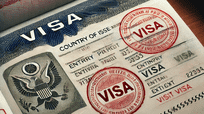
What Is A Tourist Visa
A tourist visa is a short-term, non-immigrant visa that permits foreign nationals to travel to another country for tourism, leisure, or to visit friends and relatives. Unlike work or student visas, a tourist visa does not allow employment or long-term residency in the host country. These visas typically have fixed durations, ranging from a few days to several months, depending on bilateral agreements between countries. Applicants must often provide proof of accommodation, travel itineraries, return tickets, and sufficient funds for the visit. Tourist visas can be single-entry or multiple-entry, enabling travelers to re-enter the country within the visa’s validity period.
Purpose And Importance Of A Tourist Visa
Tourist visas play a crucial role in international travel as they ensure that visitors comply with immigration laws while exploring a country for leisure purposes. They help maintain national security and prevent illegal employment or overstaying by tourists. By regulating entry, tourist visas also allow governments to track foreign visitors, contributing to accurate tourism statistics and policy-making. For travelers, obtaining a tourist visa ensures a legal and hassle-free stay in the destination country, minimizing the risk of fines, deportation, or travel bans. Additionally, tourist visas often serve as proof of a traveler’s intent, which can be beneficial for other types of visa applications in the future.
How To Apply For A Tourist Visa
Applying for a tourist visa usually involves submitting an application form to the relevant embassy or consulate, either online or in person. Key documents include a valid passport, completed application forms, recent photographs, travel itinerary, proof of accommodation, financial statements, and sometimes travel insurance. Many countries also require a letter explaining the purpose of travel. Visa fees vary depending on the country and duration of stay. Some countries offer expedited processing for urgent travel. Consular interviews may be required to assess the applicant’s intentions and credibility. Following the correct application process ensures a higher likelihood of approval and avoids unnecessary delays.
Eligibility Requirements For Obtaining A Tourist Visa
Eligibility for a tourist visa depends on several factors including nationality, financial capacity, and travel history. Applicants must have a valid passport, demonstrate sufficient funds to cover the stay, and provide evidence of return or onward travel. Certain countries require proof of accommodation, travel insurance, and a clean criminal record. Previous visa refusals or immigration violations can affect eligibility. Health checks or vaccinations may be mandatory for specific regions. In addition, applicants must show that they have no intention of seeking permanent residency or employment during their visit. Meeting all eligibility criteria ensures a smooth application process and minimizes the risk of rejection.
Duration And Validity Of A Tourist Visa
The duration of a tourist visa varies depending on the country and type of visa issued. Some visas allow short stays of 15 to 30 days, while others permit up to 90 days or more. The validity period determines the timeframe during which travelers can enter the country, whereas the permitted stay refers to the maximum number of days allowed per visit. Multiple-entry visas allow travelers to leave and re-enter during the validity period, while single-entry visas restrict entry to once. Overstaying a tourist visa can result in fines, deportation, or bans on future travel. Therefore, understanding the duration and validity is crucial for proper planning.
Costs Associated With A Tourist Visa
The cost of obtaining a tourist visa varies by country, type of visa, and processing speed. Fees typically range from $30 to $200 or more, depending on the destination and whether it is a single-entry or multiple-entry visa. Additional costs may include travel insurance, document translation, courier fees, and medical examinations if required. Some countries offer expedited processing for an extra fee, while others may provide fee waivers for certain applicants. Understanding the total cost in advance helps travelers budget appropriately and prevents unexpected expenses. Always check the official embassy or consulate website for the most accurate and updated fee information.
Common Restrictions Of A Tourist Visa
Tourist visas generally come with restrictions to ensure compliance with immigration laws. Holders are not permitted to work, study, or engage in business activities unless explicitly allowed. Some countries impose limitations on specific regions that cannot be visited due to security concerns. Exceeding the authorized duration of stay can lead to fines, deportation, or long-term bans. Travelers may also be required to carry proof of financial means and accommodation at all times. In addition, violating local laws or participating in illegal activities can result in visa revocation. Understanding these restrictions ensures a safe and legally compliant visit.
Tips For A Successful Tourist Visa Application
To increase the chances of a successful tourist visa application, applicants should carefully follow all instructions provided by the issuing authority. Ensure that all documents, including passport, financial statements, and travel itinerary, are accurate and up to date. Avoid providing misleading or false information. Apply well in advance of the planned travel dates to account for processing times. Demonstrating strong ties to the home country, such as employment, family, or property, can strengthen the application. Finally, reviewing frequently asked questions and common application pitfalls helps applicants prepare effectively, resulting in smoother processing and approval.
Planning Your Travel On A Tourist Visa
Once a tourist visa is approved, proper planning ensures a seamless travel experience. Keep copies of all important documents, including visa approval, passport, and travel insurance. Familiarize yourself with local laws, customs, and entry requirements. Ensure sufficient funds for accommodation, meals, transportation, and emergencies. Booking accommodations and transportation in advance can prevent last-minute complications. Adhering to the visa’s duration and rules guarantees compliance and avoids fines or deportation. Good planning, combined with a valid tourist visa, allows travelers to fully enjoy their international experiences without legal or logistical challenges.
Frequently Asked Questions
1. What Is A Tourist Visa?
A tourist visa is a short-term, non-immigrant visa allowing foreign nationals to visit a country for tourism, leisure, or visiting friends and relatives. It does not permit employment or long-term residency, typically lasting from a few days to several months. Single-entry visas allow entry once, while multiple-entry visas permit several entries within the visa’s validity. Applicants usually need a valid passport, proof of accommodation, return tickets, financial proof, and sometimes travel insurance. The visa ensures legal compliance during the stay and helps immigration authorities monitor visitors. Overstaying or violating visa conditions can lead to fines, deportation, or future travel restrictions.
2. How Do I Apply For A Tourist Visa?
Applying for a tourist visa involves completing an application form, either online or at a consulate, submitting supporting documents such as a valid passport, travel itinerary, financial proof, and passport photos, and paying applicable fees. Some countries require interviews or additional documentation, including travel insurance or accommodation proof. Accuracy and honesty in application forms are critical for approval. Processing times vary, so applying well in advance is advised. Meeting all requirements and providing sufficient evidence of intent to return ensures higher chances of approval. Expedited services may be available for urgent travel but may require additional fees.
3. What Are The Eligibility Requirements For Obtaining A Tourist Visa?
Eligibility requirements typically include having a valid passport, sufficient funds to cover the stay, proof of accommodation, return or onward travel tickets, and a clear travel purpose. Applicants should demonstrate ties to their home country, such as employment, property, or family, to assure authorities they will return. Some countries may require health checks or vaccinations. Previous visa violations or criminal records can affect eligibility. Meeting all stated requirements is essential for approval. Each country may have additional conditions depending on bilateral agreements or security concerns, so reviewing specific embassy guidelines is critical before applying.
4. How Long Does It Take To Get A Tourist Visa?
The processing time for a tourist visa varies by country, applicant nationality, and the visa type. Typically, it can range from a few days to several weeks. Some countries offer expedited processing for an additional fee. Delays can occur due to incomplete applications, missing documents, or high demand during peak travel seasons. Consular interviews, background checks, and security screenings can also impact timelines. Applying well in advance, ensuring all documents are accurate and complete, and checking processing times on official embassy websites helps applicants plan their travel effectively and reduces the risk of last-minute travel disruptions.
5. How Much Does A Tourist Visa Cost?
Tourist visa fees vary widely depending on the destination country, duration, and type of visa, generally ranging from $30 to $200. Additional expenses may include travel insurance, medical examinations, document translation, and courier services. Expedited or multiple-entry visas may incur higher fees. Applicants should always verify fees on official embassy or consulate websites to avoid discrepancies or fraud. Planning for the total cost ensures smooth budget management for international travel. Some countries provide fee waivers or reduced costs under specific agreements or conditions, which travelers should explore before submitting their applications.
6. Can I Work While On A Tourist Visa?
Generally, tourist visas do not permit employment or engagement in business activities in the host country. Working without authorization is a serious violation that can lead to fines, deportation, or bans on future travel. Some countries offer special permits for short-term work, volunteer activities, or internships, but these must be explicitly obtained and authorized. Travelers should strictly adhere to the conditions of their tourist visa and avoid any employment-related activities unless the visa explicitly allows it. Understanding this restriction prevents legal issues and ensures a safe, enjoyable visit.
7. Can I Extend My Tourist Visa?
Many countries allow limited extensions of tourist visas under specific circumstances, such as medical emergencies or unforeseen travel delays. Extension applications typically require submission of the original visa, valid passport, proof of financial means, and reasons for the extension. Approval is not guaranteed, and overstaying without authorization can result in fines, deportation, or bans. Processing times for extensions vary, and fees may apply. Travelers should consult official immigration authorities before making plans to extend their stay. Planning and timely applications for extensions help avoid legal complications and ensure compliance with immigration laws.
8. What Documents Are Required For A Tourist Visa?
Common documents for a tourist visa include a valid passport, completed application forms, passport-sized photographs, travel itinerary, proof of accommodation, financial statements, and return or onward travel tickets. Additional requirements may include travel insurance, vaccination records, and letters explaining the purpose of the visit. Some countries may request previous travel history or references. Ensuring that all documents are accurate, legible, and up to date is essential for approval. Missing or incorrect documentation is a leading cause of visa rejection. Applicants should review specific embassy requirements carefully before submission.
9. What Is The Difference Between A Tourist Visa And A Business Visa?
A tourist visa is intended solely for leisure, vacation, or visiting family and friends, while a business visa allows activities such as attending conferences, meetings, or professional engagements. Business visas usually permit short-term professional work but do not authorize full-time employment in the host country. Requirements for business visas may include invitation letters, proof of business purpose, or corporate sponsorship. Tourist visas focus on travel and leisure, requiring proof of funds and accommodations. Misusing a tourist visa for business purposes can lead to fines, deportation, or visa bans. Choosing the correct visa type ensures legal compliance and avoids complications.
10. Are Multiple-Entry Tourist Visas Available?
Yes, many countries offer multiple-entry tourist visas that allow travelers to enter and exit the country several times within the visa’s validity period. These visas are particularly useful for travelers planning to visit neighboring countries and return or for frequent tourism purposes. Multiple-entry visas may have higher fees and stricter eligibility requirements compared to single-entry visas. Travelers should carefully check the allowed duration per visit and total validity period. Misunderstanding these rules may result in fines, denial of entry, or visa cancellation. Proper planning ensures smooth travel and adherence to legal requirements.
11. How Can I Check The Status Of My Tourist Visa Application?
Visa status can typically be checked online via the embassy or consulate portal using a reference number provided at application submission. Some countries also offer status updates via email or phone. Tracking the status allows applicants to prepare for interviews, travel arrangements, or additional documentation requests. Delays may occur due to high application volumes or incomplete submissions. Monitoring the application helps avoid last-minute surprises and ensures timely planning. If issues arise, contacting the visa office promptly provides guidance and potential resolution.
12. Can Minors Apply For A Tourist Visa?
Yes, minors can apply for tourist visas, often requiring parental consent, proof of guardianship, and accompanying documentation such as birth certificates. Travel itineraries, accommodation arrangements, and financial proof are also necessary. Some countries may require minors to travel with at least one parent or guardian, while others allow unaccompanied minor applications with proper authorization. Ensuring all documents and permissions are complete helps prevent delays or denials. Specific regulations vary by country, so checking embassy requirements is essential for a smooth application process.
13. What Happens If My Tourist Visa Is Rejected?
If a tourist visa application is rejected, the applicant is usually informed of the reasons, which may include incomplete documentation, insufficient financial proof, security concerns, or doubts about the intent to return. Rejection does not necessarily prevent future applications, but it is crucial to address the issues cited in the refusal before reapplying. Consulting official guidance or seeking advice from immigration professionals can improve the chances of approval in subsequent applications. Reapplying without correcting the initial deficiencies often results in repeated refusals. Learning from rejection ensures a better-prepared and compliant application.
14. Are There Special Tourist Visa Programs?
Yes, some countries offer special tourist visa programs such as e-visas, visa-on-arrival, or visa-waiver programs. E-visas allow online applications and are often faster and more convenient. Visa-on-arrival permits travelers to obtain the visa at entry points such as airports or land borders. Visa-waiver programs enable citizens of participating countries to enter without a visa for a limited duration. These programs aim to facilitate tourism, boost the economy, and simplify travel procedures. Applicants must meet specific eligibility requirements and follow program guidelines to avoid denial or entry refusal.
15. Can I Travel To Multiple Countries With One Tourist Visa?
Typically, a tourist visa is valid only for the country that issued it, meaning travel to other countries requires separate visas unless a regional visa agreement exists. Some regions, such as the Schengen Area in Europe, allow travel across multiple countries with a single visa. Understanding visa validity and restrictions is essential for planning multi-country trips. Attempting to enter a country not covered by the visa can result in denial of entry or deportation. Travelers should research visa requirements for each destination and ensure compliance to enjoy a smooth, hassle-free journey.
16. What Is The Role Of Travel Insurance In A Tourist Visa?
Travel insurance is often required for tourist visa applications to cover medical emergencies, trip cancellations, or unforeseen incidents. It ensures that travelers have financial protection and can receive appropriate care abroad. Some countries mandate minimum coverage amounts, particularly for medical emergencies and repatriation. Providing proof of travel insurance enhances visa approval chances and demonstrates responsible planning. Adequate coverage can prevent substantial financial loss and ensure safe travel experiences. Applicants should choose insurance policies that meet embassy requirements and provide comprehensive protection for the duration of their stay.
17. Can I Convert A Tourist Visa Into Another Type Of Visa?
In most cases, tourist visas cannot be converted into work, student, or long-term visas while in the host country. Changing visa types usually requires applying from the home country or another authorized location. Some countries offer exceptions under specific conditions, such as marriage or family sponsorship. Attempting to convert a tourist visa without authorization can result in fines, deportation, or visa cancellation. Understanding the limitations of a tourist visa and planning accordingly ensures compliance and avoids legal issues. Always check official immigration policies before considering a visa type change.
18. How Do I Renew A Tourist Visa?
Tourist visas are generally short-term and may not be renewable, but certain countries allow extensions under specific circumstances. Renewal usually involves submitting a request with supporting documents, including proof of funds, accommodation, and reasons for extension. Approval is discretionary, and overstaying without permission can have serious consequences. Fees may apply, and processing times vary. Planning ahead and applying for renewal in a timely manner ensures legal compliance and reduces travel disruption risks. Consulting official immigration authorities for guidance is crucial for a successful renewal application.
19. What Are The Common Reasons For Tourist Visa Denial?
Common reasons include incomplete applications, insufficient financial proof, lack of travel itinerary, previous immigration violations, criminal records, and doubts about the applicant’s intent to return home. Providing inaccurate or misleading information, missing documentation, or failing consular interviews can also lead to denial. Understanding the requirements and carefully preparing applications mitigates risks of refusal. Reviewing embassy guidelines, seeking professional advice, and submitting complete and honest documentation increase approval likelihood and prevent unnecessary delays or rejections.
20. How Can I Ensure Compliance While On A Tourist Visa?
To comply with tourist visa regulations, travelers must adhere to the permitted duration of stay, avoid unauthorized work or study, respect local laws, and carry essential documents at all times. Extensions, if allowed, should be applied for before expiration. Overstaying or violating visa conditions can result in fines, deportation, or future entry restrictions. Travelers should also maintain financial solvency, follow local customs, and respect security restrictions or regional limitations. Staying informed about visa rules and planning travel responsibly ensures a legal, enjoyable, and hassle-free experience throughout the visit.
FURTHER READING
Meta Description:
- Can A Student Visa Be Approved Without Proof Of Funds?
- Can A Student Visa Holder Bring Parents?
- Can I Get A Refund If My Student Visa Is Rejected?
- Can I Apply For A Student Visa Without Sponsorship?
- Can A Student Visa Be Extended After Graduation?
- Can I Apply For A Student Visa Without An Offer Letter?
- Can I Study Abroad Without A Student Visa?
- Can I Switch From A Student Visa To A Tourist Visa?
- What Are The Chances Of Getting A Student Visa Approved?
- Can I Work After My Student Visa Expires?
- What Happens If My Student Visa Application Is Pending?