Posted on Leave a comment

What Are The Benefits Of Having A Green Card?

The benefits of having a green card in the United States extend far beyond legal residency. A green card, also known as a Permanent Resident Card, offers immigrants a wide range of rights, privileges, and opportunities that can significantly improve their quality of life. From better job prospects to a pathway to citizenship, the benefits of having a green card are numerous and life-changing. Whether you are seeking stability, freedom, or a brighter future for your family, understanding the benefits of having a green card is crucial. This article will explore all the major advantages of holding a green card and why it is considered a valuable step for millions around the world who desire to live and thrive in the United States.

What Is A Green Card?

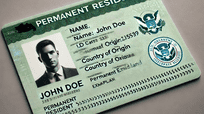
A green card is an official document issued by the United States government that grants a non-U.S. citizen the status of lawful permanent resident. This status allows individuals to live and work permanently in the United States. One of the major benefits of having a green card is that it legally secures your stay without the need for continual visa renewals. With a green card, you are recognized as a permanent resident, and you receive a photo ID card that serves as proof of your legal status in the country. The benefits of having a green card begin with this legal protection and extend into virtually every aspect of life in the U.S., including employment, education, and personal freedom.

Legal Right To Live And Work Permanently In The United States

One of the most important benefits of having a green card is the legal right to live and work anywhere in the United States. As a green card holder, you are not tied to a specific employer or type of job, which gives you the freedom to pursue better opportunities. You can reside in any state and apply for any position without employer sponsorship. This benefit ensures greater career mobility and personal freedom, making it easier to pursue the American Dream.

Pathway To U.S. Citizenship

Another key benefit of having a green card is the eligibility it offers for U.S. citizenship. After holding a green card for at least five years (or three years if married to a U.S. citizen), you can apply for naturalization. This path allows you to become a full citizen of the United States, granting you the right to vote, run for public office (except for the presidency and vice presidency), and hold a U.S. passport. The benefits of having a green card include this critical stepping stone to permanent belonging in the country.

Ability To Sponsor Family Members For Green Cards

Green card holders can sponsor certain family members to also receive green cards. This includes spouses and unmarried children. While the waiting times may be longer compared to U.S. citizens, the benefits of having a green card still make it possible to reunite with family members and help them enjoy legal residency in the United States. This family reunification is a powerful benefit, allowing loved ones to live together under the same roof and share in the opportunities of life in America.

Access To Better Employment Opportunities

Having a green card removes many barriers to employment. Green card holders are eligible for most jobs that are open to U.S. citizens, including high-paying positions in private companies and certain federal jobs. Employers prefer hiring individuals who are authorized to work indefinitely in the country, making green card holders highly desirable candidates. This advantage translates into better salaries, job security, and opportunities for career advancement.

Freedom To Travel In And Out Of The United States

One of the often-overlooked benefits of having a green card is the ability to travel in and out of the United States more freely than non-immigrant visa holders. Green card holders can travel internationally and return to the U.S. without the hassle of reapplying for a visa, as long as the trip does not exceed one year. This freedom allows permanent residents to maintain international relationships, business connections, and family ties without jeopardizing their legal status.

Access To Social Security Benefits

Green card holders who work and pay taxes in the United States for at least ten years become eligible for Social Security benefits. This includes retirement benefits, disability insurance, and survivor benefits for family members. These government programs offer financial support that can be vital during retirement or in times of need. The benefits of having a green card, in this case, ensure long-term financial stability.

Eligibility For In-State Tuition And Financial Aid

Education is a key reason many people pursue U.S. residency. One of the academic benefits of having a green card is access to in-state tuition rates at public colleges and universities, which significantly reduces the cost of education. In addition, green card holders may qualify for federal student aid and scholarships, making higher education more accessible and affordable. This can make a significant difference in one’s ability to obtain a college degree.

Protection Under U.S. Law

Green card holders are protected under U.S. laws at the federal, state, and local levels. This legal protection includes access to the court system and the right to receive equal treatment under the law. The benefits of having a green card ensure that you are not vulnerable to discrimination or unjust treatment and that your rights will be upheld, just like any U.S. citizen.

Ability To Own Property In The United States

One of the financial benefits of having a green card is the ability to buy property in the United States. Permanent residents can purchase real estate, including homes and land, without restrictions. Property ownership can serve as an investment opportunity and a source of stability. Green card holders may also qualify for home loans and mortgages under the same conditions as citizens.

Greater Job Mobility And Career Advancement

Green card holders are not tied to a specific employer or job type, unlike many visa holders who must remain with a sponsoring employer. This freedom means you can change jobs, switch industries, or even start your own business. The benefits of having a green card include the career freedom that allows you to grow professionally and improve your income and lifestyle over time.

Easier Access To Banking And Credit

With a green card, you can open bank accounts, apply for credit cards, and build a credit history more easily. Financial institutions view green card holders as long-term residents, which reduces risk and increases access to financial products. This financial benefit is essential for establishing a stable and prosperous life in the United States, from renting an apartment to securing a business loan.

Qualification For Health Insurance And Other Government Programs

Many public and private health insurance programs in the U.S. require lawful residency. One of the important benefits of having a green card is the eligibility it offers for various health care plans, including those under the Affordable Care Act (ACA). Some green card holders may also qualify for Medicaid, depending on their state and circumstances. Access to health care is critical for overall well-being and peace of mind.

Freedom From Immigration Paperwork And Visa Renewals

Unlike temporary visa holders who must constantly renew their legal status, green card holders enjoy the peace of mind that comes from permanent residency. You do not need to worry about frequent paperwork, renewals, or fear of visa expiration. The benefits of having a green card include this sense of stability and freedom from bureaucratic stress.

Improved Quality Of Life And Security

Living with the benefits of having a green card can dramatically improve your quality of life. With the ability to work, study, own property, and access public services, green card holders often find greater personal freedom and security. The fear of deportation or losing status is greatly reduced, making it easier to focus on building a successful life in America.

Ability To Start A Business In The United States

Green card holders can legally start and operate businesses in the United States. This opens the door to entrepreneurship, investment, and innovation. Many immigrants use this opportunity to build successful companies, create jobs, and contribute to the economy. One of the long-term financial benefits of having a green card is the unlimited potential for economic growth through business ownership.

Eligibility For Retirement Benefits

Once a green card holder has contributed to Social Security for the required period, they become eligible for retirement benefits. This ensures that they have financial support in their later years. The benefits of having a green card also extend to family members, who may be entitled to survivor benefits under certain conditions.

Priority Consideration For Future Immigration Benefits

Green card holders often receive priority in immigration processing, especially when applying for naturalization or sponsoring relatives. Holding a green card puts you in a more favorable category when changes in immigration policy occur. This strategic benefit ensures that you are better protected from unfavorable shifts in visa regulations.

Right To Apply For Federal Grants And Loans

With a green card, you can apply for various federal grants and loans for education, housing, or business purposes. This access is typically denied to those on temporary visas. One of the empowering benefits of having a green card is the financial support it unlocks, helping you pursue education, home ownership, or entrepreneurship with government backing.

Enhanced Travel Freedom Within The U.S.

As a green card holder, you are free to travel within the United States without any restrictions. Whether it’s for business, tourism, or relocation, you do not need special permissions. This domestic travel freedom is one of the overlooked yet practical benefits of having a green card, making it easier to explore and settle anywhere across all 50 states.

Conclusion

The benefits of having a green card are profound and far-reaching. From securing permanent residency and stable employment to unlocking educational and financial opportunities, green card holders enjoy a better quality of life and greater legal protections in the United States. With these benefits, you can build a future that is secure, prosperous, and rooted in opportunity. If you’re considering immigrating to the U.S., obtaining a green card should be a top priority for long-term success.

Frequently Asked Questions

1. What Are The Benefits Of Having A Green Card?

The benefits of having a green card include lawful permanent residency, the ability to work anywhere in the United States, and the right to live in any state without restrictions. A green card allows individuals to enjoy social services, access healthcare, apply for loans, and attend public schools or universities. It also provides protection under U.S. law and allows travel in and out of the country with fewer restrictions. Green card holders can sponsor certain family members to also become permanent residents. Furthermore, holding a green card is the first step toward naturalization and becoming a U.S. citizen. Overall, the benefits of having a green card offer immigrants security, opportunity, and a pathway to long-term success in the United States.

2. How Do The Benefits Of Having A Green Card Improve Job Opportunities?

The benefits of having a green card significantly improve job opportunities. Green card holders have the legal right to work in the United States without needing employer sponsorship or a specific visa. This means they can apply for any job, change employers freely, or even start their own businesses. Many employers prefer hiring green card holders because their work status is permanent and doesn’t involve complex visa paperwork. Additionally, green card holders can pursue federal government jobs and career paths that are unavailable to non-immigrants. They also qualify for professional licenses in fields such as law, healthcare, and engineering. These enhanced job options allow green card holders to access better salaries, job security, and long-term career growth in the U.S. workforce.

3. What Are The Educational Benefits Of Having A Green Card?

One of the major educational benefits of having a green card is access to in-state tuition at public colleges and universities, which significantly lowers the cost of higher education. Green card holders are also eligible to apply for federal financial aid, including grants, scholarships, and low-interest student loans. This financial assistance makes college more affordable and achievable. Furthermore, green card holders can attend any U.S. educational institution without the limitations placed on international students, such as restricted enrollment in certain programs. They can also access work-study opportunities and internships that are often reserved for citizens or permanent residents. These benefits make it easier to pursue advanced degrees and professional development in the United States, ultimately leading to a more successful career.

4. Are There Travel Benefits Of Having A Green Card?

Yes, there are significant travel benefits of having a green card. Green card holders can travel in and out of the United States more freely than those with temporary visas. They do not need to obtain a visa every time they leave and re-enter the country. As long as their travel outside the U.S. does not exceed one year without proper documentation, their permanent resident status is maintained. Additionally, green card holders can apply for re-entry permits if they plan to stay abroad for extended periods. This allows them to travel internationally for work, family, or leisure without losing their residency. These travel benefits provide flexibility, security, and peace of mind when crossing international borders.

5. How Do The Benefits Of Having A Green Card Help With Family Sponsorship?

One of the important benefits of having a green card is the ability to sponsor certain family members for U.S. permanent residency. Green card holders can petition for their spouses and unmarried children to receive green cards and join them in the United States. While the process may take longer than for U.S. citizens, it still offers a valuable path to family reunification. Having a green card also means that the sponsor is recognized as a legal resident, making the sponsorship process more stable and credible in the eyes of immigration authorities. This benefit allows families to stay together, share in economic opportunities, and build a life in the U.S. under the security of lawful permanent residency.

6. What Are The Financial Benefits Of Having A Green Card?

The financial benefits of having a green card are substantial. Green card holders can open bank accounts, build credit histories, and apply for loans or mortgages with greater ease. Financial institutions typically view permanent residents as less risky than visa holders due to their long-term legal status. This opens doors to better interest rates, credit cards, and investment opportunities. Additionally, green card holders can legally work and earn a stable income, allowing them to save, invest, and build wealth over time. Some may also qualify for financial aid, unemployment benefits, or business grants. These financial advantages create a solid foundation for economic security and upward mobility in the United States.

7. Do The Benefits Of Having A Green Card Include Access To Health Insurance?

Yes, one of the benefits of having a green card is increased access to health insurance. Green card holders can enroll in health insurance plans under the Affordable Care Act (ACA), and depending on their income and state of residence, they may also qualify for Medicaid or other state-sponsored programs. They are also eligible for employer-sponsored health coverage if they are employed full-time. This access to healthcare ensures that green card holders can receive medical care, preventive services, and emergency treatment without the high costs associated with being uninsured. The ability to access quality healthcare contributes to better physical and mental well-being, as well as financial protection from medical expenses.

8. How Do The Benefits Of Having A Green Card Affect Legal Protection?

The benefits of having a green card include strong legal protection under U.S. law. Green card holders are entitled to most of the rights and protections that U.S. citizens enjoy. This means they can access the court system, file lawsuits, and receive fair treatment from law enforcement and government agencies. They are protected against discrimination, wrongful termination, and other forms of injustice. Furthermore, green card holders have the right to legal counsel and due process if they are involved in legal matters. These protections provide security and ensure that green card holders can live and work in the United States without fear of unjust treatment or abuse of their rights.

9. Can The Benefits Of Having A Green Card Lead To U.S. Citizenship?

Yes, one of the most significant benefits of having a green card is that it serves as a pathway to U.S. citizenship. After maintaining permanent resident status for at least five years (or three years if married to a U.S. citizen), green card holders can apply for naturalization. This process includes passing a civics test, demonstrating good moral character, and meeting residency and physical presence requirements. Upon successful naturalization, individuals gain full citizenship rights, including the right to vote and obtain a U.S. passport. This benefit offers a long-term sense of belonging and stability, making the green card a crucial first step toward becoming an American citizen.

10. Are There Long-Term Residency Benefits Of Having A Green Card?

Yes, the long-term residency benefits of having a green card are foundational to building a stable life in the U.S. A green card grants lawful permanent residence, which means you can live in the United States indefinitely as long as you maintain your status and avoid serious legal violations. This permanent status allows you to settle in one location, build a home, raise a family, and invest in your community without the uncertainty that comes with temporary visas. Over time, permanent residency can lead to full citizenship, adding even more rights and privileges. These long-term benefits give immigrants the security and stability they need to plan their futures confidently.

11. What Tax Benefits Come With Having A Green Card?

Green card holders are considered U.S. tax residents and are required to report their worldwide income to the Internal Revenue Service (IRS). While this may seem like a burden, there are tax benefits as well. Green card holders can claim various deductions, credits, and exemptions available to U.S. taxpayers, such as the Earned Income Tax Credit, Child Tax Credit, and education-related credits. They may also contribute to retirement accounts like IRAs and 401(k)s, which offer tax advantages. Filing taxes correctly helps build a good financial record, which is important for future credit, loan applications, or applying for U.S. citizenship. These benefits provide a fair and structured tax system for green card holders.

12. Do The Benefits Of Having A Green Card Include Eligibility For Social Security?

Yes, one of the long-term benefits of having a green card is eventual eligibility for Social Security benefits. Green card holders who work and pay into the Social Security system for at least ten years (40 quarters) can qualify for retirement benefits. They may also be eligible for disability insurance, Medicare, and survivors’ benefits for family members. This financial support helps ensure economic security in old age or during unforeseen events. Green card holders contribute to Social Security just like U.S. citizens and are entitled to the same benefits once requirements are met. These benefits add a layer of protection and stability for individuals and their families over time.

13. How Do The Benefits Of Having A Green Card Affect Retirement Planning?

The benefits of having a green card play an important role in retirement planning. Green card holders can work legally and contribute to retirement savings plans such as IRAs and 401(k)s, which allow for tax-deferred or tax-free growth of funds. They can also earn credits toward Social Security, which provides monthly income during retirement. Furthermore, some may become eligible for Medicare and other senior assistance programs after fulfilling residency and work requirements. This access to retirement tools and benefits helps green card holders build a secure financial future and enjoy a more comfortable life in their later years, similar to that of U.S. citizens.

14. Are Green Card Holders Eligible For Government Programs As Part Of The Benefits?

Yes, green card holders may become eligible for certain federal and state government programs. While eligibility may vary based on residency duration, income, and state rules, programs like Medicaid, SNAP (food stamps), TANF (Temporary Assistance for Needy Families), and housing assistance may be available after a waiting period. Additionally, green card holders can access public education, public libraries, and community services. These programs are designed to assist residents in achieving stability and well-being. The benefits of having a green card, therefore, include access to a social safety net that can be critical in times of need and essential to building a secure life in the United States.

15. Do The Benefits Of Having A Green Card Include Freedom To Live In Any State?

Yes, one of the fundamental benefits of having a green card is the freedom to live in any of the 50 U.S. states or territories. Green card holders are not restricted to living in a particular location or working for a specific employer. This freedom allows them to move for better job opportunities, family reasons, lifestyle preferences, or cost-of-living considerations. They can relocate as often as they like without needing approval from immigration authorities. This level of mobility is crucial for those looking to optimize their living conditions or pursue personal and professional goals across the country.

16. Can The Benefits Of Having A Green Card Help Start A Business In The U.S.?

Yes, green card holders can legally start and operate businesses in the United States. They have the same rights as U.S. citizens when it comes to business formation, ownership, and management. This is one of the entrepreneurial benefits of having a green card. They can open LLCs, corporations, or sole proprietorships, hire employees, and apply for business loans. Green card holders are also eligible for certain small business grants and federal assistance programs. Starting a business allows immigrants to contribute to the economy, create jobs, and build wealth. The freedom to innovate and take financial risks is a major benefit of permanent residency.

17. How Do The Benefits Of Having A Green Card Reduce Immigration Paperwork?

Green card holders experience significantly less immigration-related paperwork compared to temporary visa holders. Once you receive a green card, you no longer need to frequently renew visas or file status extensions. There is no need for employer sponsorship or constant updates to maintain legal status. You only need to renew the green card every ten years unless applying for citizenship sooner. This reduction in paperwork saves time, money, and stress. The benefits of having a green card provide stability and freedom from constant bureaucratic hurdles, allowing individuals to focus more on living and working successfully in the United States.

18. Are There Banking And Credit Benefits Of Having A Green Card?

Yes, one of the financial benefits of having a green card is easier access to banking and credit services. Green card holders can open checking and savings accounts, apply for credit cards, and obtain loans and mortgages more easily than non-residents. Financial institutions see green card holders as long-term residents, making them lower-risk customers. This status helps them build a U.S. credit history, which is essential for securing financing, renting property, or even applying for jobs. Good credit can also lead to lower interest rates and better financial opportunities. These banking advantages create a strong financial foundation for green card holders.

19. What Real Estate Ownership Benefits Come With Having A Green Card?

Green card holders can legally buy and own real estate in the United States, including residential homes, commercial properties, and land. Unlike many temporary visa holders, they can qualify for mortgages and home loans from banks and lenders. This makes property ownership more accessible and affordable. Owning real estate allows green card holders to build equity, invest in their future, and enjoy housing stability. They can also rent out properties for income or use them as part of retirement planning. These ownership rights are among the most valuable long-term benefits of having a green card, providing both financial growth and personal security.

20. How Do The Benefits Of Having A Green Card Improve Overall Quality Of Life?

The benefits of having a green card improve overall quality of life by offering stability, security, and access to essential services. Permanent residency allows individuals to live, work, and study without fear of deportation or visa expiration. They can reunite with family members, access health care, receive education, own property, and build a future. Green card holders enjoy legal protections and civil rights, enhancing personal freedom and peace of mind. Over time, these benefits contribute to social integration, economic advancement, and community involvement. Altogether, having a green card lays the foundation for a prosperous, fulfilling life in the United States.

Further Reading

A Link To A Related External Article

The Benefits of a Green Card

Posted on Leave a comment

How To Apply For A Green Card: A Step-by-step Guide

Learning how to apply for a green card is one of the most important steps in securing permanent residency in the United States. Whether you’re seeking a green card through family, employment, asylum, or another category, understanding the full application process will significantly improve your chances of success. This comprehensive guide on how to apply for a green card will walk you through every critical step and requirement. From eligibility to filing forms, interviews, and final approval, this article will serve as your complete roadmap on how to apply for a green card legally and successfully.

What Is A Green Card?

A green card, officially known as a Permanent Resident Card, is an identification card that proves an individual has lawful permanent resident status in the United States. Holding a green card allows a non-citizen to live and work permanently in the U.S. It is also the first step toward full U.S. citizenship for many immigrants. Understanding how to apply for a green card starts with knowing what a green card actually is and how it differs from other types of visas. A green card can be obtained through various avenues such as family sponsorship, employment, refugee or asylee status, and the diversity visa lottery.

Types Of Green Cards You Can Apply For

There are several categories available when considering how to apply for a green card, each with different requirements and processes:

Family-Based Green Cards

This is one of the most common ways to apply. U.S. citizens or permanent residents can sponsor certain family members. Immediate relatives like spouses, children, and parents usually receive priority.

Employment-Based Green Cards

Applicants with specific job offers, skills, or exceptional talents may qualify under employment-based categories. These include EB-1 through EB-5 classifications.

Diversity Visa Lottery Program

Also known as the Green Card Lottery, this program offers a limited number of green cards to people from countries with low immigration rates to the U.S.

Refugee Or Asylee Status

Individuals granted asylum or refugee status can apply for a green card one year after being admitted to the U.S. under such status.

Special Immigrant Categories

These include religious workers, Afghan or Iraqi nationals who supported U.S. missions, and other unique groups recognized under U.S. immigration law.

Green Card Eligibility Requirements

Understanding eligibility is crucial when learning how to apply for a green card. Eligibility depends on the category under which you are applying. Common general requirements include:

  • A qualifying relationship with a U.S. citizen or lawful permanent resident (for family-based applications)
  • A valid job offer or employment-based petition (for work-based applications)
  • Meeting medical and criminal background checks
  • Entering the U.S. legally and maintaining lawful status if applying from within the country

Each category has its own specific guidelines, so it’s essential to check the eligibility criteria associated with your chosen application path.

Required Documents For A Green Card Application

A complete application is essential when considering how to apply for a green card. Missing documents can result in delays or denials. Standard required documents include:

  • Proof of eligibility (such as a family relationship or employment offer)
  • Government-issued identification
  • Birth certificate
  • Passport photos
  • Form I-864 (Affidavit of Support)
  • Form I-693 (Medical Examination Report)
  • Form I-485 (Application to Register Permanent Residence or Adjust Status)

The exact documentation varies depending on your green card category.

Steps On How To Apply For A Green Card

The process for how to apply for a green card involves multiple steps. The following is a simplified overview:

Step 1: Determine Your Eligibility Category

Identify the category under which you’re applying—family, employment, asylum, or diversity lottery. This defines the forms and process you’ll follow.

Step 2: File An Immigrant Petition

An eligible sponsor (family member or employer) must usually file a petition (such as Form I-130 or Form I-140) on your behalf.

Step 3: Wait For USCIS Approval And A Visa Number

Once the petition is approved, you must wait for a visa number if one is required under your category. This is especially common for family and employment-based applications.

Step 4: File Form I-485 Or Apply Through Consular Processing

If you are in the U.S., file Form I-485 to adjust your status. If you are outside the U.S., apply for an immigrant visa through consular processing at a U.S. embassy or consulate.

Step 5: Attend Biometrics Appointment

You will receive an appointment to provide fingerprints, a photograph, and a signature for background checks.

Step 6: Attend A Green Card Interview

You’ll be scheduled for an in-person interview where a USCIS officer will review your case. Be prepared to answer questions and provide original documents.

Step 7: Receive A Decision

If approved, your green card will be mailed to you. If denied, you may receive information on how to appeal or reapply.

Costs Involved In Applying For A Green Card

Understanding the costs is an important aspect of how to apply for a green card. Fees vary depending on your application type, but common charges include:

  • Form I-130: $535
  • Form I-485: $1,140 (plus $85 for biometrics)
  • Medical exam: Varies by provider
  • Attorney fees (if applicable): $1,000–$5,000

Make sure to check the current fee schedule on the USCIS website, as these rates can change.

Processing Time For Green Card Applications

Timelines can vary depending on your application type and USCIS workload. Generally, the processing time for how to apply for a green card ranges from several months to several years. Family-based applications can take 1 to 10 years depending on the relationship. Employment-based applications are generally quicker but still subject to quotas and processing delays.

Common Mistakes To Avoid When Applying For A Green Card

When focusing on how to apply for a green card, avoid the following errors to prevent delays or rejections:

  • Incomplete forms or missing signatures
  • Submitting incorrect fees
  • Using expired or outdated forms
  • Providing insufficient supporting documents
  • Failing to attend scheduled appointments

Carefully reviewing your application before submission can help avoid these common pitfalls.

Green Card Renewal And Replacement

A green card is typically valid for 10 years. If yours is expired or lost, you must file Form I-90 to renew or replace it. While this isn’t part of the initial process of how to apply for a green card, it’s important to maintain valid documentation to prove your permanent resident status.

Benefits Of Having A Green Card

As you explore how to apply for a green card, it’s helpful to understand the advantages of being a lawful permanent resident:

  • The right to live and work permanently in the U.S.
  • Eligibility to sponsor relatives
  • Access to federal benefits and financial aid
  • Pathway to U.S. citizenship
  • Protection under U.S. law

How To Apply For A Green Card Through Marriage

Marriage to a U.S. citizen or lawful permanent resident is a common path. To begin, your spouse must file Form I-130, and you’ll file Form I-485 if inside the U.S. or go through consular processing if abroad. You’ll be required to prove the legitimacy of your marriage with documentation such as joint bank accounts, leases, or photographs.

How To Apply For A Green Card From Outside The United States

If you are living abroad, how to apply for a green card involves consular processing. After USCIS approves your petition, it is forwarded to the National Visa Center (NVC). You’ll be contacted to submit additional documents and attend an interview at a U.S. consulate or embassy in your home country.

What To Expect During The Green Card Interview

Understanding the interview process is essential in learning how to apply for a green card. The interview usually includes questions about your background, eligibility, and purpose for seeking permanent residency. Bring original documents and be honest and prepared. Couples applying through marriage must be able to demonstrate the authenticity of their relationship.

How Long Does It Take To Get A Green Card After The Interview?

After your interview, a decision could come within a few weeks. In some cases, USCIS may need more evidence or take additional time to review your case. Monitoring your application status online can help you stay updated on any changes or next steps.

How To Check Your Green Card Application Status

Knowing where your case stands is crucial when understanding how to apply for a green card. You can check your application status using the receipt number on the USCIS Case Status Tracker online. You may also sign up for updates via email or text message.

What Happens After You Receive Your Green Card?

Once you receive your green card, you are a lawful permanent resident. You should always carry your card and renew it before it expires. You can now work freely, travel internationally (with some limitations), and eventually apply for U.S. citizenship if eligible.

When And How To Apply For U.S. Citizenship After Getting A Green Card

After learning how to apply for a green card, many applicants later pursue citizenship. Typically, you can apply after five years of permanent residency—or three years if married to a U.S. citizen—using Form N-400. You’ll need to pass a civics test, interview, and meet other naturalization requirements.

Conclusion

Mastering how to apply for a green card is key to building a secure and lawful future in the United States. From choosing the right category to filing the correct forms and attending interviews, every step must be handled carefully. This guide has detailed the full process of how to apply for a green card, helping you navigate this life-changing journey with confidence and clarity. Whether you’re applying through family, work, or humanitarian programs, being informed is your best tool for success.

Frequently Asked Questions

1. How Can I Apply For A Green Card?

To apply for a green card, you must first determine your eligibility under a specific category such as family, employment, refugee/asylee status, or the Diversity Visa Lottery. Once eligibility is confirmed, the process usually starts with a petition filed by a sponsor—either a family member or an employer. After the petition is approved by USCIS (U.S. Citizenship and Immigration Services), you will either adjust your status if you’re already in the U.S., or go through consular processing if you’re abroad. You must also complete Form I-485 (Application to Register Permanent Residence or Adjust Status), pay filing fees, submit supporting documents, attend a biometrics appointment, and undergo an interview. If approved, you’ll receive your green card by mail.

2. What Is The Process Of Applying For A Green Card?

The process of applying for a green card begins with identifying the correct immigrant category that fits your situation—such as family-based, employment-based, refugee/asylee, or other special programs. A petition (Form I-130 or I-140) is typically filed by your sponsor with USCIS. Once approved, your case may either move to adjustment of status (for applicants in the U.S.) or consular processing (for applicants abroad). You must file Form I-485 or DS-260, attend a biometrics appointment, go through an immigration interview, and await a final decision. If successful, you receive your green card. The timeline can vary greatly depending on your category, country of origin, and USCIS workload.

3. What Are The Procedures For Applying For A Green Card?

The procedures for applying for a green card start with establishing your eligibility under a qualifying category. A sponsor must usually file a petition—Form I-130 for family-based applications or Form I-140 for employment-based cases. After USCIS approves the petition, you either file Form I-485 to adjust your status in the U.S. or go through consular processing overseas by filing Form DS-260. You’ll submit required documents, undergo fingerprinting (biometrics), and attend an interview. You must also pass medical and background checks. Finally, if approved, USCIS or a U.S. consulate issues the green card, granting you lawful permanent residency in the United States.

4. What Are The Steps To Applying For A Green Card?

Applying for a green card typically involves these steps:

  1. Determine eligibility under a specific category (e.g., family or employment).
  2. Have a sponsor file the appropriate petition (Form I-130 or I-140).
  3. Wait for USCIS to approve the petition.
  4. Depending on your location, file either Form I-485 (adjustment of status in the U.S.) or DS-260 (consular processing abroad).
  5. Submit required supporting documents and fees.
  6. Attend a biometrics appointment.
  7. Complete an interview with USCIS or at a U.S. embassy or consulate.
  8. Receive a decision.
  9. If approved, your green card is issued, granting you permanent resident status.

5. How Do I Start Applying For A Green Card From Outside The United States?

To apply for a green card from outside the U.S., your process starts with an approved immigrant petition (Form I-130 or I-140) filed by a qualified sponsor with USCIS. Once approved, your case is forwarded to the National Visa Center (NVC), which assigns a case number and contacts you with instructions. You will then complete Form DS-260 (Immigrant Visa Application), submit civil documents (like birth certificates, police records), and pay visa fees. Afterward, you attend a medical examination and an interview at the U.S. embassy or consulate in your home country. If approved, you will be given a visa to enter the U.S. as a lawful permanent resident.

6. What Forms Are Required When Applying For A Green Card?

The main forms required when applying for a green card depend on your immigration category. Generally, the process starts with a petition form—Form I-130 for family-based cases or Form I-140 for employment-based applicants. Refugees and asylees may file Form I-730. After petition approval, if you’re in the U.S., you’ll file Form I-485 for adjustment of status. If you’re abroad, you’ll use Form DS-260 for consular processing. Additional forms may include Form I-864 (Affidavit of Support), Form I-693 (medical exam), and Form I-765 (work authorization). Each form requires documentation, identification, and payment of fees to be processed successfully.

7. How Much Does It Cost To Apply For A Green Card?

The cost to apply for a green card varies depending on your application type and whether you are applying from inside or outside the U.S. For applicants filing Form I-485 (adjustment of status) from within the U.S., the fee is generally $1,140 plus an $85 biometrics fee, totaling $1,225. If applying from abroad through consular processing, you may pay around $325 for Form DS-260 and $220 for the USCIS immigrant fee. Additional costs may include medical exams, translations, legal assistance, and postage. Fee waivers are available in certain cases, especially for humanitarian applicants and those with financial hardships.

8. How Long Does It Take When Applying For A Green Card?

The time it takes to apply for and receive a green card can vary significantly. On average, it may take 7 months to over 2 years depending on your eligibility category, the workload of USCIS, and your country of origin. Immediate relatives of U.S. citizens often have faster processing because visas are not limited. Employment-based or family preference categories may experience longer delays due to annual caps. Adjustment of status applications generally take 8–14 months, while consular processing may take 12–18 months. Checking the Visa Bulletin and USCIS processing times can give you a more accurate estimate for your specific case.

9. Can I Apply For A Green Card Without A Sponsor?

In most cases, a sponsor is required to apply for a green card, especially for family and employment-based categories. However, there are some exceptions where you can apply without a sponsor. These include the Diversity Visa Lottery Program, self-petitioning under the Violence Against Women Act (VAWA), or applying for asylum/refugee status. Additionally, individuals with extraordinary abilities may file an EB-1A petition without employer sponsorship. In all other cases, either a family member or an employer must petition on your behalf, and you’ll need an Affidavit of Support to show you won’t become a public charge.

10. How Do I Apply For A Green Card Through Marriage?

To apply for a green card through marriage, your U.S. citizen or lawful permanent resident spouse must first file Form I-130 (Petition for Alien Relative). If you’re in the U.S., you may file Form I-485 (Adjustment of Status) simultaneously. If outside the U.S., you’ll proceed with consular processing by filing Form DS-260. You’ll need to provide proof of a bona fide marriage, such as joint bank statements, photos, and leases. A medical exam and biometrics appointment are required. You’ll also attend a marriage-based interview to prove your relationship is genuine. Once approved, you’ll receive a green card valid for 2 or 10 years.

11. What Documents Do I Need When Applying For A Green Card?

When applying for a green card, the required documents vary based on the application type but commonly include:

  • A government-issued ID or passport
  • Birth certificate
  • Marriage certificate (if applicable)
  • Divorce or death certificates from previous marriages
  • Police clearance or background checks
  • Employment offer or sponsorship documents
  • Medical examination form (Form I-693)
  • Immigration forms (e.g., I-130, I-485, DS-260)
  • Financial support evidence (Form I-864)
    You must also provide recent passport-style photographs and proof of lawful U.S. entry (for adjustment of status cases). Ensure all foreign documents are translated into English by a certified translator.

12. Can I Apply For A Green Card While In The United States?

Yes, you can apply for a green card while in the United States through a process called “Adjustment of Status.” This allows you to become a lawful permanent resident without leaving the country. You’ll need an approved immigrant petition, such as Form I-130 or I-140. Then, you file Form I-485 with USCIS, submit required documentation, pay filing fees, and attend biometrics and an interview. This option is commonly used by immediate relatives of U.S. citizens, employment-based applicants, or asylees. It offers the advantage of remaining in the U.S. legally while your green card application is processed.

13. What Are The Common Mistakes To Avoid When Applying For A Green Card?

Some common mistakes to avoid when applying for a green card include:

  • Submitting incomplete or outdated forms
  • Failing to include required supporting documents
  • Missing deadlines or appointments
  • Providing inaccurate or inconsistent information
  • Not checking eligibility before applying
  • Forgetting to sign forms or pay correct filing fees
  • Failing to attend the biometrics appointment or interview
  • Not disclosing previous immigration violations
  • Overlooking the need for certified translations of foreign documents
    Avoiding these mistakes can help prevent delays, rejections, or even denials. Double-check everything or seek legal assistance to ensure accuracy in your application process.

14. How Can I Check The Status Of My Green Card Application?

You can check the status of your green card application online through the USCIS case status portal. To do this, visit https://egov.uscis.gov/casestatus and enter your 13-character receipt number, which starts with three letters (like MSC, LIN, EAC, or WAC). The system will display the most recent update about your case. You can also create a USCIS online account for real-time notifications and document uploads. If applying through consular processing, you can check your case status on the U.S. Department of State’s CEAC website. Always keep a record of your receipt number and case updates for reference.

15. Can I Work While Applying For A Green Card?

Yes, you can work while applying for a green card, but only if you obtain proper work authorization. If you’re applying from within the U.S. through adjustment of status (Form I-485), you can also file Form I-765, Application for Employment Authorization. Once approved, you’ll receive an Employment Authorization Document (EAD), which allows you to legally work while your green card application is pending. However, if you’re applying through consular processing from outside the U.S., you cannot work in the U.S. until your green card is issued and you physically enter the country. Unauthorized work may impact your eligibility, so always ensure you have the proper authorization before accepting employment.

16. Can I Travel While Applying For A Green Card?

Yes, but with limitations. If you’re applying for a green card from within the U.S. through adjustment of status, you must first apply for and receive a travel document—Form I-131 (Advance Parole)—before leaving the country. Traveling without it may result in your application being deemed abandoned. Once Advance Parole is granted, you can travel internationally while your application is pending. If you’re applying from outside the U.S. through consular processing, travel isn’t an issue until your immigrant visa is issued. Always check your specific circumstances and consult USCIS guidelines before making any travel plans to avoid jeopardizing your green card application.

17. What Happens After Applying For A Green Card?

After applying for a green card, USCIS will send you a receipt notice confirming they’ve received your application. Then, you’ll be scheduled for a biometrics appointment to collect your fingerprints, photo, and signature. Depending on your case, you might be issued an interview appointment at a USCIS office or at a U.S. consulate abroad. During the interview, an officer will verify your documents and ask questions about your eligibility. USCIS may request additional evidence. Once a decision is made, you’ll be notified by mail. If approved, you’ll receive your green card, either delivered to your U.S. address or upon entering the country.

18. Can I Include My Family When Applying For A Green Card?

Yes, you can include eligible family members when applying for a green card. This is called “derivative immigration benefits.” For example, if you are the principal applicant, your spouse and unmarried children under age 21 may qualify for green cards as dependents. If you’re applying through employment, family, asylum, or refugee status, derivative beneficiaries can often be included in the same petition or file separate applications once your case is approved. Family members must also complete their own forms (such as I-485 or DS-260), attend interviews, and undergo medical exams. Their green card approval typically depends on your successful application.

19. Can I Apply For A Green Card Through The Diversity Visa Lottery?

Yes, the Diversity Visa (DV) Lottery Program allows individuals from countries with historically low immigration rates to the U.S. to apply for a green card. Each year, up to 55,000 immigrant visas are available through this program. To apply, you must enter the online lottery during the annual registration period, usually held in the fall. If selected, you will receive instructions to proceed with the immigrant visa application, including Form DS-260 and an interview at a U.S. embassy or consulate. Applicants must also meet educational or work experience requirements. Winning the lottery does not guarantee a green card—eligibility still must be proven.

20. What Happens If My Green Card Application Is Denied?

If your green card application is denied, USCIS will send you a written notice explaining the reasons for the denial. Common reasons include ineligibility, missing or incorrect documentation, prior immigration violations, or failing the interview. Depending on the reason, you may have options to file a motion to reopen or reconsider the decision using Form I-290B. In some cases, you can reapply with corrected or additional information. If your denial leads to removal proceedings, you may be able to present your case before an immigration judge. Seeking advice from an immigration attorney is highly recommended if your green card application is denied.

Further Reading

A Link To A Related External Article

How to Apply for a Green Card

Posted on Leave a comment

What Are The Types Of Green Cards?

Understanding the different types of green cards is essential for anyone pursuing permanent residency in the United States. A green card, officially known as a Permanent Resident Card, allows foreign nationals to live and work permanently in the United States. This article explores the various types of green cards available, including family-based, employment-based, diversity lottery, refugee/asylee, and special immigrant categories. Whether you’re seeking permanent residency through a relative, an employer, humanitarian grounds, or special programs, knowing the types of green cards helps you identify the category that fits your situation.

What Is A Green Card?

A green card is a legal document that grants non-citizens the right to live and work permanently in the United States. It serves as proof of lawful permanent resident status. Holders of different types of green cards can eventually apply for U.S. citizenship through naturalization, provided they meet the eligibility requirements. Green cards are issued by the U.S. Citizenship and Immigration Services (USCIS), and they come in various types based on the category of eligibility, such as family ties, employment, humanitarian reasons, or special programs.

Types Of Green Cards Available

Family-Based Types Of Green Cards

Family-based types of green cards are the most common path to permanent residency. These green cards are available to close relatives of U.S. citizens and lawful permanent residents. Immediate relatives of U.S. citizens, including spouses, unmarried children under 21, and parents, are given priority and are not subject to annual caps. Other family-based types of green cards fall under the family preference system, which includes siblings, married children, and relatives of green card holders. This category often experiences longer waiting periods due to visa limitations.

Employment-Based Types Of Green Cards

Employment-based types of green cards are granted to individuals who have a job offer from a U.S. employer or possess extraordinary skills. These green cards are divided into five preference categories: EB-1 through EB-5. The EB-1 green card is for individuals with extraordinary abilities, outstanding professors, and multinational executives. The EB-2 and EB-3 categories require labor certification, while the EB-4 is for special immigrants such as religious workers. The EB-5 is for investors who contribute a significant amount of capital to a U.S. enterprise that creates jobs.

Diversity Visa Lottery Green Card

The Diversity Visa (DV) Lottery green card, also known as the Green Card Lottery, is a program aimed at individuals from countries with historically low immigration rates to the United States. Each year, the DV program makes 55,000 green cards available through a random selection process. Eligible applicants must meet education or work experience requirements and be from an approved country. This category is highly competitive and is one of the few types of green cards awarded through chance rather than qualifications or connections.

Refugee And Asylee Green Cards

Refugee and asylee types of green cards are for individuals who have fled persecution or fear persecution in their home countries due to race, religion, nationality, political opinion, or membership in a particular social group. Refugees apply for protection from outside the U.S., while asylees apply from within the country. After one year of being granted asylum or refugee status, these individuals are eligible to apply for a green card. This humanitarian category is essential for protecting human rights and offering a safe haven.

Special Immigrant Types Of Green Cards

Special immigrant types of green cards are reserved for specific groups, such as religious workers, employees of international organizations, armed forces members, and Afghan or Iraqi nationals who worked with the U.S. government. These categories require unique eligibility criteria and are often subject to limited annual visas. The Special Immigrant Juvenile (SIJ) green card is also included in this group and is for children in the U.S. who have been abused, abandoned, or neglected by a parent.

Human Trafficking And Crime Victims Green Cards

Types of green cards are also available for victims of human trafficking (T visas) and certain criminal activities (U visas). These visas allow eligible individuals to remain in the U.S. and assist law enforcement in investigations. After maintaining this status for a few years and meeting specific criteria, individuals may apply for a green card. These categories are crucial in supporting and protecting vulnerable populations.

Green Cards For Victims Of Abuse

There are specific types of green cards available for individuals who are victims of abuse, particularly under the Violence Against Women Act (VAWA). This allows abused spouses, children, or parents of U.S. citizens or green card holders to apply independently for a green card. It ensures that victims of domestic violence do not have to rely on their abuser for legal status, providing them a safer pathway to permanent residency.

Longtime Resident Green Cards

Certain types of green cards are available for individuals who have lived in the U.S. for a long time without lawful status but meet specific conditions. Under Section 245(i) or other legal provisions, individuals may apply for a green card if they entered the U.S. before a certain date and have maintained continuous presence. While rare and complex, these pathways help individuals who have built lives in the U.S. obtain lawful status.

Green Cards For Cuban Nationals

Special types of green cards are available for Cuban nationals under the Cuban Adjustment Act. This law allows Cuban citizens and their immediate family members to apply for a green card after one year of being present in the U.S. The process is more streamlined than other types of green cards and reflects historical U.S.-Cuba relations. Eligibility is dependent on lawful admission and physical presence.

Registry Green Cards

Registry green cards are for individuals who have been living continuously in the U.S. since before January 1, 1972. This rarely used provision allows eligible individuals to apply for a green card if they meet continuous residence and good moral character requirements. While this is one of the oldest types of green cards, it continues to offer relief for longtime undocumented residents who have deep roots in the United States.

Green Cards Through American Indian Heritage

Types of green cards also include those granted based on Native American heritage under the Jay Treaty. This allows individuals of at least 50% American Indian blood born in Canada to live and work in the U.S. as permanent residents. They do not need to go through the traditional green card application process and enjoy a unique status based on tribal affiliation and ancestry.

Returning Resident Green Cards

Returning resident types of green cards are available to lawful permanent residents who have remained outside the U.S. for more than one year without a reentry permit. To regain their status, they must apply for a Returning Resident (SB-1) visa and demonstrate that their prolonged absence was due to circumstances beyond their control. Approval allows them to return to the U.S. as green card holders.

Green Cards For International Broadcasters

Some types of green cards are available to international broadcasters employed by U.S. government-funded media. This includes journalists working for outlets such as Voice of America. These applicants are eligible under a special employment category and can bypass some of the traditional labor certification requirements, facilitating a smoother path to permanent residency.

Green Cards For Afghan And Iraqi Nationals

Special types of green cards are allocated to Afghan and Iraqi nationals who provided faithful and valuable service to the U.S. government. These individuals may qualify under the Special Immigrant Visa (SIV) program. Due to the nature of their service, these green cards are processed through expedited procedures. Applicants must provide documentation verifying their employment and the threats they face.

Green Cards Through Adoption

Adopted children of U.S. citizens can obtain types of green cards based on international or domestic adoption. The process is governed by the Hague Adoption Convention or other immigration provisions. To qualify, the child must meet age and legal custody requirements. Once adopted and approved, the child is eligible for a green card and eventual U.S. citizenship.

Military Service Green Cards

Types of green cards are also available for non-citizens who have served honorably in the U.S. armed forces. Under specific circumstances, such service can expedite the path to permanent residency or even citizenship. The Military Accessions Vital to the National Interest (MAVNI) program and other military-based provisions facilitate this process.

Conditional Resident Green Cards

Conditional resident green cards are issued to individuals based on marriage or entrepreneurship and are valid for two years. These types of green cards require the holder to file a petition to remove conditions before the expiration date. If successful, the individual is granted a permanent green card. This ensures the legitimacy of marriages or investments before permanent residency is finalized.

Humanitarian Parole-Based Green Cards

Humanitarian parole allows certain individuals entry into the U.S. for urgent reasons, such as medical emergencies or life-threatening situations. Some individuals paroled into the U.S. may later adjust status and receive a green card if eligible under an existing category. While not a direct path, humanitarian parole may lead to permanent residency in exceptional cases.

Green Cards Through The LIFE Act

The Legal Immigration Family Equity (LIFE) Act allows individuals who were eligible for certain immigration benefits before specific cutoff dates to adjust status to a green card holder. These types of green cards provide a one-time opportunity for people who were otherwise unable to apply due to unlawful presence. Applicants must pay a penalty fee and meet strict conditions.

Conclusion

The various types of green cards reflect the diverse pathways available to become a permanent resident of the United States. Whether based on family relationships, employment, humanitarian needs, or special circumstances, each category has distinct requirements, processes, and benefits. Understanding the different types of green cards can help applicants navigate the complex immigration system and identify the most appropriate route to legal permanent residency. As U.S. immigration law continues to evolve, staying informed about the types of green cards is essential for successful application and long-term residency.

Frequently Asked Questions

1. What Are The Types Of Green Cards?

There are several types of green cards issued by the United States, each designed to suit different categories of immigrants. The primary types of green cards include family-based green cards, employment-based green cards, diversity visa lottery green cards, refugee and asylee green cards, and special immigrant green cards. Additional categories include green cards for crime and abuse victims, long-term residents, returning residents, and others under unique circumstances. Each of these types of green cards has specific eligibility criteria and application processes. Some are subject to annual quotas, while others, like immediate relatives of U.S. citizens, are not. Understanding the types of green cards is essential for identifying which path to permanent residency best fits your immigration situation.

2. How Many Types Of Green Cards Are Available In The United States?

There are over a dozen distinct types of green cards available in the United States, grouped under broader categories. The main categories include family-based, employment-based, diversity visa lottery, refugee/asylee, and special immigrant green cards. Within these categories, there are subtypes such as EB-1 to EB-5 for employment-based and multiple family preference levels. Other specialized types include those for abused individuals under VAWA, victims of crime (U visa), and human trafficking (T visa). Additionally, there are unique green cards for longtime residents, returning residents, and specific nationalities like Cuban Adjustment Act beneficiaries. Altogether, these types of green cards ensure a wide range of pathways to lawful permanent residency, each with distinct eligibility and procedural requirements.

3. What Are The Family-Based Types Of Green Cards?

Family-based types of green cards are divided into two main subcategories: immediate relatives and family preference categories. Immediate relatives of U.S. citizens—such as spouses, unmarried children under 21, and parents—are not subject to annual visa caps. The family preference categories include adult children and siblings of U.S. citizens and certain relatives of green card holders. These include F1 (unmarried adult children), F2A and F2B (spouses and children of green card holders), F3 (married children), and F4 (siblings). Processing times vary based on visa availability and country of origin. These types of green cards aim to reunify families and allow relatives to live and work permanently in the U.S.

4. What Are The Employment-Based Types Of Green Cards?

Employment-based types of green cards are divided into five main preference categories: EB-1 through EB-5. The EB-1 green card is for individuals with extraordinary ability, outstanding researchers, and multinational executives. EB-2 is for professionals with advanced degrees or exceptional ability, often requiring a labor certification. EB-3 is for skilled workers, professionals, and other workers, also requiring labor certification. EB-4 is designated for special immigrants like religious workers and employees of international organizations. EB-5 is for investors who invest in U.S. businesses that create jobs. These types of green cards are typically employer-sponsored and subject to annual limits, making timing and qualifications crucial in the application process.

5. What Types Of Green Cards Are Offered Through The Diversity Visa Lottery?

The Diversity Visa (DV) Lottery green card is offered to individuals from countries with historically low rates of immigration to the U.S. Each year, 55,000 diversity green cards are granted through a randomized drawing. To qualify, applicants must be from an eligible country and meet education or work experience criteria. The application process is free and conducted online through the U.S. State Department’s website. Winners are selected randomly, and those chosen must pass background checks, interviews, and submit necessary documentation. These types of green cards offer a chance for individuals who may not qualify through family or employment pathways to obtain U.S. permanent residency.

6. What Types Of Green Cards Can Refugees And Asylees Apply For?

Refugees and asylees can apply for specific types of green cards after residing in the U.S. for one year. Refugees apply for status from outside the U.S., while asylees apply from within the country. Once granted protection, they become eligible for permanent residency through a green card. These types of green cards help individuals escape persecution based on race, religion, nationality, political opinion, or social group. The application process involves proving continuous presence in the U.S. and undergoing background and medical checks. These green cards serve humanitarian purposes and offer a pathway to stability and eventual citizenship for vulnerable populations.

7. Are There Special Immigrant Types Of Green Cards?

Yes, there are special immigrant types of green cards granted to specific groups under unique circumstances. These include religious workers, employees of international organizations, Iraqi and Afghan nationals who assisted the U.S. government, and certain juveniles who have been abused or neglected. The EB-4 category typically covers these applicants. Each group has tailored eligibility criteria and a limited number of visas issued annually. Special immigrant green cards offer vital relief and recognition for individuals whose situations don’t fit into traditional categories. These types of green cards ensure inclusivity and protection for people contributing to U.S. interests or needing humanitarian assistance.

8. What Types Of Green Cards Are Available For Victims Of Abuse?

Victims of abuse may qualify for types of green cards under the Violence Against Women Act (VAWA). This provision allows abused spouses, children, or parents of U.S. citizens or green card holders to apply independently for permanent residency. These applicants can file without the abuser’s knowledge, ensuring protection and safety. Evidence of abuse and a qualifying relationship is required. VAWA green cards are available to both men and women and are not subject to numerical limits. These types of green cards provide a critical lifeline for individuals facing domestic violence and help them rebuild their lives in the U.S.

9. Can Victims Of Human Trafficking Or Crime Apply For Types Of Green Cards?

Yes, victims of human trafficking or certain crimes can apply for specific types of green cards. T visas are available to victims of human trafficking, while U visas are for victims of serious crimes like assault, domestic violence, and sexual exploitation. These visas allow victims to stay in the U.S. and assist law enforcement in investigations or prosecutions. After maintaining T or U visa status for several years and meeting additional requirements, they may apply for green cards. These humanitarian-based types of green cards offer protection, stability, and eventual legal residency to vulnerable individuals subjected to exploitation or harm.

10. What Are The Types Of Green Cards For Longtime U.S. Residents?

Types of green cards are available for individuals who have lived in the U.S. without legal status for many years under specific provisions. One such path is through Section 245(i), which allows certain individuals to adjust status despite unauthorized entry, provided they had a qualifying petition filed by a deadline. Another option is the Registry green card, available to those who have lived continuously in the U.S. since before January 1, 1972. These types of green cards are rare and require proof of residence and good moral character. They serve as relief for longtime residents with deep ties to the country.

11. Are There Any Types Of Green Cards For Cuban Nationals?

Yes, Cuban nationals may apply for green cards under the Cuban Adjustment Act (CAA). This unique law allows Cuban citizens and their immediate family members to apply for permanent residency after being physically present in the U.S. for at least one year. Unlike other types of green cards, this process does not require a family or employer sponsor. Applicants must demonstrate lawful entry and meet admissibility criteria. The Cuban Adjustment Act offers a streamlined and favorable path for Cubans to obtain green cards, recognizing historical and political factors that have impacted U.S.-Cuba relations for decades.

12. What Are Registry Types Of Green Cards?

Registry types of green cards are based on long-term residence in the U.S. If an individual can prove continuous residence since before January 1, 1972, they may qualify for a green card under the registry provision. This law benefits those who have lived in the country for decades without legal status. Applicants must demonstrate good moral character and not be inadmissible for reasons such as criminal activity. Registry green cards are among the oldest immigration provisions and remain relevant for those with deep-rooted presence in the U.S. These types of green cards help longtime undocumented immigrants gain legal residency.

13. What Are The Types Of Green Cards For Native American Descendants?

Certain types of green cards are available for individuals of Native American descent, especially those born in Canada. Under the Jay Treaty, individuals who are at least 50% Native American and born in Canada can live and work in the U.S. without a visa. While not automatically granted a green card, these individuals may adjust their status to permanent residency if eligible. Proof of ancestry and tribal affiliation is required. These types of green cards recognize the special rights and cross-border freedoms historically granted to Native American communities under U.S. and Canadian treaties.

14. What Are The Returning Resident Types Of Green Cards?

Returning resident types of green cards are for lawful permanent residents who have stayed outside the U.S. for more than one year without a reentry permit. To regain permanent residency, they must apply for a Returning Resident (SB-1) visa through a U.S. embassy or consulate. Applicants must demonstrate that their extended stay abroad was beyond their control and that they intended to return to the U.S. This process involves a consular interview and documentation of ties to the U.S. These types of green cards allow eligible individuals to restore their legal status after unintentional long absences.

15. Are There Types Of Green Cards For International Broadcasters?

Yes, international broadcasters employed by U.S. government-sponsored media outlets, such as Voice of America or Radio Free Europe, may qualify for employment-based types of green cards. These individuals fall under the EB-4 special immigrant category. To be eligible, the applicant must be coming to work in a specialized broadcasting role and meet employment criteria. These green cards are typically processed without the need for labor certification. International broadcaster green cards recognize the role of foreign media professionals in promoting global communication and diplomacy. They offer a pathway to permanent residency for journalists in approved positions.

16. What Types Of Green Cards Exist For Afghan And Iraqi Nationals?

Special types of green cards exist for Afghan and Iraqi nationals who provided services to the U.S. government. These individuals may qualify under the Special Immigrant Visa (SIV) program. Eligible applicants include translators, interpreters, and workers who assisted U.S. military or government agencies. Documentation proving employment and threats due to their service is required. These green cards fall under the EB-4 category and are often expedited due to the urgent nature of their situations. Afghan and Iraqi green cards honor the contributions and sacrifices made by allies in conflict zones and provide them with safety in the U.S.

17. Can Adopted Children Receive Specific Types Of Green Cards?

Yes, adopted children of U.S. citizens can receive green cards through family-based immigration. The process is governed by international and domestic adoption laws, including the Hague Adoption Convention and the Orphan Process. To qualify, the child must be legally adopted before the age of 16 and meet residence and legal custody requirements. Once approved, the child can immigrate and obtain a green card. These types of green cards facilitate family unity and provide permanent residency for children who have been legally adopted, giving them access to the same benefits as biological children of U.S. citizens.

18. Are There Types Of Green Cards For Military Service Members?

Yes, types of green cards are available for foreign nationals who serve in the U.S. military. Under special provisions, non-citizens who serve honorably during designated periods of conflict may qualify for expedited permanent residency or even citizenship. Programs like MAVNI (Military Accessions Vital to the National Interest) previously allowed certain immigrants to enlist and gain green cards. Applicants must meet service requirements and demonstrate good moral character. These green cards honor the commitment and sacrifice of immigrants who choose to defend the United States and provide them with lawful permanent residency as a reward for their service.

19. What Are The Conditional Resident Types Of Green Cards?

Conditional resident green cards are issued to individuals based on marriage to a U.S. citizen or lawful permanent resident, or to investors under the EB-5 program. These green cards are valid for two years and require the holder to file a petition to remove conditions within 90 days of expiration. For marriage-based green cards, the couple must prove that the marriage is genuine. For investors, they must show that the investment has met job creation and financial criteria. Conditional green cards help prevent fraud and ensure that the basis for residency is legitimate before permanent status is granted.

20. What Types Of Green Cards Can Be Obtained Through Humanitarian Parole?

Humanitarian parole allows individuals to enter the U.S. temporarily due to urgent reasons like medical emergencies or threats to personal safety. While humanitarian parole is not a direct green card pathway, parolees may become eligible for permanent residency under certain conditions. For example, a parolee might qualify for asylum, family-based sponsorship, or adjustment under a special category. Some parolees, such as those under the Cuban or Afghan programs, have tailored processes to apply for green cards. These types of green cards offer relief and a legal pathway for individuals facing crises in their home countries.

Further Reading

A Link To A Related External Article

Different Types of Green Cards in the U.S.

Posted on Leave a comment

What Is A Green Card? | Definition, Types, Benefits, Eligibility, How To Apply For A Green Card

Understanding what is a green card is essential for anyone looking to live and work legally in the United States on a permanent basis. The term green card refers to a crucial immigration document that grants non-U.S. citizens lawful permanent residency in the country. A green card offers many privileges, including the right to work, live permanently in the U.S., and eventually apply for U.S. citizenship. In this article, we will explore what is a green card, how to obtain it, its benefits, types, requirements, and everything else you need to know about this essential immigration status.

What Is The Definition Of A Green Card?

A green card, officially known as a Permanent Resident Card, is a government-issued identification document that signifies that a person has been granted lawful permanent resident (LPR) status in the United States. This card allows individuals to live and work in the U.S. permanently. The term “green card” comes from the color of the original document, although modern versions may vary in color. Understanding what is the definition of a green card is foundational for immigrants seeking permanent residency in the U.S. It serves as proof of legal status and offers a path to citizenship for eligible holders.

Types Of Green Cards Available

There are several different types of green cards that define what is a green card in terms of eligibility and purpose. The most common categories include family-based green cards, employment-based green cards, diversity lottery green cards, refugee or asylum status green cards, and special immigrant green cards. Each type has its own specific requirements and procedures. For example, family-based green cards are for relatives of U.S. citizens or lawful permanent residents, while employment-based green cards are granted to skilled workers, professionals, or investors.

How To Apply For A Green Card

Understanding the process of applying helps clarify what is a green card. The application process typically involves filing Form I-485 (Application to Register Permanent Residence or Adjust Status) if you are in the U.S., or going through consular processing if you are abroad. The steps include determining your eligibility, having a sponsor file a petition (such as Form I-130 or I-140), waiting for visa availability, completing medical exams, attending interviews, and finally receiving approval. The process may vary depending on your category of eligibility.

Benefits Of Having A Green Card

When discussing what is a green card, it’s important to highlight its many benefits. Green card holders have the legal right to live and work permanently in the United States. They can sponsor certain relatives for green cards, travel freely outside the U.S. (with some restrictions), and qualify for federal financial aid and social security benefits after meeting specific requirements. Furthermore, after a few years of residency, they may be eligible to apply for U.S. citizenship. Green card holders are also protected by all laws of the U.S. and their state of residence.

Who Is Eligible For A Green Card?

Eligibility is key to understanding what is a green card. To qualify, individuals must fall under an approved category such as family sponsorship, employment, special immigrant status, refugee or asylum status, or other humanitarian programs. U.S. Citizenship and Immigration Services (USCIS) sets specific criteria that applicants must meet. For example, family-based applicants need proof of a valid familial relationship, and employment-based applicants must have a qualifying job offer. Additionally, applicants must undergo background checks, medical exams, and security screenings.

Green Card Through Family Sponsorship

One of the most common paths to permanent residency—and a central part of understanding what is a green card—is through family sponsorship. U.S. citizens can petition for spouses, children, parents, and siblings. Lawful permanent residents can sponsor spouses and unmarried children. The process begins with the sponsoring relative filing a petition (Form I-130). Once approved and a visa number is available, the applicant can adjust status or complete consular processing. This route can be fast or slow depending on the relationship and country of origin.

Green Card Through Employment

Explaining what is a green card also involves understanding employment-based options. Employment-based green cards are available to workers with specialized skills, professionals with advanced degrees, investors, and individuals with extraordinary abilities. Employers usually file Form I-140 on behalf of the worker, and labor certification may be required in some cases. These green cards are divided into preference categories such as EB-1, EB-2, and EB-3, each with its own set of criteria and processing times.

Green Card Through The Diversity Visa Lottery

To understand what is a green card, it’s essential to include the Diversity Visa (DV) Lottery. This U.S. government program allocates 55,000 green cards annually to individuals from countries with low immigration rates to the United States. Applicants must meet basic eligibility criteria, including a high school education or equivalent and work experience in a qualifying occupation. Winners are selected randomly but must complete additional screening and meet all other immigration eligibility requirements.

Green Card For Refugees And Asylees

A vital part of what is a green card includes pathways for refugees and asylees. Refugees and asylees are individuals who have fled their home countries due to persecution. After one year of being granted asylum or refugee status, they are eligible to apply for a green card. The process involves submitting Form I-485 and undergoing medical and security checks. This ensures their long-term safety and stability in the U.S. while granting them full permanent resident privileges.

Humanitarian Green Card Options

Understanding what is a green card requires examining humanitarian options. Certain individuals, such as victims of abuse, trafficking, or crime, may qualify for green cards under special provisions like the Violence Against Women Act (VAWA), T nonimmigrant status, or U nonimmigrant status. These protections allow vulnerable individuals to seek safety and legal residency in the U.S. while escaping harmful circumstances. Each program has specific requirements that must be met for eligibility.

Green Card Renewal And Replacement

While discussing what is a green card, it’s important to mention that green cards must be renewed or replaced when they expire or are lost. A typical green card is valid for 10 years. If it’s expired or will expire within six months, you must file Form I-90 to renew it. If lost or stolen, replacement is necessary to avoid legal complications. Failing to renew a green card on time can cause travel issues or employment verification problems.

The Path From Green Card To U.S. Citizenship

A green card is often the first major step toward U.S. citizenship, which is an essential aspect of what is a green card. After five years (or three years for spouses of U.S. citizens), green card holders may be eligible to apply for naturalization. Applicants must demonstrate continuous residence, good moral character, and pass English and civics tests. The journey from green card to citizenship represents full integration into American society and offers additional benefits like voting rights and a U.S. passport.

Conditional Green Cards Explained

Not all green cards are the same. Conditional green cards are issued to individuals who obtain residency through a recent marriage or certain investment programs. This is a key part of understanding what is a green card. These cards are valid for two years, and holders must apply to remove conditions before expiration by filing Form I-751 or I-829. Failure to do so can result in loss of residency. The goal is to confirm the legitimacy of the marriage or investment.

Green Card Interview Process

The green card interview is a pivotal moment in the application process and a part of fully grasping what is a green card. Applicants are interviewed by a USCIS officer who reviews the case for completeness and eligibility. Interviews may involve questions about the applicant’s background, purpose for applying, and supporting documents. In marriage-based cases, both spouses may be questioned to confirm the authenticity of the relationship. A successful interview can lead to final approval.

Common Reasons For Green Card Denial

To better understand what is a green card, you need to know why some applications are denied. Common reasons include ineligibility, incomplete applications, insufficient documentation, criminal history, fraud, or failure to attend required appointments. It’s crucial to carefully follow all USCIS instructions and provide accurate information. Legal assistance may be beneficial in complex cases to avoid delays or denials.

Green Card Holder Responsibilities

Exploring what is a green card includes understanding the responsibilities of a green card holder. Lawful permanent residents must obey all U.S. laws, file income taxes, support the democratic process, and carry proof of their status. They must also avoid extended trips abroad without a re-entry permit and update USCIS with any address changes. Maintaining permanent residency comes with obligations that, if violated, could result in loss of status.

Travel And Reentry For Green Card Holders

Travel is another aspect tied to what is a green card. Green card holders can leave and reenter the U.S., but there are limitations. Staying abroad for more than six months may raise questions about abandoning residency. If planning extended travel, applying for a re-entry permit is recommended. Understanding these rules helps green card holders maintain their legal status and avoid issues at the border.

Green Card And Public Benefits

Knowing what is a green card also involves understanding access to public benefits. While green card holders can qualify for certain federal programs like Medicaid or SNAP, eligibility depends on factors like length of residency, income, and state rules. The public charge rule, which evaluates the likelihood of becoming dependent on government aid, may impact some applications, so it’s essential to understand these provisions before applying.

How Long Does It Take To Get A Green Card?

Understanding the timeline helps clarify what is a green card. The processing time for green cards varies greatly depending on the type of green card, country of origin, and USCIS workload. Some applicants receive approval within months, while others may wait several years. Family preference categories and backlogs can significantly impact wait times. Keeping track of visa bulletins and case status updates is essential.

Conclusion

Understanding what is a green card is essential for anyone considering life and work in the United States as a lawful permanent resident. A green card offers numerous opportunities, from employment and education to family unity and eventual citizenship. Whether obtained through family, employment, or humanitarian reasons, a green card is a critical step in building a stable future in the United States. Staying informed and following proper procedures is key to a successful green card journey.

Frequently Asked Questions

1. What Is A Green Card?

A Green Card, officially known as a Permanent Resident Card, is an identification card issued by the U.S. government that grants non-citizens lawful permanent residence in the United States. Holding a Green Card allows an individual to live and work in the U.S. on a permanent basis. Green Card holders are also known as lawful permanent residents (LPRs). It serves as proof of their right to reside and be employed in the country without needing a visa. Green Cards are essential for those seeking to become U.S. citizens through naturalization. The card contains personal details and a unique identification number. Understanding what a Green Card is forms the foundation for pursuing legal residency and enjoying long-term benefits in the United States.

2. What Is A Green Card Used For?

A Green Card is used to grant individuals the legal right to live and work permanently in the United States. It allows holders to obtain employment without needing a work visa, attend public schools and universities, and access various social services. Green Card holders can travel in and out of the U.S., although there are limits on extended stays abroad. Additionally, Green Cards are used as identification and may be required when applying for certain jobs, driver’s licenses, or loans. Over time, Green Card holders may apply for U.S. citizenship through naturalization. In essence, a Green Card is a gateway to building a long-term life in the U.S., making it an essential legal document for foreign nationals.

3. What Is A Green Card And How Do You Get One?

A Green Card is a document that grants permanent residence in the United States. To get a Green Card, there are several pathways available, including family sponsorship, employment offers, refugee or asylum status, or winning the Diversity Visa (DV) Lottery. The process usually involves submitting Form I-485 (Application to Register Permanent Residence or Adjust Status), undergoing background checks, and attending an interview. If you’re outside the U.S., you may go through consular processing via a U.S. embassy or consulate. Each category has specific requirements and eligibility criteria. Some applicants may wait years due to visa caps and priority dates. Understanding what a Green Card is and the application steps is crucial for anyone seeking lawful permanent residency in the U.S.

4. What Is A Green Card And How Long Does It Last?

A Green Card typically lasts for 10 years for most permanent residents, while conditional Green Cards (often issued through marriage or investment) last only 2 years. It’s essential to renew the card before it expires using Form I-90. Although the physical card expires, permanent resident status does not automatically end with the card’s expiration. However, having a valid Green Card is critical for employment, travel, and identification. Conditional Green Card holders must file a petition to remove conditions within 90 days of expiration. Failing to renew or remove conditions may result in loss of status. Understanding what a Green Card is and its validity period helps ensure compliance with immigration laws and uninterrupted residency in the U.S.

5. What Is A Green Card And Why Is It Important?

A Green Card is important because it grants foreign nationals legal permission to live and work permanently in the United States. It provides stability and legal protection under U.S. laws, access to public services, education, and eligibility for certain government benefits. Green Card holders can sponsor certain family members for immigration and travel internationally with fewer restrictions. Over time, it opens the path to U.S. citizenship. Without a Green Card, staying in the U.S. long-term is not legally possible unless you have another valid status. In short, a Green Card is a crucial document for immigrants seeking to build a future in the U.S. and gain access to opportunities not available to temporary visa holders.

6. What Is A Green Card Number And Where Can I Find It?

A Green Card number is a 13-character identifier printed on the back of every U.S. Permanent Resident Card. This number is also known as the USCIS number or Alien Registration Number (A-Number). It usually starts with three letters followed by ten digits (e.g., SRC1234567890). You can find this number in the first line of characters on the backside of the card or under the “USCIS #” label on the front of newer cards. The Green Card number is used by immigration authorities to identify and track your case history. Knowing what a Green Card number is and where to locate it is vital for filling out immigration forms, job applications, or verifying legal residency status.

7. What Is A Green Card Holder Allowed To Do?

A Green Card holder, or lawful permanent resident, is allowed to live, work, and study anywhere in the United States. They can legally work for any employer (except for certain federal jobs reserved for U.S. citizens), own property, attend public schools and universities, and access social security benefits after meeting certain criteria. Green Card holders may also apply for a driver’s license, open bank accounts, and travel internationally with the right to reenter the U.S. Permanent residents can sponsor immediate family members for Green Cards. However, Green Card holders cannot vote in federal elections and must maintain permanent residence to avoid abandonment of status. Understanding what a Green Card is includes knowing the rights and responsibilities it confers.

8. What Is A Green Card Application Process?

The Green Card application process depends on the category under which you’re applying, such as family, employment, asylum, or diversity lottery. Generally, the process starts with an immigrant petition filed by a sponsor (Form I-130 or I-140). Once approved, you can file Form I-485 (Adjustment of Status) if you’re in the U.S., or go through consular processing abroad. You’ll also need to attend a biometrics appointment, possibly an interview, and await approval. Processing times vary based on category, country of origin, and USCIS backlog. Understanding what a Green Card is includes being aware of the steps involved in the application process and the documentation and eligibility requirements necessary to succeed.

9. What Is A Green Card Interview Like?

A Green Card interview is a formal meeting with a U.S. immigration officer where applicants are asked questions to verify the authenticity of their application. Interviews typically occur for family-based or marriage-based applications, but may also apply to other categories. You may be asked about your relationship with your sponsor, your background, and your future plans in the U.S. The interviewer checks for any discrepancies in your forms and evaluates whether you meet the eligibility criteria. It’s important to bring all required documents and answer questions truthfully. Knowing what a Green Card interview is like helps applicants prepare thoroughly and reduces the risk of delays or denials in the immigration process.

10. What Is A Green Card Renewal And When Should I Apply?

A Green Card renewal is the process of replacing an expired or expiring 10-year Permanent Resident Card. You should apply for renewal within six months of the card’s expiration date by submitting Form I-90, Application to Replace Permanent Resident Card. Conditional residents (with 2-year cards) must file Form I-751 or I-829 to remove conditions. Renewal is essential because a valid card is necessary for employment, travel, and ID verification. Though your status remains valid after expiration, not renewing can create legal and logistical complications. Knowing what a Green Card renewal is and when to apply ensures continuous legal documentation and avoids disruptions in benefits or legal standing as a permanent resident.

11. What Is A Green Card For Family Members?

A Green Card for family members allows U.S. citizens and lawful permanent residents to sponsor relatives for permanent residency. Immediate relatives of U.S. citizens—such as spouses, parents, and unmarried children under 21—have no numerical visa limit, which speeds up processing. Other relatives fall under preference categories with annual caps, resulting in longer wait times. To begin, the sponsor files Form I-130 (Petition for Alien Relative). After approval and visa availability, the beneficiary can file for a Green Card through adjustment of status or consular processing. Understanding what a Green Card for family members involves helps families stay together legally and build a shared life in the United States.

12. What Is A Green Card Through Employment?

A Green Card through employment allows foreign workers to obtain permanent residence in the U.S. based on their job skills and employer sponsorship. Employment-based Green Cards are divided into five preference categories (EB-1 to EB-5), each with specific eligibility criteria. Most require the employer to file Form I-140 and often complete a labor certification (PERM) proving no qualified U.S. workers are available. Once approved and a visa number is available, the applicant can file Form I-485. Employment-based Green Cards are ideal for professionals, researchers, investors, and skilled workers. Understanding what a Green Card through employment is helps job seekers and businesses plan for long-term legal work opportunities in the U.S.

13. What Is A Green Card Lottery And How Can I Apply?

The Green Card Lottery, officially known as the Diversity Immigrant Visa Program, offers 50,000 permanent resident visas annually to individuals from countries with low U.S. immigration rates. To apply, you must meet education or work experience requirements and submit an online application during the annual registration period. The process is free and randomly selects eligible applicants through a computer lottery. Winners are then invited to apply for a Green Card through consular processing or adjustment of status. Understanding what a Green Card Lottery is and how to apply increases your chances of becoming a U.S. permanent resident if you come from a qualifying country with fewer immigration ties to the U.S.

14. What Is A Green Card And How Does It Lead To Citizenship?

A Green Card is the first major step toward becoming a U.S. citizen. After holding a Green Card for a certain number of years—typically five years, or three years if married to a U.S. citizen—you may apply for naturalization using Form N-400. You must demonstrate good moral character, continuous residence, physical presence, and knowledge of U.S. history and government. The naturalization process includes a background check, an interview, and a citizenship test. After approval, you take the Oath of Allegiance to become a U.S. citizen. Understanding what a Green Card is and how it leads to citizenship helps you plan your immigration journey with long-term goals in mind.

15. What Is A Green Card And How Much Does It Cost?

The cost of a Green Card varies depending on the category and processing method. For most applicants filing Form I-485 for adjustment of status, the USCIS fee is $1,140 plus an $85 biometrics fee, totaling $1,225. Consular processing may involve additional fees, such as visa application and medical examination costs. Renewals or replacements (Form I-90) typically cost around $540. Legal assistance and translation services can also add to the total expense. Understanding what a Green Card is and how much it costs is crucial for budgeting and preparing the required documentation. While the fees are significant, the long-term benefits of permanent residency often outweigh the costs.

16. What Is A Green Card And What Are The Different Types?

A Green Card is a document that grants lawful permanent residence in the U.S., and there are several types depending on how an individual qualifies. The most common categories include family-sponsored Green Cards, employment-based Green Cards, and diversity lottery winners. There are also humanitarian-based Green Cards for refugees and asylum seekers, as well as special immigrant categories like religious workers or Afghan/Iraqi nationals who worked with the U.S. government. Additionally, investment-based Green Cards (EB-5) are available to individuals who make significant financial investments in U.S. businesses. Understanding what a Green Card is and the different types ensures that applicants pursue the most appropriate path based on their unique qualifications and circumstances.

17. What Is A Green Card For Refugees And Asylees?

A Green Card for refugees and asylees provides a pathway to permanent residency for individuals granted protection in the United States due to persecution or fear of persecution in their home country. Refugees must apply for a Green Card one year after being admitted to the U.S., while asylees can apply one year after being granted asylum. The application involves submitting Form I-485 and supporting documentation, including evidence of continued eligibility. No filing fee is required for refugees. Understanding what a Green Card is and how it applies to refugees and asylees is vital for transitioning from temporary protection status to permanent residency and eventually pursuing U.S. citizenship.

18. What Is A Green Card And Can It Be Revoked?

A Green Card can be revoked if a lawful permanent resident violates certain conditions or U.S. immigration laws. Common reasons for revocation include committing serious crimes, immigration fraud, abandonment of residency (such as extended stays abroad without a reentry permit), or failing to remove conditions on a conditional Green Card. Revocation may result in removal (deportation) proceedings. It’s important for Green Card holders to comply with legal responsibilities, such as renewing their card and filing taxes. Understanding what a Green Card is includes knowing that it is not unconditional and that lawful permanent residents must maintain eligibility to retain their status in the United States.

19. What Is A Green Card And Can You Travel With It?

Yes, a Green Card allows you to travel outside the U.S., but there are guidelines to follow. Short trips are generally fine, but if you stay abroad for more than six months, you could face questions upon reentry. Absences of over one year without a reentry permit may be considered abandonment of your permanent resident status. It’s advisable to carry your valid Green Card and passport when traveling internationally. For extended travel, apply for a reentry permit using Form I-131. Understanding what a Green Card is and how it relates to travel ensures you maintain your lawful status and reenter the U.S. without complications.

20. What Is A Green Card And How Does It Affect Taxes?

Green Card holders are considered U.S. tax residents, meaning they must report and pay taxes on their worldwide income to the Internal Revenue Service (IRS), just like U.S. citizens. This includes income from foreign sources. Green Card holders must file tax returns using Form 1040 annually and may be subject to additional reporting requirements, such as disclosing foreign bank accounts. Failure to comply with U.S. tax laws can impact immigration status or future naturalization applications. Understanding what a Green Card is includes being aware of the tax responsibilities that come with permanent residency. Filing taxes properly helps maintain good standing with both the IRS and immigration authorities.

Further Reading

A Link To A Related External Article

Green Card

Posted on Leave a comment

Can I Travel Abroad Without A Passport?

What Is A Passport?

A passport is an official government-issued document that allows a person to travel internationally. It serves as a form of identification and proof of citizenship. When considering the question, can I travel abroad without a passport?, it is important to understand that a passport is typically required for entry into most foreign countries.

Passports contain personal information, including the holder’s name, photograph, date of birth, and nationality. Some passports also include biometric data for added security. Without a valid passport, international travel is usually not permitted, although there are a few exceptions depending on specific agreements between countries.

Can I Travel Abroad Without A Passport?

The question, can I travel abroad without a passport?, depends on several factors, including your destination, your nationality, and any existing travel agreements between countries. Generally, most international travel requires a passport, but certain circumstances allow for travel without one.

For example, citizens of some countries can travel to specific destinations using alternative forms of identification, such as national ID cards or border crossing cards. Additionally, some territories allow entry with other documents, particularly if they share close political or economic ties. However, even in these cases, restrictions may apply, and travelers should confirm entry requirements before departing.

Countries That Allow Travel Without A Passport

If you are wondering, can I travel abroad without a passport?, some countries and regions permit entry using alternative documentation. These include:

Travel Between Certain Countries With Agreements

Certain countries have agreements allowing citizens to cross borders without passports. Examples include:

  • European Union (EU) and Schengen Area: Citizens of EU and Schengen countries can travel freely within the region using a national ID card instead of a passport.
  • United States and Canada: U.S. and Canadian citizens can sometimes travel between the two countries using special travel documents, such as a NEXUS card.
  • Caribbean Travel for U.S. Citizens: In some cases, U.S. citizens can travel to certain Caribbean destinations with an enhanced driver’s license or a Trusted Traveler card.

Territories That Allow Entry Without A Passport

Some territories allow entry to travelers from their parent countries without requiring a passport. Examples include:

  • Puerto Rico and the U.S. Virgin Islands: U.S. citizens can travel to these territories using only a government-issued ID.
  • French Territories: Citizens of France can visit territories like Guadeloupe and Martinique without a passport.
  • British Territories: British citizens may enter places like Gibraltar and the Isle of Man with alternative documents.

Alternative Travel Documents For International Travel

If you are asking, can I travel abroad without a passport?, it is important to explore alternative travel documents that may allow international movement. These include:

National ID Cards

Many countries issue national ID cards that permit travel to certain regions. For instance:

  • EU citizens can travel within the EU using a national ID card.
  • Swiss citizens can visit many neighboring countries without a passport.

Enhanced Driver’s Licenses (EDLs)

Certain U.S. states and Canadian provinces issue Enhanced Driver’s Licenses (EDLs), which allow land and sea travel between the U.S., Canada, and Mexico.

Trusted Traveler Program Cards

Programs like NEXUS, SENTRI, and FAST allow expedited travel between the U.S. and neighboring countries. These cards can sometimes be used instead of a passport for land and sea crossings.

Refugee Travel Documents

Refugees and stateless persons may obtain special travel documents issued by their host countries, allowing them to travel internationally without a traditional passport.

Can I Travel Abroad Without A Passport By Air, Land, Or Sea?

The mode of travel plays a crucial role in answering the question, can I travel abroad without a passport?. Different regulations apply to air, land, and sea travel.

Air Travel Without A Passport

In nearly all cases, air travel to a foreign country requires a passport. Most airlines and border authorities demand a valid passport before allowing boarding or entry. Some exceptions exist for domestic flights and specific travel arrangements within border-free regions like the Schengen Area.

Land Travel Without A Passport

Land travel between certain neighboring countries may be possible without a passport. For example:

  • U.S. citizens can travel to Canada and Mexico by land with an Enhanced Driver’s License or a Trusted Traveler card.
  • EU citizens can drive or take trains between EU nations using a national ID card.

Sea Travel Without A Passport

Some cruise lines allow U.S. citizens to travel to specific Caribbean destinations with a birth certificate and government-issued ID. However, passports are generally required for international cruises.

Special Cases Where Travel Without A Passport Is Allowed

In unique situations, the answer to can I travel abroad without a passport? may be yes. These include:

Military Travel

Military personnel often use military IDs and orders instead of passports when traveling for duty.

Diplomatic And Government Travel

Government officials and diplomats may have special travel arrangements allowing them to visit other countries without a regular passport.

Emergency Situations

Some countries issue emergency travel documents if a passport is lost or stolen while abroad. These temporary documents allow a traveler to return home.

Risks Of Traveling Abroad Without A Passport

Even if the answer to can I travel abroad without a passport? is yes in some cases, there are risks involved. These include:

  • Denial of Entry: Some border officials may refuse entry even if alternative documents are permitted.
  • Limited Travel Options: Without a passport, travel is restricted to specific destinations and methods of transportation.
  • Unexpected Border Changes: Political changes or new security policies may affect travel agreements.

How To Prepare For Traveling Without A Passport

If you plan to travel without a passport, consider these steps:

  • Check official government websites for up-to-date entry requirements.
  • Confirm travel document validity with airlines and border authorities.
  • Carry multiple forms of identification in case additional verification is needed.
  • Have backup travel plans in case you are denied entry.

Conclusion

The answer to can I travel abroad without a passport? depends on various factors, including the destination, mode of travel, and nationality. While some travelers can enter certain countries using alternative documents, a passport remains the most reliable and widely accepted form of identification for international travel. It is always advisable to verify entry requirements before departure to avoid travel disruptions.

Frequently Asked Questions

1. Can I Travel Abroad Without A Passport?

In most cases, a passport is required for international travel. A passport is an official document issued by a government that verifies your identity and nationality. However, some exceptions allow travel without a passport, depending on the destination and mode of transportation. Certain regions, such as the Schengen Area in Europe, permit travel with a national ID card. U.S. citizens can visit specific Caribbean territories with an Enhanced Driver’s License (EDL) or Trusted Traveler card. Military personnel and diplomats may travel using official government-issued documents. It is essential to check the entry requirements of the country you plan to visit before traveling. Without a passport, your travel options will be limited, and you may face entry restrictions at international borders.

2. Can I Travel Abroad Without A Passport By Air?

Air travel to most international destinations requires a valid passport. Airlines typically enforce strict identification rules, and border authorities will not allow entry without proper documentation. However, there are limited exceptions. For instance, U.S. citizens can fly to U.S. territories like Puerto Rico or the U.S. Virgin Islands using only a government-issued ID. Within the Schengen Zone, European Union (EU) citizens can travel between member countries using a national ID card instead of a passport. Refugees or stateless individuals may be able to fly using a refugee travel document. Always confirm entry requirements with airlines and immigration authorities before booking an international flight to ensure you have the correct identification for travel.

3. Can I Travel Abroad Without A Passport By Land?

Traveling internationally by land without a passport is possible in certain cases. For example, U.S. citizens can enter Canada and Mexico using an Enhanced Driver’s License (EDL) or a Trusted Traveler card such as NEXUS or SENTRI. Similarly, EU citizens can cross borders within the Schengen Area using a national ID card. Border agreements between neighboring countries sometimes allow alternative identification, but this varies based on diplomatic relations and security policies. Even when traveling by land without a passport, it is essential to verify entry requirements beforehand, as border agents may request additional documentation. Carrying multiple forms of identification, such as a birth certificate and government-issued ID, can help avoid travel complications at international land crossings.

4. Can I Travel Abroad Without A Passport By Sea?

International sea travel without a passport is limited, but certain exceptions exist. U.S. citizens taking closed-loop cruises (cruises that start and end in the same U.S. port) may visit Caribbean and Mexican ports with a birth certificate and government-issued ID instead of a passport. However, some destinations still require a passport for entry, and cruise lines may impose their own regulations. European Union citizens traveling within the Schengen Zone on ferries may use a national ID card instead of a passport. While sea travel can be more flexible than air travel, carrying a passport remains the safest option to avoid complications in case of emergencies, unexpected itinerary changes, or border control enforcement.

5. Can I Travel Abroad Without A Passport To Europe?

Traveling to Europe without a passport depends on your nationality. EU citizens can travel freely within the Schengen Area using a national ID card. However, non-EU citizens, including Americans, Canadians, and Australians, must have a valid passport to enter European countries. Some European territories, such as French overseas regions, may allow French citizens to travel without a passport, but foreign visitors typically require one. If you plan to travel to Europe, check visa and entry requirements in advance. While some border-free arrangements exist within Europe, a passport is still the primary travel document required for international entry from outside the region.

6. Can I Travel Abroad Without A Passport To Canada?

U.S. citizens can travel to Canada by land or sea without a passport if they have an Enhanced Driver’s License (EDL) or a Trusted Traveler card like NEXUS or SENTRI. However, air travel to Canada requires a valid passport, even for U.S. citizens. Canadian citizens can re-enter Canada using alternative identification such as a Canadian citizenship certificate or a Secure Certificate of Indian Status. Travelers from other countries, including Europeans and Australians, need a passport to enter Canada. Before planning a trip, check Canada’s border entry policies, as regulations may change based on security concerns or diplomatic agreements. Carrying a passport remains the safest and most widely accepted travel document.

7. Can I Travel Abroad Without A Passport To Mexico?

U.S. citizens can enter Mexico by land or sea without a passport if they use an Enhanced Driver’s License (EDL) or a Trusted Traveler card such as SENTRI. However, a passport is required for air travel to Mexico. Mexican citizens returning from abroad may use a national ID card or consular documents in place of a passport under certain circumstances. While border crossings between the U.S. and Mexico allow some flexibility, travelers should check current regulations before departure. Even if a passport is not strictly required, having one is highly recommended in case of emergencies, extended stays, or issues with local authorities while in Mexico.

8. Can I Travel Abroad Without A Passport To The Caribbean?

Traveling to the Caribbean without a passport is possible for U.S. citizens under specific conditions. Certain destinations, including Puerto Rico and the U.S. Virgin Islands, do not require a passport for U.S. travelers. Some closed-loop cruises allow U.S. citizens to visit destinations like the Bahamas and Jamaica with only a birth certificate and government-issued ID. However, passport requirements vary by country, and some Caribbean nations require all international visitors to present a valid passport. Before planning a trip, confirm the entry requirements of your destination and cruise line to avoid travel disruptions. Carrying a passport ensures smoother border crossings and provides added security while abroad.

9. Can I Travel Abroad Without A Passport To Any Country?

Most countries require a valid passport for international travel, but there are exceptions. Some regions allow travel without a passport based on nationality and pre-existing agreements. For example, EU citizens can travel within the Schengen Zone using a national ID card. U.S. citizens can visit Puerto Rico, the U.S. Virgin Islands, and some Caribbean destinations without a passport under certain conditions. Canada and Mexico permit land travel without a passport if an Enhanced Driver’s License (EDL) or a Trusted Traveler card is used. While a few options exist, a passport remains the most widely accepted travel document for crossing international borders.

10. Can I Travel Abroad Without A Passport If I Have A National ID Card?

A national ID card may serve as a passport alternative in specific regions. EU citizens can use their national ID cards to travel between Schengen countries. Similarly, Swiss citizens can enter neighboring countries without a passport using a national ID. However, outside of these agreements, most countries require a passport for entry. National ID cards are generally not accepted for air travel outside designated regions. Travelers should check individual country regulations before attempting international travel with only a national ID card.

11. Can I Travel Abroad Without A Passport With An Enhanced Driver’s License?

An Enhanced Driver’s License (EDL) is a special state-issued identification that allows U.S. citizens to enter Canada and Mexico by land or sea without a passport. It is also accepted for closed-loop cruises. However, EDLs are not valid for air travel to foreign countries. Only certain U.S. states, such as Michigan and New York, issue EDLs. Travelers should verify entry requirements with immigration authorities before relying on an EDL for international travel.

12. Can I Travel Abroad Without A Passport With A Birth Certificate?

A birth certificate alone is not sufficient for most international travel. However, U.S. citizens can use a birth certificate and government-issued ID for closed-loop cruises and travel to U.S. territories. Some Caribbean destinations also accept a birth certificate for sea travel, but a passport is recommended for all international trips.

13. Can I Travel Abroad Without A Passport With A Refugee Travel Document?

Yes, refugees and stateless individuals can travel internationally using a Refugee Travel Document (RTD) issued by their host country. This document functions as a substitute for a passport and is recognized by many nations. However, entry requirements vary, and some countries may still require a visa. Before traveling, refugees should check the specific entry policies of their intended destination and confirm whether their RTD will be accepted. Some countries impose additional restrictions on refugees, so pre-travel verification is essential.

14. Can I Travel Abroad Without A Passport With A Trusted Traveler Card?

Trusted Traveler cards, such as NEXUS, SENTRI, and FAST, allow U.S. citizens to enter Canada and Mexico by land or sea without a passport. These cards provide expedited processing at border crossings but are not valid for air travel. While some Caribbean cruises accept Trusted Traveler cards as an alternative to a passport, their use is limited outside North America. Travelers should verify specific entry requirements before relying on these cards for international travel.

15. Can I Travel Abroad Without A Passport If I Lose It While Traveling?

If you lose your passport while abroad, you will need to visit the nearest embassy or consulate to obtain an emergency travel document. Most embassies can issue a temporary passport or emergency travel certificate to allow you to return home. To expedite the process, report the loss to local authorities and provide proof of identity, such as a copy of your passport, driver’s license, or birth certificate. Carrying photocopies of your passport and travel documents can help in case of loss or theft.

16. Can I Travel Abroad Without A Passport If I Am In The Military?

Active-duty military personnel may travel internationally using military identification and official travel orders instead of a passport. However, this exception typically applies only to official assignments, not personal travel. Some countries still require military personnel to carry a passport for non-duty-related trips. Military dependents and family members must usually have passports for international travel. It is best to check with military travel authorities for specific regulations before departing.

17. Can I Travel Abroad Without A Passport If I Am A Diplomat?

Diplomats and government officials often use diplomatic passports or special travel documents when traveling internationally. Some agreements allow them to enter certain countries without a regular passport, especially for official visits. However, diplomatic privileges vary depending on the destination and the nature of the trip. Diplomats should consult their country’s foreign affairs department to confirm entry requirements and necessary documentation before travel.

18. Can I Travel Abroad Without A Passport On A Cruise?

Some closed-loop cruises (those that begin and end at the same U.S. port) allow U.S. citizens to travel to select Caribbean and Mexican destinations without a passport. In these cases, a birth certificate and government-issued ID may be accepted. However, if an emergency occurs or if you need to fly home from a foreign port, you will need a passport. Cruise lines often recommend carrying a passport, even if it is not required, to avoid unexpected travel issues.

19. Can I Travel Abroad Without A Passport To U.S. Territories?

U.S. citizens do not need a passport to travel to U.S. territories such as Puerto Rico, the U.S. Virgin Islands, Guam, American Samoa, and the Northern Mariana Islands. A government-issued photo ID, such as a driver’s license, is sufficient for entry. However, residents of these territories traveling to the mainland U.S. may need to comply with Real ID requirements. Since travel regulations can change, it is always best to check with airlines and border authorities before departure.

20. Can I Travel Abroad Without A Passport If I Have Dual Citizenship?

If you hold dual citizenship, you may be able to travel abroad without a passport from one country by using the passport or national ID card of the other country. For example, an EU citizen with U.S. dual citizenship could travel to Europe using their EU national ID card instead of a U.S. passport. However, many countries require travelers to use a passport from the country they are entering. Always check entry requirements for both your departure and arrival destinations to ensure you carry the correct documentation.

Further Reading

A Link To A Related External Article

Can You Travel Without a Passport?

Posted on Leave a comment

Who Is Eligible For A Passport? | Eligibility Requirements For A Passport Explained

What Is A Passport?

A passport is an official government-issued travel document that certifies the identity and nationality of the holder. It allows individuals to travel internationally and serves as a primary form of identification when crossing borders. A passport contains vital information, including the holder’s full name, date of birth, photograph, and passport number. It also features security elements to prevent forgery and ensure authenticity.

Passports are required for international travel and are issued by the respective government authorities of each country. They also grant certain rights and protections to the holder, such as access to consular assistance in case of emergencies abroad. In some cases, a passport may also be required for domestic travel or as a valid form of identification when applying for official documents.

Understanding who is eligible for a passport and meeting the eligibility requirements for a passport is essential for anyone planning to travel abroad. The eligibility criteria vary depending on the country, but certain universal requirements must be met before an individual can obtain a passport.

Who Is Eligible For A Passport?

Eligibility for a passport depends on a combination of factors, including nationality, residency status, and legal standing. In most cases, individuals must be citizens of the country issuing the passport. Some nations also offer passports to permanent residents, stateless persons, or refugees under special circumstances.

To meet the eligibility requirements for a passport, an applicant must generally:

  • Be a citizen or national of the country issuing the passport
  • Provide proof of identity and nationality
  • Have no outstanding legal restrictions preventing travel
  • Submit all required documents and fees

Certain categories of individuals, such as minors, naturalized citizens, and those with dual citizenship, may have additional requirements when applying for a passport.

Citizenship And Nationality Requirements For A Passport

One of the primary eligibility requirements for a passport is proof of citizenship or nationality. In most cases, only citizens of a country are eligible to apply for a passport issued by that country. Proof of citizenship is typically established through birth certificates, national identification cards, or certificates of naturalization.

Some countries grant passports to individuals who are permanent residents or have specific legal status, such as stateless persons or refugees. However, these cases are exceptions, and additional documentation may be required.

Dual citizens may be required to apply for a passport from the country they intend to use for travel, as some nations have strict regulations regarding dual nationality.

Age Requirements For A Passport

Age plays a crucial role in determining who is eligible for a passport. Many countries have different application processes and eligibility requirements for minors compared to adults.

  • Adult Passports: Generally issued to individuals 16 years and older and have longer validity periods.
  • Child Passports: Issued to minors under 16, often requiring parental consent and additional documentation.

Minors applying for a passport usually need both parents or legal guardians to provide consent, especially if they are under a certain age. Some countries also require that children have a separate passport instead of being listed on a parent’s passport.

Identity Verification For A Passport

To meet the eligibility requirements for a passport, applicants must verify their identity through government-issued identification documents. This may include:

  • National ID cards
  • Driver’s licenses
  • Previous passports
  • Social security or tax identification documents

Identity verification is a crucial step in the passport application process, as it ensures that the applicant is who they claim to be. In cases where an applicant lacks sufficient identification, additional steps may be required, such as providing affidavits or secondary forms of identification.

Legal And Criminal History Considerations For Passport Eligibility

A clean legal record is often a requirement for passport eligibility. Certain legal restrictions may prevent an individual from obtaining or renewing a passport. Common legal issues that can impact passport eligibility include:

  • Outstanding arrest warrants
  • Unpaid child support or tax obligations
  • Travel restrictions due to national security concerns
  • Court orders preventing international travel

While having a criminal record does not automatically disqualify someone from obtaining a passport, specific offenses—such as felony convictions related to international crimes or drug trafficking—may lead to passport denial.

Passport Eligibility For Naturalized Citizens

Naturalized citizens are individuals who have obtained citizenship through the naturalization process rather than by birth. They are eligible for a passport but must provide proof of naturalization, such as:

  • A naturalization certificate
  • Permanent residency records
  • Additional documents proving their legal status

Some countries may impose a waiting period after naturalization before an individual can apply for a passport. However, in most cases, naturalized citizens enjoy the same rights as those born in the country.

Passport Eligibility For Dual Citizens

Individuals with dual citizenship may face unique passport eligibility requirements. Some countries require dual citizens to enter and exit the country using only their national passport. Others impose restrictions on holding multiple passports.

It is essential for dual citizens to understand the passport regulations of both countries they are affiliated with. In some cases, dual citizens may need to renounce one nationality before obtaining a passport from another country.

Passport Eligibility For Permanent Residents And Non-Citizens

In most countries, permanent residents and non-citizens are not eligible for a passport. However, some governments offer special travel documents for long-term residents, such as:

  • Refugee travel documents
  • Stateless person passports
  • Emergency travel certificates

These documents function similarly to a passport but may have travel restrictions or additional requirements.

Passport Eligibility For Government Employees And Military Personnel

Government employees and military personnel often have unique passport eligibility rules. Some may be required to obtain special passports, such as:

  • Diplomatic Passports: Issued to government officials and diplomats for official travel.
  • Official Passports: Given to government employees traveling for work-related purposes.
  • Military Passports: Used by active-duty military personnel traveling for official duty.

These specialized passports may have additional restrictions, such as limited personal use or mandatory return upon completion of service.

Passport Denial And Ineligibility Reasons

Not everyone is eligible for a passport. Governments may deny passport applications for various reasons, including:

  • Providing false information on the application
  • Outstanding financial debts to the government
  • Criminal convictions related to travel offenses
  • National security concerns

Applicants who are denied a passport may have the right to appeal the decision or take corrective actions to become eligible.

How To Apply For A Passport If You Meet The Eligibility Requirements

Once an individual confirms their eligibility for a passport, they must follow the application process, which generally includes:

  1. Completing a passport application form
  2. Providing proof of citizenship and identity
  3. Submitting passport photos that meet official requirements
  4. Paying applicable fees
  5. Attending an in-person interview if required

The processing time for passport applications varies depending on the country and application type. Expedited services may be available for urgent travel needs.

Passport Renewal Eligibility Requirements

Individuals seeking to renew their passport must also meet specific eligibility requirements. A passport renewal is typically available if:

  • The current passport is still valid or recently expired
  • The passport was issued when the applicant was 16 or older
  • The passport is undamaged and in good condition

If a passport is lost, stolen, or severely damaged, a new application may be required instead of a renewal.

Conclusion

Understanding who is eligible for a passport and the eligibility requirements for a passport is essential for international travelers. Citizenship, identity verification, legal history, and age all play a role in determining eligibility. While most citizens can obtain a passport, certain legal restrictions may apply. Meeting the necessary documentation and application requirements ensures a smooth passport approval process.

Frequently Asked Questions

1. Who Is Eligible For A Passport?

Eligibility for a passport depends on various factors, including citizenship, residency status, and legal standing. In most cases, passports are issued to citizens or nationals of a country, providing them with the right to travel internationally. Individuals must provide proof of identity, such as a birth certificate, national ID, or previous passport. Some countries also grant passports to permanent residents, stateless individuals, and refugees under special conditions. However, legal restrictions such as outstanding debts, criminal records, or national security concerns may prevent someone from obtaining a passport. Each country has its own rules and regulations regarding passport eligibility, so it is crucial to check the specific requirements of the issuing authority before applying. Meeting all eligibility requirements ensures a successful passport application process.

2. What Are The Eligibility Requirements For A Passport?

The eligibility requirements for a passport vary by country but generally include citizenship verification, proof of identity, and compliance with legal regulations. Applicants must submit supporting documents, such as birth certificates, national ID cards, or naturalization certificates, to confirm their nationality. Minors require parental or legal guardian consent, while adults must provide valid government-issued identification. Individuals with legal restrictions, including outstanding warrants, unpaid child support, or travel bans, may be ineligible. Some countries require biometric data, such as fingerprints or facial recognition, for additional security. Passport applications must be completed accurately, with required fees paid. Failing to meet any of these eligibility requirements for a passport can lead to rejection or delays in processing. Always verify the latest requirements with the passport issuing authority.

3. Can A Non-Citizen Be Eligible For A Passport?

Generally, non-citizens are not eligible for a passport from a country where they do not hold citizenship. However, some governments issue special travel documents for non-citizens, such as refugee travel documents or stateless person passports. Permanent residents may not qualify for a passport but can apply for re-entry permits or other official travel documents. Some countries grant citizenship through naturalization, allowing non-citizens to become eligible for a passport after meeting residency and legal requirements. Non-citizens who need to travel internationally should check if they qualify for any alternative travel documents. It is essential to consult with the passport authority or immigration office of the country where one resides to understand the specific rules and eligibility requirements for travel documentation.

4. Are Minors Eligible For A Passport?

Yes, minors are eligible for a passport, but they must meet additional requirements compared to adults. Most countries require parental or legal guardian consent for applicants under 16. In some cases, both parents must be present during the application process or provide notarized consent forms. Minors also need proof of citizenship, such as a birth certificate, and an official photo ID. Passport validity for minors is often shorter than for adults, typically lasting five years instead of ten. Some governments require minors to have their own passports rather than being listed on a parent’s document. The application process for minors ensures that legal guardians are involved in international travel decisions, preventing issues such as child abduction or unauthorized travel.

5. What Documents Are Required To Prove Eligibility For A Passport?

To prove eligibility for a passport, applicants must provide documents that establish their identity, citizenship, and residency status. Commonly required documents include a birth certificate, national ID, or previous passport. Naturalized citizens need a certificate of naturalization or citizenship. Minors must provide parental consent forms along with their birth certificates. Additional documents, such as marriage certificates or name change documents, may be required if personal details have changed. Some countries require biometric data, such as fingerprints or digital photographs, to verify identity. If primary identification documents are unavailable, secondary documents like school records or affidavits from witnesses may be used. Ensuring all required documents are accurate and up to date is crucial for a smooth passport application process.

6. Can A Person With A Criminal Record Be Eligible For A Passport?

A person with a criminal record may still be eligible for a passport, but it depends on the severity of the crime and the country’s laws. Some nations deny passports to individuals with felony convictions, outstanding warrants, or travel-related offenses. Those convicted of drug trafficking, international crimes, or certain financial crimes may face restrictions. However, having a minor offense does not necessarily prevent someone from obtaining a passport. Even if eligible, some individuals may be subject to travel restrictions imposed by the court or government. It is crucial to check with the passport issuing authority to determine how a criminal record affects eligibility. In some cases, legal appeals or obtaining a special permit may be necessary to secure a passport.

7. Is Dual Citizenship Allowed When Applying For A Passport?

Yes, dual citizenship is often allowed when applying for a passport, but regulations vary by country. Some nations require individuals to use only their national passport for entry and exit, while others allow dual passport holders to choose which document to travel with. Some countries impose restrictions on holding multiple passports and may require renouncing one nationality before issuing a passport. When applying, dual citizens must provide proof of both citizenships, and in some cases, disclose their other nationality. Travelers should research the laws of both countries to ensure compliance with passport regulations. Failure to follow dual citizenship rules could lead to travel complications, including being denied entry or exit at border control.

8. Are Permanent Residents Eligible For A Passport?

Permanent residents are generally not eligible for a passport unless they become naturalized citizens. However, many countries offer alternative travel documents, such as re-entry permits, refugee travel documents, or stateless person passports. These documents function similarly to a passport but may have travel restrictions. Some permanent residents can apply for a passport if their country grants nationality automatically after a specific period. The process often requires additional legal steps, such as taking an oath of allegiance or passing a citizenship test. If a permanent resident intends to travel internationally, they should check their country’s specific rules to determine what travel documents they qualify for and whether they need to apply for full citizenship first.

9. What Are The Age Requirements For A Passport?

The age requirements for a passport vary by country, but most governments differentiate between child and adult passports. Typically, individuals aged 16 and older receive a standard adult passport with a validity period of ten years. Children under 16 require a child passport, usually valid for five years. Some countries require additional parental consent for minors under 18. In cases of newborns and infants, passports are issued with shorter validity due to frequent facial changes. The application process for minors often includes stricter parental verification to prevent unauthorized travel. Countries may also require children to have their own passports rather than being included in a parent’s document. Checking the latest passport regulations ensures compliance with age-related requirements before applying.

10. Can A Person With Outstanding Debts Be Eligible For A Passport?

A person with outstanding debts may still be eligible for a passport, but certain debts can lead to passport denial. Unpaid child support, federal tax debts, or government-related financial obligations may prevent approval. Some countries restrict passport issuance if an applicant owes a significant amount in unpaid taxes or legal fines. Private debts, such as credit card bills or personal loans, typically do not impact passport eligibility. However, individuals subject to court orders, such as wage garnishment for debts, should verify whether their debt status affects their ability to obtain a passport. If a passport is denied due to financial obligations, applicants may need to arrange payment plans or settle debts before reapplying.

11. Are Refugees Eligible For A Passport?

Refugees are generally not eligible for a passport from their home country but may be issued a refugee travel document by their host country or an international organization. These documents function similarly to a passport but may have travel restrictions. Some countries allow refugees to apply for citizenship after a certain period, making them eligible for a standard passport. The process for obtaining a refugee travel document varies by country and often requires proof of refugee status, such as UNHCR documentation or asylum approval. In many cases, refugees must apply through their host country’s immigration office. It is important to check the specific regulations governing refugee travel documents to ensure compliance with international travel requirements.

12. Can A Passport Be Denied Based On Travel Restrictions?

Yes, a passport can be denied if an applicant is subject to government-imposed travel restrictions. Some countries prohibit individuals from obtaining a passport if they are involved in national security concerns, under criminal investigation, or facing court-ordered travel bans. People on international watchlists or those who have committed serious crimes may also be denied passports. Additionally, individuals who owe significant government debts, such as unpaid child support or tax obligations, might face restrictions. While being denied a passport does not necessarily prevent domestic travel, it limits international mobility. If a passport is denied due to travel restrictions, applicants may appeal the decision or seek legal assistance to resolve the issue.

13. Do Military Personnel Have Special Eligibility Requirements For A Passport?

Military personnel may have special eligibility requirements for a passport, depending on their country’s regulations. Some military members are required to use official or military passports for duty-related travel rather than standard civilian passports. These official documents allow service members to travel internationally for assignments but may not be valid for personal travel. In some cases, military personnel must obtain clearance from their commanding officer before applying for a personal passport. Additionally, those on active duty with pending legal matters, such as deployment restrictions or security clearance reviews, may face delays in passport approval. Military-specific passport regulations vary by country, so service members should check with their government or military branch for specific guidance.

14. Can A Naturalized Citizen Apply For A Passport?

Yes, naturalized citizens are fully eligible to apply for a passport. They must provide proof of naturalization, such as a naturalization certificate or citizenship certificate, along with other required documents like identification and passport photos. Some countries impose a waiting period after naturalization before allowing individuals to apply for a passport. However, once approved, a naturalized citizen has the same passport rights as a native-born citizen. In some cases, if a country does not allow dual citizenship, naturalized citizens may need to provide proof of renouncing their previous nationality before obtaining a passport. Checking with the passport authority ensures compliance with any additional requirements for newly naturalized citizens.

15. What Are The Eligibility Requirements For A Passport Renewal?

To renew a passport, applicants must meet specific eligibility requirements. Typically, a passport can be renewed if it is still valid or expired within a certain period (e.g., within the last five years). The passport must be undamaged and issued when the applicant was 16 years or older. Applicants must provide their existing passport, a new passport photo, and any updated personal information, such as a name change certificate if applicable. If a passport is lost, stolen, or severely damaged, a new application may be required instead of a renewal. Processing times for renewals vary, with expedited services available in urgent cases. Checking renewal requirements beforehand helps ensure a smooth process.

16. Can Someone On Probation Be Eligible For A Passport?

A person on probation may still be eligible for a passport, but restrictions can apply. Some probation terms include travel limitations, which may prevent the issuance of a passport. If a court order explicitly prohibits international travel, the passport application may be denied. However, in cases where travel is permitted, an individual can apply for a passport like any other citizen. It is essential to consult with a probation officer or legal counsel before applying to ensure compliance with legal conditions. If travel is required for specific reasons, such as work or family emergencies, individuals may request special permission to obtain a passport despite probation restrictions.

17. Are There Different Types Of Passports Based On Eligibility?

Yes, different types of passports exist based on eligibility criteria. Common passport types include:

  • Regular Passports: Issued to ordinary citizens for personal travel.
  • Diplomatic Passports: Given to government officials and diplomats for official duties.
  • Official Passports: Provided to government employees traveling for work-related purposes.
  • Refugee Travel Documents: Issued to refugees and stateless persons.
  • Emergency Passports: Temporary documents granted for urgent travel when a passport is lost or stolen.

Each passport type has specific eligibility requirements, application processes, and travel restrictions. Individuals must apply for the appropriate passport based on their eligibility and travel needs.

18. How Does A Name Change Affect Eligibility For A Passport?

A name change does not make someone ineligible for a passport, but applicants must provide legal proof of the name change. Documents such as a marriage certificate, divorce decree, or court-issued name change order are required. The process for updating a passport with a new name varies by country, with some requiring a completely new application rather than a simple update. It is important to ensure all personal documents, including identification and legal records, match the new name to avoid complications. If a name change is not reflected in supporting documents, the passport application may be delayed or denied.

19. Can A Passport Application Be Rejected If Identity Documents Are Incomplete?

Yes, a passport application can be rejected if identity documents are incomplete, incorrect, or inconsistent. Providing inaccurate or insufficient proof of identity, citizenship, or residency may result in delays or outright denial. Common reasons for rejection include missing birth certificates, outdated identification, or failure to provide necessary supporting documents. Some countries require multiple forms of identification, including national ID cards, driver’s licenses, or previous passports. If primary documents are unavailable, secondary documents such as school records, affidavits, or witness statements may be required. To avoid rejection, applicants should carefully review passport application requirements and ensure all necessary documents are submitted correctly.

20. What Steps Should Be Taken If Someone Is Denied Eligibility For A Passport?

If a passport application is denied due to ineligibility, the applicant should first determine the reason for the denial. Common reasons include incomplete documentation, legal restrictions, unpaid debts, or issues with citizenship verification. Once the issue is identified, the applicant can take corrective actions such as providing missing documents, resolving outstanding legal matters, or appealing the decision. Some countries offer an appeal process that allows applicants to submit additional evidence to support their eligibility. If the denial is due to a travel restriction, seeking legal advice or requesting a waiver may be necessary. Understanding the specific reason for passport ineligibility helps applicants take the appropriate steps toward obtaining a passport.

Further Reading

A Link To A Related External Article

GUIDELINE FOR ISSUANCE OF OFFICIAL PASSPORTS

Posted on Leave a comment

Where Can I Apply for a Passport?

If you are planning to travel internationally, one of the first things you need to ensure is that you have a valid passport. But before you can get your passport, you might wonder, “Where can I apply for a passport?” Understanding the process and knowing the different locations where you can apply for a passport will help you get the document in time for your next trip. In this article, we will explore the different locations where you can apply for a passport, as well as the requirements and steps involved in obtaining one.

What Is a Passport?

A passport is an official government document that certifies the identity and nationality of the holder, typically for the purpose of international travel. A passport serves as proof of your citizenship and allows you to travel between countries. It contains important personal information such as your full name, date of birth, and a photo. Most passports also contain information about the issuing country and the passport holder’s nationality.

In addition to its role in international travel, a passport can sometimes serve as an official identification document within your own country. However, it is primarily used when you are traveling outside of your home country.

Where Can I Apply for a Passport?

When you are ready to apply for a passport, you may wonder about the places where you can submit your application. Several locations are designated by the government to accept passport applications, including passport agencies, post offices, and other authorized facilities. Knowing where to go is the first step in obtaining your passport.

Passport Agencies and Centers

One of the most common places where you can apply for a passport is at a passport agency or center. These agencies are government-run and are located in various cities across the country. They are dedicated to processing passport applications and issuing passports. Passport agencies are the best option if you need your passport quickly because they often offer expedited processing services.

How to Apply at Passport Agencies

To apply at a passport agency or center, you will need to schedule an appointment. Passport agencies typically require applicants to have an appointment to submit their passport application in person. You can schedule an appointment online or by phone. In most cases, you will need to bring specific documents, such as proof of citizenship, identification, a completed passport application form, and passport-sized photos.

Passport agencies are often located in major cities or at regional locations, so it’s important to check for the nearest office in your area. Visit the official website of the U.S. Department of State or your country’s passport authority to find a passport agency near you.

Post Offices

Another place where you can apply for a passport is your local post office. Many post offices offer passport application services, making them a convenient option for those who may not have easy access to a passport agency. Unlike passport agencies, post offices typically handle routine passport applications, which may take several weeks for processing.

How to Apply at Post Offices

To apply for a passport at a post office, you will need to fill out the necessary application form (usually DS-11 for first-time applicants) and bring your supporting documents, such as proof of citizenship, identification, and passport photos. You may also need to pay the passport application fees. Once your application is submitted, the post office will forward it to the appropriate government agency for processing.

Many post offices offer extended hours and convenient locations, making them an ideal option for people who need to apply for a passport without traveling too far. However, you should keep in mind that post offices may not offer expedited processing, so if you need your passport urgently, you may want to consider visiting a passport agency instead.

Regional Offices and Other Government Buildings

In addition to passport agencies and post offices, there are other government buildings where you can apply for a passport. Regional offices or other government facilities may offer passport application services. These locations are typically smaller than passport agencies but still provide an essential service for those looking to obtain a passport.

How to Apply at Regional Offices

To apply at a regional office, you will need to bring all required documents, similar to what you would submit at a passport agency or post office. The application process at these regional offices is generally the same as at other locations, and it may involve filling out an application form, providing necessary documentation, and paying the required fees.

Check with your country’s passport authority to see if there is a regional office near you that offers passport application services.

Online Passport Application

In some countries, it is possible to apply for a passport online, which can be a convenient option if you are unable to visit a physical location. The online passport application process typically involves filling out an application form, uploading necessary documents, and paying the application fee electronically.

How to Apply for a Passport Online

To apply for a passport online, you will first need to visit the official website of your country’s passport authority. There, you will find the instructions and requirements for applying online. Make sure that you have all the necessary documents scanned and ready for submission.

While online applications are available in some countries, not everyone may be eligible to apply online. For example, first-time applicants may still be required to submit their application in person. Be sure to check the requirements and guidelines provided by your country’s passport authority before opting for the online application process.

Applying for a Passport for a Minor

If you need to apply for a passport for a minor, the process is slightly different from applying as an adult. Passport applications for minors typically require both parents or guardians to be present during the application process, or at least provide consent for the application.

How to Apply for a Passport for a Minor

To apply for a minor’s passport, both parents or legal guardians must present proof of the minor’s citizenship, a completed passport application form, and their identification documents. If only one parent is applying, you may need to submit additional documents, such as a notarized consent form from the non-applying parent.

The application process for minors can typically be completed at a passport agency, post office, or other authorized government facility, much like an adult’s passport application. Be sure to check the specific guidelines for applying for a minor’s passport before beginning the process.

Expedited Passport Services

If you need a passport urgently, there are expedited services available that can help you get your passport in a shorter amount of time. These services are available at passport agencies and certain other locations, and they allow you to receive your passport in as little as 24 hours in some cases.

How to Apply for Expedited Passport Services

To apply for expedited passport services, you will typically need to show proof of urgent travel, such as a flight ticket or itinerary. Expedited services are available at passport agencies, and they usually come with an additional fee. The application process for expedited services is similar to that of a standard passport, but you will need to request the expedited service at the time of submission.

Benefits of Expedited Services

Expedited services are ideal for those who have urgent travel needs or emergencies. Whether you need to travel for business, family reasons, or unforeseen circumstances, expedited passport services can ensure that you get your passport in time. Be sure to check the requirements and fees for expedited services when applying for your passport.

Conclusion

In conclusion, there are multiple places where you can apply for a passport, depending on your location and the urgency of your travel needs. Whether you choose to apply at a passport agency, post office, or online, it’s important to gather all required documents and understand the process to ensure a smooth application experience. If you need your passport urgently, you can take advantage of expedited services to get your passport as quickly as possible.

No matter where you apply for your passport, make sure you start the process well in advance of your planned travel to avoid delays. Whether you’re applying for yourself or a minor, understanding where to apply for a passport and what is required can make the entire process much easier.

Frequently Asked Questions

1. Where Can I Apply for a Passport?

You can apply for a passport at several locations, depending on your country and your specific needs. In the United States, for example, you can apply at passport agencies, post offices, and regional offices. Passport agencies are ideal for those who need expedited service, while post offices and regional offices typically handle standard processing. If you’re eligible, some countries also offer online passport applications. It’s essential to check your country’s official passport website for local facilities and the specific documents required for applying. Be sure to bring your proof of citizenship, identification, passport-sized photos, and the completed application form when you apply.

2. How Do I Apply for a Passport and Where Can I Submit My Application?

To apply for a passport, you must gather all necessary documents, including proof of citizenship, identification, a completed application form, and passport photos. You can submit your application at a passport agency, post office, or government office. In some cases, online submission is available for renewing passports. If you’re a first-time applicant, most locations require in-person submission. It’s recommended to schedule an appointment at a passport agency or center for quicker processing, especially if you need an expedited passport. Submit your documents and pay the required fee. After submission, the processing time can vary based on the service selected.

3. What Locations Offer Passport Application Services Near Me?

Passport application services are typically available at passport agencies, local post offices, and authorized government buildings. You can find the nearest passport agency by checking your country’s official passport website, which will list the locations and their specific services. Many post offices also offer passport services, making them convenient for routine applications. Regional offices may offer passport services in some countries. Additionally, if you need urgent processing, check if any passport agencies in your area offer expedited services. For online applications, you may not need to visit a location, but certain countries may require in-person submission for first-time applicants.

4. Where Can I Apply for a Passport for International Travel?

To apply for a passport for international travel, you can visit a passport agency, post office, or government office. Passport agencies are the ideal place if you need your passport quickly, as they provide expedited services. Post offices typically offer passport applications for standard processing, and you can find one near you through their website. Many countries also have regional offices that accept passport applications. If you need your passport urgently for international travel, expedited services at passport agencies or online applications may be your best option, depending on your location. Always check the processing times and availability of urgent services before applying.

5. Can I Apply for a Passport at My Local Post Office?

Yes, in many countries, including the United States, you can apply for a passport at your local post office. Post offices offer passport services for both first-time applicants and renewals. You’ll need to fill out the appropriate forms, provide proof of citizenship, identification, and passport photos. Post offices generally handle routine processing, so if you need expedited services, you may need to visit a passport agency. It’s important to check the specific post office locations that offer passport services, as not all branches participate. Many post offices also provide additional services like passport photo taking, making them a convenient choice for your passport application.

6. Is It Possible to Apply for a Passport Online, and Where Do I Do This?

Yes, some countries offer online passport applications, but this is usually for renewals or for applicants who meet certain criteria. For example, in the U.S., you can renew your passport online if your previous passport was issued after you turned 16 and is still valid. To apply online, visit your country’s official passport website, where you can complete the application and upload required documents. However, for first-time applicants, minors, or those needing expedited service, in-person application at a passport agency or post office is usually required. Be sure to check your country’s specific online application policies and eligibility before proceeding.

7. Where Can I Apply for a Passport If I Need One Quickly?

If you need a passport quickly, the best option is to apply at a passport agency. Passport agencies are equipped to handle urgent requests and offer expedited services for those who need to travel immediately. You will need to schedule an appointment and provide documentation such as proof of travel. Some countries also allow expedited processing for passport renewals or new applications through online services. If you’re applying at a post office or government office, it’s important to inquire whether they offer expedited services or if you need to visit a passport agency. Be aware that expedited services typically involve additional fees.

8. Are There Any Passport Agencies Where I Can Apply for a Passport?

Yes, passport agencies are government-designated locations where you can apply for a passport, especially if you need it quickly. In countries like the United States, passport agencies are located in major cities and handle both routine and expedited passport applications. To apply at a passport agency, you must schedule an appointment. Passport agencies are particularly beneficial for those who need urgent processing, as they can issue passports within a few days. Check your country’s official passport website to locate the nearest passport agency, review the requirements, and find out the necessary documents you need to bring when submitting your application.

9. Where Can I Apply for a Passport for a Minor?

To apply for a passport for a minor, you need to submit the application in person at a passport agency, post office, or authorized government facility. Both parents or guardians must be present during the application process, or you may need additional consent forms if one parent cannot be present. You’ll need to provide proof of the minor’s citizenship, identification, and a completed application form. Minor applicants must also submit passport-sized photos. Some countries may also offer online applications for minors in certain circumstances, but most first-time applications for minors require in-person submission. Be sure to check the specific guidelines for minors before applying.

10. What Are the Different Places to Apply for a Passport in My Country?

In most countries, there are several places where you can apply for a passport. Common locations include passport agencies, post offices, and regional offices. Passport agencies are ideal for expedited processing, especially if you need a passport urgently. Post offices generally offer routine passport services, and regional offices may provide applications and renewals in smaller areas. Some countries also allow for online applications for renewals or eligible applicants. It’s best to check your country’s official passport website to identify the nearest locations and learn about the available services. Each location may have different processing times, so choose the one that best suits your needs.

11. Where Can I Apply for a Passport in Emergency Situations?

If you need to apply for a passport in an emergency situation, the best place to visit is a passport agency. Passport agencies are equipped to handle urgent cases and can provide expedited services to ensure you get your passport quickly. You’ll need to provide proof of emergency travel, such as a flight itinerary or a medical emergency document. Passport agencies are located in major cities and often allow same-day or next-day passport issuance, depending on the urgency. You may need to schedule an appointment, and additional fees may apply for expedited processing. Be sure to check your country’s official passport agency guidelines for emergency applications.

12. Can I Apply for a Passport at a Government Building?

Yes, in many countries, you can apply for a passport at government buildings, such as regional offices or other designated government facilities. These offices may provide passport application services in areas where passport agencies or post offices are not available. The process is generally similar to applying at a passport agency or post office, including submitting required documents and completing the application form. However, government buildings might offer only standard processing times, so if you need an expedited passport, a passport agency would be your best option. Always verify which government facilities offer passport services in your area.

13. How Do I Find the Nearest Passport Agency to Apply for a Passport?

To find the nearest passport agency, visit your country’s official passport website, where you can access a list of all available passport agency locations. You can search by city or region to locate the nearest agency. Many websites offer a passport agency locator tool, allowing you to enter your zip code or location to find the closest facility. Be sure to check if the agency requires an appointment, as many passport agencies handle applications by appointment only. It’s also important to review the specific documents and application procedures before visiting the agency to ensure that you have everything you need.

14. What Are the Requirements for Applying for a Passport at a Post Office?

When applying for a passport at a post office, you will need to provide several important documents, including proof of citizenship (e.g., birth certificate or naturalization certificate), a valid photo ID (e.g., driver’s license or government-issued ID), and passport-sized photos. You’ll also need to complete the passport application form, which you can usually obtain online or at the post office. Be prepared to pay the application fee. Post offices typically handle routine processing, which can take several weeks. It’s important to check your local post office for availability and to ensure they offer passport services, as not all branches participate.

15. Where Can I Apply for a Passport in Person or Online?

You can apply for a passport both in person and online, depending on your situation. First-time applicants and those applying for a passport for a minor must apply in person at a passport agency, post office, or government facility. For renewals, many countries, including the United States, offer online application options for eligible applicants. Online applications typically involve filling out forms, uploading required documents, and paying the fees electronically. However, first-time applicants or those who need expedited services must apply in person. Always check your country’s official passport website to determine which application method is appropriate for your situation.

16. Where Can I Apply for a Passport If I Am Traveling Abroad Soon?

If you need a passport and are traveling abroad soon, it’s best to apply at a passport agency. Passport agencies are designed to handle urgent passport requests and can issue passports quickly, often within a day or two, depending on the urgency of your situation. You will need to provide proof of travel, such as flight tickets or travel itineraries. If you’re not able to get an appointment at a passport agency, post offices may offer standard processing, but these may take longer. Check the specific processing times and the availability of expedited services before you apply to ensure you receive your passport in time.

17. How Do I Apply for a Passport and Where Do I Submit My Documents?

To apply for a passport, complete the necessary application form and gather required documents such as proof of citizenship, identification, and passport-sized photos. You can submit your application at a passport agency, post office, or authorized government office. Depending on your location, you may be able to apply online for renewals. Passport agencies provide expedited services, while post offices offer routine processing. Be sure to check the specific requirements for your country, as they can vary. After submission, the passport agency or office will process your application and notify you when your passport is ready for pickup or delivery.

18. Where Can I Apply for a Passport and Get Expedited Services?

To apply for a passport and receive expedited services, you should visit a passport agency. Passport agencies specialize in handling urgent requests and can process passports quickly, often within 24-48 hours if necessary. You will need to provide proof of your travel plans, such as a flight ticket or itinerary, to qualify for expedited services. Additionally, there will be an extra fee for expedited processing. If you need your passport quickly but are unable to visit a passport agency, some post offices and government offices may also offer expedited services, though they are generally more limited in availability.

19. Where Can I Apply for a Passport in My Area for Routine Processing?

If you need routine processing for your passport, you can apply at a post office or a regional government office that handles passport applications. Post offices typically offer passport services for standard processing, which can take several weeks. Regional offices may also process applications, though they may not be as widespread as post offices or passport agencies. Make sure to check the specific processing times and requirements for your local post office or regional office before submitting your application. Routine processing is often more affordable than expedited services but requires more time for delivery.

20. Where Can I Apply for a Passport in Emergency Situations?

In an emergency situation where you need a passport quickly, a passport agency is your best option. Passport agencies can process urgent applications and issue passports within one or two days. You will need to provide proof of your emergency, such as a medical emergency or urgent travel itinerary, to qualify for expedited services. It’s also important to schedule an appointment at the passport agency as soon as possible. Emergency applications often involve additional fees for expedited processing. Be sure to verify all emergency application requirements on your country’s official passport website before heading to the agency.

FURTHER READING

A Link To A Related External Article

Applying for a passport from Nigeria

Posted on Leave a comment

How To Apply For A Passport Online: The Application Process & Eligibility Requirements Explained

Applying for a passport online has become the most convenient and efficient way to secure this essential travel document. Whether you are applying for a new passport, renewing an expired one, or replacing a lost or stolen passport, understanding the online application process is crucial. This comprehensive guide will walk you through each step of how to apply for a passport online, ensuring a smooth and hassle-free experience.

What Is A Passport?

A passport is an official government-issued document that verifies an individual’s identity and nationality. It allows the holder to travel internationally and serves as proof of citizenship. A passport contains vital information such as the holder’s name, photograph, date of birth, and passport number. Additionally, it includes security features to prevent fraud and unauthorized use.

Passports are required for international travel, and different countries have specific rules regarding passport validity and visa requirements. When applying for a passport online, it is essential to provide accurate details to avoid delays or rejections.

Why Apply For A Passport Online?

Applying for a passport online offers several advantages over traditional in-person applications. It provides a streamlined, efficient, and user-friendly process that eliminates long wait times and reduces paperwork. Here are some key benefits of applying for a passport online:

  • Convenience: The ability to complete the application from home at any time.
  • Faster Processing: Online applications are often processed more quickly than paper-based applications.
  • Secure Transactions: Digital platforms use encryption to protect personal data.
  • Tracking Capabilities: Applicants can track the progress of their passport application online.
  • Reduced Errors: Online forms often include built-in error detection to minimize mistakes.

Understanding how to apply for a passport online can save you time and ensure that your application is processed without unnecessary delays.

Eligibility Requirements For Applying For A Passport Online

Before starting the online application process, it is important to verify that you meet the eligibility requirements. Different countries have varying passport application guidelines, but general requirements include:

  • Citizenship: You must be a citizen of the country issuing the passport.
  • Age Criteria: Minors may require parental consent and additional documentation.
  • Valid Identification: A government-issued ID, such as a national identity card or driver’s license, is required.
  • Photographs: You must provide a recent passport-sized photograph that meets official specifications.
  • Payment Of Fees: Online applications require payment via credit/debit card or other accepted methods.

Understanding these requirements before you apply for a passport online can help you avoid any unnecessary delays.

Step-By-Step Guide On How To Apply For A Passport Online

Step 1: Visit The Official Passport Website

The first step in how to apply for a passport online is to access the official website of your country’s passport agency. Ensure that you are on a legitimate government website to prevent fraud or scams.

Step 2: Create An Account Or Log In

Most online passport application portals require users to create an account before proceeding. If you already have an account, log in using your credentials.

Step 3: Fill Out The Online Application Form

Complete the required online form by entering your personal details, including:

  • Full legal name
  • Date of birth
  • Place of birth
  • Contact information
  • Citizenship details
  • Passport type (regular, official, diplomatic)

Ensure that all information is accurate before submitting the form to avoid delays.

Step 4: Upload Required Documents

When applying for a passport online, you will need to upload digital copies of essential documents such as:

  • Proof of identity (e.g., national ID, driver’s license)
  • Proof of citizenship (e.g., birth certificate, naturalization certificate)
  • Passport-sized photo that meets government specifications

Step 5: Pay The Application Fee

Passport application fees vary depending on the type of passport requested and the applicant’s age. Payment is usually made through credit or debit cards, electronic transfers, or other government-approved payment methods.

Step 6: Schedule An Appointment (If Required)

Some countries require applicants to visit a passport office or an authorized center for biometric data collection, such as fingerprints and photographs. If this step is necessary, you will be prompted to schedule an appointment after completing the online form.

Step 7: Track Your Application Status

After submitting your application, you will receive a confirmation number that allows you to track your passport application status online. Most government websites provide real-time updates on processing times and expected delivery dates.

Passport Photo Requirements For Online Applications

One of the most crucial aspects of how to apply for a passport online is ensuring that your passport photo meets official requirements. Failure to submit a compliant photo can lead to application rejection. Here are general passport photo guidelines:

  • Size: Typically 2×2 inches or as specified by your country’s guidelines.
  • Background: Plain white or light-colored background.
  • Expression: Neutral facial expression with both eyes open.
  • Attire: No hats, glasses, or accessories that obscure the face.

Make sure to check the official passport agency’s guidelines before submitting your photo.

How Long Does It Take To Receive A Passport After Applying Online?

Processing times for passport applications vary depending on the country and the type of service selected. Standard processing can take anywhere from a few weeks to a couple of months. Expedited services may be available for an additional fee, reducing processing time significantly.

It is advisable to apply for a passport online well in advance of planned travel to account for any delays.

Common Mistakes To Avoid When Applying For A Passport Online

To ensure a smooth application process, avoid these common mistakes when you apply for a passport online:

  • Providing Incorrect Information: Double-check all details before submission.
  • Uploading Non-Compliant Photos: Ensure your passport photo meets official specifications.
  • Failing To Pay The Correct Fee: Verify payment amounts and methods.
  • Ignoring Application Status Updates: Regularly check your application progress.

By following these guidelines, you can avoid delays and ensure your passport is processed efficiently.

Renewing A Passport Online

If you already have a passport but need to renew it, the process for how to apply for a passport online is slightly different. Renewal applications typically require:

  • The current passport (must not be expired for too long)
  • Updated passport photo
  • Payment of renewal fees
  • Proof of name change (if applicable)

Passport renewals may not require in-person visits unless biometric verification is necessary.

What To Do If Your Online Passport Application Is Rejected

If your online passport application is rejected, you will typically receive a notification explaining the reason. Common reasons include:

  • Incomplete application forms
  • Incorrect personal details
  • Non-compliant passport photos
  • Unpaid fees

To resolve the issue, follow the instructions provided in the rejection notice and resubmit your application as required.

Conclusion

Knowing how to apply for a passport online is essential for ensuring a seamless and efficient application process. By following the step-by-step guide outlined in this article, applicants can avoid common pitfalls, ensure compliance with official requirements, and track their application status with ease. Whether applying for a new passport, renewing an expired one, or replacing a lost document, the online process simplifies the experience and enhances convenience. Always ensure that you apply well in advance of planned travel to prevent last-minute complications.

Frequently Asked Questions

1. Can I Apply For A Passport Online?

Yes, you can apply for a passport online in many countries. The online application process is designed to make it easier for applicants to submit their details, upload necessary documents, and pay the required fees without visiting a passport office. However, the ability to apply for a passport online depends on your country’s regulations. Some countries allow complete online applications, while others require applicants to visit a passport office for biometric verification. Before starting your application, check your country’s official passport website to confirm eligibility and requirements. Applying for a passport online offers a streamlined process, reducing paperwork and processing times. It is also a safer and more efficient way to submit applications compared to traditional paper-based methods.

2. How Can I Apply For A Passport Online?

To apply for a passport online, visit your country’s official passport website and create an account. Fill out the online application form with your personal details, including your full name, date of birth, and contact information. Upload the required documents, such as proof of citizenship, identification, and a passport-sized photo that meets government specifications. After completing the form, pay the application fee using an approved payment method. Some countries may require an in-person visit for biometric verification. Once submitted, you can track the progress of your application online. If approved, your passport will be mailed to you or available for pickup at a designated location. Ensure that you review all details carefully to avoid errors and processing delays.

3. What Are The Requirements To Apply For A Passport Online?

When applying for a passport online, you must meet certain requirements. First, you must be a citizen of the country issuing the passport. You will need to provide proof of citizenship, such as a birth certificate or a naturalization certificate. A government-issued ID, such as a driver’s license or national identity card, is also required. Applicants must upload a recent passport-sized photo that meets official specifications. Payment of the passport application fee must be made online using a debit or credit card. Some applicants, such as first-time passport holders or minors, may need additional documents, including parental consent forms. Before starting the online application, review the specific requirements on your government’s official passport website.

4. How Long Does It Take To Apply For A Passport Online?

The time it takes to apply for a passport online varies depending on the country and the type of service selected. The online application process itself can be completed in under an hour, but processing times differ. Standard processing typically takes between four to eight weeks. Expedited services are available in many countries for an additional fee, reducing the processing time to two to three weeks or even faster. Some urgent passport applications may be processed within 24 to 72 hours if the applicant provides proof of emergency travel. It is always best to apply for a passport online well in advance of your travel date to account for any potential delays in processing.

5. What Documents Do I Need To Apply For A Passport Online?

When applying for a passport online, you must submit several documents to verify your identity and citizenship. These documents typically include a birth certificate, naturalization certificate, or previous passport as proof of citizenship. A valid government-issued ID, such as a national ID card or driver’s license, is required to confirm your identity. A recent passport-sized photo that meets government regulations must also be uploaded. If you are renewing a passport, you must provide your current or expired passport. Minors may need parental consent forms and additional documentation. Some countries require scanned copies of proof of address. Before starting your online application, check the official passport website for a complete list of required documents.

6. How Much Does It Cost To Apply For A Passport Online?

The cost of applying for a passport online depends on the country and the type of passport service selected. Standard passport application fees generally range from $50 to $200. Expedited or urgent processing services come with additional charges, which can increase the total cost by $60 to $100 or more. Payment is typically made online using a debit or credit card, and some countries may offer additional payment methods such as electronic bank transfers. Fees may vary depending on the applicant’s age, with lower rates for minors and seniors. It is important to check your country’s official passport website for the latest fee structure before submitting your online application.

7. Can I Apply For A Passport Online If I Am A First-Time Applicant?

Yes, many countries allow first-time applicants to apply for a passport online. However, some may require first-time applicants to visit a passport office for identity verification and biometric data collection. When applying as a first-time applicant, you will need to provide proof of citizenship, a government-issued ID, and a passport-sized photo that meets official requirements. Some countries require additional forms, such as parental consent for minors. The online application process is typically similar to the renewal process but may involve additional verification steps. Always check your country’s passport office website for specific requirements before starting your first-time passport application online.

8. Can I Apply For A Passport Online If My Passport Is Expired?

Yes, you can apply for a passport online if your passport is expired, but the process depends on how long it has been expired. If your passport expired recently (typically within five years), you may be able to renew it online without additional verification. However, if your passport has been expired for a long time, you may need to apply as a first-time applicant and provide additional documents. Some countries require expired passports to be returned or canceled before issuing a new one. Before applying, check your government’s passport office website for specific rules regarding expired passports.

9. How Do I Upload My Photo When I Apply For A Passport Online?

When applying for a passport online, you will be required to upload a digital passport photo that meets official government specifications. The photo must be high quality, in color, and have a plain white or light-colored background. It should be taken within the last six months, showing a neutral expression with both eyes open. Most passport websites provide detailed guidelines on photo size, resolution, and acceptable formats (JPEG, PNG, etc.). Some applications may offer a built-in tool to adjust and verify the photo before submission. If your photo does not meet the requirements, your application may be delayed or rejected. Always review the passport photo guidelines on your country’s official passport website before uploading your picture.

10. What Happens If My Application Is Rejected When I Apply For A Passport Online?

If your online passport application is rejected, you will receive a notification explaining the reason for rejection. Common reasons include incorrect personal details, missing or invalid documents, non-compliant passport photos, or unpaid fees. Depending on the issue, you may be asked to correct and resubmit your application. If the rejection is due to missing documents, ensure that you upload all required files. If the rejection is due to a photo issue, retake and submit a photo that meets official specifications. In some cases, you may need to visit a passport office for further verification. To avoid rejection, carefully review all application details before submitting them.

11. Can I Apply For A Passport Online For My Child?

Yes, many countries allow parents or legal guardians to apply for a passport online for their child. However, additional requirements may apply. When applying for a child’s passport online, you will typically need to provide proof of the child’s citizenship (such as a birth certificate), a government-issued ID for the parent or guardian, and a passport-sized photo of the child that meets official requirements. Some countries also require parental consent from both parents or legal guardians. In many cases, children must appear in person at a passport office for identity verification, even if the application is submitted online. Always check your government’s official passport website for specific rules regarding child passport applications.

12. Can I Apply For A Passport Online If I Lost My Previous Passport?

Yes, if you lost your passport, you can apply for a replacement online in many countries. When applying, you will need to report the lost passport to the passport office, either through the online application system or by submitting a lost passport declaration form. You may also be required to provide additional documentation, such as proof of identity and citizenship. Some countries require applicants to visit a passport office to complete the process, especially if the lost passport was stolen. In such cases, you may also need to file a police report. Always check your country’s official passport website for specific requirements regarding lost passport replacement applications.

13. Can I Apply For A Passport Online And Receive It By Mail?

Yes, in most cases, when you apply for a passport online, you can choose to have it delivered by mail. After submitting your application and making the payment, you will receive a confirmation number that allows you to track your passport’s progress. Once your application is approved, the passport will be printed and mailed to your registered address. Delivery times vary depending on standard or expedited services. Some countries require applicants to collect their passport in person, particularly for first-time applications. Ensure that you provide a valid mailing address to avoid delivery issues. Always verify your country’s passport office policies on passport delivery before applying online.

14. Do I Need To Visit A Passport Office If I Apply For A Passport Online?

In many cases, you do not need to visit a passport office if you apply for a passport online, especially if you are renewing an existing passport. However, some situations require an in-person visit, such as first-time passport applications, lost passport replacements, and biometric data collection. Some countries also require in-person verification for minors or applicants with name changes. If an office visit is required, you will be prompted to schedule an appointment after completing the online application. Always check your government’s passport website to determine whether you need to visit a passport office as part of your application process.

15. Can I Apply For A Passport Online And Pay With A Credit Card?

Yes, most online passport application systems accept credit card payments. In addition to credit cards, some passport offices allow payment via debit cards, electronic bank transfers, or digital payment services. Before submitting your application, ensure that your chosen payment method is accepted. Some countries may charge an additional processing fee for online payments. If you encounter issues with payment, contact your bank or the passport office’s support team for assistance. Always use secure government websites when making payments to avoid fraud.

16. How Do I Track My Application After I Apply For A Passport Online?

After applying for a passport online, you will receive a confirmation number or tracking ID. This number allows you to check the status of your application on your country’s official passport website. Most passport tracking systems provide real-time updates, indicating whether your application is under review, approved, or being prepared for mailing. Some countries also offer email or SMS notifications for status updates. If there are delays or issues with your application, tracking your status regularly can help you address problems quickly. Ensure you keep your confirmation number safe, as it is essential for checking your application’s progress.

17. Can I Apply For A Passport Online If I Need It Urgently?

Yes, many countries offer expedited or emergency passport services for applicants who need their passport urgently. When applying online, you can usually select an expedited processing option for an additional fee. In urgent cases, such as medical emergencies or last-minute travel, you may need to provide supporting documents, such as a travel itinerary or a medical certificate. Some urgent applications still require an in-person visit for final processing. Expedited processing times vary, with some countries offering 24-hour, 3-day, or 1-week options. Always check your government’s official passport website for details on emergency passport applications.

18. Can I Apply For A Passport Online If I Changed My Name?

Yes, if you have legally changed your name, you can apply for a passport online, but you will need to provide additional documents. Commonly accepted documents for name changes include marriage certificates, divorce decrees, or court-issued name change orders. These documents must be uploaded along with your application to verify your new legal name. Some countries may require an in-person visit for name change verification. If you recently changed your name, ensure that all your identification documents reflect the updated name to avoid processing delays. Check your country’s passport office website for specific name change application procedures.

19. Is It Safe To Apply For A Passport Online?

Yes, applying for a passport online is generally safe if you use the official government website. Most passport agencies use secure encryption methods to protect applicants’ personal and financial information. However, there are fraudulent websites that mimic official passport services to steal personal data. Always verify that you are on a legitimate government website before entering any personal details. Avoid using public Wi-Fi when submitting your application to reduce the risk of cyber threats. If you suspect fraud, report it to the passport agency immediately.

20. Can I Apply For A Passport Online If I Live Abroad?

Yes, in many cases, citizens living abroad can apply for a passport online through their home country’s embassy or consulate. Some countries offer full online application services for overseas applicants, while others require a visit to the nearest embassy for document submission and biometric verification. When applying from abroad, additional documentation, such as proof of residence in the foreign country, may be required. Processing times for overseas passport applications may be longer due to additional verification steps. Check your country’s passport agency website or contact the nearest embassy to confirm the online application process for citizens living abroad.

Further Reading

A Link To A Related External Article

E-Passport Application/Renewal Procedures and Requirements

Posted on Leave a comment

What To Do If Your Passport Is Lost Or Stolen

Losing or having your passport stolen can be a stressful and unsettling experience. Whether you are traveling abroad or at home, the thought of being without your passport is daunting. In such situations, it is important to take immediate action to protect yourself, report the loss, and secure a new travel document. This comprehensive guide will walk you through the necessary steps to take if your passport is lost or stolen, helping you navigate the process effectively and ensuring that you can continue with your travel plans as smoothly as possible.

What Is A Passport?

A passport is an official travel document issued by a government that certifies the identity and nationality of the holder. It is a vital document for international travel, allowing individuals to enter foreign countries and return to their own. Passports are typically required for air travel, border crossings, and to obtain visas for certain destinations. In addition to serving as proof of citizenship, a passport contains personal details such as your name, date of birth, nationality, and photograph, as well as any visas or stamps from previous travels.

Immediate Steps to Take If Your Passport Is Lost Or Stolen

The first thing to do when you discover that your passport is lost or stolen is to remain calm and take swift action. Whether you are at home or abroad, these steps are crucial in minimizing the impact of the loss.

  1. Report the Loss to the Local Authorities

If you are abroad, the first step is to report the theft or loss to the local police. In many countries, reporting the loss of a passport is a legal requirement, and doing so will create an official record of the incident. This report may be needed when applying for a replacement passport and will serve as proof that your passport has been stolen.

  1. Contact Your Country’s Embassy or Consulate

After reporting the theft to the local authorities, contact your country’s embassy or consulate as soon as possible. They will provide guidance on how to proceed with obtaining a replacement passport and can help you with any emergency travel documents that may be required. Embassies and consulates are equipped to assist citizens in such situations, and they will help you understand the next steps in securing a new passport or temporary travel document.

  1. Notify Your Airline and Travel Providers

If you are currently traveling, it’s essential to inform your airline and other travel providers about the loss of your passport. Depending on the situation, your airline may require documentation of the lost passport for flight changes, cancellations, or rebooking. Some airlines may also have procedures in place to help you with emergency travel documents.

How To Apply for a Replacement Passport

The process of applying for a replacement passport can vary depending on your location, but there are several common steps that you will need to follow.

  1. Complete the Required Forms

You will need to complete the passport application form for a replacement. This form is usually available online through your country’s embassy or consulate website. Be sure to fill it out accurately and completely, as any errors may delay the process.

  1. Provide Supporting Documentation

In order to process your replacement passport request, you will need to provide supporting documentation. This may include proof of your identity (such as a birth certificate or government-issued ID), a police report detailing the loss or theft, passport-sized photos, and any other documents that may be required by the embassy or consulate.

  1. Pay the Fees

There will typically be a fee associated with obtaining a replacement passport. This fee can vary depending on your country and whether you are applying for a regular or expedited passport. Be prepared to pay these fees as required when submitting your application.

  1. Attend an Interview (If Necessary)

In some cases, you may be required to attend an interview at your country’s embassy or consulate. This is more common if your passport was stolen in a location known for passport fraud or if there are concerns about the legitimacy of your application. During the interview, you may be asked questions to confirm your identity and clarify the circumstances surrounding the loss of your passport.

Emergency Travel Document Options

If you are in urgent need of travel documents and cannot wait for a full replacement passport, your embassy or consulate may issue an emergency travel document. This temporary document allows you to return to your home country or continue your travels for a limited period of time.

  1. Emergency Passport

An emergency passport is a short-term, limited-validity passport that is typically issued in emergency situations, such as when your passport is lost or stolen while abroad. It is generally valid for a limited period (often six months or less) and may only allow you to travel to specific destinations. However, it can serve as a temporary solution while you wait for a full replacement passport.

  1. Temporary Travel Document

A temporary travel document is another type of emergency travel document that some countries may issue in case of a lost or stolen passport. These documents are typically valid for a short period and are designed to allow travelers to return home or reach a safe destination. The exact requirements for obtaining a temporary travel document may vary depending on the country.

How To Protect Yourself After Your Passport Is Lost Or Stolen

In addition to applying for a replacement passport, it is important to take steps to protect your identity and prevent misuse of your passport. Here are a few key actions to consider:

  1. Monitor Your Financial Accounts

A stolen passport could potentially be used to commit identity theft or fraud. To minimize this risk, monitor your bank accounts, credit cards, and other financial accounts for any unusual activity. Notify your bank or credit card provider if you suspect that your identity has been compromised.

  1. Report Your Passport to the Authorities

In addition to notifying the local police and your embassy, you should also report the loss or theft of your passport to your country’s passport issuing authority. This helps ensure that the passport is flagged as lost or stolen in official records, which can prevent others from using it fraudulently.

  1. Consider Fraud Protection Services

Some individuals choose to enroll in fraud protection services after their passport is lost or stolen. These services can help monitor for any fraudulent activity related to your identity and assist with recovering your financial or personal information if it is misused.

What To Do If Your Passport Is Lost Or Stolen While Traveling Abroad

Losing or having your passport stolen while traveling abroad can be especially stressful. The following tips can help you navigate this challenging situation:

  1. Stay Calm and Take Action Quickly

In the event that your passport is lost or stolen while traveling abroad, it’s important to stay calm and take swift action. Report the loss to the local authorities, as well as to your embassy or consulate, and begin the process of applying for a replacement as soon as possible.

  1. Document Everything

Keep detailed records of all the steps you take, including any police reports, correspondence with your embassy, and any emergency travel documents you may receive. This documentation will be helpful if you need to file insurance claims or provide proof of the loss.

  1. Consider Travel Insurance

If you have travel insurance, check to see if your policy covers the loss or theft of a passport. Some travel insurance plans offer reimbursement for passport replacement fees, as well as assistance with obtaining emergency travel documents.

Conclusion

Losing or having your passport stolen can be a nerve-wracking experience, but with prompt action and the right guidance, you can navigate the situation effectively. By reporting the loss to local authorities, contacting your embassy or consulate, and following the necessary steps to apply for a replacement passport, you can minimize the disruption to your travels. Additionally, taking steps to protect your identity and monitor your financial accounts can help safeguard against any further issues. Remember to stay calm, follow the proper procedures, and seek assistance from the appropriate authorities to resolve the situation as quickly as possible.

Frequently Asked Questions

1. What Should I Do If My Passport Is Lost Or Stolen?

If your passport is lost or stolen, the first step is to stay calm. Immediately report the loss to the local authorities, as many countries require this for legal purposes. Once reported, contact your country’s embassy or consulate to inform them and begin the process of obtaining a replacement. You may also need to apply for an emergency travel document if you’re abroad and need to return home urgently. In addition, monitor your bank accounts and credit cards for any unusual activity, as passports can sometimes be used for identity theft. Ensure that the passport is flagged as lost or stolen with your country’s passport issuing authority.

2. How Can I Report A Lost Or Stolen Passport?

To report a lost or stolen passport, contact the local police or law enforcement in the country where you are located. Many countries have specific procedures for reporting the theft or loss of identification documents, and a police report may be required to proceed with obtaining a replacement passport. After filing the police report, you will need to inform your country’s embassy or consulate, either by phone or online, to report the passport as stolen. This helps prevent any potential misuse of your passport and allows your embassy or consulate to assist you in the next steps. Be sure to keep a copy of the police report for your records.

3. What Are The First Steps To Take If My Passport Is Lost Or Stolen?

The first step when your passport is lost or stolen is to stay calm and gather all relevant information, such as the place and time you lost it. Report the loss to the local police and obtain a police report. Next, contact your country’s embassy or consulate to report the loss and begin the replacement process. They will guide you on the required documents, fees, and procedures. Depending on your location, you may also need to provide a passport-sized photo and complete specific forms. If you’re traveling abroad and need to return home, ask about obtaining an emergency travel document to get you back safely.

4. What Should I Do If My Passport Is Lost Or Stolen While Traveling Abroad?

If your passport is lost or stolen while abroad, the first step is to report the incident to the local police, as many countries require it for record-keeping and future claims. Following this, contact your embassy or consulate to inform them of the loss and request assistance with obtaining a replacement passport or emergency travel document. The embassy or consulate will guide you through the necessary steps, which may include filling out forms, providing a passport photo, and paying fees for a replacement. It’s essential to stay vigilant about your financial accounts, as passports can be used for identity theft. They may also provide you with emergency assistance to continue your travels.

5. How Do I Apply For A Replacement Passport If It Is Lost Or Stolen?

To apply for a replacement passport, you’ll need to visit your country’s embassy or consulate and provide necessary documentation. First, complete the passport replacement application form, which is typically available online or at the embassy. You’ll need to submit proof of your identity, such as a birth certificate, national ID card, or driver’s license. In addition to the application form, you’ll likely need to provide a police report, passport-sized photographs, and the applicable fees for the replacement passport. In some cases, you may be required to attend an interview. Depending on your location, the embassy may also offer expedited services for urgent situations.

6. Can I Get An Emergency Passport If My Passport Is Lost Or Stolen?

Yes, if your passport is lost or stolen while traveling, you can apply for an emergency passport. An emergency passport is typically issued for urgent travel situations, such as when you need to return home immediately. This temporary passport is usually valid for a short period, often less than six months, and may have limited travel capabilities. To obtain an emergency passport, you must report the loss to the local authorities, provide a police report, and show proof of your identity. Your embassy or consulate will guide you through the application process and issue the emergency travel document as quickly as possible.

7. What Information Do I Need To Provide When Reporting A Lost Or Stolen Passport?

When reporting a lost or stolen passport, you will need to provide several key pieces of information. Start by detailing the time and place where you believe the passport was lost or stolen. This helps authorities locate the incident. You will also need to give personal details, including your full name, passport number (if known), date of birth, and nationality. If available, provide additional identification, such as a national ID number or driver’s license. You will be asked to file a police report, which will be necessary for obtaining a replacement passport. Make sure to keep a copy of this report for future reference.

8. How Long Does It Take To Get A Replacement Passport If It Is Lost Or Stolen?

The timeline for getting a replacement passport after it is lost or stolen depends on the processing times of your country’s embassy or consulate. Typically, it takes anywhere from a few days to a few weeks to receive a replacement passport, depending on whether you are applying for an emergency passport or a regular one. Some countries offer expedited services for an additional fee, allowing you to receive a replacement in as little as 24 to 48 hours. If you are traveling abroad and need to return home urgently, you may be eligible for a temporary travel document or emergency passport, which can be processed more quickly.

9. How Can I Protect Myself After My Passport Is Lost Or Stolen?

After losing your passport, it is important to protect yourself from identity theft and fraud. Begin by monitoring your bank and credit card accounts for any unauthorized transactions. If your passport contained any sensitive information, such as personal identification numbers or data that could be exploited, consider freezing your credit. You should also report the loss to your country’s passport agency to ensure the document is flagged as lost or stolen in their system. Some people opt to subscribe to identity theft protection services, which can monitor their personal data and alert them to any suspicious activity related to their identity.

10. What Are The Consequences Of Losing My Passport While Abroad?

Losing your passport while abroad can be a serious issue, but it is manageable with the right steps. First, you may be unable to travel or return home without a valid passport, requiring you to apply for a replacement or emergency passport. The inconvenience of lost travel documents can lead to delays and additional costs, such as extended stays or rebooking flights. There is also the potential risk of identity theft, as passports are valuable documents for fraudsters. However, by reporting the loss promptly to the police and your embassy, you can reduce the risks and ensure that you get the necessary documents to continue your travels.

11. Do I Need To Notify My Airline If My Passport Is Lost Or Stolen?

Yes, if your passport is lost or stolen while you are traveling, you should notify your airline as soon as possible. Airlines often require a valid passport for identification and travel, and the loss of your passport could affect your ability to board flights or continue your journey. Contact the airline’s customer service or travel assistance desk to inform them of the situation. They may help you rebook your flights or make alternative travel arrangements. If you have an emergency travel document or temporary passport issued by your embassy, the airline will need to verify that document before you can proceed with your travel.

12. What Are The Requirements For Obtaining A Temporary Travel Document After My Passport Is Lost Or Stolen?

If your passport is lost or stolen while abroad, you may be eligible for a temporary travel document. These documents are usually issued for short-term travel, such as returning home. The requirements for obtaining a temporary travel document vary by country, but typically include submitting a police report, proof of identity, passport-sized photos, and a completed application form. You will also need to provide evidence of your travel plans, such as flight tickets. Depending on the country, there may be additional requirements, such as an interview with embassy officials. Temporary documents are generally valid for a limited time and may not be accepted for all international destinations.

13. Can I Travel Without A Passport If It Is Lost Or Stolen?

No, it is not possible to travel internationally without a passport unless you are issued a temporary travel document or emergency passport by your embassy. A lost or stolen passport means you lack the necessary documentation to cross borders. To continue your travels, contact your embassy to report the loss and apply for a replacement passport or emergency travel document. Depending on the urgency, an emergency passport can be issued to allow you to return home or continue your travels. Without a valid passport or temporary travel document, airlines and border control agencies will not allow you to board or enter a foreign country.

14. How Do I Safeguard My Identity After My Passport Is Lost Or Stolen?

After losing your passport, it’s important to take steps to safeguard your identity. Start by reporting the loss to the local authorities and your embassy to ensure the passport is flagged as stolen. Monitor your financial accounts closely for any unusual transactions, as stolen passports can be used for identity theft. You may want to consider placing a fraud alert or credit freeze with credit bureaus to prevent new accounts from being opened in your name. Some individuals opt for identity theft protection services that can alert them to suspicious activity. Keep track of any communications from your embassy to ensure proper identity protection steps are taken.

15. Can I Get My Passport Back If It Is Stolen?

Once your passport has been stolen, it is unlikely that it will be recovered, particularly if it is not returned by the thief. However, it’s crucial to report the theft to both the local police and your embassy or consulate. By doing so, your passport will be flagged as stolen in international databases, which helps prevent unauthorized use of the document. If your stolen passport is found later, you will be notified by the authorities, but in most cases, you will need to apply for a replacement passport. It’s important to stay vigilant with your financial accounts and personal information to prevent identity theft.

16. What Should I Do If My Passport Is Lost Or Stolen And I Am In A Foreign Country?

If your passport is lost or stolen while you are in a foreign country, report the loss to the local authorities immediately. Obtain a police report to assist in the process of getting a replacement passport. Then, contact your country’s embassy or consulate for guidance on how to proceed. The embassy will help you apply for a replacement passport or emergency travel document, which may require submitting proof of identity, passport-sized photos, and the payment of fees. Be sure to also monitor your financial accounts for any signs of identity theft. Your embassy may also assist you with emergency travel arrangements if needed.

17. How Can I Avoid Losing My Passport In The Future?

To avoid losing your passport in the future, always keep it in a secure and easily accessible location. When traveling, store your passport in a hotel safe or a neck pouch designed for safekeeping. Avoid carrying it in easily accessible pockets or bags when out and about. Additionally, make a photocopy or take a digital photo of your passport, keeping it in a secure location separate from the original. This backup can help if your passport is lost or stolen. Lastly, stay vigilant in crowded areas or public transportation, where pickpocketing is more common.

18. Can I Apply For A Passport Replacement Online If My Passport Is Lost Or Stolen?

In many cases, you can start the process of applying for a passport replacement online, especially if the loss or theft occurred within your home country. However, when abroad, the process usually requires you to visit your country’s embassy or consulate in person. Online services are typically available for reporting a lost or stolen passport, filling out forms, and submitting some documentation. Still, a physical visit to the embassy is often necessary to complete the process, especially if you need an emergency travel document or temporary passport. Be sure to check the specific requirements with your embassy or consulate.

19. Is There Any Insurance That Covers The Loss Or Theft Of My Passport?

Some travel insurance policies offer coverage for the loss or theft of a passport, but this depends on the terms of your policy. Check with your travel insurance provider to see if they cover passport replacement costs, emergency travel document fees, and associated expenses, such as lost travel time or additional accommodation. While insurance may cover some of these costs, it typically does not cover the time or inconvenience involved in replacing the passport itself. Additionally, identity theft protection or fraud protection services may help you monitor your financial accounts after a passport theft.

20. How Can I Get Help From My Embassy If My Passport Is Lost Or Stolen?

If your passport is lost or stolen, your embassy or consulate is the primary point of contact for assistance. Reach out to the embassy by phone, email, or in person to report the loss and begin the process of replacing your passport. Embassies provide valuable support, including issuing temporary or emergency travel documents, advising you on required documentation, and helping you navigate local laws. Some embassies also offer assistance with rebooking flights or contacting local authorities for additional security. Be prepared to provide proof of identity and a police report to facilitate the replacement process.

FURTHER READING

A Link To A Related External Article

Report Your Passport Lost or Stolen

Posted on Leave a comment

What Is A Passport Book And A Passport Card? | Differences You Need To Know

When traveling internationally, there are two important travel documents that are commonly used: the passport book and the passport card. These documents are issued by various governments, including the United States, and serve as proof of identity and citizenship. Understanding the difference between a passport book and a passport card is crucial for travelers to choose the right one based on their travel needs. This comprehensive guide will break down what each of these documents is, how they differ, and when you should use them.

What Is A Passport?

A passport is an official government-issued identification document that certifies a person’s identity and citizenship. It allows individuals to travel internationally and enter other countries. A passport contains personal details such as your full name, date of birth, photograph, and nationality, along with additional security features like a unique passport number, visa pages, and an expiration date.

A passport book typically allows the holder to travel anywhere in the world, as it includes a series of blank pages where visas and stamps from foreign governments are placed. It is the most recognized travel document for international travel, required by most countries for entry. While passport books are essential for long-distance international travel, especially to countries that require visas, the passport card is a more limited but handy option.

What Is A Passport Book?

A passport book is the traditional form of a passport, a booklet that contains several pages where visas, stamps, and other immigration-related details are recorded. This type of passport is required for most international travel, especially for those flying to distant countries or traveling via land and sea to countries that require formal documentation for entry.

The passport book is recognized globally and is a necessity for traveling to many countries. It is especially essential for international air travel, as the book contains the necessary data for visa applications, border control, and customs clearance. The passport book is a critical document for travelers, as it grants access to foreign countries by proving both identity and nationality.

What Is A Passport Card?

A passport card is a more compact version of the traditional passport book. It is a plastic card, roughly the size of a credit card, and serves as an alternative travel document. While it does not contain the pages needed for visas or stamps, the passport card can be used for travel to certain countries and regions, primarily for land or sea travel.

In the United States, for example, passport cards are primarily used for travel to Mexico, Canada, the Caribbean, and Bermuda. They are accepted for land border crossings, as well as for travel by sea to eligible destinations. The passport card is a more convenient option for travelers who do not need to fly internationally but still require a secure form of identification when traveling to neighboring countries.

Key Differences Between A Passport Book And A Passport Card

The main difference between a passport book and a passport card lies in the form and the type of travel they are intended for. Below are the key distinctions between the two:

1. Purpose And Use

The passport book is ideal for international air travel, especially when visiting countries that require visas or immigration stamps. It is also necessary for extended stays abroad. On the other hand, the passport card is designed for land and sea travel only to specific regions, such as neighboring countries or territories.

2. Size And Portability

The passport card is small, lightweight, and easily fits in a wallet, making it a convenient travel document for short trips. In contrast, the passport book is bulkier, but its size is necessary to accommodate additional pages for visas, stamps, and other important travel details.

3. Cost

In general, the cost of obtaining a passport card is lower than that of a passport book. For travelers who do not anticipate needing to travel internationally by air but require identification for land or sea crossings, a passport card can be a more economical option.

4. Countries Of Use

A passport book can be used for international travel to any country, as it contains the necessary visa and immigration information. Conversely, the passport card has more limited use. In the United States, for instance, it is only valid for land and sea travel to Canada, Mexico, Bermuda, and certain Caribbean countries.

5. Requirements For Travel

Countries typically require a passport book for air travel, and a passport card may not suffice in those cases. The passport card is not recognized for international flights, and many countries will not allow entry if the traveler only possesses a passport card.

When Should You Use A Passport Book Or A Passport Card?

Choosing whether to use a passport book or a passport card largely depends on your travel needs and destinations. Here are some common scenarios:

1. Air Travel To Foreign Countries

If you are flying internationally, you will need a passport book. This document is required for border control and immigration processing at airports. The passport card cannot be used for air travel.

2. Land Travel To Neighboring Countries

If you plan to drive to neighboring countries, the passport card can be a more convenient option. For instance, if you live in the U.S. and want to drive to Canada or Mexico, a passport card will suffice. It is a more affordable and portable alternative to the passport book for these types of trips.

3. Cruise Travel

Some cruise itineraries, especially those that depart from the U.S. and travel to certain Caribbean destinations, accept the passport card for entry. Check with the cruise line to determine if a passport card will be accepted for travel.

4. Extended International Travel

For long-term stays abroad or if you plan on obtaining visas, you will need a passport book. This document allows for the required visas and immigration stamps that are often needed for extended stays in foreign countries.

5. Cost Considerations

If you do not anticipate needing to travel internationally via air and are primarily focused on land or sea travel, a passport card may be a more cost-effective solution. However, if your travel plans involve flying abroad, the passport book will be essential.

How To Apply For A Passport Book Or A Passport Card

Applying for a passport book or a passport card involves a straightforward process, but the steps may vary slightly depending on your country of residence. In the U.S., the process for both is similar:

1. Passport Book Application

To apply for a passport book, you will need to complete the appropriate forms, provide proof of citizenship (such as a birth certificate), submit a passport photo, and pay the required fee. If you are a first-time applicant, you may also need to appear in person at a passport acceptance facility.

2. Passport Card Application

To apply for a passport card, you can use the same application form as the passport book (Form DS-11), but you will need to specify that you are requesting a passport card. The process is largely the same, and you will need to submit proof of citizenship, a passport photo, and payment for the application fee.

3. Renewal

Passport books and passport cards both have expiration dates. A passport book typically lasts for 10 years, while a passport card lasts for 10 years for adults and 5 years for minors. When your passport book or passport card expires, you will need to go through the renewal process, which can often be completed online or by mail.

Frequently Asked Questions

1. What Is A Passport Book And A Passport Card?

A passport book and a passport card are both official identification documents issued by the government to prove your citizenship and identity for international travel. A passport book is a booklet that includes multiple pages for visas and stamps and is required for air travel to most countries. It is widely recognized and used for international travel. A passport card, on the other hand, is a smaller, more compact card that can be used for land and sea travel to specific countries, such as Canada, Mexico, and certain Caribbean destinations. The passport card is more affordable but has limited usage compared to the passport book.

2. What Is The Difference Between A Passport Book And A Passport Card?

The primary difference between a passport book and a passport card lies in their form and usage. A passport book is a full-sized booklet used for international travel by air. It includes several pages where visas, stamps, and entry/exit information are recorded. Passport cards, however, are small, credit card-sized documents that only serve as identification for land and sea travel to select destinations, like Canada and Mexico. While a passport book is required for air travel, the passport card can be a more convenient and cost-effective choice for shorter, land-based trips to nearby countries.

3. Can I Use A Passport Card For International Flights?

No, a passport card cannot be used for international flights. It is designed only for land and sea travel to specific regions, such as Canada, Mexico, the Caribbean, and Bermuda. A passport card is not recognized for air travel, as it lacks the necessary pages for visa and immigration stamps, which are essential for flying to most countries. For international air travel, you will need a passport book, which includes these features and is universally accepted for border control at airports worldwide.

4. When Should I Choose A Passport Book Over A Passport Card?

You should choose a passport book over a passport card if you plan to travel internationally by air or visit countries that require a visa. Passport books are necessary for long-distance travel, including international flights, as they contain the required pages for visas and immigration stamps. They are also accepted universally for entering foreign countries. If your travels involve destinations that require extensive documentation or flying to distant countries, the passport book is essential. The passport card is more suited for short land or sea trips to neighboring countries where no visa or stamps are required.

5. How Long Is A Passport Book Valid For?

A passport book is typically valid for 10 years for adults and 5 years for minors under the age of 16. After this period, the passport book will expire and needs to be renewed. It’s important to renew your passport before it expires, especially if you’re planning to travel internationally. Some countries require that your passport remain valid for at least six months beyond your travel date, so it’s essential to check the expiration date well in advance of your trip. Renewal can be done by mail or in person, depending on your country’s guidelines.

6. How Long Is A Passport Card Valid For?

A passport card is valid for 10 years for adults, similar to a passport book. However, for minors under the age of 16, the validity period is reduced to 5 years. When applying for a passport card, you will need to follow similar application procedures as for a passport book. Be mindful of the expiration date and plan to renew your passport card in advance if you’re traveling. It’s important to note that passport cards are only valid for land and sea travel to specific destinations, so ensure that the card is valid for the entire duration of your trip.

7. What Countries Accept A Passport Card For Travel?

A passport card is accepted for travel to a limited number of countries and territories, primarily for land and sea travel. For example, U.S. passport cards are valid for entry into Canada, Mexico, the Caribbean, and Bermuda. These destinations accept the passport card for border crossings and certain cruise travel. However, the passport card is not accepted for air travel or for entry into countries outside of this list. If you are planning to travel to a country that does not accept the passport card, you will need to use a passport book instead.

8. Do I Need A Passport Book For Land Travel To Canada?

If you are a U.S. citizen traveling by land to Canada, you can use a U.S. passport card instead of a passport book. The passport card is valid for land and sea travel between the U.S. and Canada, making it a more convenient and affordable option for such trips. However, if you plan to travel by air to Canada, you will still need a passport book, as the passport card is not accepted for air travel. Always check the current travel requirements before your trip, as regulations can change.

9. Is A Passport Card More Affordable Than A Passport Book?

Yes, a passport card is generally more affordable than a passport book. In the United States, the cost of a passport card is significantly lower than that of a passport book. While the passport card provides a more cost-effective option for travelers who only need to travel by land or sea to specific regions, the passport book’s higher cost is justified by its versatility, as it is required for international air travel. If you don’t anticipate traveling by air, the passport card may be a more economical choice.

10. Can A Passport Card Be Used For Cruise Travel?

Yes, a passport card can be used for certain cruise travel, provided the cruise is visiting a destination that accepts the passport card for entry. For example, a U.S. passport card is valid for cruises that depart from the U.S. and travel to destinations in the Caribbean, Bermuda, or Mexico. However, it is important to check with your cruise line before booking, as some cruises may require a passport book, especially if the itinerary includes air travel or visits to countries that do not accept the passport card. Always verify travel requirements before setting sail.

11. How Do I Apply For A Passport Book?

To apply for a passport book, you will need to complete the required application form (such as Form DS-11 in the U.S.), provide proof of U.S. citizenship (such as a birth certificate or naturalization certificate), submit a passport photo, and pay the appropriate fee. If you are applying for the first time, you will need to apply in person at an authorized passport acceptance facility, such as a post office or government office. Once submitted, your passport will typically take 6-8 weeks to process, though expedited options are available for an additional fee.

12. How Do I Apply For A Passport Card?

The application process for a passport card is similar to that of the passport book. You will need to complete the same application form (Form DS-11), submit proof of U.S. citizenship (such as a birth certificate or passport), provide a passport photo, and pay the required fee. If you already have a passport book, you can apply for the passport card as an add-on. First-time applicants will need to apply in person, and the processing time is usually similar to that of a passport book, taking 6-8 weeks for regular processing.

13. Can I Travel To Europe With A Passport Card?

No, you cannot use a passport card for travel to Europe. The passport card is only valid for land and sea travel to specific regions such as Canada, Mexico, Bermuda, and the Caribbean. For air travel to Europe or any other country outside the passport card’s approved regions, you will need a passport book. A passport book is required for international air travel, as it contains the necessary pages for visas, immigration stamps, and other documentation required by European countries.

14. What Are The Requirements For A Passport Book Application?

To apply for a passport book, you must submit proof of citizenship (e.g., a birth certificate or naturalization certificate), a completed application form (DS-11), a recent passport photo, and payment for the application fee. You may need to submit additional documents, such as identification proof, if you are applying for a passport replacement or renewal. First-time applicants must apply in person at an authorized passport acceptance facility, such as a post office, where they will submit all the required paperwork and pay the application fee.

15. What Are The Requirements For A Passport Card Application?

To apply for a passport card, you will need to complete the same application form as the passport book (Form DS-11), provide proof of U.S. citizenship (e.g., a birth certificate or valid passport), submit a passport photo, and pay the required fee. If you already have a valid passport book, you can apply for the passport card using the same documents. First-time applicants must apply in person at an authorized passport acceptance facility. The application process is similar to that of a passport book, though the card itself is smaller and less expensive.

16. How Do I Renew A Passport Book?

To renew a passport book, you will need to complete Form DS-82 if your passport is eligible for renewal by mail (i.e., if it was issued within the last 15 years and you were 16 or older at the time of issue). You must submit your current passport, a passport photo, and payment for the renewal fee. If you are not eligible for renewal by mail, you will need to apply in person using Form DS-11. Processing typically takes 6-8 weeks, but expedited services are available for an additional fee.

17. How Do I Renew A Passport Card?

Renewing a passport card follows a similar process to renewing a passport book. If your passport card is eligible for renewal (issued within the last 15 years for adults), you can complete Form DS-82 and submit your current card, a passport photo, and the renewal fee. If you cannot renew by mail (such as if your passport card is expired for more than 5 years or if it was issued when you were under 16), you will need to apply in person using Form DS-11. Processing time is typically 6-8 weeks, with expedited options available.

18. Can I Use A Passport Card For Entry Into Mexico?

Yes, U.S. passport cards are valid for entry into Mexico for land and sea travel. If you are driving or taking a cruise to Mexico, the passport card will be accepted at border crossings and port entry points. However, it is not valid for air travel to Mexico. If you plan to fly to Mexico or any other country, you will need to use a passport book. Always check entry requirements before traveling, as some countries may have specific documentation rules.

19. What Are The Advantages Of Having A Passport Book Over A Passport Card?

A passport book offers more flexibility and is valid for international air travel, which a passport card cannot provide. It is accepted by most countries for entry and contains several pages for visas, immigration stamps, and other documentation. A passport book is required for long-distance travel and for visiting countries that require specific visas. While the passport card is more affordable and convenient for short trips, especially by land or sea, the passport book is more versatile and necessary for extensive travel abroad.

20. Are Passport Books And Passport Cards Both Issued By The Same Agency?

Yes, both passport books and passport cards are issued by the same agency, which is the U.S. Department of State for U.S. citizens. The agency manages the application, issuance, and renewal processes for both travel documents. Whether you apply for a passport book or a passport card, the process is largely handled by the same government department, and both documents serve as official proof of U.S. citizenship for international travel, though they differ in their specific usage and validity.

Further Reading

A Link To A Related External Article

The Difference Between Passport Books and Passport Cards