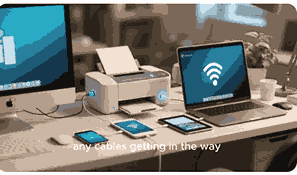
Setting up a network printer is essential for offices, businesses, and even home users who need to share a single printer across multiple computers or devices. A network printer allows easy connectivity without the hassle of plugging and unplugging cables into every computer. Whether you are using Wi-Fi, Ethernet, or a print server, learning how to configure your network printer properly ensures efficiency, convenience, and productivity. In this guide, we will walk you through everything you need to know about network printer setup, troubleshooting, and best practices.
What Is A Printer?
A printer is a hardware device that produces physical copies of digital documents, images, or files from a computer or mobile device. Printers come in many types, including inkjet, laser, thermal, dot matrix, and multifunction printers. A network printer specifically connects to multiple devices over a local network, either through Wi-Fi or Ethernet, enabling shared access among users. This eliminates the need for each device to have a dedicated printer connection. Printers can be configured with drivers and software that ensure compatibility with different operating systems and applications. Understanding what a printer is and how it works is the first step toward successfully setting up and maintaining a network printer.
Types Of Network Printers
There are various types of network printers, each serving different needs. Wi-Fi printers connect wirelessly to a local network, making them convenient for homes and offices with multiple devices. Ethernet printers use a physical cable connection for faster and more reliable printing, often favored in business environments. Multifunction network printers combine printing, scanning, copying, and faxing capabilities into one device, making them highly efficient for offices. Cloud-enabled printers allow remote printing through online services, suitable for mobile workers. Some printers also support Bluetooth connections, though less common for networked use. Choosing the right type of network printer depends on factors such as volume of printing, number of users, connectivity options, and security requirements.
Steps To Set Up A Network Printer
To set up a network printer, first connect the printer to the same network as your computer, either through Wi-Fi or Ethernet. Access the printer’s control panel to configure network settings, such as SSID and password for wireless connections. Once connected, install the correct drivers on your computer by downloading them from the manufacturer’s website or using the included installation disc. On Windows, use the “Add Printer” feature in Control Panel, while Mac users can add printers through “System Preferences > Printers & Scanners.” Ensure that printer sharing is enabled if multiple devices will use it. Test the printer by printing a sample page to confirm proper connectivity and functionality.
Common Network Printer Connection Methods
There are several connection methods for setting up a network printer. Wi-Fi is the most common, allowing wireless access to the printer from multiple devices. Ethernet provides a wired connection, ensuring stability and faster print speeds, ideal for office environments. USB-connected printers can be shared on a network using print servers or connected to a host computer that enables printer sharing. Some advanced printers support direct IP printing, where users connect using the printer’s unique IP address. Cloud printing services, such as Google Cloud Print (deprecated but replaced by manufacturer services), allow remote printing over the internet. Each method has advantages depending on speed, ease of setup, and reliability.
Configuring Printer Settings For A Network
After connecting your printer to the network, configuration is critical for smooth operation. Assign a static IP address to prevent conflicts and ensure the printer remains accessible. Configure printer preferences such as default paper size, print quality, and duplex printing. Enable security settings like password protection, encryption, or access restrictions to prevent unauthorized use. Use printer management software provided by the manufacturer to monitor ink levels, toner usage, and maintenance needs. Additionally, set permissions on your network so only specific users or devices can access the printer. Properly configured settings ensure consistent performance, reduce errors, and extend the life of your network printer.
Troubleshooting Network Printer Problems
Network printer issues are common, but most are easy to resolve. If your printer is not connecting, check Wi-Fi or Ethernet connections and verify the printer’s IP address. Ensure drivers are correctly installed and updated. Restart the printer and router to refresh the connection. If print jobs are stuck in the queue, clear them and restart the spooler service. For slow printing, check for excessive print jobs or low network bandwidth. In cases where the printer is not found, re-add it manually using its IP address. Keeping firmware up to date and regularly maintaining your printer prevents many common connectivity issues.
Security Considerations For Network Printers
Network printers, like any other connected device, can be vulnerable to security risks. Hackers may exploit unsecured printers to access sensitive documents or infiltrate networks. To secure your printer, always update firmware and drivers. Assign strong passwords to the printer’s admin panel and disable unused ports or protocols. Use firewalls and enable network encryption to protect print data. Many business printers support secure print features, requiring authentication before printing documents. Limit access by restricting which devices can connect. For organizations, monitoring printer activity and enabling audit trails enhances accountability. Security should always be a priority when setting up network printers.
Benefits Of Using A Network Printer
Network printers offer significant advantages for individuals and businesses. They reduce costs by eliminating the need for multiple printers and allow all users on a network to share the same device. This setup saves space and enhances collaboration. With wireless options, users can print from anywhere within the network range, including smartphones and tablets. Many network printers support cloud printing, enabling remote printing from outside the office. They also streamline IT management by centralizing maintenance and monitoring. For businesses, this increases productivity and efficiency, while for homes, it provides convenience and flexibility. A properly set up network printer is a long-term investment.
Conclusion
Setting up a network printer may seem technical, but following step-by-step instructions makes the process straightforward. From choosing the right type of printer to connecting it via Wi-Fi or Ethernet, installing drivers, and configuring settings, you can ensure reliable and efficient printing. Proper security measures and regular maintenance further guarantee smooth operation. Whether for personal use or business, a network printer improves productivity, reduces costs, and simplifies document management. By understanding the setup process and applying best practices, you can enjoy seamless printing across multiple devices with minimal hassle.
Frequently Asked Questions
1. How Do I Set Up A Network Printer?
Setting up a network printer requires connecting the printer to your Wi-Fi or Ethernet network, installing the correct drivers, and configuring printer sharing settings. Start by powering on the printer and navigating to its network setup menu. For Wi-Fi, enter your SSID and password, while Ethernet simply requires plugging in the cable. On your computer, add the printer manually using its IP address or through “Add Printer” options in system settings. Install drivers from the manufacturer’s website if they do not automatically install. Once configured, print a test page to verify functionality. Enable sharing for multiple users and secure it with passwords if needed.
2. What Are The Different Types Of Network Printers?
Network printers come in several types, including Wi-Fi printers that connect wirelessly, Ethernet printers with wired stability, and multifunction printers that combine printing, scanning, and copying. Cloud-enabled printers allow remote printing over the internet, while Bluetooth printers, though less common, provide short-range connections. Business-grade printers often feature advanced management tools and security options. Choosing the right type depends on whether you prioritize speed, mobility, or advanced functionality. For example, Ethernet printers are reliable in offices, while Wi-Fi printers are more convenient for home use. Multifunction printers save space by combining features, making them suitable for both businesses and households.
3. How Do I Connect A Printer To Wi-Fi For Network Printing?
To connect a printer to Wi-Fi, first access the printer’s network settings menu. Select the wireless setup option and choose your Wi-Fi network from the list of available connections. Enter the network password, and the printer should connect automatically. Some printers support WPS (Wi-Fi Protected Setup), where you simply press the WPS button on your router and the printer to connect. After establishing the connection, install the required drivers on your computer and add the printer through the operating system’s “Printers & Scanners” section. Finally, print a test page to ensure successful setup and verify that all connected devices can access the printer.
4. How Do I Add A Network Printer On Windows?
On Windows, adding a network printer involves navigating to “Control Panel > Devices and Printers > Add a Printer.” The system will search for available printers on the network. If your printer is detected, select it and install the recommended drivers. If not, you can manually add it by entering the printer’s IP address. Once installed, you can adjust printer preferences such as paper size, quality, and duplex settings. For advanced setups, administrators can assign printer permissions or share access across user groups. After configuration, print a sample page to confirm connectivity and ensure the printer is ready for network use.
5. How Do I Add A Network Printer On Mac?
On a Mac, adding a network printer is straightforward through “System Preferences > Printers & Scanners.” Click the plus sign (+) to add a new printer. Your Mac will display available printers on the local network. If the printer appears, select it, and the system will automatically install the correct drivers. If it doesn’t appear, manually add it using the printer’s IP address. Ensure that you select the correct printer protocol, such as AirPrint or IPP. Once configured, set the printer as the default device if desired. Finally, test the setup by printing a document to verify successful connection and functionality.
6. Why Is My Network Printer Not Connecting?
A network printer may fail to connect due to issues with Wi-Fi, Ethernet, or driver installation. First, verify that the printer and computer are on the same network. Check if the printer’s IP address has changed and update the settings accordingly. Restart the printer, router, and computer to refresh connections. If drivers are missing or outdated, download and install the latest version from the manufacturer’s website. Ensure that firewalls or antivirus software are not blocking communication. For wireless connections, check signal strength and reposition the printer closer to the router if necessary. Addressing these issues usually resolves connectivity problems quickly.
7. How Do I Find The IP Address Of My Network Printer?
Finding the IP address of a network printer is essential for manual setup. You can usually locate it through the printer’s control panel under “Network Settings.” Many printers allow you to print a network configuration page, which lists the IP address and other connection details. On Windows, navigate to “Devices and Printers,” right-click the printer, and select “Properties” to find its IP address. On Mac, access “Printers & Scanners” and check the printer information. Alternatively, log into your router’s admin interface to view connected devices. Once obtained, you can use the IP address to manually add or troubleshoot the printer.
8. How Do I Share A Printer On A Network?
Sharing a printer on a network allows multiple users to access it from different devices. On Windows, go to “Control Panel > Devices and Printers,” right-click the printer, and select “Printer Properties.” Under the “Sharing” tab, enable sharing and assign a name for the printer. Other devices on the network can now connect to it. On Mac, open “System Preferences > Printers & Scanners,” select the printer, and enable “Share this printer on the network.” Ensure that firewalls and permissions allow access. This setup is especially useful in offices where multiple employees need to print without individually configuring separate devices.
9. How Do I Secure A Network Printer?
Securing a network printer prevents unauthorized access and protects sensitive documents. Start by setting a strong admin password for the printer’s control panel. Use network encryption such as WPA2 or WPA3 for wireless connections. Disable unnecessary ports and protocols that could be exploited. Regularly update firmware and drivers to patch vulnerabilities. Many business printers offer secure printing options, requiring authentication before releasing print jobs. Restrict access by limiting which devices or users can connect. For organizations, implementing firewalls, virtual LANs, and monitoring tools further enhances security. Proper printer security safeguards both personal and business data from potential threats.
10. What Drivers Do I Need For A Network Printer?
Network printers require compatible drivers to function with your operating system. Most modern printers come with universal drivers, but for optimal performance, download the latest version from the manufacturer’s website. Windows often installs generic drivers automatically, but they may lack advanced features like duplex printing or scanning. Mac systems typically use AirPrint or manufacturer-provided drivers. Linux users may need open-source printer drivers. Always ensure you install the correct version for your system architecture, such as 32-bit or 64-bit. Updating drivers regularly ensures compatibility with system updates and enhances performance, stability, and access to advanced printing features.
11. How Do I Connect A Network Printer Using Ethernet?
To connect a network printer via Ethernet, plug the Ethernet cable into the printer and router or switch. Once connected, the printer automatically obtains an IP address from the network. Access the printer’s control panel to confirm the connection status. On your computer, add the printer manually by entering its IP address or allow the system to detect it automatically. Install the appropriate drivers if they are not already present. Ethernet connections are generally faster and more stable than Wi-Fi, making them ideal for high-volume business printing. Test the connection by printing a document to confirm proper functionality.
12. Can I Connect A Network Printer To Multiple Devices?
Yes, a network printer is specifically designed to connect to multiple devices simultaneously. Once added to the network, any authorized computer, laptop, smartphone, or tablet can send print jobs. To enable this, ensure that printer sharing is configured and that all devices are connected to the same Wi-Fi or Ethernet network. Cloud-enabled printers even allow printing from remote locations. For businesses, administrators can control access by assigning user permissions, ensuring only approved devices can connect. This shared setup eliminates the need for individual printers, reduces costs, and enhances productivity, especially in offices where multiple users frequently need printing services.
13. How Do I Print From My Smartphone To A Network Printer?
Most modern network printers support mobile printing through apps or built-in features. For iPhone users, AirPrint allows direct printing to compatible printers without installing additional software. Android devices can use Google Print Services or manufacturer apps like HP Smart or Canon PRINT. Ensure that your smartphone is connected to the same Wi-Fi network as the printer. Open the document, photo, or webpage you want to print, select the share option, and choose “Print.” Select the printer from the available list and confirm your settings. Mobile printing provides convenience by enabling wireless printing without needing a computer or physical connection.
14. How Do I Troubleshoot Print Queue Errors On A Network Printer?
Print queue errors occur when print jobs get stuck and prevent further documents from printing. To resolve this, open the printer settings on your computer and cancel all pending jobs. Restart the printer spooler service through the system’s administrative tools. Ensure that the printer is online and properly connected to the network. If the issue persists, reinstall the printer drivers and re-add the printer to your device. Sometimes, restarting the computer, router, and printer can clear network glitches. Keeping printer firmware updated and monitoring network traffic reduces the chances of print queue errors. Regular maintenance also ensures smooth printing operations.
15. How Do I Connect A Network Printer Using Its IP Address?
Connecting a network printer via its IP address provides a direct and reliable setup. First, locate the printer’s IP address through its control panel or by printing a configuration page. On Windows, navigate to “Devices and Printers > Add Printer > Add a printer using TCP/IP address.” Enter the IP address and allow the system to detect it. On Mac, go to “Printers & Scanners,” add a new printer, and choose “IP” as the connection method. Input the IP address and select the correct protocol. Install the necessary drivers, then print a test page to confirm successful connection.
16. What Are The Benefits Of Setting Up A Network Printer?
Setting up a network printer offers multiple benefits, including cost savings, efficiency, and convenience. Instead of buying separate printers for each device, a single network printer can serve multiple users. This setup saves space and simplifies IT management by centralizing maintenance and updates. Network printers support wireless and mobile printing, allowing users to print from laptops, tablets, or smartphones. Cloud printing extends these capabilities by enabling remote printing. For businesses, network printers enhance collaboration and productivity by providing easy access to shared resources. The combination of affordability, convenience, and flexibility makes network printers an ideal solution for many environments.
17. How Do I Install A Network Printer Without A CD?
If you don’t have the installation CD, you can still install a network printer by downloading the latest drivers from the manufacturer’s official website. Begin by connecting the printer to your network via Wi-Fi or Ethernet. On your computer, navigate to the “Printers & Scanners” section in system settings and choose to add a new printer. When prompted, manually select or enter the printer’s IP address if it doesn’t appear automatically. During installation, browse to the downloaded driver package and complete the setup. Most modern printers support plug-and-play functionality, making installation simple even without the original CD.
18. Why Is My Network Printer Printing Slowly?
A network printer may print slowly for several reasons, including outdated drivers, weak Wi-Fi signals, or high network traffic. First, ensure that the printer is connected via a stable connection, preferably Ethernet if speed is critical. Check the printer settings and reduce print quality if unnecessary high-resolution printing is selected. Clear any backlog in the print queue and ensure firmware is updated. If multiple users are sending large print jobs simultaneously, this may slow performance. For Wi-Fi printers, placing the device closer to the router can improve speed. Regular maintenance, driver updates, and optimizing settings often restore normal printing speeds.
19. How Do I Enable Printer Sharing On Windows And Mac?
On Windows, enabling printer sharing requires navigating to “Control Panel > Network and Sharing Center > Advanced Sharing Settings.” Ensure that file and printer sharing is enabled. Then, right-click the printer in “Devices and Printers,” go to “Printer Properties,” and check the sharing options. On Mac, open “System Preferences > Printers & Scanners,” select the printer, and enable “Share this printer on the network.” After enabling sharing, other devices can add the printer by browsing network printers or manually entering the shared printer’s name. Proper permissions and firewall settings should be configured to ensure smooth and secure access.
20. Can A Network Printer Be Used Remotely Over The Internet?
Yes, many modern network printers support remote access through cloud printing services. Manufacturers like HP, Canon, and Epson offer their own apps and cloud-based platforms that allow users to print from anywhere with an internet connection. To enable this, register your printer with the manufacturer’s cloud service and connect it to the internet. Once configured, users can send print jobs directly from their devices without being on the same local network. Some organizations use VPNs to allow secure remote printing. Remote access enhances convenience for mobile workers, students, and businesses that operate in multiple locations.
FURTHER READING
- What Is A Plotter Printer? | Definition, Functions, Features, Uses, And Benefits Of Plotter Printers
- Why Is My Printer Printing Slow Over Wi-Fi? | Causes, Fixes, And Speed Optimization For Wireless Printers
- What Is The Best Printer For Photographs? | Top Photo Printers For Stunning Prints And Professional Quality
- What Is Printer Spooling? | Understanding Printer Spooling, Functions, Benefits, Errors, And Fixes For Smooth Printing
- How To Share A Printer Between Two Computers | Easy Steps To Share A Printer On Windows And Mac
- How To Connect A Printer To Bluetooth | Easy Steps To Set Up Wireless Printing On Any Device
- How To Install A Printer Driver | A Step-By-Step Guide For Windows, Mac, And Network Printers
- How To Fix Printer Connectivity Issues | Troubleshooting Printer Connection Problems For Seamless Printing
- What Is A Printer Driver? | Understanding Printer Software, Installation, And Compatibility
- How To Print To A Cloud Printer | A Step-By-Step Guide To Cloud Printing From Any Device