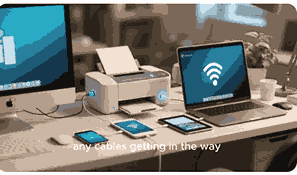
In today’s fast-paced digital world, efficiency in printing is no longer a luxury but a necessity. The fastest printer on the market combines advanced technology, high-speed mechanisms, and smart features to save time and increase productivity. Whether for home use, small businesses, or large corporate offices, knowing which printer delivers the best speed without compromising quality is crucial. This article explores the key features, types, and considerations to help you choose the fastest printer tailored to your printing needs. From inkjet to laser printers, we dive into everything you need to understand about high-speed printing technology and performance.
What Is A Printer?
A printer is an electronic device that converts digital documents, images, or graphics from a computer, smartphone, or tablet into physical copies on paper. Printers come in various types, including inkjet, laser, and thermal printers, each offering distinct advantages in speed, resolution, and functionality. Inkjet printers are ideal for high-quality photo prints and small-scale home use, while laser printers excel in fast document printing and high-volume office tasks. Modern printers also incorporate wireless connectivity, duplex printing, and mobile printing support, making them more versatile and user-friendly. Understanding the core function of a printer is essential to identifying which models excel in speed and efficiency.
Types Of High-Speed Printers
High-speed printers generally fall into two categories: laser and industrial-grade inkjet printers. Laser printers use electrostatic technology to transfer toner onto paper quickly, making them suitable for offices requiring bulk printing. Industrial inkjet printers, on the other hand, utilize multiple nozzles and rapid ink ejection systems to print at exceptionally high speeds without sacrificing quality. Factors such as print resolution, duty cycle, and connectivity options also influence the overall speed. Some advanced models can print up to 100 pages per minute or more, while smaller desktop versions may offer 30-50 pages per minute. Choosing the right type depends on balancing speed with quality, volume, and cost.
Key Features That Influence Printing Speed
Several features affect a printer’s speed, including print resolution, processor power, memory, and connectivity. High-resolution printers typically print slower, but many modern devices balance speed with quality through smart print algorithms. A powerful processor and ample memory allow printers to handle complex documents efficiently, reducing wait times. Connectivity options like USB 3.0, Ethernet, and Wi-Fi Direct can significantly affect printing speed, particularly in office environments with multiple users. Additional features like automatic duplexing and high-capacity trays also contribute to efficiency, minimizing manual intervention and maximizing productivity.
Benefits Of Using The Fastest Printer
Using the fastest printer offers tangible benefits beyond just time savings. In professional environments, it enhances productivity by allowing employees to focus on other tasks while printing large volumes of documents quickly. Fast printers reduce waiting time for clients, streamline workflows, and decrease operational bottlenecks. For creative professionals, high-speed printers with advanced color management maintain image quality without sacrificing speed. Moreover, fast printers often include robust reliability features, reducing paper jams and downtime. Investing in the right high-speed printer can ultimately lead to improved efficiency, cost-effectiveness, and overall satisfaction for both personal and business use.
Factors To Consider Before Buying A Fast Printer
When selecting a high-speed printer, consider your volume requirements, budget, connectivity options, and paper types. Large offices may benefit from multifunction laser printers with automatic feeding and duplex printing, while small businesses might prioritize compact inkjet models for occasional high-speed tasks. Evaluate monthly duty cycles to ensure the printer can handle your workload without wear and tear. Cost per page, toner or ink efficiency, and compatibility with various devices are equally important. Additionally, consider the availability of customer support and warranty coverage to protect your investment. Researching these factors ensures you choose a printer that balances speed, quality, and cost effectively.
Frequently Asked Questions
1. What Is The Fastest Printer?
The fastest printer depends on the type and technology used. Laser printers generally lead in speed due to their electrostatic printing mechanism, with models capable of printing over 100 pages per minute for office-grade machines. Industrial inkjet printers also offer high speeds, often matching laser printers in volume while delivering excellent color quality. Consumer-grade high-speed printers typically achieve 30-50 pages per minute. Factors like processor speed, memory, connectivity, and print resolution influence the overall speed. Advanced models also incorporate duplex printing and large-capacity trays to enhance efficiency. Ultimately, the fastest printer is one that aligns with your specific printing needs, balancing speed, volume, and print quality.
2. How Does A High-Speed Printer Work?
High-speed printers use either laser or inkjet technology to rapidly transfer digital data onto paper. Laser printers utilize a drum charged with static electricity that attracts toner particles, which are then fused onto the paper with heat, enabling fast printing with minimal delay. Industrial inkjet printers spray multiple streams of ink simultaneously using precise nozzles, allowing high-speed output without compromising image quality. Both types leverage powerful processors, memory buffers, and efficient paper handling systems to maintain speed. Advanced features like duplexing, multiple trays, and network connectivity further enhance productivity, making high-speed printers ideal for offices, schools, and other high-volume environments.
3. What Is The Difference Between Laser And Inkjet Printers?
Laser and inkjet printers differ primarily in speed, technology, and cost per page. Laser printers use toner and electrostatic printing, making them faster and more cost-effective for high-volume document printing. Inkjet printers spray liquid ink through nozzles, producing higher-quality images, making them ideal for photos and detailed graphics. Laser printers typically handle larger paper volumes efficiently, while inkjets may require frequent refills for heavy use. Additionally, inkjet printers are generally quieter and more compact, suitable for home use. Choosing between them depends on your printing priorities: laser for speed and volume, inkjet for image quality and color precision.
4. Can Printers Print Wirelessly At High Speeds?
Yes, many modern printers offer wireless printing without compromising speed. Features like Wi-Fi Direct, Ethernet, and mobile printing apps allow high-speed printers to handle large print jobs efficiently. Wireless printing convenience eliminates the need for cables while maintaining productivity. However, network quality can influence overall speed. A strong, high-bandwidth connection ensures rapid data transfer, especially for complex documents or high-resolution images. Some printers also support cloud printing services, allowing remote printing at optimal speeds. For offices and home users seeking flexibility and efficiency, wireless high-speed printers combine convenience with performance, making them a valuable tool in modern workflows.
5. What Are The Benefits Of Duplex Printing In High-Speed Printers?
Duplex printing allows automatic printing on both sides of a paper, enhancing efficiency and reducing paper consumption. In high-speed printers, duplexing minimizes manual intervention, saving time when handling large documents. This feature is particularly beneficial in offices that require high-volume reports or presentations. Duplex printing also supports eco-friendly practices by reducing paper waste, contributing to sustainability goals. Many modern high-speed printers integrate duplex printing seamlessly without slowing down overall output. By combining speed, automation, and environmental benefits, duplex printing ensures maximum productivity while maintaining print quality and operational efficiency in professional and personal printing scenarios.
6. How Important Is Printer Memory For Speed?
Printer memory plays a crucial role in maintaining high-speed performance, particularly when handling complex or large documents. Adequate memory allows the printer to store and process entire print jobs quickly, reducing delays and buffering issues. High-resolution images, graphics-heavy files, and multiple-page documents require more memory to ensure smooth printing. Printers with limited memory may slow down or queue jobs, especially in shared office environments. Upgrading or choosing a printer with sufficient memory ensures that speed is consistent across different tasks. Combined with a fast processor, ample memory optimizes overall efficiency, enabling high-speed printing without compromising document quality or workflow.
7. What Is The Role Of Print Resolution In Printer Speed?
Print resolution, measured in dots per inch (DPI), affects the clarity and detail of printed output. Higher resolution provides sharper images but may slow down printing speed due to increased data processing. High-speed printers balance resolution and speed using optimized print algorithms, allowing professional-quality output without significant delays. For text-heavy documents, moderate resolution is sufficient, maintaining rapid printing. For photo and graphics work, higher resolution may slightly reduce speed but ensures superior visual quality. Understanding the trade-off between resolution and speed helps users choose a printer that meets both quality and performance requirements, ensuring efficiency in diverse printing tasks.
8. How Does Paper Handling Affect Printer Speed?
Efficient paper handling significantly impacts overall printing speed. Printers with high-capacity trays, multiple feed options, and automatic document feeders can process large print jobs faster. Features like jam-resistant designs, adjustable paper guides, and duplexing also reduce downtime and manual intervention. In high-speed environments, continuous feeding mechanisms ensure consistent output without waiting for refills or paper adjustments. Industrial and office-grade printers often incorporate multiple trays to handle various paper sizes simultaneously. Optimized paper handling, combined with fast printing mechanisms, ensures maximum productivity and minimizes delays, particularly for businesses that rely on bulk printing for operations, reports, and client communications.
9. Are High-Speed Printers Suitable For Home Use?
High-speed printers can be suitable for home use, especially for users who print large volumes or require rapid output for business or creative projects. Compact models offer fast printing while maintaining manageable size and cost. Features like wireless connectivity, duplex printing, and mobile printing support enhance convenience for home users. However, extremely high-volume industrial printers may be unnecessary and costly for typical household tasks. Evaluating printing needs, frequency, and budget ensures you select a model that provides speed without overinvestment. Modern high-speed home printers balance efficiency, quality, and functionality, making them practical solutions for both personal and small-scale professional printing.
10. What Are The Most Reliable Brands For Fast Printers?
Reliable brands in the high-speed printer market include HP, Canon, Epson, Brother, and Xerox. These manufacturers consistently produce models with robust performance, efficient processing, and long-lasting components. HP and Brother are well-known for laser printers with fast output and high durability, while Canon and Epson offer advanced inkjet printers that combine speed with superior color accuracy. Xerox specializes in office-grade machines optimized for large-scale, high-volume printing. Choosing reputable brands ensures consistent speed, fewer maintenance issues, and access to customer support and warranty services. Investing in trusted manufacturers reduces downtime and maximizes productivity, making them ideal for both home and professional environments.
11. How Much Does A High-Speed Printer Cost?
The cost of high-speed printers varies widely based on technology, features, and intended usage. Consumer-grade models range from $150 to $500, offering 30-50 pages per minute and compact designs suitable for home or small office use. Professional or office-grade printers, including industrial models, can cost $1,000 to $5,000 or more, providing over 100 pages per minute, multiple paper trays, and advanced connectivity. Additional costs include toner or ink, maintenance kits, and optional upgrades. When assessing cost, it’s essential to balance upfront investment with long-term efficiency, considering speed, volume capacity, and operational expenses to ensure the printer meets your productivity goals.
12. What Is The Average Printing Speed Of Fast Printers?
The average printing speed of fast printers depends on type and purpose. Consumer-grade laser printers typically produce 30-50 pages per minute (PPM), while high-end office laser models can exceed 100 PPM. Industrial inkjet printers may also reach similar speeds, with rapid multi-nozzle technology allowing continuous printing of high-quality images. Factors influencing speed include document complexity, resolution, connectivity, and paper handling. For everyday tasks, a printer delivering 30-50 PPM offers sufficient efficiency, while businesses with high-volume demands may require office-grade machines. Understanding average speed helps users select a printer that aligns with workflow needs without sacrificing print quality or reliability.
13. How Can I Increase My Printer’s Speed?
Increasing printer speed involves optimizing hardware, settings, and workflow. Using draft or economy print modes reduces resolution, allowing faster output for documents where quality is less critical. Ensuring sufficient memory, updating firmware, and connecting via high-speed USB or Ethernet can improve performance. Reducing the use of high-resolution images for simple documents, consolidating print jobs, and utilizing duplex printing efficiently also minimizes delays. For networked printers, maintaining a strong Wi-Fi signal or wired connection ensures rapid data transfer. Regular maintenance, such as cleaning print heads and replacing worn components, further enhances speed. By combining these strategies, users can maximize their printer’s output and efficiency.
14. What Role Does Connectivity Play In Printing Speed?
Connectivity directly impacts the speed at which print jobs reach the printer. Wired connections like USB 3.0 or Ethernet typically offer faster data transfer than standard Wi-Fi, reducing wait times for large files. High-speed wireless protocols, Wi-Fi Direct, and network printers allow multiple users to print simultaneously without significant delays. Cloud printing services can also enhance efficiency by enabling remote submissions. Poor network performance, interference, or bandwidth limitations can slow printing, regardless of the printer’s capabilities. Choosing the right connectivity options ensures seamless communication between devices and printer, allowing optimal speed and productivity for both home and office environments.
15. Can Ink Quality Affect Printer Speed?
Ink quality influences printer speed, particularly for inkjet models. High-quality ink with optimized viscosity flows smoothly through nozzles, preventing clogs and minimizing delays. Low-quality or incompatible inks can cause smudging, streaking, or misfires, requiring repeated passes that slow output. Fast printers designed for high-volume printing often work best with manufacturer-recommended inks to maintain consistent speed and image quality. Regular replacement of cartridges and avoiding expired ink ensures reliable performance. Additionally, using ink suited for the printer’s technology and print resolution contributes to faster, cleaner printing, reducing maintenance interruptions and ensuring efficient operation over time.
16. Are There Portable High-Speed Printers?
Yes, portable high-speed printers exist, offering compact designs for on-the-go printing without compromising speed. These printers typically use inkjet or small-scale laser technology to deliver rapid output in a lightweight, battery-powered form. Ideal for remote work, travel, or mobile businesses, portable high-speed printers balance efficiency, portability, and connectivity options such as Bluetooth and Wi-Fi. While they may not match industrial models in volume or PPM, modern portable devices provide sufficient speed for essential documents, receipts, or small presentations. Portable high-speed printers combine convenience and performance, allowing users to maintain productivity outside traditional office settings.
17. What Maintenance Is Required For Fast Printers?
Maintenance is crucial to sustain the speed and efficiency of high-speed printers. Regular tasks include cleaning print heads, replacing toner or ink cartridges, and ensuring paper trays are correctly aligned and filled. Firmware updates, memory optimization, and clearing paper jams promptly maintain performance. High-speed laser printers may require periodic replacement of drums and fuser units to prevent slowdowns, while inkjet printers benefit from nozzle cleaning cycles. Preventive maintenance reduces downtime, ensures consistent print quality, and prolongs the printer’s lifespan. Following manufacturer-recommended schedules and using genuine parts help maintain speed, reliability, and productivity over time.
18. How Do Industrial Printers Compare To Office Printers In Speed?
Industrial printers significantly outperform standard office printers in speed, often exceeding 100 pages per minute and handling massive volumes without frequent refills. They utilize advanced multi-nozzle inkjet systems or large-capacity laser technology, optimized for continuous operation. Office printers, while fast, typically focus on moderate volume, balancing speed, quality, and cost. Industrial models also offer robust paper handling, automated workflows, and durability features to withstand constant use. Businesses requiring large-scale printing, packaging, or high-resolution graphics benefit from industrial printers’ superior speed and efficiency. However, they require higher investment and space, making them suitable primarily for commercial or industrial environments.
19. Are High-Speed Printers Energy Efficient?
Many modern high-speed printers incorporate energy-saving technologies to reduce power consumption without sacrificing speed. Features like automatic sleep mode, low-energy fusing, and efficient processors minimize electricity use during idle periods. High-efficiency toner and ink formulations also contribute to sustainability. While fast printers may consume more energy during operation due to high-speed mechanisms, advancements in energy efficiency help balance performance and environmental impact. Businesses and environmentally conscious users benefit from selecting printers with Energy Star certification or similar standards, ensuring high-speed printing is both cost-effective and eco-friendly, supporting long-term operational sustainability.
20. Can I Print Photos Quickly On A High-Speed Printer?
High-speed printers can print photos efficiently, particularly inkjet models with advanced color management and multi-nozzle technology. While laser printers are faster for documents, inkjets provide superior color accuracy and resolution for images. Modern high-speed inkjet printers balance speed and quality, allowing rapid photo printing without significant degradation. Features like dedicated photo modes, borderless printing, and optimized ink usage enhance efficiency. Users should select printers with sufficient DPI and color calibration for consistent results. Combining high-speed capabilities with advanced photo printing technology ensures fast, high-quality images suitable for professional photography, creative projects, or personal use.
FURTHER READING
- What Is Printer Sharing? | How To Share Printers Over A Network For Efficient Printing
- How To Fix A Printer That Won’t Print Colour | A Complete Guide To Troubleshooting Color Printing Issues
- What Is Printer Calibration? | Comprehensive Guide To Optimize Print Accuracy And Color Consistency
- Can I Use Third-Party Ink In My Printer? | A Comprehensive Guide to Printer Ink Compatibility
- Can I Connect A Printer To Multiple Computers? | A Step-By-Step Guide To Shared Printing Solutions
- How To Replace A Printer Toner | A Step-By-Step Guide To Printer Toner Replacement For Smooth Printing Performance
- How To Replace Ink Cartridges In A Printer | A Step-By-Step Guide To Replace Printer Ink Cartridges Easily
- How To Check Ink Levels On Your Printer | Easy Methods To Monitor Printer Ink And Avoid Printing Issues
- Why Is My Printer Printing Faded Text? | Common Causes, Solutions, And Maintenance Tips For Clear Printing
- What Is A Thermal Printer? | A Complete Guide On Thermal Printers, Uses, Types, And Benefits