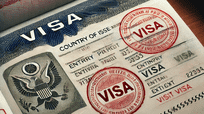
What Is An Immigrant Visa?
An immigrant visa is an official document issued by a country that allows a foreign national to enter the country with the intention of living there permanently. Unlike non-immigrant visas, which are temporary and typically for tourism, business, or study, an immigrant visa provides the holder with legal residency status and a path toward citizenship. These visas are usually categorized based on family relationships, employment opportunities, refugee or asylum status, and special programs. Obtaining an immigrant visa requires adherence to specific eligibility requirements, submission of forms, supporting documentation, and often, an interview process. Understanding the basics of what an immigrant visa entails is critical for prospective applicants seeking long-term residency in a foreign country.
Understanding The Different Types Of Immigrant Visas
Immigrant visas can be divided into several categories depending on eligibility criteria. Family-sponsored visas allow close relatives of citizens or permanent residents to apply for legal residency. Employment-based visas are available for individuals with specific job offers or exceptional skills. Diversity visas, often known as the lottery, provide opportunities for applicants from countries with historically low immigration rates. Refugee and asylum visas cater to those escaping persecution or danger in their home countries. Each category has distinct eligibility requirements, processing timelines, and documentation standards. Understanding these distinctions ensures that applicants submit the correct forms and evidence to maximize their chances of approval.
Eligibility Requirements Based On Family Sponsorship
For family-sponsored immigrant visas, eligibility generally requires a qualifying family relationship between the applicant and the sponsor, who must be a citizen or permanent resident. Immediate relatives, such as spouses, unmarried children under 21, and parents of adult citizens, often have priority processing. Other family members, including siblings and adult children, may be eligible but are subject to longer waiting periods due to annual visa quotas. Sponsors must demonstrate the ability to financially support the applicant, typically through an affidavit of support. Applicants must also undergo background checks, medical examinations, and provide proof of the relationship through documentation such as birth certificates, marriage certificates, and legal documents.
Eligibility Requirements Based On Employment Sponsorship
Employment-based immigrant visas require applicants to meet criteria related to skills, experience, and job offers. These visas are divided into preference categories, including priority workers, professionals with advanced degrees, skilled workers, and other specific employment groups. Typically, the employer must file a petition on behalf of the applicant, demonstrating that the job cannot be filled by a local worker and that the applicant meets the qualifications. Labor certification may also be required to ensure fair labor market practices. Applicants must provide documentation such as resumes, diplomas, certifications, and employment contracts. Some categories prioritize extraordinary abilities or national interest waivers, reducing the need for employer sponsorship while maintaining strict eligibility standards.
Health And Character Requirements For Immigrant Visas
All immigrant visa applicants must satisfy certain health and character standards. Medical examinations by approved physicians ensure applicants do not pose a public health risk. Vaccination records and screenings for communicable diseases are required. Character assessment involves background checks, criminal history evaluation, and security screenings to prevent inadmissibility based on criminal activity, fraud, or national security concerns. Some minor legal infractions may not disqualify an applicant, but full disclosure and supporting documents are necessary. Ensuring that these requirements are met prior to submission improves the likelihood of approval and reduces processing delays. Compliance with both health and character requirements is mandatory for obtaining any immigrant visa.
Financial And Documentation Requirements
Immigrant visa applicants must demonstrate the ability to financially support themselves or be supported by a sponsor. The affidavit of support is a key document proving the sponsor meets income thresholds set by law. Applicants may also need to provide bank statements, employment letters, tax records, and other financial documents. Supporting evidence such as passports, birth certificates, marriage certificates, and police clearance certificates are essential to verify identity and eligibility. Proper preparation of documentation is critical, as missing or incomplete records are common causes of delays or denial. Understanding financial and documentation requirements ensures the application process proceeds smoothly and aligns with legal standards.
The Application Process And Interview Preparation
Applying for an immigrant visa involves several steps, starting with filing the appropriate petition with the relevant immigration authority. Once approved, applicants receive instructions to submit forms, pay fees, and attend consular interviews. Interviews assess eligibility, review submitted documentation, and confirm the applicant’s intentions and qualifications. Preparation is vital; applicants should organize documents, understand their category-specific requirements, and be ready to answer questions clearly and honestly. Background checks and medical exams are also conducted during this stage. Thorough preparation improves confidence, reduces errors, and increases the likelihood of approval, as consular officers rely heavily on the accuracy and completeness of the provided information.
Processing Times And Visa Validity
Processing times for immigrant visas vary based on category, country of origin, and available visa quotas. Immediate family categories often have faster processing, while employment-based and other preference categories may take years due to annual limits. Once granted, the visa has a specific validity period, usually allowing entry into the destination country within six months. Applicants must enter before expiration and complete any additional requirements to adjust status to permanent residency. Understanding timelines and validity ensures applicants plan travel, employment, and accommodation appropriately. Staying informed about processing updates through official channels prevents lapses and helps applicants meet all legal requirements for long-term residency.
Common Reasons For Visa Denial
Immigrant visas can be denied for several reasons, including incomplete applications, missing documentation, failure to meet eligibility requirements, health issues, criminal records, or misrepresentation. Sponsors who do not meet financial thresholds can also lead to denial. Some applicants may face inadmissibility due to security concerns or previous immigration violations. Properly reviewing requirements, preparing documentation, and seeking guidance from immigration experts reduces the likelihood of denial. If denied, applicants may have the opportunity to appeal or reapply, but understanding and addressing the reasons for refusal is critical for future applications. Awareness of common pitfalls improves success rates and ensures compliance with legal standards.
Conclusion
Obtaining an immigrant visa requires careful planning, adherence to eligibility requirements, and accurate documentation. Applicants must understand the type of visa they are applying for, whether family-sponsored, employment-based, or special programs, and meet all medical, character, and financial criteria. Preparing thoroughly, including completing medical exams, gathering legal documents, and attending interviews, significantly increases the chances of approval. Staying informed about processing times and visa validity ensures applicants meet all deadlines and legal obligations. By understanding the requirements and process, individuals seeking permanent residency can navigate the system effectively and achieve their goal of living and working legally in a new country.
Frequently Asked Questions
1. What Are The Eligibility Requirements For Obtaining An Immigrant Visa?
The eligibility requirements for obtaining an immigrant visa depend on the type of visa applied for. Family-sponsored visas require proof of a qualifying relationship with a U.S. citizen or permanent resident and an affidavit of support to demonstrate financial stability. Employment-based visas necessitate a job offer, proof of skills or qualifications, and in many cases, labor certification. All applicants must undergo medical examinations and meet character standards, including background checks. Documentation such as passports, birth certificates, and police clearances are mandatory. Applicants must also demonstrate intent to reside permanently and adhere to any visa-specific rules. Understanding these combined criteria ensures a complete and compliant application.
2. How Do I Apply For And Get An Immigrant Visa?
To apply for an immigrant visa, first determine the appropriate category, whether family-sponsored, employment-based, or other programs. The process begins with filing a petition through the relevant immigration authority. Once the petition is approved, applicants submit forms, fees, and required documentation, including passports, birth certificates, financial records, and medical examinations. Applicants then attend a consular interview where eligibility, documentation, and intentions are assessed. Thorough preparation, organized documentation, and honest responses during interviews are essential. Background checks and security screenings are conducted before approval. Once approved, the visa is issued with a validity period, allowing entry into the destination country to adjust to permanent residency status.
3. What Are The Family-Sponsored Immigrant Visa Eligibility Requirements?
Family-sponsored immigrant visas require a qualifying relationship with a sponsor who is a citizen or permanent resident. Immediate relatives, such as spouses, minor children, and parents of adult citizens, have priority processing. Other family members may face longer waiting periods due to visa quotas. Sponsors must provide an affidavit of support to prove financial stability and the ability to support the applicant. Applicants must provide documentation such as birth certificates, marriage certificates, and evidence of the relationship. Background checks, medical examinations, and character assessments are mandatory. Compliance with both the sponsor’s and applicant’s requirements is crucial for a successful application.
4. What Are The Employment-Based Immigrant Visa Eligibility Requirements?
Employment-based immigrant visas require a job offer, proof of qualifications, and often a labor certification to show that no local worker can fill the position. Preference categories include priority workers, professionals with advanced degrees, skilled workers, and special employment groups. Extraordinary ability applicants may qualify without employer sponsorship. Documentation includes diplomas, certificates, resumes, and employment contracts. Sponsors must meet financial obligations in some cases. Applicants must pass medical and character requirements, including background checks and security screenings. Understanding the specific requirements of the visa category and providing complete documentation ensures higher chances of approval.
5. What Are The Health And Character Requirements For Obtaining An Immigrant Visa?
Applicants must undergo medical examinations conducted by approved physicians to ensure they do not pose public health risks. Required vaccinations and screenings for communicable diseases must be completed. Character requirements include background checks, criminal history evaluations, and security screenings to prevent inadmissibility. Certain minor infractions may be waivable, but full disclosure is necessary. Compliance with these standards ensures public safety and alignment with immigration laws. Meeting health and character requirements is mandatory for visa approval, as failure to comply can result in delays or denial. Understanding and preparing for these requirements helps applicants complete the process efficiently.
6. What Are The Financial Requirements For Obtaining An Immigrant Visa?
Applicants must demonstrate financial stability either through personal means or via a sponsor’s affidavit of support. The sponsor must meet income thresholds to ensure the applicant will not become a public charge. Supporting financial documents, such as bank statements, tax records, and employment letters, are required. Proper financial documentation is crucial to avoid delays or denial. Applicants should prepare evidence of funds, sponsor support, or employment to demonstrate the ability to maintain themselves in the new country. Meeting financial requirements ensures compliance with immigration regulations and a smoother visa approval process.
7. What Are The Documentation Requirements For Obtaining An Immigrant Visa?
Documentation requirements include passports, birth certificates, marriage certificates, police clearance certificates, medical examination results, and financial evidence. Family-sponsored visas require proof of the qualifying relationship, while employment-based visas require proof of skills, education, and job offers. Missing, incomplete, or incorrect documents are common causes of delays or denials. Organizing documents systematically and ensuring they meet official standards increases the likelihood of approval. Proper documentation demonstrates eligibility, authenticity, and compliance with immigration rules, which are essential for successful processing of an immigrant visa.
8. How Long Does It Take To Get An Immigrant Visa?
Processing times vary by visa type, country of origin, and annual visa quotas. Immediate family-sponsored visas often process within several months, while other family categories or employment-based visas may take several years due to limited annual allocations. Refugee, asylum, and diversity visas have separate timelines. Delays can occur due to incomplete documentation, background checks, or administrative processing. Staying informed about current processing times through official immigration channels helps applicants plan accordingly. Understanding expected timelines reduces uncertainty and ensures that applicants are prepared for the waiting period before entering the destination country with their immigrant visa.
9. What Is The Validity Period Of An Immigrant Visa?
An immigrant visa generally has a validity period of six months from the date of issuance. This period allows applicants to travel to the destination country and complete steps to adjust status to permanent residency. Entering after the expiration date can result in visa invalidation, requiring reapplication. Applicants should plan travel and prepare all required documentation in advance to comply with the validity period. Understanding the visa’s duration ensures timely arrival, legal entry, and uninterrupted processing toward permanent residency. Awareness of the validity period also helps applicants avoid potential legal complications during relocation.
10. Can Criminal Records Affect Eligibility For An Immigrant Visa?
Yes, criminal records can impact eligibility. Certain offenses may render applicants inadmissible, while minor infractions might be waivable depending on circumstances. Full disclosure is necessary to avoid accusations of fraud or misrepresentation. Background checks conducted by immigration authorities assess criminal history. Legal counsel may help evaluate the impact of past offenses and provide guidance on waivers or additional documentation. Compliance with character standards and transparency during the application process increases the likelihood of approval. Understanding how criminal history affects eligibility helps applicants prepare a complete and honest application.
11. Can Health Conditions Affect Eligibility For An Immigrant Visa?
Applicants with certain health conditions may face delays or additional requirements. Medical examinations ensure applicants do not pose public health risks, including communicable diseases. Vaccinations and preventive screenings are required. Some conditions may require treatment or additional documentation to demonstrate fitness for travel and residency. Disclosure is essential to comply with regulations. Meeting health requirements protects public safety and ensures alignment with immigration policies. Proper preparation and timely medical evaluation help applicants satisfy all necessary conditions for visa approval.
12. Are There Age Requirements For Immigrant Visas?
Age requirements vary depending on the visa category. Certain family-sponsored categories prioritize children under 21, while adult applicants may face longer waiting periods. Employment-based visas typically focus on skills and qualifications rather than age. Minors applying independently may require additional legal guardianship documentation. Understanding the age-specific requirements ensures applicants select the correct category and meet eligibility criteria, avoiding unnecessary delays in processing. Age-related rules impact prioritization, eligibility, and documentation requirements for immigrant visa applications.
13. What Are The Education And Skill Requirements For Employment-Based Immigrant Visas?
Employment-based visas require applicants to meet specific education, skill, and experience criteria. Priority categories may require advanced degrees, professional certifications, or demonstrated extraordinary abilities. Skilled worker categories demand formal training and work experience in specialized fields. Supporting documentation, such as diplomas, certificates, and employment letters, is essential to verify qualifications. Meeting these requirements ensures eligibility and aligns with labor certification standards when necessary. Proper preparation and submission of educational and skill-related documents improve approval chances and reduce processing delays.
14. Can Sponsors Be Denied When Applying For Immigrant Visas For Family Members?
Yes, sponsors can be denied if they fail to meet income requirements or cannot provide a legally valid affidavit of support. Sponsors must demonstrate the financial ability to support the applicant to prevent public charge situations. Criminal history, legal issues, or misrepresentation may also disqualify sponsors. Denial of the sponsor impacts the applicant’s eligibility. Choosing a qualified sponsor and meeting all requirements ensures compliance with regulations and increases the likelihood of a successful visa application.
15. How Does The Diversity Visa Program Affect Eligibility For Immigrant Visas?
The Diversity Visa Program provides an opportunity for applicants from countries with low immigration rates. Eligibility requires meeting education or work experience criteria and submission during the annual lottery. Selection is random, and winners must meet all standard immigrant visa requirements, including medical, character, and documentation standards. While the lottery offers an alternative path, applicants must still comply with full eligibility requirements to obtain the visa. Understanding program rules and preparing documentation enhances the chances of successful application upon selection.
16. Are Refugees And Asylum Seekers Subject To Different Eligibility Requirements?
Yes, refugees and asylum seekers must demonstrate persecution or a well-founded fear of persecution due to race, religion, nationality, political opinion, or membership in a particular social group. Medical, character, and documentation requirements still apply. Additional evidence may be needed to establish eligibility, including affidavits, witness statements, or country condition reports. Compliance with immigration procedures and thorough documentation is essential for approval. Understanding the unique criteria for refugees and asylum seekers ensures applicants present a credible and complete case for immigrant visa eligibility.
17. Can Immigration Violations Affect Eligibility For An Immigrant Visa?
Previous immigration violations, such as overstaying a visa or unauthorized work, can impact eligibility. Some violations may trigger inadmissibility or require waivers. Full disclosure and supporting documentation are crucial to demonstrate eligibility. Legal counsel may assist in assessing violations and exploring remedies. Properly addressing past infractions ensures compliance with immigration law and improves the likelihood of approval. Awareness of how violations affect eligibility helps applicants prepare a complete and honest application.
18. Is Legal Assistance Recommended For Immigrant Visa Applications?
Legal assistance can help navigate complex requirements, prepare accurate documentation, and understand eligibility criteria. Attorneys or accredited representatives provide guidance on petitions, waivers, and appeals if necessary. While not mandatory, professional assistance reduces errors, ensures compliance with regulations, and increases the likelihood of approval. Applicants should choose qualified professionals familiar with immigration law and procedures to optimize their chances of obtaining an immigrant visa.
19. Can Applicants Appeal A Denied Immigrant Visa?
Applicants may have the right to appeal or reapply if their immigrant visa is denied. Grounds for denial, such as incomplete documentation, financial insufficiency, or inadmissibility, must be addressed in the appeal. Legal guidance can assist in preparing additional evidence, correcting errors, and submitting timely appeals. Understanding the appeal process, requirements, and deadlines is essential to preserve eligibility and improve the likelihood of successful reconsideration. Proper evaluation of the reasons for denial helps applicants prepare a stronger application in the future.
20. How Can Applicants Ensure They Meet All Immigrant Visa Eligibility Requirements?
Applicants should thoroughly review category-specific eligibility criteria, gather all required documentation, complete medical examinations, and ensure sponsors meet financial obligations. Understanding legal requirements, adhering to deadlines, and preparing for consular interviews are essential steps. Seeking guidance from immigration experts can help clarify complex rules and prevent common mistakes. Maintaining transparency, providing accurate information, and addressing potential issues proactively ensures compliance with all eligibility standards. Careful preparation and attention to detail significantly increase the chances of successfully obtaining an immigrant visa.
FURTHER READING
- How To Apply For And Get An Immigrant Visa
- What Is An Immigrant Visa? | Definition, Eligibility Requirements, Cost, Types, Benefits, Mistakes, Documents, How To Apply For An Immigrant Visa
- What Is The Validity Period Of A Business Visa?
- How Much Does A Business Visa Cost?
- How Long Does It Take To Get A Business Visa?
- What Are The Eligibility Requirements For Obtaining A Business Visa?
- How Do I Apply For And Get A Business Visa?
- What Is A Business Visa? | Definition, Documents, Eligibility Requirements, Interview Questions, Duration, Validity, How To Apply For A Business Visa
- What Is The Validity Period Of A Transit Visa?
- How Much Does A Transit Visa Cost?