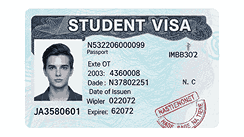
What Is A Student Visa?
A student visa is an official document or endorsement that allows international students to enter, reside, and study in a foreign country for a specified period. This visa is typically granted to individuals who have been accepted into accredited educational institutions, such as universities, colleges, or language schools. Student visas often require proof of enrollment, sufficient financial resources, health insurance coverage, and adherence to local laws. They may also have restrictions on employment, travel, and duration of stay. Understanding the purpose, requirements, and conditions of a student visa is crucial for ensuring compliance with immigration regulations and making the most of your educational experience abroad.
Types Of Student Visas
Student visas vary depending on the destination country and the length or level of study. Common types include short-term study visas for language courses, exchange program visas, and long-term visas for undergraduate or postgraduate programs. Some countries issue specialized visas for research students or vocational training programs. Each visa type has specific eligibility requirements, documentation needs, and conditions, such as work restrictions or travel allowances. It is essential to identify the correct visa type to avoid legal issues and ensure a smooth academic journey. Consulting the destination country’s embassy or official immigration websites provides the most accurate and updated information.
Eligibility Criteria For A Student Visa
Eligibility criteria for student visas often include a formal acceptance letter from a recognized educational institution, proof of financial stability to cover tuition and living expenses, valid travel documents, and sometimes a background or health check. Certain countries may require English proficiency tests or prior academic transcripts. Age restrictions, duration of study, and adherence to local laws are also considered. Meeting all eligibility requirements is crucial for visa approval. Incomplete or inaccurate documentation may result in rejection or delays, so applicants should carefully follow guidelines and prepare their applications well in advance to maximize their chances of obtaining a student visa.
Travel Restrictions On A Student Visa
While a student visa allows study in the host country, it often comes with travel restrictions. Some visas permit travel to neighboring countries, while others may limit trips outside the host nation. Visa holders must comply with entry and exit regulations, including possible re-entry permits or multiple-entry authorization. Ignoring travel restrictions can lead to visa revocation or denial of re-entry. Students are advised to consult their educational institution and immigration authorities before planning international trips. Understanding the terms of the visa and adhering to travel regulations ensures uninterrupted studies and maintains good standing with immigration authorities throughout the duration of the academic program.
Re-Entry Permits And Multiple Entry Visas
For students who intend to travel internationally during their studies, obtaining a re-entry permit or a multiple-entry visa can be crucial. Re-entry permits allow students to leave and return to the host country without jeopardizing their visa status. Some countries automatically grant multiple-entry privileges, while others require separate applications. The duration, cost, and eligibility for these permits vary by country. Having the correct travel authorization ensures compliance with immigration laws and prevents potential complications upon returning to the host country. Proper planning for international travel, while respecting visa conditions, allows students to explore other countries without affecting their educational commitments.
Impact Of International Travel On Student Visa Status
International travel can affect a student’s visa status if not managed properly. Violating visa conditions, overstaying in other countries, or failing to maintain enrollment can lead to cancellation or difficulties in renewing the visa. It is crucial to maintain active student status, carry all necessary documentation when traveling, and notify relevant authorities when required. Additionally, students must comply with any health or security protocols, such as vaccinations or travel advisories. By adhering to rules and understanding the implications of travel, students can safely explore other countries while maintaining the integrity of their student visa and ensuring a smooth academic journey.
Tips For Safe And Legal Travel On A Student Visa
To travel safely and legally on a student visa, students should plan trips during academic breaks or semester holidays, keep valid passports and visas, and ensure all travel documents are up-to-date. It is also important to check entry requirements for the countries to be visited, including visa needs, health insurance coverage, and local regulations. Maintaining communication with the home institution, registering travel plans if required, and keeping records of travel itineraries can help in emergencies. By respecting the terms of the student visa and practicing responsible travel habits, students can enjoy international experiences without risking legal issues or disruptions to their academic programs.
Conclusion
Traveling to other countries on a student visa is possible but requires careful planning, understanding of visa regulations, and adherence to legal requirements. Students must be aware of travel restrictions, maintain proper documentation, and follow procedures for re-entry permits or multiple-entry visas. By staying informed and complying with host country laws, students can safely explore international destinations while pursuing their education. Prioritizing compliance ensures uninterrupted academic progress and a positive experience abroad, combining the benefits of global learning with the opportunity to explore diverse cultures.
Frequently Asked Questions
1. Can I Travel To Other Countries On A Student Visa?
Yes, you can travel to other countries on a student visa, but it depends on the type of visa, the host country’s regulations, and the destination country’s entry requirements. Some student visas are strictly limited to the host country, while others allow multiple entries or short-term travel to neighboring nations. Re-entry permits or multiple-entry visas may be required to return to your study country without affecting your visa status. Always ensure compliance with both the host and destination countries’ immigration rules, maintain your student status, and keep all documentation, including acceptance letters and travel permits, up-to-date to avoid complications during international travel.
2. Do All Student Visas Allow International Travel?
Not all student visas allow international travel. Some visas are single-entry or limited to the host country, while others permit multiple entries or short visits abroad. Regulations vary by country and visa type, so it’s essential to review the terms of your visa. Travel outside permitted regions without proper authorization can lead to visa revocation, denial of re-entry, or legal complications. Consulting the educational institution or immigration authorities before planning trips is crucial. Students should also verify the entry requirements and visa policies of the countries they intend to visit to ensure compliance with all relevant rules.
3. What Documents Are Needed To Travel Abroad On A Student Visa?
Traveling abroad on a student visa typically requires a valid passport, a current student visa, re-entry permits or multiple-entry authorization, proof of enrollment, and sometimes proof of financial resources. Students may also need health insurance, vaccination records, or additional documentation depending on the destination country. Keeping a copy of your acceptance letter, academic transcripts, and contact information for your institution or embassy is advisable. These documents ensure smooth passage through immigration checkpoints, verify legal status, and help address any unforeseen issues during international travel.
4. Can I Work While Traveling On A Student Visa?
Working while traveling on a student visa is generally restricted and depends on the visa conditions. Most student visas allow limited part-time work in the host country but do not authorize employment in other countries without proper work permits. Engaging in unauthorized work abroad can lead to legal consequences, visa cancellation, or future visa restrictions. Students should carefully review visa regulations, consult immigration authorities, and obtain necessary permits before considering any employment during international travel to remain compliant with legal requirements.
5. How Long Can I Stay In Another Country On A Student Visa?
The duration of stay in another country while on a student visa depends on the host and destination countries’ regulations, visa type, and travel authorization. Single-entry visas or student visas without re-entry permits may limit your stay abroad. Multiple-entry visas often allow short-term travel during academic breaks, typically ranging from a few days to several months. Students should plan trips accordingly and ensure compliance with all immigration rules to prevent overstaying or jeopardizing their student visa status.
6. Do I Need A Visa For Other Countries While On A Student Visa?
Yes, being on a student visa does not automatically grant entry to other countries. You may need separate tourist or visitor visas depending on the destination country’s policies. Some nations have visa-free agreements or short-term entry options, while others require formal applications in advance. Students should research each destination’s requirements, apply for necessary visas early, and ensure all travel documentation aligns with both host and visiting countries’ regulations to avoid complications.
7. Can I Travel During Semester Breaks On A Student Visa?
Traveling during semester breaks is generally the safest period for students to visit other countries. During this time, academic responsibilities are minimal, reducing the risk of violating enrollment requirements. Students must still comply with visa conditions, carry proper documentation, and ensure re-entry authorization if needed. Planning trips during breaks helps balance international experiences with academic obligations while maintaining full compliance with student visa regulations.
8. Will Traveling Affect My Student Visa Status?
Traveling can affect your student visa status if regulations are violated. Overstaying, unauthorized work, or failing to maintain enrollment can lead to visa cancellation or difficulties in renewing the visa. Ensuring valid documentation, notifying authorities if required, and adhering to travel rules helps protect your visa status. Responsible planning and compliance with both host and destination countries’ requirements minimize the risk of adverse effects on your student visa.
9. Are Re-Entry Permits Necessary For Traveling Abroad?
Re-entry permits are often necessary for students who plan to leave and return to the host country during their studies. These permits allow re-entry without jeopardizing visa status, especially for single-entry or limited-duration visas. Requirements, costs, and application processes vary by country. Securing a re-entry permit ensures uninterrupted studies and legal compliance while traveling internationally, offering peace of mind for students exploring other nations.
10. Can I Travel To Multiple Countries On A Single Student Visa?
Traveling to multiple countries on a single student visa depends on visa restrictions, host country laws, and destination entry requirements. Some visas allow multiple entries or short trips to neighboring countries, while others restrict travel entirely. Planning carefully, obtaining necessary permits, and verifying entry rules for each destination is essential to avoid legal complications and maintain your student visa status.
11. How Do I Ensure Safe Travel On A Student Visa?
Ensuring safe travel on a student visa involves planning trips during academic breaks, carrying valid passports and visas, checking entry requirements for destinations, and maintaining health insurance. Students should inform their institutions about travel plans, keep itineraries, and follow local laws abroad. Awareness of visa conditions and adherence to travel regulations safeguards student status while allowing exploration of other countries during studies.
12. Can I Travel For Leisure While Studying Abroad?
Yes, students can travel for leisure while studying abroad if the visa permits, travel documentation is valid, and academic obligations are maintained. Leisure travel should comply with re-entry rules, travel restrictions, and immigration regulations. Proper planning ensures that recreational trips enhance the overall international experience without risking visa status or academic performance.
13. Do I Need Permission From My Educational Institution To Travel?
Some countries require students to notify or obtain permission from their educational institutions before traveling internationally. Institutions may issue letters confirming enrollment or approve temporary absences to comply with visa regulations. Seeking permission ensures that students remain in good standing with both the school and immigration authorities, preventing potential issues upon re-entry or visa renewal.
14. Can I Study And Travel Simultaneously On A Student Visa?
While primarily intended for study, student visas can allow short-term travel if visa conditions permit. Traveling during academic breaks or weekends, maintaining enrollment, and following re-entry requirements enables students to balance studying and international exploration. It is crucial to plan trips carefully, comply with immigration rules, and prioritize academic responsibilities to avoid compromising visa status.
15. What Happens If I Overstay While Traveling Abroad?
Overstaying while traveling abroad can result in fines, deportation, visa cancellation, or future visa restrictions. Students may face difficulty returning to the host country and encounter legal consequences in the destination country. To prevent overstays, monitor visa expiration dates, adhere to travel regulations, and apply for extensions or re-entry permits if necessary. Staying informed and compliant ensures uninterrupted academic progress and legal security.
16. Can I Travel To My Home Country On A Student Visa?
Yes, most student visas allow travel to your home country, provided re-entry to the host country is authorized. Students should maintain valid passports, student visas, and re-entry permits if required. Travel to the home country is often planned during holidays or academic breaks, allowing students to visit family without disrupting studies or violating immigration regulations.
17. Are There Restrictions On Countries I Can Visit While On A Student Visa?
Yes, restrictions may exist depending on political relations, security concerns, or visa agreements. Some countries may deny entry to students from specific nations, while others require additional documentation. Checking official government sources, consulting embassies, and following travel advisories ensures compliance with restrictions and reduces the risk of legal or logistical challenges during international travel.
18. How Can I Renew My Student Visa After Traveling Abroad?
Renewing a student visa after traveling abroad requires maintaining enrollment, valid documentation, and adherence to host country rules. Re-entry permits, updated passports, and proof of academic progress are often necessary. Starting the renewal process early, consulting immigration authorities, and ensuring compliance with travel and visa regulations helps prevent gaps in legal status and allows uninterrupted study.
19. Can I Attend Conferences Or Short Programs Abroad On A Student Visa?
Yes, attending academic conferences or short-term programs abroad may be possible on a student visa, subject to visa conditions and re-entry rules. Students should verify that participation does not violate visa restrictions, obtain necessary permits, and maintain proof of enrollment. Proper planning ensures a legal and enriching international academic experience.
20. What Should I Do If My Student Visa Expires While Traveling Abroad?
If a student visa expires while traveling, immediate action is required. Contact the host country’s immigration authorities, embassy, or consulate for guidance on extensions, re-entry permits, or emergency travel documents. Overstaying or returning with an expired visa may lead to fines, denial of entry, or legal consequences. Proactive planning, monitoring visa dates, and following official procedures are essential to safeguard student status and academic continuity.
FURTHER READING
- Which Country Gives Student Visa Easily?
- Can I Apply For Permanent Residence After A Student Visa?
- Can I Work Part-Time On A Student Visa During Holidays?
- Can I Work Full-Time On A Student Visa During Holidays?
- Do I Need A Sponsor For A Student Visa?
- What Is The Difference Between A Student Visa And A Work Visa?
- Can I Get A Scholarship With A Student Visa?
- What Are The Steps To Apply For A Student Visa?
- Can I Apply For A Student Visa While On A Tourist Visa?
- Can A Student Visa Be Transferred To Another Country?
- How Long Can I Stay On A Student Visa After Graduation?