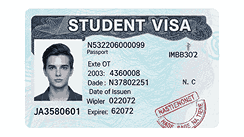
What Is A Student Visa?
A Student Visa is an official authorization that allows international students to enter a foreign country to pursue academic studies. It serves as proof that the student has met the eligibility requirements of the host country, including proof of acceptance from a recognized educational institution, financial stability, and sometimes language proficiency. Student visas often come with specific regulations about how long a student can stay, work limitations while studying, and requirements for renewal or extension. Understanding the student visa process is crucial for aspiring international students because it determines eligibility for scholarships, access to educational programs, and legal compliance during their stay abroad.
Types Of Student Visas
Student visas vary depending on the country of study. Some of the most common types include short-term study visas, long-term academic visas, exchange program visas, and vocational study visas. Each type of visa may have different eligibility criteria, duration limits, and conditions related to employment or internships. For instance, countries like the United States offer F-1 and M-1 visas, while the United Kingdom provides Tier 4 visas for degree students. Knowing the type of visa that aligns with your study plan is essential to maximize scholarship opportunities and comply with all legal requirements. Researching visa types ensures students avoid penalties that could jeopardize their education.
Eligibility Criteria For Scholarships On Student Visas
Scholarships available to international students on student visas often depend on academic excellence, financial need, or specific talents such as research skills or athletic ability. Students typically need to demonstrate strong academic records, relevant test scores, and sometimes letters of recommendation. Some scholarships are country-specific, meaning they are available only to students from certain regions, while others are open to all international applicants. Additionally, eligibility may be influenced by visa type, program level, and field of study. Students on a valid student visa can apply for these scholarships, but must meet both the educational institution’s criteria and the scholarship provider’s requirements, ensuring compliance with visa regulations.
How To Apply For Scholarships With A Student Visa
Applying for scholarships while holding a student visa requires careful planning and documentation. Students should first research scholarships that explicitly accept international applicants and review their eligibility criteria. The application process often includes submitting transcripts, recommendation letters, personal statements, and proof of financial need or achievements. It’s important to submit all documents within the deadlines and follow any specific instructions provided by the scholarship committee. Additionally, students should maintain a valid student visa throughout the application process, as losing legal status could nullify eligibility. Being proactive and organized increases the chances of securing financial assistance while studying abroad.
Benefits Of Scholarships For Students On Student Visas
Scholarships provide multiple benefits for students holding a student visa. Financial support reduces the burden of tuition fees, living expenses, and travel costs, allowing students to focus more on academic success. Some scholarships offer additional advantages such as mentorship programs, networking opportunities, or access to research projects and internships. Receiving a scholarship can enhance a student’s resume, improve future career prospects, and increase chances for postgraduate study or employment in the host country. For international students, scholarships also validate academic excellence and dedication, often providing a pathway to long-term educational and professional opportunities while maintaining compliance with student visa regulations.
Challenges And Considerations
While scholarships are highly beneficial, students on student visas may face challenges during the application process. Competition is often intense, as many students worldwide apply for the same scholarships. Some programs have strict requirements that may be difficult for international students to meet, such as high standardized test scores or exceptional academic achievements. Language proficiency and cultural differences can also impact the application process. Additionally, students must be aware of visa restrictions regarding work and study, as certain scholarships may involve commitments that conflict with visa conditions. Careful planning, research, and adherence to rules help students navigate these challenges successfully.
Tips To Increase Scholarship Chances
To maximize the likelihood of securing a scholarship with a student visa, students should start by identifying scholarships early and tailoring each application to the specific program. Highlighting academic achievements, extracurricular activities, and personal qualities in essays and interviews is essential. Strong recommendation letters from teachers or mentors can significantly enhance applications. Demonstrating financial need, leadership skills, or a commitment to community service can also make candidates stand out. Maintaining a high GPA and staying informed about scholarship deadlines, rules, and eligibility criteria ensures that students remain competitive. Persistence and a proactive approach increase the probability of receiving funding while complying with visa regulations.
Frequently Asked Questions
1. Can I Get A Scholarship With A Student Visa?
Yes, it is possible to get a scholarship with a student visa. Many universities and external organizations provide financial aid to international students. Eligibility often depends on academic performance, financial need, or special talents. Students must meet the visa requirements and provide proof of enrollment in an accredited program. Some scholarships may be country-specific or field-specific, while others are open to all international students. The application process typically involves submitting transcripts, recommendation letters, and personal statements. Maintaining a valid student visa throughout the application process is crucial. Scholarships can significantly reduce tuition and living expenses, allowing students to focus on academic and professional development while studying abroad.
2. What Are The Types Of Scholarships Available For Students With Student Visas?
Students with student visas can access merit-based scholarships, need-based scholarships, sports or talent scholarships, research grants, and country-specific awards. Merit-based scholarships reward academic excellence, while need-based scholarships consider financial situations. Some scholarships target students in specific fields such as science, technology, or arts. Sports scholarships reward athletic achievements, and research grants fund innovative academic projects. Additionally, some governments or organizations provide scholarships exclusively for international students. Each scholarship type has unique eligibility criteria and application processes, requiring careful research. Securing the right type of scholarship enhances the educational experience, reduces financial stress, and aligns with a student’s long-term academic or career goals.
3. Are Scholarships For International Students Limited By Visa Type?
Scholarships can be influenced by visa type, as some funding sources require applicants to have a specific visa or status. Most scholarships accept standard student visas, such as F-1, M-1, or Tier 4 visas, but eligibility may vary depending on the program or country. Certain scholarships may exclude students on temporary or exchange visas. Understanding the visa restrictions is crucial to ensure compliance with scholarship rules. Students should review scholarship guidelines carefully and consult university or embassy resources to confirm eligibility. Maintaining valid visa status during application and award periods is essential, as losing legal status may void the scholarship or lead to ineligibility for future opportunities.
4. Can Partial Scholarships Help With Living Expenses On A Student Visa?
Yes, partial scholarships can significantly help cover living expenses for students on a student visa. While they may not cover full tuition, they often provide enough financial support for accommodation, meals, transportation, and study materials. Combining multiple partial scholarships or supplementing with personal savings, part-time work allowed under visa conditions, or grants can further reduce financial strain. Proper budgeting ensures that students can manage their costs effectively while focusing on academics. Even partial scholarships enhance the educational experience by reducing financial stress and providing opportunities for extracurricular activities, internships, and networking, all while complying with student visa restrictions.
5. How Do Universities Verify Eligibility For Scholarships On Student Visas?
Universities typically verify scholarship eligibility for student visa holders by reviewing academic transcripts, proof of enrollment, and visa documentation. They may also request letters of recommendation, personal statements, or financial documents. Some programs require language proficiency test results, standardized test scores, or other credentials specific to the scholarship criteria. Universities ensure that applicants meet both institutional and visa requirements before awarding scholarships. Maintaining accurate, up-to-date documentation and complying with application deadlines is crucial for international students. Verification processes protect both the student and the institution, ensuring scholarships are granted to eligible candidates who can legally study in the host country.
6. Can I Apply For Multiple Scholarships With A Student Visa?
Yes, students on a student visa can apply for multiple scholarships, provided they meet eligibility criteria for each award. Diversifying applications increases the likelihood of receiving financial support. However, students must carefully track deadlines, requirements, and visa restrictions to avoid conflicts or compliance issues. Some scholarships may have exclusivity clauses that prevent recipients from accepting other funding, so reading the terms is essential. Applying strategically and prioritizing scholarships that align with academic achievements, financial need, or special talents can maximize funding opportunities. Maintaining valid visa status ensures that students remain eligible for multiple awards while studying abroad.
7. Do Scholarships Affect Student Visa Conditions?
Scholarships generally do not negatively affect student visa conditions; in fact, they can demonstrate financial stability, which is often a requirement for visa approval. However, students must ensure that scholarship commitments do not conflict with visa restrictions, such as limitations on work hours or mandatory attendance. Some scholarships may require part-time research or teaching responsibilities, which must comply with visa regulations. Staying informed and consulting university or immigration advisors can prevent unintentional violations. Overall, scholarships enhance a student’s academic experience while maintaining compliance with visa requirements, allowing international students to benefit from financial support without jeopardizing their legal status.
8. Are Government Scholarships Available For Students On Student Visas?
Yes, many governments offer scholarships to international students holding student visas. These programs aim to attract global talent and foster cultural exchange. Examples include the Fulbright Program in the United States, Chevening Scholarships in the UK, and DAAD Scholarships in Germany. Eligibility criteria typically include academic merit, leadership potential, and sometimes financial need. Applicants must hold a valid student visa or meet specific admission requirements. Government scholarships often cover tuition, living expenses, travel costs, and sometimes additional allowances for research or cultural programs. Securing a government scholarship enhances educational and career opportunities while ensuring compliance with visa regulations.
9. Can Private Organizations Provide Scholarships To Students On Student Visas?
Private organizations, foundations, and corporations frequently offer scholarships to students on valid student visas. These awards can be merit-based, need-based, or linked to specific fields of study, research projects, or community involvement. Applications usually require academic records, recommendation letters, and essays demonstrating suitability. Private scholarships may have unique criteria, such as commitment to social causes or leadership experience. While funding amounts and coverage vary, these scholarships help reduce tuition and living expenses for international students. Maintaining student visa compliance is essential when accepting such awards, and students should review the organization’s terms to ensure that scholarship obligations align with visa regulations and academic responsibilities.
10. How Important Are Academic Records For Scholarship Applications With A Student Visa?
Academic records are critical when applying for scholarships as a student visa holder. Most merit-based and competitive scholarships evaluate GPA, test scores, and previous academic achievements. Strong records demonstrate dedication, competence, and suitability for the program. In addition, universities may require transcripts to verify eligibility and ensure compliance with admission and visa regulations. Applicants with exemplary academic performance are more likely to secure funding, whether from universities, governments, or private organizations. Maintaining consistent performance, participating in extracurricular activities, and pursuing academic awards can further strengthen applications, increasing the likelihood of obtaining scholarships while complying with student visa requirements.
11. Can Language Proficiency Affect Scholarship Eligibility For Student Visa Holders?
Yes, language proficiency can significantly impact scholarship eligibility for students on visas. Many programs require proof of proficiency in the language of instruction, typically through standardized tests like TOEFL, IELTS, or equivalent exams. Strong language skills demonstrate the student’s ability to succeed academically and engage fully in the host country’s educational environment. Some scholarships have minimum language score requirements, and failure to meet them can result in ineligibility. Preparing for and achieving high scores in language tests enhances scholarship opportunities, improves integration into the academic community, and ensures compliance with student visa requirements, as proficiency often forms part of visa approval conditions.
12. Are There Scholarships Specifically For Undergraduate Or Graduate Students On Student Visas?
Yes, scholarships often target specific education levels. Undergraduate scholarships are designed for students pursuing bachelor’s degrees and may focus on academic excellence, extracurricular achievements, or financial need. Graduate scholarships, including those for master’s and doctoral programs, may emphasize research potential, professional experience, or innovation. Eligibility requirements, application processes, and funding amounts vary accordingly. Some scholarships are open to both undergraduate and graduate international students, while others are level-specific. Understanding the level-specific requirements is essential for maximizing opportunities. Holding a valid student visa at the appropriate education level ensures eligibility and compliance throughout the scholarship application and award process.
13. Can Part-Time Work Influence Scholarship Opportunities For Student Visa Holders?
Part-time work can influence scholarship opportunities by demonstrating responsibility, financial management, and time management skills. Many scholarships consider extracurricular involvement, including part-time employment, as part of holistic evaluation criteria. However, students must comply with visa restrictions on work hours, ensuring that employment does not violate legal conditions. Part-time work should complement academic commitments and scholarship expectations. Documenting professional experience and achievements can enhance applications, particularly for need-based or career-focused scholarships. Balancing part-time work, academics, and scholarship responsibilities requires careful planning, but it can positively impact eligibility while maintaining compliance with student visa regulations.
14. How Early Should Students Apply For Scholarships With A Student Visa?
Students should begin researching and applying for scholarships as early as possible, often one year in advance of enrollment. Early preparation allows ample time to gather necessary documents, secure recommendation letters, and craft compelling personal statements. Deadlines vary between institutions and scholarship providers, and missing them can result in lost opportunities. Planning ahead also ensures compliance with student visa timelines and allows for adjustments if visa processing is delayed. Early applications demonstrate organizational skills, commitment, and seriousness, which can strengthen eligibility. Starting early maximizes scholarship chances and reduces stress, ensuring students can secure funding while maintaining valid visa status throughout the process.
15. Do International Students Need Additional Documentation For Scholarship Applications On Student Visas?
Yes, international students often need additional documentation when applying for scholarships. This may include copies of student visas, proof of enrollment, passport information, financial statements, and sometimes health insurance confirmation. Some scholarships require evidence of language proficiency, prior research, or community service. Accurate and complete documentation is crucial for verifying eligibility and complying with both scholarship and visa regulations. Incomplete or incorrect submissions can lead to disqualification. Keeping organized records and consulting university scholarship offices ensures all requirements are met. Proper documentation not only strengthens applications but also maintains legal compliance with student visa conditions.
16. Can Scholarship Recipients Extend Their Student Visa If Necessary?
Yes, receiving a scholarship can help support student visa extensions by demonstrating continued academic engagement and financial stability. Universities or scholarship providers may supply official documentation to support visa extension applications. Students must ensure that visa conditions, such as program duration, enrollment status, and financial sufficiency, are met. Extensions require timely applications to immigration authorities and adherence to all rules. Scholarship awards often provide proof of funding, which is critical for visa extension approval. Maintaining open communication with university international offices and understanding the legal requirements ensures smooth extension of student visas while continuing to benefit from scholarship funding.
17. Are There Scholarships For Students On Exchange Programs With Student Visas?
Yes, students on exchange programs holding valid student visas can access scholarships. Many universities, governments, and organizations offer exchange-specific funding to support tuition, living expenses, and travel. These scholarships often target short-term or semester-long programs and may prioritize academic merit, cultural exchange, or research potential. Applicants must meet program eligibility criteria, maintain visa compliance, and provide required documentation. Scholarships for exchange students facilitate international experiences without financial strain. Proper planning and early application increase the likelihood of receiving funding, allowing students to maximize the educational benefits of exchange programs while maintaining valid student visa status throughout their stay.
18. How Competitive Are Scholarships For Students On Student Visas?
Scholarships for international students holding student visas can be highly competitive due to global demand. Applicants are often evaluated on multiple criteria, including academic excellence, extracurricular involvement, leadership potential, financial need, and language proficiency. Some scholarships attract thousands of applicants, increasing the challenge. Strategic planning, strong documentation, and compelling personal statements are essential for standing out. Understanding the selection criteria and tailoring applications to highlight strengths can improve chances. While competition is fierce, persistence, thorough preparation, and adherence to visa and scholarship rules enhance the likelihood of success, ensuring that international students can secure funding and benefit from educational opportunities abroad.
19. Can Scholarship Awards Affect Future Visa Applications Or Immigration Status?
Receiving a scholarship generally strengthens future visa applications or immigration prospects by demonstrating academic excellence, financial stability, and compliance with previous visa conditions. Scholarship awards provide official documentation and proof of funding, which can be advantageous for subsequent study, work, or residency applications. However, students must continue to comply with visa rules and program requirements. Violations or mismanagement of scholarship obligations could negatively impact future applications. Maintaining accurate records and adhering to all terms ensures that scholarship achievements positively influence immigration status and future opportunities, enhancing both educational and professional prospects.
20. Where Can Students Find Reliable Scholarship Information For Those With Student Visas?
Students can find reliable scholarship information through university websites, official government portals, international education organizations, and reputable private foundations. Universities often list scholarships specifically for international students holding valid student visas. Government websites provide funding opportunities such as Fulbright, Chevening, or Erasmus programs. Private organizations, NGOs, and professional associations may also offer scholarships for targeted fields or demographics. Consulting academic advisors, international offices, and online scholarship databases ensures accuracy and credibility. Evaluating eligibility, deadlines, and requirements carefully helps students make informed decisions. Reliable sources save time, prevent scams, and maximize opportunities for securing scholarships while maintaining student visa compliance.
FURTHER READING
- What Are The Steps To Apply For A Student Visa?
- Can I Apply For A Student Visa While On A Tourist Visa?
- Can A Student Visa Be Transferred To Another Country?
- How Long Can I Stay On A Student Visa After Graduation?
- Can I Study Part-Time On A Student Visa?
- Can I Stay On A Student Visa After Graduation?
- Can A Student Visa Holder Apply For Citizenship?
- Do I Need A Medical Exam For A Student Visa?
- How Much Bank Balance Is Required For A Student Visa?
- Can I Apply For A Student Visa Without Admission?
- Can I Do An Internship On A Student Visa?
- What Is The Success Rate Of Student Visa Applications?