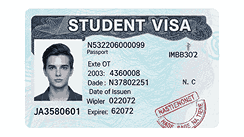
What Is A Student Visa?
A student visa is an official permit granted by a country’s immigration authority that allows international students to live and study within its borders for a specific period. The visa is tied to the academic program, institution, and duration of study. Student visas often come with conditions, such as restrictions on employment, mandatory enrollment in a recognized school, and adherence to immigration rules. They are designed to support international education while ensuring compliance with the host country’s laws. Once issued, the student visa serves as legal proof that a student has permission to stay in the country while pursuing their academic goals. However, failure to follow regulations or overstaying may lead to penalties.
Importance Of Maintaining A Valid Student Visa
Maintaining a valid student visa is crucial for international students because it ensures lawful residency in the host country. A valid visa guarantees uninterrupted access to education, healthcare, banking services, and part-time work opportunities where permitted. Overstaying or violating visa conditions can result in severe immigration consequences, including fines, deportation, and being banned from re-entry. Additionally, expired visas can negatively impact future applications for travel, work, or permanent residency. Universities may also report students to immigration authorities if their visa lapses, risking dismissal from academic programs. To avoid these issues, students must monitor visa expiration dates, apply for timely extensions, and remain compliant with rules.
Common Reasons A Student Visa Expires
A student visa may expire due to several reasons, including the natural end of the academic program, failure to renew it before the expiration date, or withdrawal from studies. Sometimes, students underestimate the time required for visa processing and fail to submit extension applications on time. In other cases, institutions may report a student for low attendance or dropping out, leading to visa cancellation. Changes in immigration laws can also impact visa validity. Additionally, students who overstay beyond their visa term without applying for an extension are considered unlawful residents. Understanding these factors helps international students avoid unnecessary complications.
Consequences Of Overstaying A Student Visa
Overstaying a student visa comes with serious consequences that can negatively impact a student’s academic and personal future. Depending on the host country’s immigration laws, students may face fines, arrest, detention, or immediate deportation. In some cases, overstaying even a few days can create a legal record, damaging the chances of obtaining future visas. Immigration bans of three to ten years are common for severe overstays. Universities may also terminate enrollment if a student no longer holds legal immigration status. Moreover, overstayers may lose access to work opportunities, housing contracts, and public services.
How To Avoid A Student Visa Expiring
Students can avoid visa expiration by staying informed about the visa’s validity period and planning well ahead of deadlines. Regularly checking passport stamps and official documents ensures clarity on expiration dates. Applying for an extension at least three to six months in advance provides sufficient processing time. Maintaining active communication with the international student office is also vital since they can provide guidance on renewals and compliance. Keeping all academic records and enrollment details updated helps prevent accidental visa lapses. Using reminders and calendars to track important dates ensures students never miss crucial deadlines.
Extending A Student Visa
Extending a student visa usually requires submitting an application to the host country’s immigration office before the current visa expires. Required documents often include a valid passport, confirmation of enrollment from the university, proof of sufficient financial resources, and academic progress records. In some countries, health insurance coverage must also be presented. Processing times vary, so applying early is strongly recommended. Approval allows students to continue their studies legally without interruption. However, applications may be rejected if the student fails to meet eligibility criteria. In such cases, appealing or reapplying promptly is essential to remain in compliance.
Alternatives If A Student Visa Cannot Be Extended
If a student visa cannot be extended, students may explore other legal immigration pathways to remain in the host country. These alternatives include applying for a work visa, switching to a dependent visa if eligible, or pursuing a post-study work permit. Some students may choose to transfer to another academic institution offering sponsorship. Others may temporarily return to their home country to apply for a new visa from abroad. Exploring long-term options such as permanent residency, skilled migration programs, or scholarships may also provide solutions. Consulting an immigration lawyer ensures compliance with local laws.
Impact Of An Expired Student Visa On Education
An expired student visa can disrupt a student’s education significantly. Many universities require students to maintain valid immigration status to remain enrolled. If the visa lapses, students may lose access to classes, exams, and research facilities. Some institutions report expired visa cases to immigration authorities, resulting in forced withdrawal. Additionally, students without a valid visa may face difficulties in securing housing, internships, or financial aid. To continue education smoothly, students must ensure they meet immigration requirements at all times. Proactive planning helps minimize risks to academic continuity and avoids disruptions in their career path.
Legal Options After A Student Visa Expires
After a student visa expires, legal options vary depending on the country’s immigration framework. Some countries allow a short grace period for students to exit voluntarily without penalties, while others impose immediate consequences. Students may file for an appeal, apply for a visitor visa, or request a humanitarian consideration under specific circumstances. Consulting an immigration lawyer is vital to evaluate all possible options. Attempting to stay illegally without legal approval can severely damage future visa applications. Timely action and adherence to immigration rules are the best strategies for mitigating the effects of an expired visa.
Preventive Tips For International Students
International students can prevent visa-related problems by adopting proactive measures. First, they should stay updated with the latest immigration policies through official government portals. Second, they must maintain continuous enrollment and good academic standing to avoid institutional reporting. Third, students should ensure financial proof and health insurance coverage remain valid. Additionally, having a backup plan in case of visa delays reduces risks. Keeping digital and physical copies of all immigration-related documents ensures readiness for audits or inspections. By managing responsibilities diligently, international students can focus on academics without fear of legal complications.
Conclusion
A student visa is a vital document that allows international students to pursue their education legally in a foreign country. Letting it expire can create serious consequences, from deportation to future travel restrictions. By staying proactive, applying for extensions on time, and following immigration laws, students can safeguard their academic journey and secure long-term opportunities. Proper planning and adherence to legal procedures remain the most effective strategies for preventing complications.
Frequently Asked Questions
1. What Happens If My Student Visa Expires?
If your student visa expires, you immediately lose your legal status in the host country, making your stay unlawful. Depending on the nation’s laws, you may face deportation, detention, fines, or long-term bans from re-entry. Universities typically require students to maintain valid visas, so expiration may lead to withdrawal from studies and loss of access to educational resources. Employment opportunities tied to the visa also end, leaving you without lawful work options. Some countries offer a short grace period for voluntary departure, but overstaying can create lasting immigration consequences. Seeking legal advice promptly is the best course of action.
2. Can I Stay In A Country If My Student Visa Expires?
Remaining in a country after your student visa expires is considered unlawful in most cases. Immigration authorities classify overstaying as a violation, leading to serious consequences. Some countries provide a limited grace period to allow voluntary departure, but this should not be assumed without checking official policies. Staying beyond the authorized period can result in fines, deportation, or bans from reapplying for visas in the future. Universities may also report students with expired visas, leading to academic dismissal. To avoid complications, students should apply for extensions before expiration or depart voluntarily within the permitted timeframe.
3. What Should I Do Immediately After My Student Visa Expires?
If your student visa has expired, you should act immediately to minimize consequences. First, check if your host country offers a grace period or options to apply for an extension. Contact your school’s international office and consult an immigration lawyer to understand your legal options. If no legal pathways are available, arrange to leave the country voluntarily as soon as possible. Voluntary departure often helps reduce long-term penalties compared to forced deportation. Avoid staying illegally, as this may jeopardize future visa applications. Timely, responsible action is the best way to protect your academic and immigration future.
4. How Long Can I Stay After My Student Visa Expires?
The duration you can remain after your student visa expires depends on the host country’s immigration laws. Some countries offer a grace period ranging from a few days to a few months, while others require immediate departure. Overstaying beyond the allowed time can trigger serious consequences, including bans from re-entering, fines, or arrest. Universities typically expect students to maintain valid visas at all times, so overstaying can also disrupt your studies. To avoid penalties, always confirm your visa’s specific terms and seek advice from immigration officials before your visa expires.
5. Can I Extend My Student Visa After It Expires?
In most cases, student visa extensions must be applied for before the original visa expires. Once it has expired, your eligibility for extension becomes limited, and you may need to leave the country to reapply. Some countries provide emergency options, such as late applications with valid reasons, but approval is not guaranteed. Immigration authorities may view overstaying as non-compliance, which reduces the likelihood of an extension being granted. To ensure continuity in studies and lawful residence, students should always submit extension applications several months before expiration. Proactive planning avoids unnecessary stress and legal issues.
6. Will I Be Deported If My Student Visa Expires?
Yes, overstaying after your student visa expires can lead to deportation, depending on the host country’s laws. Deportation often carries severe long-term consequences, including bans on re-entry for several years. Immigration authorities typically prioritize compliance with visa rules, so remaining without valid documentation makes you vulnerable to enforcement actions. Universities may also report expired visas, leading to institutional withdrawal. To avoid deportation, students should either apply for extensions before expiration or voluntarily leave the country if no legal options exist. Taking swift action helps protect your immigration history and future opportunities.
7. How Does An Expired Student Visa Affect My Education?
An expired student visa can disrupt your education by making you ineligible to attend classes, sit for exams, or access campus resources. Many universities require proof of valid immigration status as part of enrollment, meaning students with expired visas may be suspended or dismissed. Additionally, expired visas often prevent participation in internships, research projects, or part-time employment programs. Without legal status, students risk losing scholarships and financial aid tied to their visa. To maintain uninterrupted education, students should renew their visas early and remain compliant with immigration requirements.
8. Can I Apply For A New Student Visa If Mine Expires?
Yes, you can apply for a new student visa, but the process often requires leaving the host country and applying from your home country. Overstaying may complicate the approval of a new visa since immigration authorities consider compliance history when evaluating applications. Providing a clear explanation and proof of continued enrollment may help, but approval is not guaranteed. To increase your chances, avoid overstaying and maintain accurate documentation. Consulting with the university’s international office and immigration professionals provides guidance on the best application strategies. Timely planning ensures smoother transitions.
9. What Are The Penalties For Staying After A Student Visa Expires?
Penalties for overstaying a student visa vary depending on the country. Common consequences include fines, immediate deportation, arrest, and bans from re-entering the country for several years. Even short overstays may result in permanent records with immigration authorities, reducing your chances of future approvals. Some countries impose three-year or ten-year bans depending on the severity of the violation. Academic programs may also terminate your enrollment if your visa status becomes invalid. These penalties highlight the importance of renewing your visa on time or departing voluntarily if extensions are not possible.
10. Can I Continue Working If My Student Visa Expires?
No, working after your student visa expires is illegal. Student visas typically come with conditions that allow limited part-time work while enrolled in school. Once the visa lapses, you lose all employment rights in the host country. Working without valid authorization can lead to severe penalties, including arrest, deportation, and long-term immigration bans. Employers may also face consequences for hiring individuals without legal status. To continue working lawfully, ensure your visa is renewed before expiration or explore alternative legal permits, such as a work visa or post-study work program.
11. Does An Expired Student Visa Affect My Future Visa Applications?
Yes, overstaying or having an expired student visa can negatively affect your future visa applications. Immigration authorities carefully review compliance history, and violations reduce the chances of approval. Even minor overstays may result in mandatory explanations, stricter scrutiny, or outright rejections. For severe cases, applicants may face long-term bans that prevent re-entry into the host country. A clean immigration record strengthens future applications for study, work, or permanent residency. To protect your long-term prospects, always comply with visa conditions and take corrective measures quickly if your visa expires.
12. What Legal Options Do I Have After My Student Visa Expires?
After your student visa expires, legal options include applying for an extension if permitted, requesting a short-term visitor visa, or filing an appeal. In some cases, humanitarian or medical grounds may allow temporary relief. However, overstaying significantly reduces your legal avenues. Consulting with an immigration lawyer provides tailored guidance based on local laws and individual circumstances. If no legal solutions are available, voluntary departure remains the best option to avoid harsher penalties. Acting promptly and responsibly preserves future opportunities and avoids unnecessary complications with immigration authorities.
13. Can My University Help If My Student Visa Expires?
Yes, your university can often assist if your student visa expires. Most institutions have international student offices that provide guidance on immigration compliance. They may help with extension applications, provide necessary enrollment documents, or connect you with legal professionals. However, universities are also required to report visa violations to immigration authorities, which means they cannot overlook expired visas. While they may advocate on your behalf, ultimate decisions rest with immigration officials. Maintaining regular communication with the university ensures you receive support before issues escalate.
14. Do All Countries Offer Grace Periods After A Student Visa Expires?
Not all countries provide grace periods after a student visa expires. Some require immediate departure on the expiration date, while others allow limited time to arrange travel or apply for extensions. The length and conditions of grace periods vary widely. For example, some countries may offer 30 days, while others allow only a few days or none at all. Assuming a grace period exists without confirmation can lead to legal problems. Always check official immigration websites or consult authorities to understand your specific obligations before your visa expires.
15. Can I Reapply For A Student Visa After Being Deported?
Reapplying for a student visa after deportation is possible but very difficult. Deportation creates a negative immigration record, often accompanied by bans lasting several years. Even after the ban expires, future applications will face strict scrutiny, and approval is not guaranteed. Applicants must provide compelling evidence of genuine academic intent, financial stability, and compliance with immigration laws. Hiring an immigration lawyer improves the chances of success. To avoid this difficult situation, it is best to take preventive measures, renew visas on time, and depart voluntarily if necessary.
16. What Is The Difference Between Visa Expiration And Program Completion?
Visa expiration refers to the official end date of your immigration permit, while program completion refers to the academic end of your course. Sometimes, these dates align, but often the visa allows extra time to prepare for departure or apply for further studies. Confusing the two can lead to unintentional overstaying. Immigration status depends on the visa’s validity, not the academic calendar. Always verify the official expiration date in your visa documents and avoid relying solely on your course timeline. This ensures compliance and prevents legal consequences.
17. Can I Change My Visa Type If My Student Visa Expires?
Changing visa type after a student visa expires is generally difficult. Most countries require applicants to hold valid immigration status before switching categories. Once a visa lapses, legal options become limited, and you may need to return to your home country to reapply for a different visa type. In rare cases, exceptions are made for humanitarian, family, or medical grounds. To avoid complications, plan visa transitions while your student visa is still valid. Consult an immigration lawyer for guidance on alternative pathways such as work permits or permanent residency.
18. How Does A Student Visa Expiration Affect My Accommodation?
A student visa expiration can affect your accommodation if rental contracts require proof of legal immigration status. Landlords may terminate leases if you lose your lawful residency, leaving you without housing. In some cases, universities provide student housing only to those with valid visas, meaning expired status may force you to vacate immediately. Additionally, housing agencies often conduct immigration checks, which expired visas fail. To avoid these disruptions, always maintain valid immigration documents and communicate with landlords or housing offices if visa issues arise.
19. Can I Travel Internationally After My Student Visa Expires?
No, traveling internationally after your student visa expires is not permitted. Immigration officers will deny re-entry without valid documentation. Attempting to travel on an expired visa may also result in detention or bans from reapplying. Even if you manage to leave the country, obtaining a new visa afterward may be difficult due to the overstay record. To travel legally, ensure your visa is valid throughout your journey or apply for an extension before traveling. Maintaining compliance prevents disruptions and ensures smoother international movement.
20. Why Should I Consult An Immigration Lawyer If My Student Visa Expires?
Consulting an immigration lawyer is essential if your student visa expires because legal professionals understand the complex rules of immigration systems. They can provide tailored advice, evaluate options such as appeals or extensions, and represent you in dealings with immigration authorities. Lawyers also help prepare documentation, improving the chances of approval for any applications. Acting without guidance may lead to mistakes that worsen your situation. Given the serious consequences of overstaying, professional assistance ensures you make informed decisions that protect your future.
FURTHER READING
- Can A Student Visa Be Extended? | Learn Everything About Student Visa Extension
- How Much Does A Student Visa Cost?
- Which Countries Offer A Student Visa?
- Can I Work On A Student Visa?
- How Long Does It Take To Get A Student Visa?
- What Are The Requirements For A Student Visa?
- How To Apply For A Student Visa: A Step-by-step Guide
- What Is A Student Visa? | Definition, Meaning, Types, Application Process, Eligibility Requirements, Duration, Validity Of A Student Visa
- Can A United States (U.S.) Visa (American Visa) Be Revoked At The Airport?
- Does A United States (U.S.) Visa (American Visa) Expire?
- What Happens If My United States (U.S.) Visa (American Visa) Expires While I Am In The U.S.?
- Can I Apply For Multiple United States (U.S.) Visa (American Visa) Categories At Once?
- Do I Need A United States (U.S.) Visa (American Visa) If I Have A Green Card?
- Do Refugees Need A United States (U.S.) Visa (American Visa)?