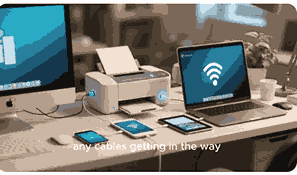
Printers are essential tools for both home and office environments, but nothing can be more frustrating than encountering unexpected error messages. These printer errors often disrupt printing tasks, delay workflow, and create unnecessary stress. The reasons for printer error messages can vary widely, from simple connection issues to complex hardware malfunctions. Understanding the causes, solutions, and preventive measures is the first step toward resolving printer problems quickly and keeping your device functioning efficiently. In this guide, we will explore everything you need to know about printers, error messages, troubleshooting steps, and preventive maintenance.
What Is A Printer?
A printer is an electronic device that transfers digital text or images from a computer, smartphone, or network directly onto paper or other print media. Printers come in various types, including inkjet, laser, and multifunction printers, each designed to meet different printing needs. Inkjet printers are known for producing high-quality prints with detailed colors, while laser printers are valued for their speed and efficiency in high-volume printing. Modern multifunction printers combine printing, scanning, copying, and faxing into one device, making them versatile for both homes and businesses. Printers communicate with computers and devices through USB, Wi-Fi, Bluetooth, or network connections. However, despite their usefulness, printers are prone to errors that can stop tasks mid-way, requiring troubleshooting and fixes.
Common Causes Of Printer Error Messages
Printer error messages can result from several factors. Connectivity issues are among the most common, where a loose USB cable, unstable Wi-Fi, or unrecognized network prevents proper communication between devices. Software or driver incompatibility is another frequent cause, especially after system updates. Hardware-related problems such as low ink levels, paper jams, misaligned cartridges, or worn-out rollers can also trigger errors. Sometimes, incorrect printer settings, outdated firmware, or incompatible print commands lead to issues. Viruses or corrupted system files can interfere with printer functions, while low memory in the printer’s cache may cause incomplete jobs. Identifying the exact cause is crucial in applying the right troubleshooting method.
How To Troubleshoot Printer Error Messages
Troubleshooting printer error messages begins with identifying whether the problem is hardware or software-related. First, check physical connections, ensuring USB cables are secure and wireless printers are connected to the right Wi-Fi network. Restart both the printer and the computer to refresh system communication. Update or reinstall printer drivers to resolve compatibility issues. Clear paper jams, check ink or toner levels, and reset the cartridges if necessary. Verify that the printer is set as the default device in your system. Running the printer’s built-in diagnostic tool can also pinpoint issues. For network printers, ensure IP addresses are correctly assigned. If problems persist, contacting the manufacturer’s customer support may be necessary.
Preventive Maintenance For Printers
Preventing printer error messages involves regular maintenance. Clean the printer’s interior to remove dust, paper residue, and ink buildup. Replace ink or toner cartridges before they completely run out to avoid clogging. Keep the printer firmware and drivers updated to ensure smooth operation with the latest systems. Avoid overloading the paper tray, and always use the recommended paper type and size. Regularly check and align print heads to maintain high-quality output. Protect the printer from sudden power surges with a stabilizer or UPS. Proper storage in a cool, dry environment also extends the printer’s lifespan. Taking these steps significantly reduces the chances of encountering frequent error messages.
When To Replace Or Repair A Printer
Not all printer errors can be resolved with troubleshooting. If a printer frequently shows error messages despite proper maintenance, it may indicate aging hardware. For older printers, repair costs can sometimes exceed the price of a new device. When repairs involve replacing major components like the printhead, logic board, or fuser unit, replacement may be more economical. However, for high-end business printers, repairs might still be justified. Consider the frequency of use, total repair cost, and long-term reliability before making a decision. Upgrading to a newer model can also provide access to advanced features such as wireless printing, mobile compatibility, and energy efficiency.
Conclusion
Printer error messages are frustrating but manageable with the right knowledge and troubleshooting steps. By understanding the common causes, applying preventive measures, and knowing when to repair or replace a printer, users can maintain seamless printing operations. Regular updates, maintenance, and careful usage significantly minimize errors. Having a clear troubleshooting plan ensures quick recovery from printing disruptions and maximizes the device’s performance.
Frequently Asked Questions
1. Why Is My Printer Showing Error Messages?
Printers display error messages for various reasons, including connectivity failures, software issues, paper jams, or low ink and toner levels. Sometimes, outdated drivers or incorrect printer settings trigger errors. Network problems, such as unstable Wi-Fi or IP conflicts, can also prevent smooth communication with devices. Hardware malfunctions, including damaged rollers or clogged printheads, may further contribute. Restarting the printer, checking cables, updating drivers, or clearing jams usually resolves these errors. For persistent issues, running diagnostic tools or resetting the printer to factory settings may help. In extreme cases, professional repair or replacement is necessary. Identifying the root cause is the first step to applying an effective solution.
2. How Do I Fix Printer Error Messages At Home?
Most printer error messages can be fixed at home by following simple troubleshooting steps. Begin by checking all physical connections, ensuring the printer is properly plugged in or connected to Wi-Fi. Restart both the printer and the connected device to refresh the system. Update or reinstall printer drivers to fix compatibility issues. Check for paper jams, misaligned cartridges, or low ink and toner levels. Run the printer’s built-in diagnostic tool if available. Set the printer as the default device in your operating system. If the problem persists, perform a factory reset. These steps typically resolve common printer errors without requiring professional assistance.
3. Why Does My Printer Show Paper Jam Errors?
A paper jam error usually occurs when paper is stuck or misaligned inside the printer. It can also happen if the paper tray is overloaded, or if damaged or unsuitable paper is used. Worn-out rollers that fail to feed paper smoothly may contribute to frequent jams. To fix this, turn off the printer, open the tray, and carefully remove the jammed paper without tearing it. Clean the rollers and ensure the tray is loaded with proper paper size and type. Avoid overfilling the tray and keep the paper stack aligned. Regular maintenance and proper handling significantly reduce paper jam errors.
4. Why Does My Printer Show Low Ink Or Toner Errors?
Printers often display low ink or toner errors when cartridges are nearly empty or improperly installed. Sometimes, clogged printheads or misaligned cartridges cause the printer to misread ink levels. Even new cartridges may show errors if protective seals are not removed before installation. To resolve this, check the ink or toner levels and replace cartridges if necessary. Perform a printhead cleaning cycle to remove blockages. Ensure cartridges are properly seated and compatible with the printer model. Occasionally, updating the printer’s firmware resolves false ink warnings. Keeping spare cartridges on hand ensures smooth printing and prevents downtime during critical tasks.
5. Why Does My Printer Show Offline Error Messages?
Offline errors usually occur when the printer is unable to communicate with the computer or network. This can be due to loose cables, disconnected Wi-Fi, or incorrect printer settings. To fix this, ensure all cables are properly connected, and confirm the printer is linked to the correct wireless network. On your computer, set the printer as the default device and restart both devices. Updating drivers often resolves offline issues. For network printers, verify the IP address matches the one assigned by your router. Running the printer’s troubleshooting wizard can also detect and fix common offline errors quickly.
6. Why Does My Printer Display Driver Errors?
Driver errors happen when the software that allows the printer to communicate with the computer becomes outdated, corrupted, or incompatible. This often occurs after operating system updates. To resolve driver errors, uninstall the existing driver and download the latest version from the printer manufacturer’s website. Restart the computer and reinstall the driver. Using automatic update tools can help keep drivers current. Avoid third-party drivers, as they may not function properly. In some cases, resetting the printer’s firmware ensures compatibility with the updated system. Regularly updating both the operating system and drivers prevents most driver-related error messages.
7. Why Does My Printer Show Network Error Messages?
Network error messages appear when a printer fails to connect or communicate with the network. This could be due to incorrect IP addresses, unstable Wi-Fi signals, or router issues. To fix this, check if the printer is connected to the correct network and ensure Wi-Fi signals are strong. Restart the printer, router, and connected device to refresh the connection. Assigning a static IP address can resolve frequent disconnection problems. For wired printers, verify that the Ethernet cable is firmly connected. Updating the router firmware and printer software may also improve stability. Proper network configuration minimizes network-related printer errors.
8. Why Does My Printer Show Paper Size Mismatch Errors?
A paper size mismatch error occurs when the printer settings do not match the paper loaded in the tray. This often happens when printing documents with incorrect size configurations, such as A4 vs. Letter. To fix it, adjust the printer settings on both the device and the printer control panel to match the paper in use. Ensure the paper guides in the tray are properly aligned. Some printers allow you to disable size mismatch warnings, though it is better to match the settings correctly. Consistently checking and adjusting paper settings prevents this error from recurring.
9. Why Does My Printer Show Memory Or Buffer Errors?
Printers have limited internal memory to process print jobs. When files are too large or too many tasks are queued, the printer may display memory or buffer errors. This often happens with high-resolution graphics or multi-page documents. To resolve this, reduce the file size before printing, split large documents, or upgrade the printer’s memory if supported. Clearing the print queue and restarting the printer often fixes temporary memory issues. For frequent occurrences, consider using a higher-capacity printer designed for heavy workloads. Managing print tasks efficiently ensures smoother performance and reduces memory-related errors.
10. Why Does My Printer Display Cartridge Recognition Errors?
Cartridge recognition errors occur when the printer fails to detect or accept ink or toner cartridges. This often happens with incompatible, damaged, or improperly installed cartridges. To fix the issue, remove and reinstall the cartridge, ensuring it clicks into place. Check for protective seals or tapes that may not have been removed. Using genuine manufacturer cartridges reduces compatibility problems. Sometimes, resetting the printer helps clear recognition errors. Updating the printer’s firmware may also improve cartridge compatibility. Avoid counterfeit or low-quality cartridges, as they often trigger errors and may damage the printer. Proper handling prevents future recognition problems.
11. Why Does My Printer Show Overheating Errors?
Overheating errors typically affect laser printers, where components like the fuser generate high heat during operation. Continuous heavy printing can cause overheating. Blocked ventilation or dust buildup may worsen the issue. To fix it, turn off the printer and allow it to cool before resuming. Ensure the device is placed in a well-ventilated area. Clean the printer’s vents and internal components regularly. If overheating persists, the fuser unit may need replacement. Using the printer within recommended duty cycles prevents frequent overheating. Following manufacturer guidelines helps avoid overheating-related errors and extends the lifespan of the printer.
12. Why Does My Printer Show Firmware Update Errors?
Firmware update errors occur when the update process is interrupted or the firmware file is incompatible. Power failures, unstable internet connections, or outdated software may cause these errors. To fix them, restart the printer and attempt the update again. Ensure the firmware version matches your printer model. Connect the printer to a stable network and avoid interruptions during the update. If errors persist, download the update directly from the manufacturer’s website and install it manually. In some cases, reverting to factory settings allows updates to proceed. Regular firmware updates are essential to fix bugs and improve printer performance.
13. Why Does My Printer Show Connection Errors With Mobile Devices?
Connection errors with mobile devices often occur when wireless settings are misconfigured or when the printer and device are on different networks. To fix this, ensure both devices are connected to the same Wi-Fi network. Restart the printer, router, and mobile device to refresh the connection. Updating the printer’s mobile app or firmware can also resolve compatibility issues. For Bluetooth-enabled printers, make sure pairing is correctly set up. Sometimes, mobile device restrictions or outdated operating systems block connections. Using the official manufacturer’s app improves reliability. Consistently checking settings ensures smooth mobile-to-printer communication without errors.
14. Why Does My Printer Display Alignment Errors?
Alignment errors occur when cartridges or printheads are not properly positioned. Misalignment affects print quality, resulting in skewed or blurry text and images. To fix this, run the printer’s alignment utility, which adjusts the cartridges automatically. If that does not work, manually reinstall the cartridges and ensure they are properly seated. Cleaning the printheads may also improve alignment. Always use genuine cartridges compatible with your printer model. Avoid forcibly adjusting the cartridges, as this may cause permanent damage. Performing regular alignment checks after cartridge replacement prevents these errors and maintains high-quality printing.
15. Why Does My Printer Show Security Or Access Errors?
Security or access errors usually occur when a printer is protected with passwords, user restrictions, or network firewalls. Unauthorized devices may fail to access the printer, triggering error messages. To resolve this, check the printer’s access control settings and ensure the correct credentials are used. Adjust firewall or antivirus settings that may block printer communication. For network printers, ensure permissions are correctly assigned to authorized users. Updating the printer’s security software helps maintain smooth access. Regularly reviewing and adjusting security settings ensures accessibility while protecting the printer from unauthorized use or potential threats.
16. Why Does My Printer Show Spooler Service Errors?
The print spooler is a service that manages print jobs sent to the printer. Errors occur when the spooler crashes, becomes overloaded, or contains corrupted files. To fix this, open the system’s print spooler service and clear pending jobs. Restart the service to refresh its operation. Deleting temporary spooler files often resolves persistent issues. In some cases, reinstalling the printer drivers restores proper communication. Avoid sending overly large or incompatible files to the printer, as these may crash the spooler. Keeping the system updated reduces spooler errors. Proper management of print tasks ensures smoother performance.
17. Why Does My Printer Display Duplex Printing Errors?
Duplex printing errors occur when the printer fails to print on both sides of the paper correctly. This may be due to improper settings, incompatible paper, or mechanical issues with the duplexing unit. To fix the problem, check printer settings and enable duplex printing. Ensure the loaded paper meets the manufacturer’s requirements for duplexing. Clean the rollers and ensure the duplexing mechanism is free of dust and obstructions. Updating drivers or firmware may resolve software-related issues. For persistent problems, professional servicing may be needed. Proper setup and maintenance ensure reliable duplex printing without frequent errors.
18. Why Does My Printer Display Scanning Errors?
Scanning errors usually occur in multifunction printers when the scanner glass is dirty, drivers are outdated, or connections fail. To fix this, clean the scanner glass with a lint-free cloth to remove smudges. Update scanning drivers and ensure the scanner is properly connected to the computer or network. Restart the device to reset communication. Adjust scanning settings to match the document type. For network scanners, ensure the correct IP address is configured. In some cases, firmware updates improve scanning functionality. Regular cleaning and updates reduce scanning errors and maintain reliable performance in multifunction printers.
19. Why Does My Printer Show Power Supply Errors?
Power supply errors happen when the printer receives unstable or insufficient electrical power. Faulty power cords, loose connections, or power surges often cause these issues. To fix the problem, check the power cable and replace it if damaged. Plug the printer directly into a stable outlet instead of using extension cords. Using a surge protector or UPS safeguards the printer against power fluctuations. If the error persists, the printer’s internal power supply unit may need replacement. Proper power management protects the printer from damage and ensures consistent performance without frequent power-related errors.
20. Why Does My Printer Show Frequent Error Messages Despite Maintenance?
When a printer continues to display frequent error messages even after maintenance, it may indicate aging hardware or deeper software issues. In such cases, parts like rollers, printheads, or fusers may be worn out. Repeated driver conflicts or firmware corruption may also be responsible. If troubleshooting fails, a factory reset may help restore functionality. However, if errors persist, consider professional servicing or replacing the printer altogether. Older devices often lack compatibility with newer systems, making replacement more practical. Evaluating the repair cost versus the value of a new printer helps determine the best course of action.
FURTHER READING
- How To Add A Printer To Google Cloud Print | Setup, Configuration, And Troubleshooting Guide For Google Cloud Printing
- What Is A Virtual Printer? | Definition, Meaning, Uses, Benefits, Setup, Of Virtual Printer And How It Works
- Can I Scan Documents Without A Printer? | Best Ways To Scan Without A Printer For Free
- How To Print A Test Page From A Printer | Easy Guide To Printer Test Page Printing And Troubleshooting
- How To Fix A Printer Printing Too Dark | Troubleshooting And Easy Solutions For Printer Quality Issues
- What Is A Printer Test Page? | Definition, Purpose, Benefits, And Troubleshooting Guide To Printer Test Pages
- Why Is My Printer Printing Extra Blank Pages? | Causes, Fixes, And Troubleshooting Guide
- How To Connect A USB Printer To Wi-Fi | Simple Setup Guide For Wireless Printing
- Why Is My Printer Not Printing From My Phone? | Common Mobile Printing Problems And Fixes For Wireless Printers
- How To Fix Printer Ghosting Problems | Causes, Solutions, And Maintenance Tips For Clear Print Quality