Posted on — Leave a comment

How Much Does A Green Card Cost? | What Is The Cost Of A Green Card?

Understanding how much a green card cost is essential for anyone seeking lawful permanent residency in the United States. Whether you’re applying through family sponsorship, employment, or another category, the process involves various fees that can significantly impact your financial planning. In this detailed guide, we explore how much a green card cost, the associated government fees, attorney fees, medical exams, and additional expenses involved. Knowing how much a green card cost will help applicants prepare adequately for every stage of the process.

What Is A Green Card?

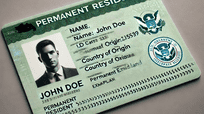
A green card, officially known as a Permanent Resident Card, allows a non-U.S. citizen to live and work permanently in the United States. It serves as proof that the holder has been granted immigration benefits, including the right to reside and seek employment in the U.S. Green cards can be obtained through various means, such as family-based immigration, employment-based sponsorship, refugee or asylum status, or the diversity visa lottery. Understanding what a green card is lays the foundation for comprehending how much a green card cost and why it’s a significant step in the immigration process.

Government Filing Fees For A Green Card

The first major expense when calculating how much a green card cost is the government filing fees. As of 2025, these fees vary based on the type of application. For example, for applicants filing from within the U.S. through adjustment of status (Form I-485), the fee is typically $1,140, plus an $85 biometric fee. For those applying from abroad via consular processing, the fees include $325 for the immigrant visa application and $220 for the USCIS immigrant fee. These charges are standard, though they can be subject to change based on USCIS updates.

Attorney Fees In The Green Card Application Process

Hiring an immigration attorney is often necessary to navigate the complexities of the U.S. immigration system. When considering how much a green card cost, attorney fees can be a significant part of your budget. Legal fees vary widely but typically range from $1,500 to $5,000 or more depending on the complexity of the case, the attorney’s experience, and the method of application. While optional, having legal representation can significantly increase the chances of a successful outcome, especially for employment-based or contested family applications.

Medical Examination Costs For Green Card Applicants

Another critical cost to factor into how much a green card cost is the mandatory medical examination. All applicants must undergo a medical exam conducted by a USCIS-approved civil surgeon. The cost of the medical exam typically ranges from $200 to $500, depending on the provider and geographic location. This exam ensures that applicants are not inadmissible to the U.S. due to public health concerns and is a non-negotiable part of the green card process.

Translation And Document Preparation Expenses

Applicants often need to translate foreign-language documents such as birth certificates, marriage certificates, and academic transcripts. When considering how much a green card cost, these translation and document preparation fees must be accounted for. Professional translation services can charge $20 to $50 per page. Additionally, if you require certified copies or notary services, those will add to your total expenses.

Costs Based On The Type Of Green Card

How much a green card cost also depends on the specific type of green card you’re applying for. Family-based green cards tend to be the most common, while employment-based green cards may include additional fees such as labor certification or PERM processing. Diversity visa winners will pay separate fees, and humanitarian applicants, such as refugees or asylees, are often exempt from many charges. Each path to a green card carries its own cost structure, so it’s vital to identify your category before estimating the total expenses.

Renewal And Replacement Costs Of A Green Card

Understanding how much a green card cost also means preparing for long-term expenses. Green cards are generally valid for ten years and must be renewed before they expire. The renewal process involves filing Form I-90 and paying a fee of $540 ($455 for the form and $85 for biometrics). If your green card is lost, stolen, or damaged, you’ll incur the same costs for replacement. These fees are essential for maintaining your legal status in the United States.

Additional Costs For Children Or Dependents

If you are applying for a green card as a family, you’ll need to consider the costs for each dependent. This is a critical factor when estimating how much a green card cost for a household. Each individual will be subject to the same USCIS filing fees, medical exam costs, and other associated charges. A family of four, for example, could spend upwards of $6,000 to $10,000 depending on their specific immigration route and legal fees.

Affidavit Of Support Costs

One often-overlooked aspect of how much a green card cost is the Affidavit of Support requirement (Form I-864), which proves the sponsor has adequate income or assets to support the intending immigrant. Although there is no fee to submit Form I-864 directly to USCIS, there is a $120 fee when submitted to the National Visa Center (NVC). Moreover, sponsors may need to seek tax transcripts and supporting documents, which can sometimes incur costs.

Travel Costs For Consular Interviews

Applicants processing their green card application from outside the U.S. must often travel to a U.S. embassy or consulate for an interview. Factoring in travel, accommodation, and other logistics is crucial when assessing how much a green card cost. These expenses can range from $500 to over $2,000 depending on the country of residence and proximity to the nearest U.S. consulate.

Biometrics Appointment Fees

Biometric services are a required part of the green card process. When calculating how much a green card cost, it’s important to include the $85 biometric fee. This fee covers fingerprinting, photographs, and background checks. While usually included in the total USCIS fee bundle, it is sometimes billed separately in special circumstances or when rescheduling is needed.

Cost Differences Between Adjustment Of Status And Consular Processing

There are two primary paths to obtaining a green card: Adjustment of Status for those already in the U.S., and Consular Processing for applicants outside the U.S. These routes differ in both procedure and cost. When determining how much a green card cost, consider that Adjustment of Status typically incurs higher USCIS fees but may save on travel. Consular Processing may involve lower filing fees but higher logistical expenses.

Fee Waivers And Exemptions

In certain cases, applicants can apply for a fee waiver using Form I-912. Fee waivers can cover the costs of USCIS forms if the applicant demonstrates financial hardship or qualifies under means-tested public benefits. This can dramatically reduce how much a green card cost for low-income families. However, not all forms are eligible for waivers, so it’s important to verify each form’s eligibility criteria.

Green Card Lottery Fees

Winners of the Diversity Visa (DV) lottery program still need to pay green card-related fees. When evaluating how much a green card cost, DV winners must budget around $330 for the visa application and $220 for the USCIS immigrant fee, not including medical exams and possible travel costs. Though the lottery itself is free to enter, the subsequent steps are not.

How Much A Marriage-Based Green Card Costs

Marriage-based green cards are common but come with their own cost breakdown. Applicants filing from within the U.S. typically pay $1,760 in government fees, including Form I-130, Form I-485, and biometrics. Consular applicants pay about $1,200 in USCIS and NVC fees combined. Additional costs such as attorney fees and medical exams can push the total how much a green card cost to $3,000–$6,000.

Employment-Based Green Card Expenses

Those applying through employment may face additional costs, such as labor certification fees paid by the employer and visa sponsorship processing fees. While some employers cover these expenses, others do not. When calculating how much a green card cost in employment scenarios, it’s common for applicants to pay $3,000–$10,000, especially if an immigration attorney is required.

Green Card Costs For Refugees And Asylees

For refugees and asylees, many green card fees are waived or reduced. Refugees can apply for a green card after one year in the U.S. without paying the filing fee. Asylees must apply and may face some processing costs, but they often qualify for fee waivers. Understanding these exemptions helps clarify how much a green card cost for humanitarian applicants.

Cost Summary For Different Green Card Routes

To summarize how much a green card cost:

  • Family-Based (U.S.): ~$1,760 (filing only)
  • Family-Based (Abroad): ~$1,200 (filing only)
  • Employment-Based: $3,000–$10,000 (varies)
  • DV Lottery: ~$550 (filing only)
  • Refugee/Asylee: Often waived or reduced

These numbers are estimates and can vary with legal fees and optional services.

Planning Financially For A Green Card

Because how much a green card cost can reach several thousand dollars, financial planning is crucial. Applicants should budget for all foreseeable expenses and unexpected costs. Creating a detailed checklist and saving in advance can reduce stress and help ensure a smoother application journey.

Is The Green Card Worth The Cost?

Although the price may seem high, the benefits of permanent residency often outweigh the cost. Knowing how much a green card cost and budgeting wisely helps applicants achieve a milestone that opens doors to lawful employment, education, and family reunification. With a green card, individuals can build a secure future in the U.S., making the investment worthwhile.

Frequently Asked Questions

1. How Much Does A Green Card Cost?

The cost of a green card varies depending on the application process, but the standard government filing fees for most applicants are around $1,225. This amount includes the $1,140 fee for Form I-485 (Adjustment of Status) and an $85 biometrics fee. However, if you’re applying through consular processing from outside the U.S., the total can range from $1,200 to $1,760, depending on the visa category. Additional costs may include attorney fees, medical exam costs, document translations, and postage. It’s essential to factor in all these components when calculating how much a green card cost. Overall, the complete expense often exceeds $2,000 when all services are considered.

2. What Is The Cost Of A Green Card?

The cost of a green card can vary depending on the type of application. For family-sponsored applications, the filing fee is $1,760 for applicants living in the U.S., while it’s about $1,200 for those applying from abroad. This cost includes the I-130 petition, adjustment of status or consular fees, and biometrics. Employment-based green cards often cost slightly more, especially if legal assistance is needed. The cost of a green card should also include the medical examination ($200–$500), translations, and mailing. Altogether, most applicants can expect to pay anywhere from $1,500 to $3,000 or more, depending on complexity and support.

3. How Much Does A Green Card Cost For A Family Member Sponsorship?

Sponsoring a family member for a green card involves several fees. First, the U.S. citizen or green card holder files Form I-130, which costs $535. If the family member is in the U.S., they’ll file Form I-485, costing $1,225 (including biometrics). If they’re outside the U.S., additional fees apply for consular processing, such as the DS-260 ($325) and Affidavit of Support review fee ($120). Medical exam fees and translation services may add another $300–$600. In total, the green card cost for sponsoring a family member typically ranges from $1,760 to over $2,500, depending on location and whether legal help is used.

4. How Much Does A Green Card Cost Through Employment-Based Immigration?

Employment-based green cards involve several costs. The employer may file a PERM Labor Certification (no fee), followed by Form I-140, which costs $700. If the applicant is adjusting status in the U.S., they will also pay $1,225 for Form I-485 and biometrics. If applying from abroad, they must pay for consular processing fees. Additional costs can include medical exams ($200–$500), translations, and legal assistance ($2,000–$5,000+). Altogether, how much a green card cost through employment-based immigration can range from $2,000 to $10,000 or more, depending on complexity, employer involvement, and whether the applicant hires an attorney.

5. How Much Does A Green Card Cost For A Spouse Of A U.S. Citizen?

For a spouse applying from within the U.S., the total cost of a green card is typically $1,760. This includes the I-130 petition ($535) and Form I-485 adjustment of status ($1,225 including biometrics). For spouses abroad, consular processing applies, with fees for the I-130 petition ($535), DS-260 ($325), and Affidavit of Support ($120). Medical exams and other required services can cost an additional $300–$500. Including legal assistance or documentation preparation, the total cost can range between $2,000 and $3,000. The final figure varies based on application method, location, and whether professional help is used.

6. How Much Does A Green Card Cost Through The Diversity Visa Lottery?

Winning the Diversity Visa (DV) Lottery allows you to apply for a green card, but there are still fees involved. If applying from abroad, the primary cost is the immigrant visa application fee, typically $330. After arriving in the U.S., you must pay the USCIS immigrant fee of $220. Medical examination costs can range from $200 to $500. If you apply from within the U.S. (adjustment of status), the cost is $1,225. While entering the DV Lottery is free, the overall cost of obtaining a green card through this route typically ranges between $750 and $2,000, depending on your situation.

7. How Much Does A Green Card Cost If I Apply From Outside The United States?

If you are applying for a green card from outside the United States, the process is called consular processing. The primary government fees include the I-130 petition ($535), DS-260 form ($325), and Affidavit of Support processing ($120). Additionally, you must pay the USCIS immigrant fee ($220) after visa approval. Medical exams, document preparation, and translations can add another $300–$600. In total, how much a green card cost from abroad can range from $1,500 to $2,500, not including optional legal assistance. Costs vary based on country of origin and specific case requirements.

8. How Much Does A Green Card Cost If I Apply From Inside The United States?

Applying from inside the U.S. requires filing Form I-485 (Adjustment of Status), which costs $1,225 including biometrics. If it’s a family-based case, the petitioner must also submit Form I-130 ($535). Other required forms may include I-864 (Affidavit of Support), but these do not have extra fees. Medical examination costs and optional legal fees may range from $200 to $2,000. Overall, how much a green card cost from inside the U.S. can range from $1,760 to $4,000 or more. The total depends on case complexity and whether you use an attorney or prepare the forms yourself.

9. How Much Does A Green Card Cost When Attorney Fees Are Included?

Attorney fees for a green card application vary widely but often range from $1,000 to $5,000, depending on case complexity. These fees are in addition to government filing fees, which are typically $1,225 for Adjustment of Status applicants. When you include attorney costs, the total amount a green card cost can exceed $3,000. Some employment-based or complicated cases, such as asylum or appeals, may raise attorney fees even higher. It’s wise to consult multiple attorneys for quotes and ensure they are licensed and experienced. While legal assistance increases the total cost, it can reduce delays and mistakes significantly.

10. How Much Does A Green Card Cost Without Hiring An Immigration Lawyer?

Without hiring a lawyer, you only pay the government filing fees and related expenses. For a family-based green card filed from within the U.S., you’ll typically pay $1,760, which includes the I-130 and I-485 forms. If applying from abroad, expect to pay about $1,200–$1,500. You’ll also need to pay for a medical exam ($200–$500), translations, and mailing. Doing everything yourself can save $1,000 to $5,000 in legal fees, but it increases the chance of errors. Knowing how much a green card cost without a lawyer helps budget-conscious applicants plan better, but accuracy and eligibility checks are crucial.

11. How Much Does A Green Card Cost For A Child Of A U.S. Citizen?

When applying for a green card for a child of a U.S. citizen, the costs include a Form I-130 filing fee of $535. If the child is in the U.S., they must also file Form I-485, which costs $1,225. Children under 14 applying with a parent may have reduced fees—typically $750. If applying from abroad, consular processing fees apply: $325 for the DS-260 and $220 for the USCIS immigrant fee. Add to this the cost of a medical examination and document preparation, which can be $200 to $500. In total, how much a green card cost for a child is usually between $1,000 and $2,000.

12. How Much Does A Green Card Cost For Parents Of U.S. Citizens?

The cost of a green card for parents of U.S. citizens typically includes the I-130 petition ($535), the Form I-485 adjustment of status ($1,225) if the parent is in the U.S., or consular processing fees if they are abroad. For consular cases, add $325 for the DS-260 and $120 for the Affidavit of Support. The USCIS immigrant fee of $220 and medical exams ($200–$500) also apply. Overall, how much a green card cost for parents can range from $1,500 to $2,500. Legal assistance may increase the cost, but it helps navigate the specific requirements of each parent’s case.

13. How Much Does A Green Card Cost For Refugees Or Asylees?

Green card applications for refugees and asylees are unique because the filing fee for Form I-485 is waived for these groups. Therefore, how much a green card cost for refugees or asylees is significantly lower. The main expenses are for the medical exam ($200–$500) and any optional legal or document-related costs. Refugees can apply for a green card one year after arrival, while asylees can apply one year after being granted asylum. While legal help can add to the cost, many organizations offer low-cost or pro bono services. In total, the cost typically remains below $1,000.

14. How Much Does A Green Card Renewal Or Replacement Cost?

If you already have a green card and need to renew or replace it, you must file Form I-90. The filing fee is $455, and the biometrics fee is $85, bringing the total to $540. This cost applies whether your card is expired, lost, stolen, or contains incorrect information. You don’t need to pay the original green card application costs again. How much a green card cost to renew or replace is relatively low compared to the initial application. Optional attorney fees may apply if your case involves complications like criminal history or lost immigration documents.

15. How Much Does A Green Card Cost Through Marriage To A Green Card Holder?

Applying for a green card through marriage to a green card holder involves multiple steps. The petitioner files Form I-130 ($535), and the applicant files Form I-485 ($1,225) if they’re eligible to adjust status inside the U.S. If outside the U.S., consular processing fees apply. These include the DS-260 ($325) and the USCIS immigrant fee ($220). Medical exams and translations may cost an additional $300–$500. How much a green card cost through this path can range from $1,500 to over $2,500. Processing times may be longer compared to marriage to a U.S. citizen, and legal help may be necessary.

16. How Much Does A Green Card Cost With Premium Processing?

Premium Processing is only available for specific immigration forms, such as the I-140 petition for employment-based green cards. It costs an additional $2,805 and guarantees processing within 15 calendar days. This fee is in addition to the $700 I-140 filing fee and other green card-related expenses like Form I-485 ($1,225) and biometrics. If you’re using premium processing, how much a green card cost could quickly exceed $5,000, especially if you include attorney fees and other documentation costs. Premium Processing does not guarantee green card approval; it only speeds up a specific part of the process.

17. How Much Does A Green Card Cost For A Widow Or Widower Of A U.S. Citizen?

Widows and widowers of U.S. citizens may apply for a green card by filing Form I-360. If filed within two years of the citizen’s death, and the marriage was legitimate, the application proceeds similarly to a family-based green card. Costs include the I-360 (currently no fee), Form I-485 ($1,225), and any medical exams ($200–$500). If applying from abroad, consular processing costs such as the DS-260 and the USCIS immigrant fee also apply. In total, how much a green card cost for a widow or widower typically ranges from $1,200 to $2,000. Legal assistance can be helpful in these sensitive cases.

18. How Much Does A Green Card Cost For Military Family Members?

Green card applications for military family members are often expedited and may have reduced complexity. Fees generally include Form I-130 ($535) and Form I-485 ($1,225) if adjusting status in the U.S. Some military families qualify for special waivers or fee exemptions. Medical exams ($200–$500) and other miscellaneous costs also apply. How much a green card cost for military families can range from $1,500 to $2,500, but specific benefits or legal protections may reduce the total expense. Assistance programs through the military or nonprofits can provide financial help or free legal advice.

19. How Much Does A Green Card Cost If My Application Is Denied?

If your green card application is denied, you won’t receive a refund for the government filing fees. For example, the $1,225 for Form I-485 is nonrefundable. You may also lose any money spent on medical exams, legal fees, and document translations. How much a green card cost after a denial includes not only those lost fees but also the potential cost of filing motions to reopen, appeals, or a new application. These follow-up actions may incur new legal and filing fees, often exceeding $1,000. Preparing a strong application the first time helps avoid these extra expenses.

20. How Much Does A Green Card Cost Including All Possible Fees?

Including all potential fees—government forms, medical exams, translations, mailing, and legal assistance—a green card can cost anywhere from $1,500 to over $7,000. For example, a basic family-based green card filed from inside the U.S. costs about $1,760 in government fees, plus $200–$500 for medical exams. Attorney fees range from $1,000 to $5,000 depending on complexity. Employment-based green cards with premium processing can cost even more. Knowing how much a green card cost when fully accounting for every component is crucial for financial planning. Applicants should review all fee schedules and consult professionals for accurate cost estimates.

Further Reading

A Link To A Related External Article

How Much Does a Green Card Cost?

Posted on — Leave a comment

What Is The Green Card Lottery? | Purpose, Benefits, Eligibility, How To Apply For The Green Card Lottery

The Green Card Lottery, officially known as the Diversity Visa Lottery Program, is a United States government initiative that allows individuals from countries with historically low rates of immigration to the United States to apply for permanent residency. This program is widely known as the Green Card Lottery because winners receive a Green Card, which grants them lawful permanent residence in the United States. Each year, the Green Card Lottery provides a unique and life-changing opportunity for thousands of people around the world who dream of living and working in the U.S. Legally and permanently. The Green Card Lottery is highly competitive and requires eligible participants to meet specific criteria set by the U.S. Department of State.

The Green Card Lottery program is designed to promote diversity in the U.S. population. Those selected through the Green Card Lottery can enjoy many of the rights and benefits granted to U.S. citizens, excluding the right to vote. This article will explain in detail what the Green Card Lottery is, how it works, the eligibility requirements, the application process, and other critical information to help prospective applicants succeed.

What Is A Green Card?

A Green Card is the informal name for the United States Permanent Resident Card, which allows a non-U.S. citizen to live and work permanently in the United States. Holding a Green Card provides individuals with lawful permanent resident status and serves as proof of the right to reside and work in the U.S. indefinitely. It is called a Green Card because of its greenish color, although the design has changed over the years.

Those who win the Green Card Lottery and are successfully processed receive a Green Card, granting them many benefits, including access to the U.S. job market, the ability to sponsor certain relatives for immigration, and a path to U.S. citizenship after a number of years. The Green Card Lottery is one of the few legal and accessible ways for eligible foreign nationals to become permanent residents of the United States without the need for employer sponsorship or family connections.

Understanding The Green Card Lottery Program

The Green Card Lottery, or Diversity Immigrant Visa Program (DV Program), was established by the Immigration Act of 1990. The goal was to diversify the immigrant population in the U.S. by selecting applicants from countries with low numbers of immigrants in the previous five years. Every year, the U.S. Department of State conducts a random lottery drawing of entries and allocates up to 55,000 Green Cards to successful applicants.

Participation in the Green Card Lottery is free, and the application is completed online through the U.S. Department of State’s official DV Lottery website. The application period generally opens in October and closes in November each year. Selected individuals must meet all the eligibility requirements and complete the immigration process, including a background check and interview, to receive their Green Card.

Eligibility Criteria For The Green Card Lottery

To participate in the Green Card Lottery, applicants must meet two primary eligibility requirements. First, they must be natives of a country that is eligible for the Diversity Visa Program in the given year. Countries with a high volume of recent immigration to the U.S. are typically excluded from the Green Card Lottery. The list of eligible countries is updated annually by the U.S. Department of State.

Second, applicants must meet certain educational or work experience requirements. Specifically, they must have at least a high school education or its equivalent or two years of work experience within the past five years in an occupation that requires at least two years of training or experience. These qualifications ensure that successful Green Card Lottery applicants can integrate into American society and economy effectively.

How To Apply For The Green Card Lottery

Applying for the Green Card Lottery involves several important steps. The process starts with completing and submitting the Diversity Visa entry form online at the official website of the U.S. Department of State. The form, known as the Electronic Diversity Visa Entry Form (DS-5501), requires personal information such as name, date of birth, education, work experience, and a recent photograph.

Once submitted, applicants receive a unique confirmation number that should be stored securely. The Green Card Lottery results are usually published the following May, and applicants must use their confirmation number to check their status on the official website. If selected, individuals must then proceed with further documentation, interviews, and medical exams to qualify for the Green Card.

Countries Ineligible For The Green Card Lottery

Every year, the U.S. Department of State publishes a list of countries whose natives are not eligible for the Green Card Lottery due to high levels of recent immigration to the United States. Commonly excluded countries often include Mexico, China, India, Canada, and the United Kingdom, though this list may vary slightly from year to year.

This exclusion is central to the Green Card Lottery’s purpose of promoting diversity by favoring immigrants from underrepresented nations. If an applicant’s native country is on the ineligible list, there are alternative eligibility options, such as claiming the country of birth of a spouse or parent if applicable.

Steps After Winning The Green Card Lottery

Being selected in the Green Card Lottery is only the beginning. After selection, winners must undergo a visa interview at a U.S. embassy or consulate, pass a background check, and complete a medical examination. They also must provide documentation proving their eligibility, such as education or work credentials and civil documents like birth certificates and police certificates.

If the applicant successfully completes these steps, they will be issued an immigrant visa and, upon entering the United States, officially become a permanent resident. The Green Card Lottery winners must act promptly, as there are time limits to complete the immigration process within the same fiscal year.

Benefits Of Winning The Green Card Lottery

Winning the Green Card Lottery comes with a wide range of benefits. A U.S. Green Card allows individuals to live and work in the United States on a permanent basis. They can move freely within the country, work for almost any employer, and enjoy many of the same rights as U.S. citizens, including legal protections and access to public services.

Additionally, Green Card Lottery winners may sponsor immediate family members to join them in the U.S. and can eventually apply for U.S. citizenship after meeting the necessary residency and legal requirements. This makes the Green Card Lottery a valuable and potentially life-changing opportunity for many families around the world.

Common Mistakes To Avoid When Applying For The Green Card Lottery

Many applicants are disqualified from the Green Card Lottery due to avoidable errors. Common mistakes include submitting incomplete or inaccurate information, using an outdated photo, or submitting multiple entries, which results in automatic disqualification. It is also critical to apply only through the official government website, as there are many fraudulent third-party services claiming to assist with applications.

To ensure a valid application for the Green Card Lottery, individuals must carefully follow the instructions, double-check all submitted data, and keep their confirmation number safe for future reference. Correctly completing the application improves the chances of success and helps avoid legal and administrative issues down the line.

Timeline Of The Green Card Lottery Process

The Green Card Lottery operates on a fixed annual schedule. Entries are typically accepted from early October to early November. Results are released in May of the following year. After that, selected individuals have until the end of the fiscal year (September 30) to complete their visa processing and enter the U.S.

Because the Green Card Lottery is highly time-sensitive, applicants should stay informed about deadlines and be ready to act quickly. Missing key deadlines could mean forfeiting the opportunity to receive a Green Card through the Green Card Lottery.

Scams And Fraud Related To The Green Card Lottery

Scammers often exploit the popularity of the Green Card Lottery by offering fake services or charging fees for application submissions. The official Green Card Lottery is always free to enter and should only be accessed through the U.S. Department of State’s website. Applicants should be cautious of emails or websites that claim guaranteed selection or request personal information and payment.

Being vigilant and informed is crucial when applying for the Green Card Lottery, as falling victim to scams can lead to identity theft, financial loss, or disqualification from the legitimate application process.

The Role Of The U.S. Department Of State In The Green Card Lottery

The U.S. Department of State administers the Green Card Lottery, from collecting applications to selecting winners and managing follow-up processing. The Department provides all official information and guidance, ensuring that the program remains transparent and fair. It also conducts interviews and final screening for selected applicants before granting permanent residency.

The Green Card Lottery is a U.S. government program, and any communication or updates about it will always come from official sources. Staying connected to the Department of State’s website ensures access to accurate information throughout the process.

Family Members And The Green Card Lottery

When an individual wins the Green Card Lottery, their spouse and unmarried children under 21 are also eligible to receive Green Cards as dependents. This family reunification policy allows winners to bring their immediate family members to live with them in the United States.

However, it’s crucial to include all eligible family members on the original Green Card Lottery application. Failing to list a spouse or child may result in disqualification during the visa interview, even if the omission was unintentional.

Can You Reapply For The Green Card Lottery?

Yes, individuals who are not selected in a given year’s Green Card Lottery can reapply in subsequent years, provided they still meet the eligibility requirements. In fact, many applicants win after several attempts. Persistence and attention to detail in the application process increase the chances of eventual success.

There is no penalty for reapplying for the Green Card Lottery annually, and each entry is treated independently. Applicants should ensure they submit updated information and follow current guidelines each year.

Adjusting Status Within The U.S. After Winning The Green Card Lottery

If an applicant is already legally residing in the U.S. under a non-immigrant visa when they win the Green Card Lottery, they may be eligible to adjust their status from within the country. This involves filing Form I-485 with U.S. Citizenship and Immigration Services (USCIS) rather than attending a consular interview abroad.

Adjusting status after winning the Green Card Lottery is often more convenient, but it requires careful coordination and strict adherence to immigration law and timelines to avoid denial.

Losing Your Green Card Lottery Selection

Being selected in the Green Card Lottery does not guarantee you will receive a Green Card. Selection only grants the opportunity to apply for an immigrant visa, and there are strict requirements and deadlines that must be followed. If a selected applicant fails to complete the visa process within the fiscal year or is found ineligible during the interview, they may lose their chance to immigrate.

Applicants should treat Green Card Lottery selection as a serious responsibility and act promptly to complete all necessary steps.

Green Card Lottery And The American Dream

The Green Card Lottery is seen by many as a gateway to the American Dream—a chance to live in a land of opportunity, freedom, and prosperity. Winning the Green Card Lottery can open doors to a better future not only for individuals but also for their families. By providing access to education, employment, and social services, the Green Card Lottery helps build new lives and stronger communities in the United States.

The Future Of The Green Card Lottery

While the Green Card Lottery has been a longstanding part of U.S. immigration policy, its future has been the subject of political debate. Some lawmakers have proposed reforms or even elimination of the program, citing security or policy concerns. However, as of now, the Green Card Lottery continues to be a legal and active pathway to permanent residency.

Potential applicants should stay updated on policy changes and apply promptly when eligible. The Green Card Lottery remains a powerful tool for diversity and opportunity in the U.S.

Conclusion

The Green Card Lottery is one of the most unique immigration opportunities in the world, offering hope and a future to individuals from underrepresented nations. Understanding what the Green Card Lottery is, how to apply, and the steps involved after selection is critical to making the most of this rare chance. For millions around the world, the Green Card Lottery represents not just a change in immigration status but the beginning of a new life in the United States.

Frequently Asked Questions

1. What Is The Green Card Lottery?

The Green Card Lottery, officially known as the Diversity Visa (DV) Lottery Program, is a U.S. government initiative that grants permanent resident status (a green card) to individuals from countries with historically low immigration rates to the United States. The lottery provides up to 55,000 green cards annually, allowing winners to live and work legally in the U.S. permanently. It is administered by the U.S. Department of State and aims to diversify the immigrant population in the country. Participants must meet strict eligibility criteria, including educational or work experience requirements. Winning the lottery is not a guarantee of a green card, but rather an opportunity to apply for one through an interview and background checks. It’s free to enter and must be done through the official government website.

2. How Does The Green Card Lottery Work?

The Green Card Lottery works by randomly selecting applicants from a global pool of entries submitted during a specific registration period. After applying online through the official Diversity Visa website, eligible individuals are entered into a computerized draw. Each applicant receives a unique confirmation number that can later be used to check the results. If selected, winners are invited to proceed with the green card application process, which includes submitting further documents and attending an interview. It’s important to note that being selected does not automatically grant permanent residency—applicants must still meet all visa requirements, pass a background check, and demonstrate they will not become a public charge. Only applicants from qualifying countries with low immigration rates to the U.S. are allowed to enter.

3. Who Is Eligible To Enter The Green Card Lottery?

Eligibility for the Green Card Lottery depends on two main factors: country of birth and educational or work qualifications. First, applicants must be from a country that is eligible, which generally excludes nations with high recent immigration to the U.S. A list of eligible countries is published every year by the U.S. Department of State. Second, applicants must have at least a high school diploma or equivalent, or two years of qualifying work experience in the last five years in an occupation requiring at least two years of training or experience. Spouses can submit separate applications if both are eligible. Misrepresentation of eligibility or false information can result in disqualification or denial during the visa process, even if selected.

4. What Are The Requirements For The Green Card Lottery?

To enter the Green Card Lottery, you must meet certain key requirements. First, your country of birth must be listed among those eligible for that year’s Diversity Visa Program. Second, you need either a high school education (or equivalent) or two years of work experience in a job that meets U.S. Department of Labor standards. Additionally, you must submit a digital photo that meets specific formatting guidelines. Applications must be complete, accurate, and submitted within the designated registration window, typically in October or November. Only one entry per person is allowed—multiple entries will disqualify you. It’s essential to keep your confirmation number safe, as this is the only way to check your selection status online the following year.

5. How Do I Apply For The Green Card Lottery?

To apply for the Green Card Lottery, visit the official Diversity Visa (DV) Lottery website run by the U.S. Department of State. Applications are only accepted online and during the annual registration period, usually in the fall. You’ll need to fill out the DV Entry Form (DS-5501) with personal information including name, date of birth, gender, education, marital status, and country of eligibility. You must also upload a recent digital photograph that meets strict formatting requirements. No supporting documents are needed at this stage. After submission, you’ll receive a unique confirmation number—keep it safe. There is no fee to apply. Avoid unofficial websites that charge money or make false claims. You can only check your result with your confirmation number in May of the following year.

6. When Is The Green Card Lottery Application Period?

The Green Card Lottery application period typically opens once a year, usually starting in early October and closing in early November. Exact dates are announced in advance by the U.S. Department of State. During this window, applicants must submit their entries online through the official DV Lottery website. Submitting early is highly recommended, as the website may experience high traffic or delays toward the deadline. Late entries or incomplete applications are not accepted. After submission, applicants receive a confirmation number, which is crucial for checking lottery results the following May. Missing the deadline means waiting an entire year to try again. The U.S. government does not notify winners by email or phone; results must be checked manually using the confirmation number.

7. What Countries Are Eligible For The Green Card Lottery?

Eligibility for the Green Card Lottery depends on a country’s immigration history with the United States. Countries with high rates of immigration to the U.S. in the previous five years are typically excluded. The U.S. Department of State publishes a list of eligible and ineligible countries each year before the Diversity Visa program opens. For example, countries like Canada, Mexico, China, and India are often excluded due to their high levels of immigration. However, countries from regions like Africa, Eastern Europe, and parts of Asia and Latin America frequently qualify. If you were born in an ineligible country, you may still qualify through your spouse’s or parents’ country of birth under certain conditions. Country eligibility is determined at birth—not based on citizenship or residence.

8. How Are Winners Selected In The Green Card Lottery?

Winners in the Green Card Lottery are selected through a computer-generated random drawing. All qualified entries submitted during the registration period are included in this draw. The U.S. Department of State ensures a fair and impartial selection process. From over 10 million entries, about 100,000 names are chosen to continue the visa application process, even though only around 55,000 green cards are ultimately issued. This over-selection ensures all visa slots are filled in case some applicants don’t qualify during interviews. Each region of the world is assigned a certain number of visas, ensuring geographical diversity. Selected individuals must then complete further steps, including submitting forms, background checks, medical exams, and interviews, before they can be granted a green card.

9. What Happens After Winning The Green Card Lottery?

Winning the Green Card Lottery is just the first step. If selected, you must act quickly to complete the necessary steps for obtaining your green card. You’ll first submit the DS-260 online immigrant visa application and provide documentation, including birth certificates, passports, police records, and educational or work qualifications. You will then attend a visa interview at a U.S. embassy or consulate, where you’ll be asked questions about your background, health, finances, and more. A medical examination is also required. If approved, you’ll receive an immigrant visa to enter the U.S. Once you arrive, you will be mailed your green card. Failing to complete all these steps within the fiscal year can result in forfeiture of your selection.

10. Can I Enter The Green Card Lottery Every Year?

Yes, you can enter the Green Card Lottery every year, as long as you meet the eligibility criteria. There is no limit to how many times an individual can apply annually. However, you may only submit one entry per person each year. Submitting multiple entries in a single year will result in disqualification. Many people apply for several years before being selected, while others may win on their first try. Each year’s lottery is independent, so not winning in one year has no effect on future chances. Staying updated on eligibility requirements and deadlines ensures that you’re ready each year. Persistence and careful attention to detail increase your chances of eventually being selected in the lottery.

11. What Is The Purpose Of The Green Card Lottery?

The purpose of the Green Card Lottery is to promote immigration diversity in the United States. The Diversity Visa Program was created by the U.S. Congress through the Immigration Act of 1990. It aims to offer permanent resident visas to individuals from countries that have historically low rates of immigration to the United States. By providing a pathway to legal residency, the program enriches the cultural, educational, and professional landscape of the U.S. and supports family reunification. The lottery supports equitable access to immigration opportunities by offering a chance based on geographic diversity rather than employment or family ties alone. It serves as one of the few immigration routes open to individuals without specific U.S. employer sponsorship or familial connections.

12. How Much Does It Cost To Enter The Green Card Lottery?

Entering the Green Card Lottery is completely free. There is no fee required to submit an application through the official U.S. Department of State Diversity Visa website. However, be cautious of scam websites and third-party services that charge money to fill out the form on your behalf—these are not affiliated with the U.S. government. If you are selected, costs will arise during the visa application process, such as the immigrant visa fee, medical examination costs, and document preparation. These expenses typically range from several hundred to over a thousand dollars. However, at the initial application stage, participation in the lottery is entirely free and should only be done through the official government portal to avoid fraud.

13. Is The Green Card Lottery The Only Way To Get A Green Card?

No, the Green Card Lottery is just one of several ways to obtain a green card in the United States. Other pathways include family-sponsored immigration, employment-based visas, asylum or refugee status, and special categories like the U visa or EB-5 investment visa. Marriage to a U.S. citizen or permanent resident is a common route, as is sponsorship by a U.S. employer. Each method has different eligibility criteria, costs, and processing times. The Diversity Visa Lottery is unique because it allows people with no U.S. job offer or family connection to apply. However, only a limited number of green cards are issued through the lottery each year, making other immigration routes more suitable for some applicants.

14. What Are My Chances Of Winning The Green Card Lottery?

Chances of winning the Green Card Lottery vary from year to year depending on the number of applicants and regional allocation quotas. Generally, millions of people apply each year for only about 55,000 green cards. This means the average success rate is often under 1%. However, your odds may be higher if you’re from a country or region with fewer applicants. The selection is random and computerized, so every qualified entry has an equal chance regardless of education, profession, or financial status. Submitting a correct and timely application is crucial to being included. Since the program is free and annual, it’s worthwhile to apply consistently every year for the best chance of eventual selection.

15. Can My Family Join Me If I Win The Green Card Lottery?

Yes, if you win the Green Card Lottery, your immediate family—specifically your spouse and unmarried children under the age of 21—can also receive green cards and immigrate with you to the United States. When you submit your initial lottery application, you must include your spouse and eligible children in the form. If selected, they will be processed along with you through the same visa application process, including submitting forms, undergoing medical exams, and attending interviews. If you get married after winning but before the visa is issued, your spouse may still qualify, but additional documentation will be required. It’s important to be accurate and honest about your family status during the initial entry to avoid disqualification or visa denial.

16. What Documents Are Needed After Winning The Green Card Lottery?

After winning the Green Card Lottery, you’ll need several important documents to move forward with your visa application. These include a valid passport, birth certificate, police clearance certificates from all countries where you’ve lived, marriage certificate (if applicable), and evidence of education or work experience that meets eligibility criteria. You must also provide your confirmation number, completed DS-260 immigrant visa application form, and recent passport-style photos. During the process, you’ll undergo a medical examination by an authorized physician and may be asked for financial documents to show you won’t become a public charge. Keeping originals and translations (if necessary) ready will help avoid delays during your embassy interview. All documents must be accurate and up-to-date.

17. Can I Be Disqualified From The Green Card Lottery?

Yes, applicants can be disqualified from the Green Card Lottery at various stages for multiple reasons. Common disqualifications include submitting multiple entries in a single year, providing false or incomplete information, using an incorrect photo format, or failing to meet eligibility criteria such as country of birth or educational/work requirements. Even after being selected, disqualification can occur during the visa process if the applicant cannot provide supporting documents, fails the medical exam, or is found to have a criminal record or immigration violation. It’s crucial to carefully follow all instructions, use accurate information, and meet deadlines. Any attempt to deceive or cut corners can result in a denial, even at the final interview stage.

18. How Do I Check My Green Card Lottery Results?

To check your Green Card Lottery results, visit the official Diversity Visa (DV) Lottery website of the U.S. Department of State. You must use the “Entrant Status Check” tool, available from early May in the year following your application. You’ll need your confirmation number, last name, and year of birth to log in. The U.S. government does not notify winners by email, phone, or letter—this is the only official way to see if you’ve been selected. If chosen, you’ll receive instructions on the next steps, including completing the DS-260 form and preparing for a visa interview. If not selected, you’ll see a message stating so. Be cautious of scams or unofficial websites promising guaranteed results or selection.

19. Can I Work In The U.S. With A Green Card Lottery Visa?

Yes, if you are granted a green card through the Diversity Visa Lottery, you are authorized to live and work permanently in the United States. A green card holder has the legal right to accept employment in any field, work for any employer (except for certain government positions restricted to U.S. citizens), and start their own business. You’re also eligible for Social Security benefits, can apply for a driver’s license, and can open bank accounts. You’re not limited to any region or job category—employment freedom is one of the key benefits. However, maintaining lawful permanent resident status requires residing in the U.S. and obeying immigration and criminal laws. You can also sponsor certain relatives for green cards in the future.

20. What Should I Avoid When Applying For The Green Card Lottery?

When applying for the Green Card Lottery, avoid several common mistakes that can lead to disqualification. First, never submit multiple entries in one year—this will automatically disqualify you. Ensure all personal information is accurate and matches your official documents, especially names, dates, and countries. Upload a properly formatted photo that meets the strict size and background requirements; using old or edited photos may result in rejection. Avoid unofficial websites that charge fees or guarantee selection—these are scams. Use only the official U.S. government website. Also, don’t wait until the last minute to apply, as high traffic can cause submission errors. Finally, make sure to include your spouse and all eligible children in the application, or risk future disqualification.

Further Reading

A Link To A Related External Article

Diversity Immigrant Visa Program (Green Card Lottery)

Posted on — Leave a comment

How To Replace A Lost, Stolen Or Damaged Green Card

If you’re living in the United States as a lawful permanent resident, knowing how to replace a lost, stolen or damaged Green Card is extremely important. Whether your Green Card has been lost, stolen, or damaged, navigating the process for replacement requires understanding the proper forms, eligibility requirements, and the expected timeline. In this comprehensive guide, you’ll learn how to replace a lost, stolen or damaged Green Card effectively, with step-by-step instructions and helpful tips to ensure a smooth process. Learning how to replace a lost, stolen or damaged Green Card helps prevent disruptions to your employment, travel plans, and legal status in the U.S.

What Is A Green Card?

A Green Card, officially known as a Permanent Resident Card, is a document issued by the U.S. Citizenship and Immigration Services (USCIS) that proves an individual has lawful permanent resident status in the United States. It grants the right to live and work permanently in the U.S. A Green Card is essential for accessing most legal and employment-related benefits in the country. Losing this card or having it stolen or damaged can disrupt a person’s ability to prove residency or travel internationally, which is why it is critical to know how to replace a lost, stolen or damaged Green Card without delay.

Why You Must Replace A Lost, Stolen Or Damaged Green Card

Understanding how to replace a lost, stolen or damaged Green Card is crucial because the Green Card serves as your primary evidence of legal residency in the U.S. If you do not replace it promptly, you may face legal consequences or difficulty accessing government services. Additionally, a damaged Green Card may not be accepted by employers or immigration authorities, even if the information remains partially visible. If it has been stolen, there’s also a risk of identity theft. The process of how to replace a lost, stolen or damaged Green Card is designed to help protect both the individual and the integrity of the immigration system.

Who Is Eligible To Replace A Lost, Stolen Or Damaged Green Card

To proceed with how to replace a lost, stolen or damaged Green Card, you must be a lawful permanent resident (LPR) or conditional permanent resident. If your card has expired, contains incorrect information, or was never received, you are also eligible to apply for a replacement. Individuals living outside the U.S. temporarily can also replace their card but must follow specific steps. Knowing how to replace a lost, stolen or damaged Green Card begins with verifying your eligibility and understanding your residency status.

Required Documents To Replace A Lost, Stolen Or Damaged Green Card

An important part of how to replace a lost, stolen or damaged Green Card is gathering the right documentation. You’ll need a government-issued ID (such as a driver’s license or passport), a copy of your old Green Card if available, and evidence of your current immigration status. If your card was stolen, it’s advisable to include a police report. If your name or other details have changed, legal documentation of those changes must be provided. All documents should be translated into English if not originally issued in English.

How To Replace A Lost, Stolen Or Damaged Green Card Using Form I-90

The core step in how to replace a lost, stolen or damaged Green Card is completing and submitting Form I-90, Application to Replace Permanent Resident Card. This form can be filed online through the USCIS website or by mail. When filing, ensure all information is accurate and complete, as mistakes can delay the process. Pay the required fee, which currently stands at $455 plus a biometric services fee of $85. After submission, you will receive a receipt notice and further instructions from USCIS, including your biometrics appointment.

How To File Form I-90 Online To Replace A Lost, Stolen Or Damaged Green Card

Filing Form I-90 online is one of the fastest ways to complete the process of how to replace a lost, stolen or damaged Green Card. To do this, create a USCIS online account and follow the instructions to upload documents, pay the fee, and digitally sign your application. Online filing allows you to track your case status, communicate with USCIS, and receive notifications of any changes. This method is recommended for those who have reliable internet access and want a streamlined experience.

Processing Time When Replacing A Lost, Stolen Or Damaged Green Card

Knowing the expected timeline is a crucial part of how to replace a lost, stolen or damaged Green Card. Typically, it takes about 6 to 12 months for USCIS to process a replacement Green Card. However, this timeframe can vary depending on case complexity and USCIS workload. You can check processing times for your specific field office on the USCIS website. During this waiting period, you may request a temporary I-551 stamp in your passport as proof of residency if urgent travel or work needs arise.

What To Do If Your Green Card Was Stolen

If your Green Card was stolen, report it immediately to local law enforcement and obtain a police report. This step is essential when learning how to replace a lost, stolen or damaged Green Card, as the report may be needed to prove the card was stolen. Include a copy of the report when submitting Form I-90. Also, monitor your credit and immigration records for suspicious activity to guard against identity theft or immigration fraud.

What To Do If You Are Outside The U.S. And Your Green Card Is Lost Or Stolen

How to replace a lost, stolen or damaged Green Card while outside the U.S. involves a slightly different process. You must visit the nearest U.S. embassy or consulate to request a Boarding Foil (formerly called Transportation Letter), which allows you to re-enter the U.S. You’ll need to present proof of your identity and lawful permanent resident status. Once back in the U.S., you can proceed to file Form I-90. Keep in mind that re-entry without a Green Card may be delayed or denied without the proper documentation.

Temporary Evidence Of Permanent Residence While Awaiting A Replacement

An important consideration in how to replace a lost, stolen or damaged Green Card is securing temporary evidence of your status. After filing Form I-90, USCIS may issue a temporary I-551 stamp in your passport. This stamp serves as proof of your lawful permanent resident status and is typically valid for one year. You must schedule an InfoPass appointment with your local USCIS office to receive it. This stamp is critical for travel, employment, and accessing public services while your replacement card is processed.

Fee Waiver Options When Replacing A Lost, Stolen Or Damaged Green Card

The cost of replacing a Green Card can be burdensome, especially for low-income individuals. Part of how to replace a lost, stolen or damaged Green Card includes understanding fee waiver eligibility. You can request a fee waiver using Form I-912 if you can demonstrate financial hardship. Eligibility is based on income, receipt of means-tested benefits, or other extenuating circumstances. USCIS must approve your waiver request before processing your I-90 form without payment.

Common Mistakes To Avoid When Replacing A Lost, Stolen Or Damaged Green Card

Many applicants make errors that delay or deny their request when learning how to replace a lost, stolen or damaged Green Card. Common mistakes include submitting the wrong form, leaving sections blank, providing outdated documents, or failing to sign the application. Always double-check the current version of Form I-90 on the USCIS website and follow the instructions carefully. Review your entire packet and, if necessary, consult with an immigration attorney for guidance.

How To Check The Status Of Your Replacement Green Card Application

Tracking your application status is an essential step in how to replace a lost, stolen or damaged Green Card. You can check your case status online using your USCIS receipt number, which you will receive after submitting Form I-90. USCIS updates this portal regularly, providing notifications about biometrics appointments, evidence requests, and approval status. Keeping track of your application helps you stay informed and avoid missed deadlines or communications.

Can You Work While Waiting For Your Replacement Green Card?

Another concern when addressing how to replace a lost, stolen or damaged Green Card is employment eligibility. Employers must verify your work authorization, and a missing card may complicate this. If you’ve already filed Form I-90, you can show the receipt notice along with your expired card or a valid I-551 stamp in your passport. This combination is generally acceptable to meet Form I-9 requirements for employment verification.

Can You Travel While Waiting For Your Replacement Green Card?

Traveling internationally adds another layer of complexity to how to replace a lost, stolen or damaged Green Card. Without a physical Green Card, re-entry to the U.S. may be difficult. If travel is urgent, obtain the I-551 stamp or a boarding foil, depending on your location. Always carry official proof of your application and current immigration status when traveling. Travel without proper documentation may lead to delays or denial of entry.

How To Contact USCIS For Help With A Lost, Stolen Or Damaged Green Card

Getting in touch with USCIS is often necessary when figuring out how to replace a lost, stolen or damaged Green Card. You can contact USCIS through their customer service hotline, use their live chat tool “Emma” on the USCIS website, or schedule an in-person appointment at a field office. For urgent matters like travel or employment, you may also request expedited processing. Always keep copies of all communication for your records.

What Happens If You Never Receive Your Replacement Green Card

Sometimes, applicants go through the process of how to replace a lost, stolen or damaged Green Card but never receive the card. If this happens, contact USCIS immediately and verify the mailing address on file. You may be asked to complete Form I-90 again with no additional fee if the card was lost in the mail due to USCIS error. If the mistake was yours, you may have to reapply and pay again.

How To Replace A Lost, Stolen Or Damaged Conditional Green Card

Conditional permanent residents who have a lost, stolen or damaged Green Card must also understand how to replace it. You still use Form I-90 for replacement. However, if your conditional status is expiring soon, you may need to file Form I-751 (marriage-based) or I-829 (investment-based) to remove the conditions before getting a new card. Filing late or incorrectly may jeopardize your status, so consult a legal professional if needed.

Conclusion

Replacing your Green Card is an essential responsibility for any permanent resident. Whether your card has been lost, stolen, or damaged, it is critical to understand how to replace a lost, stolen or damaged Green Card quickly and properly. By gathering the necessary documents, filing Form I-90 accurately, and preparing for the USCIS process, you ensure your ability to live, work, and travel freely in the United States. Do not delay in starting the process, as being without a valid Green Card can impact your daily life and legal standing.

Frequently Asked Questions

1. Can A Lost, Stolen Or Damaged Green Card Be Replaced?

Yes, a lost, stolen or damaged Green Card can be replaced through an official process with the U.S. Citizenship and Immigration Services (USCIS). If your Green Card is no longer in your possession or is unreadable, you must apply for a replacement by filing Form I-90, Application to Replace Permanent Resident Card. The USCIS handles these cases regularly, and the process is available to all lawful permanent residents whose cards have been lost, stolen, or physically damaged. It’s important to act quickly to maintain valid proof of your legal residency in the United States. Delays in replacement could affect your ability to travel, work, or prove your immigration status. Always keep a copy of your original Green Card in a safe place for reference.

2. How Can I Replace My Lost Green Card?

To replace a lost Green Card, start by filing Form I-90, Application to Replace Permanent Resident Card, through the USCIS website or by mail. You’ll need to create a USCIS online account, complete the form, and pay the filing fee. Be sure to provide a detailed explanation of how the card was lost. Supporting documents, such as a copy of your lost Green Card (if available), are also helpful. After submission, USCIS will send a receipt notice and schedule you for a biometrics appointment, where your fingerprints and photograph will be taken. Keep your receipt as proof that you’ve applied for a replacement. Until your new Green Card arrives, this receipt can serve as temporary evidence of your permanent resident status in some cases.

3. How Can I Replace My Stolen Green Card?

If your Green Card is stolen, immediately report the theft to local law enforcement and request a copy of the police report for your records. Next, file Form I-90 with USCIS to replace your stolen Green Card. You can file online or via mail, and you will need to pay a fee unless eligible for a waiver. On the application, explain that the card was stolen and include the police report if available. Once USCIS receives your application, you’ll be scheduled for biometrics and receive updates on your case status. The police report is not required but may strengthen your case and help in identity theft protection. Make sure to keep copies of all documents submitted during the replacement process.

4. How Can I Replace My Damaged Green Card?

To replace a damaged Green Card, you must submit Form I-90 to USCIS. A damaged Green Card includes those that are cracked, bent, unreadable, or otherwise physically deteriorated. You can file the form online or by mail, but you will be required to pay a fee. You should also include the damaged Green Card with your application to prove your need for a replacement. After submitting your application, USCIS will issue a receipt notice and later schedule a biometrics appointment. The replacement Green Card will be mailed to your address once approved. In the meantime, your receipt notice can serve as temporary proof of status. Avoid using a damaged card for official purposes like travel or employment.

5. What Is The Process For Replacing A Lost, Stolen Or Damaged Green Card?

The process for replacing a lost, stolen or damaged Green Card starts with submitting Form I-90 to USCIS. This can be done either online through the USCIS website or by mailing a paper application. After submission, you will receive a receipt notice and be scheduled for a biometrics appointment. During this appointment, USCIS will take your fingerprints, photograph, and signature to verify your identity. You must provide details about how the Green Card was lost, stolen, or damaged and submit supporting documents such as copies of the original card or a police report (if applicable). Once approved, USCIS will issue a replacement Green Card and mail it to your provided address. The process typically takes several weeks to complete.

6. What Are The Procedures For Replacing A Lost, Stolen Or Damaged Green Card?

The procedures for replacing a lost, stolen or damaged Green Card include completing and submitting Form I-90, paying the required fee, and attending a biometrics appointment. Begin by creating an online USCIS account or downloading the paper version of Form I-90. Fill out all necessary details, especially explaining the loss, theft, or damage. Submit any relevant documents, like a copy of the Green Card or police report. Pay the filing fee unless you qualify for a fee waiver. After submission, USCIS sends a receipt notice confirming your case. Then, you’ll attend your scheduled biometrics appointment. Once USCIS processes and approves your application, the new Green Card will be mailed to you. Keep a copy of your application and receipt for records.

7. What Are The Steps To Replacing A Lost, Stolen Or Damaged Green Card?

The steps to replacing a lost, stolen or damaged Green Card are straightforward. First, gather all necessary personal identification and documents. Second, fill out Form I-90 online or by paper. Third, provide a detailed explanation for the replacement, whether the card was lost, stolen, or damaged. Fourth, pay the appropriate filing fee unless you are eligible for a waiver. Fifth, wait for your receipt notice and attend your biometrics appointment, where USCIS will verify your identity. Sixth, monitor your case status online through your USCIS account. Finally, once approved, your new Green Card will be mailed to you. Each step is crucial to ensuring that you maintain your legal permanent resident status without unnecessary delays or issues.

8. How Long Does It Take To Replace A Lost, Stolen Or Damaged Green Card?

Replacing a lost, stolen or damaged Green Card typically takes 6 to 12 months, depending on USCIS processing times and individual case circumstances. After submitting Form I-90, you’ll receive a receipt notice and be scheduled for a biometrics appointment within a few weeks. After biometrics, USCIS continues reviewing your application, which can take several months. You can track your case online using the receipt number provided. In urgent cases, such as needing to travel or work, you may request an appointment at a USCIS office to obtain temporary proof of status while waiting for your replacement. Delays can occur due to incomplete forms, missing documents, or high application volumes, so ensure accuracy and completeness to avoid issues.

9. How Much Does It Cost To Replace A Lost, Stolen Or Damaged Green Card?

As of now, the cost to replace a lost, stolen or damaged Green Card is $455 for the Form I-90 filing fee, plus an additional $85 biometrics fee, totaling $540. This fee is required for most applicants unless you qualify for a fee waiver based on financial hardship or other qualifying conditions. Payment can be made online using a credit or debit card, or by check or money order if submitting by mail. It’s important to verify the latest fee amounts on the USCIS website before applying, as they may change. If you are approved for a fee waiver, you must submit Form I-912 with supporting documents showing your eligibility. Always retain your payment receipt as proof of submission.

10. What Form Do I Need To Replace A Lost, Stolen Or Damaged Green Card?

To replace a lost, stolen or damaged Green Card, you need to file Form I-90, Application to Replace Permanent Resident Card. This is the official USCIS form used by lawful permanent residents who need a replacement for various reasons including loss, theft, or damage. Form I-90 can be submitted either online through a USCIS account or by mailing a paper application to the appropriate USCIS address. When completing the form, make sure to choose the appropriate reason for replacement and provide as many details as possible about your situation. You will also need to submit the required fee unless you qualify for a waiver. USCIS will not process your replacement without this form and the necessary supporting documentation.

11. Where Do I Submit My Application To Replace A Lost, Stolen Or Damaged Green Card?

To replace a lost, stolen or damaged Green Card, you can submit Form I-90 either online or by mail. The online submission is done through the USCIS website, where you’ll need to create an account. This option is faster, provides instant receipt confirmation, and allows you to track your case status in real-time. If you prefer the paper method, download Form I-90 from the USCIS site, complete it, and mail it to the address specified in the form instructions. Mailing addresses vary depending on whether you’re using USPS or a courier service like FedEx or UPS, so double-check the latest instructions on the USCIS website. Regardless of method, include all necessary documents and fees to prevent processing delays.

12. Can I Travel While Waiting To Replace My Lost, Stolen Or Damaged Green Card?

Traveling while waiting to replace a lost, stolen or damaged Green Card can be risky but not impossible. If you need to travel outside the United States before your replacement card arrives, you must obtain a temporary proof of status. This usually comes in the form of an I-551 stamp placed in your passport by a USCIS field office. To request this, call USCIS to schedule an in-person appointment (InfoPass). You’ll need your Form I-90 receipt and valid identification. Without this temporary proof, you may face problems re-entering the U.S. It’s strongly advised to delay international travel until your replacement Green Card arrives, as reentry complications can result in delays or denial of admission at a port of entry.

13. Can I Work While Waiting To Replace My Lost, Stolen Or Damaged Green Card?

Yes, you can work while waiting to replace your lost, stolen or damaged Green Card, provided you can prove your permanent resident status. After you file Form I-90, you’ll receive a receipt notice (Form I-797), which confirms your application is in progress. Some employers may accept this notice along with other documentation as temporary proof of your work authorization. However, if your employer requests official documentation of your permanent residency, you may need to visit a USCIS field office to obtain an I-551 stamp in your passport. This stamp temporarily serves as your Green Card. It’s important to explain your situation to your employer and provide updates. Always keep a copy of your I-90 receipt for reference during employment verification.

14. What Should I Do If My Green Card Was Lost Or Stolen While Abroad?

If your Green Card was lost or stolen while you are outside the United States, visit the nearest U.S. embassy or consulate immediately. You must apply for a boarding foil, which allows you to return to the U.S. without your Green Card. You will need to complete Form I-131A (Application for Travel Document), pay the associated fee, and provide supporting documents like your passport, identification, and evidence of your permanent resident status. Once back in the U.S., you must then file Form I-90 to officially replace your Green Card. Do not attempt to return to the U.S. without the boarding foil or you risk being denied boarding or entry. Time is critical, so act quickly and maintain good communication with U.S. authorities abroad.

15. Is A Police Report Required When Replacing A Stolen Green Card?

A police report is not required when replacing a stolen Green Card, but it is strongly recommended. Filing a report helps document the theft, which can protect you from identity theft and support your case when filing Form I-90. Including a copy of the police report in your I-90 application is helpful but not mandatory. USCIS does not reject applications solely for lack of a police report; however, having one shows diligence and helps establish credibility. If your card was stolen alongside other identification documents, filing a police report is particularly important. Always keep a copy of the report for your records. If you’re unable to obtain a report, explain the situation clearly in your Form I-90 application.

16. Can I Replace A Lost, Stolen Or Damaged Green Card If I Am Outside The U.S.?

Yes, you can replace a lost, stolen or damaged Green Card while outside the U.S., but you must first return to the United States using a boarding foil obtained from a U.S. embassy or consulate. File Form I-131A (Application for Travel Document) and pay the required fee to receive this temporary document. You’ll also need to prove your status as a lawful permanent resident through supporting documents. Once you arrive in the U.S., you must file Form I-90 to begin the official replacement process. The actual Green Card cannot be mailed to or processed outside the U.S., so you must complete the replacement steps while residing stateside. Plan carefully, and keep your documents secure to avoid delays or reentry problems.

17. What Happens After I Submit My Form I-90 To Replace A Green Card?

After submitting Form I-90 to replace your Green Card, USCIS will send a receipt notice (Form I-797C) confirming that your application has been received. You can use this receipt to check your case status online. Within a few weeks, USCIS will schedule you for a biometrics appointment, where your fingerprints, photo, and signature will be collected. If additional information is needed, you may receive a Request for Evidence (RFE). Once your biometrics are verified and your case is reviewed, USCIS will make a decision. If approved, your replacement Green Card will be mailed to your address. The entire process usually takes several months, so retain your receipt notice as proof of your pending application during this period.

18. What Documents Are Required To Replace A Lost, Stolen Or Damaged Green Card?

To replace a lost, stolen or damaged Green Card, you’ll need several key documents. First, submit Form I-90, and include a copy of your lost or damaged Green Card if available. If the card was stolen, include a copy of a police report (optional but recommended). You’ll also need a valid passport or other government-issued photo ID to verify your identity. If your name has changed since your last card was issued, provide a legal name change document (such as a marriage certificate or court order). All foreign documents must be translated into English. Additionally, include proof of your lawful permanent resident status, such as previous immigration paperwork, if available. Carefully follow all USCIS instructions to avoid processing delays.

19. What If I Entered The U.S. But Never Received My Green Card?

If you entered the U.S. as a permanent resident but never received your Green Card, you still need to file Form I-90 to request a replacement. Select the option on the form that your card was never received. This situation is treated differently from lost or stolen cards, and you may not need to pay a fee if the card was mailed but not delivered due to USCIS or postal errors. You should file Form I-90 within 30 days of learning your card was never delivered. Include any proof of permanent residency, such as your immigrant visa or passport stamp (I-551). You can also contact USCIS customer service for help. Tracking your Green Card delivery status using your USCIS online account can also provide updates.

20. How Do I Track The Status Of My Replacement Green Card Application?

You can track the status of your replacement Green Card application online using the USCIS Case Status Tool. After submitting Form I-90, you’ll receive a receipt number (13 characters, beginning with three letters like “MSC” or “IOE”). Visit the USCIS website and enter this number in the “Check Case Status” field. Updates will include your receipt confirmation, biometrics appointment notice, and final decision. If you filed online, you can log into your USCIS online account for more detailed updates and digital copies of all notifications. For mailed applications, status updates are more limited, but you can still use the receipt number to track progress. Always ensure your address is up to date with USCIS to receive your replacement Green Card without delays.

Further Reading

A Link To A Related External Article

Application to Replace Permanent Resident Card (Green Card)

Posted on — Leave a comment

How To Renew A Green Card: An Explanation Of The Process

Renewing a green card is a crucial process for lawful permanent residents in the United States. If you’re wondering how to renew a green card, it’s essential to understand the steps involved, the timing, eligibility, and the potential consequences of letting it expire. In this comprehensive guide, you’ll learn how to renew a green card, what documents are needed, how long it takes, what to do if you’re outside the U.S., and much more. By the end of this article, you will have a full understanding of the process of how to renew a green card efficiently and legally.

What Is A Green Card?

A green card, officially known as a Permanent Resident Card, allows non-U.S. citizens to live and work permanently in the United States. Holding a green card is a key step toward becoming a U.S. citizen, although it doesn’t grant full citizenship rights. Green cards must be renewed every 10 years to maintain valid proof of legal permanent residency. Understanding how to renew a green card is critical, especially if the expiration date is near or has already passed. Having a valid green card is necessary for employment, travel, and other vital activities in the U.S.

When To Renew A Green Card

Knowing how to renew a green card starts with understanding the timing. You should apply for renewal within six months of your green card’s expiration date. This ensures that you maintain lawful status and avoid any interruptions in your ability to work or travel. If your green card is already expired, you should submit your application immediately. USCIS still accepts late renewals, but delays could complicate your life and legal status in the U.S. Acting early is always the best approach.

How To Renew A Green Card Online

One of the most efficient ways to manage how to renew a green card is by applying online through the USCIS website. To do this, you’ll need to create an online USCIS account. Once logged in, complete Form I-90 (Application to Replace Permanent Resident Card). Upload the required documents and pay the applicable filing fee. Online applications also allow you to track the progress of your renewal, receive updates, and respond to any Requests for Evidence (RFEs) promptly.

How To Renew A Green Card By Mail

If you prefer not to file online, you can also renew your green card by mail. This traditional process still involves completing Form I-90, either by printing it or using USCIS’s fillable PDF. Once filled, mail it along with supporting documentation and the filing fee to the correct USCIS address, which can be found on their website. When thinking about how to renew a green card by mail, remember that the mailing process may take longer, so plan ahead and track your submission using a reliable courier.

Documents Required To Renew A Green Card

A critical aspect of understanding how to renew a green card is knowing which documents are necessary. You will typically need:

  • A copy of your expiring or expired green card
  • A valid passport-style photo
  • Proof of identity if your card is lost, stolen, or damaged
  • Additional documents if there is a name change

Having all documents ready ensures a smooth renewal process. Any missing or incorrect documentation can result in delays or even denial.

Green Card Renewal Filing Fee

An important part of how to renew a green card is being aware of the filing fees involved. As of now, the total cost for filing Form I-90 is $540, which includes a $455 application fee and an $85 biometric services fee. USCIS accepts payments online or via check/money order if filing by mail. Some applicants may qualify for a fee waiver based on financial hardship, and it’s important to follow the USCIS fee waiver guidelines closely if this applies to you.

How Long Does It Take To Renew A Green Card?

Processing times vary when considering how to renew a green card, but the average renewal takes 8 to 12 months. You can check current processing times on the USCIS website. During this time, you may receive a receipt notice (Form I-797) that extends the validity of your expired card for up to 24 months, allowing you to continue working and traveling legally while waiting.

What To Do If Your Green Card Is Lost Or Stolen

If your green card is lost or stolen, the renewal process is slightly different. You’ll still need to submit Form I-90, but select the option that indicates your card has been lost, stolen, or destroyed. You should also file a police report and keep a copy for your records. How to renew a green card in this case involves proving your identity and residence, so gather all supporting documentation early.

How To Renew A Green Card While Outside The U.S.

If you are abroad and your green card is expiring, how to renew a green card becomes more complex. You cannot file Form I-90 from outside the United States. Instead, contact the nearest U.S. consulate or embassy and explain your situation. You may be issued a boarding foil to allow reentry into the U.S., where you can then apply for renewal. It’s strongly advised to return to the U.S. before your card expires whenever possible.

What Happens If You Don’t Renew Your Green Card?

Understanding how to renew a green card also involves recognizing the risks of not renewing. An expired green card can prevent you from being employed, traveling internationally, or obtaining certain public benefits. In extreme cases, you could be placed in removal proceedings. It’s not just a matter of paperwork—it’s your legal right and responsibility to keep your status current.

Green Card Renewal Vs. Replacement

It’s important to distinguish between renewal and replacement when considering how to renew a green card. You renew a green card when it is about to expire or has expired. You replace it if it’s lost, stolen, damaged, or contains incorrect information. Both processes use Form I-90, but for different reasons. Clarifying your situation helps avoid errors during the filing process.

How To Expedite Green Card Renewal

If you have an urgent need, such as a pending job or travel, you may request expedited processing. In the context of how to renew a green card, include a cover letter explaining your situation and attach supporting documents (e.g., job offers, travel tickets). USCIS may consider expedite requests under specific criteria like severe financial loss, humanitarian reasons, or government interests.

Conditional Permanent Residents And Green Card Renewal

If you hold a conditional green card (valid for 2 years), you cannot use Form I-90. In this special case of how to renew a green card, you must file Form I-751 (for marriage-based green cards) or I-829 (for investor green cards) to remove the conditions. Timing is crucial—you must file 90 days before your card expires.

How To Check The Status Of Your Green Card Renewal

Once you’ve submitted your application, you can monitor the progress on the USCIS website using your receipt number. Knowing how to renew a green card includes knowing how to stay informed. You’ll receive updates through email and your USCIS online account. This helps ensure you don’t miss important notices or biometric appointments.

Traveling With An Expired Green Card Renewal Receipt

While awaiting renewal, you may travel with an expired green card and your I-797 receipt notice. When learning how to renew a green card, it’s essential to understand that this receipt acts as temporary proof of your status. However, consult with an immigration attorney if planning extended travel, especially if you anticipate being outside the U.S. for more than one year.

How To Update Your Address After Filing For Renewal

Another vital aspect of how to renew a green card is updating your address if you move. USCIS requires permanent residents to report address changes within 10 days. Use Form AR-11 online to notify USCIS and also update your online account. Failing to do so can delay your green card or result in missing critical correspondence.

What If Your Application Is Denied?

If your green card renewal application is denied, you’ll receive a letter explaining the reasons. Knowing how to renew a green card also means knowing how to appeal or reapply. Common reasons for denial include criminal issues, incorrect information, or failing to respond to RFEs. You cannot appeal a denial, but you can submit a new application correcting the issues.

Legal Help For Green Card Renewal

If you have a complicated case—such as criminal history, long absences from the U.S., or previous immigration violations—it’s best to consult an immigration attorney. They can guide you through how to renew a green card properly and help avoid mistakes that could jeopardize your permanent residency status.

Conclusion

Understanding how to renew a green card is essential for maintaining your legal status, employment eligibility, and ability to travel. Whether applying online or by mail, following the correct procedures and deadlines ensures a smooth renewal process. Always plan ahead, gather your documents early, and consider legal advice if your case involves complex issues. Stay proactive and informed, so your path to permanent residency remains secure.

Frequently Asked Questions

1. Can A Green Card Be Renewed?

Yes, a Green Card can be renewed. If you are a lawful permanent resident of the United States and your Green Card is expired or will expire within the next six months, you should apply to renew it immediately. The process involves filing Form I-90, Application to Replace Permanent Resident Card, with U.S. Citizenship and Immigration Services (USCIS). Renewing a Green Card ensures that your legal status and identity documents remain valid for employment, travel, and proof of residency. It’s important to note that while the physical Green Card expires, your permanent resident status does not. You must keep your card current to avoid complications in daily life and interactions with government agencies. Start the renewal process early to prevent delays.

2. How Can I Renew My Green Card?

You can renew your Green Card by filing Form I-90, Application to Replace Permanent Resident Card, with USCIS. This form can be submitted online through the USCIS website or by mail. To renew, you must provide personal information, the reason for renewal, and supporting documents such as a copy of your expired or expiring Green Card. You also need to pay the applicable filing and biometric fees. Once the application is submitted, USCIS will schedule a biometric appointment for fingerprinting and photo capture. After that, you wait for a decision, and if approved, you will receive your new Green Card by mail. The process typically takes several months, so apply well before your current card expires to avoid issues.

3. What Is The Process For Renewing A Green Card?

The process for renewing a Green Card involves several steps. First, you must complete and file Form I-90 with USCIS. This can be done online or through a paper application. After submission, pay the required filing fee and biometric fee. You will then receive a notice for a biometric appointment, where your fingerprints, photo, and signature will be taken. Once the biometric data is collected, USCIS will process your application. You may receive a Request for Evidence (RFE) if additional documentation is needed. Upon approval, your new Green Card will be mailed to your address. The entire process can take 6–12 months, so applying early is recommended. During processing, you can request proof of status using your receipt notice if necessary.

4. What Are The Procedures For Renewing A Green Card?

The procedures for renewing a Green Card start with filing Form I-90. You can file it either online at the USCIS website or by mailing a paper form. Include the appropriate filing and biometric service fees. Next, USCIS will send you a receipt notice and schedule a biometric appointment. You must attend this appointment at a local Application Support Center (ASC) to provide fingerprints, a photo, and your signature. USCIS may request further evidence if needed. Once all steps are completed, USCIS will review your case. If approved, your new Green Card will be sent by mail. The process is straightforward but time-sensitive. It’s essential to keep your contact information updated and respond promptly to any USCIS notifications to avoid delays.

5. What Are The Steps To Renewing A Green Card?

The steps to renewing a Green Card include:

  1. Determine Eligibility: Make sure your Green Card is expiring within six months or has already expired.
  2. Complete Form I-90: Fill out the form online or print and mail it to USCIS.
  3. Pay Fees: Submit the application fee and biometric service fee.
  4. Submit Supporting Documents: Provide a copy of your current Green Card and any other required documentation.
  5. Attend Biometrics Appointment: USCIS will schedule a visit to a local office for fingerprints and photos.
  6. Wait for USCIS Processing: Monitor your application status using the receipt number.
  7. Receive New Green Card: If approved, your card will be mailed to your address.

Following these steps carefully will ensure a smooth renewal process.

6. How Long Does It Take To Renew A Green Card?

The Green Card renewal process typically takes between 6 to 12 months, depending on USCIS processing times and any delays. After filing Form I-90, you will receive a receipt notice (Form I-797), which acts as a temporary proof of lawful permanent residency. Next, USCIS will schedule your biometrics appointment, usually within a few weeks. After biometrics, USCIS continues processing your application and may send a Request for Evidence if additional documents are needed. The final step is the approval and delivery of your new Green Card by mail. While waiting, the receipt notice can serve as proof of status, and you can also request an I-551 stamp in your passport for urgent travel or employment purposes if needed.

7. How Much Does It Cost To Renew A Green Card?

The total cost to renew a Green Card is currently $540. This includes a $455 filing fee for Form I-90 and an $85 biometric services fee. However, fees may change, so always check the latest information on the USCIS website before filing. Fee waivers may be available for certain individuals who meet the income or hardship requirements. If you file online, you can pay by credit card, debit card, or electronic bank transfer. For mail-in applications, payment must be made with a check or money order made out to “U.S. Department of Homeland Security.” Paying the correct fee amount is essential; incorrect payments can result in delays or rejection of your application.

8. Can I Renew A Green Card Online?

Yes, you can renew a Green Card online by filing Form I-90 through the USCIS website. To do this, you must create a USCIS online account, which allows you to complete the application, upload documents, pay the filing fee, and track your case status. The online renewal process is convenient, efficient, and reduces the risk of common mistakes. Once you submit your form, you’ll receive electronic notifications and updates throughout the processing period. You’ll still need to attend a biometric appointment, but all other steps can be managed from your online account. This method is preferred by many applicants for its speed and ease of communication with USCIS. Be sure to save all receipts and confirmations.

9. Can I Renew A Green Card By Mail?

Yes, you can renew a Green Card by mailing Form I-90 to USCIS. You must complete the paper form, include a copy of your current or expired Green Card, and mail it along with the required payment. The filing and biometric fees must be paid using a check or money order addressed to “U.S. Department of Homeland Security.” Once USCIS receives your application, they will mail you a receipt notice and schedule a biometrics appointment. While renewing by mail is an option, it may take longer to receive updates compared to filing online. Be sure to use a traceable mailing service and keep copies of all forms and documents submitted for your records.

10. What Documents Are Needed To Renew A Green Card?

When renewing a Green Card, the primary document you need is a copy of your current or expired Green Card. This must be included with Form I-90. If your card was lost, stolen, or damaged, you may also need to include a police report or a written explanation. If there has been a name change since your last Green Card was issued, submit legal documentation such as a marriage certificate or court order. For online applications, you can upload digital copies. For paper applications, include physical photocopies. Always ensure your documents are clear and legible to avoid delays or rejection. No need to send original documents unless specifically requested by USCIS in a follow-up notice.

11. When Should I Apply To Renew A Green Card?

You should apply to renew your Green Card within six months before its expiration date. This is the optimal window recommended by USCIS to ensure timely processing and prevent any issues with employment, travel, or proving legal status. If your Green Card has already expired, apply immediately. Keep in mind that while your legal permanent resident status does not expire, an expired Green Card can create complications, especially when dealing with employers or government agencies. Applying too early (more than six months before expiration) may result in a rejected application, so timing is important. Always keep track of your card’s expiration date and start preparing your renewal documents well in advance.

12. What Happens If I Don’t Renew My Green Card On Time?

If you fail to renew your Green Card on time, you may face several issues. An expired Green Card can complicate employment verification, re-entry into the U.S. after travel abroad, and access to certain public benefits or services. While your lawful permanent resident status does not expire, you are still required by law to carry valid proof of your status, which is your Green Card. If your card is expired, you may be asked to prove your legal status using other documentation or even obtain an I-551 stamp from USCIS. Delayed renewal could also raise concerns during naturalization or other immigration processes. Renew your Green Card promptly to avoid these problems.

13. Can I Work While Waiting To Renew A Green Card?

Yes, you can continue to work while waiting for your Green Card to be renewed, as long as you maintain your lawful permanent resident status. When you file Form I-90, USCIS will send you a receipt notice (Form I-797), which serves as temporary proof of your residency. This notice extends your Green Card validity for 24 months from the expiration date listed on your card. You can present this document along with your expired Green Card to your employer as proof of authorization to work. If you need further proof, you can request an I-551 stamp in your passport from USCIS. It’s important to keep this documentation available in case it’s needed during employment verification.

14. Can I Travel While Waiting To Renew A Green Card?

You can travel while waiting to renew a Green Card, but it comes with risks and extra steps. Ideally, avoid international travel if your Green Card has expired or is about to expire. However, once you file Form I-90, you’ll receive a receipt notice extending your card’s validity by 24 months. This notice, combined with your expired card, is often sufficient for reentry into the U.S. For added security, especially if your card is lost or damaged, you can schedule an appointment at a local USCIS office to get an I-551 stamp in your passport, which serves as temporary proof of permanent residency. Always confirm with your airline and review travel guidelines before leaving the country.

15. Can I Still Renew My Green Card If It Has Already Expired?

Yes, you can still renew your Green Card even if it has already expired. While it is ideal to apply within six months before expiration, there is no penalty for renewing after it expires, as long as you remain a lawful permanent resident. You should file Form I-90 as soon as possible and follow the standard renewal process. Keep in mind that an expired Green Card can create complications with employment, travel, and accessing certain services. You may need to obtain temporary proof of residency—such as an I-551 stamp in your passport—while your renewal is processed. Acting quickly is essential to prevent further delays or difficulties in proving your immigration status in daily interactions.

16. Do I Need A Lawyer To Renew My Green Card?

You do not need a lawyer to renew your Green Card. The renewal process—filing Form I-90—is designed to be straightforward, and many applicants complete it successfully on their own, either online or by mail. However, if your situation is complex, such as having criminal records, prior immigration violations, or past deportation proceedings, it may be wise to consult an immigration attorney. A lawyer can help ensure your application is accurate and advise you on any legal risks or required documentation. If your Green Card was lost, stolen, or damaged under unusual circumstances, legal assistance might also be beneficial. For standard renewals, though, most people do not require professional legal help.

17. Will I Be Interviewed When Renewing My Green Card?

In most cases, you will not be interviewed when renewing your Green Card. The renewal process generally does not involve an in-person interview unless there are issues or inconsistencies in your application. After submitting Form I-90, USCIS usually requires only a biometrics appointment where they collect your fingerprints, photo, and signature. However, if USCIS identifies any concerns—such as discrepancies in your personal information, criminal history, or previous immigration violations—they may schedule an interview to clarify your situation. While interviews for Green Card renewal are rare, it’s still important to ensure all your information is truthful, accurate, and consistent with your immigration records to avoid complications or delays.

18. What If I Am Outside The U.S. When My Green Card Expires?

If your Green Card expires while you are outside the U.S., you may face challenges reentering the country. Lawful permanent residents are expected to return with a valid Green Card. If your card is expired, you should visit the nearest U.S. embassy or consulate and apply for a boarding foil (formerly known as a transportation letter). This temporary document allows you to board a flight back to the U.S. Once you return, you must immediately file Form I-90 to renew your Green Card. If you’ve been abroad for more than a year without a reentry permit, you may be considered to have abandoned your residency and could require a returning resident visa (SB-1).

19. Can Conditional Green Cards Be Renewed The Same Way?

No, conditional Green Cards (valid for 2 years) cannot be renewed using Form I-90 like standard 10-year Green Cards. Instead, you must file a petition to remove the conditions on your residence. If your conditional status is based on marriage, you should file Form I-751 within 90 days before your card expires. If it’s based on investment, file Form I-829. These forms are reviewed by USCIS, and an interview may be required. If approved, you’ll be issued a 10-year permanent Green Card. Failure to file on time can result in loss of your lawful status. It’s crucial to follow the correct process based on your specific situation.

20. What Happens After I File My Green Card Renewal Application?

After filing your Green Card renewal application (Form I-90), USCIS will send you a receipt notice (Form I-797) confirming they received your application. This notice extends your current Green Card’s validity by 24 months, allowing you to use it while waiting for the new card. Next, USCIS will schedule a biometrics appointment, where they collect your fingerprints, photograph, and signature. You’ll then wait for USCIS to review and process your case, which typically takes several months. You can track your application status online using your receipt number. If approved, USCIS will mail your new Green Card to the address you provided. Keep your address updated and respond promptly to any USCIS requests.

Further Reading

A Link To A Related External Article

How to renew or replace your Permanent Resident Card (Green Card)

Posted on — Leave a comment

What Is A Green Card Interview Like? | Questions, Purpose, Documents, Duration , How To Prepare For A Green Card Interview

A Green Card interview is a crucial part of the immigration process in the United States. If you’re applying for lawful permanent residency, understanding what a Green Card interview is like can make a significant difference in how prepared you are. The Green Card interview typically involves a face-to-face meeting with a U.S. Citizenship and Immigration Services (USCIS) officer who will assess your eligibility, verify your documents, and ask questions to determine the authenticity of your application. Whether you’re applying through family sponsorship, employment, or marriage, knowing what a Green Card interview is like will help you avoid delays and increase your chances of approval.

During the Green Card interview, applicants are required to present original documentation, answer questions truthfully, and demonstrate that their application meets all the eligibility requirements. Because the stakes are high, many people want to know exactly what a Green Card interview is like, from start to finish. In this article, we will explain in detail every aspect of the Green Card interview process, so you know exactly what a Green Card interview is like and how to prepare for it.

What Is A Green Card?

A Green Card, officially known as a Permanent Resident Card, is a document issued by the United States government that allows a non-citizen to live and work permanently in the U.S. It serves as proof of your lawful permanent resident status. Individuals can obtain a Green Card through various paths, such as family sponsorship, employment opportunities, refugee or asylum status, or through the Diversity Visa Lottery program.

Having a Green Card provides many benefits, including the right to work in any job (with some exceptions), access to social security benefits, and a pathway to U.S. citizenship. However, it also comes with responsibilities, such as maintaining residence in the U.S. and abiding by the country’s laws. To receive a Green Card, most applicants must undergo a Green Card interview with USCIS, which is a critical part of the vetting process.

Purpose Of The Green Card Interview

The purpose of the Green Card interview is to verify the accuracy of the information provided in your application and to assess whether you meet the eligibility requirements. USCIS officers use the Green Card interview to identify inconsistencies, uncover fraudulent claims, and ensure that the applicant truly qualifies for permanent residency.

For marriage-based Green Card applications, the interview is particularly important. The officer will evaluate whether the marriage is genuine or entered into solely for immigration benefits. In other cases, the interview allows USCIS to confirm employment history, family relationships, and other essential details. Knowing what a Green Card interview is like in terms of purpose will help you approach it with the right mindset.

How To Prepare For A Green Card Interview

Preparing for a Green Card interview involves gathering all necessary documents, understanding your application thoroughly, and being ready to answer questions honestly and confidently. Start by reviewing every form you submitted, such as Form I-485 (Adjustment of Status), Form I-130 (Petition for Alien Relative), and supporting evidence.

Make sure to bring original documents, such as your passport, birth certificate, marriage certificate, financial records, and any correspondence with USCIS. If you’re applying through marriage, bring joint financial documents, photos together, and evidence of cohabitation. Familiarizing yourself with what a Green Card interview is like from the applicant’s perspective will ensure that you’re well-prepared.

Documents To Bring To The Green Card Interview

The documents you bring to the Green Card interview can significantly affect the outcome. Essential items include:

  • Appointment notice (Form I-797C)
  • Government-issued photo IDs
  • Passports (current and expired)
  • Birth and marriage certificates
  • Employment verification letters
  • Tax returns and pay stubs
  • Proof of relationship (if applicable)

If you fail to bring required documents, your Green Card interview might be delayed or rescheduled. Understanding what a Green Card interview is like in terms of document expectations will help you avoid costly mistakes.

What Happens During A Green Card Interview?

At the Green Card interview, you will meet with a USCIS officer who will ask questions related to your application. The interview usually takes place at a USCIS field office and may last from 15 minutes to over an hour. The officer will review your paperwork, confirm your identity, and ask questions about your background, immigration history, and eligibility.

If your application is marriage-based, both spouses will be interviewed together and possibly separately. The officer will compare answers to ensure consistency. Knowing what a Green Card interview is like in real-time will help you stay calm and focused.

Common Questions Asked In A Green Card Interview

Questions during a Green Card interview vary depending on your application category. However, common topics include:

  • Personal background and immigration history
  • Employment details and educational background
  • Travel history and criminal record (if any)
  • Marriage details (how you met, shared experiences, etc.)
  • Future plans in the U.S.

Understanding what a Green Card interview is like with regard to questioning can help you prepare accurate and honest responses.

What To Wear To A Green Card Interview

While there is no strict dress code, dressing appropriately shows respect and seriousness. Business casual is usually recommended for Green Card interviews. Clean, modest, and neat attire can leave a positive impression.

Dressing well is not just about appearance—it also affects how you feel. Being dressed appropriately helps boost your confidence and reflects your understanding of what a Green Card interview is like in a professional setting.

What Happens If You Miss Your Green Card Interview?

Missing your Green Card interview without prior notice can result in a denial of your application. USCIS may consider your case as abandoned. If you have a valid reason, you must notify USCIS in advance and request a rescheduling.

Applicants should fully understand what a Green Card interview is like logistically to avoid any confusion or mishaps with scheduling.

How Long Does A Green Card Interview Take?

Most Green Card interviews last between 15 to 30 minutes, though some can extend up to an hour depending on the complexity of the case. Factors such as missing documents, inconsistencies in your application, or marital fraud suspicions can prolong the process.

Knowing what a Green Card interview is like in terms of duration can help you plan your day and stay mentally prepared for a potentially lengthy session.

Who Needs To Attend The Green Card Interview?

In most cases, both the applicant and the petitioner (for example, the sponsoring spouse or family member) must attend the Green Card interview. For employment-based applications, the petitioner usually does not attend unless specifically requested.

Understanding who needs to be present will help clarify what a Green Card interview is like for different types of applications.

What Happens After The Green Card Interview?

After the Green Card interview, you may receive a decision immediately or after additional review. Possible outcomes include:

  • Approval
  • Request for Evidence (RFE)
  • Further investigation
  • Denial

Applicants often want to know what a Green Card interview is like after it ends—so it’s important to be aware that USCIS may not always give an answer on the spot.

What To Do If Your Green Card Interview Is Denied

If your Green Card interview results in a denial, you will receive a notice explaining the reasons. Depending on the circumstances, you may be able to appeal the decision, file a motion to reopen the case, or reapply.

Understanding what a Green Card interview is like when it doesn’t go as planned can help you prepare for next steps and avoid losing hope.

Tips For A Successful Green Card Interview

To ensure a successful Green Card interview:

  • Be punctual and dress appropriately
  • Bring all original documents
  • Review your application and be consistent
  • Answer questions honestly and clearly
  • Stay calm and respectful

Knowing what a Green Card interview is like from a practical and psychological perspective increases your chances of a positive outcome.

Green Card Interview For Marriage-Based Applications

Marriage-based interviews are more in-depth. You’ll need to prove that your marriage is real, not just a means to obtain a Green Card. Questions may cover personal habits, daily routines, shared finances, and family interactions.

Understanding what a Green Card interview is like for marriage applicants can help couples avoid pitfalls and pass the interview successfully.

Interpreters And Legal Representation At The Interview

You can bring an interpreter if you are not fluent in English. USCIS may also allow an attorney to accompany you. Your interpreter must be fluent in both English and your native language, and your lawyer can help you navigate legal questions.

Knowing what a Green Card interview is like with professional assistance can empower applicants who are not confident in navigating the process alone.

Interview Waivers And Exceptions

In some cases, USCIS may waive the interview requirement, especially if the application is straightforward and all documents are in order. This is more common in renewals or in cases involving elderly or disabled applicants.

Understanding what a Green Card interview is like when it is waived can help set realistic expectations and reduce anxiety.

Rescheduling A Green Card Interview

If you can’t attend your interview, you must notify USCIS immediately using the rescheduling request procedures outlined in your interview notice. Provide a valid reason and supporting documentation if possible.

Knowing what a Green Card interview is like from an administrative standpoint includes being aware of how to manage scheduling conflicts.

Can You Fail A Green Card Interview?

Yes, applicants can fail a Green Card interview due to inconsistencies, missing documents, incomplete information, or suspicion of fraud. Always be truthful and thorough in your responses.

Understanding what a Green Card interview is like when it goes wrong can help applicants avoid common mistakes and prepare adequately.

How COVID-19 Has Affected Green Card Interviews

Due to COVID-19, USCIS implemented safety measures like social distancing, face masks, and health screenings. Some interviews were delayed or rescheduled, and virtual appointments were limited.

Knowing what a Green Card interview is like in a post-COVID world can help you anticipate changes and comply with updated guidelines.

Frequently Asked Questions

1. What Is A Green Card Interview?

A green card interview is a crucial step in the U.S. immigration process where an applicant meets with a United States Citizenship and Immigration Services (USCIS) officer. The purpose is to verify the authenticity of the information provided in the application and assess the applicant’s eligibility for lawful permanent residency. This process often includes a review of documents, questions about personal and family background, and an evaluation of the legitimacy of a marriage if applicable. What is a green card interview like? It’s usually formal, conducted at a USCIS office, and meant to confirm the applicant meets the legal requirements. Preparing well, bringing required documents, and staying truthful are key for a successful outcome.

2. What Is A Green Card Interview Like?

What is a green card interview like? It’s an official meeting between the green card applicant and a USCIS officer to review the case and assess eligibility for permanent residency in the U.S. The interview is typically held in a formal government office and can last between 15 minutes to an hour, depending on the complexity of the case. The officer may ask questions about your background, immigration history, and relationship (in marriage-based cases). The setting is serious but respectful, and your responses must align with your application. Officers are trained to detect fraud, so inconsistencies or vague answers could lead to delays or denials. Arriving early, dressing appropriately, and answering confidently help ensure a smooth interview experience.

3. What Should I Expect During A Green Card Interview?

What is a green card interview like when it comes to expectations? You should expect to go through a security check at the USCIS office, wait in a lobby area, and be called into a private room by an immigration officer. The officer will begin by swearing you in under oath. Expect questions about your application, including employment, travel history, legal status, and in marriage-based cases, questions about your relationship. You may be asked to present original documents like passports, birth certificates, tax returns, and photos. The interview is structured but varies depending on the type of green card you’re applying for. Overall, be honest, consistent, and respectful. Your demeanor and preparation will significantly affect how smoothly the interview proceeds.

4. What Is The Purpose Of A Green Card Interview?

The main purpose of a green card interview is to confirm the accuracy of the information submitted in your green card application and assess your eligibility for permanent residency. What is a green card interview like in this context? It functions as a verification process. For family or marriage-based applications, the officer checks for the legitimacy of the relationship. For employment-based or other categories, the interview ensures the applicant meets all legal requirements. The USCIS officer uses the interview to spot inconsistencies, uncover fraud, and ensure that no critical details are missing. It’s your opportunity to demonstrate you qualify for a green card and clarify any discrepancies. Providing truthful and consistent answers is vital for a favorable outcome.

5. How Long Does A Green Card Interview Take?

What is a green card interview like in terms of duration? Typically, a green card interview lasts between 15 and 45 minutes, although it may go longer depending on the case’s complexity. If your case is straightforward with complete documentation and no red flags, the interview may be brief. However, in cases involving marriage-based green cards, the interview may take longer, especially if the officer needs to ask detailed questions to confirm the relationship’s authenticity. Additional interviews, known as “Stokes interviews,” may be scheduled if fraud is suspected. It’s wise to block off at least a couple of hours for the entire process, including wait time and possible follow-ups. Arriving early and well-prepared helps things move smoothly.

6. What Questions Are Asked In A Green Card Interview?

What is a green card interview like when it comes to the types of questions asked? Questions vary depending on the type of green card you’re applying for. In family-based cases, expect questions about your relationship, how you met, wedding details, and daily routines. In employment-based applications, questions may focus on your job duties, qualifications, and employer. Other common questions include your address, immigration history, criminal record, and financial stability. Officers compare your answers to what you submitted in your application, looking for consistency and honesty. They may also ask about prior visas, previous travel, or any inadmissibility concerns. Preparing for these questions and practicing honest, clear responses can greatly influence the outcome of the interview.

7. How Can I Prepare For A Green Card Interview?

Preparation is essential when facing a green card interview. What is a green card interview like in terms of readiness? It’s a formal process where preparation can make or break your chances. Start by reviewing your application thoroughly. Know the information you submitted, and make sure you and your spouse (if applicable) are on the same page. Organize all original documents such as your birth certificate, marriage certificate, tax returns, and photographs. Dress professionally and arrive at least 30 minutes early. Practice answering likely questions clearly and truthfully. If you have an immigration attorney, consult them beforehand. Being honest, respectful, and composed during the interview is just as crucial as having the correct paperwork.

8. What Documents Do I Need For A Green Card Interview?

What is a green card interview like when it comes to document requirements? You’re expected to bring all original civil documents and copies previously submitted with your application. These typically include your passport, birth certificate, marriage certificate (if applicable), proof of lawful entry, medical examination results (in a sealed envelope), financial documents like tax returns, and photos as evidence of a real relationship in marriage-based cases. Bring a government-issued ID, employment letter (if employment-based), and any criminal records if applicable. USCIS may issue a checklist prior to your interview. Bring both originals and copies neatly organized. Missing documents can delay or jeopardize your green card approval, so careful preparation is vital.

9. What Happens If You Fail A Green Card Interview?

What is a green card interview like when the outcome is negative? Failing a green card interview typically means that USCIS found issues with your case—either due to inconsistent answers, insufficient documentation, or suspicions of fraud. If the officer is unsatisfied, they might issue a Request for Evidence (RFE), schedule a second interview, or deny your application altogether. In some cases, especially with marriage-based interviews, a more in-depth second interview may be scheduled. You will usually receive a written notice explaining the reasons for denial and instructions on how to appeal or reapply. It’s not always final, but failing can significantly delay your case. Seeking legal advice immediately is highly recommended.

10. What Is The Green Card Marriage Interview Like?

What is a green card interview like for married couples? The marriage-based green card interview is detailed and focuses on verifying the authenticity of the marital relationship. You and your spouse may be interviewed together or separately, and questions can range from how you met, wedding details, living arrangements, to daily habits. Officers are trained to detect fraud, so inconsistencies may raise red flags. You’re expected to provide supporting evidence like joint bank accounts, shared lease agreements, and photos from family events. The tone is professional, but the questions can be probing. The key is consistency and honesty. If everything checks out, you’ll usually receive a decision within a few weeks.

11. What Should I Wear To A Green Card Interview?

What is a green card interview like in terms of dress code? While there’s no strict dress requirement, it’s essential to dress neatly and professionally to show respect for the process. Think of it like a job interview. For men, slacks with a button-down shirt or a suit is ideal. Women might consider a modest dress or blouse with slacks or a skirt. Avoid casual clothes like jeans, T-shirts, or flip-flops. Your appearance won’t determine your eligibility, but it does influence the officer’s perception of how seriously you’re taking the process. Good grooming and clean, presentable attire show that you’re prepared and respectful of the immigration system.

12. What Is The Atmosphere Like In A Green Card Interview?

What is a green card interview like in terms of atmosphere? The setting is professional and somewhat formal. Interviews are typically held in a quiet room inside a USCIS field office. The officer conducting the interview is courteous but trained to detect deception. You’ll be sworn in under oath, and the tone can feel serious, especially during questioning. It’s not meant to be intimidating, but it’s not casual either. Treat the environment with respect—turn off your phone, speak clearly, and stay calm. Being well-prepared can help reduce anxiety and allow you to respond confidently and appropriately in this official setting.

13. How Serious Is A Green Card Interview?

What is a green card interview like when it comes to importance? It’s very serious. The outcome can determine whether you gain lawful permanent resident status or face denial. USCIS officers take their responsibilities seriously and scrutinize every detail. Any inconsistencies, lack of documentation, or suspected fraud can result in delays, second interviews, or rejections. You’re under oath, and any false statements can lead to severe consequences, including a permanent ban from the U.S. It’s critical to treat the interview as a high-stakes legal proceeding. Answer truthfully, maintain composure, and ensure all your information is accurate and consistent.

14. What Are Common Mistakes During A Green Card Interview?

Common mistakes include being unprepared, providing inconsistent answers, forgetting important documents, or appearing nervous and evasive. What is a green card interview like when mistakes are made? It can lead to delays, a second interview, or even denial. Some applicants lie or exaggerate facts, which officers can detect easily. Others bring incomplete paperwork or forget key dates. Arriving late or dressing inappropriately can also leave a bad impression. It’s important to thoroughly review your application and practice answering questions. In marriage-based interviews, couples who don’t know each other well or have conflicting stories often raise red flags. Preparation, honesty, and attention to detail are your best defenses.

15. What Happens After A Green Card Interview?

What is a green card interview like once it’s over? After the interview, the USCIS officer may tell you the decision immediately, but often, they need additional time to review your case. If everything checks out, you may receive an approval notice within a few weeks, followed by your green card in the mail. In other cases, USCIS may issue a Request for Evidence (RFE) if documents are missing or further clarification is needed. If there are serious concerns, they may schedule a second, more intensive interview. It’s crucial to keep an eye on your case status online using the USCIS tracking number. Patience is essential as the process can take anywhere from days to several months post-interview.

16. What Is A Stokes Interview For A Green Card?

What is a green card interview like when fraud is suspected? That’s when a “Stokes interview” happens. It’s a secondary, more detailed marriage-based interview where the spouses are questioned separately and then compared for inconsistencies. This interview usually follows an initial green card interview if the officer believes the marriage might be fraudulent. The questions are more probing and personal—covering daily habits, bedroom arrangements, arguments, and specific events. If your answers don’t match closely, it could lead to denial. Stokes interviews are intense, and applicants are advised to bring an attorney. The key to success is complete honesty, preparation, and having real evidence to support the legitimacy of your relationship.

17. What Role Does An Immigration Lawyer Play In A Green Card Interview?

What is a green card interview like when an immigration lawyer is involved? Having a lawyer doesn’t change the nature of the interview, but it provides peace of mind and legal protection. Lawyers ensure that your application is accurate, complete, and that you’re well-prepared for questioning. They can attend the interview with you, though they typically don’t speak unless there’s a legal issue. Their presence may prevent intimidation and ensure your rights are respected. If complications arise or fraud is suspected, legal counsel becomes even more critical. While a lawyer isn’t mandatory, their guidance can significantly increase your chances of a successful outcome, especially in complex or high-risk cases.

18. What Is A Green Card Interview Like For Employment-Based Applicants?

What is a green card interview like if you’re applying through employment? The focus shifts from personal relationships to job qualifications, work history, and your sponsoring employer. You’ll be asked about your job duties, the company you work for, and whether the position meets immigration requirements. Officers may verify your educational background, work experience, and whether the job aligns with your visa type. Documents like employment letters, pay stubs, tax returns, and academic certificates should be brought. The tone remains formal and investigative but is generally more straightforward if your paperwork is in order. Be truthful, professional, and ready to answer questions about your job with clarity and detail.

19. What Is A Green Card Interview Like For Refugees Or Asylees?

What is a green card interview like for asylees or refugees? It’s typically less confrontational than marriage or employment-based interviews, but it still involves a thorough review. Officers verify your continued eligibility for permanent residency, check for any changes in your situation, and review your background for criminal or immigration violations. You’ll need to bring proof of your refugee or asylee status, personal identification documents, and a completed medical exam. Officers may ask about your reasons for seeking asylum, current living situation, and if you’ve traveled back to your country of origin. Travel to your home country may raise red flags. Stay consistent with your original asylum claim and be ready to explain any updates in your circumstances.

20. Can You Reschedule A Green Card Interview?

Yes, rescheduling is possible, but it’s not something to take lightly. What is a green card interview like if you miss your original appointment? Missing it without notice can lead to denial. If you have a valid reason—such as illness, family emergency, or scheduling conflict—you must notify USCIS in advance by calling the USCIS Contact Center or submitting a written request. Be prepared to provide documentation supporting your reason. USCIS may reschedule at their discretion, but multiple rescheduling requests or weak justifications can negatively affect your case. Always prioritize your interview date and attend as scheduled if at all possible, because delays may significantly extend the processing time for your green card application.

Further Reading

A Link To A Related External Article

What To Expect at Your Green Card Interview

Posted on — Leave a comment

What Is The Importance Of A Green Card? | Why Is A Green Card Important?

The importance of a green card cannot be overstated when it comes to immigration, lawful residency, and the pursuit of the American Dream. A green card is not only a legal authorization for an immigrant to live and work in the United States permanently, but it also plays a vital role in opening up a world of rights, responsibilities, and opportunities. From employment benefits to a path to citizenship, the importance of a green card lies in the stability and security it provides to non-citizens who wish to build a future in the United States. Understanding the importance of a green card is essential for anyone considering long-term residence in America.

What Is A Green Card?

A green card, officially known as a Permanent Resident Card, is a document issued by the United States Citizenship and Immigration Services (USCIS) that allows foreign nationals to live and work permanently in the United States. The term “green card” originates from the historical color of the card, although it has gone through many design changes over the years. Green card holders are considered lawful permanent residents (LPRs). This status is different from citizenship but provides a legal foothold in the U.S. immigration system. Understanding what a green card is forms the foundation for recognizing the importance of a green card for immigrants around the world.

Legal Right To Live Permanently In The United States

One of the core components of the importance of a green card is the legal right it provides to live in the United States indefinitely. Green card holders are not subject to visa renewals or temporary stays—they have the legal foundation to make the U.S. their permanent home. This stable status alleviates the fear of deportation and allows individuals and families to build a life in America without the uncertainty of temporary visa conditions.

Freedom To Work In Any Legal Job In The United States

Another major aspect of the importance of a green card is the freedom it grants holders to work in almost any occupation in the United States. Green card holders are not tied to a specific employer or job role, as is often the case with temporary work visas. This work flexibility opens up career opportunities, entrepreneurship options, and access to better-paying jobs, making it easier to achieve financial stability and career growth.

Eligibility For Federal Benefits And Social Security

A crucial element of the importance of a green card is eligibility for many federal benefits, including Social Security, Medicare (after meeting the required work history), and other assistance programs. These benefits contribute to the health, well-being, and economic security of permanent residents. Over time, green card holders can access essential public services that are usually reserved for citizens and permanent residents.

Access To Quality Education And In-State Tuition

The importance of a green card also extends into the educational realm. Green card holders are eligible for in-state tuition at public colleges and universities, significantly reducing the cost of higher education. They may also qualify for various types of financial aid and scholarships, enabling better access to quality education and long-term academic success in the United States.

Pathway To U.S. Citizenship

The importance of a green card is especially evident in the fact that it is a mandatory step toward becoming a U.S. citizen. Lawful permanent residents who meet certain criteria can apply for naturalization, a process that grants full citizenship, voting rights, and the ability to hold public office. This path offers immigrants a complete integration into American civic life, further solidifying their presence and rights in the country.

Ability To Sponsor Family Members

A significant component of the importance of a green card is the power it gives to reunite families. Green card holders can petition for certain family members—such as spouses and unmarried children—to immigrate to the United States. This aspect strengthens family unity and supports the broader goal of keeping families together under U.S. immigration law.

Protection Under U.S. Law

The importance of a green card includes legal protections under U.S. law. Green card holders enjoy many of the same rights as citizens, including due process and equal protection under the law. This means they can seek legal recourse in courts, report crimes, and receive fair treatment from authorities, thereby ensuring their safety and legal security while living in the United States.

Increased Travel Freedom And Re-Entry Rights

A major benefit illustrating the importance of a green card is the ability to travel internationally and re-enter the United States more easily than those on temporary visas. Green card holders can travel abroad for up to a year without losing their status and may apply for a re-entry permit if staying longer. This flexibility provides peace of mind and global mobility.

Opportunities For Long-Term Investment

The importance of a green card is also reflected in its financial advantages. Green card holders are seen as more stable by lenders and financial institutions, which makes it easier for them to obtain credit, mortgages, and loans. This increased financial trust enables long-term investments such as buying a home or starting a business in the U.S.

Qualification For Driver’s Licenses And State IDs

The importance of a green card also lies in the ability to obtain state-issued identification such as a driver’s license. This not only helps green card holders travel and work more easily but also allows them to function more effectively in everyday American life, including banking, renting, and verifying identity.

Job Security And Professional Licensing

Green card holders can obtain professional licenses required for various jobs such as nursing, law, or teaching. This contributes to job security and career advancement. The importance of a green card is evident here, as it empowers holders to contribute more significantly to their industries and communities without legal employment barriers.

Freedom From Visa Restrictions

Unlike temporary visa holders who must worry about expiration dates and legal restrictions, green card holders enjoy the importance of a green card through relative permanence. They are not bound by conditions tied to employment or school attendance and have more autonomy in making life decisions without government limitations.

Ability To Own Property

Green card holders can buy and own property in the United States without restrictions. The importance of a green card becomes tangible in the opportunity to invest in real estate, build equity, and create a permanent living situation in the U.S., contributing to long-term personal and financial growth.

Equal Access To Legal Rights

A green card gives immigrants legal parity with U.S. citizens in many areas, such as the right to file lawsuits, own firearms in some states, and enjoy equal treatment by law enforcement. This reinforces the importance of a green card as a safeguard against discrimination and legal vulnerability.

Better Credit Opportunities And Banking Access

Financial institutions favor green card holders when it comes to opening accounts, issuing credit cards, and providing home and auto loans. The importance of a green card is seen in how it enhances financial credibility and opens up a broader range of economic opportunities.

Security For Mixed-Status Families

For families where one or more members are undocumented or on temporary visas, a green card can bring stability and reduce the fear of separation. The importance of a green card in this context lies in its ability to secure family unity and create a more secure home life.

Long-Term Residency For Children

Children of green card holders can benefit tremendously from their parents’ permanent resident status. The importance of a green card is reflected in how it impacts entire families—providing access to better schools, stable environments, and long-term opportunities for success in America.

Preparation For Retirement

Those planning to retire in the United States benefit from the importance of a green card. With permanent residency, they can access retirement benefits, invest in long-term care, and remain in the country without facing deportation, ensuring a secure and peaceful retirement.

Peace Of Mind And Stability

Ultimately, the most profound importance of a green card is the peace of mind and stability it offers. Knowing that one has legal standing, work rights, protection under U.S. law, and a clear path to citizenship brings a level of certainty that cannot be matched by any other visa status.

Frequently Asked Questions

1. What Is The Importance Of A Green Card?

The importance of a green card lies in its ability to grant lawful permanent residency in the United States. It provides immigrants with the legal right to live, work, and remain in the country indefinitely. Unlike temporary visas, a green card offers a long-term solution for those seeking stability, opportunity, and security in the U.S. It serves as a foundation for immigrants to build careers, start families, and invest in their futures. Green card holders gain access to federal benefits, education, and legal protections. Most importantly, it is a necessary step toward U.S. citizenship. For millions, the importance of a green card is rooted in its power to transform temporary status into a pathway toward the American Dream.

2. Why Is A Green Card Important?

A green card is important because it opens the door to numerous rights and privileges that non-residents do not enjoy. It provides permanent legal status, allowing individuals to live and work freely anywhere in the United States. Green card holders are protected under U.S. laws and may eventually apply for U.S. citizenship. The importance of a green card extends to financial and educational benefits, such as eligibility for loans, in-state tuition, and federal aid. It also allows immigrants to reunite with family members by sponsoring them. Without a green card, immigrants are often restricted by visa conditions and uncertainty. Thus, the green card is not just a legal document—it is a vital step toward a secure and prosperous life in America.

3. How Does The Importance Of A Green Card Affect Immigrants?

The importance of a green card significantly affects immigrants by giving them the foundation to thrive in the United States. It removes the anxiety associated with visa expirations and legal uncertainties. With a green card, immigrants can pursue long-term employment, buy homes, attend school, and plan their futures with confidence. It allows access to rights similar to those of U.S. citizens, such as legal protection and due process. For many immigrants, the green card is a symbol of hope, security, and opportunity. It also means eligibility for public services, a chance to apply for government jobs, and the ability to travel more freely. The importance of a green card is deeply personal and transformative for those seeking a new life in America.

4. What Are The Legal Benefits That Show The Importance Of A Green Card?

The legal benefits that highlight the importance of a green card include lawful permanent residency, legal protection under U.S. law, and eligibility to apply for U.S. citizenship. Green card holders are protected from deportation (except under certain legal violations), and they can freely live and work anywhere in the United States. They also have access to the judicial system, allowing them to sue or be sued and receive fair treatment in legal matters. The green card serves as legal documentation that proves status to employers, landlords, and government agencies. These protections offer peace of mind and establish long-term security. For immigrants, the legal stability and certainty provided through permanent residency underscore the critical importance of having a green card.

5. How Does The Importance Of A Green Card Relate To Employment Opportunities?

The importance of a green card is closely related to employment opportunities in the United States. Unlike temporary work visas, a green card gives immigrants the freedom to work in any legal job across the country, including federal and corporate sectors that require permanent residency. Green card holders are not restricted to one employer, nor do they need sponsorship to maintain their status. This employment flexibility helps immigrants explore better-paying jobs, career advancement, and even entrepreneurship. Additionally, many professional licenses and certifications are only available to permanent residents. Employers also view green card holders as long-term assets, often favoring them in hiring decisions. Thus, the green card is crucial for those aiming to build lasting careers and economic security in the U.S.

6. In What Ways Does The Importance Of A Green Card Influence Family Reunification?

The importance of a green card plays a vital role in family reunification by enabling lawful permanent residents to sponsor certain relatives to immigrate to the United States. Green card holders can petition for spouses and unmarried children to join them, promoting unity and emotional stability within families. This process, while slower than that for U.S. citizens, provides a clear legal path for loved ones to reunite and build lives together. Having the ability to live as a family under one roof without fear of separation is a significant benefit. For many immigrants, this emotional aspect of the green card is among its most important features, strengthening the family unit and supporting long-term integration into American society.

7. How Is The Importance Of A Green Card Linked To Accessing Education In The U.S.?

The importance of a green card is evident in the access it provides to education in the United States. Green card holders can attend public schools and colleges with the same rights as citizens, often qualifying for in-state tuition rates at public universities. This dramatically reduces the cost of higher education. Additionally, permanent residents are eligible for various scholarships, financial aid programs, and student loans—opportunities not available to international or undocumented students. These educational benefits empower green card holders to pursue academic and career goals more easily. The green card ensures a level playing field for immigrants in the education system, reinforcing its value as a tool for self-improvement and future success.

8. Why Do People Emphasize The Importance Of A Green Card For Financial Stability?

People emphasize the importance of a green card for financial stability because it allows immigrants to participate fully in the U.S. economy. Green card holders can open bank accounts, obtain credit cards, apply for loans, and purchase property. These financial tools help individuals and families build wealth, establish credit history, and invest in long-term goals like education, business, or home ownership. Employers often prefer hiring permanent residents for full-time positions with benefits, increasing job security and income potential. The green card also brings eligibility for certain public assistance and tax benefits. This financial access and stability are crucial for building a secure life in the U.S., making the green card a critical asset for economic advancement.

9. How Does The Importance Of A Green Card Connect To U.S. Citizenship?

The green card is a prerequisite for applying for U.S. citizenship, which highlights its importance in the immigration process. After holding a green card for a specific number of years—typically five, or three if married to a U.S. citizen—immigrants become eligible to apply for naturalization. This path leads to full rights as a U.S. citizen, including voting, holding public office, and access to more jobs. The green card demonstrates long-term commitment to life in the U.S., which is a key requirement for citizenship. Without a green card, immigrants cannot legally become citizens. Therefore, the green card is not just a status—it is the critical gateway to full civic participation and legal permanence in the United States.

10. What Role Does The Importance Of A Green Card Play In Obtaining Federal Benefits?

The importance of a green card is significant when it comes to accessing federal benefits. Green card holders may qualify for programs such as Social Security, Medicare, and certain types of federal financial aid for education. Eligibility often depends on having worked in the U.S. for a specific period and meeting other criteria. These benefits are essential for health care, retirement, and economic assistance. Green card holders are also eligible for unemployment insurance and disability benefits, providing a safety net during times of need. Access to these programs underscores how the green card provides more than just legal residency—it offers a gateway to essential public services that support long-term well-being and social inclusion.

11. How Does The Importance Of A Green Card Help Secure Permanent Residency?

The importance of a green card lies in its role as official proof of permanent residency in the United States. It grants immigrants the legal right to reside and work in the U.S. indefinitely, without the need to renew visas or worry about losing status due to employment changes. Green card holders can freely change jobs, relocate within the country, and establish a permanent home. They also enjoy legal protections under U.S. law and access to long-term benefits. This stability helps individuals and families plan for their futures without constant immigration concerns. In essence, the green card secures a person’s place in American society, providing the foundation for building a life, career, and eventual path toward citizenship.

12. How Is The Importance Of A Green Card Reflected In Travel And Re-Entry Rights?

The importance of a green card is clearly seen in the freedom it grants for international travel and re-entry into the United States. Green card holders can travel abroad and return without applying for a visa each time. This is a significant advantage over temporary visa holders, who face restrictions or the need for re-approval. While green card holders must be mindful of prolonged absences (generally not exceeding 6–12 months without proper documentation), they still enjoy far more travel flexibility. This makes visiting family, handling business overseas, or taking extended trips less stressful. The green card ensures that re-entry into the U.S. is secure, underscoring its importance for immigrants who maintain ties abroad.

13. Can The Importance Of A Green Card Affect Retirement Planning?

Yes, the importance of a green card significantly affects retirement planning for immigrants. Green card holders can legally work and contribute to Social Security, which is critical for receiving retirement benefits later in life. After meeting minimum work history requirements, they become eligible to collect Social Security income just like U.S. citizens. Additionally, green card holders can open retirement savings accounts, such as 401(k)s and IRAs, which are often linked to employment benefits. They also gain access to Medicare after meeting residency and work requirements. These financial tools and social programs offer a stable foundation for retirement. Without a green card, immigrants are often excluded from these essential long-term planning opportunities.

14. How Does The Importance Of A Green Card Support Legal Protection?

The importance of a green card is deeply tied to the legal protections it offers. Green card holders have many of the same rights as U.S. citizens, including access to the legal system, due process, and equal protection under the law. They can file lawsuits, be represented by attorneys, and receive fair treatment in courts. They are also protected from being deported arbitrarily, unlike visa holders or undocumented immigrants. While serious criminal offenses can still result in removal proceedings, green card holders benefit from a more secure legal standing. These protections create a sense of security and stability, reinforcing why obtaining a green card is a critical milestone for any immigrant in the U.S.

15. Why Should Mixed-Status Families Understand The Importance Of A Green Card?

Mixed-status families—where some members are citizens or legal residents and others are undocumented or on temporary visas—must understand the importance of a green card to ensure family unity and long-term security. A green card allows individuals to live and work legally, reducing the risk of separation due to deportation or visa expiration. It also enables green card holders to sponsor close family members for residency, helping unify families under the same legal status. Additionally, it provides access to benefits and legal protections that can support the entire household. Understanding and pursuing green card status helps mixed-status families plan for the future, build financial stability, and avoid legal uncertainty or disruption.

16. What Does The Importance Of A Green Card Mean For Long-Term Investments?

The importance of a green card is especially clear when it comes to long-term investments. Green card holders can confidently invest in property, business ventures, or education, knowing their status in the U.S. is secure. Unlike those on temporary visas, they are not bound by expiration dates or employer sponsorships that could jeopardize their stay. This legal stability encourages financial planning and investment decisions that contribute to wealth building. Banks and lenders are more likely to approve loans for permanent residents, making it easier to buy homes, start businesses, or fund higher education. A green card gives immigrants the confidence and freedom to invest in their future without fear of losing legal standing.

17. How Does The Importance Of A Green Card Help With Owning Property In The U.S.?

The green card plays a vital role in property ownership. Green card holders are allowed to purchase, lease, or sell real estate in the United States without restrictions placed on non-residents. Lenders also view green card holders more favorably than visa holders, making it easier to secure mortgages and favorable loan terms. This access to real estate markets helps individuals and families achieve the American Dream of homeownership. Additionally, owning property builds equity and long-term financial security. A green card removes the uncertainty that often discourages temporary residents from investing in property, reinforcing its importance as a legal and economic asset for immigrants building a life in the U.S.

18. How Is The Importance Of A Green Card Shown In Access To Professional Licensing?

Many professional licenses in the U.S.—in fields like medicine, law, engineering, and education—require permanent residency or citizenship. The importance of a green card is evident because it allows immigrants to apply for and maintain these licenses. Without a green card, many career paths remain inaccessible, regardless of qualifications. Having permanent residency opens the door to high-paying and specialized professions that offer long-term stability and career growth. It also permits immigrants to meet legal and regulatory requirements for working in licensed roles. Therefore, a green card isn’t just a residency permit—it’s a gateway to professional development, career advancement, and participation in critical sectors of the American economy.

19. What Makes The Importance Of A Green Card Essential For Legal Stability?

The importance of a green card is essential for legal stability because it grants individuals lawful permanent resident status that is not tied to an employer or temporary condition. It protects against deportation (except for serious legal violations) and removes the uncertainties of visa renewals, overstays, or policy changes. Green card holders can plan their lives confidently—enroll in school, sign long-term leases, buy property, and travel—without fear of legal repercussions. It provides the peace of mind needed for long-term planning. Legal stability is the cornerstone of a secure and prosperous life in the U.S., and the green card is what ensures that foundation for millions of immigrants every year.

20. How Can The Importance Of A Green Card Provide Peace Of Mind And Security?

A green card provides peace of mind and security by offering a stable, legal path to live and work in the United States permanently. This sense of permanence removes the fear of deportation or losing status, common among temporary visa holders or undocumented immigrants. It allows individuals to build families, invest in education, purchase homes, and participate in society without fear or limitation. With access to legal protections, health care, and public services, green card holders can focus on building better futures. The importance of a green card lies in its ability to turn uncertainty into opportunity, and anxiety into confidence—making it a life-changing legal status for those pursuing the American Dream.

Further Reading

A Link To A Related External Article

What Are the Benefits of Getting a Green Card?

Posted on — Leave a comment

What Is A Green Card Used For? | An Explanation Of The Uses Of Green Cards?

A Green Card is one of the most important immigration documents in the United States, and understanding what a Green Card is used for is crucial for every immigrant. The Green Card, officially known as a Permanent Resident Card, grants foreign nationals the right to live and work permanently in the U.S. This article will explain in detail what a Green Card is used for, its advantages, limitations, and its role in the journey toward U.S. citizenship. If you’re asking what a Green Card is used for, you’re likely considering residency options or trying to understand how immigration status works in America.

Whether you are planning to immigrate, are helping someone understand their legal status, or simply curious, this guide will answer all your questions regarding what a Green Card is used for, what benefits it provides, and what responsibilities come with it.

What Is A Green Card?

A Green Card, officially known as the Permanent Resident Card, is issued by the U.S. Citizenship and Immigration Services (USCIS) to individuals who are authorized to live and work permanently in the United States. It is physical proof of one’s legal status as a permanent resident. The name “Green Card” comes from the card’s earlier color versions, though it has changed appearance over time. The Green Card is an essential document for immigrants who want to establish long-term residency and eventually pursue U.S. citizenship. It also plays a crucial role in demonstrating legal residency during employment verification, travel, and in dealing with federal and state agencies.

Legal Permanent Residency And Living In The U.S.

One of the main answers to the question of what a Green Card is used for is that it grants legal permanent residency. With a Green Card, you can live in the U.S. on a permanent basis, unlike temporary visa holders who must return to their home countries when their visa expires. Green Card holders are allowed to rent or buy property, attend public schools and universities, open bank accounts, and live their daily lives just like U.S. citizens, although they are not yet citizens themselves.

Employment Opportunities In The United States

Understanding what a Green Card is used for includes recognizing the employment advantages it offers. A Green Card allows you to work legally in the United States without needing an additional work visa. This opens up nearly all employment opportunities across various industries. Green Card holders can be employed by any company, start their own business, or work as freelancers. Some government jobs may be restricted to citizens, but the majority of the private job market is available to permanent residents.

Freedom To Travel In And Out Of The U.S.

Another critical aspect of what a Green Card is used for is the freedom to travel. Green Card holders can travel outside the U.S. and return, provided their travel does not exceed a specified period (usually under 6 months). While extended travel abroad can raise questions about your intent to maintain permanent residency, short trips and vacations are generally permitted without issue. It is still important to carry your Green Card and re-entry permits if needed when traveling.

Eligibility For U.S. Citizenship

A major milestone in understanding what a Green Card is used for is its role in becoming a U.S. citizen. After maintaining lawful permanent residency for a specific number of years (typically five years, or three years for spouses of U.S. citizens), Green Card holders become eligible to apply for naturalization. This pathway to citizenship is one of the primary long-term benefits of having a Green Card. During this period, residents must meet requirements such as continuous residence, physical presence, and good moral character.

Access To Public Benefits And Services

One of the most practical explanations of what a Green Card is used for includes access to public benefits. While access varies by state, Green Card holders may qualify for certain federal and state benefits, such as health care, education assistance, unemployment benefits, and Social Security (after meeting eligibility criteria such as paying into the system). However, some benefits may still be restricted until after naturalization.

Protection Under U.S. Laws

When exploring what a Green Card is used for, it is important to recognize the legal protections it provides. Green Card holders are protected by all federal, state, and local laws in the United States. This includes labor laws, civil rights, and anti-discrimination protections. Being a legal resident means you can also access the court system to resolve disputes, report crimes, and seek justice just like U.S. citizens.

Ability To Sponsor Family Members

Another key use when asking what a Green Card is used for is the ability to sponsor certain family members for immigration. Green Card holders can petition for their spouse and unmarried children to join them in the U.S. Although the wait times for family-based immigration are longer for permanent residents than for U.S. citizens, the process is still a critical benefit of holding a Green Card.

Establishing Credit And Financial Stability

If you’re still wondering what a Green Card is used for, consider its impact on financial freedom. With permanent resident status, you can establish a credit history, apply for loans, and obtain credit cards. Many financial institutions require proof of long-term legal residency to issue credit or open accounts. Having a Green Card strengthens your financial identity in the U.S., making it easier to buy a home, finance a car, or build a business.

Enrolling In Educational Institutions

A vital component of understanding what a Green Card is used for is access to education. Green Card holders can enroll in public schools, colleges, and universities. They may also qualify for in-state tuition at public colleges and certain financial aid programs. Permanent residency allows immigrants to pursue higher education with fewer restrictions than those on temporary visas.

Military Service Opportunities

Another answer to the question what a Green Card is used for includes serving in the U.S. military. Permanent residents can enlist in certain branches of the armed forces. This is an opportunity not available to most temporary visa holders. Military service can also accelerate the path to U.S. citizenship for Green Card holders.

Owning And Operating A Business

Understanding what a Green Card is used for extends to entrepreneurship. Green Card holders are free to start, own, and operate businesses in the U.S. They can register companies, obtain business licenses, and participate fully in the American economy. Unlike visa holders who may face legal restrictions, permanent residents enjoy more freedom and fewer limitations when it comes to building enterprises.

Obtaining A Driver’s License

Part of understanding what a Green Card is used for is realizing that it allows you to legally obtain a driver’s license in your state. This is important for everyday mobility, job access, and personal freedom. Most U.S. states accept a Green Card as proof of residency and legal presence when applying for a driver’s license.

Applying For Social Security Benefits

For those asking what a Green Card is used for, another essential benefit is eventual access to Social Security benefits. After working and paying taxes for a required number of years, Green Card holders may qualify for retirement, disability, and survivor benefits under Social Security, just like citizens.

Protection From Deportation

Another fundamental reason what a Green Card is used for is its role in protecting against removal from the U.S. Unlike temporary visa holders, Green Card holders have more stable legal standing. While they can still be deported for certain serious criminal offenses, their permanent status offers greater legal protection than those on short-term visas.

Building A Long-Term Future In The U.S.

Ultimately, what a Green Card is used for comes down to building a secure, long-term future in the United States. It opens doors to permanent residence, career advancement, education, and financial stability. For immigrants looking to integrate into American society and lay down roots, the Green Card is a gateway to opportunity and the American Dream.

Social Integration And Community Involvement

When evaluating what a Green Card is used for, consider its impact on social life and community engagement. Permanent residents can participate in civic life by joining local organizations, volunteering, and building lasting relationships in their communities. Though they cannot vote in federal elections, Green Card holders often become deeply involved in the social fabric of American life.

Peace Of Mind And Legal Stability

Finally, the peace of mind that comes with permanent residency is one of the most valuable aspects of what a Green Card is used for. It provides a legal foundation that gives individuals and families the security to plan their lives confidently. The protection, opportunities, and rights it offers are a significant step toward full integration into American society.

Conclusion

In summary, what a Green Card is used for encompasses a wide range of benefits, from living and working in the U.S. permanently to accessing public services, pursuing citizenship, and contributing meaningfully to American society. A Green Card is not merely a document—it is a gateway to opportunity, freedom, and security for millions of immigrants. Whether your goal is to build a better life, reunite with family, or contribute your skills to the U.S. economy, a Green Card is an essential part of that journey.

Frequently Asked Questions

1. What Is A Green Card Used For?

A green card, officially known as a Permanent Resident Card, is used for granting individuals the legal right to live and work permanently in the United States. With a green card, immigrants are given lawful permanent resident (LPR) status, allowing them to reside in the U.S. indefinitely as long as they comply with immigration laws. It serves as proof of identity and employment eligibility and allows individuals to access many of the rights and benefits available to U.S. citizens, excluding voting in federal elections. The green card is essential for those who wish to eventually apply for U.S. citizenship. It also allows holders to travel in and out of the U.S. more freely than a visa holder, within certain limitations.

2. What Can A Green Card Be Used For In The United States?

A green card can be used in the United States as proof of permanent residency and eligibility to work legally in any job across most sectors. It enables holders to live in any state without restrictions and grants access to numerous public services and benefits. Additionally, green card holders can apply for a Social Security Number (SSN), open bank accounts, get a driver’s license, and enroll in educational institutions. They are protected under U.S. laws and can own property, invest, and operate a business. Furthermore, green card holders have the ability to sponsor certain family members for green cards, further establishing their roots in the country. It serves as a gateway to building a stable life in the U.S.

3. What Is A Green Card Used For Besides Living In The U.S.?

Besides living in the U.S., a green card is used to facilitate legal employment and access to public services. Green card holders can travel internationally and re-enter the United States, provided they don’t remain abroad for more than a year without a reentry permit. The green card also allows holders to pursue educational opportunities at lower in-state tuition rates in many cases. It gives them the ability to own businesses, apply for financial credit, and gain eligibility for some federal benefits. Moreover, green card status is a key step in the path toward U.S. citizenship. It helps individuals lay the foundation for long-term personal and professional development in the U.S., enabling integration into American society.

4. What Is A Green Card Used For When It Comes To Employment?

A green card is primarily used to authorize legal employment in the United States without needing a separate work visa. Green card holders can work for any employer in almost any job sector, including federal government positions (with some restrictions). This status offers job stability and freedom to change employers or start their own businesses without losing immigration status. Green card holders also qualify for workers’ rights under U.S. labor laws, including minimum wage, safe working conditions, and protection against unfair termination. Employers view green card holders favorably since their employment doesn’t involve complex visa sponsorship. Overall, a green card significantly increases job opportunities and career advancement potential in the American workforce.

5. What Is A Green Card Used For In Terms Of Legal Rights?

A green card provides lawful permanent residents with many legal rights similar to those of U.S. citizens. These include the right to live and work anywhere in the country, legal protection under state and federal laws, and access to the court system. Green card holders can also own property, sign contracts, and apply for financial services like loans and credit cards. While they cannot vote in federal elections, they may vote in some local elections depending on state laws. They also receive protection from deportation unless they commit certain crimes or violate immigration laws. Essentially, a green card strengthens an individual’s legal standing and guarantees them fair treatment and due process under the law.

6. What Is A Green Card Used For Regarding Travel In And Out Of The U.S.?

A green card allows for lawful international travel and re-entry into the United States. Green card holders can travel abroad for vacations, work, or family visits and return without applying for a new visa. However, to maintain permanent resident status, trips outside the U.S. must generally be less than one year. Extended stays abroad may require a reentry permit, especially for absences longer than 12 months. Failure to comply may be interpreted as abandonment of residency. The green card simplifies reentry by proving ongoing U.S. residence to immigration officials. Frequent travelers still need to renew their card periodically and ensure they carry it when entering or exiting the country.

7. What Is A Green Card Used For In The Path To U.S. Citizenship?

A green card is a crucial step toward becoming a U.S. citizen. Lawful permanent residents can apply for naturalization after meeting certain conditions, typically five years of continuous residence (or three years if married to a U.S. citizen). During this time, they must demonstrate good moral character, knowledge of U.S. civics, and the ability to read, write, and speak English. The green card period helps applicants integrate into American life while fulfilling residency and legal requirements. It also allows them to build employment and family stability. Once naturalized, former green card holders gain the full rights of citizenship, including the ability to vote and obtain a U.S. passport.

8. What Is A Green Card Used For In Obtaining Government Benefits?

Green card holders may be eligible for certain federal and state government benefits, although access can depend on residency duration and income level. Benefits include Social Security (after paying into the system), Medicare, Medicaid (in some states), public housing, and Supplemental Nutrition Assistance Program (SNAP), depending on the state and length of residence. Many benefits are available only after five years of holding a green card. Lawful permanent residents may also qualify for unemployment insurance, disability benefits, and student financial aid. A green card helps establish eligibility by proving legal status. However, accessing public benefits must be managed carefully, as over-reliance could affect future immigration evaluations.

9. What Is A Green Card Used For When Applying For Social Security?

A green card is necessary for applying for a Social Security Number (SSN), which is essential for employment, tax filing, and receiving Social Security benefits. With an SSN, green card holders can build a credit history, enroll in insurance programs, and contribute to retirement funds. After working and paying into the Social Security system for the required number of years, green card holders become eligible for retirement and disability benefits. Their legal permanent resident status ensures access to these long-term support systems. Having a green card simplifies the application process for an SSN and ensures lawful participation in the U.S. economy and social welfare programs.

10. What Is A Green Card Used For Concerning Education Opportunities?

A green card significantly improves access to educational opportunities in the U.S. Green card holders can enroll in public schools, colleges, and universities without the need for student visas. They may qualify for in-state tuition rates, federal financial aid, and scholarships that are restricted to U.S. citizens and permanent residents. This access makes education more affordable and increases opportunities for career advancement. Additionally, children of green card holders can attend public K–12 schools without restrictions. Permanent resident status also allows for vocational training and certification programs that enhance employment options. In essence, a green card opens many doors to the American education system for lifelong learning.

11. What Is A Green Card Used For In Sponsoring Family Members?

Green card holders can sponsor certain family members for U.S. permanent residency. Eligible relatives include spouses and unmarried children. While the sponsorship process for green card holders is more limited than for U.S. citizens, it still offers a path to family reunification. Once a green card holder becomes a U.S. citizen, they gain the ability to sponsor a wider range of relatives, including parents and siblings. The green card proves their legal status and stable residency, which are required for family-based immigration applications. This process helps permanent residents strengthen family ties and create long-term stability for loved ones in the U.S.

12. What Is A Green Card Used For In Starting A Business?

A green card allows individuals to legally start and operate a business in the United States. As lawful permanent residents, green card holders have the right to form corporations, partnerships, or sole proprietorships. They can obtain business licenses, register for tax identification numbers, open business bank accounts, and hire employees. Access to loans and credit is also available to permanent residents, making it easier to fund and grow a venture. Starting a business can be a path to financial independence and integration into the American economy. The green card provides the legal foundation and stability necessary to pursue entrepreneurial opportunities in the U.S.

13. What Is A Green Card Used For When Applying For A Driver’s License?

With a green card, individuals can apply for a driver’s license in any U.S. state. A valid driver’s license is essential for driving legally, accessing transportation, and completing various everyday activities. The green card serves as proof of lawful presence and is typically required alongside other documents like a Social Security Number and proof of residence. A driver’s license is also a common form of photo identification, useful for opening bank accounts, renting housing, and interacting with government agencies. Having a green card ensures eligibility for this critical form of identification, helping permanent residents participate fully in daily life.

14. What Is A Green Card Used For In Establishing Financial Credit?

A green card helps establish financial credit in the U.S. by enabling holders to apply for Social Security Numbers and financial accounts. With a green card, individuals can open bank accounts, apply for credit cards, and obtain loans or mortgages. Building a strong credit history is vital for renting apartments, purchasing vehicles, or starting a business. Lenders and financial institutions view green card holders as more stable and trustworthy borrowers than temporary visa holders. Over time, good credit behavior improves access to better interest rates and financial opportunities. Therefore, a green card is essential for building long-term financial credibility in the U.S.

15. What Is A Green Card Used For In Protecting Against Deportation?

A green card offers significant protection against deportation. As lawful permanent residents, individuals have the legal right to reside in the United States indefinitely, provided they do not commit serious crimes or violate immigration laws. Even if a green card holder is arrested or faces legal issues, they are entitled to due process and legal defense. The green card ensures they are not subject to arbitrary removal and provides time to appeal or correct immigration status issues if they arise. While not absolute immunity, the protection is strong compared to those on temporary visas or undocumented individuals. Legal residency stabilizes one’s presence in the country.

16. What Is A Green Card Used For To Participate In Civic And Community Life?

A green card allows individuals to actively participate in civic and community life across the United States. Although they cannot vote in federal elections, they can attend town halls, serve on community boards, volunteer, and support political causes or campaigns. Green card holders are also eligible to join professional organizations, religious groups, and neighborhood associations. They can contribute to social, educational, and economic development in their communities. Their permanent resident status gives them the security to get involved without fear of deportation. Involvement in civic life promotes integration, community engagement, and a stronger sense of belonging among immigrants in the U.S.

17. What Is A Green Card Used For If You Want To Join The Military?

While green card holders cannot become commissioned officers, they are eligible to enlist in the U.S. Armed Forces. The military values lawful permanent residents who meet physical, educational, and moral standards. Joining the military can offer a path to expedited citizenship and provide educational, healthcare, and financial benefits. It also strengthens an individual’s integration into American society. A green card is a prerequisite for enlistment, as it demonstrates legal presence and long-term commitment to the country. Military service by green card holders is recognized as a significant contribution and can lead to further immigration benefits for themselves and their families.

18. What Is A Green Card Used For In Accessing Legal Protection?

Green card holders enjoy access to legal protections under U.S. law, including constitutional rights such as due process and equal protection. They are protected from unlawful searches, discrimination, and unfair treatment in employment or housing. A green card also ensures access to the legal system, allowing individuals to file lawsuits, defend against legal charges, and seek compensation for damages. Legal aid services and immigration assistance may also be available to green card holders. By holding a green card, individuals gain legitimacy in asserting their rights and pursuing justice in civil, criminal, and administrative matters. This security fosters trust in the legal system.

19. What Is A Green Card Used For To Build A Long-Term Future In America?

A green card is instrumental in building a long-term future in America. It provides legal stability, employment freedom, and access to education, healthcare, and financial systems. With permanent residency, individuals can make lasting investments, like buying a home, starting a business, or raising a family. Over time, it allows them to integrate socially, culturally, and economically into American life. Green card holders can plan their future with confidence, knowing they have a path to citizenship if desired. It lays the foundation for a secure, prosperous life and contributes to both personal growth and the nation’s development.

20. What Is A Green Card Used For Compared To A Temporary Visa?

Compared to a temporary visa, a green card provides far greater benefits and stability. While a visa allows limited stay and specific purposes—like tourism, work, or study—a green card permits permanent residence and employment across all sectors. Visa holders are subject to renewal deadlines and strict conditions, while green card holders enjoy long-term residency and broader legal rights. A green card allows individuals to build credit, own property, sponsor family, and eventually apply for U.S. citizenship—privileges not available to most visa holders. In summary, a green card offers a more secure, flexible, and inclusive foundation for living in the United States.

Further Reading

A Link To A Related External Article

The Green Card, Explained

Posted on — Leave a comment

How To Get A Green Card: A Complete Explanation Of The Process

Understanding how to get a green card is essential for anyone seeking permanent residency in the United States. The process of how to get a green card can be complex, but with the right knowledge and preparation, it becomes manageable. In this guide, you will learn how to get a green card through various pathways, understand the eligibility requirements, and receive step-by-step instructions. Whether you’re applying through family, employment, or other means, this article covers every essential aspect of how to get a green card.

What Is A Green Card?

A green card, officially known as a Permanent Resident Card, allows a foreign national to live and work permanently in the United States. Understanding what is a green card is the first step in learning how to get a green card. It serves as proof of an individual’s lawful permanent resident status and comes with several rights and responsibilities. Green card holders can apply for U.S. citizenship after meeting certain residency requirements. Knowing what a green card is helps you realize its significance and why millions aim to discover how to get a green card.

Green Card Eligibility Categories

Understanding the eligibility categories is vital when learning how to get a green card. The U.S. Citizenship and Immigration Services (USCIS) provides several pathways, each with its own rules. You can get a green card through family sponsorship, employment, refugee or asylum status, or special categories such as the Diversity Visa Lottery. Knowing which category you fall into is the foundational step in your journey of how to get a green card.

How To Get A Green Card Through Family Sponsorship

One of the most common ways how to get a green card is through family sponsorship. U.S. citizens can petition for their spouses, parents, children, and siblings, while lawful permanent residents can sponsor their spouses and unmarried children. This process involves filing Form I-130, Petition for Alien Relative. Once the petition is approved, and a visa becomes available, you can adjust status or go through consular processing depending on your location. Understanding these steps is crucial in how to get a green card through family.

How To Get A Green Card Through Employment

Employment-based immigration is another common route in how to get a green card. There are five employment preference categories (EB-1 through EB-5) that range from priority workers to immigrant investors. Employers often need to obtain a labor certification before filing Form I-140, Immigrant Petition for Alien Worker. After petition approval and visa availability, applicants either adjust status or go through consular processing. Navigating employment-based paths is key in understanding how to get a green card via work.

How To Get A Green Card As A Refugee Or Asylee

If you are a refugee or asylee, you may be eligible for a green card one year after your admission to the U.S. This route is an important option in how to get a green card. Refugees and asylees must file Form I-485, Application to Register Permanent Residence or Adjust Status. This process does not require family or employer sponsorship and is meant to provide stability and protection to those escaping persecution. It’s a humanitarian option to consider in how to get a green card.

How To Get A Green Card Through The Diversity Visa Lottery

The Diversity Visa Lottery offers another way how to get a green card for nationals of countries with historically low rates of immigration to the U.S. Conducted annually, the lottery grants around 50,000 green cards each year. Winners must meet eligibility requirements such as education or work experience and complete Form DS-260. After a successful interview and approval, they are issued immigrant visas. This method is a unique and sometimes surprising option in how to get a green card.

How To Get A Green Card Through Adjustment Of Status

Adjustment of status is the process used by individuals already in the U.S. to obtain a green card without leaving the country. This method is key in how to get a green card if you’re already lawfully present. After your petition is approved and a visa becomes available, you file Form I-485. USCIS will then schedule an interview and background checks before granting permanent residency. Adjustment of status is a critical step in many cases on how to get a green card.

How To Get A Green Card Through Consular Processing

Consular processing is for individuals outside the United States who want to learn how to get a green card. After your petition is approved, the National Visa Center (NVC) processes your case, and you attend a visa interview at a U.S. embassy or consulate. Once approved, you receive an immigrant visa and can travel to the U.S. to become a lawful permanent resident. This method is often used for family and employment-based immigration in the journey of how to get a green card.

Required Forms To Get A Green Card

Learning how to get a green card includes knowing the essential forms. Depending on your pathway, you may need to file Forms I-130, I-140, I-485, or DS-260. Supporting documents such as birth certificates, marriage certificates, and financial affidavits are also required. Each form has specific instructions and filing fees. Familiarity with USCIS documentation plays a significant role in how to get a green card successfully.

Green Card Medical Exam And Biometrics

A medical exam and biometrics appointment are required steps in how to get a green card. The medical exam must be performed by a USCIS-approved civil surgeon and includes vaccinations and screenings. Biometrics involve fingerprinting, a photograph, and a signature. These steps are crucial for identity verification and background checks. Completing these requirements properly ensures smoother processing in your plan on how to get a green card.

Green Card Interview Preparation Tips

Preparing for the green card interview is a major milestone in how to get a green card. During the interview, USCIS officers assess the validity of your application and supporting documents. You should bring all original documents, answer truthfully, and be ready for questions related to your case. Nervousness is normal, but preparation is key to success. Interview readiness is a decisive factor in your efforts on how to get a green card.

Processing Times And Green Card Wait Periods

Knowing the processing times helps set realistic expectations for how to get a green card. Wait periods vary based on your category, country of origin, and current USCIS workload. Some green card processes can take several months to years. The Visa Bulletin published monthly by the Department of State helps track availability. Patience and planning are important virtues in the timeline of how to get a green card.

Costs Associated With Getting A Green Card

The cost of how to get a green card includes filing fees, biometrics, medical exams, and legal assistance if needed. Filing Form I-485 currently costs $1,140, while the biometrics fee is $85. Medical exam costs vary. For family-based applications, the I-130 filing fee is $535. Understanding the financial obligations involved is important when considering how to get a green card.

Denials And Appeals In The Green Card Process

Not all green card applications are approved, and knowing how to handle denials is part of learning how to get a green card. Reasons for denial can include missing documents, inadmissibility, or fraudulent information. If your application is denied, you may be eligible to appeal, file a motion to reopen, or reapply. Understanding the appeal process is crucial in overcoming setbacks in how to get a green card.

Maintaining Your Green Card Status

After you learn how to get a green card and succeed, it’s essential to maintain your permanent resident status. This includes residing primarily in the U.S., not committing certain crimes, and renewing your card every 10 years. Leaving the U.S. for extended periods without a re-entry permit can jeopardize your status. Proper maintenance is the final step in your journey on how to get a green card.

When And How To Apply For U.S. Citizenship

Many individuals who learn how to get a green card eventually aim for U.S. citizenship. You can apply after five years of permanent residency (or three years if married to a U.S. citizen). The process includes filing Form N-400, a citizenship interview, and a civics test. Citizenship offers full participation in American society and marks the final chapter in your path beyond how to get a green card.

Legal Help And Resources For Green Card Applicants

Legal assistance can greatly improve your success rate in how to get a green card. Immigration lawyers help prepare documentation, respond to USCIS requests, and represent you in case of complications. Nonprofits and government agencies also offer free or low-cost legal services. Seeking help when necessary is a wise step in mastering how to get a green card.

Common Mistakes To Avoid When Applying For A Green Card

Avoiding errors is a key part of understanding how to get a green card. Common mistakes include submitting incomplete forms, missing deadlines, providing incorrect information, and neglecting to attend appointments. Each misstep can cause delays or denials. Carefully reviewing all requirements is essential in successfully learning how to get a green card.

Conclusion

Knowing how to get a green card opens the door to lawful permanent residence in the United States. From understanding eligibility to preparing for interviews and maintaining your status, each step in how to get a green card requires attention and accuracy. Whether you apply through family, work, asylum, or the Diversity Visa, the knowledge provided here equips you for a smoother journey. Stay informed, follow the guidelines, and your dream of becoming a U.S. permanent resident can become reality.

Frequently Asked Questions

1. Can I Get A Green Card?

Yes, you can get a green card if you meet the eligibility requirements established by the United States Citizenship and Immigration Services (USCIS). Green cards are granted to individuals who qualify under specific categories such as family sponsorship, employment, refugee or asylee status, or the Diversity Visa Lottery. Each pathway has its own criteria. For instance, you may need a U.S. citizen or permanent resident relative, a job offer from a U.S. employer, or proof of persecution in your home country. You also must not be inadmissible under U.S. immigration law. If you meet these qualifications and complete the correct application process, you can get a green card and become a lawful permanent resident of the United States.

2. How Can I Get A Green Card?

You can get a green card by applying through a qualifying category such as family sponsorship, employment, asylum, or the Diversity Visa Lottery. The first step is determining which category applies to your situation. If applying through a family member or employer, they must file a petition (Form I-130 or I-140) on your behalf. If you’re applying as a refugee or asylee, you may file Form I-485 after one year of residence. Lottery winners use Form DS-260. After petition approval, you’ll complete either adjustment of status (if in the U.S.) or consular processing (if abroad). You’ll also undergo medical exams, pay required fees, and attend an interview. Upon approval, you will receive your green card.

3. What Is The Process Of Getting A Green Card?

The process of getting a green card begins with identifying your eligibility category. Common categories include family, employment, asylum or refugee status, and the Diversity Visa Lottery. The next step is filing the appropriate petition—Form I-130 for relatives, Form I-140 for workers, or Form I-589 for asylum seekers. Once your petition is approved and a visa is available, you can file Form I-485 if in the U.S. or proceed with consular processing abroad using Form DS-260. Additional steps include a medical exam, biometric screening, and attending a USCIS or embassy interview. If approved, you’ll receive your green card, allowing you to live and work permanently in the United States.

4. What Are The Procedures For Getting A Green Card?

The procedures for getting a green card include several important steps. First, determine your eligibility through a specific category—such as family, employment, or humanitarian grounds. Next, submit a petition (Form I-130, I-140, or others) with USCIS. After approval and visa availability, proceed with Form I-485 for adjustment of status if you’re in the U.S., or DS-260 for consular processing abroad. Schedule a medical exam with a USCIS-authorized doctor and attend a biometrics appointment. Finally, you’ll be interviewed by a USCIS officer or consular official. If your application is approved, you will receive your green card. Each step must be completed correctly to avoid delays or denials.

5. What Are The Steps To Getting A Green Card?

The steps to getting a green card vary slightly depending on the eligibility category, but generally include the following:

  1. Determine your eligibility (e.g., family, employment, refugee/asylee, or lottery).
  2. File the initial petition (such as Form I-130 or I-140) with USCIS.
  3. Wait for USCIS to approve the petition and for a visa to become available in your category.
  4. File Form I-485 if adjusting status in the U.S., or DS-260 for consular processing if abroad.
  5. Complete a medical examination by a certified doctor.
  6. Attend a biometrics appointment.
  7. Go to an interview with a USCIS officer or consular official.
  8. Await a decision.
  9. If approved, receive your green card in the mail.

6. How Do I Get A Green Card Through Family Sponsorship?

To get a green card through family sponsorship, you must have a qualifying relationship with a U.S. citizen or lawful permanent resident. Immediate relatives of U.S. citizens—spouses, unmarried children under 21, and parents—have the fastest processing. Other family members fall under preference categories and may wait longer. The process begins with the U.S. relative filing Form I-130. Once approved and a visa number is available, the foreign beneficiary may file Form I-485 (if in the U.S.) or Form DS-260 (if outside the U.S.). A medical exam, biometrics, and interview follow. Upon approval, the green card is issued, allowing permanent residence in the U.S.

7. How Do I Get A Green Card Through Employment?

You can get a green card through employment by being sponsored by a U.S. employer or qualifying under a self-petitioning category. Employment-based green cards are divided into five preference levels (EB-1 to EB-5). Your employer must usually file a labor certification and Form I-140 on your behalf. If you’re eligible under EB-1 or EB-2 National Interest Waiver, you may self-petition. Once the petition is approved and a visa is available, you can file Form I-485 or DS-260. A medical exam, biometrics, and interview are required. Upon approval, you’ll receive your green card and may live and work in the United States permanently.

8. How Do Refugees Or Asylees Get A Green Card?

Refugees and asylees can apply for a green card one year after being granted refugee or asylum status. Refugees are required to apply, while asylees may choose to do so. The process involves submitting Form I-485, along with evidence of status, photographs, and other supporting documents. No filing fee is charged for refugees, and some waivers are available for asylees. The applicant must not have left the U.S. for extended periods or committed disqualifying actions. After USCIS processes the application, a green card is issued, granting permanent resident status. This pathway offers protection and a long-term solution for those fleeing persecution.

9. Can I Get A Green Card Through The Diversity Visa Lottery?

Yes, you can get a green card through the Diversity Visa Lottery if you’re from a country with low U.S. immigration rates and meet eligibility criteria. The U.S. Department of State conducts the lottery annually, randomly selecting 50,000 individuals. To enter, you must submit an electronic application during the open registration period and meet minimum education or work experience requirements. If selected, you’ll proceed with Form DS-260, a medical exam, and an interview at a U.S. embassy. If successful, you’ll be granted an immigrant visa and receive your green card upon entering the U.S. It’s a unique, luck-based pathway to permanent residency.

10. What Forms Do I Need To File To Get A Green Card?

The forms required to get a green card vary depending on the path you take. Most applicants begin with a petition: Form I-130 (family), Form I-140 (employment), or Form I-730 (refugees/asylees). Lottery winners use Form DS-260. If you’re applying from within the U.S., you’ll need Form I-485 for adjustment of status. Supporting forms may include Form I-864 (Affidavit of Support), I-693 (Medical Examination), and I-765 (Employment Authorization). Each form must be properly completed and submitted with required fees and documentation. Missing or incorrect forms can delay or derail your green card application, so it’s vital to understand what’s needed for your category.

11. How Long Does It Take To Get A Green Card?

The time it takes to get a green card depends on the category and your country of origin. Immediate relatives of U.S. citizens can get a green card in as little as 10 to 14 months. For employment-based or family preference categories, the process can take several years due to visa backlogs. Refugees and asylees must wait at least one year before applying. Lottery winners must complete the process within the fiscal year they were selected. Delays can also occur due to incomplete applications, background checks, or USCIS workload. Monitoring the Visa Bulletin helps track wait times for your specific case.

12. How Much Does It Cost To Get A Green Card?

The cost to get a green card varies depending on your situation. The fee for Form I-485 is currently $1,140, with an additional $85 biometrics fee. Form I-130 (family sponsorship) costs $535, while Form I-140 (employment) is $700. For consular processing, Form DS-260 has a fee of $325 plus a $220 USCIS immigrant fee. Medical exams may range from $100 to $500 depending on the provider. Additional costs may include legal assistance or translation services. Refugees do not pay application fees, and asylees may request fee waivers. Being aware of the full cost is important when planning how to get a green card.

13. What Is The Easiest Way To Get A Green Card?

The easiest way to get a green card often depends on your personal circumstances. For many, being an immediate relative (spouse, parent, or minor child) of a U.S. citizen is the most straightforward path, as there is no visa cap and processing is relatively fast. Marrying a U.S. citizen provides one of the fastest options, provided the relationship is genuine. The Diversity Visa Lottery is another route, though it’s based on chance. Refugees and asylees also benefit from a defined legal pathway. Each method has requirements, but eligibility and timely documentation make the process smoother and more accessible.

14. Can I Get A Green Card If I Am In The U.S. Illegally?

Getting a green card while in the U.S. illegally is difficult but not impossible. Some individuals may qualify for adjustment of status through a U.S. citizen spouse or asylee status, even if they entered without inspection. The process is complex and may require waivers of inadmissibility, such as Form I-601 or I-601A. Being undocumented typically disqualifies you from many immigration benefits, but certain humanitarian programs or legislative relief may offer exceptions. Legal advice is crucial in these cases. Attempting to get a green card with unlawful presence should be done cautiously and only with proper legal guidance to avoid removal proceedings.

15. What Happens After I Get A Green Card?

After you get a green card, you become a lawful permanent resident of the United States. This status allows you to live and work anywhere in the U.S., travel internationally, and eventually apply for U.S. citizenship after meeting residency requirements. Green card holders must carry their card at all times and renew it every 10 years. You must avoid actions that could jeopardize your status, such as committing crimes or abandoning U.S. residency. Maintaining permanent residency is crucial for future benefits. You also gain access to federal benefits and can sponsor certain relatives. A green card opens many doors to opportunity.

16. Can I Travel Outside The U.S. After Getting A Green Card?

Yes, you can travel outside the U.S. after getting a green card, but certain rules apply. Short trips under six months generally don’t affect your permanent residency. However, extended trips may raise concerns about abandoning your residency. If you plan to be away for more than a year, apply for a re-entry permit using Form I-131. Without it, you could be denied re-entry. Always carry your green card when re-entering the U.S., and be prepared to explain your trip’s purpose and duration. Staying informed about travel requirements helps protect your green card status while enjoying international freedom.

17. What Can Cause A Green Card Application To Be Denied?

A green card application can be denied for several reasons. Common causes include incomplete or incorrect forms, missing documentation, failure to attend appointments, or not meeting eligibility requirements. Criminal history, immigration fraud, or violating immigration laws can also lead to denial. Health-related issues or being deemed a public charge may affect your application. USCIS may also deny your case if your sponsor cannot financially support you. Addressing every requirement thoroughly and honestly is essential. Consulting with an immigration attorney helps prevent costly mistakes and increases your chances of approval during the green card process.

18. Can I Appeal A Denied Green Card Application?

Yes, you can appeal a denied green card application in some cases. If USCIS denies your petition or application, you will receive a notice outlining the reason and your options. Some denials can be appealed to the USCIS Administrative Appeals Office (AAO) or the Board of Immigration Appeals (BIA), depending on the case type. You may also file a motion to reopen or reconsider if you have new evidence or believe USCIS made an error. Strict deadlines apply—typically 30 days from the denial date—so act promptly. Legal assistance is highly recommended when filing an appeal or motion.

19. What Is The Difference Between Getting A Green Card Through Adjustment Of Status And Consular Processing?

Adjustment of status and consular processing are two methods of getting a green card. Adjustment of status is for individuals already in the U.S. on a valid visa, allowing them to apply for permanent residency without leaving the country. This involves filing Form I-485. Consular processing is for applicants outside the U.S. and requires attending an immigrant visa interview at a U.S. embassy or consulate abroad. Both processes require petition approval, background checks, and a medical exam. The choice depends on your location and visa status. Each has its pros and cons, so selecting the right one is crucial.

20. When Can I Apply For Citizenship After Getting A Green Card?

You can apply for U.S. citizenship through naturalization after holding a green card for five years—or three years if married to a U.S. citizen. During this period, you must reside continuously in the U.S., maintain good moral character, and pass English and civics tests. Absences over six months may disrupt your residency requirement unless properly documented. You also need to file Form N-400 and attend a USCIS interview. After passing the exam and interview, you’ll take the Oath of Allegiance. Becoming a citizen grants full legal rights, including the right to vote and access to more federal benefits.

Further Reading

A Link To A Related External Article

How to Apply for a Green Card

Posted on — Leave a comment

How Long Does It Take To Get A Green Card?

Understanding how long it takes to get a green card is a critical step for individuals who dream of permanently living and working in the United States. Whether you’re applying through family sponsorship, employment, asylum, or another pathway, the process can be lengthy, complex, and varies greatly based on numerous factors. In this comprehensive guide, we explore how long it takes to get a green card, what affects the green card processing times, and how you can better navigate the U.S. immigration system to make informed decisions throughout your green card journey.

What Is A Green Card?

A green card, officially known as a Permanent Resident Card, grants an individual the legal right to live and work permanently in the United States. Green card holders enjoy many of the same rights as U.S. citizens, although they cannot vote in federal elections. The card is evidence of an individual’s permanent resident status and is essential for those seeking a long-term future in the U.S. The green card process is part of the U.S. immigration system and varies depending on the type of application. Understanding how long it takes to get a green card requires knowing which type of green card you’re eligible for.

Factors That Influence How Long It Takes To Get A Green Card

The timeline for how long it takes to get a green card depends on several variables. These include the category of application, the applicant’s country of origin, the current backlog at USCIS, and whether the applicant is already in the U.S. or applying from abroad. Employment-based green cards may move faster than family-based ones, especially for immediate relatives of U.S. citizens. Backlogs are common, and applicants from countries like India, China, and Mexico may experience longer waits due to annual country caps.

How Long It Takes To Get A Green Card Through Family Sponsorship

If you are applying for a green card through family sponsorship, how long it takes to get a green card can vary based on your relationship to the sponsor. Immediate relatives of U.S. citizens—such as spouses, unmarried children under 21, and parents—typically receive green cards faster, often within 12 months. Other family preference categories, like siblings or married adult children of U.S. citizens, can take several years—anywhere from 5 to over 20 years, depending on your priority date and country of origin.

How Long It Takes To Get A Green Card Through Employment

For employment-based green cards, the timeline can range from 1 to 5 years or more. Factors include the applicant’s job category, the employer’s ability to obtain labor certification, and whether the applicant is already in the U.S. under a different visa status. Generally, higher-preference categories (like EB-1) experience shorter waits, while lower-preference categories (like EB-3) may face longer delays. How long it takes to get a green card also depends on the country of birth, with oversubscribed countries waiting significantly longer.

How Long It Takes To Get A Green Card Through Asylum Or Refugee Status

Refugees and asylees can apply for a green card one year after being granted asylum or entering as a refugee. However, how long it takes to get a green card after this eligibility date depends on USCIS processing times. It may take several months to over a year once the I-485 adjustment of status form is submitted. Delays can occur due to background checks, interview wait times, and regional processing center caseloads.

How Long It Takes To Get A Green Card Through The Diversity Visa Lottery

The Diversity Visa Lottery (DV Lottery) offers another pathway to lawful permanent residency. Winners must act quickly, as visas are issued on a first-come, first-served basis. Once selected, the green card process, including submission of documentation and attending the visa interview, can take 6 to 18 months. How long it takes to get a green card in this case depends heavily on completing all required steps before the annual deadline.

How Long It Takes To Get A Green Card When Already In The U.S.

Applicants already in the U.S. on a valid visa can apply for a green card through Adjustment of Status (Form I-485). How long it takes to get a green card through this method depends on the applicant’s eligibility and visa category. On average, Adjustment of Status applications take 8 to 14 months. Applicants can remain in the U.S. while waiting, and in some cases, they may also qualify for temporary work or travel permits during the wait.

How Long It Takes To Get A Green Card Through Consular Processing

For applicants outside the United States, the green card process goes through U.S. consulates or embassies. Known as consular processing, this method generally takes longer due to international logistics and coordination between the National Visa Center and the local embassy. How long it takes to get a green card through consular processing can range from 12 to 24 months, depending on interview availability, security clearance timelines, and documentation accuracy.

How Long It Takes To Get A Green Card If You Are From A Backlogged Country

If you’re from countries with high green card demand—like India, China, or Mexico—you may face longer wait times due to the annual per-country limit. How long it takes to get a green card in these cases could stretch to decades in certain visa categories. The Visa Bulletin, published monthly by the U.S. Department of State, helps applicants track priority dates and estimate processing timelines.

The Role Of USCIS And Visa Bulletin In Green Card Timelines

The United States Citizenship and Immigration Services (USCIS) is responsible for reviewing and processing green card applications. How long it takes to get a green card depends on how efficiently USCIS processes applications and how updated your priority date is in the Visa Bulletin. Applicants must monitor both agencies to understand the real-time status of their case and any updates to their visa category or processing center.

Common Delays In The Green Card Application Process

Delays can significantly impact how long it takes to get a green card. Common causes include errors on application forms, missing documents, incomplete biometrics, background check issues, or delays in scheduling interviews. Other external delays, such as policy changes, pandemics, and government shutdowns, can further extend the timeline. Applicants are advised to double-check all forms and seek legal assistance to avoid preventable mistakes.

How To Check Your Green Card Application Status

To track how long it takes to get a green card, applicants can use the USCIS online case status tool by entering their receipt number. USCIS also allows users to sign up for case updates. For consular processing, updates are often available through the Department of State’s CEAC portal. Understanding each step and monitoring your case regularly can help you stay informed throughout the process.

Premium Processing And Expedited Green Card Options

Although most green card categories don’t offer premium processing, some employment-based visas do allow it for certain steps, such as Form I-140 (Immigrant Petition for Alien Worker). Expedited requests may also be available for applicants facing urgent humanitarian issues. These options can influence how long it takes to get a green card, though approval is rare and usually granted only under exceptional circumstances.

Estimated Timelines For Different Green Card Categories

  • Immediate Relative (Spouse/Parent of U.S. Citizen): 8–14 months
  • Family Preference Categories: 1–20+ years
  • Employment-Based (EB-1, EB-2): 1–5 years
  • Refugee/Asylee: 1–2 years after eligibility
  • Diversity Visa Lottery: 6–18 months
  • Adjustment of Status: 8–14 months
  • Consular Processing: 12–24 months

These estimates reflect averages and are subject to change. Always consult current USCIS processing times and the Visa Bulletin to assess how long it takes to get a green card in your specific case.

How Long It Takes To Get A Green Card After Marriage

Marriage to a U.S. citizen allows a foreign spouse to apply as an immediate relative, which has no annual cap. How long it takes to get a green card in this situation typically ranges from 10 to 14 months for most couples. However, if the couple has been married less than two years, the green card issued will be conditional and valid for two years, after which the couple must apply to remove the conditions.

How Long It Takes To Renew Or Replace A Green Card

Although not part of the initial process, knowing how long it takes to get a green card renewed or replaced is important. Renewals and replacements typically take 6 to 10 months through Form I-90. Delays may arise if biometrics or additional documentation is required. While waiting, applicants may receive a temporary extension letter to prove their permanent residency status.

Tips To Reduce How Long It Takes To Get A Green Card

To reduce how long it takes to get a green card, applicants should:

  • Submit accurate and complete applications
  • Include all required documents and translations
  • Pay correct fees
  • Respond promptly to USCIS requests
  • Monitor your case online
  • Work with an immigration attorney for complex cases

Proper preparation significantly reduces delays and improves your chance of faster approval.

The Impact Of Policy Changes On Green Card Processing Times

Immigration policies under different administrations can impact how long it takes to get a green card. Executive orders, staffing levels at USCIS, or changes to eligibility rules can either speed up or slow down the process. Applicants should stay updated with news from USCIS and legal immigration sources to avoid surprises during their application process.

Conclusion

Understanding how long it takes to get a green card is essential for managing expectations and planning for your future in the United States. Each path—family, employment, asylum, diversity visa—has its own timeline, and applicants must stay informed and proactive. While some green card processes are straightforward and fast, others may span years due to backlogs and policy constraints. Being prepared, organized, and aware of the evolving immigration landscape is your best tool in navigating the journey to lawful permanent residency.

Frequently Asked Questions

1. How Long Does It Take To Get A Green Card?

The time it takes to get a green card depends on the category under which you apply, your country of origin, and the processing speed of U.S. immigration services. On average, immediate relatives of U.S. citizens may receive green cards within 10 to 13 months. For other categories, such as employment-based or family-preference visas, the process may take several years due to annual visa limits and backlogs. For example, applicants from high-demand countries like India or China may wait over 10 years in some categories. Delays may also occur if background checks or additional documentation are required. It’s important to regularly check processing times on the USCIS website and keep your application complete and accurate to avoid further delays.

2. How Long Does It Take To Get A Green Card Through Family Sponsorship?

Getting a green card through family sponsorship can take anywhere from 10 months to over 10 years depending on the family relationship and the applicant’s country of origin. Immediate relatives of U.S. citizens (spouses, unmarried children under 21, and parents) typically have no waiting period for a visa number and can receive a green card in 10 to 13 months. However, family preference categories (siblings, adult children) are subject to visa quotas and backlogs, which can result in multi-year wait times. Applicants from countries with high demand such as Mexico, India, and the Philippines often face the longest delays. The USCIS and National Visa Center processing times also affect the total duration. Timely submission and complete documentation help avoid unnecessary delays.

3. How Long Does It Take To Get A Green Card After Marriage To A U.S. Citizen?

A green card through marriage to a U.S. citizen typically takes 10 to 13 months if the spouse is living in the United States and files for adjustment of status. If the foreign spouse lives abroad, the process may take 12 to 18 months through consular processing. The green card application process includes filing forms I-130 and I-485 (or DS-260 for consular processing), attending biometrics and interview appointments, and undergoing background checks. Conditional green cards are issued if the marriage is less than two years old at the time of approval, which must later be converted into a permanent one. Delays may occur if additional evidence is needed to prove the authenticity of the marriage or due to USCIS backlogs.

4. How Long Does It Take To Get A Green Card Through Employment?

Getting a green card through employment can take anywhere from 1 to 6 years, depending on the type of job, employer sponsorship, and the applicant’s nationality. The process includes obtaining a PERM labor certification (which can take up to a year), filing Form I-140 (Immigrant Petition for Alien Worker), and finally Form I-485 for adjustment of status if a visa is available. Priority workers (EB-1) may have shorter wait times, especially if visa numbers are current. However, EB-2 and EB-3 categories for skilled workers and professionals may have longer waits, especially for applicants from India and China. Employer cooperation and accurate documentation significantly affect timelines. The availability of visa numbers also plays a crucial role in determining processing time.

5. How Long Does It Take To Get A Green Card Through The Diversity Visa Lottery?

The Diversity Visa (DV) Lottery green card process generally takes 12 to 24 months from selection to receiving the green card. Each year, the U.S. government selects up to 55,000 applicants from eligible countries. After selection, applicants must act quickly by submitting Form DS-260 and supporting documents and scheduling a consular interview. Delays can occur if documents are incomplete or background checks take longer than expected. Visa interviews typically begin in October of the fiscal year following selection and continue through September. Selected applicants must be approved and receive their green cards before the fiscal year ends. Missing deadlines or errors in the application can lead to disqualification. Constant monitoring of status and prompt action is critical.

6. How Long Does It Take To Get A Green Card For Immediate Relatives?

Immediate relatives of U.S. citizens—spouses, parents, and unmarried children under 21—typically receive green cards much faster than other family categories because they are not subject to annual visa quotas. On average, the entire process takes about 10 to 13 months from filing to receiving the green card. For those already in the United States, adjustment of status is often used, while consular processing is used for applicants outside the U.S. This category benefits from immediate visa availability, but delays can still occur due to incomplete applications, biometrics, or interview backlogs. It’s crucial to submit all required documents accurately and on time to avoid delays. Regularly checking USCIS processing times and responding quickly to requests for evidence helps speed up the process.

7. How Long Does It Take To Get A Green Card If You Are In The United States?

If you are already in the United States, the time it takes to get a green card depends on the category of eligibility and whether a visa number is immediately available. Adjustment of Status (Form I-485) usually takes about 8 to 14 months for immediate relatives and some employment-based categories with current priority dates. However, family-preference or employment categories with backlogs may require years of waiting even after submitting Form I-485. Timely filing, accurate documentation, and prompt responses to any USCIS requests can significantly reduce processing time. Applicants must remain in legal status and attend a biometric appointment and an interview. Delays may also result from background checks, administrative processing, or requests for additional evidence by USCIS.

8. How Long Does It Take To Get A Green Card If You Are Outside The United States?

For applicants outside the United States, the green card process takes longer due to consular processing. On average, it takes 12 to 18 months from the initial petition (Form I-130 or I-140) to the final visa interview and green card issuance. Immediate relatives of U.S. citizens usually have faster processing times than those in preference categories. The process involves petition approval by USCIS, transfer to the National Visa Center (NVC), document submission, and finally, an interview at a U.S. embassy or consulate. Processing times may vary by consulate and country. Additional delays can occur due to administrative processing, security checks, or missing documentation. Being proactive in submitting forms and completing the required steps quickly helps reduce total wait time.

9. How Long Does It Take To Get A Green Card Through Asylum Or Refugee Status?

For refugees and asylees, green card eligibility starts one year after being granted asylum or entering the U.S. as a refugee. Once eligible, the application (Form I-485) typically takes 8 to 14 months to process, depending on USCIS workloads and background checks. Refugees are required to apply for a green card after one year, while asylees are not obligated but may choose to. Processing delays may result from incomplete applications, lack of documentation, or additional security screening. Since the number of green cards issued to refugees and asylees is capped annually, waiting periods can be affected by quota limits. Submitting a thorough application and responding quickly to USCIS requests helps avoid unnecessary delays in approval.

10. How Long Does It Take To Get A Green Card Through Consular Processing?

Green cards obtained through consular processing generally take 12 to 18 months, depending on the visa category, your country of origin, and the consulate’s workload. After USCIS approves your immigrant petition (Form I-130 or I-140), your case is transferred to the National Visa Center (NVC), where you must submit supporting documents and fees. Once all documents are reviewed and a visa becomes available, an interview is scheduled at the U.S. embassy or consulate in your country. The time between document submission and the interview can vary significantly. Delays may occur due to administrative processing or incomplete documentation. Promptly following instructions from USCIS and the NVC and being well-prepared for your interview can reduce overall processing time.

11. How Long Does It Take To Get A Green Card For Parents Of U.S. Citizens?

Parents of U.S. citizens who are applying for a green card typically experience one of the fastest processes, usually taking about 10 to 13 months. Since parents are considered immediate relatives, there are no visa quotas limiting their entry, which greatly speeds up the process. The process begins with the U.S. citizen child filing Form I-130, followed by Form I-485 for adjustment of status if the parent is in the U.S. or consular processing if they are abroad. If the parent is already in the U.S., they can often remain in the country while their green card application is processed. Delays may occur if additional documentation or an interview is needed, but overall, the process for parents is relatively quick compared to other family categories.

12. How Long Does It Take To Get A Green Card For Siblings Of U.S. Citizens?

Siblings of U.S. citizens are in the family preference category, which means their wait times can be considerably longer than those of immediate relatives. The green card process for siblings typically takes several years, and the exact wait time depends on factors such as the applicant’s country of origin and the demand for visas. On average, it can take anywhere from 10 to 20 years for siblings to receive a green card. Since there are annual visa limits for this category, applicants from countries with high demand, such as Mexico, the Philippines, and India, can experience even longer delays. The process includes the filing of Form I-130, approval from USCIS, and consular processing or adjustment of status.

13. How Long Does It Take To Get A Green Card If You Are From India Or China?

Applicants from India or China, especially those seeking employment-based green cards, often face some of the longest wait times due to high demand and visa quotas. For example, it can take over 10 years for individuals from these countries to receive a green card in categories like EB-2 or EB-3 (for skilled workers or professionals). Family-based categories, such as siblings of U.S. citizens, also have lengthy waiting periods, ranging from 12 to 20 years or more. The backlog in these countries stems from the limited number of visas available annually. Applicants can track their priority dates using the U.S. Department of State’s Visa Bulletin and consult with an immigration attorney for more personalized estimates and guidance.

14. How Long Does It Take To Get A Green Card Using Adjustment Of Status?

Adjustment of Status (AOS) allows individuals already in the United States to apply for a green card without needing to leave the country. The process usually takes about 8 to 14 months, depending on the specific circumstances and the applicant’s eligibility category. AOS applicants must file Form I-485, attend biometric appointments, and often go through an interview. Immediate relatives of U.S. citizens tend to have faster processing times compared to those in family preference or employment-based categories. Delays can occur due to incomplete forms, missing documents, or additional background checks. Timely and accurate submission of forms and supporting documents can help avoid unnecessary delays.

15. How Long Does It Take To Get A Green Card If You Win The Green Card Lottery?

Winning the Diversity Visa (DV) Lottery can lead to a green card, but the process still takes time. Typically, it can take 12 to 24 months from the time of selection to receiving the green card. Once selected, applicants must submit their Form DS-260, gather necessary documents (such as birth certificates and police records), and undergo a medical exam. After approval of the application, a visa interview is scheduled at a U.S. embassy or consulate. While the lottery increases the chance of obtaining a green card, the process can still be delayed by missing documents, security checks, or consulate scheduling issues. Ensuring all forms are complete and accurate can reduce delays.

16. How Long Does It Take To Get A Green Card For Children Of U.S. Citizens?

For children under 21 of U.S. citizens, the green card process is relatively fast. Since children are considered immediate relatives of U.S. citizens, there are no visa limits, and the process generally takes 10 to 13 months. If the child is already in the U.S., they can apply for Adjustment of Status using Form I-485. If the child is abroad, the process will involve consular processing, which may take slightly longer. However, the overall wait time remains shorter compared to other family-based categories. Delays may occur if additional documentation is required, but generally, children of U.S. citizens benefit from a quicker process.

17. How Long Does It Take To Get A Green Card When Your Priority Date Is Current?

When your priority date becomes current, it means that a visa is available for your green card application. Depending on the visa category and country of origin, this could mean the final step is near. For immediate relatives of U.S. citizens, the entire process can be completed in about 10 to 13 months. However, for other categories, such as employment-based or family-preference visas, the total process time might still take several more months to complete, even after the priority date is current. If you’re awaiting consular processing, you’ll need to undergo a visa interview. Ensuring that all documentation is in order when your priority date becomes current is essential to avoid delays.

18. How Long Does It Take To Get A Green Card After Filing Form I-485?

Filing Form I-485 for Adjustment of Status typically takes 8 to 14 months, depending on the applicant’s situation. This includes time for biometric appointments, potential interviews, and background checks. The applicant will also need to submit supporting documents, such as proof of identity and legal entry into the U.S. For immediate relatives of U.S. citizens, the process tends to be faster than for family-preference categories, which may face additional delays due to annual visa limits. During the process, applicants may be asked to provide additional information or attend a follow-up interview, which can also add to the timeline. Staying informed about processing times and responding quickly to requests from USCIS can help prevent unnecessary delays.

19. How Long Does It Take To Get A Green Card If Your Case Is Delayed?

If your green card case is delayed, the time it takes to get approval will vary depending on the reason for the delay. Common reasons for delays include missing documentation, additional background checks, administrative processing, or issues with your priority date. If you’re applying through Adjustment of Status, the delay might stem from factors such as delayed biometric appointments, missing medical exams, or complex visa category issues. In consular processing cases, delays may happen if the consulate requires further information or there are scheduling issues. While delays can be frustrating, staying in touch with USCIS, checking your case status online, and seeking professional assistance can help resolve issues and get your green card process back on track.

20. How Long Does It Take To Get A Green Card After A USCIS Interview?

The green card process can be completed relatively quickly after the USCIS interview if there are no issues or complications. For most applicants, a decision is made within 1 to 2 months after the interview. However, if additional documents are required or if the officer needs more time to process your case, it could take longer. Applicants are typically notified of their status by mail. If the interview goes well and all documents are in order, many applicants receive an approval notice shortly afterward. On rare occasions, additional requests for evidence (RFE) may be issued, which can delay the final decision. Being well-prepared for the interview and submitting all required documentation beforehand can minimize these delays.

Further Reading

A Link To A Related External Article

Green Card Processing Times

Posted on — Leave a comment

Green Card Validity Period: How Long Does A Green Card Last?

A Green Card is a significant milestone for immigrants seeking permanent residence in the United States. One of the most common questions asked by holders of a Green Card is, “How long does a Green Card last?” Understanding the Green Card validity period is crucial for ensuring that you remain compliant with U.S. immigration laws. In this article, we will explore everything you need to know about the validity period of a Green Card, the renewal process, and important information for maintaining your permanent resident status.

What Is A Green Card?

A Green Card, also known as a Permanent Resident Card, is an identification card issued by the United States government to foreign nationals who are authorized to live and work permanently in the U.S. Holding a Green Card grants the individual permanent resident status, allowing them to reside in the U.S. without the need for a visa. It is an important document for immigrants who wish to establish themselves and pursue opportunities in the U.S.

Green Card Validity Period: How Long Does A Green Card Last?

The Green Card validity period can vary depending on the type of Green Card you have. Generally, Green Cards are valid for ten years. After this period, a Green Card holder is required to renew their card. However, there are exceptions based on the circumstances surrounding the Green Card holder’s status.

Types Of Green Cards And Their Validity Periods

There are different types of Green Cards, and their validity periods may differ. The most common types include:

  • Standard Green Card: For most permanent residents, the Green Card is valid for ten years. The cardholder is required to renew it before it expires to maintain their permanent resident status.
  • Conditional Green Card: For individuals who have been granted permanent residency based on a marriage or an investment in a U.S. business, the Green Card is valid for only two years. After this period, the individual must apply to remove the conditions on their residency. Failure to do so can result in the loss of permanent resident status.

What Happens When A Green Card Expires?

If a Green Card expires, it does not mean that the individual loses their permanent resident status. However, an expired Green Card can cause problems in everyday activities such as applying for jobs, traveling, or renewing a driver’s license. It is essential to renew the card before it expires to avoid complications and ensure that you can fully enjoy the benefits of permanent residency.

How To Renew A Green Card

Renewing a Green Card is a relatively simple process. If your Green Card is about to expire or has already expired, you can begin the renewal process by filing Form I-90 with the U.S. Citizenship and Immigration Services (USCIS). The processing time for a Green Card renewal can take several months, so it is important to apply well in advance of the expiration date.

When Should You Renew Your Green Card?

Green Card holders should apply for renewal within six months of their card’s expiration date. While you can technically renew your Green Card at any time before it expires, it is advisable to start the process early to avoid issues that may arise due to delays. Renewing a Green Card ahead of time will also prevent you from being stuck with an expired card that could hinder various legal and administrative processes.

The Conditional Green Card Renewal Process

For individuals who hold a conditional Green Card, the renewal process is slightly different. The Green Card holder must apply to remove the conditions on their residency within the 90-day period before the two-year anniversary of receiving their conditional Green Card. This is done by filing Form I-751 (for married individuals) or Form I-829 (for investor-based Green Cards). If successful, the conditions will be removed, and the individual will receive a permanent Green Card valid for ten years.

How Long Does The Process Take For Green Card Renewal?

The processing time for renewing a Green Card can vary depending on the specific circumstances and the type of Green Card being renewed. On average, the process may take anywhere from 6 months to a year. However, it is important to apply early and monitor the status of your application through the USCIS website or customer service channels.

Green Card Expiration And Travel

One of the most common concerns for Green Card holders is whether they can travel internationally with an expired Green Card. While an expired Green Card does not affect your permanent resident status, it can cause complications when re-entering the U.S. After traveling abroad, you may face issues when attempting to return to the country without a valid Green Card. It is always advisable to renew your Green Card before traveling or seek advice from a legal professional if you must travel with an expired card.

Can You Lose Your Green Card?

While Green Cards are typically valid for ten years, permanent resident status can be revoked under certain conditions. Some of the most common reasons for losing a Green Card include:

  • Committing a serious crime or violating U.S. immigration laws
  • Abandoning U.S. residence for an extended period of time
  • Failing to comply with the terms of your permanent residency

If you believe that your Green Card is at risk, it is essential to consult with an immigration attorney to understand your options and take the necessary steps to protect your permanent resident status.

Can You Apply For U.S. Citizenship With An Expired Green Card?

An expired Green Card does not affect your eligibility to apply for U.S. citizenship if you meet the other requirements. In fact, some Green Card holders choose to apply for citizenship before their Green Card expires. While having an expired Green Card might cause delays in the naturalization process, it will not disqualify you from applying for U.S. citizenship. However, it is recommended that you renew your Green Card to ensure that all your documentation is up to date.

Conclusion

Understanding the Green Card validity period is essential for all permanent residents in the United States. Whether you have a standard Green Card or a conditional Green Card, knowing how long your Green Card lasts and when to renew it will help you maintain your legal status and avoid unnecessary complications. Always ensure that you follow the required procedures to renew your Green Card before it expires and take appropriate action if your Green Card conditions change. By staying informed and proactive, you can enjoy the benefits of permanent residency in the U.S. for many years to come.

Frequently Asked Questions

1. What Is The Validity Period Of A Green Card?

The validity period of a Green Card typically depends on the type of Green Card issued. For most lawful permanent residents, the standard Green Card is valid for 10 years. After this period, it must be renewed to maintain a valid identification document, although the permanent resident status itself does not expire. In the case of conditional permanent residents, which often include individuals who obtained their status through marriage or investment, the Green Card is valid for only 2 years. Before this conditional Green Card expires, the holder must file a petition to remove the conditions and receive a 10-year Green Card. Monitoring the Green Card validity period is crucial to ensure continuous lawful presence and avoid potential legal or logistical issues in the United States.

2. How Long Does A Green Card Last?

A standard Green Card issued to lawful permanent residents lasts for 10 years. This 10-year validity period is typical for individuals granted permanent residency through employment, family sponsorship, or other approved immigration categories. However, if you are a conditional permanent resident—usually due to a marriage less than two years old at the time of receiving residency or investment immigration—the Green Card lasts for only 2 years. You must then petition to remove the conditions within 90 days of expiration. Regardless of the Green Card’s expiration, your status as a permanent resident does not automatically end, but keeping an unexpired Green Card is important for identification, work authorization, and reentry into the U.S. after travel abroad. Always track your expiration date and renew promptly.

3. What Is The Green Card Validity Period For Permanent Residents?

For permanent residents, the Green Card validity period is 10 years. This applies to those who have been granted lawful permanent resident (LPR) status without conditions. During this period, the Green Card serves as proof of identity, work authorization, and the right to reside in the United States. Although the Green Card itself must be renewed every 10 years, the underlying immigration status as a permanent resident does not expire unless it is voluntarily abandoned or revoked due to legal violations. To maintain a valid card, residents are encouraged to begin the renewal process within six months of the card’s expiration. Keeping your Green Card current ensures uninterrupted access to services, employment, and international travel without issues at reentry checkpoints or during legal proceedings.

4. How Long Does A Conditional Green Card Last?

A conditional Green Card lasts for only 2 years. It is usually granted to immigrants who become lawful permanent residents through marriage to a U.S. citizen or through the EB-5 investor visa program. The purpose of a conditional Green Card is to verify the authenticity of the marriage or investment during a trial period. To maintain residency, the individual must file a petition to remove the conditions—Form I-751 for marriage or Form I-829 for investments—within the 90-day window before the card expires. If the petition is successful, the conditions are lifted, and the individual receives a 10-year Green Card. Failing to act within this timeframe could result in loss of permanent residency status and potential removal proceedings.

5. What Happens After The Green Card Validity Period Expires?

When the Green Card validity period expires, it does not mean that your lawful permanent resident status ends. However, it does create significant challenges. An expired Green Card is not valid for employment verification, reentry into the U.S., or identity purposes. For example, if you’re applying for a job or traveling internationally, you may face delays or denials. Additionally, renewing a driver’s license or accessing certain services may become difficult. That’s why it’s important to renew your Green Card on time by filing Form I-90. If you fail to renew it, your status remains valid, but your expired card may cause legal, financial, and logistical inconveniences. Always monitor your Green Card expiration date and apply for renewal at least six months in advance.

6. How Can I Check The Validity Period Of My Green Card?

You can check the validity period of your Green Card by looking at the front of the physical card. The expiration date is clearly printed under the “Card Expires” section. This date indicates when your Green Card will no longer be valid for identification, employment verification, or international travel purposes. It’s important to note that while the card expires, your permanent resident status typically does not. To avoid complications, mark your calendar and begin the renewal process within six months of the expiration date. If your card is lost, stolen, or damaged and you’re unsure of the expiration date, you can check your USCIS account or contact the agency directly for assistance. Staying aware of this date helps you remain in legal compliance.

7. Can I Travel With A Green Card That Is Nearing The End Of Its Validity Period?

Yes, you can travel internationally with a Green Card that is nearing the end of its validity period, but it’s not advisable to do so close to or after expiration. Most airlines and immigration officers require a Green Card to be valid at the time of reentry into the United States. If your Green Card expires while you’re abroad, you may face difficulties re-entering the U.S. You may be required to obtain a boarding foil or emergency documentation from a U.S. consulate to return. To avoid these issues, ensure your Green Card is valid for the entire duration of your trip. If you anticipate international travel and your Green Card will expire soon, it’s wise to renew it in advance.

8. Is The Green Card Validity Period The Same For All Types Of Green Cards?

No, the Green Card validity period is not the same for all types of Green Cards. Standard Green Cards issued to permanent residents are valid for 10 years, while conditional Green Cards are valid for only 2 years. Conditional Green Cards are typically granted in cases of marriage-based or investor-based permanent residency. After two years, conditional residents must apply to remove the conditions to receive a full 10-year Green Card. Also, in rare cases, certain Green Cards issued in the past may not have expiration dates, but these are being phased out. Therefore, it’s crucial to know which type you possess and take timely action to renew or remove conditions before the validity period ends to maintain uninterrupted legal status.

9. How Do I Renew My Green Card After Its Validity Period Ends?

To renew your Green Card after its validity period ends, you must file Form I-90, Application to Replace Permanent Resident Card, with the United States Citizenship and Immigration Services (USCIS). It’s best to file the form within six months before your Green Card’s expiration date. The application can be completed online or submitted by mail. Along with the form, you must pay the applicable fee and submit required documentation such as a copy of your expiring or expired Green Card. Once your application is submitted, USCIS will issue a receipt notice that can be used temporarily as proof of your status. Eventually, you will be scheduled for a biometrics appointment before receiving your new 10-year Green Card.

10. What Documents Are Needed To Renew A Green Card When The Validity Period Expires?

To renew a Green Card after its validity period expires, you’ll need to submit the following documents with Form I-90: a copy of your expired or expiring Green Card, a government-issued photo ID (such as a passport or driver’s license), and your completed application form. If your card is lost, stolen, or damaged, you may be required to include a police report or a sworn statement explaining the circumstances. You’ll also need to pay a renewal fee, which includes both an application and biometric services fee. After submission, USCIS will provide a receipt notice, and you may receive a biometrics appointment. Ensuring you have the proper documents speeds up the process and reduces the risk of delays or rejection.

11. Does The Green Card Validity Period Affect My Employment Authorization?

Yes, the Green Card validity period does affect your employment authorization documentation. A valid, unexpired Green Card serves as proof of your lawful permanent resident status and eligibility to work in the United States. If your Green Card expires, you remain authorized to work, but employers may refuse to accept an expired card as proof of your work eligibility. This could create delays or issues in starting or continuing employment. Renewing your Green Card in a timely manner prevents complications with employment verification, particularly when completing Form I-9 for a new job. Always renew your Green Card before it expires to ensure you have valid documentation to prove your right to work legally in the U.S.

12. Can I Apply For U.S. Citizenship If My Green Card Validity Period Has Expired?

Yes, you can apply for U.S. citizenship even if your Green Card has expired, provided you meet all other eligibility requirements. U.S. Citizenship and Immigration Services (USCIS) does not require your Green Card to be current for you to apply for naturalization. However, an expired Green Card may cause delays or raise questions during the naturalization process. It is highly recommended to renew your Green Card before applying for citizenship, as having an unexpired card simplifies document submission and interview preparation. If you’re eligible for naturalization and your card is expired, you may still submit Form N-400 while concurrently filing Form I-90 to renew your Green Card. This dual application strategy can help avoid legal and logistical complications.

13. How Much Time Before Expiry Should I Renew My Green Card?

You should begin the renewal process for your Green Card within six months (180 days) before the expiration date. This allows sufficient time for processing and helps you avoid the risks associated with an expired card. U.S. Citizenship and Immigration Services (USCIS) recommends this timeline because Green Card renewals can take several months, depending on the complexity of the case and USCIS workload. If you wait until your card is very close to expiring or already expired, you may face difficulties with employment verification, travel, and access to services. Starting the renewal process early ensures uninterrupted legal identification and avoids stress or complications that may arise from delayed approvals or requests for additional information.

14. Is There A Penalty For Not Renewing A Green Card After Its Validity Period?

There is no direct legal penalty or fine solely for failing to renew your Green Card after its validity period ends. However, you may face indirect consequences. An expired Green Card can make it difficult to prove your legal status, travel internationally, or obtain employment. Employers, government agencies, and law enforcement may not accept an expired Green Card as valid proof of permanent residency. Additionally, if you wait too long, you may have to provide additional evidence and explanations during the renewal process. Although your permanent resident status does not automatically expire, it’s your responsibility to carry valid documentation. Failing to do so may raise questions or complications, especially during travel or immigration-related reviews.

15. What Is The Processing Time To Renew A Green Card After The Validity Period?

The processing time to renew a Green Card after the validity period typically ranges from 6 to 12 months. This can vary depending on your location, the USCIS workload, and whether your application requires additional review. Once you file Form I-90, you’ll receive a receipt notice (Form I-797) confirming your application. This notice often serves as temporary proof of permanent residence for 12 to 24 months while your renewal is being processed. You’ll also be scheduled for a biometrics appointment, where your fingerprints and photo will be collected. It’s wise to apply early—preferably within six months before the expiration date—to avoid issues with employment, travel, or access to public services during the waiting period.

16. How Does The Green Card Validity Period Affect Reentry Into The United States?

The Green Card validity period directly affects your ability to reenter the United States after traveling abroad. U.S. Customs and Border Protection (CBP) requires lawful permanent residents to present a valid, unexpired Green Card at the port of entry. If your Green Card has expired while you’re overseas, you may be denied boarding by the airline or face delays at the U.S. port of entry. In such cases, you may need to visit a U.S. consulate abroad to obtain a boarding foil that allows you to return. To avoid travel disruptions, always check your card’s expiration date before traveling and renew it well in advance if it’s set to expire during or shortly after your trip.

17. Can The Validity Period Of A Green Card Be Extended?

The validity period of a Green Card itself cannot be extended. Instead, you must renew it by filing Form I-90 with U.S. Citizenship and Immigration Services (USCIS) when the 10-year (or 2-year for conditional) card is about to expire. However, after submitting the renewal application, USCIS will issue a receipt notice that automatically extends your Green Card’s validity for 12 or 24 months, depending on current policies. This notice, combined with your expired card, serves as temporary proof of lawful permanent resident status while the new card is being processed. The only way to “extend” the validity is to renew it through proper procedures. Always begin the process at least six months before expiration to avoid legal or logistical problems.

18. What Happens If My Green Card Validity Period Expires While I’m Abroad?

If your Green Card expires while you’re abroad, reentering the United States may become more difficult. Airlines typically require a valid Green Card to board a U.S.-bound flight. If your card is expired, you may be denied boarding. In such cases, you must apply for a boarding foil (travel document) at the nearest U.S. consulate or embassy. This process involves submitting Form I-131A and supporting documentation, including proof of permanent residency. The boarding foil allows you one-time entry into the U.S., where you must then file Form I-90 to renew your Green Card. To prevent complications, always ensure your Green Card is valid for your entire trip before leaving the United States.

19. How Does Marriage Affect The Green Card Validity Period?

Marriage can affect the Green Card validity period if the Green Card is granted based on a marriage that is less than two years old. In this case, the immigrant spouse receives a conditional Green Card, which is valid for only 2 years. To maintain permanent resident status, the couple must jointly file Form I-751 to remove the conditions within 90 days before the expiration date. Once approved, the immigrant receives a standard 10-year Green Card. If the marriage ends in divorce or separation before the conditions are removed, the immigrant may still file a waiver and explain the reasons. Thus, the nature and duration of the marriage significantly impact the length and renewal process of the Green Card.

20. Why Is It Important To Monitor The Green Card Validity Period?

Monitoring your Green Card validity period is critical to maintaining uninterrupted legal status and avoiding complications with employment, travel, and access to services. Although permanent resident status doesn’t expire with the card, an expired Green Card is not accepted as valid proof of that status. Employers may reject an expired card for work eligibility verification, and reentering the U.S. after international travel becomes difficult. Additionally, renewing driver’s licenses, accessing federal benefits, or applying for loans often requires a valid Green Card. Monitoring your expiration date helps ensure you renew your card on time, avoiding legal issues or delays in services. USCIS recommends starting the renewal process at least six months before the expiration to avoid unnecessary disruption.

Further Reading

A Link To A Related External Article

The Green Card, Explained