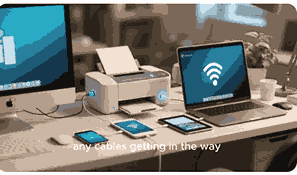
When it comes to offices, schools, businesses, or print shops, one of the most important decisions is choosing the best printer for high-volume printing. This type of printer must combine speed, durability, large paper handling, and cost-effectiveness in order to handle thousands of pages every month without breaking down or producing poor results. High-volume printing requires machines that balance professional quality with affordable maintenance and efficiency. To make the right decision, it is essential to understand what a printer is, how high-volume printers work, and which models perform best under heavy workloads.
What Is A Printer?
A printer is an electronic device that takes digital files from a computer, smartphone, or network and produces physical copies on paper or other media. Printers use different technologies such as inkjet, laser, and thermal printing to create images and text. For high-volume printing, the most common types are laser printers and enterprise-level inkjet printers, which are built to produce thousands of pages quickly and at a low cost per page. Printers can also include advanced features such as duplex (double-sided) printing, wireless connectivity, and large-capacity trays, making them suitable for businesses, schools, and organizations with heavy printing demands.
Importance Of High-Volume Printers
High-volume printers are critical in environments where hundreds or thousands of documents must be produced daily. They help reduce downtime, lower printing costs, and improve overall workflow efficiency. Using a printer not designed for bulk printing can result in frequent paper jams, high cartridge expenses, and reduced lifespan. Therefore, selecting a machine specifically built for high-volume use ensures smoother operations and long-term savings.
Key Features Of The Best Printers For High-Volume Printing
The best printers for high-volume printing usually have key features such as: high-speed output of 30–70 pages per minute, large paper tray capacity, duplex printing, and advanced toner or ink systems with low replacement costs. These printers often include connectivity options like Wi-Fi, Ethernet, and mobile printing. Many business printers also feature security tools, touchscreen controls, and energy-saving functions.
Types Of Printers Suitable For High-Volume Printing
Laser Printers
Laser printers are the most popular choice for high-volume printing due to their speed, sharp text quality, and efficiency. They use toner instead of liquid ink, which allows them to handle large print runs without frequent refills.
Business Inkjet Printers
High-end business inkjet printers are also suitable for heavy workloads. They produce excellent color quality, making them ideal for brochures, reports, and marketing materials. Unlike consumer inkjets, business-class models use high-capacity cartridges and fast-drying inks.
Multifunction Printers
Multifunction printers (MFPs) combine printing, scanning, copying, and faxing into one machine, making them versatile for businesses. They save space and offer more value in environments where multiple document-handling tasks are needed.
Benefits Of Using High-Volume Printers
High-volume printers provide speed, cost-efficiency, and reliability. They reduce paper handling with larger trays, lower per-page costs with efficient cartridges, and minimize downtime with durable designs. They also enhance productivity in offices, schools, and industries where printing is essential.
Best Practices For High-Volume Printing
To maximize efficiency, always choose printers with large-capacity toner cartridges or ink tanks, enable duplex printing to save paper, and schedule regular maintenance. Using genuine consumables also helps extend printer life and maintain consistent output quality.
Conclusion
Selecting the best printer for high-volume printing depends on the nature of your workload, budget, and printing requirements. Whether it’s a high-speed laser printer for text-heavy documents or a professional business inkjet for graphics and color reports, the right choice will save time and money while delivering reliable performance. By evaluating features such as speed, durability, and cost per page, businesses and organizations can confidently invest in a printer that meets their long-term needs.
Frequently Asked Questions
1. What Is The Best Printer For High-Volume Printing?
The best printer for high-volume printing is one that combines speed, efficiency, and low cost per page. Typically, large office laser printers are ideal because they can handle thousands of pages monthly with minimal maintenance. Brands such as HP, Canon, Brother, and Epson offer models with speeds ranging from 40 to 70 pages per minute, which makes them reliable for heavy workloads. High-capacity toner cartridges or refillable ink systems reduce costs and downtime, while large paper trays minimize refilling. For color-heavy projects, business inkjet printers with high-yield tanks are excellent. Ultimately, the best option depends on whether your priority is speed, color quality, or long-term cost-effectiveness.
2. Why Are Laser Printers Better For High-Volume Printing?
Laser printers are better for high-volume printing because they use toner powder, which lasts much longer than liquid ink and produces more pages per cartridge. Unlike inkjet printers, they print at much faster speeds, often handling 30–70 pages per minute. They are also more durable, designed to manage thousands of pages per month without frequent breakdowns. Businesses and organizations prefer laser printers because they deliver sharp text, consistent quality, and low cost per page. For bulk black-and-white documents, they are the most cost-efficient option. While color laser printers are more expensive, they still provide better long-term savings compared to inkjet printers in high-volume settings.
3. What Features Should I Look For In A High-Volume Printer?
When choosing a high-volume printer, look for essential features such as high print speed, measured in pages per minute (PPM), and a high monthly duty cycle that indicates durability. Large paper tray capacity is crucial to minimize interruptions. Duplex printing saves paper and increases efficiency. High-capacity cartridges or refillable tanks reduce long-term printing costs. Connectivity features such as Wi-Fi, Ethernet, and mobile printing options improve convenience. Security features like user authentication and encrypted printing are important for offices. Additionally, consider whether you need multifunction capabilities such as scanning and copying. Together, these features ensure the printer can handle heavy printing demands effectively.
4. Which Printer Brands Are Best For High-Volume Printing?
Several top brands are recognized for producing reliable high-volume printers. HP offers both enterprise-level laser and inkjet models with robust features for businesses. Brother is popular for its affordable yet powerful laser printers with low operating costs. Canon provides high-quality multifunction printers suitable for offices, while Epson is known for its EcoTank series, which uses refillable ink tanks for cost efficiency. Xerox specializes in enterprise-grade printers built for massive workloads, making them ideal for corporate environments. Each brand has models tailored to specific needs, whether it’s bulk monochrome printing, professional color documents, or multifunctional office tasks.
5. Are Inkjet Printers Good For High-Volume Printing?
Yes, certain business-class inkjet printers are excellent for high-volume printing, especially those with refillable ink tank systems. Unlike consumer inkjets, which are costly and slow, professional inkjet printers are designed for speed and large capacities. They provide superior color accuracy, making them ideal for marketing materials, reports, and brochures. Epson EcoTank and Canon MegaTank models are examples that can print thousands of pages per refill. However, inkjets may not be as fast as laser printers when printing plain text documents in bulk. If your workload is color-heavy, a business inkjet may be a better choice than a monochrome laser.
6. How Much Does A High-Volume Printer Cost?
The cost of a high-volume printer varies depending on its features, brand, and type. Entry-level business laser printers can start around $200–$300, while high-end enterprise models may cost $1,000 or more. Color laser printers and multifunction devices tend to be more expensive. Business inkjet printers with refillable ink tanks often cost between $250 and $700. Beyond the initial purchase, ongoing expenses such as toner, ink, and maintenance should also be considered. Although high-volume printers may seem costly upfront, they save money in the long run by reducing the cost per page and lasting longer than consumer-grade printers.
7. What Is The Monthly Duty Cycle Of A High-Volume Printer?
The monthly duty cycle refers to the maximum number of pages a printer can handle in a given month without excessive wear. High-volume printers typically have duty cycles ranging from 20,000 to over 200,000 pages. For small offices, a printer with a 20,000–50,000-page cycle may be sufficient, while large organizations require devices with higher capacities. It’s important not to exceed this limit regularly, as it can shorten the printer’s lifespan. When choosing a printer, select one with a duty cycle comfortably above your expected monthly usage to ensure consistent performance and avoid frequent breakdowns.
8. Can Multifunction Printers Handle High-Volume Printing?
Yes, multifunction printers (MFPs) are often designed to handle high-volume printing in addition to scanning, copying, and faxing. Many enterprise-level MFPs offer the same speed and duty cycles as standalone high-volume printers. They are especially beneficial for offices that need multiple functions in one device, reducing the need for separate machines. These printers usually come with high-capacity trays, duplex printing, and secure document management features. However, not all MFPs are suitable for extremely heavy-duty printing, so it’s essential to check their specifications, including duty cycle and monthly print volume recommendations, before purchasing.
9. How Do High-Volume Printers Reduce Printing Costs?
High-volume printers reduce costs by using large-capacity toner cartridges or ink tanks that produce thousands of pages before needing replacement. This lowers the cost per page significantly compared to standard printers. Duplex printing saves paper by automatically printing on both sides. Additionally, these printers are designed to minimize jams and breakdowns, reducing repair costs. Some models include energy-saving modes, cutting electricity expenses. Businesses can also set user permissions and tracking features to prevent unnecessary printing. Over time, the combination of efficiency, durability, and lower consumable costs makes high-volume printers a cost-effective investment for organizations of all sizes.
10. Are Color Laser Printers Good For High-Volume Printing?
Color laser printers are excellent for high-volume printing when businesses require consistent color quality at high speeds. They produce sharp, professional-grade documents, making them suitable for reports, presentations, and marketing materials. While they are more expensive to purchase and maintain than monochrome lasers, they provide greater durability than consumer inkjets for color-heavy workloads. High-capacity toner cartridges allow thousands of pages per refill, reducing interruptions. Color lasers also handle higher monthly duty cycles, making them dependable for organizations with heavy printing demands. However, if your printing is mostly text-based, a monochrome laser may be more cost-efficient.
11. What Is The Difference Between A Regular Printer And A High-Volume Printer?
The main difference between a regular printer and a high-volume printer is their capacity, durability, and cost per page. Regular printers are designed for home or light office use, typically handling only a few hundred pages per month. They have smaller paper trays, slower print speeds, and higher running costs. High-volume printers, on the other hand, are engineered to handle thousands of pages monthly. They come with large paper capacities, high-speed printing, and long-lasting cartridges or toner. These machines are built for efficiency, reliability, and cost savings, making them essential for businesses and institutions with heavy printing needs.
12. Do High-Volume Printers Work With Wireless Printing?
Yes, most modern high-volume printers support wireless printing, making them highly convenient for offices and organizations. Wireless connectivity allows users to print from laptops, smartphones, and tablets without being directly connected via cables. Many models are compatible with Wi-Fi Direct, Apple AirPrint, and Google Cloud Print, enabling seamless integration with digital devices. This feature is especially useful in workplaces where multiple employees share a printer. In addition to Wi-Fi, most high-volume printers also support Ethernet connections for stable network printing. Wireless printing increases flexibility and improves workflow, making it an essential feature in today’s high-volume printing environments.
13. How Fast Should A High-Volume Printer Be?
A good high-volume printer should have a print speed of at least 30–70 pages per minute (PPM) depending on your workload. For text-heavy environments such as schools, offices, or corporate settings, faster speeds above 50 PPM are ideal. High-speed printers reduce bottlenecks, save time, and improve productivity. The fastest enterprise models can exceed 100 PPM, making them suitable for large organizations and print shops. Speed is one of the most critical features of a high-volume printer, but it should also be balanced with quality, paper capacity, and overall cost efficiency to ensure long-term reliability and performance.
14. What Paper Capacity Should A High-Volume Printer Have?
High-volume printers should have large paper capacities, typically ranging from 500 to several thousand sheets. This minimizes interruptions by reducing the need to constantly refill trays. For small to mid-sized offices, a printer with two 250-sheet trays may be enough, while large enterprises often require multiple high-capacity trays or optional add-ons. Some high-end printers include automatic feeders that handle thousands of pages, making them ideal for bulk jobs. Choosing a printer with sufficient capacity ensures smoother workflows, saves time, and reduces frustration in environments where continuous, large-scale printing is required.
15. How Long Do High-Volume Printers Last?
High-volume printers are designed for durability, often lasting 5–10 years with proper care and maintenance. Their lifespan depends on usage, environment, and the quality of consumables used. Enterprise models built for continuous operation can handle millions of pages over their lifetime. Regular maintenance, firmware updates, and the use of genuine toner or ink help extend longevity. Unlike consumer-grade printers, which may break down after a few thousand pages, high-volume printers are built to withstand constant workloads. Investing in a high-quality model ensures reliability, long-term savings, and reduced downtime in demanding business or institutional environments.
16. Are Refillable Ink Tank Printers Good For High-Volume Printing?
Yes, refillable ink tank printers, such as Epson EcoTank and Canon MegaTank, are excellent for high-volume printing. These printers use large refillable tanks instead of small cartridges, allowing them to produce thousands of pages before needing more ink. This dramatically reduces cost per page compared to traditional inkjets. They are particularly beneficial for businesses or schools that print large amounts of color documents. While not as fast as high-end laser printers, refillable tank printers balance quality and affordability, making them a strong choice for organizations with frequent but budget-conscious high-volume printing needs.
17. Do High-Volume Printers Require A Lot Of Maintenance?
High-volume printers require regular maintenance, but they are designed to withstand heavy use with minimal issues. Common tasks include replacing toner or ink, cleaning print heads, and checking for worn parts. Many models come with automated maintenance alerts that notify users when servicing is needed. Compared to standard printers, high-volume machines are more durable, with stronger rollers and internal parts. Businesses should also schedule occasional professional servicing to ensure consistent performance. When properly maintained, these printers last longer, reduce downtime, and remain cost-efficient, making them a reliable investment for organizations with constant printing demands.
18. Can High-Volume Printers Print On Both Sides Automatically?
Yes, most high-volume printers are equipped with automatic duplex printing, allowing them to print on both sides of a sheet without manual intervention. This feature saves paper, reduces costs, and supports environmentally friendly practices. Duplex printing is especially useful in offices and institutions that produce reports, booklets, or large batches of documents. High-volume printers are built to perform this task quickly and efficiently without slowing down overall print speed. Choosing a printer with this feature not only improves efficiency but also contributes to sustainability by minimizing paper waste in high-demand printing environments.
19. Are High-Volume Printers Suitable For Schools And Universities?
Yes, high-volume printers are ideal for schools, colleges, and universities where large amounts of documents, exams, assignments, and administrative paperwork need to be produced. They provide fast output, large tray capacities, and cost-efficient printing, making them practical for educational institutions. These printers help reduce costs for schools by using high-capacity toner or ink tanks that last longer. Multifunction models also allow scanning, copying, and faxing, which are beneficial for faculty and administrative staff. Their reliability ensures that institutions can handle daily printing needs without constant breakdowns or interruptions, supporting productivity in academic settings.
20. What Security Features Do High-Volume Printers Offer?
High-volume printers often come with advanced security features to protect sensitive documents and data. These may include user authentication, secure PIN printing, encrypted connections, and access controls that prevent unauthorized use. Businesses handling confidential information benefit from these protections, ensuring compliance with privacy standards. Some models also provide audit trails and monitoring tools to track usage. In corporate or institutional environments, these features are essential to safeguard information while maintaining efficiency. Investing in a secure high-volume printer helps organizations protect both their data and their workflow against potential risks.
FURTHER READING
- Why Is My Printer Showing Error Messages? | Common Causes, Fixes, And Troubleshooting Guide For Printer Errors
- How To Add A Printer To Google Cloud Print | Setup, Configuration, And Troubleshooting Guide For Google Cloud Printing
- What Is A Virtual Printer? | Definition, Meaning, Uses, Benefits, Setup, Of Virtual Printer And How It Works
- Can I Scan Documents Without A Printer? | Best Ways To Scan Without A Printer For Free
- How To Print A Test Page From A Printer | Easy Guide To Printer Test Page Printing And Troubleshooting
- How To Fix A Printer Printing Too Dark | Troubleshooting And Easy Solutions For Printer Quality Issues
- What Is A Printer Test Page? | Definition, Purpose, Benefits, And Troubleshooting Guide To Printer Test Pages
- Why Is My Printer Printing Extra Blank Pages? | Causes, Fixes, And Troubleshooting Guide
- How To Connect A USB Printer To Wi-Fi | Simple Setup Guide For Wireless Printing
- Why Is My Printer Not Printing From My Phone? | Common Mobile Printing Problems And Fixes For Wireless Printers