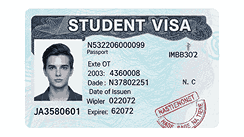
What Is A Student Visa?
A student visa is an official document or permit issued by a country that allows foreign nationals to enter, stay, and study at an accredited educational institution for a specified period. Student visas are designed to facilitate international education while maintaining compliance with immigration laws. These visas often come with certain conditions, including restrictions on work hours, type of employment, and duration of stay. Understanding the terms and regulations of a student visa is crucial for international students to avoid legal complications, maintain their visa status, and successfully complete their studies. Many countries, including the United States, Canada, the United Kingdom, and Australia, offer student visas with specific guidelines on permitted work, both during term time and holidays.
Student Visa Work Regulations During Holidays
Most countries allow students on a valid student visa to work part-time during holiday periods. The primary purpose of this provision is to give students an opportunity to earn extra income and gain practical experience without affecting their academic responsibilities. Work restrictions may vary depending on the country and the type of educational program. For example, some countries permit students to work full-time during officially recognized vacations while restricting work hours during the academic term. Understanding these rules, including maximum weekly hours, eligible employment sectors, and required approvals, ensures compliance with immigration authorities and prevents violations that could jeopardize a student’s visa status.
Eligibility Criteria For Working On A Student Visa
Eligibility to work while on a student visa depends on several factors, including the student’s enrollment status, visa type, and duration of study. Most countries require students to be enrolled in full-time courses at recognized institutions. Part-time or short-term students may have limited or no work rights. Additionally, certain visa subclasses explicitly permit work during holidays, whereas others may require additional permissions from immigration authorities. Students must also consider any restrictions on the type of work they can undertake, such as on-campus employment versus off-campus opportunities. Knowing these criteria is essential to balance academic commitments with work responsibilities while maintaining legal compliance.
Benefits Of Working Part-Time During Holidays
Working part-time during holiday periods offers numerous benefits for international students. Financially, it provides supplemental income to cover living expenses, tuition, or other personal costs. Professionally, holiday work can help students gain practical experience, develop transferable skills, and build a network within their field of interest. Socially, employment allows students to integrate into the local community, improve language proficiency, and understand workplace culture. Furthermore, managing part-time work alongside studies teaches time management and responsibility, which are valuable skills for post-graduation employment. These advantages make working during holidays a practical and enriching option for eligible student visa holders.
Limitations And Restrictions On Holiday Work
While student visas often allow work during holidays, there are important limitations. Work must not interfere with academic performance or violate visa conditions. Certain countries restrict the number of hours a student can work per week, even during vacation periods, to prevent exploitation. Some types of employment, such as self-employment or independent contracting, may be prohibited. Violating these restrictions can result in fines, visa revocation, or deportation. Students should always check official immigration guidelines, maintain accurate records of employment, and ensure employers are aware of visa limitations. Being fully informed about these restrictions helps students maximize opportunities while avoiding legal issues.
Steps To Legally Work On A Student Visa During Holidays
To work legally during holidays, students must follow specific procedures. First, they should review their visa conditions to confirm work eligibility. Second, obtaining necessary permits or approvals from immigration authorities may be required, depending on the country. Third, students should search for eligible employment opportunities that comply with their visa conditions, such as on-campus jobs or positions in approved sectors. Fourth, maintaining accurate documentation, including pay stubs and contracts, is essential for compliance. Finally, students should remain informed about changes to immigration rules and consult their university’s international student office for guidance. Following these steps ensures a safe and legal working experience.
Taxation And Legal Obligations For Student Workers
Students working on a holiday basis must be aware of taxation and other legal obligations. Earnings from part-time employment may be subject to income tax, and students may need to register with the relevant tax authorities. Compliance with labor laws, including minimum wage, work hours, and workplace safety regulations, is mandatory. Additionally, students should report their employment status to their educational institution if required. Understanding tax obligations and employment rights ensures financial and legal security while avoiding penalties. Many universities provide guidance on taxation and record-keeping for student employees, making it easier to manage work-related responsibilities alongside academic commitments.
Strategies To Balance Work And Studies During Holidays
Balancing part-time work with academic responsibilities requires planning and discipline. Students should prioritize time management, set realistic work schedules, and communicate availability with employers. Scheduling work around study sessions and academic deadlines helps maintain performance. Developing strong organizational skills and leveraging productivity tools can minimize stress and maximize efficiency. Additionally, students should maintain a healthy work-life balance, ensuring sufficient rest and personal time. Seeking support from academic advisors, career centers, or fellow students can provide guidance and practical solutions. Proper planning allows students to gain work experience and financial benefits without compromising their studies or well-being.
Conclusion
Working part-time on a student visa during holidays can be an excellent opportunity for international students to earn extra income, gain professional experience, and integrate into a new culture. Understanding eligibility, visa restrictions, taxation, and work conditions is essential to ensure compliance and a positive experience. With proper planning, students can balance their academic commitments and employment effectively, enhancing their personal and professional growth. Observing legal requirements and maintaining communication with immigration authorities and educational institutions ensures a secure and rewarding holiday work experience for student visa holders.
Frequently Asked Questions
1. Can I Work Part-Time On A Student Visa During Holidays?
Yes, in many countries, students on valid student visas can work part-time during official holiday periods. The allowed work hours and conditions depend on the specific visa type and country. Typically, full-time students at accredited institutions are eligible, but restrictions may apply for part-time students. Holiday work allows students to earn supplemental income and gain practical experience without affecting their academic performance. It is crucial to verify the permitted number of hours, type of employment, and any required approvals from immigration authorities. Violating work restrictions can lead to fines, visa cancellation, or deportation. Students should consult their university’s international office for guidance.
2. How Many Hours Can I Work On A Student Visa During Holidays?
Work hours allowed on a student visa during holidays vary by country. Some countries permit full-time work, while others impose a weekly maximum, often ranging from 20 to 40 hours. Restrictions depend on visa type and academic status. Monitoring work hours is essential to avoid legal issues and visa violations. Employers should be informed of visa limitations to ensure compliance. Students must also balance work with study commitments and maintain adequate rest. Official immigration websites and university international offices provide accurate guidance on permitted work hours. Planning schedules effectively helps students gain experience and earn income without jeopardizing their visa status.
3. Are There Restrictions On The Type Of Work I Can Do?
Yes, student visas often restrict the type of work that students can undertake. On-campus employment is usually permitted, while off-campus work may require approval. Certain jobs, such as self-employment, freelance work, or high-risk industries, might be prohibited. Employment must comply with labor laws and visa regulations. Consulting official guidelines ensures that students remain in good standing. Choosing permitted work types allows students to gain relevant experience, earn income, and maintain legal compliance. Failure to adhere to these restrictions could result in visa penalties. Universities often provide guidance on eligible job sectors for student visa holders.
4. Do I Need Special Permission To Work During Holidays?
Some countries require students to obtain additional permission before working during holidays. This could include notifying immigration authorities, applying for a work permit, or meeting specific visa conditions. Not all student visas automatically allow work beyond campus or a set number of hours. Checking official requirements prevents legal complications and ensures compliance. Universities’ international offices can assist in understanding permission requirements and application procedures. Following these steps helps students legally maximize holiday work opportunities and gain valuable experience without risking their visa status or academic progress.
5. Can International Students Work Full-Time During Holidays?
In many countries, full-time work during recognized holidays is permitted for international students on valid student visas. However, full-time work may still be limited by total weekly hours, visa type, or employment sector restrictions. Students must balance work with academic responsibilities and comply with labor laws. Maintaining documentation and confirming eligibility ensures legal protection. Some countries may require formal approval or registration with immigration authorities before full-time work. Awareness of these rules allows students to earn extra income, gain professional experience, and enjoy holiday periods responsibly while maintaining compliance with visa regulations.
6. Is On-Campus Work Different From Off-Campus Work?
Yes, on-campus work is typically more accessible and may have fewer restrictions compared to off-campus employment. Many countries allow students to work on-campus without special permits, while off-campus work may require additional approvals or compliance with stricter regulations. On-campus jobs often align with student schedules, facilitating balance between work and studies. Off-campus opportunities may offer higher income or different experience but require careful attention to visa conditions. Understanding the differences helps students make informed decisions, gain relevant experience, and remain compliant with immigration rules. Universities usually provide listings for on-campus job opportunities.
7. Will Working Affect My Student Visa Status?
Working within permitted hours and conditions does not affect a student visa status. However, violating work restrictions, exceeding allowed hours, or working in prohibited sectors can jeopardize the visa. Compliance with immigration rules, proper documentation, and transparent communication with employers are essential. Following official guidelines ensures that students can benefit from part-time or holiday work without risking their residency status. Universities’ international offices can provide support and advice on safe employment practices. Maintaining legal work status is critical for completing studies successfully and for potential future visa or work opportunities.
8. How Can I Find Legal Work During Holidays?
Legal work opportunities can be found through university job boards, career centers, online job platforms, or recruitment agencies. On-campus employment is often the easiest option, while off-campus work requires verifying visa eligibility and employer compliance. Networking with local businesses and joining student associations can also help identify opportunities. Ensuring that the employment adheres to visa conditions and labor laws is critical. Universities frequently provide guidance, workshops, and resources to help international students secure legal and suitable holiday employment. Researching and applying early increases the chances of finding compliant, rewarding work experiences.
9. Do I Have To Pay Taxes On Holiday Work Earnings?
Yes, most countries require students to pay taxes on income earned while working during holidays. Registration with tax authorities and proper record-keeping of income are often mandatory. Students may also be eligible for tax deductions or rebates, depending on local laws. Compliance ensures legal protection and prevents fines or penalties. Understanding taxation rules, reporting obligations, and filing procedures is essential. Universities may provide tax guidance and support for international students. Staying informed and maintaining accurate financial records allows students to legally manage earnings from holiday employment while fulfilling their fiscal responsibilities.
10. Can Working During Holidays Improve My Career Prospects?
Yes, part-time or holiday work can significantly enhance career prospects. Students gain practical experience, develop transferable skills, and build professional networks. Work experience demonstrates initiative, responsibility, and adaptability to future employers. Internships or jobs related to the student’s field of study are especially valuable. International students can also gain cultural awareness and language proficiency, which are highly regarded in the global job market. Balancing work and academics showcases time management and dedication, adding to a strong resume. Legal, compliant holiday work thus contributes both financially and professionally, preparing students for post-graduation opportunities.
11. Are There Risks Involved With Working On A Student Visa?
Yes, risks include violating visa conditions, exceeding allowed hours, working in unauthorized sectors, and potential exploitation by employers. Such infractions can result in fines, visa cancellation, or deportation. Additionally, overworking may impact academic performance or personal well-being. Students must understand immigration rules, maintain employment records, and choose reputable employers. Awareness of labor rights, workplace regulations, and visa restrictions is essential to minimize risks. Universities’ international offices often provide guidance on safe and legal work practices. Careful planning and informed decision-making help students benefit from holiday employment while mitigating potential risks.
12. How Do I Know If My Visa Allows Holiday Work?
The student visa document and accompanying regulations specify work rights, including holiday employment eligibility. Immigration authority websites and official guidance provide detailed information about permitted work hours, sectors, and conditions. Students should verify eligibility before seeking employment to prevent legal issues. University international student offices can assist in interpreting visa permissions and provide support for compliance. Understanding visa terms ensures students can legally work during holidays and maintain proper status, avoiding fines, sanctions, or visa revocation. Staying informed about updates or changes to immigration rules is also crucial.
13. Can I Work Remotely On A Student Visa During Holidays?
Remote work is generally allowed if it complies with visa restrictions and labor laws. Students must ensure the work is legally permissible, does not violate maximum allowed hours, and the employer is aware of visa limitations. Cross-border remote work may have additional tax or regulatory considerations. Students should consult immigration authorities or university advisors to confirm compliance. Remote holiday work provides flexibility, additional income, and valuable experience while maintaining legal and academic responsibilities. Staying informed about rules governing remote employment ensures a smooth and compliant working arrangement.
14. Are There Age Restrictions For Holiday Work On A Student Visa?
Age restrictions may apply depending on the country’s labor laws and visa regulations. Some countries require students to be over a certain age to work full-time, while others limit the type of employment for younger students. Compliance with both visa and labor law age requirements is essential. Understanding these limitations ensures students can participate legally in holiday work opportunities. University resources and official immigration guidance provide clarity on age-related work eligibility, helping students find suitable employment options within legal frameworks.
15. How Can I Balance Studies And Holiday Work?
Balancing studies and holiday work requires careful time management and planning. Students should create structured schedules, prioritize academic deadlines, and communicate work availability with employers. Using productivity tools, setting realistic goals, and maintaining a healthy work-life balance helps prevent burnout. Seeking support from academic advisors, career counselors, or fellow students can provide strategies to manage both responsibilities effectively. Prioritizing rest, study, and work ensures students gain professional experience without compromising academic performance. Planning ahead allows for a smooth and productive holiday work period.
16. Can I Change Jobs During Holiday Breaks?
Yes, students can change jobs during holiday breaks, provided each employment opportunity complies with visa restrictions. Ensuring new jobs meet legal work hours, sector eligibility, and documentation requirements is critical. Students must also consider overlapping work schedules, potential conflicts with academic obligations, and employer notification procedures. Proper planning and adherence to immigration regulations help students transition smoothly between jobs while maintaining legal status and optimizing work experience during holiday periods.
17. Are International Students Protected Under Labor Laws?
Yes, international students working legally are protected under labor laws, including minimum wage, workplace safety, and anti-discrimination regulations. Knowing these rights ensures students are treated fairly and prevents exploitation. Violations by employers can be reported to relevant authorities. Universities often provide resources, workshops, and support to help students understand labor protections. Awareness and enforcement of these rights contribute to a safe, legal, and positive work experience while on a student visa. Compliance with labor laws and visa regulations protects students’ legal status and overall well-being.
18. Can I Extend My Holiday Work Authorization?
Extension of holiday work authorization depends on visa type and country regulations. Some countries allow extensions if the student continues to meet eligibility criteria, while others strictly limit work duration. Applying for extension may require submission of documentation, proof of enrollment, and employer confirmation. Students should consult immigration authorities and university advisors before planning extended employment. Proper procedures ensure legal compliance and prevent negative impacts on visa status. Understanding extension rules allows students to maximize opportunities while remaining within the legal framework.
19. Do All Student Visas Allow Holiday Work?
Not all student visas allow holiday work. Eligibility depends on visa subclass, country, and academic program. Some visas restrict off-campus work, limit hours, or require additional permits. Students must carefully review their visa conditions to understand permitted work opportunities. Universities’ international offices and immigration authorities provide guidance to clarify which visas allow holiday employment. Knowing the specific rules ensures students do not engage in unauthorized work, protecting their visa status and academic progress. Adhering to visa conditions is essential for a smooth and legal holiday work experience.
20. Can Holiday Work Lead To Permanent Job Opportunities?
Yes, holiday work can potentially lead to permanent employment after graduation. Gaining practical experience, building a professional network, and demonstrating skills can improve job prospects. Students may receive recommendations or offers from employers they worked with during holidays. Legal compliance, strong performance, and professionalism are critical in turning temporary work into long-term career opportunities. Students should maintain good records, cultivate relationships, and leverage skills acquired during holiday employment to enhance post-graduation career prospects. Experience gained legally and responsibly provides a competitive advantage in the job market.
FURTHER READING
- Can I Work Full-Time On A Student Visa During Holidays?
- Do I Need A Sponsor For A Student Visa?
- What Is The Difference Between A Student Visa And A Work Visa?
- Can I Get A Scholarship With A Student Visa?
- What Are The Steps To Apply For A Student Visa?
- Can I Apply For A Student Visa While On A Tourist Visa?
- Can A Student Visa Be Transferred To Another Country?
- How Long Can I Stay On A Student Visa After Graduation?
- Can I Study Part-Time On A Student Visa?
- Can I Stay On A Student Visa After Graduation?
- Can A Student Visa Holder Apply For Citizenship?