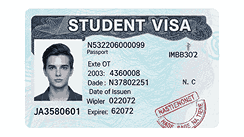
What Is A Student Visa?
A student visa is an official immigration document issued by a government that allows international students to study in an accredited educational institution within that country. It is generally tied to the duration of a study program, meaning that the visa is valid for as long as the academic course lasts. Student visas come with specific conditions, such as restrictions on employment, proof of financial support, and maintaining full-time enrollment. For instance, countries like the United States, Canada, the United Kingdom, and Australia have their own student visa categories with varying requirements. Understanding the rules surrounding a student visa is essential, especially for students who may need more time to complete their studies or wish to explore extension options.
Why Is A Student Visa Important For International Students?
A student visa is important because it provides international students with legal permission to reside and study in a foreign country. Without it, students Student Visa ExtensionStudent Visa Extensionwould not be able to attend classes, access resources, or legally stay for the duration of their academic program. A valid visa also ensures that students can work within permitted limits, apply for internships, or participate in cultural exchange opportunities. It acts as proof of legitimacy when dealing with government agencies, universities, and landlords. Additionally, compliance with student visa requirements safeguards a student’s immigration record, which can impact future visa applications for work or permanent residency. In essence, the student visa is not just a document; it is a gateway to education and long-term career opportunities abroad.
Common Types Of Student Visas Around The World
Different countries have their own categories of student visas, each tailored to suit the needs of international learners. For example, the United States offers the F-1 visa for full-time academic students, the M-1 visa for vocational studies, and the J-1 visa for exchange programs. In Canada, the Study Permit allows students to study in designated learning institutions. The United Kingdom issues the Tier 4 (General) Student Visa for higher education and the Child Student Visa for minors. Australia provides the Subclass 500 visa for all levels of education. Each type of visa comes with its own duration, conditions, and extension requirements. Knowing the specific type of student visa is crucial for determining eligibility for an extension.
Reasons Why A Student Visa May Need To Be Extended
There are several reasons why an international student may need to extend their visa. Sometimes, a student may require additional time to complete their course due to academic delays, health issues, or changes in their study program. In other cases, students may want to pursue further studies, such as moving from a bachelor’s program to a master’s program. Visa extension is also necessary when a student takes a research-based degree that exceeds the initially estimated duration. Additionally, unforeseen circumstances such as global events, pandemics, or natural disasters can disrupt studies, making an extension necessary. Without a valid extension, staying beyond the permitted period could result in legal issues, fines, or even deportation.
Eligibility Requirements For A Student Visa Extension
To qualify for a student visa extension, applicants must meet specific eligibility criteria set by the host country. Typically, students must prove that they are still enrolled in an accredited institution, have satisfactory academic progress, and can financially support themselves. Immigration authorities also require proof of tuition payment and a valid passport with sufficient validity. Some countries may ask for updated medical examinations, police clearance certificates, or biometric information. The eligibility criteria often emphasize that the extension request should be genuine and aligned with academic goals. Students who fail to maintain full-time status, have disciplinary issues, or lack financial stability may find it difficult to get approval. Meeting all requirements is essential to avoid rejection.
How To Apply For A Student Visa Extension
Applying for a student visa extension usually involves a series of official steps. First, students should contact their school’s international office for guidance and documentation, such as confirmation of enrollment and an updated academic transcript. Then, applicants must submit the extension application to the immigration authority of the host country, either online or through a paper form. Supporting documents such as a valid passport, proof of finances, health insurance, and visa fee payment are required. Some countries may require students to attend an interview or provide biometrics. It is advisable to apply several months before the current visa expires, as delays in processing could jeopardize legal status. Following all steps carefully increases approval chances.
Documents Required For Student Visa Extension Applications
When applying for a student visa extension, having the correct documents is critical. Commonly required items include a valid passport, proof of enrollment from the educational institution, academic transcripts, and a letter explaining the need for the extension. Financial documents such as bank statements or sponsorship letters are also essential to prove the ability to cover living costs and tuition fees. Many countries require evidence of health insurance coverage that remains valid during the extended stay. Other supporting documents may include accommodation details, proof of previous visa compliance, and payment of visa application fees. Missing or incomplete documents can cause delays or rejection, so careful preparation is necessary.
Challenges Faced During Student Visa Extension Applications
Extending a student visa can be a challenging process for many international students. Common difficulties include lengthy processing times, strict eligibility requirements, and the risk of rejection if documentation is incomplete. Financial proof is often a major hurdle, as immigration authorities require clear evidence that students can support themselves without relying heavily on illegal work. Language barriers, lack of knowledge about immigration rules, and sudden changes in policy also complicate applications. Furthermore, some students may face difficulties if their academic performance has been poor or if they changed courses frequently. Staying informed about the requirements and seeking assistance from the school’s international office can help overcome these challenges.
Cost Of Extending A Student Visa
The cost of extending a student visa varies depending on the country and type of visa. In most cases, applicants must pay an extension fee ranging from $100 to $600. Additional expenses may include biometric fees, health insurance renewal, medical examinations, and administrative charges from the school or immigration consultants. Failure to pay the fees on time can result in application rejection. Students should budget for these costs in advance to avoid financial stress. It is also important to remember that the visa extension fee is usually non-refundable, even if the application is denied. Understanding the financial aspect of the extension process helps students prepare adequately.
Processing Time For Student Visa Extensions
Processing times for student visa extensions differ from one country to another. In some cases, applications may be processed within a few weeks, while in others it may take several months. Factors influencing the duration include the number of applications received, the complexity of the case, and the completeness of submitted documents. Applying early is crucial to avoid overstaying the visa while waiting for approval. Some immigration authorities provide expedited services at an additional cost, which can be beneficial for urgent cases. Checking official immigration websites regularly for updates ensures that students remain informed about timelines and any possible changes in processing times.
Impact Of Visa Expiry On International Students
Allowing a student visa to expire without securing an extension can have serious consequences. Students who overstay their visas may face fines, deportation, or bans from re-entering the country in the future. It can also damage a student’s immigration record, making it difficult to obtain work visas, residency permits, or future student visas. Expired visas can also limit access to healthcare, housing, and banking services. Furthermore, students may lose their enrollment status if their immigration status becomes invalid. To avoid these issues, students should apply for extensions well in advance and follow all immigration rules carefully. Maintaining legal status is vital for educational and career success.
Alternatives To Student Visa Extensions
For students who cannot extend their visas, alternative options may exist. One option is switching to a different type of visa, such as a work visa, research visa, or dependent visa if eligible. Another alternative is applying for a new student visa by enrolling in a different course or program. Some countries also offer post-graduation work permits, which allow students to remain and gain work experience. If extension or alternative visas are not possible, students may need to return home and reapply later. Consulting with immigration authorities or legal experts is essential to explore the best available alternative based on personal and academic circumstances.
Consequences Of Visa Extension Rejection
If a student visa extension application is rejected, it can create significant challenges. Students may be required to leave the country immediately, disrupting their education and personal plans. In some cases, rejection may also affect future visa applications, as immigration authorities may view the student’s history as a risk factor. Common reasons for rejection include insufficient financial proof, incomplete documents, poor academic performance, or failure to meet eligibility requirements. Students facing rejection should consult immigration lawyers or seek advice from their institution’s international office to understand appeal options or alternative pathways. Being proactive and thorough in applications helps reduce the risk of rejection.
How To Avoid Rejection Of Student Visa Extension Applications
Avoiding rejection requires careful preparation and strict compliance with immigration requirements. Students should start by ensuring that all documents are accurate, complete, and up-to-date. Financial proof must clearly demonstrate the ability to cover living expenses and tuition fees. Maintaining a strong academic record and full-time enrollment is also essential. Applying early and paying attention to deadlines helps prevent delays. Seeking assistance from immigration consultants, university advisors, or legal experts can also improve the chances of approval. Transparency and honesty in the application process are critical, as providing false information can lead to permanent bans. By being diligent, students can greatly minimize rejection risks.
Role Of Educational Institutions In Student Visa Extensions
Educational institutions play a key role in the student visa extension process. Universities and colleges often provide the necessary documents such as confirmation of enrollment, academic transcripts, and support letters for extension applications. They may also offer guidance through international student offices, where trained staff assist students with application procedures and deadlines. Institutions sometimes liaise directly with immigration authorities to confirm student status and ensure compliance. Additionally, they may provide counseling and workshops to help students understand visa regulations and avoid legal problems. The support of educational institutions significantly reduces stress and helps students navigate the complex extension process more effectively.
How Immigration Policies Affect Student Visa Extensions
Immigration policies have a direct impact on student visa extension opportunities. Changes in government regulations, security measures, or international relations can alter visa rules, making extensions easier or more difficult. For example, stricter immigration policies may require additional documentation, while more flexible policies may encourage international education by simplifying extensions. Political climates, economic conditions, and global events such as pandemics also influence how immigration laws are enforced. Students must stay updated with policy changes through official immigration websites, news sources, and university international offices. Being aware of evolving policies helps students prepare in advance and adjust their extension plans accordingly.
Importance Of Legal Advice In Visa Extension Applications
Seeking legal advice during the student visa extension process can be highly beneficial. Immigration lawyers or consultants have expertise in understanding complex visa regulations and can provide personalized guidance. They help students prepare accurate documents, avoid common mistakes, and present strong cases to immigration authorities. In situations where an extension application is rejected, legal experts can assist with appeals or explore alternative visa options. While hiring legal professionals may involve additional costs, the investment often increases the likelihood of approval. Students dealing with unique challenges, such as academic delays, medical issues, or visa violations, particularly benefit from professional legal support.
Conclusion
Extending a student visa is a critical step for international students who need more time to complete their studies or pursue further academic opportunities. The process involves strict eligibility requirements, detailed documentation, and adherence to immigration policies. By preparing thoroughly, maintaining academic progress, and seeking professional guidance when necessary, students can improve their chances of securing an extension. Applying early, understanding alternatives, and staying informed about immigration policies ensure that students remain in legal status throughout their studies. Ultimately, successful visa extension applications safeguard educational opportunities and open pathways for future academic and career growth.
Frequently Asked Questions
1. Can A Student Visa Be Extended?
Yes, a student visa can be extended in most countries if the applicant meets the eligibility requirements and provides the necessary documentation. Extensions are usually granted to students who need additional time to complete their academic program, pursue higher education, or handle unexpected delays. The process involves submitting an application to the immigration authority before the current visa expires, along with supporting documents such as proof of enrollment, financial evidence, and valid health insurance. Approval depends on meeting all requirements, maintaining full-time study status, and demonstrating that the request is genuine. Applying early helps avoid legal issues and ensures uninterrupted academic progress.
2. What Are The Eligibility Requirements For Extending A Student Visa?
Eligibility requirements for extending a student visa typically include proof of enrollment in an accredited institution, evidence of satisfactory academic progress, and financial documentation showing the ability to cover living expenses and tuition. Applicants must also provide a valid passport, proof of health insurance, and in some cases, updated medical or police clearance certificates. Immigration authorities may require biometric data or interviews to confirm eligibility. Failure to meet these conditions can result in application denial. Students should review their host country’s immigration policies carefully, as requirements vary. Meeting all criteria increases the likelihood of a successful extension and continued academic study abroad.
3. How Long Can A Student Visa Extension Last?
The duration of a student visa extension depends on the country and the length of the study program. In many cases, the extension matches the remaining period of study, ranging from several months to multiple years. For example, students completing research degrees may be granted longer extensions compared to those in short-term courses. Some countries also allow visa extensions that cover additional preparation or internship periods. However, immigration authorities usually set strict limits, and extensions beyond the official academic duration are rare. Students should always apply with accurate information about their study timeline to receive an appropriate extension.
4. What Documents Are Needed For A Student Visa Extension?
To apply for a student visa extension, applicants must prepare several documents, including a valid passport, proof of enrollment from their educational institution, academic transcripts, and a formal letter requesting the extension. Financial documents such as bank statements, scholarship letters, or sponsorship confirmation are required to demonstrate the ability to pay tuition and living costs. Proof of health insurance valid for the extended period is also necessary. Some countries may ask for police clearance or medical examination certificates. Missing or incorrect documents can lead to rejection, so careful preparation is essential. Consulting the university’s international office helps ensure all requirements are met.
5. How Much Does It Cost To Extend A Student Visa?
The cost of extending a student visa varies widely depending on the country. Fees generally range from $100 to $600, but additional expenses such as biometric fees, health insurance renewal, medical examinations, and administrative charges may apply. Universities sometimes charge service fees for assisting with paperwork. It is important to remember that visa application fees are typically non-refundable, even if the application is denied. Students should budget for all possible expenses in advance to avoid financial stress. Checking the official immigration authority’s website ensures accurate information about fees and payment methods, preventing unnecessary delays or complications during the application process.
6. When Should I Apply For A Student Visa Extension?
Students are advised to apply for a visa extension several months before their current visa expires. Early application reduces the risk of overstaying and allows time for processing delays. Many countries recommend applying at least 30 to 90 days before expiration. Waiting until the last minute can result in rejection or legal complications if the visa expires while the application is still pending. Universities usually provide guidance on deadlines and help students prepare documents in time. Planning ahead ensures that students maintain legal status throughout their studies and avoid unnecessary stress or interruptions in their academic journey.
7. What Happens If My Student Visa Expires Before I Apply For An Extension?
If a student visa expires before applying for an extension, the student may be considered out of status and could face serious consequences, including fines, deportation, or bans on re-entry. Overstaying can also negatively affect future visa applications, making it harder to obtain work or residency permits. Some countries allow a short grace period for students to apply, but this is not guaranteed. In such situations, students should contact immigration authorities immediately for guidance. It is always best to apply for an extension early, ensuring that legal status is maintained and educational goals are not disrupted by immigration issues.
8. Can A Student Visa Be Extended Multiple Times?
Yes, in many countries a student visa can be extended multiple times, provided the student continues to meet eligibility requirements and maintains full-time enrollment. Each extension request must be supported with valid documentation, including proof of enrollment, financial stability, and academic progress. However, authorities usually impose limits on the total duration of stay for international students, which means indefinite extensions are not allowed. The number of extensions possible also varies by country and visa type. Students planning long-term academic programs should check local immigration policies to ensure they comply with regulations and avoid legal complications.
9. What Are The Reasons For Rejection Of Student Visa Extensions?
Student visa extension applications may be rejected for several reasons. Common causes include incomplete documentation, insufficient financial proof, failure to maintain full-time enrollment, or poor academic performance. Immigration authorities may also deny applications if they suspect fraudulent information or if the student has violated visa conditions in the past. Applying too late or missing deadlines is another frequent reason for rejection. In some cases, rejection may result from changes in immigration policies or government regulations. To minimize risks, students should prepare thoroughly, submit accurate information, and apply early. Seeking assistance from university advisors or legal experts improves approval chances.
10. Can A Student Visa Extension Lead To Permanent Residency?
A student visa extension alone does not directly lead to permanent residency. However, it can play an important role in helping students remain in the country long enough to pursue other immigration pathways. For example, many countries offer post-graduation work permits that allow students to gain work experience, which may later qualify them for residency. In some cases, continuous legal stay through extended student visas can strengthen residency applications. Each country has different rules, so students should explore long-term immigration options early. Consulting immigration experts can help identify opportunities for transitioning from a student visa to permanent residency.
11. Can I Work While My Student Visa Extension Is Processing?
Whether a student can work while a visa extension is processing depends on the host country’s regulations. In many cases, if the extension application is submitted before the current visa expires, students retain the same rights as before, including the ability to work part-time. However, if the visa has already expired, students may lose their legal right to work until a decision is made. Violating work restrictions can result in rejection of the extension and penalties. Students should always check the specific rules outlined by immigration authorities to ensure compliance and avoid jeopardizing both their studies and future opportunities.
12. Do All Countries Allow Student Visa Extensions?
Not all countries permit student visa extensions, and policies vary widely. Some countries, like the United States, Canada, Australia, and the United Kingdom, have structured processes that allow students to extend their visas under specific conditions. Others may require students to return to their home country and apply for a new visa instead. Certain nations have strict limits on the maximum length of stay, making extensions impossible. Students should research immigration laws in their host country before beginning their studies to avoid surprises. Understanding the local rules ensures that students make informed decisions about their academic and immigration plans.
13. What Is The Role Of Universities In The Student Visa Extension Process?
Universities play a critical role in the student visa extension process. They provide official confirmation of enrollment, academic transcripts, and letters of support that immigration authorities require. Many institutions also have dedicated international student offices that guide students through application procedures and deadlines. Advisors can help ensure all documents are correctly prepared and submitted on time. In some cases, universities may liaise directly with immigration authorities to confirm a student’s status. Without institutional support, applying for a visa extension can be challenging. Therefore, students should maintain good communication with their schools and seek guidance throughout the extension process.
14. How Does Academic Performance Affect Student Visa Extensions?
Academic performance has a significant impact on the approval of student visa extensions. Immigration authorities often require proof of satisfactory progress as a condition for extension. Students who fail multiple courses, repeat semesters, or show poor attendance may face rejection, as it raises doubts about the legitimacy of their studies. On the other hand, strong academic records demonstrate commitment and increase approval chances. In cases of academic struggles due to health or personal issues, students should provide supporting documentation. Maintaining consistent performance and addressing challenges early is key to securing visa extensions and continuing education abroad without disruptions.
15. What Are The Alternatives If A Student Visa Extension Is Denied?
If a student visa extension is denied, there are alternative options depending on the host country’s immigration system. One option is to switch to a different type of visa, such as a work permit, research visa, or dependent visa. Some students may reapply for a new student visa by enrolling in another program. In certain countries, appealing the decision is also possible with legal assistance. If no options are available, students may have to return home and reapply later. Exploring alternatives early and seeking professional advice ensures that students continue their educational journey with minimal disruption.
16. How Long Does It Take To Process A Student Visa Extension?
The processing time for a student visa extension varies across countries and depends on several factors. On average, it can take anywhere from a few weeks to several months. Factors affecting the timeline include the number of applications being processed, the completeness of submitted documents, and whether additional checks, such as interviews or biometrics, are required. Some countries provide expedited processing for an extra fee. Students are strongly advised to apply well before their current visa expires to avoid legal issues caused by delays. Regularly checking immigration websites helps students stay informed about expected processing times.
17. Can I Travel Abroad While My Student Visa Extension Is Processing?
Traveling abroad while a student visa extension is processing can be risky. In many cases, leaving the country before the application is approved may result in automatic withdrawal of the application. Students may then need to reapply for a new visa from outside the host country, which could delay their studies. Some immigration systems allow travel if specific conditions are met, such as holding a valid bridging visa. It is important for students to confirm the rules with immigration authorities before making travel plans. Avoiding unnecessary travel during the extension process helps maintain legal status and avoids complications.
18. How Does Immigration Policy Change Affect Student Visa Extensions?
Changes in immigration policy can directly impact student visa extensions. Governments may introduce stricter requirements, increase fees, or reduce the maximum duration of extensions. Conversely, some countries may relax rules to encourage international students. Political shifts, economic needs, and global events such as pandemics often drive these changes. For example, during health crises, some governments granted automatic visa extensions to accommodate affected students. Staying updated on policy changes is essential for planning ahead. Universities and immigration advisors often provide timely updates, ensuring students are aware of new regulations and can adjust their applications accordingly.
19. Can I Apply For A Student Visa Extension Online?
In many countries, student visa extension applications can be submitted online through official immigration websites. Online applications are convenient because they allow students to upload documents, pay fees electronically, and track application progress. Some systems also provide automatic reminders about missing information or upcoming deadlines. However, not all countries offer online services, and some still require paper-based applications or in-person visits. Students should verify the available options in their host country. Using official government portals ensures security and accuracy, preventing scams or errors. Applying online also speeds up processing compared to traditional methods in most cases.
20. What Should I Do If My Student Visa Extension Is Taking Too Long?
If a student visa extension is taking too long, the first step is to check the application status online or contact the immigration authority directly. Students should confirm that all required documents were submitted correctly and no additional information is pending. Universities’ international offices can often help follow up with authorities. In urgent cases, some countries offer expedited processing services for an extra fee. It is important not to panic, as delays are common due to high application volumes. Maintaining legal status during the waiting period is crucial, so students should avoid overstaying while their application is under review.
Further Reading
- How Much Does A Student Visa Cost?
- Which Countries Offer A Student Visa?
- Can I Work On A Student Visa?
- How Long Does It Take To Get A Student Visa?
- What Are The Requirements For A Student Visa?
- How To Apply For A Student Visa: A Step-by-step Guide
- What Is A Student Visa? | Definition, Meaning, Types, Application Process, Eligibility Requirements, Duration, Validity Of A Student Visa
- Can A United States (U.S.) Visa (American Visa) Be Revoked At The Airport?
- Does A United States (U.S.) Visa (American Visa) Expire?
- What Happens If My United States (U.S.) Visa (American Visa) Expires While I Am In The U.S.?